
Click on image to view the full photo gallery
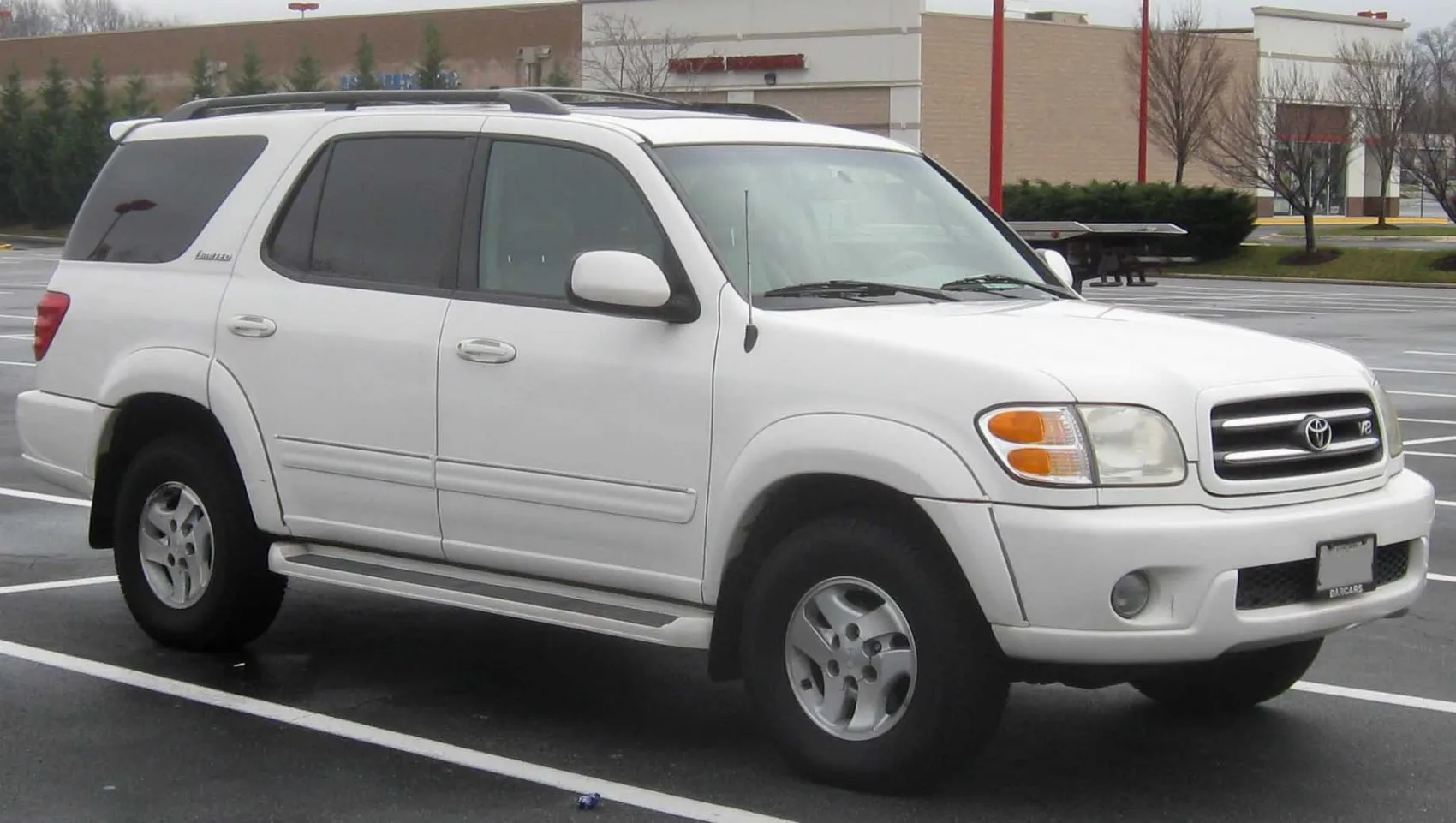
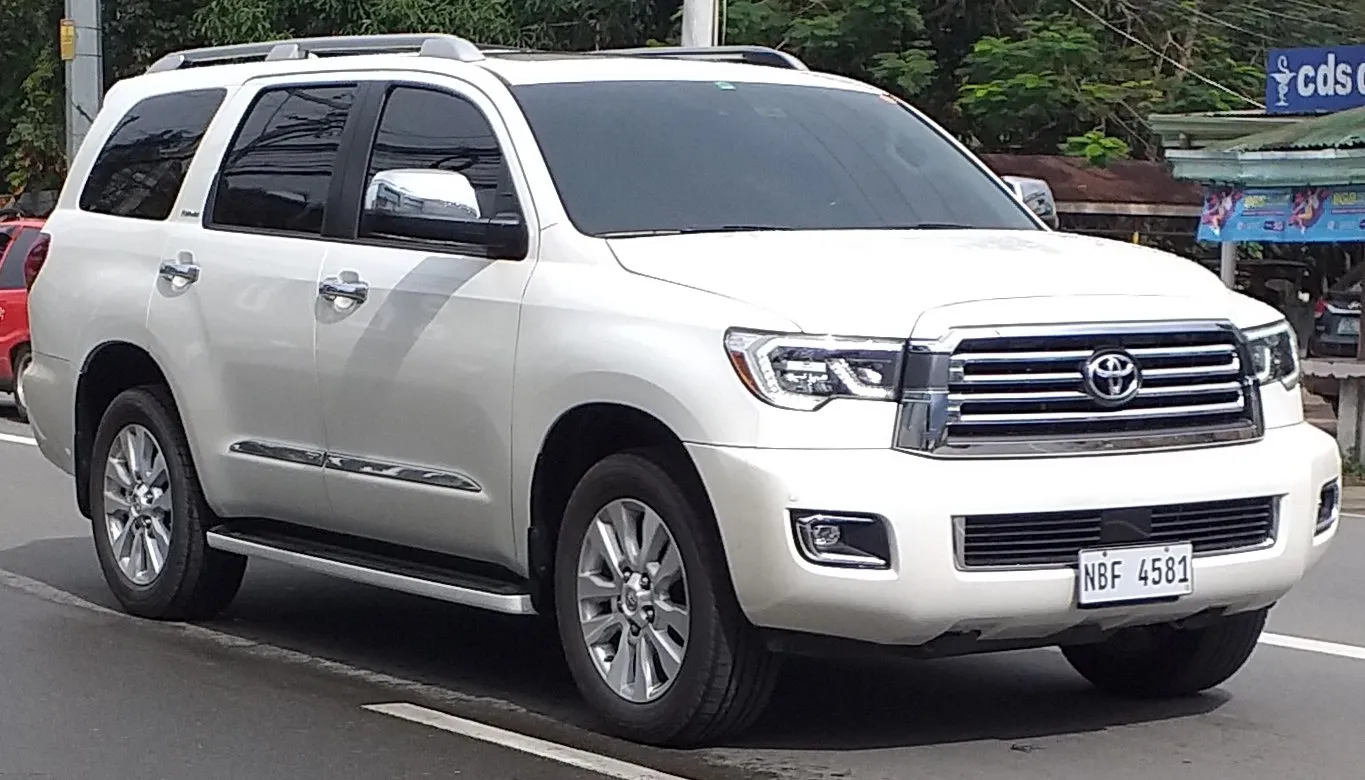
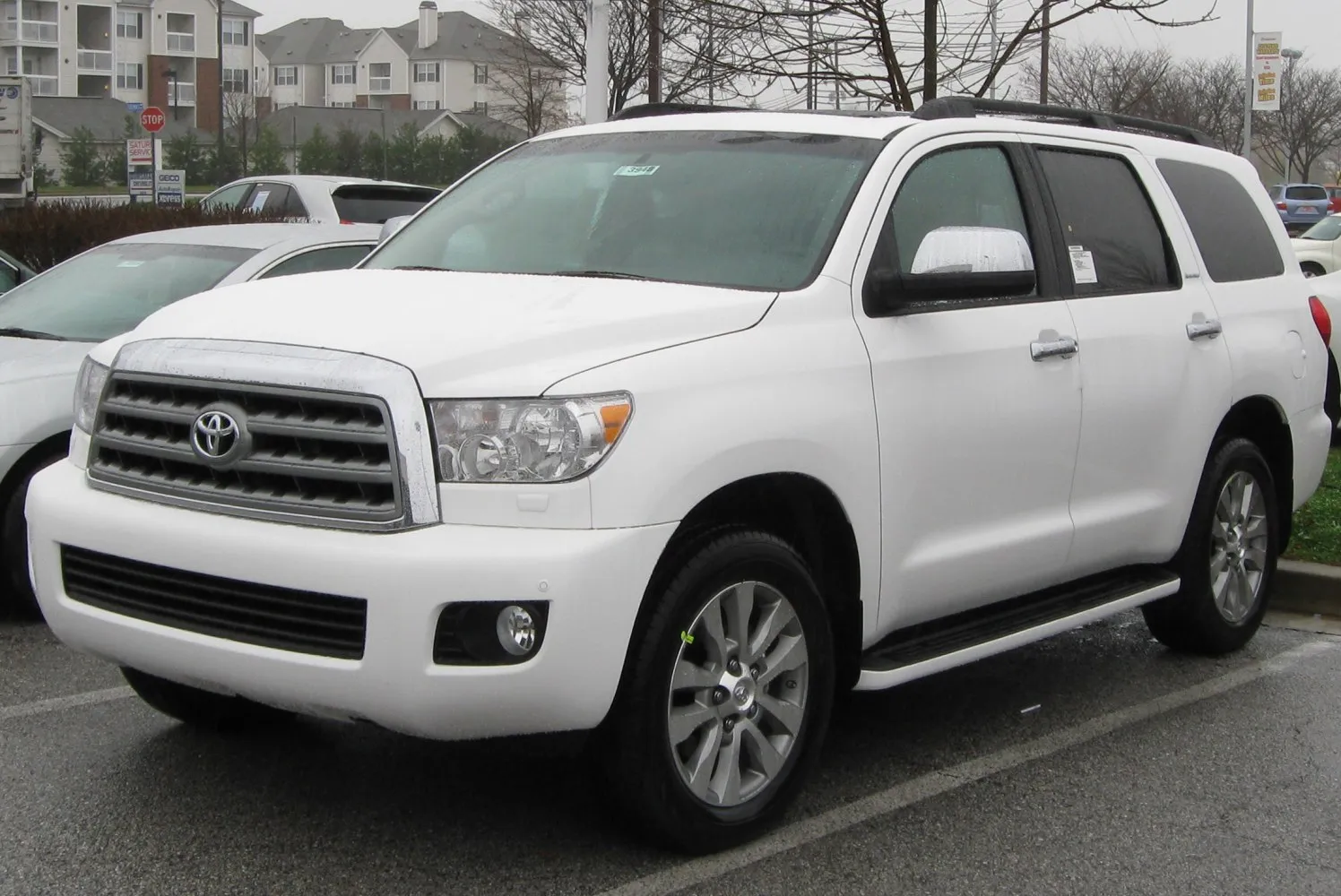
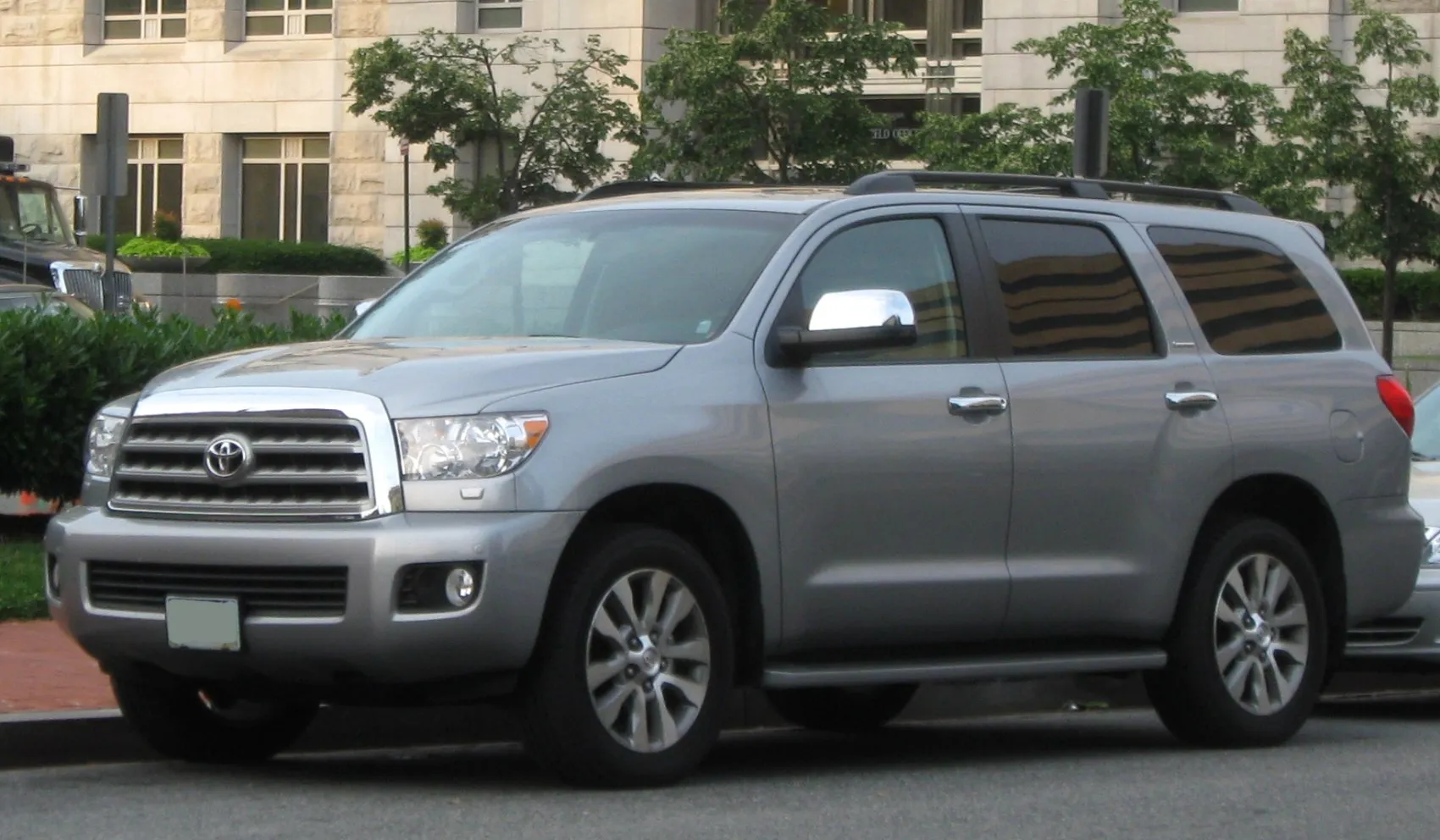
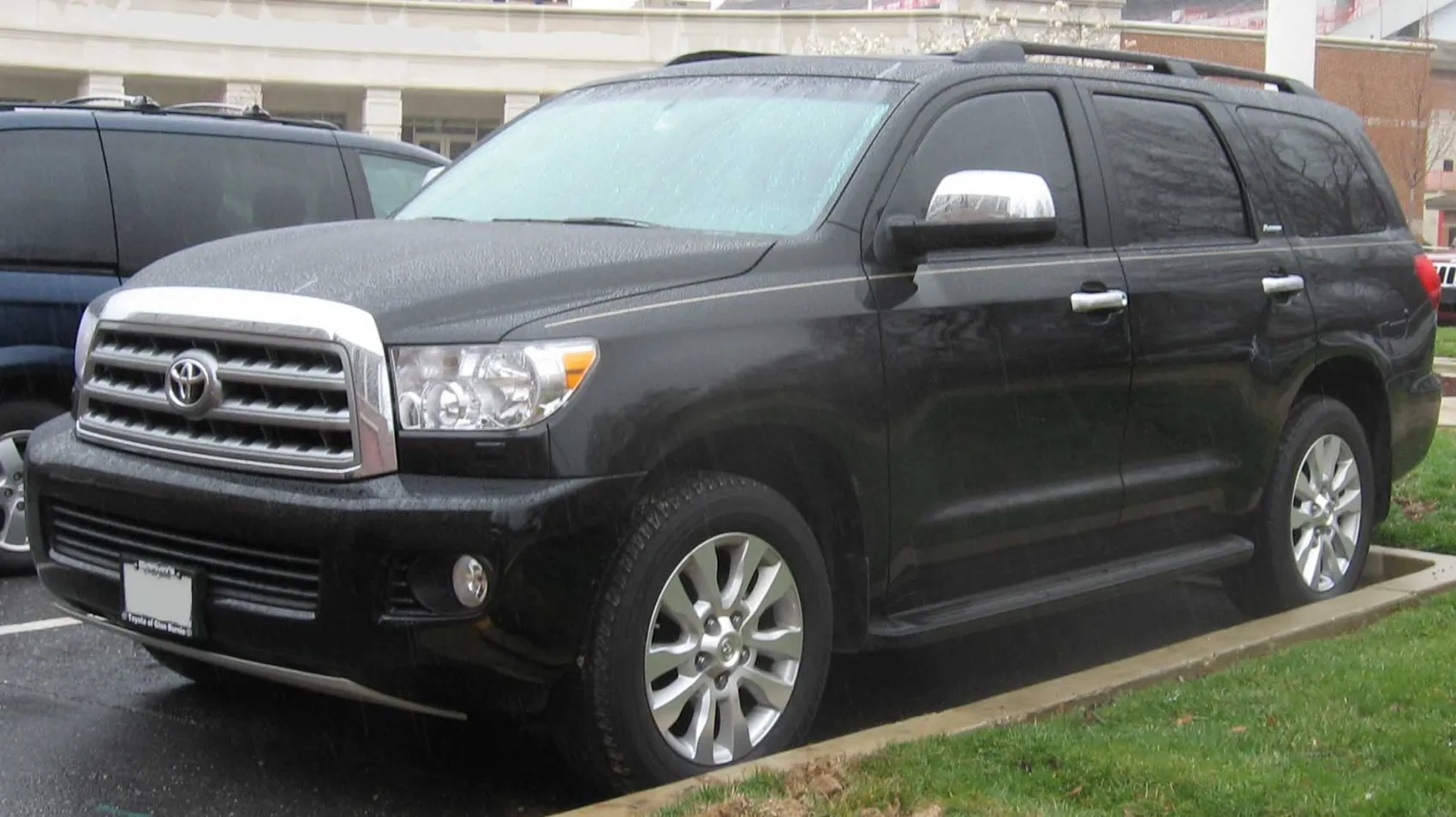
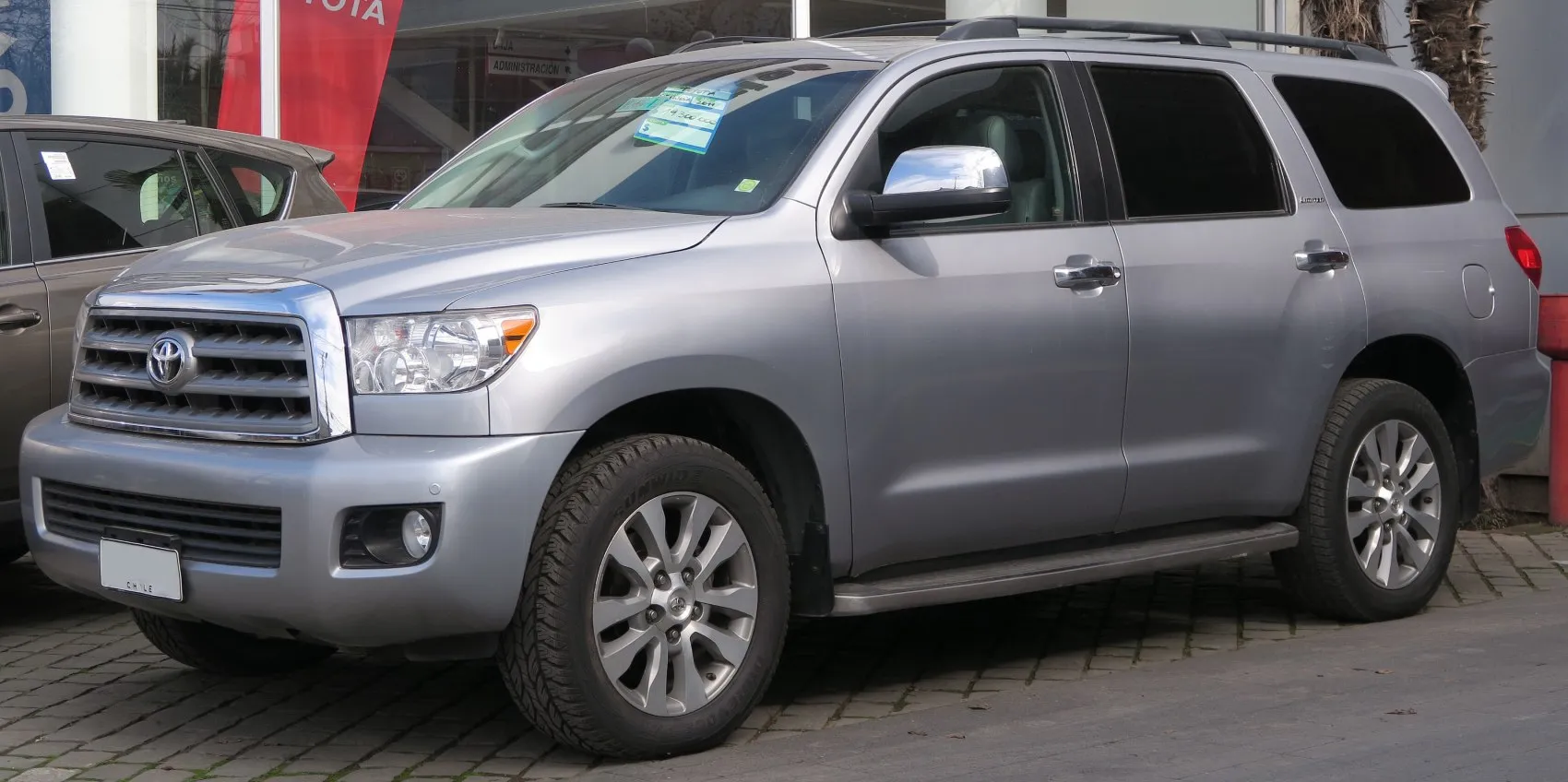
Toyota Sequoia II 4.6 V8 VVT-i (310 Hp) 2WD ECT-i
Overall Rating
Toyota Sequoia:
The Toyota Sequoia is a full-size SUV manufactured by Toyota mainly for the North American market since 2000 for the 2001 model year, being derived from the Tundra pickup truck. It is the second largest SUV ever produced under the Toyota brand, after the Japan-exclusive, military-focused Mega Cruiser.
Previously manufactured at Toyota Motor Manufacturing Indiana in Princeton, Indiana between 2000 and 2021, and then in Toyota Motor Manufacturing Texas in San Antonio, Texas since 2022, the Sequoia is the first vehicle from a Japanese marque in the popular mainstream full-sized SUV class in North America, and initial planning done by first-generation Sequoia chief engineer Kaoru Hosokawa aimed the Sequoia directly at the Ford Expedition, Chevrolet Tahoe/GMC Yukon, and other full-size SUVs....(Read more on Wikipedia)
II Overview:
Toyota Sequoia (II). With 443 Nm of torque, it offers ample pulling power. At around 2576 kg, it’s on the heavier side. Rear‑wheel drive offers dynamic handling and sporty feedback. A sport utility vehicle offering higher ground clearance and versatile cargo space. With seating for 7, it’s perfect for larger families.
The Toyota Sequoia II was primarily sold in North America and was not tested by Euro NCAP. US safety ratings (NHTSA, IIHS) generally indicate good performance for its class, with a strong frame and comprehensive airbag systems.
4.6 V8 VVT-i (310 Hp) 2WD ECT-i Verdict:

Performance Verdict
Similar strong performance to its 4WD counterpart, with the 310 Hp V8 providing smooth and responsive power delivery for everyday driving and moderate hauling.
Fuel Economy
The 2WD configuration offers a slight improvement in fuel economy over the 4WD version, making it the more economical choice for those who don't require all-wheel drive capability.
Pros and Cons:
Pros:
- • Exceptional V8 engine power and towing capability
- • Spacious and comfortable interior with seating for up to eight
- • Legendary Toyota reliability and durability
- • Smooth ride quality for a body-on-frame SUV
- • Strong resale value
Cons:
- • High fuel consumption, especially with the larger V8s
- • Large exterior dimensions can make city driving and parking challenging
- • Interior design can feel dated compared to some rivals
- • Limited maneuverability due to its size
- • Higher running costs (fuel, tires, maintenance) than smaller SUVs
Specifications:
Specifications are compared to those of the previous generation(II: 2008 - 2017).
| General: | |
|---|---|
| Brand: | Toyota |
| Model: | Sequoia |
| Generation: | II |
| Modification (Engine): | 4.6 V8 VVT-i (310 Hp) 2WD ECT-i |
| Start of production: | 2009 |
| End of production: | 2012 |
| Powertrain Architecture: | Internal Combustion engine |
| Body type: | SUV |
| Seats: | 7-8 |
| Doors: | 5 |
| Engine: | |
|---|---|
| Power: | 310 Hp @ 5400 rpm. Same horsepower |
| Power per litre: | 67.3 Hp/l [Same length.] |
| Torque: | 443 Nm @ 3400 rpm. |
| Engine Model/Code: | 1UR-FE More details about the engine 1UR-FE |
| Engine displacement: | 4608 |
| Number of cylinders: | 8 |
| Engine configuration: | V-engine |
| Number of valves per cylinder: | 4 |
| Fuel injection system: | Multi-port manifold injection |
| Engine aspiration: | Naturally aspirated engine |
| Valvetrain: | DOHC |
| Engine oil capacity: | 7.5 l |
| Coolant: | 14.8 l |
| Engine layout: | Front, Longitudinal |
| Cylinder Bore: | 94 mm mm |
| Piston Stroke: | 83 mm mm |
| Performance: | |
|---|---|
| Fuel Type: | Petrol (Gasoline) |
| Fuel consumption (economy) - urban: | 16.8 l/100 km |
| Fuel consumption (economy) - extra urban: | 12.4 l/100 km |
| Emission standard: | ULEV |
| Weight-to-power ratio: | 8.3 kg/Hp, 120.3 Hp/tonne |
| Weight-to-torque ratio: | 5.8 kg/Nm, 172 Nm/tonne |
| Space: | |
|---|---|
| Kerb Weight: | 2576 |
| Max. weight: | 3175 |
| Max load: | 599 |
| Trunk (boot) space - maximum: | 3401 l |
| Trunk (boot) space - minimum: | 535 l |
| Permitted trailer load with brakes (12%): | 3311 kg |
| Fuel tank capacity: | 100 l |
| Size: | |
|---|---|
| Length: | 5210 mm mm [Same length.] |
| Width: | 2030 mm mm [Same width.] |
| Height: | 1955 mm mm [Same height.] |
| Wheelbase: | 3100 mm mm [Same wheelbase.] |
| Front track: | 1725 mm |
| Rear (Back) track: | 1755 mm |
| Ride height (ground clearance): | 251 mm |
| Minimum turning circle (turning diameter): | 11.9 m [above average] |
| Approach angle: | 27° |
| Departure angle: | 20° |
| Powertrain: | |
|---|---|
| Drivetrain Architecture | The Internal combustion engine (ICE) drives the rear wheels of the vehicle. |
| Drive wheel | Rear wheel drive |
| Number of gears | 6 |
| Transmission type | Automatic |
| Gearbox type | ECT-i |
| Assisting systems | ABS (Anti-lock braking system) |
| Steering type | Steering rack and pinion |
| Power steering | Hydraulic Steering |
| Tires size | 275/65 R18 |
| Wheel rims size | 8J x 18 |
| Front suspension | Coil spring, Double wishbone, Transverse stabilizer |
| Rear suspension | Double wishbone, Transverse stabilizer, Coil spring |






Driven it? Loved it? Hated it? Share your honest review!