Toyota Prius V (XW60) 2.0 (199 Hp) Hybrid E-Four e-CVT
People\'s Opinion
N/A / 5
Toyota Prius:
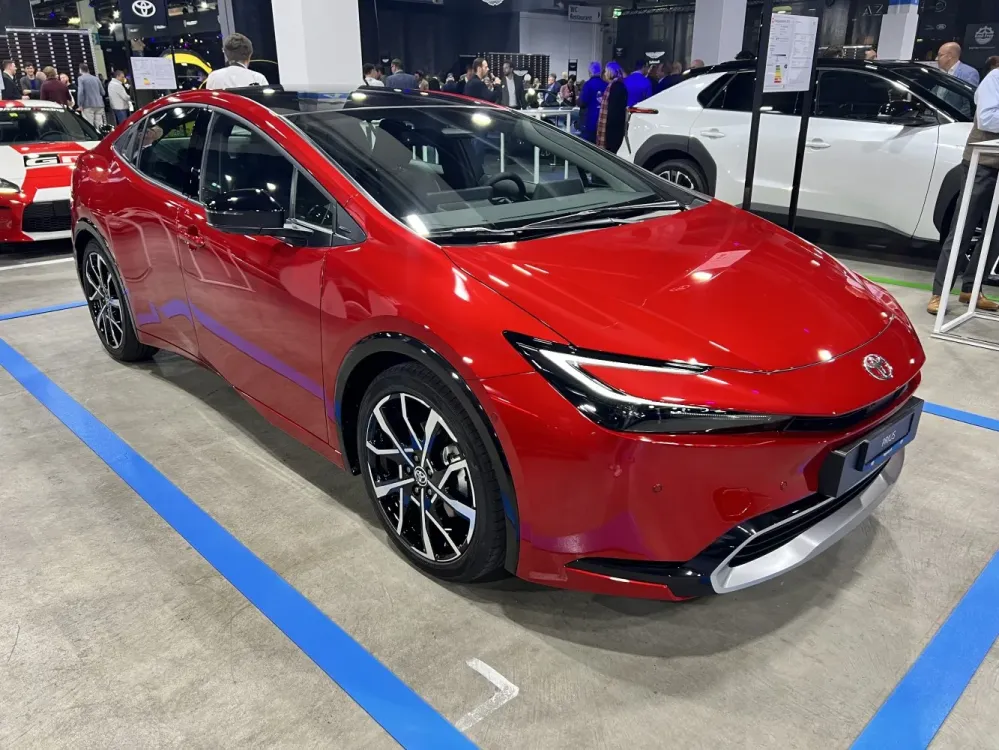
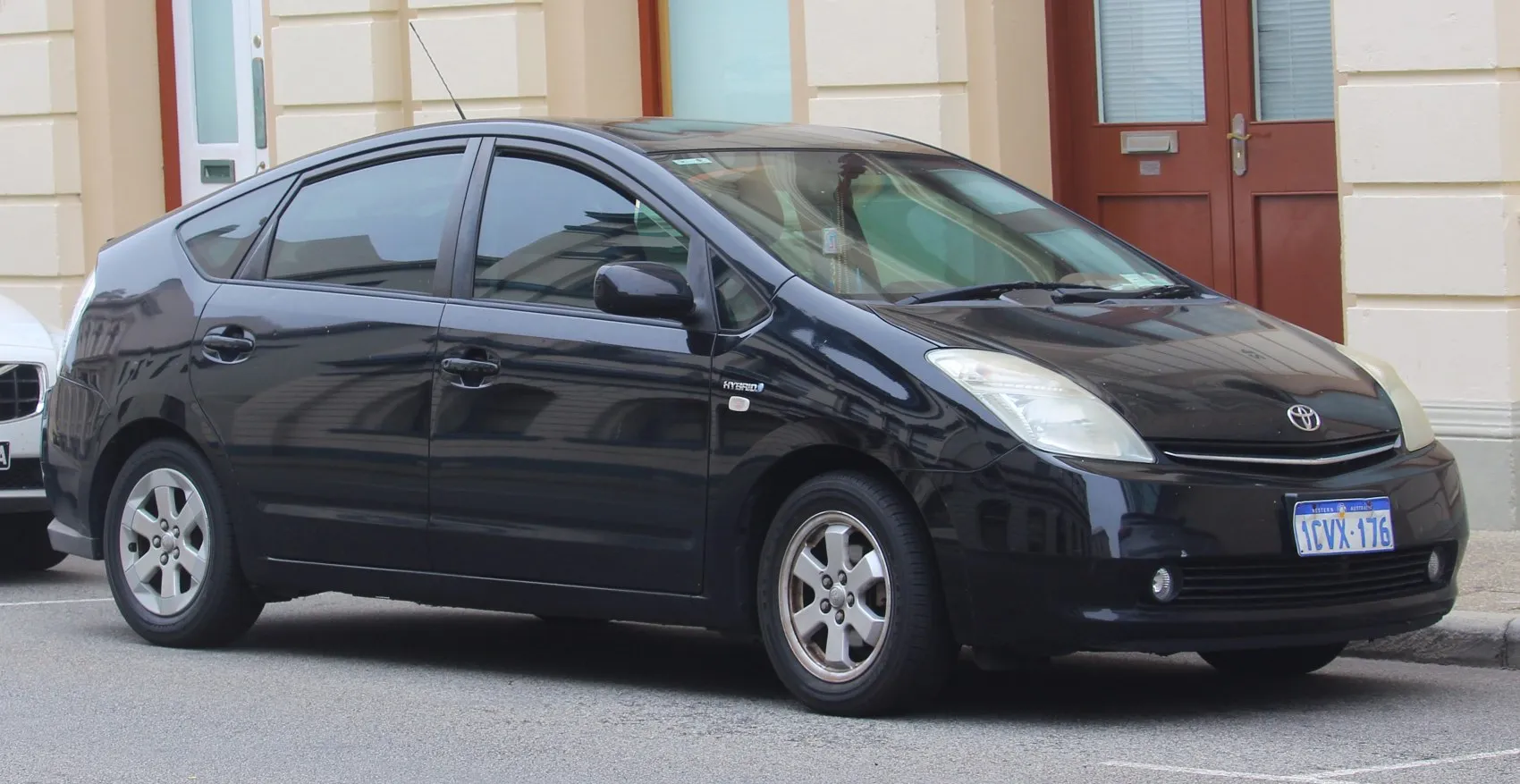
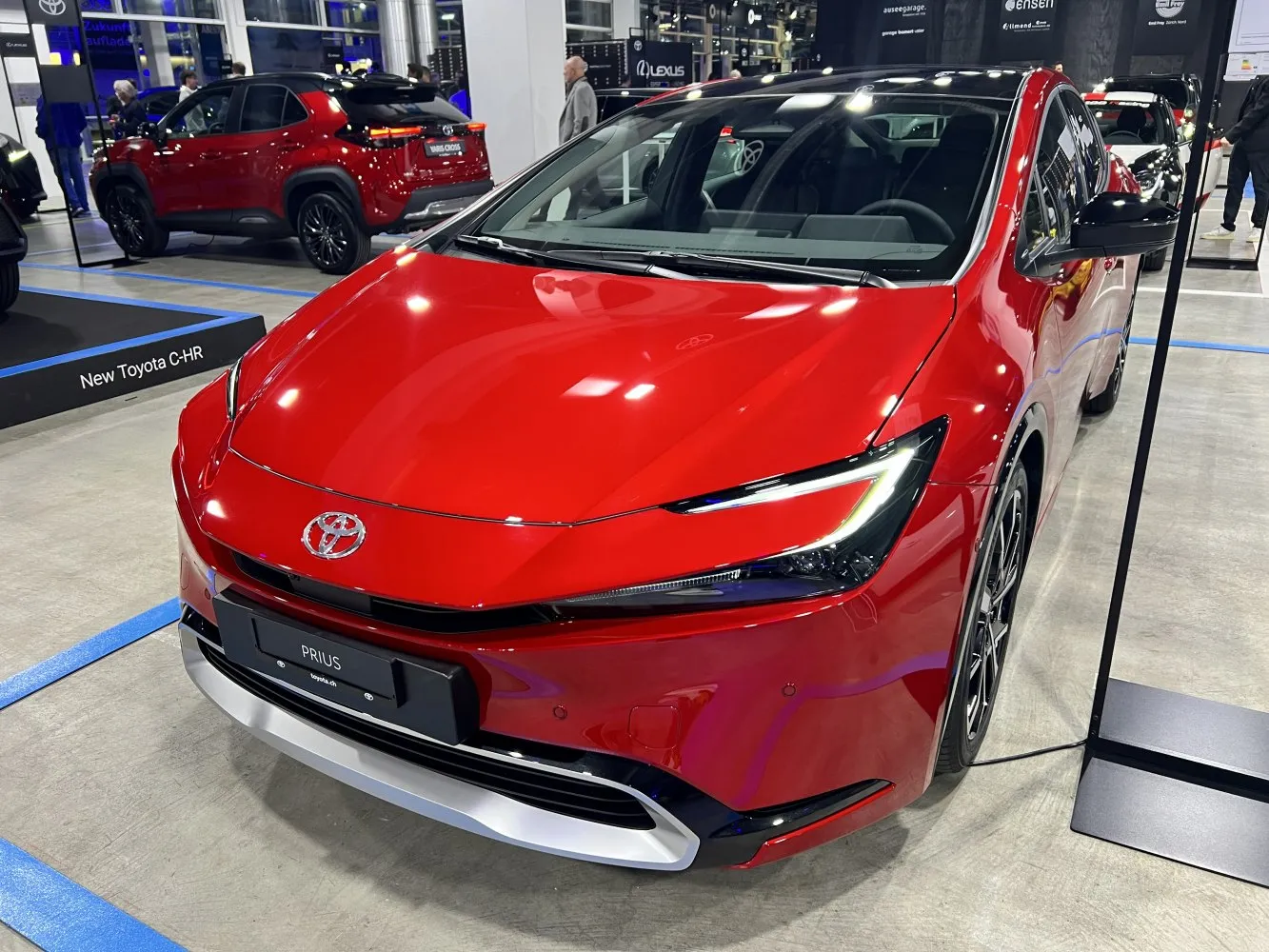
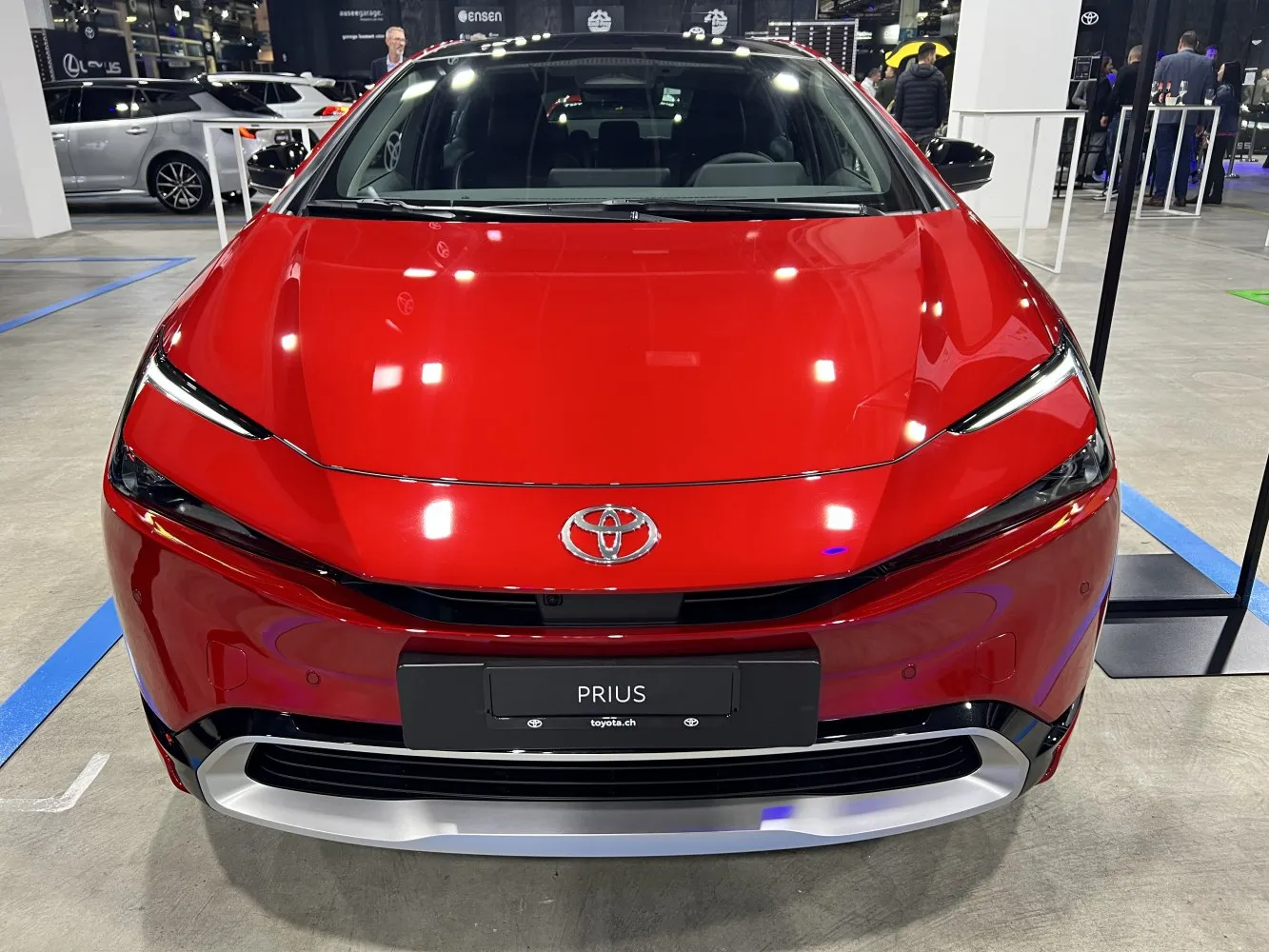
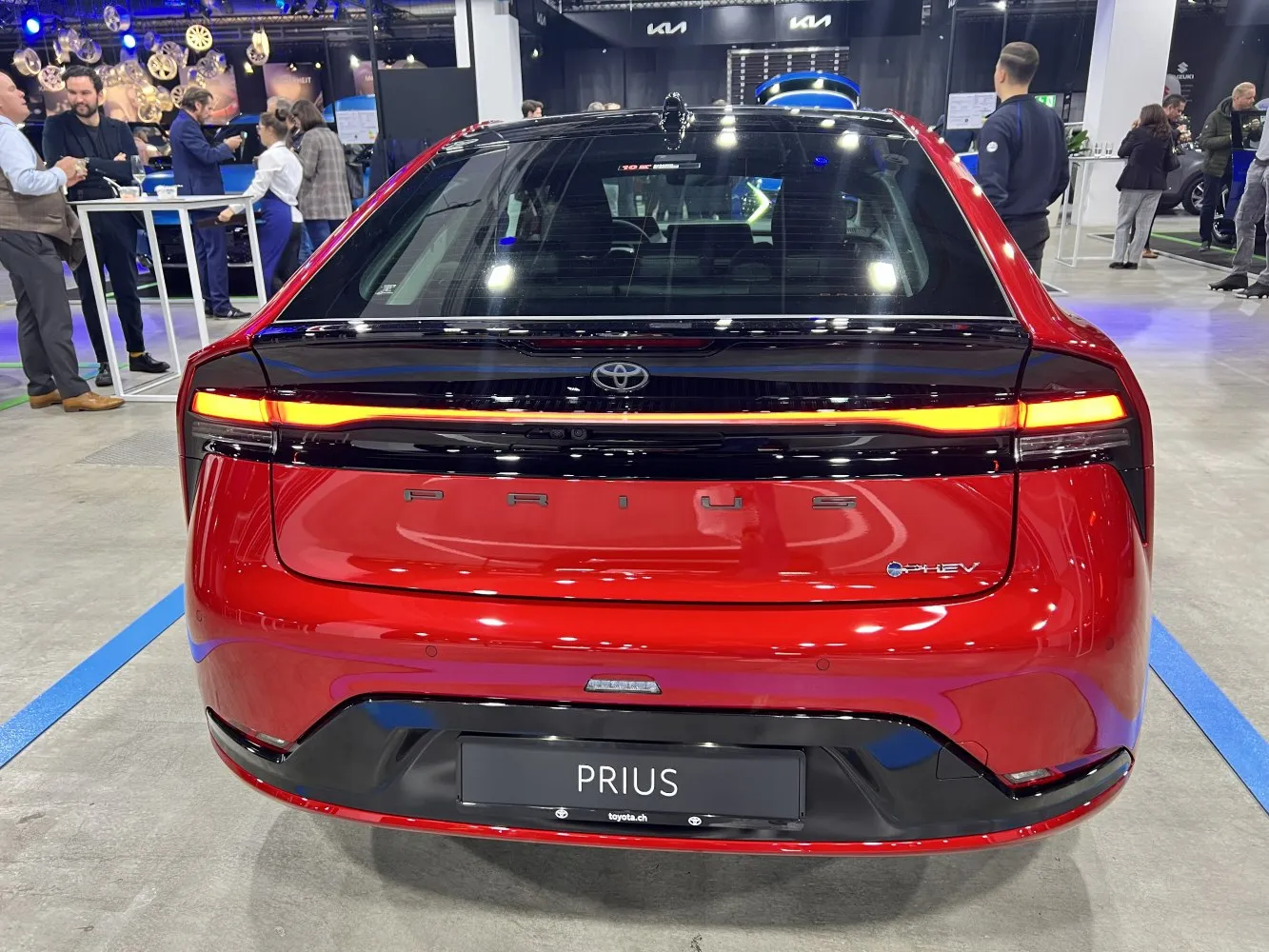
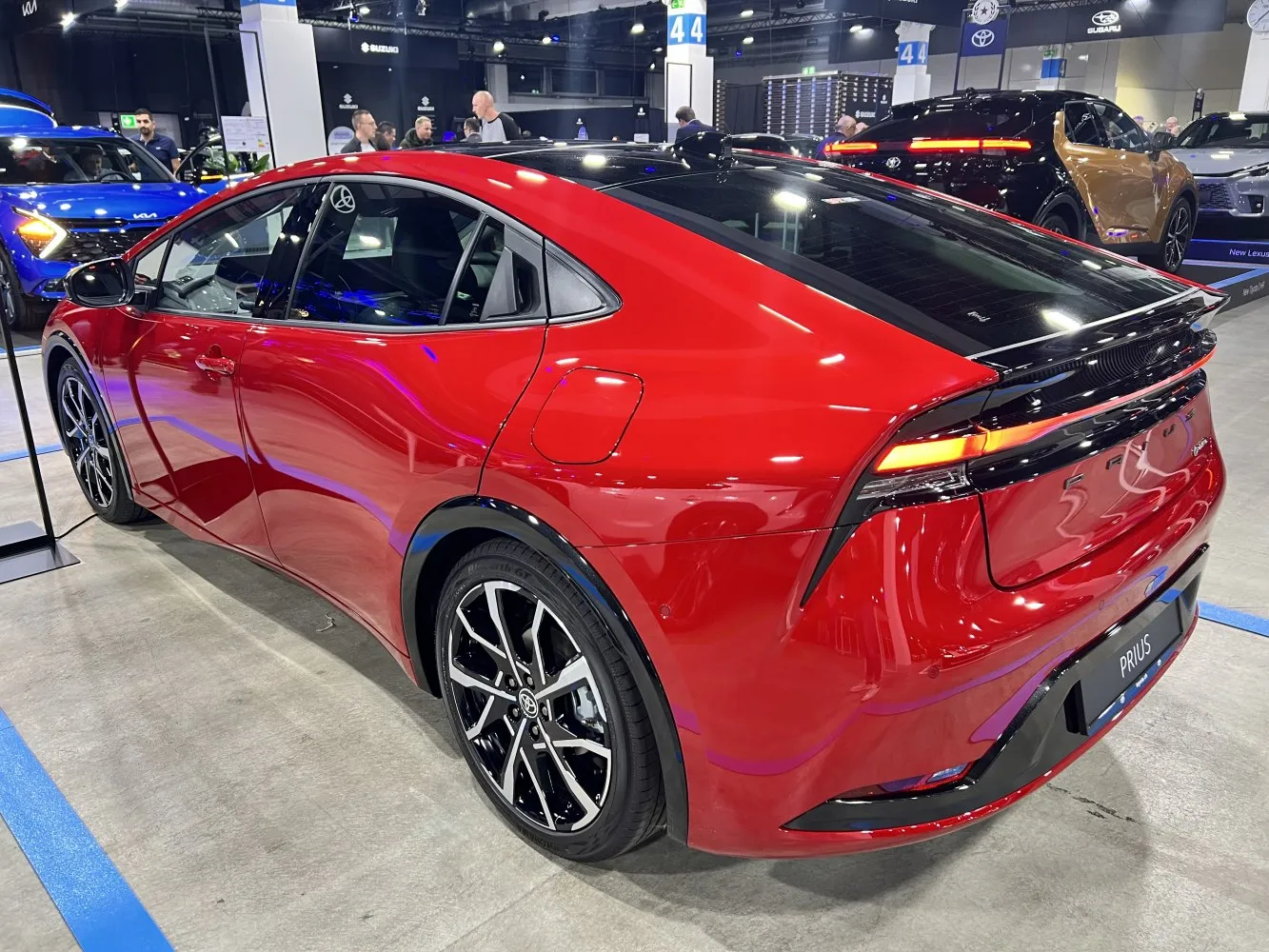
The Toyota Prius is a car produced by Toyota since 1997 over five generations. The Prius has a hybrid drivetrain, which combines an internal combustion engine and an electric motor. Initially offered as a subcompact four-door saloon, it has been produced only as a compact five-door liftback since 2003.
The Prius was developed by Toyota to be the "car for the 21st century"; it was the first mass-produced hybrid vehicle, first going on sale in Japan in 1997 at all four Toyota Japan dealership chains, and subsequently introduced worldwide in 2000....(Read more on Wikipedia)
V (XW60) Overview:
Toyota Prius (V (XW60)). With 188 Nm of torque, it offers ample pulling power. It boasts low fuel consumption (~4.3 l/100km). With a weight of 1470 kg, it falls in the mid‑range. All‑wheel drive provides excellent grip, ideal for off‑road use. A car with a sloping rear hatch that opens upwards, combining style and practicality. Seating for 5 makes it ideal for daily use.
Performance Verdict
Offers a strong balance of power and efficiency, with the E-Four system providing confident all-wheel-drive traction and improved acceleration for a hybrid.
Fuel Economy
Excellent fuel economy for an AWD vehicle, making it a highly efficient choice for varied driving conditions.
Best Use Case:
Mixed driving, especially in regions with challenging weather or where extra traction is beneficial.
Pros and Cons:
Pros:
- • Outstanding fuel economy across the lineup
- • Toyota's legendary reliability and low running costs
- • Striking, modern, and aerodynamic exterior design
- • Advanced safety features and top Euro NCAP rating
- • Available E-Four all-wheel-drive system for enhanced traction
- • Strong performance from 2.0L and Plug-in Hybrid variants
Cons:
- • e-CVT transmission can feel disconnected under hard acceleration
- • Exterior design may be polarizing for some buyers
- • Not designed for an engaging, sporty driving experience
- • Rear visibility can be somewhat compromised by the liftback design
Specifications:
Specifications are compared to those of the previous generation(IV (XW50, facelift 2018): 2018 - 2022).
| General: |
| Brand: | Toyota |
|---|
| Model: | Prius |
|---|
| Generation: | V (XW60) |
|---|
| Modification (Engine): | 2.0 (199 Hp) Hybrid E-Four e-CVT |
|---|
| Start of production: | January, 2023 |
|---|
| Powertrain Architecture: | FHEV (Full Hybrid Electric Vehicle) |
|---|
| Body type: | Liftback |
|---|
| Seats: | 5 |
|---|
| Doors: | 5 |
|---|
| Engine: |
| Engine systems: | Start & Stop System |
|---|
| Power: | 152 Hp @ 6000 rpm. Same horsepower |
|---|
| Power per litre: | 76.5 Hp/l [25mm more] |
|---|
| Torque: | 188 Nm @ 4400-5200 rpm. |
|---|
| Engine Model/Code: | M20A-FXS More details about the engine M20A-FXS |
|---|
| Engine displacement: | 1986 |
|---|
| Number of cylinders: | 4 |
|---|
| Engine configuration: | Inline |
|---|
| Number of valves per cylinder: | 4 |
|---|
| Fuel injection system: | Direct injection and Multi-port manifold injection |
|---|
| Engine aspiration: | Naturally aspirated engine |
|---|
| Valvetrain: | VVT |
|---|
| Engine oil capacity: | 4.2 l |
|---|
| Coolant: | 6.1 l |
|---|
| Engine layout: | Front, Transverse |
|---|
| Cylinder Bore: | 80.5 mm mm |
|---|
| Piston Stroke: | 97.6 mm mm |
|---|
| Performance: |
| Fuel Type: | Petrol (Gasoline) |
|---|
| Fuel consumption (economy) - urban: | 4.3 l/100 km |
|---|
| Fuel consumption (economy) - extra urban: | 3.4 l/100 km |
|---|
| Fuel consumption (economy) - urban (WLTC): | 4.3 l/100 km |
|---|
| Fuel consumption (economy) - extra urban (WLTC): | 3.4 l/100 km |
|---|
| Fuel consumption (economy) - combined: | 3.7 l/100 km |
|---|
| Fuel consumption (economy) - combined (WLTC): | 3.7 l/100 km |
|---|
| Weight-to-power ratio: | 7.3 kg/Hp, 136.3 Hp/tonne |
|---|
| Weight-to-torque ratio: | 7.8 kg/Nm, 128.8 Nm/tonne |
|---|
| Space: |
| Kerb Weight: | 1460-1480 |
|---|
| Max. weight: | 1755 |
|---|
| Max load: | 275-295 |
|---|
| Fuel tank capacity: | 43 l |
|---|
| Size: |
| Length: | 4600 mm mm [25mm more] |
|---|
| Width: | 1780 mm mm [20mm more] |
|---|
| Height: | 1430 mm mm [45mm less] |
|---|
| Wheelbase: | 2750 mm mm [50mm more] |
|---|
| Front track: | 1560 mm |
|---|
| Rear (Back) track: | 1570 mm |
|---|
| Ride height (ground clearance): | 150 mm |
|---|
| Minimum turning circle (turning diameter): | 10.8 m [above average] |
|---|
| Powertrain: |
| Drivetrain Architecture | An Internal combustion engine (ICE) drives the front wheels, one electric motor drives the front wheels, one electric motor drives the rear wheels. There is an ability for running in full electric or mixed mode. |
|---|
| Drive wheel | All wheel drive (4x4) |
|---|
| Transmission type | Automatic |
|---|
| Gearbox type | eCVT |
|---|
| Front brakes | Ventilated discs [Best for performance and cooling.] |
|---|
| Rear brakes | Disc [above average] |
|---|
| Assisting systems | ABS (Anti-lock braking system) |
|---|
| Steering type | Steering rack and pinion |
|---|
| Power steering | Electric Steering |
|---|
| Tires size | 195/60 R17; 195/50 R19 |
|---|
| Wheel rims size | 6.5J x 17; 6.5J x 19 |
|---|
| Front suspension | Independent, type McPherson with coil spring and anti-roll bar |
|---|
| Rear suspension | Double wishbone, Transverse stabilizer |
|---|
| Electric: |
| Battery technology: | Lithium-ion (Li-Ion) |
|---|
| System power: | 199 Hp |
|---|
| Electric motor power: | 113 Hp |
|---|
| Electric motor Torque: | 206 Nm |
|---|
| Electric motor location: | Integrated into the transmission |
|---|
| Electric motor type: | Synchronous |
|---|
| Electric motor model/code: | 1VM |
|---|













Every driver has a story. What’s yours with the Toyota Prius?