Toyota Prius V (XW60) 2.0 (223 Hp) Plug-in Hybrid e-CVT
People\'s Opinion
N/A / 5
Toyota Prius:
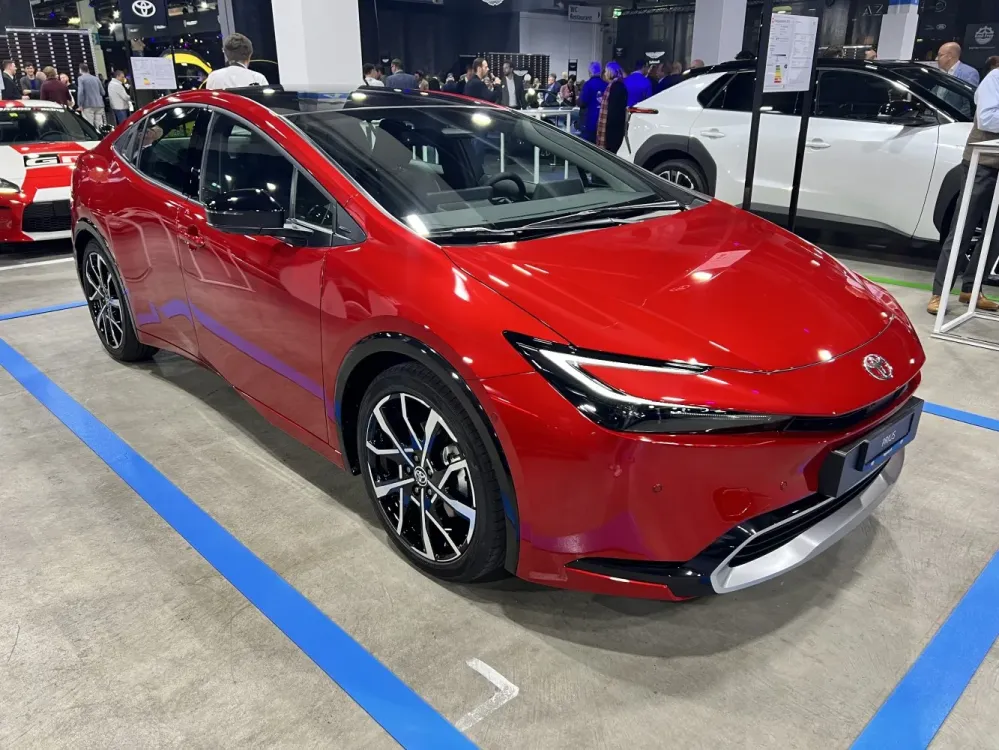
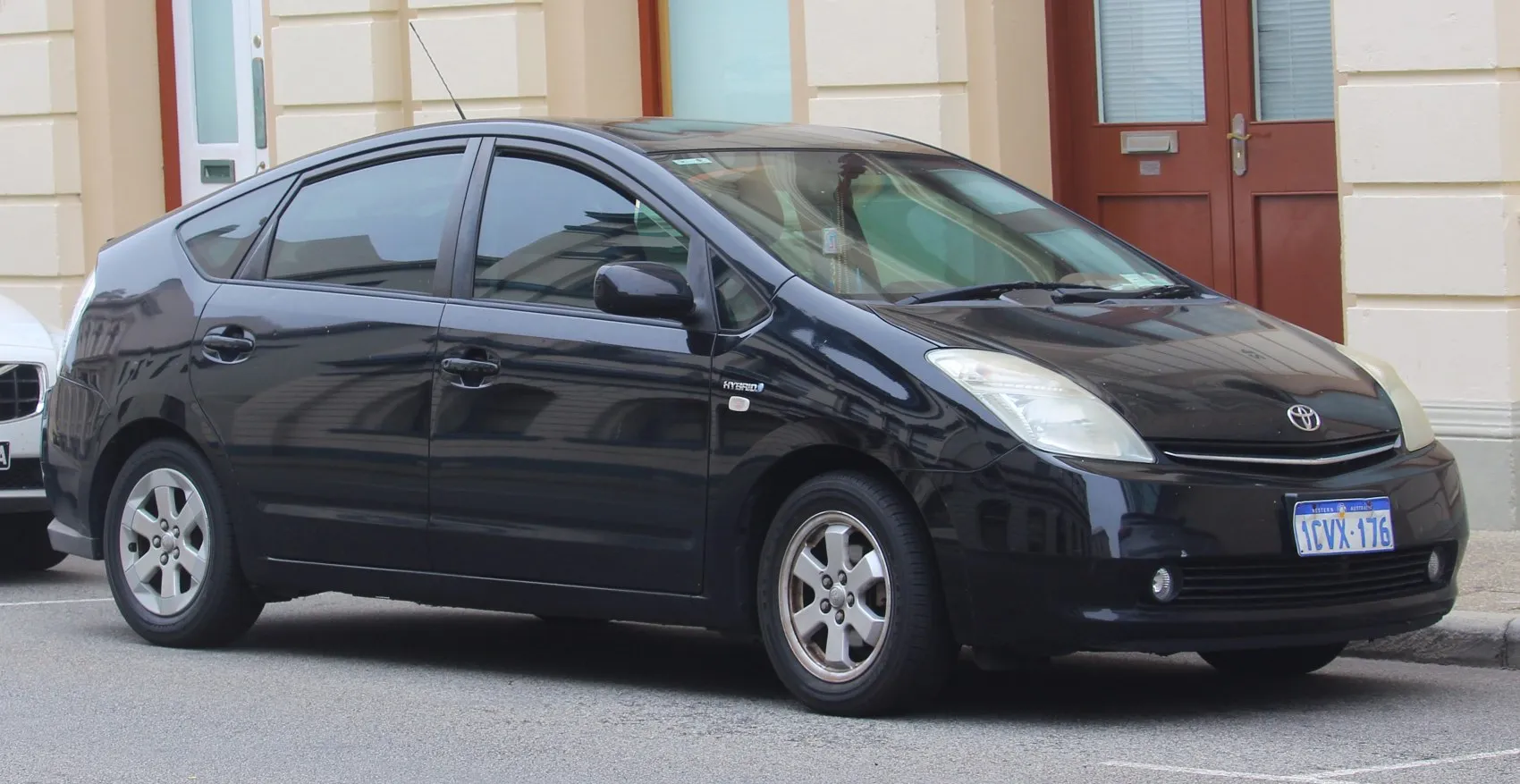
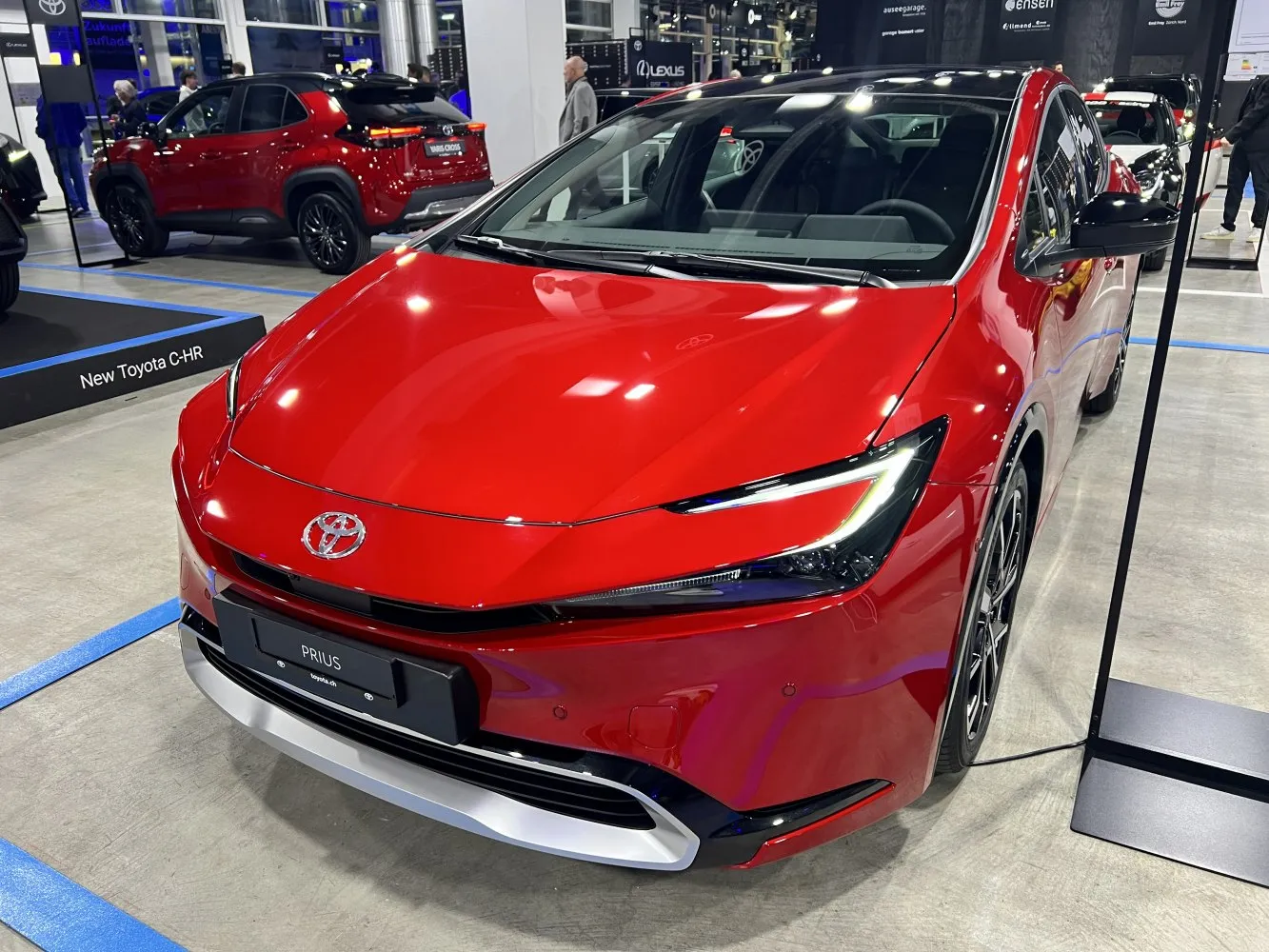
The Toyota Prius is a car produced by Toyota since 1997 over five generations. The Prius has a hybrid drivetrain, which combines an internal combustion engine and an electric motor. Initially offered as a subcompact four-door saloon, it has been produced only as a compact five-door liftback since 2003.
The Prius was developed by Toyota to be the "car for the 21st century"; it was the first mass-produced hybrid vehicle, first going on sale in Japan in 1997 at all four Toyota Japan dealership chains, and subsequently introduced worldwide in 2000....(Read more on Wikipedia)
V (XW60) Overview:
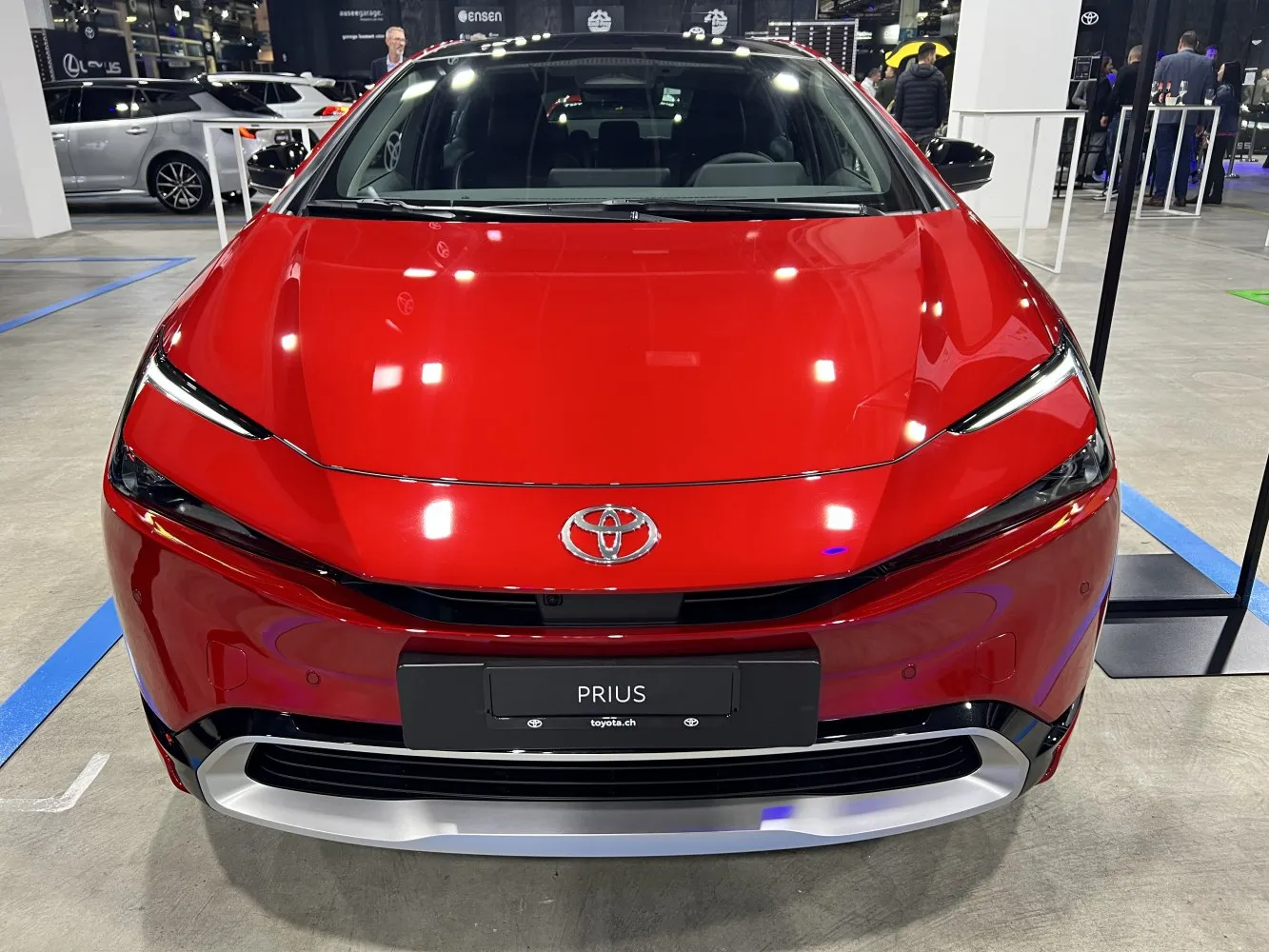
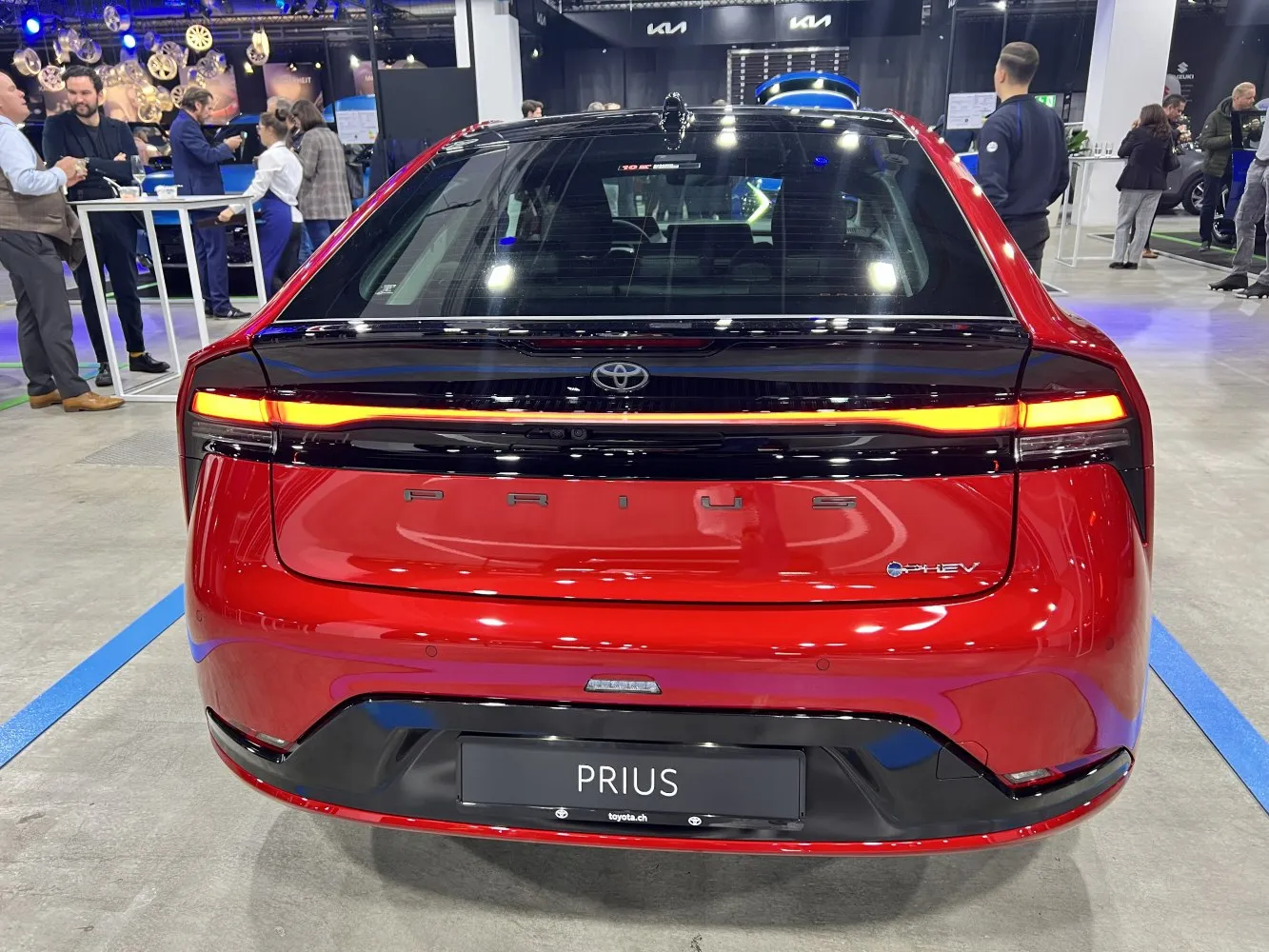
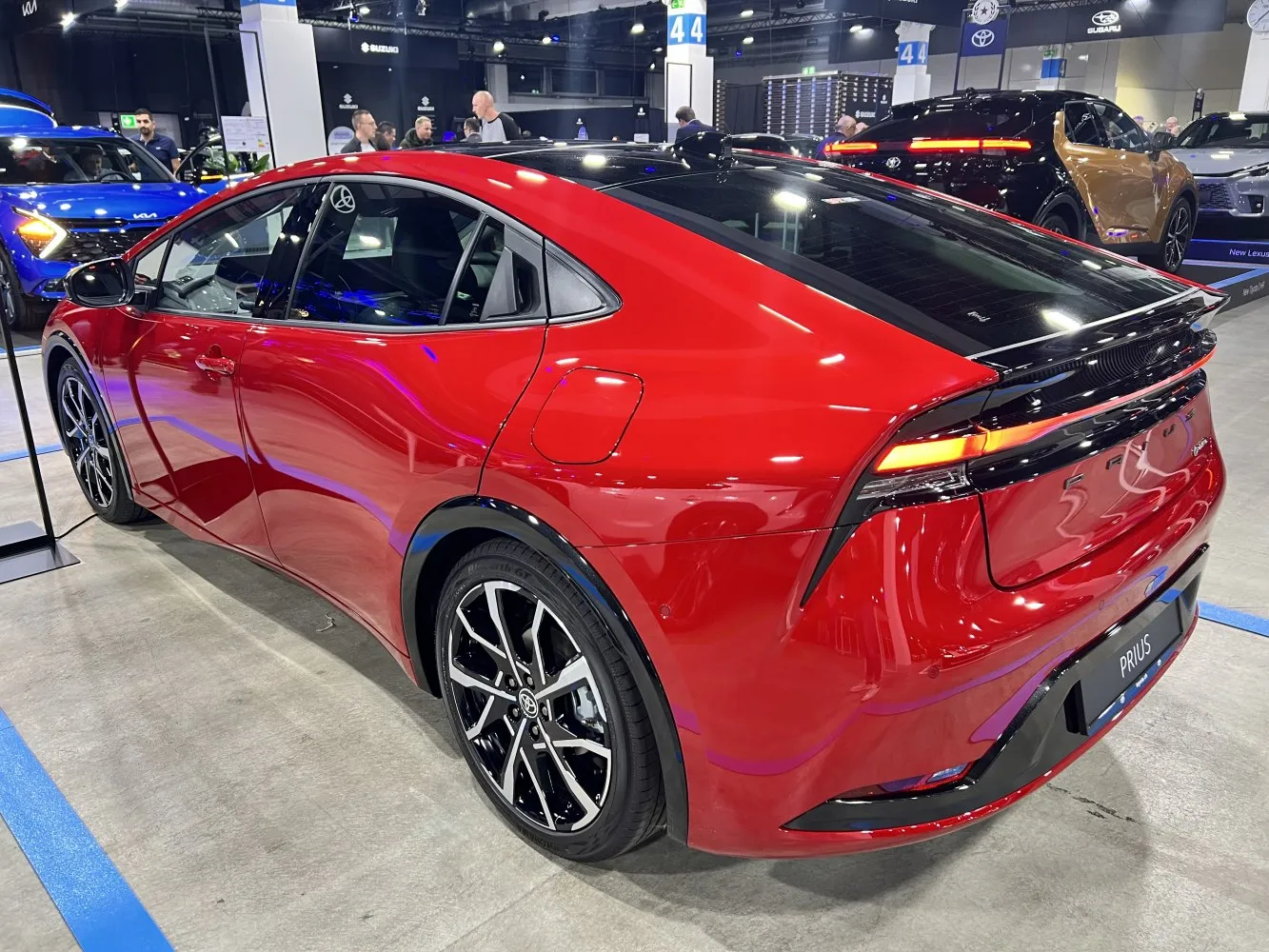
Toyota Prius (V (XW60)). With 188 Nm of torque, it offers ample pulling power. It boasts low fuel consumption (~4.2 l/100km). With a weight of 1570 kg, it falls in the mid‑range. Front‑wheel drive delivers efficiency and easy handling. A car with a sloping rear hatch that opens upwards, combining style and practicality. Seating for 5 makes it ideal for daily use.
Performance Verdict
The most powerful variant, offering brisk acceleration and the flexibility of electric-only driving for significant distances, enhancing overall driving experience.
Fuel Economy
Exceptional fuel economy, especially when regularly charged, allowing for very low running costs and reduced emissions.
Best Use Case:
Daily commutes with access to charging, offering the best of both electric and hybrid worlds for maximum efficiency and performance.
Pros and Cons:
Pros:
- • Outstanding fuel economy across the lineup
- • Toyota's legendary reliability and low running costs
- • Striking, modern, and aerodynamic exterior design
- • Advanced safety features and top Euro NCAP rating
- • Available E-Four all-wheel-drive system for enhanced traction
- • Strong performance from 2.0L and Plug-in Hybrid variants
Cons:
- • e-CVT transmission can feel disconnected under hard acceleration
- • Exterior design may be polarizing for some buyers
- • Not designed for an engaging, sporty driving experience
- • Rear visibility can be somewhat compromised by the liftback design
Specifications:
Specifications are compared to those of the previous generation(V (XW60): January, 2023 - ).
| General: |
| Brand: | Toyota |
|---|
| Model: | Prius |
|---|
| Generation: | V (XW60) |
|---|
| Modification (Engine): | 2.0 (223 Hp) Plug-in Hybrid e-CVT |
|---|
| Start of production: | July, 2023 |
|---|
| Powertrain Architecture: | PHEV (Plug-in Hybrid Electric Vehicle) |
|---|
| Body type: | Liftback |
|---|
| Seats: | 5 |
|---|
| Doors: | 5 |
|---|
| Engine: |
| Engine systems: | Start & Stop System |
|---|
| Power: | 151 Hp @ 6000 rpm. |
|---|
| Power per litre: | 76 Hp/l |
|---|
| Torque: | 188 Nm @ 4400-5200 rpm. |
|---|
| Engine Model/Code: | M20A-FXS [Same engine] More details about the engine M20A-FXS |
|---|
| Engine displacement: | 1986 |
|---|
| Number of cylinders: | 4 |
|---|
| Engine configuration: | Inline |
|---|
| Number of valves per cylinder: | 4 |
|---|
| Fuel injection system: | Direct injection and Multi-port manifold injection |
|---|
| Engine aspiration: | Naturally aspirated engine |
|---|
| Valvetrain: | VVT |
|---|
| Engine oil capacity: | 4.2 l |
|---|
| Coolant: | 6.1 l |
|---|
| Engine layout: | Front, Transverse |
|---|
| Cylinder Bore: | 80.5 mm |
|---|
| Piston Stroke: | 97.6 mm |
|---|
| Performance: |
| Fuel Type: | Petrol / electricity |
|---|
| Fuel consumption (economy) - urban: | 4.2 l/100 km |
|---|
| Fuel consumption (economy) - extra urban: | 3.5 l/100 km |
|---|
| Fuel consumption (economy) - urban (WLTC): | 4.2 l/100 km |
|---|
| Fuel consumption (economy) - extra urban (WLTC): | 3.5 l/100 km |
|---|
| Fuel consumption (economy) - combined: | 3.8 l/100 km |
|---|
| Fuel consumption (economy) - combined (WLTC): | 3.8 l/100 km |
|---|
| Weight-to-power ratio: | 7 kg/Hp, 142 Hp/tonne |
|---|
| Weight-to-torque ratio: | 8.4 kg/Nm, 119.7 Nm/tonne |
|---|
| Space: |
| Kerb Weight: | 1570 |
|---|
| Max. weight: | 1845 |
|---|
| Max load: | 275 |
|---|
| Fuel tank capacity: | 40 l |
|---|
| Size: |
| Length: | 4600 mm [Same length.] |
|---|
| Width: | 1780 mm [Same width.] |
|---|
| Height: | 1430 mm [Same height.] |
|---|
| Wheelbase: | 2750 mm [Same wheelbase.] |
|---|
| Front track: | 1560 mm |
|---|
| Rear (Back) track: | 1570 mm |
|---|
| Ride height (ground clearance): | 150 mm |
|---|
| Minimum turning circle (turning diameter): | 10.8 m [above average] |
|---|
| Powertrain: |
| Drivetrain Architecture | The Internal combustion engine (ICE) and electric motor drive the front wheels of the car with the ability to work in full electric or mixed mode. |
|---|
| Drive wheel | Front wheel drive |
|---|
| Transmission type | Automatic |
|---|
| Gearbox type | e-CVT |
|---|
| Front brakes | Ventilated discs [Best for performance and cooling.] |
|---|
| Rear brakes | Disc [above average] |
|---|
| Assisting systems | ABS (Anti-lock braking system) |
|---|
| Steering type | Steering rack and pinion |
|---|
| Power steering | Electric Steering |
|---|
| Tires size | 195/60 R17; 195/50 R19 |
|---|
| Wheel rims size | 6.5J x 17; 6.5J x 19 |
|---|
| Front suspension | Independent, type McPherson with coil spring and anti-roll bar |
|---|
| Rear suspension | Double wishbone, Transverse stabilizer |
|---|
| Electric: |
| Gross battery capacity: | 13.6 kWh |
|---|
| Battery technology: | Lithium-ion (Li-Ion) |
|---|
| Battery location: | Below the floor, under the rear seats |
|---|
| System power: | 223 Hp |
|---|
| All-electric range: | 87 km |
|---|
| Electric motor power: | 163 Hp |
|---|
| Electric motor Torque: | 208 Nm |
|---|
| Average Energy consumption: | 13.4 kWh/100 km |
|---|
| Electric motor location: | Integrated into the transmission |
|---|
| Electric motor type: | Synchronous |
|---|
| Electric motor model/code: | 1VM |
|---|
| All-electric range (WLTC): | 87 km |
|---|
| Average Energy consumption (WLTC): | 13.4 kWh/100 km |
|---|














Describe your experience with the Toyota Prius using only emojis!