
Click on image to view the full photo gallery
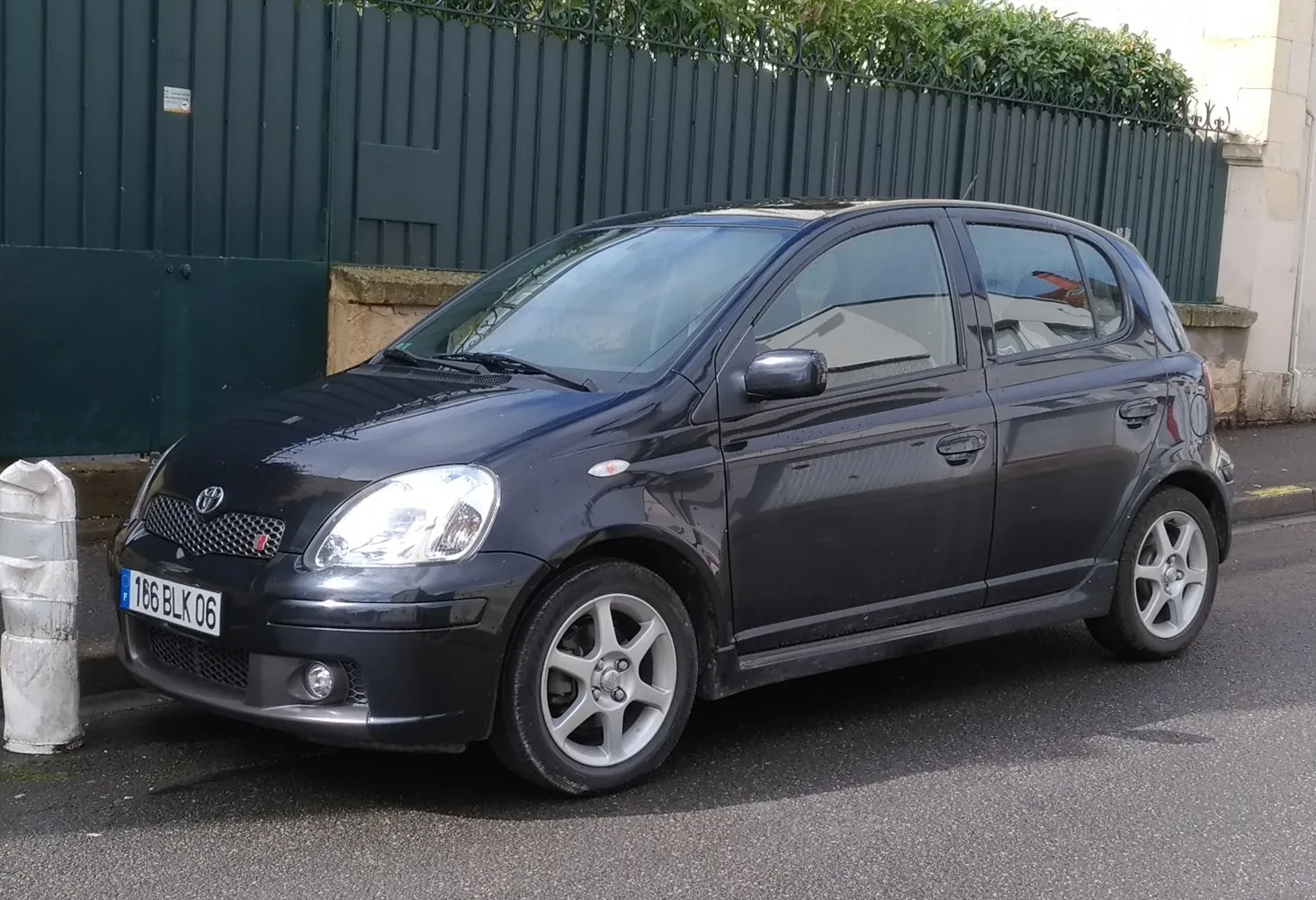
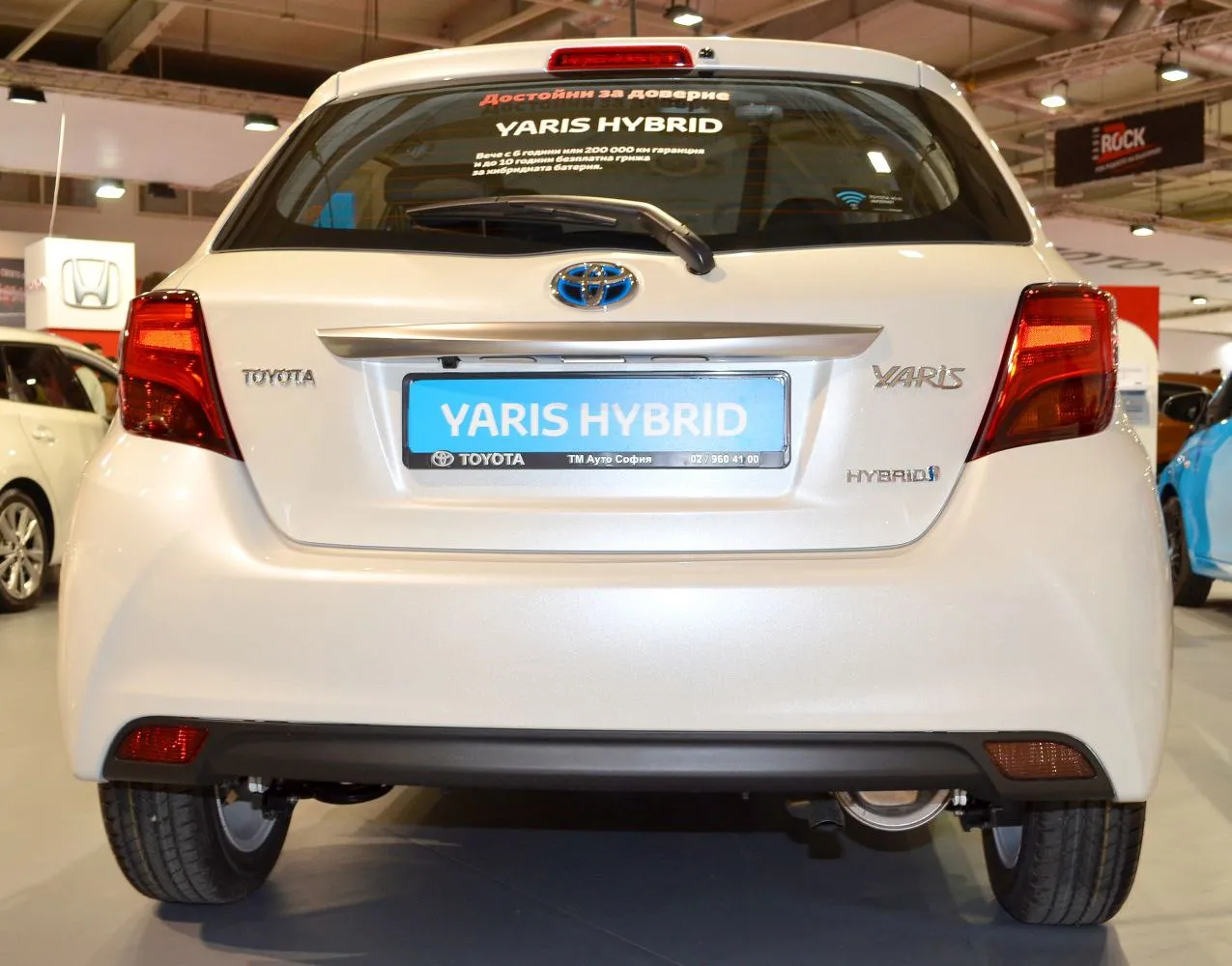
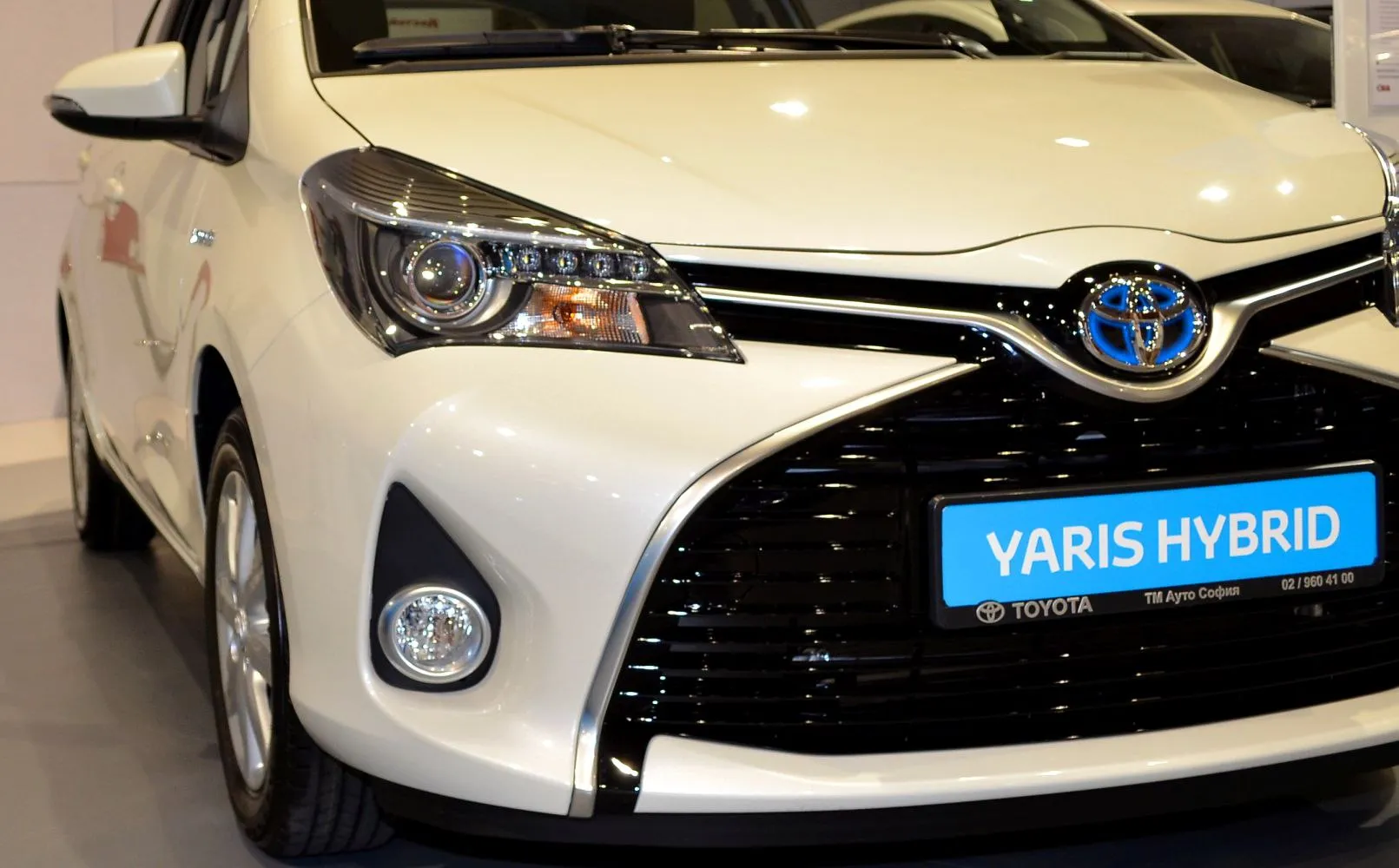
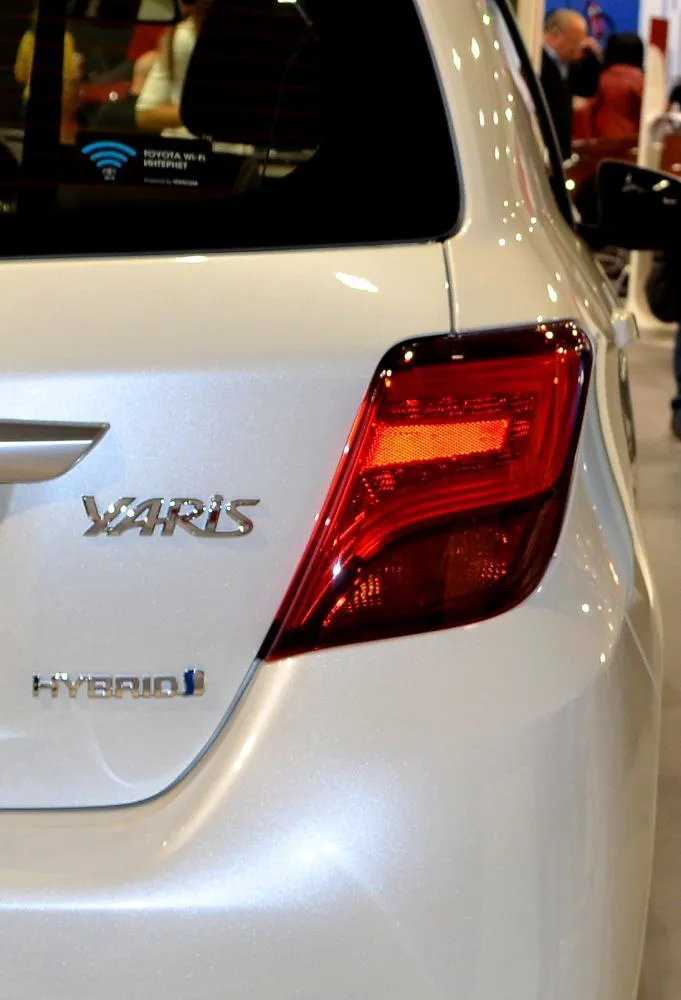
Toyota Yaris III (facelift 2014) 1.33 Dual VVT-i (99 Hp) Multidrive
Overall Rating
Toyota Yaris:
The Toyota Yaris is a supermini/subcompact car sold by Toyota since 1999, replacing the Starlet and Tercel.
Up to 2019, Toyota had used the Yaris nameplate on export versions of various Japanese-market models, with some markets receiving the same vehicles under the Toyota Echo name through 2005. Starting in 2020, the Yaris nameplate began to be used in Japan, which replaced the Vitz nameplate.
The Yaris nameplate has also been applied to other vehicles. From 1999 to 2005, the nameplate had been used for the Yaris Verso mini MPV sold in Europe, where it was known in Japan as the FunCargo. Since 2020, the nameplate has also been used for the subcompact crossover SUV offering called Yaris Cross. In North America, most Yaris sedan models sold from 2015 to 2020 and Yaris hatchbacks sold from 2019 until 2020 were restyled versions of the Mazda2, produced and developed by Mazda....(Read more on Wikipedia)
III (facelift 2014) Overview:
Toyota Yaris (III (facelift 2014)). With 125 Nm of torque, it offers ample pulling power. It boasts low fuel consumption (~5.95 l/100km). Weighing only 1077 kg, it’s quite light. Front‑wheel drive delivers efficiency and easy handling. Acceleration is relatively slow (0–100 km/h in 12.6 s). The top speed reaches 175 km/h. A compact car with a rear door that swings upward to provide access to the cargo area. Seating for 5 makes it ideal for daily use.
1.33 Dual VVT-i (99 Hp) Multidrive Verdict:

Performance Verdict
Decent power on paper, but the Multidrive (CVT) transmission can make it feel less engaging and somewhat sluggish under hard acceleration.
Fuel Economy
Acceptable fuel economy for a petrol automatic, but slightly less efficient than the manual version due to the CVT.
Pros and Cons:
Pros:
- • Exceptional reliability and low running costs, especially for hybrid models.
- • Compact dimensions make it ideal for city driving and parking.
- • Good safety ratings for its class.
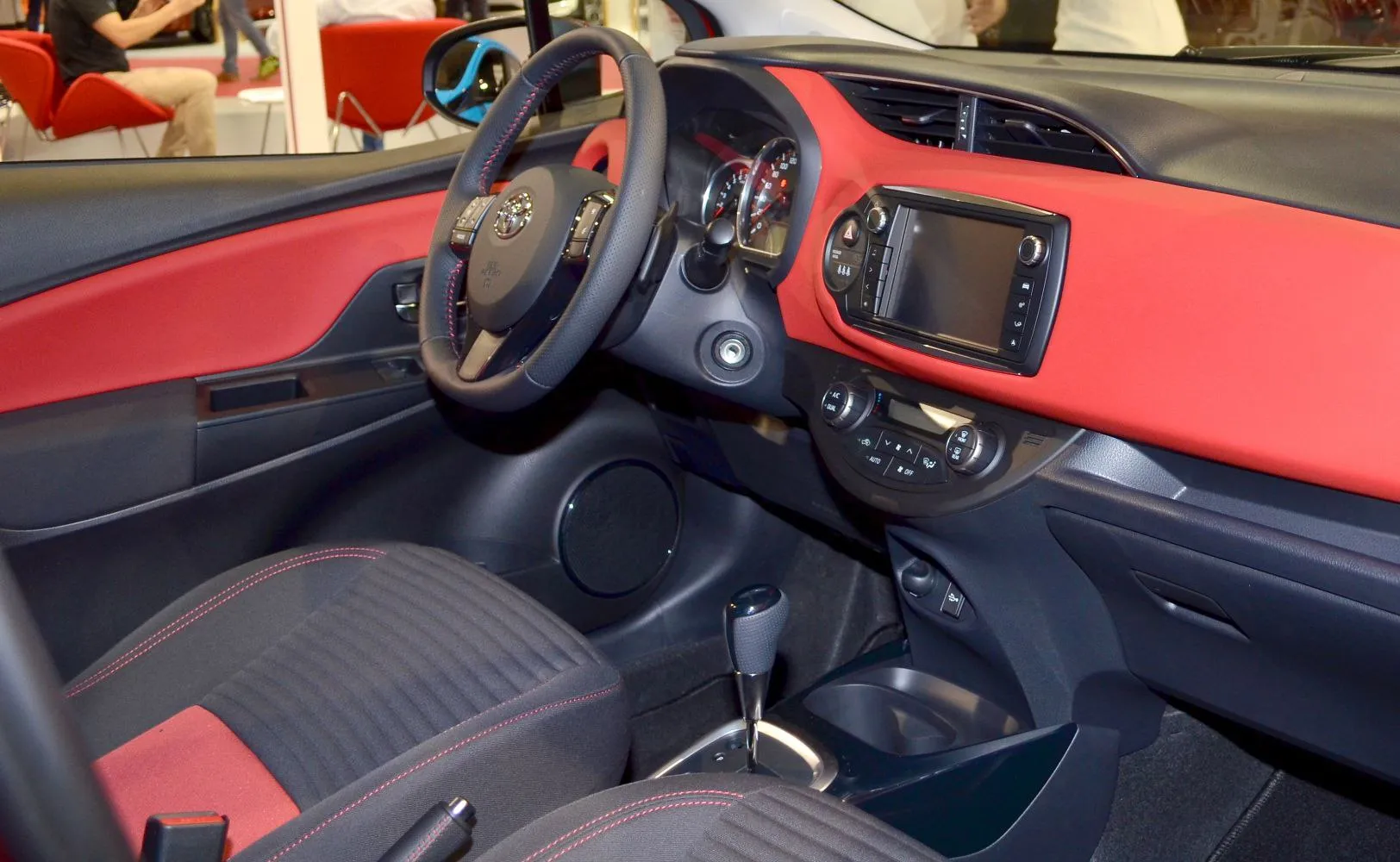
- • Improved interior quality and styling post-facelift.
Cons:
- • Performance can be uninspiring, particularly with the 1.0L engine and CVT.
- • Limited boot space compared to some rivals.
- • Interior design, while improved, can still feel somewhat bland.
- • Road noise can be noticeable at higher speeds.
Specifications:
Specifications are compared to those of the previous generation(III: 2012 - 2014).
| General: | |
|---|---|
| Brand: | Toyota |
| Model: | Yaris |
| Generation: | III (facelift 2014) |
| Modification (Engine): | 1.33 Dual VVT-i (99 Hp) Multidrive |
| Start of production: | 2014 |
| End of production: | 2017 |
| Powertrain Architecture: | Internal Combustion engine |
| Body type: | Hatchback |
| Seats: | 5 |
| Doors: | 5 |
| Engine: | |
|---|---|
| Power: | 99 Hp @ 6000 rpm. Same horsepower |
| Power per litre: | 74.5 Hp/l [45mm more] |
| Torque: | 125 Nm @ 4000 rpm. |
| Engine Model/Code: | 1NR-FE More details about the engine 1NR-FE |
| Engine displacement: | 1329 |
| Number of cylinders: | 4 |
| Engine configuration: | Inline |
| Number of valves per cylinder: | 4 |
| Fuel injection system: | Multi-port manifold injection |
| Engine aspiration: | Naturally aspirated engine |
| Valvetrain: | DOHC |
| Engine oil capacity: | 3.4 l |
| Coolant: | 4.8 l |
| Engine layout: | Front, Transverse |
| Compression ratio: | 11.5:1 |
| Performance: | |
|---|---|
| Fuel Type: | Petrol (Gasoline) |
| Fuel consumption (economy) - urban: | 5.7-6.2 l/100 km |
| Fuel consumption (economy) - extra urban: | 4.2 l/100 km |
| Fuel consumption (economy) - combined: | 5.1 l/100 km |
| Emission standard: | Euro 6 w |
| Acceleration 0 - 100 km/h: | 12.6 sec |
| Acceleration 0 - 62 mph: | 12.6 sec |
| Maximum speed: | 175 km/h |
| Weight-to-power ratio: | 10.6 kg/Hp, 94.3 Hp/tonne |
| Weight-to-torque ratio: | 8.4 kg/Nm, 119 Nm/tonne |
| Acceleration 0 - 60 mph: | 12 sec |
| Space: | |
|---|---|
| Kerb Weight: | 1050-1105 |
| Max. weight: | 1490-1500 |
| Max. roof load: | 50 kg |
| Max load: | 395-440 |
| Trunk (boot) space - minimum: | 286 l |
| Permitted trailer load with brakes (12%): | 880 kg |
| Fuel tank capacity: | 42 l |
| Permitted trailer load without brakes: | 550 kg |
| Permitted towbar download: | 50 kg |
| Size: | |
|---|---|
| Length: | 3950 mm mm [45mm more] |
| Width: | 1695 mm mm [Same width.] |
| Height: | 1510 mm mm [Same height.] |
| Wheelbase: | 2510 mm mm [Same wheelbase.] |
| Front track: | 1460-1485 mm |
| Rear (Back) track: | 1445-1470 mm |
| Minimum turning circle (turning diameter): | 9.6 m [above average] |
| Powertrain: | |
|---|---|
| Drivetrain Architecture | The Internal combustion engine (ICE) drives the front wheels of the vehicle. |
| Drive wheel | Front wheel drive |
| Transmission type | Automatic |
| Gearbox type | CVT |
| Front brakes | Ventilated discs [Best for performance and cooling.] |
| Rear brakes | Drum [bad for performance and cooling.] |
| Assisting systems | ABS (Anti-lock braking system) |
| Steering type | Steering rack and pinion |
| Power steering | Electric Steering |
| Front suspension | Independent, type McPherson with coil spring and anti-roll bar |
| Rear suspension | Independent coil spring |
















Does the Toyota Yaris live up to the hype? Give us your verdict!