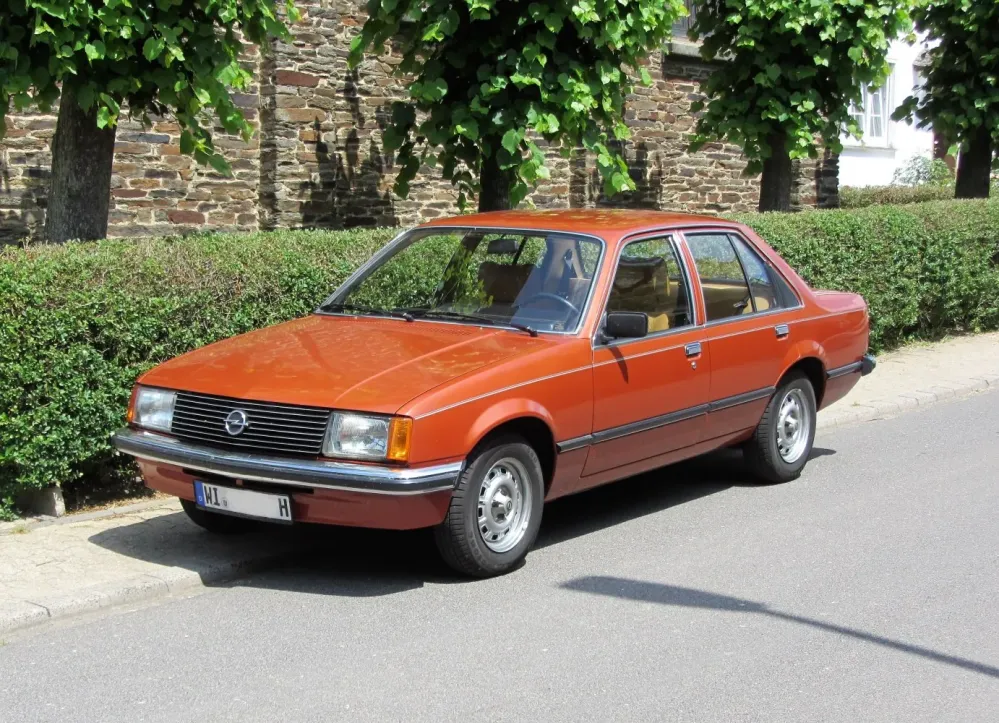
Click on image to view the full photo gallery
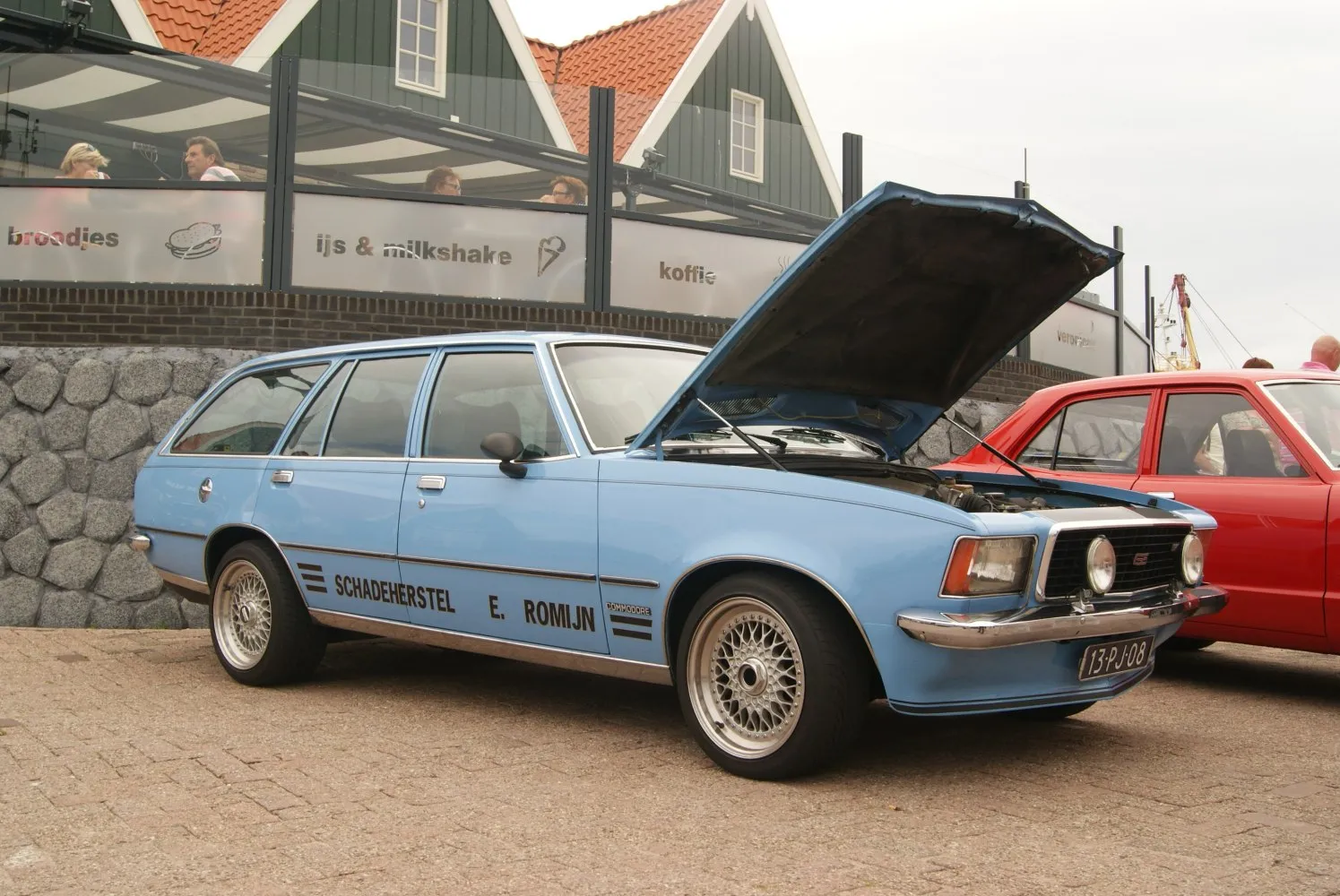
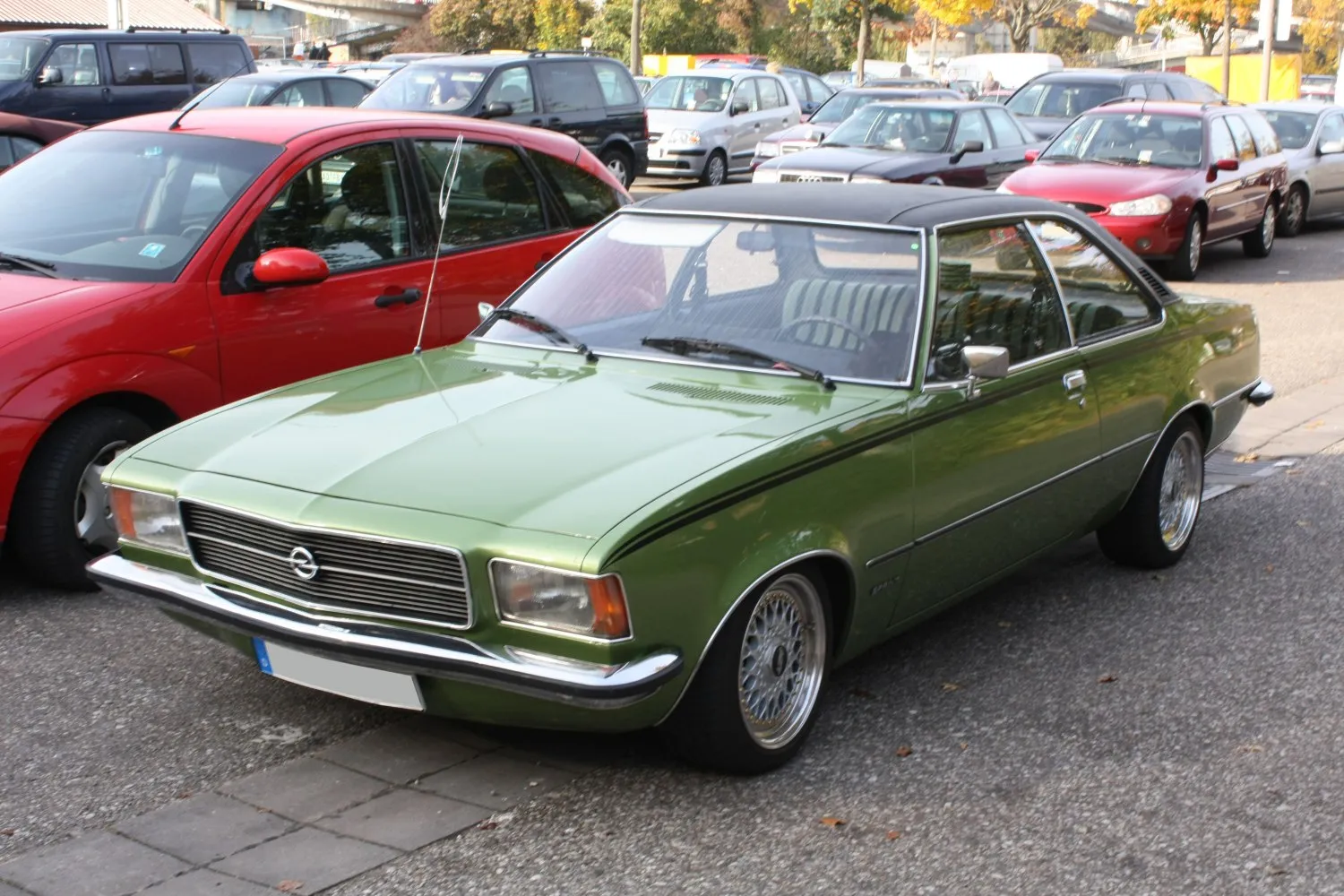
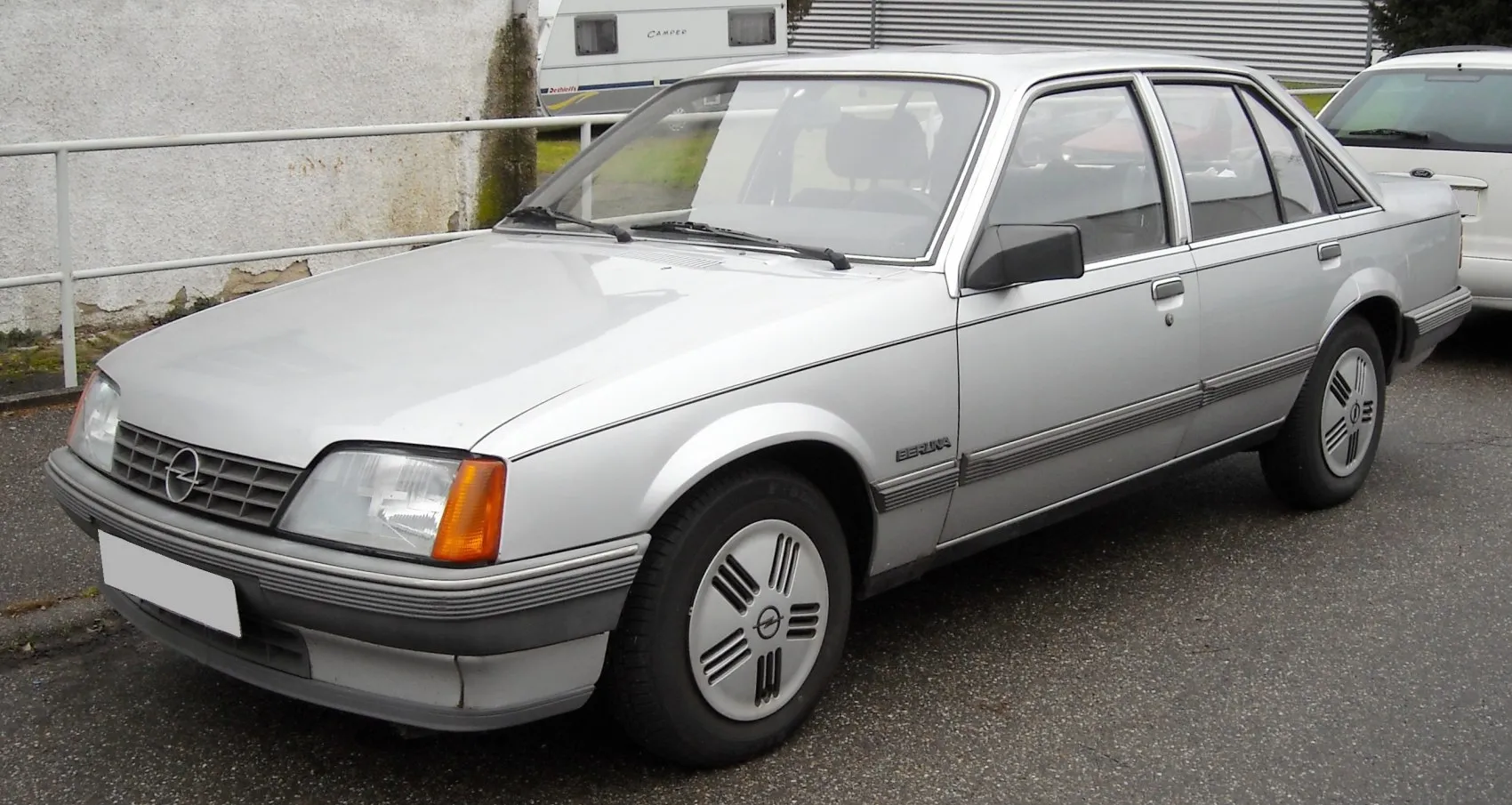
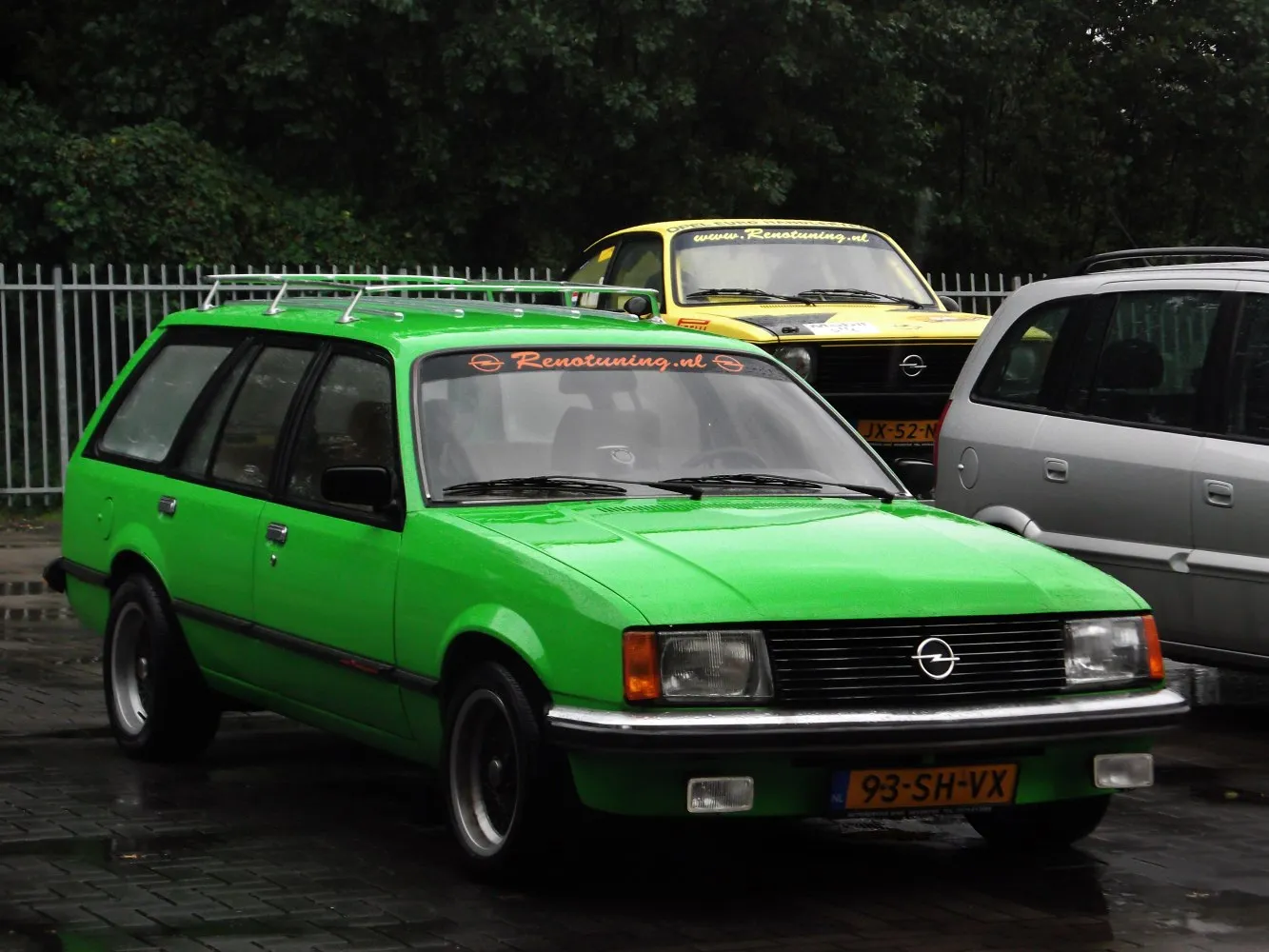
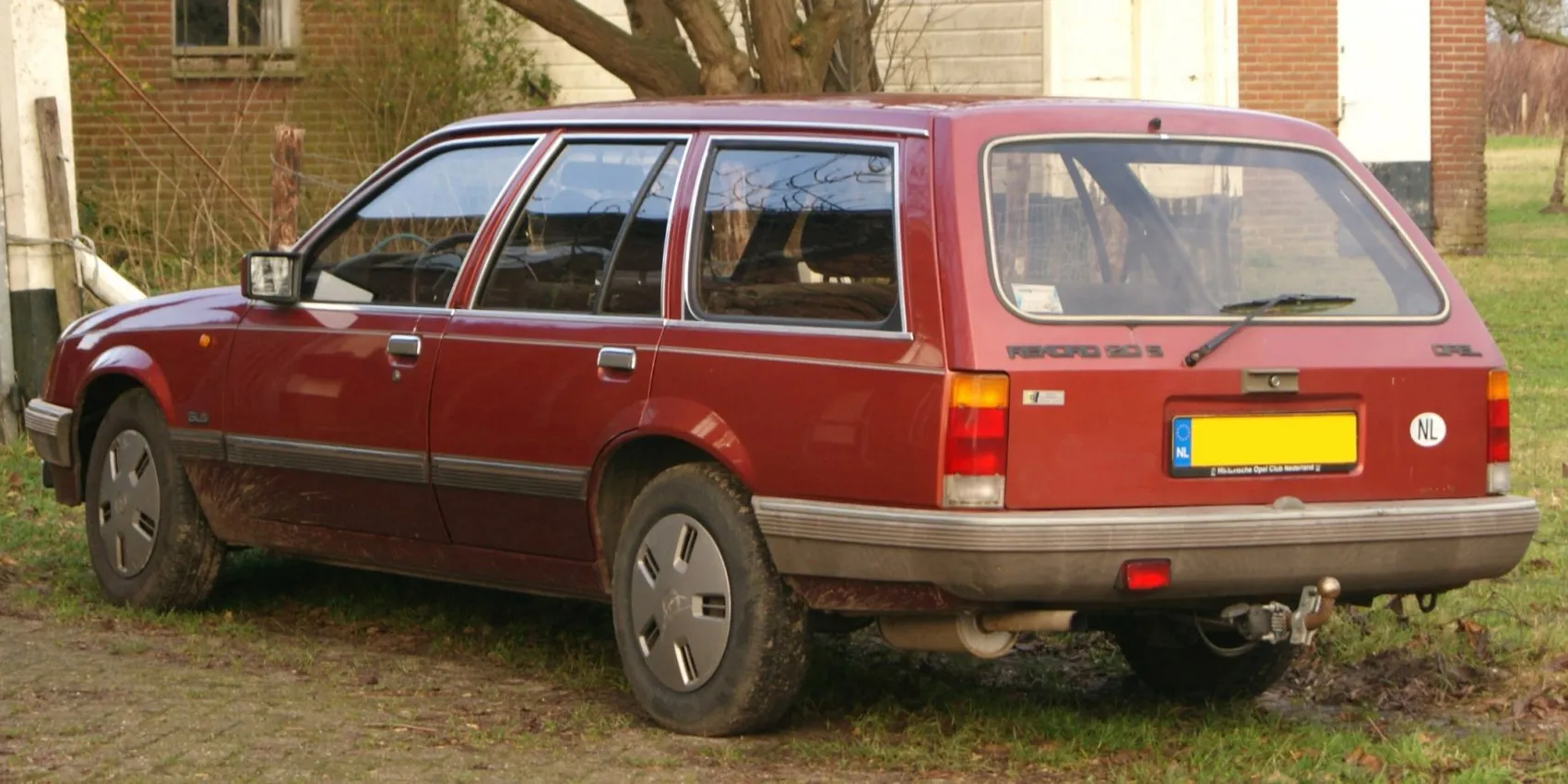
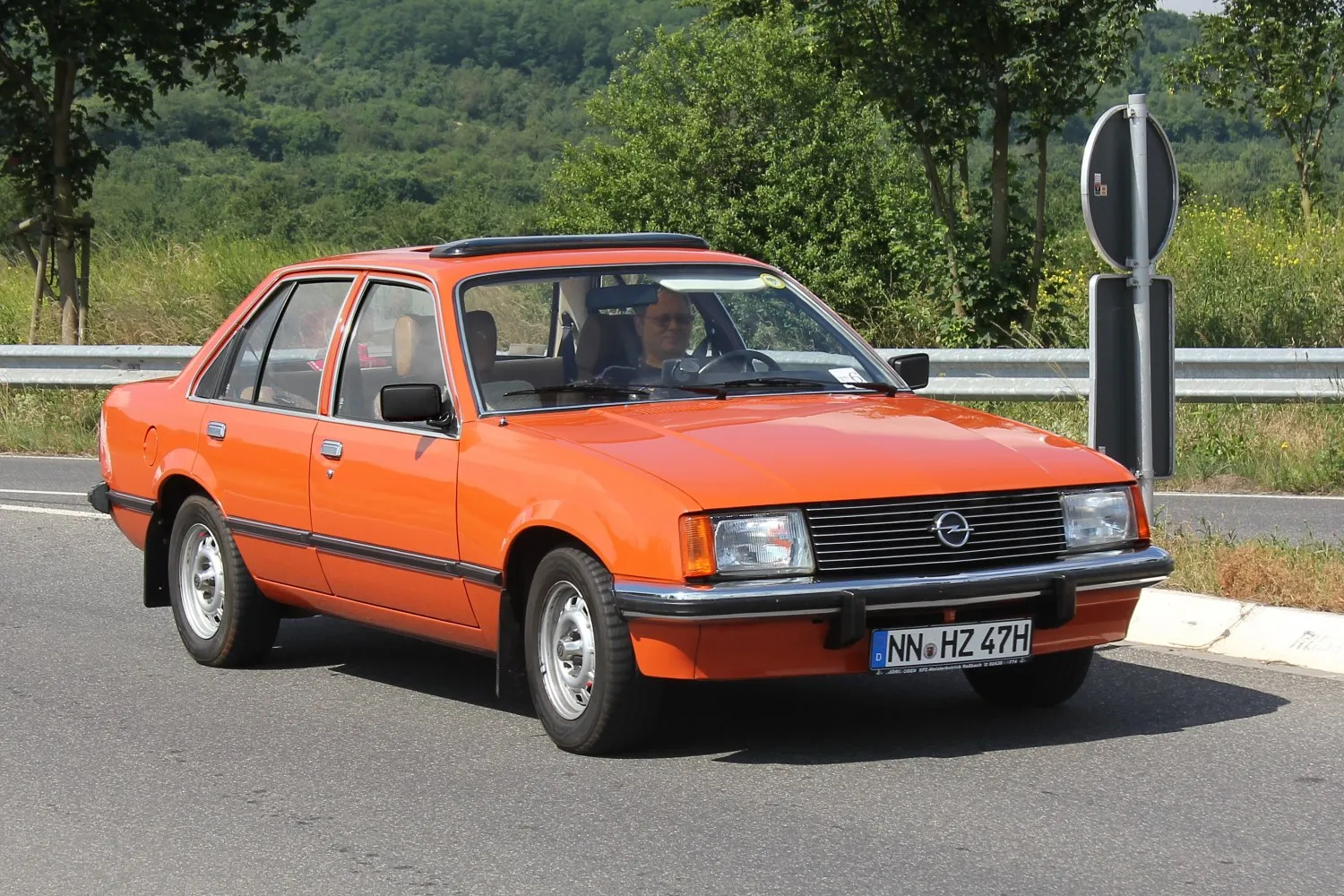
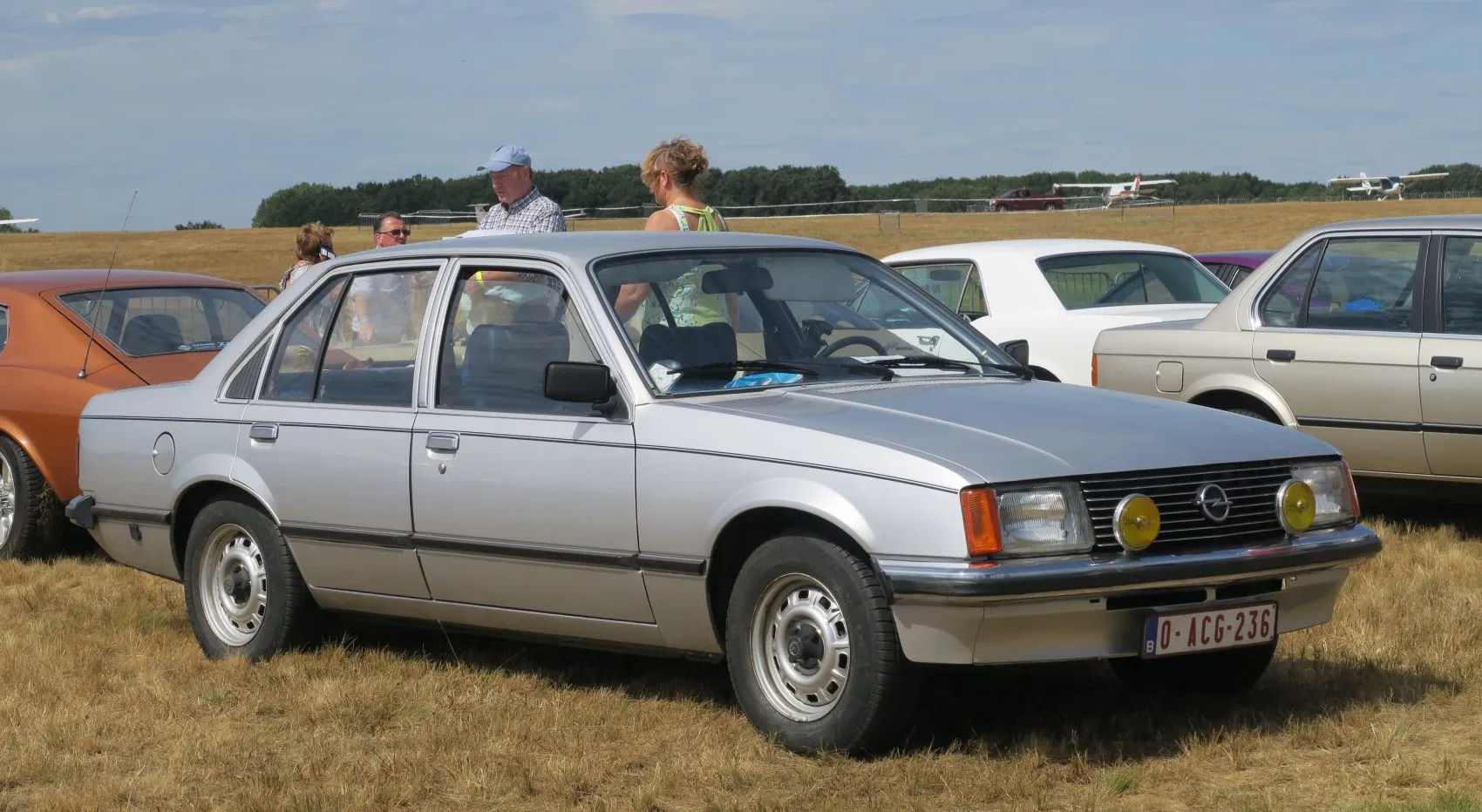
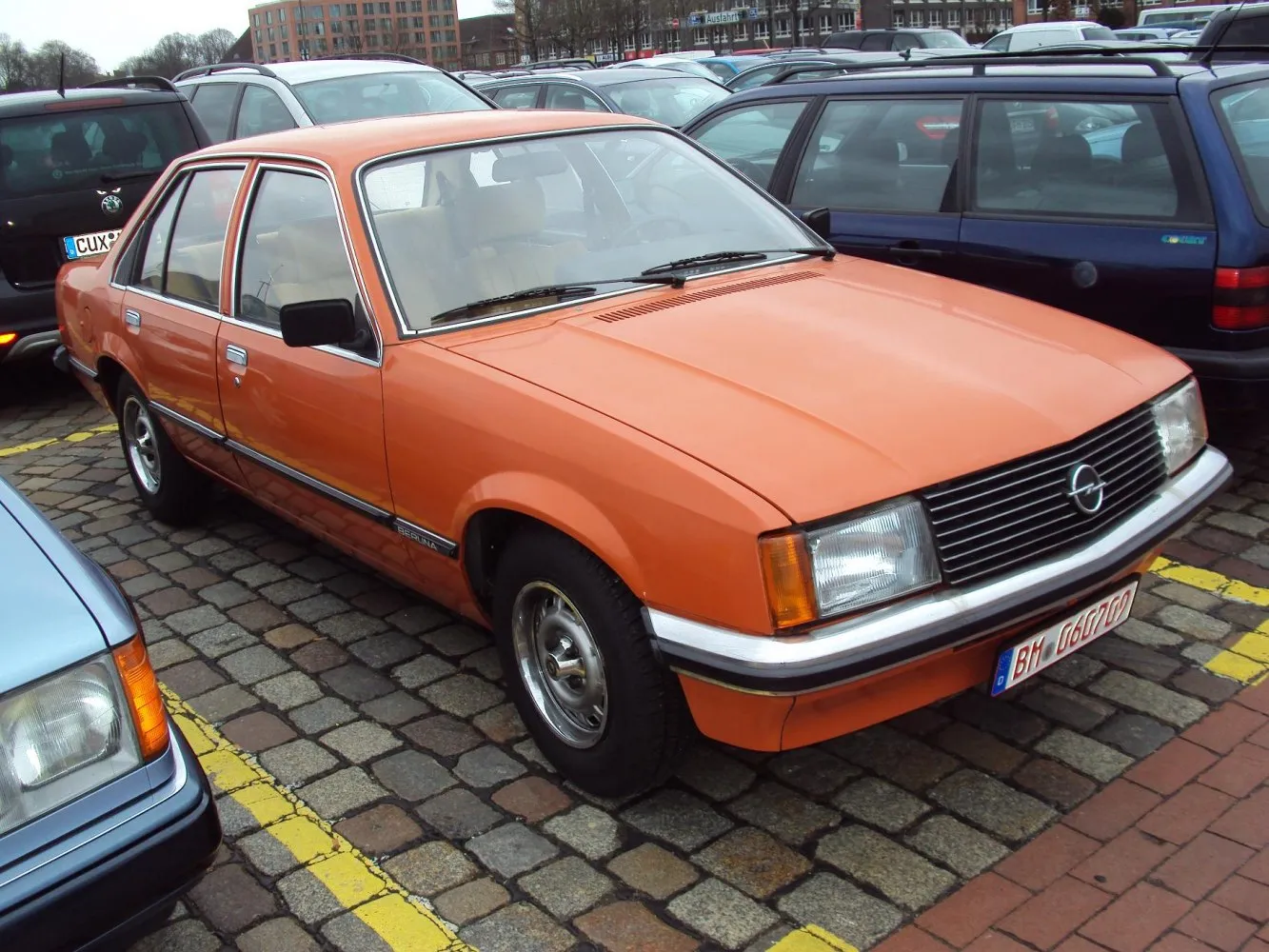
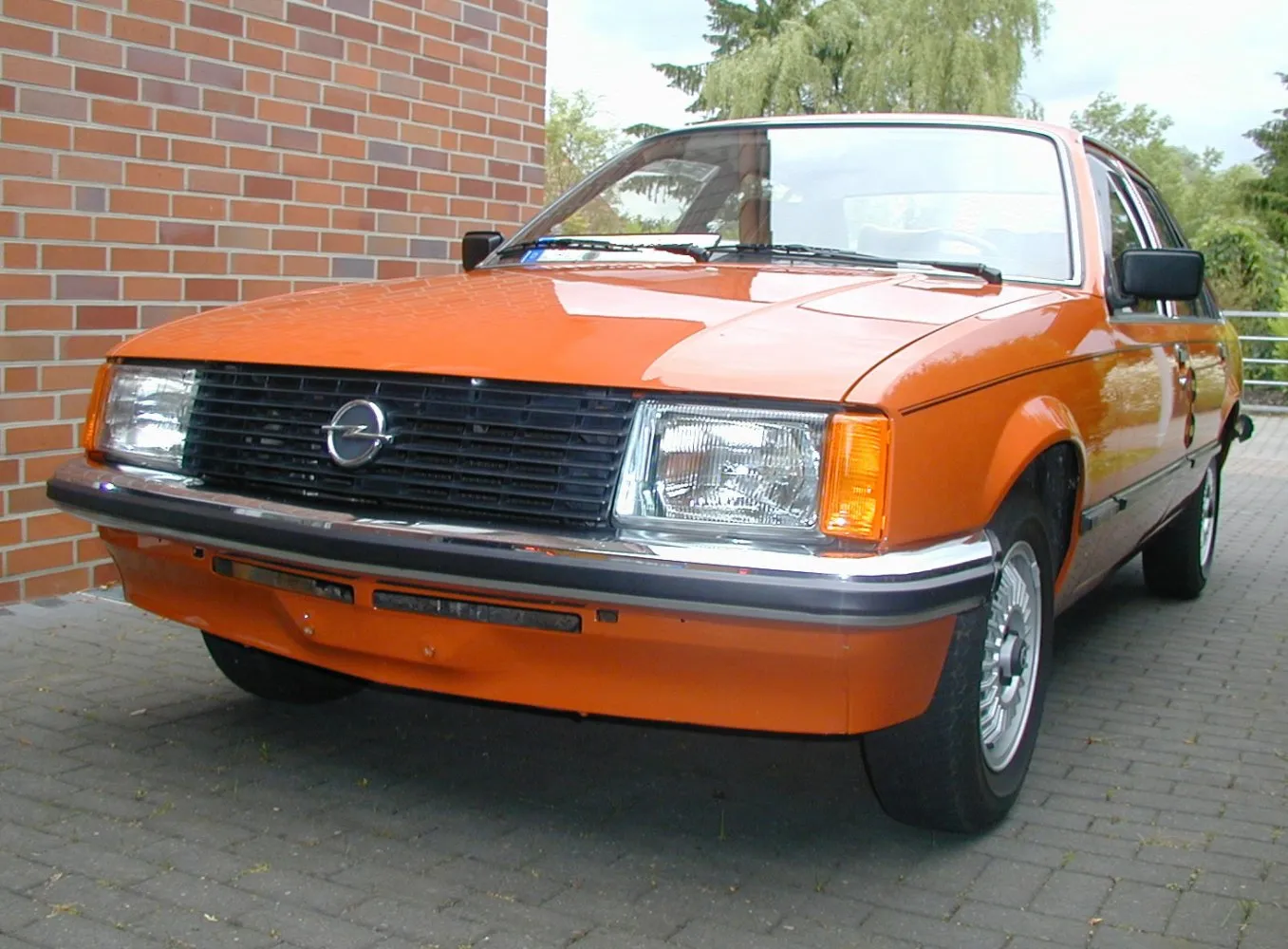
Opel Rekord E 2.0 S (101 Hp)
Overall Rating
Opel Rekord:
The Opel Rekord is a large family car which was built in eight generations by the German car manufacturer Opel. Between 1953 and 1986, approximately ten million were sold.
The Series D and E Rekords also spawned derivative versions manufactured by Opel's British sister company Vauxhall and in the case of the Rekord E, GM's Australian arm Holden. In 1986, the Rekord nameplate was replaced by the Opel Omega.
The Rekord name evolved into the main name of the model; at first the name was used in close relationship with the Opel Olympia name, which pre-dated the Rekord but was also reinstated in a separate model in 1967....(Read more on Wikipedia)
E Overview:
Opel Rekord (E). With 155 Nm of torque, it offers ample pulling power. It has moderate fuel consumption (~10 l/100km). Weighing only 1100 kg, it’s quite light. Rear‑wheel drive offers dynamic handling and sporty feedback. Acceleration is relatively slow (0–100 km/h in 12.5 s). The top speed reaches 173 km/h. A four-door car with a separate trunk, ideal for families and daily commuting. Seating for 5 makes it ideal for daily use.
As a vehicle from the late 1970s, the Opel Rekord E predates modern Euro NCAP testing standards. Its safety features would be rudimentary by today's measures, focusing on basic structural integrity and seatbelts rather than advanced passive or active safety systems.
2.0 S (101 Hp) Verdict:

Performance Verdict
Strong and responsive performance, offering a good blend of power and driveability for various conditions.
Fuel Economy
Good fuel economy for a petrol engine with over 100 hp, making it a solid all-rounder.
Pros and Cons:
Pros:
- • Robust and reliable build quality for its era
- • Spacious and comfortable interior
- • Wide range of engine options (economical diesels to potent petrols)
- • Good value for money in its segment
- • Classic rear-wheel-drive handling
Cons:
- • Outdated safety features by modern standards
- • Entry-level engines are very slow
- • Fuel economy of older petrol engines can be high
- • Rust can be an issue on older models
- • Automatic transmissions significantly impact performance and economy
Specifications:
Specifications are compared to those of the previous generation(D Coupe: 1975 - 1977).
| General: | |
|---|---|
| Brand: | Opel |
| Model: | Rekord |
| Generation: | E |
| Modification (Engine): | 2.0 S (101 Hp) |
| Start of production: | 1977 |
| End of production: | 1982 |
| Powertrain Architecture: | Internal Combustion engine |
| Body type: | Sedan |
| Seats: | 5 |
| Doors: | 2-4 |
| Engine: | |
|---|---|
| Power: | 101 Hp @ 5600 rpm. Same horsepower |
| Power per litre: | 51 Hp/l [14mm less] |
| Torque: | 155 Nm @ 3400-3800 rpm. |
| Engine Model/Code: | 20S More details about the engine 20S |
| Engine displacement: | 1979 |
| Number of cylinders: | 4 |
| Engine configuration: | Inline |
| Number of valves per cylinder: | 2 |
| Fuel injection system: | Carburettor |
| Engine aspiration: | Naturally aspirated engine |
| Valvetrain: | SOHC |
| Cylinder Bore: | 95 mm mm |
| Piston Stroke: | 69.8 mm mm |
| Compression ratio: | 9:1 |
| Performance: | |
|---|---|
| Fuel Type: | Petrol (Gasoline) |
| Fuel consumption (economy) - urban: | 10 l/100 km |
| Fuel consumption (economy) - extra urban: | 7.6 l/100 km |
| Fuel consumption (economy) - combined: | 9.2 l/100 km |
| Acceleration 0 - 100 km/h: | 12.5 sec |
| Acceleration 0 - 62 mph: | 12.5 sec |
| Maximum speed: | 173 km/h |
| Weight-to-power ratio: | 10.9 kg/Hp, 91.8 Hp/tonne |
| Weight-to-torque ratio: | 7.1 kg/Nm, 140.9 Nm/tonne |
| Acceleration 0 - 60 mph: | 11.9 sec |
| Space: | |
|---|---|
| Kerb Weight: | 1100 |
| Max. weight: | 1600 |
| Max load: | 500 |
| Trunk (boot) space - minimum: | 540 l |
| Permitted trailer load with brakes (12%): | 1500 kg |
| Fuel tank capacity: | 65 l |
| Permitted trailer load without brakes: | 585 kg |
| Size: | |
|---|---|
| Length: | 4593 mm mm [14mm less] |
| Width: | 1726 mm mm [2mm less] |
| Height: | 1420 mm mm [40mm more] |
| Wheelbase: | 2668 mm mm [Same wheelbase.] |
| Front track: | 1435 mm |
| Rear (Back) track: | 1412 mm |
| Minimum turning circle (turning diameter): | 10.8 m [above average] |
| Powertrain: | |
|---|---|
| Drivetrain Architecture | The Internal combustion engine (ICE) drives the rear wheels of the vehicle. |
| Drive wheel | Rear wheel drive |
| Number of gears | 4 |
| Transmission type | Manual |
| Front brakes | Ventilated discs [Best for performance and cooling.] |
| Rear brakes | Drum [bad for performance and cooling.] |
| Steering type | Steering rack and pinion |
| Power steering | Hydraulic Steering |
| Tires size | 185/70 R14 |
| Wheel rims size | 14 |
| Front suspension | Independent type McPherson |
| Rear suspension | Spring Strut |





Driven it? Loved it? Hated it? Share your honest review!