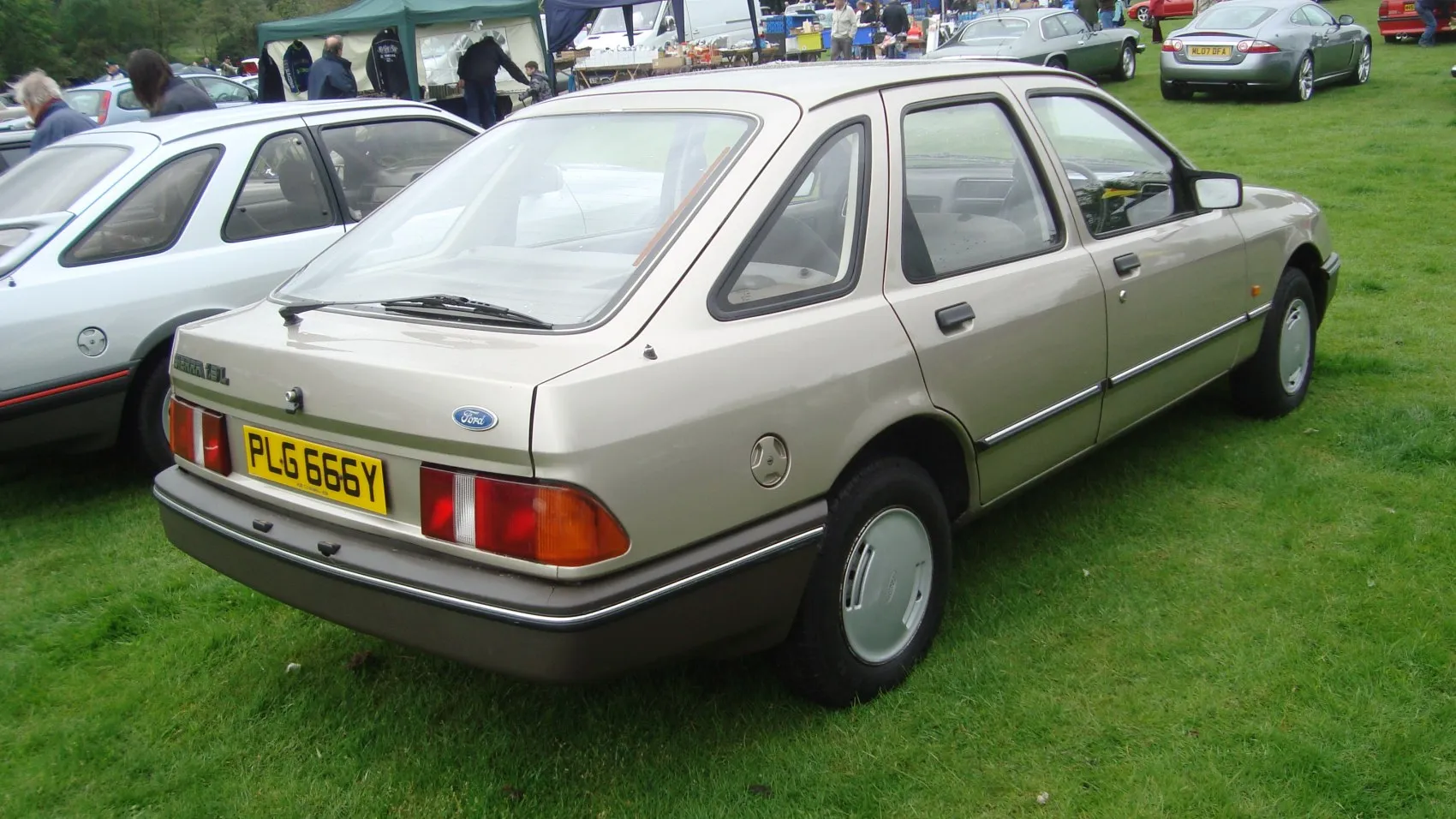
Ford Sierra Hatchback I 1.3 (60 Hp)
People\'s Opinion
N/A / 5
Ford Sierra:
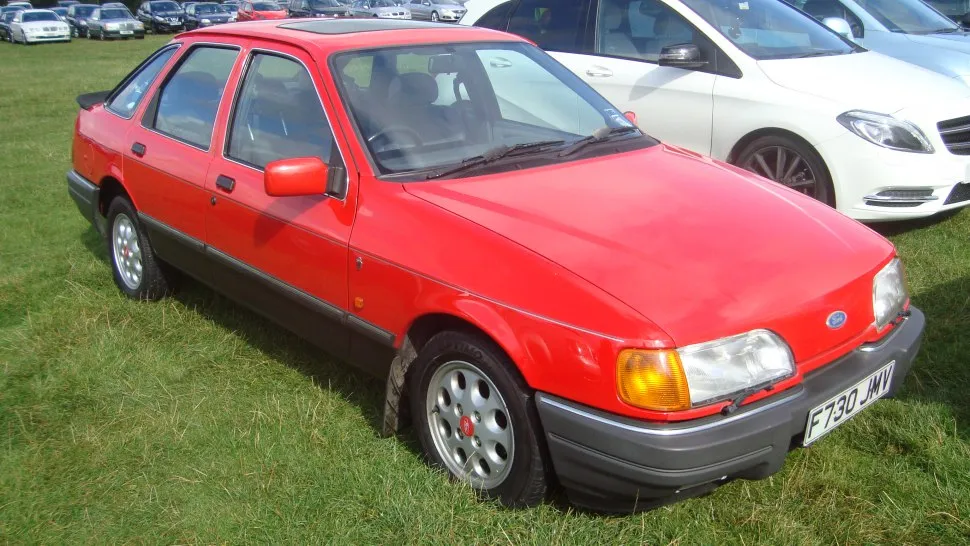
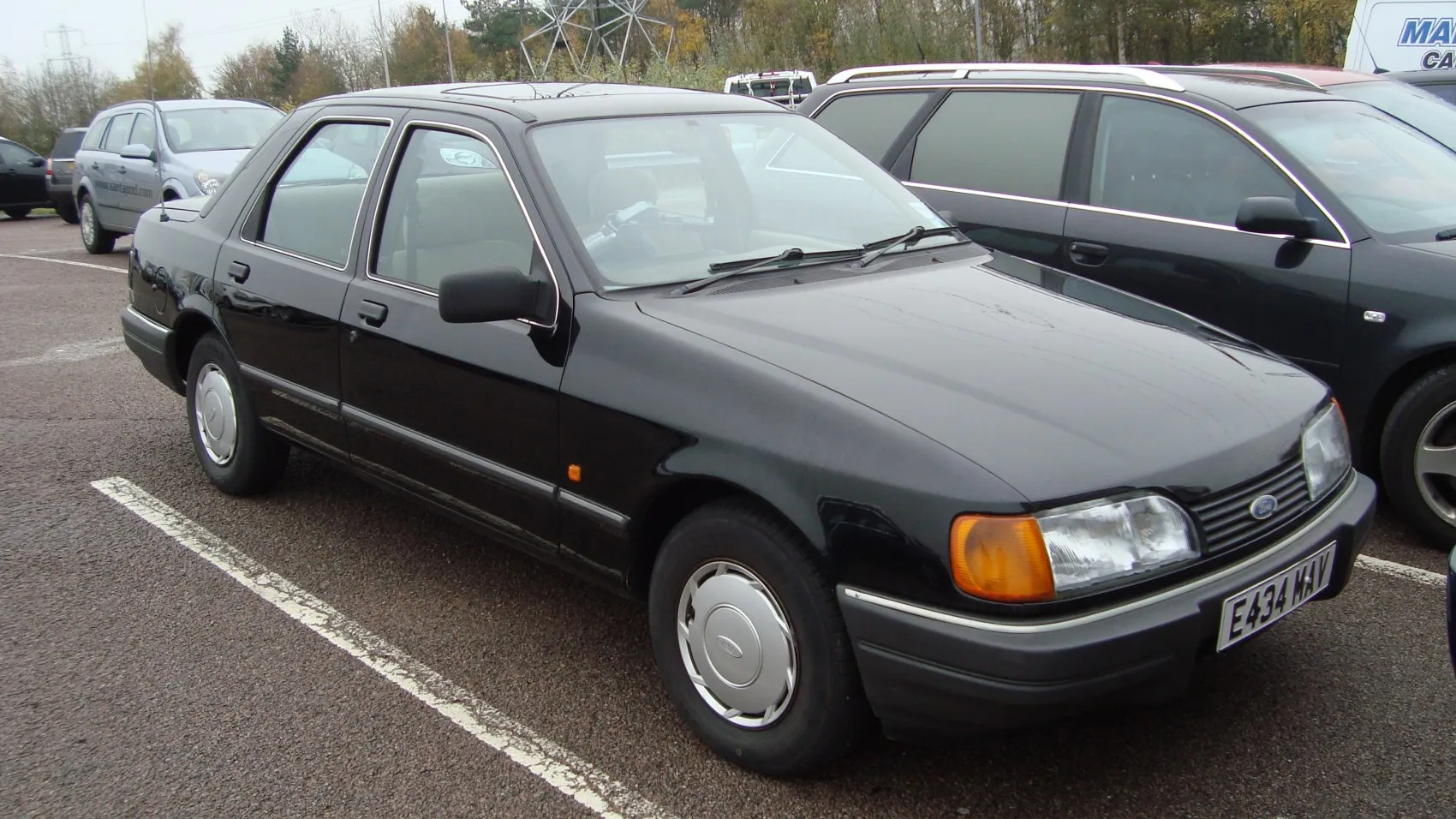
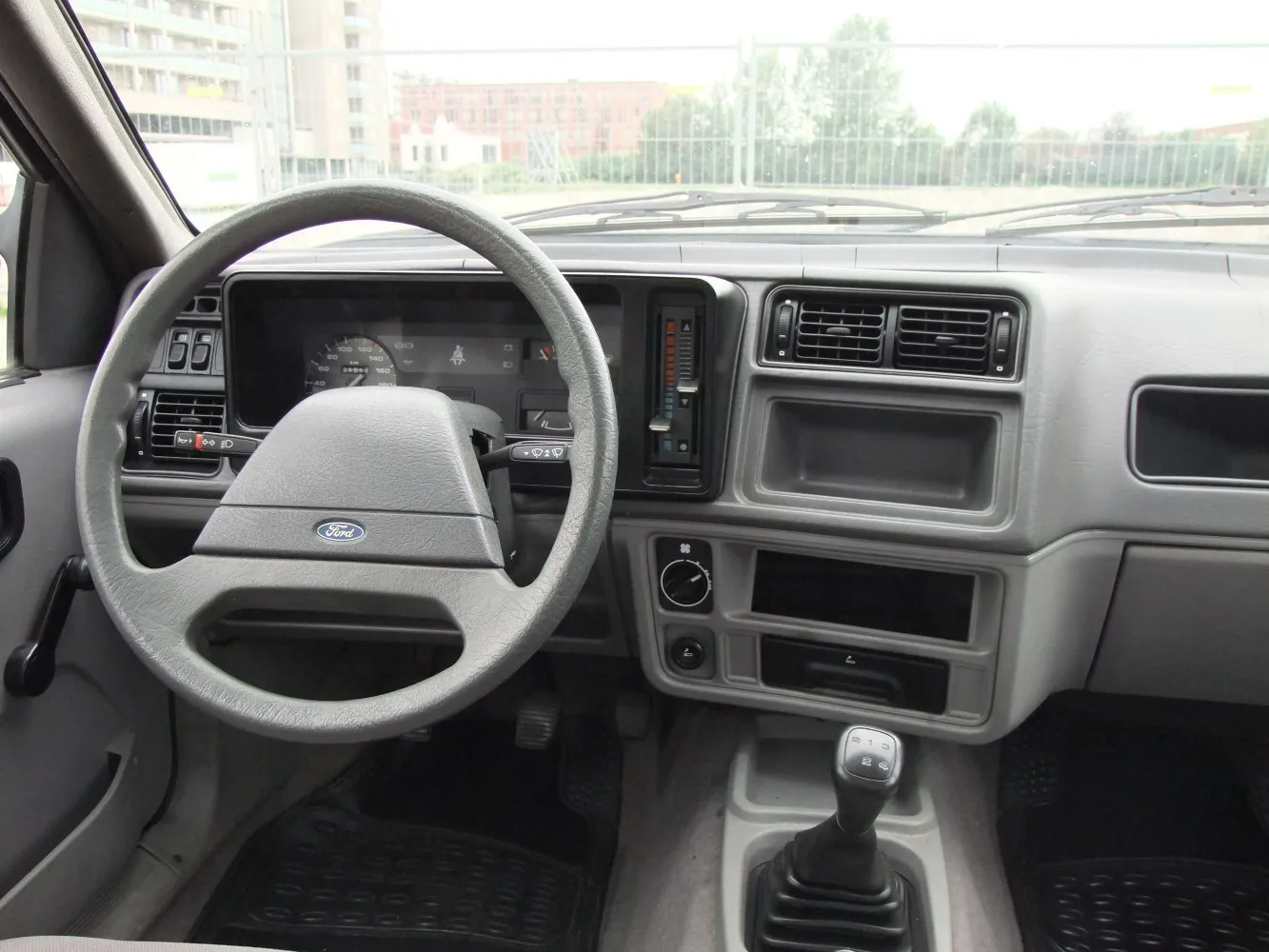
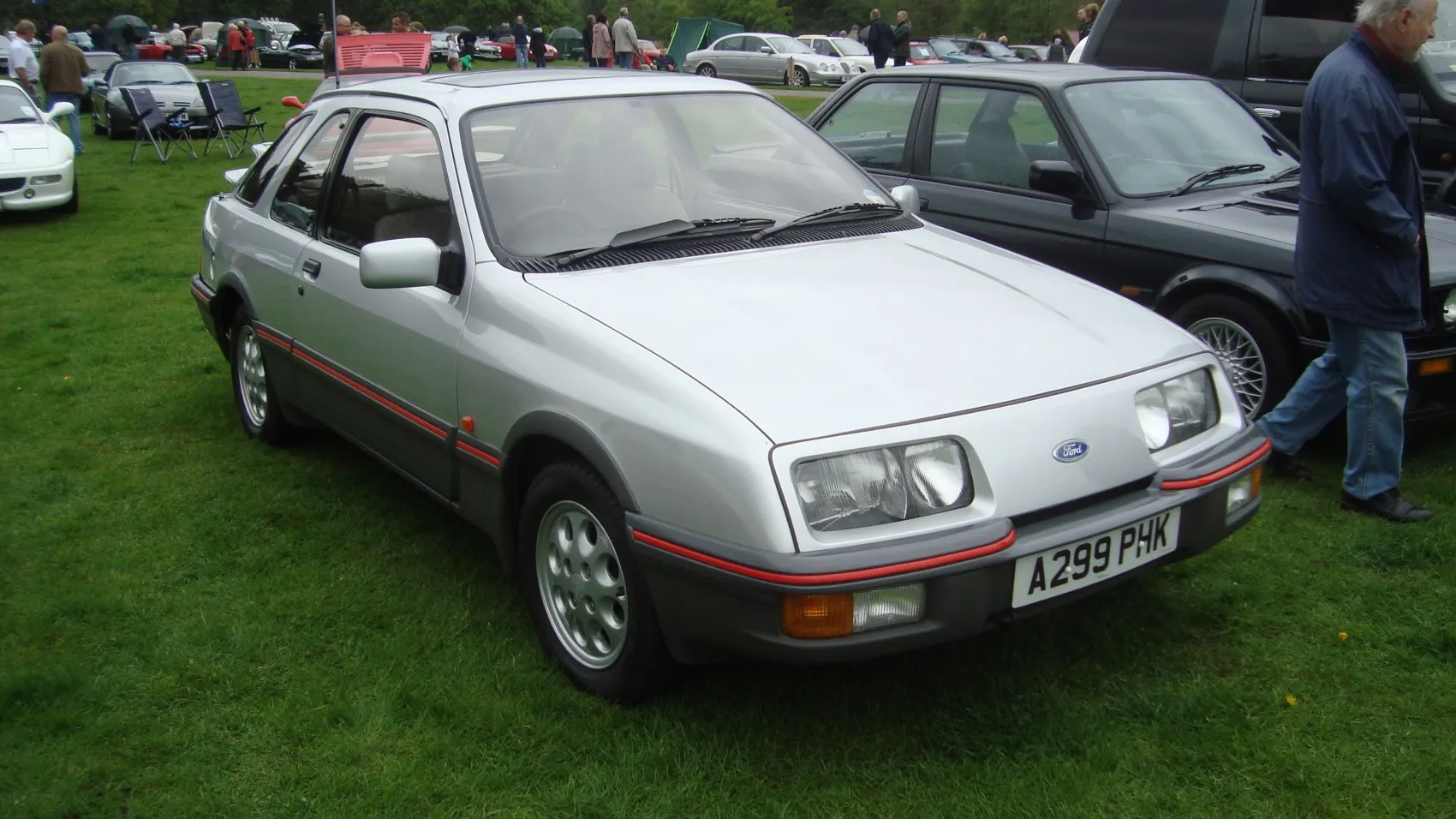
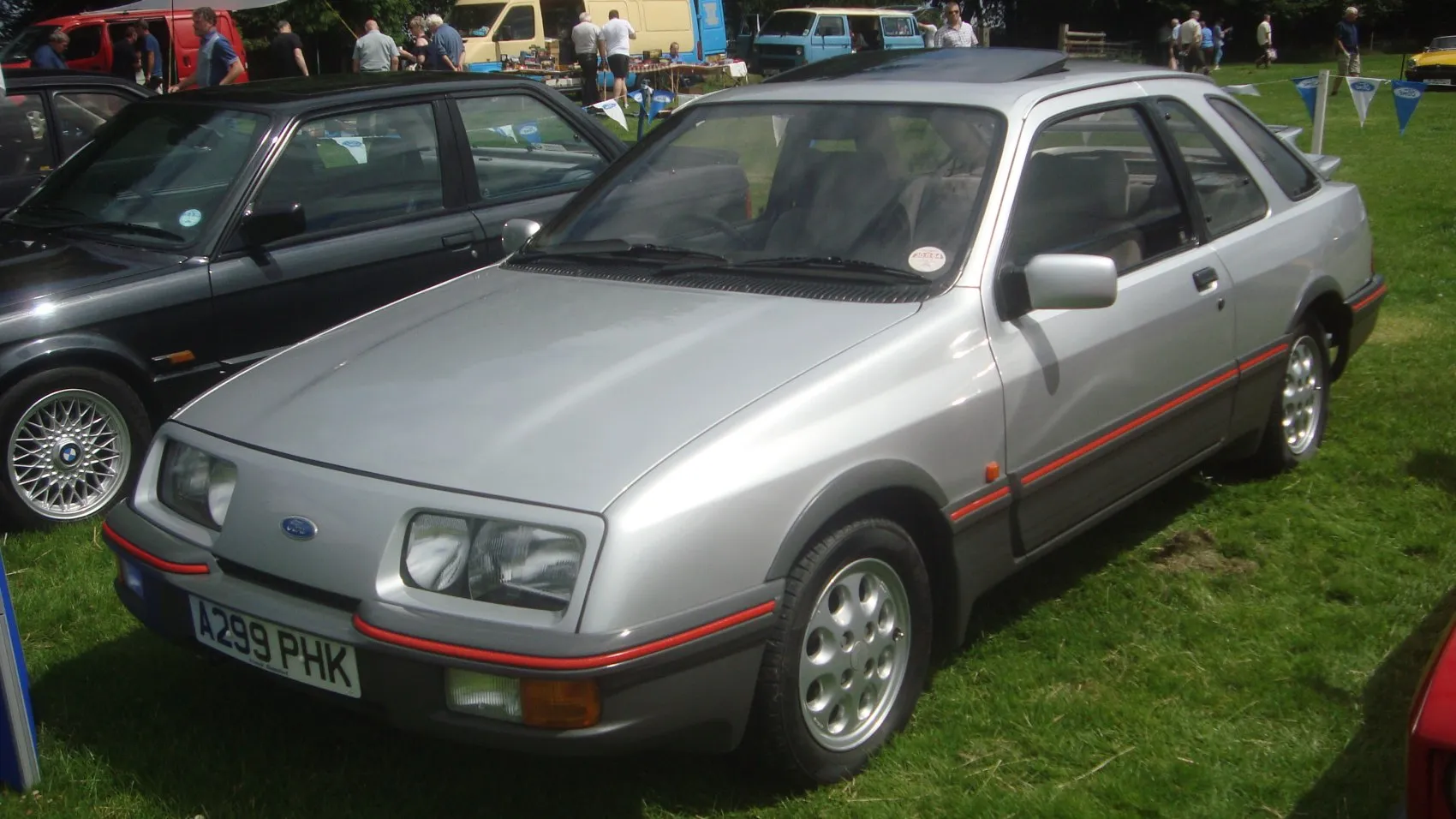
The Ford Sierra is a mid-size/large family car manufactured and marketed by Ford of Europe from 1982–1993. It was launched as a three-door or five-door liftback or a five-door estate car, with a car-derived van variant added in 1984 and the four-door Sierra Sapphire saloon car introduced in 1987 when the range was facelifted. The engine is mounted in the front with rear-wheel drive on most models and four-wheel drive on certain models.
It was designed by Uwe Bahnsen, Robert Lutz and Patrick Le Quément, and was noted for its aerodynamic styling. It has a drag coefficient of 0. 34, a significant improvement over its predecessors. The Sierra debuted at the 1982 British International Motor Show in Birmingham, then appeared at the 1982 Paris Salon de l'Automobile. Sales began on 15 October 1982, replacing the Ford Taunus TC3 and Ford Cortina Mark V. The Sierra's aerodynamic styling and the initial absence of a saloon alienated many conservative buyers, including company car drivers....(Read more on Wikipedia)
Hatchback I Overview:
Ford Sierra (Hatchback I). Rear‑wheel drive offers dynamic handling and sporty feedback. A compact car with a rear door that swings upward to provide access to the cargo area. Seating for 5 makes it ideal for daily use.
Performance Verdict
The absolute base model, offering very limited performance. Strictly for city driving and those on a tight budget, struggling significantly on highways and inclines.
Fuel Economy
Potentially the most economical petrol option, but its lack of power often meant working it harder, negating some fuel savings. Best for short, urban trips.
Best Use Case:
City Driving / Budget
Pros and Cons:
Pros:
- • Aerodynamic and distinctive styling, ahead of its time.
- • Wide range of engines from economical to high-performance.
- • Spacious interior and practical hatchback body style.
- • Comfortable ride quality, especially on longer journeys.
- • Good value for money, particularly in the used market and for parts availability.
Cons:
- • Base engines can feel underpowered by modern standards.
- • Interior quality and design were somewhat dated even for its era.
- • Rear-wheel drive could be challenging in adverse weather for some drivers.
- • Rust was a common issue on older models, particularly around wheel arches and sills.
- • Fuel economy of larger V6 engines was poor, leading to high running costs.
Specifications:
| General: |
| Brand: | Ford |
|---|
| Model: | Sierra |
|---|
| Generation: | Hatchback I |
|---|
| Modification (Engine): | 1.3 (60 Hp) |
|---|
| Start of production: | 1982 |
|---|
| End of production: | 1989 |
|---|
| Powertrain Architecture: | Internal Combustion engine |
|---|
| Body type: | Hatchback |
|---|
| Seats: | 5 |
|---|
| Doors: | 3/5 |
|---|
| Engine: |
| Power: | 60 Hp |
|---|
| Engine aspiration: | Naturally aspirated engine |
|---|
| Performance: |
| Fuel Type: | Petrol (Gasoline) |
|---|
| Space: |
| Fuel tank capacity: | 60 l |
|---|
| Size: |
| Length: | 4425 mm mm |
|---|
| Width: | 1694 mm mm |
|---|
| Height: | 1407 mm mm |
|---|
| Wheelbase: | 2608 mm mm |
|---|
| Front track: | 1452 mm |
|---|
| Rear (Back) track: | 1468 mm |
|---|
| Powertrain: |
| Drivetrain Architecture | The Internal combustion engine (ICE) drives the rear wheels of the vehicle. |
|---|
| Drive wheel | Rear wheel drive |
|---|
| Number of gears | 4 |
|---|
| Transmission type | Manual |
|---|
| Front brakes | Disc |
|---|
| Rear brakes | Drum |
|---|









Real owners, real reviews. Tell us about your Ford Sierra.