
Click on image to view the full photo gallery
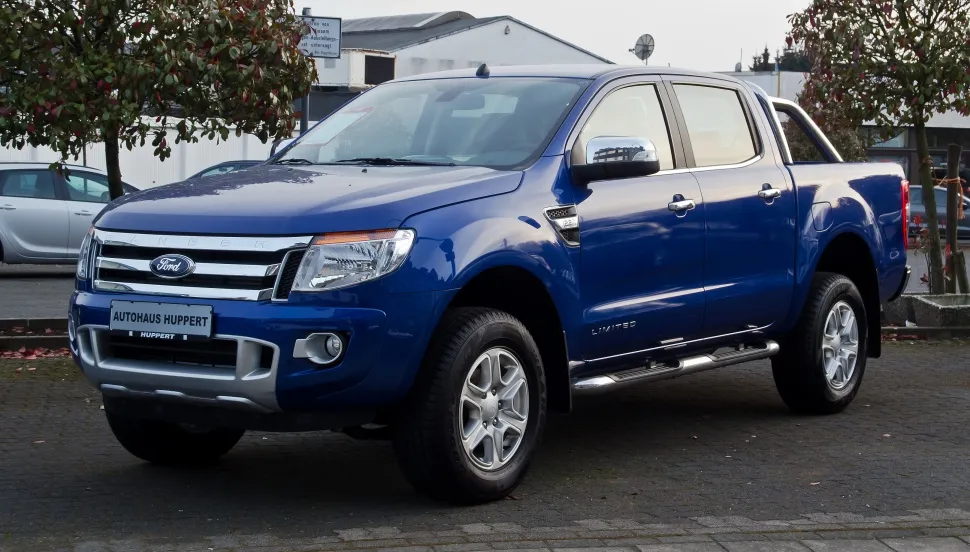
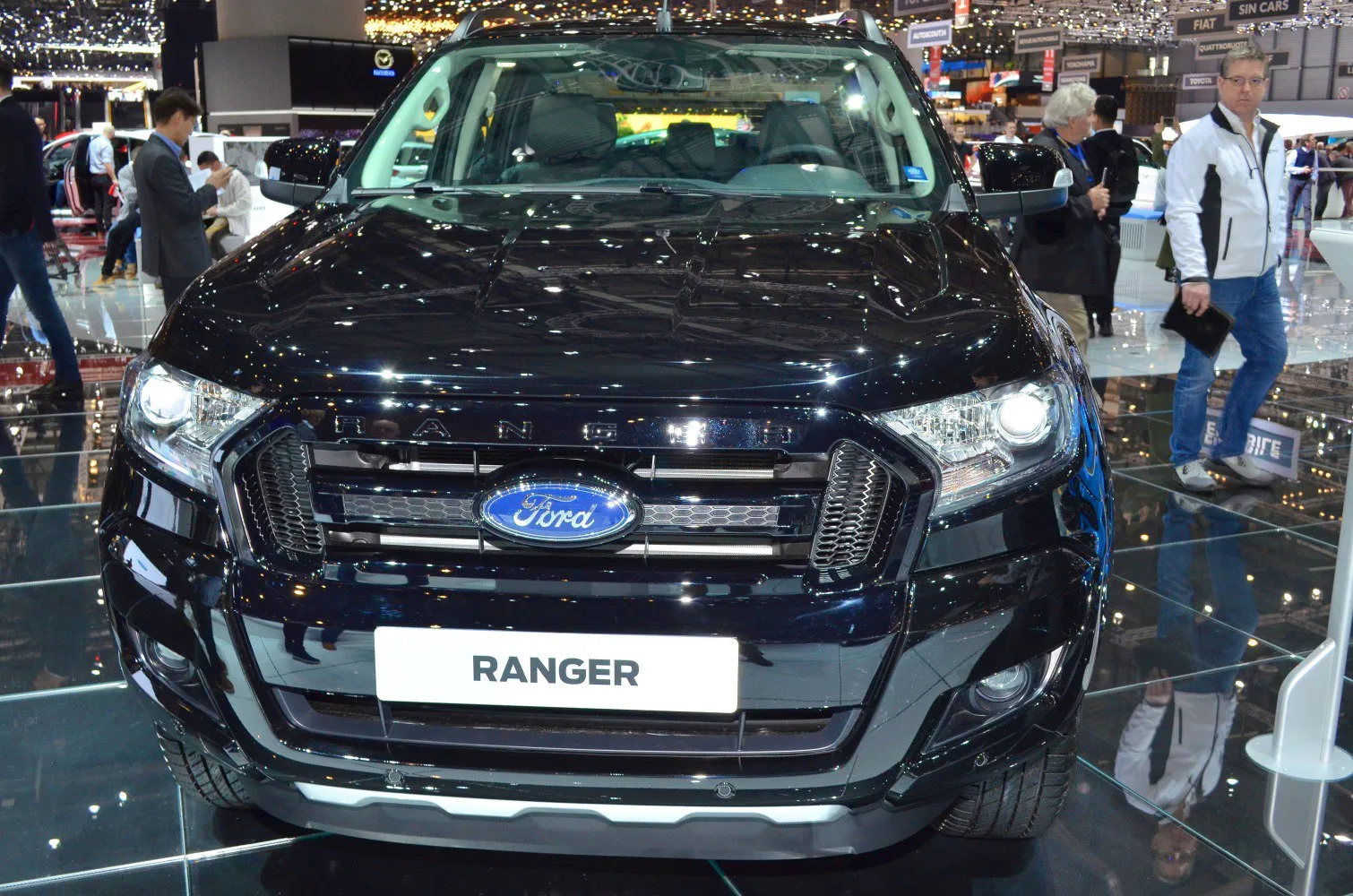
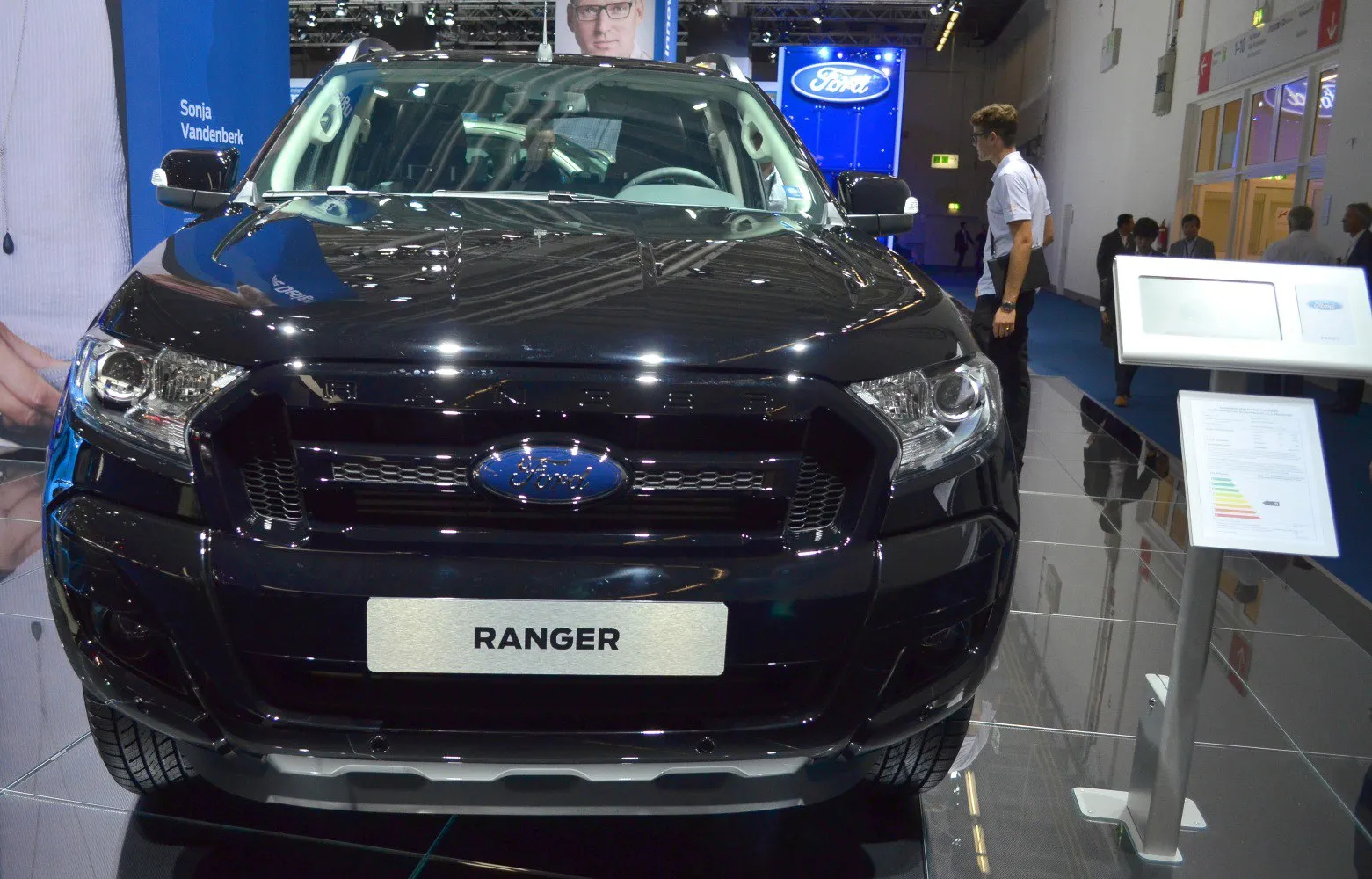
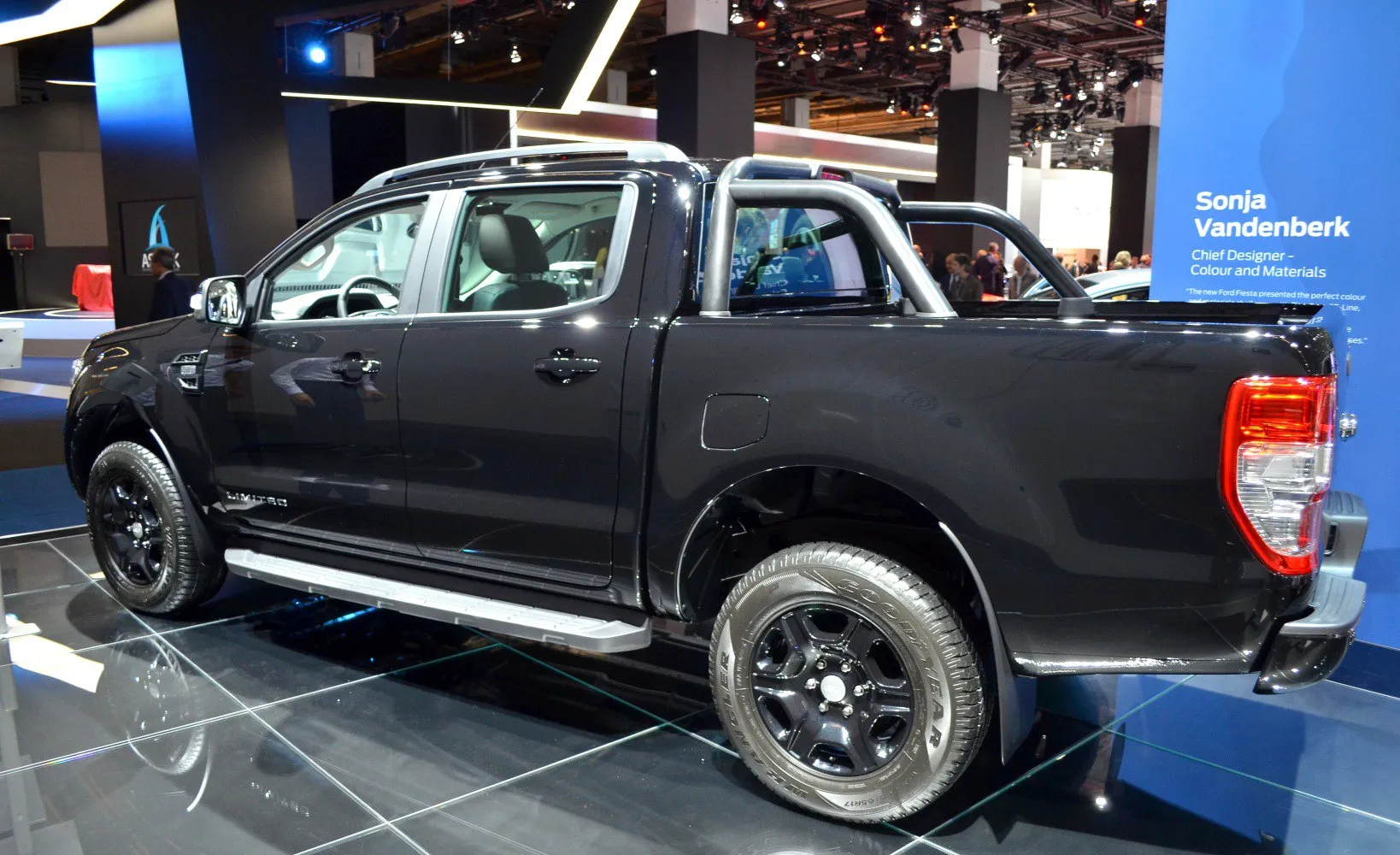
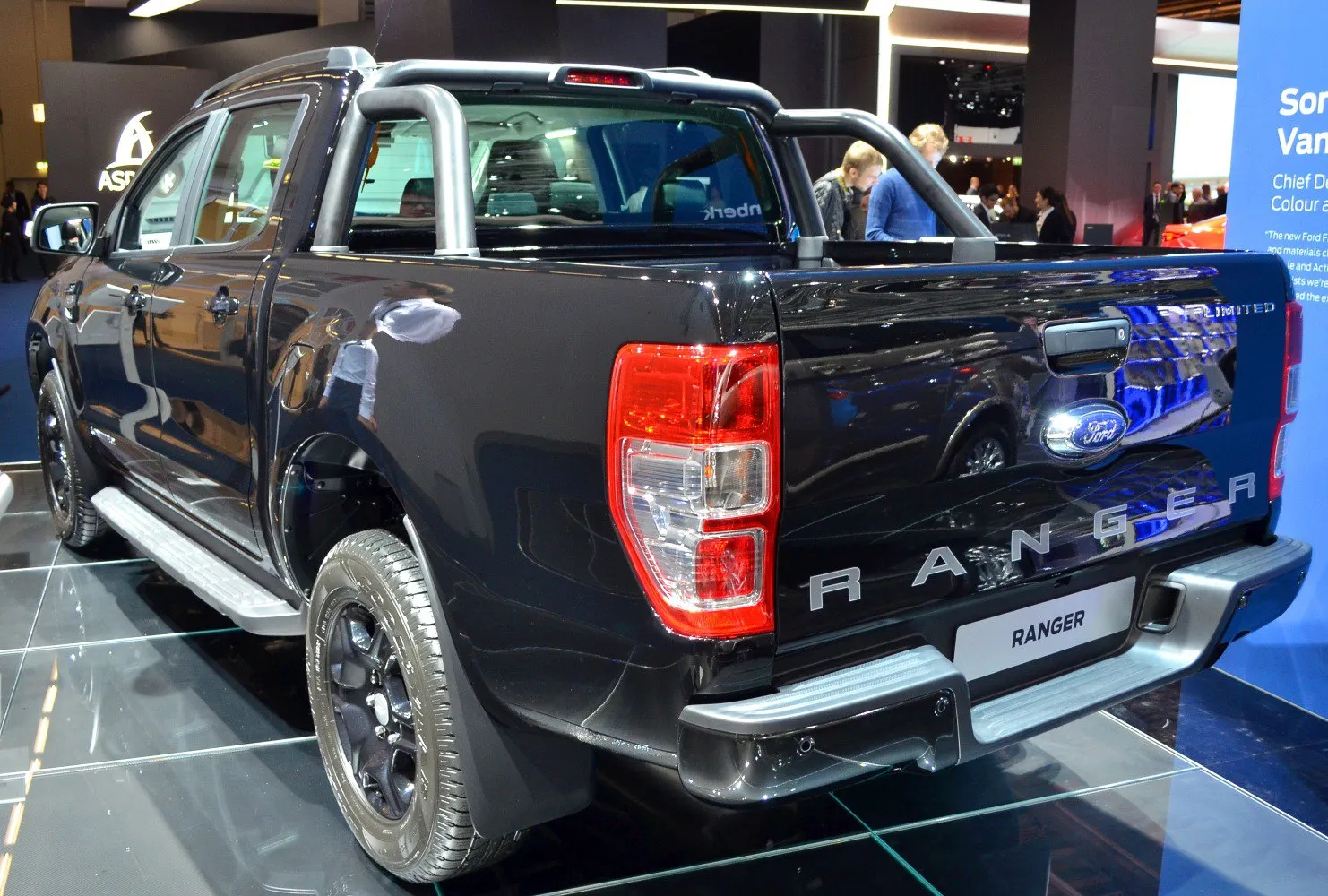
Ford Ranger III Double Cab (facelift 2015) 2.2 TDCi (160 Hp) 4x4 Automatic
Overall Rating
Ford Ranger:
The Ford Ranger is a compact or mid-size pickup truck marketed globally by Ford over a series of generations, varying between both in-house or outside development and manufacturing — and with a hiatus in North America from 2011–2018.
Debuting as a compact pickup in North America in 1982 for the 1983 model year, the Ranger was later introduced in some South American countries. From 1998 to 2011, the Ranger nameplate was used for models developed by Mazda for sale outside the North American market. In 2011, Ford introduced the first Ranger based on the T6 platform. Considered a mid-size pickup truck, the model was developed in-house by Ford Australia. In that same year, the North American-market Ranger was discontinued, leaving the T6 platform-based Ranger as the sole Ranger model worldwide....(Read more on Wikipedia)
III Double Cab (facelift 2015) Overview:
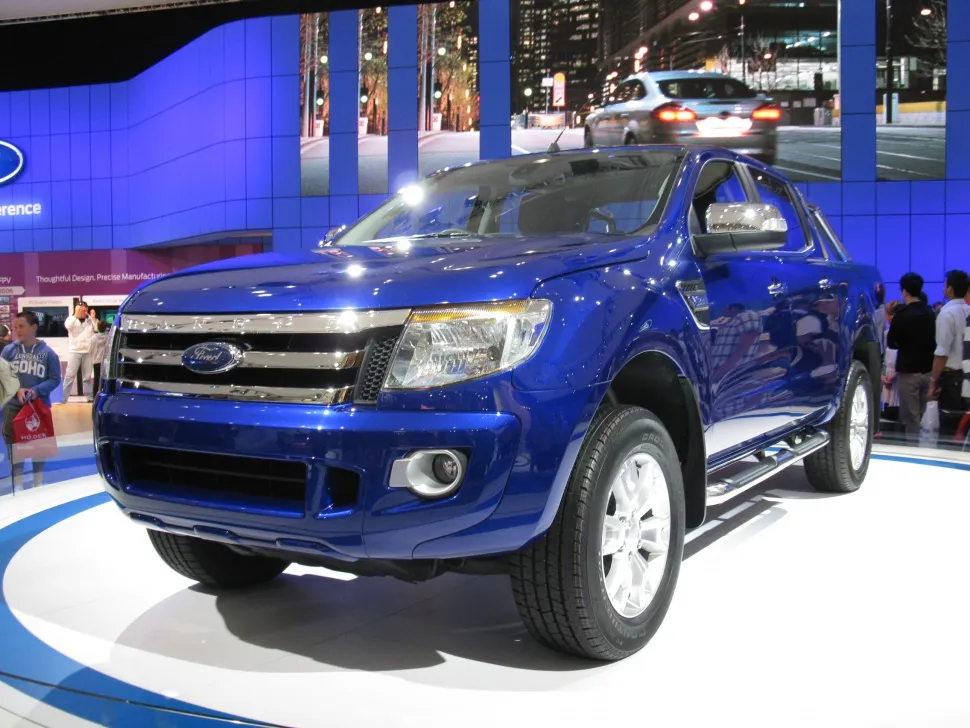
Ford Ranger (III Double Cab (facelift 2015)). With 385 Nm of torque, it offers ample pulling power. It has moderate fuel consumption (~9.6 l/100km). At around 2119 kg, it’s on the heavier side. All‑wheel drive provides excellent grip, ideal for off‑road use. Acceleration is relatively slow (0–100 km/h in 12.8 s). The top speed reaches 175 km/h. A vehicle with an open cargo bed at the back, suitable for transporting goods. Seating for 5 makes it ideal for daily use.
2.2 TDCi (160 Hp) 4x4 Automatic Verdict:

Performance Verdict
Offers a good balance of power and torque for most tasks, with smooth automatic shifts. Acceleration is adequate for a pickup.
Fuel Economy
Moderate fuel consumption for a 4x4 automatic, suitable for mixed driving but not the most economical option.
Pros and Cons:
Pros:
- • Excellent off-road capability, especially with 4x4 models and high ground clearance.
- • Strong range of diesel engines, offering good power and torque for towing and hauling.
- • Robust and durable build quality, suitable for demanding work environments.
- • Spacious double cab interior, comfortable for five adults.
- • Facelift brought modern styling and improved interior features.
Cons:
- • Ride comfort can be firm, particularly when unladen, due to leaf spring rear suspension.
- • Larger 3.2L engines can be thirsty, especially with automatic and 4x4.
- • Size can be cumbersome in tight city parking or narrow streets.
- • Some interior plastics feel utilitarian compared to car-based SUVs.
- • Acceleration for the 2.2L automatic 4x4 is adequate but not quick.
Specifications:
Specifications are compared to those of the previous generation(III Super Cab: 2011 - 2015).
| General: | |
|---|---|
| Brand: | Ford |
| Model: | Ranger |
| Generation: | III Double Cab (facelift 2015) |
| Modification (Engine): | 2.2 TDCi (160 Hp) 4x4 Automatic |
| Start of production: | 2015 |
| End of production: | 2018 |
| Powertrain Architecture: | Internal Combustion engine |
| Body type: | Pick-up |
| Seats: | 5 |
| Doors: | 4 |
| Engine: | |
|---|---|
| Engine systems: | Particulate filter |
| Power: | 160 Hp @ 3700 rpm. |
| Power per litre: | 72.8 Hp/l |
| Torque: | 385 Nm @ 1500-2500 rpm. |
| Engine displacement: | 2198 |
| Number of cylinders: | 4 |
| Engine configuration: | Inline |
| Number of valves per cylinder: | 4 |
| Fuel injection system: | Diesel Commonrail |
| Engine aspiration: | Turbocharger, Intercooler |
| Engine oil capacity: | 8.55 l |
| Coolant: | 11.9 l |
| Engine layout: | Front, Longitudinal |
| Cylinder Bore: | 86 mm |
| Piston Stroke: | 94.6 mm |
| Compression ratio: | 15.7:1 |
| Performance: | |
|---|---|
| Fuel Type: | Diesel |
| Fuel consumption (economy) - urban: | 9.6 l/100 km |
| Fuel consumption (economy) - extra urban: | 7 l/100 km |
| Fuel consumption (economy) - combined: | 8 l/100 km |
| Emission standard: | Euro 5 |
| Acceleration 0 - 100 km/h: | 12.8 sec |
| Acceleration 0 - 62 mph: | 12.8 sec |
| Maximum speed: | 175 km/h |
| Weight-to-power ratio: | 13.2 kg/Hp, 75.5 Hp/tonne |
| Weight-to-torque ratio: | 5.5 kg/Nm, 181.7 Nm/tonne |
| Acceleration 0 - 60 mph: | 12.2 sec |
| Space: | |
|---|---|
| Kerb Weight: | 2119 |
| Max. weight: | 3200 |
| Max load: | 1081 |
| Fuel tank capacity: | 80 l |
| Size: | |
|---|---|
| Ramp-over (brakeover) angle: | 25° |
| Wading depth: | 800 mm |
| Length: | 5277-5354 mm [82mm less] |
| Width: | 1860 mm [10mm more] |
| Height: | 1815-1848 mm [11mm more] |
| Wheelbase: | 3220 mm [Same wheelbase.] |
| Front track: | 1560 mm |
| Rear (Back) track: | 1560 mm |
| Front overhang: | 908 mm |
| Rear overhang: | 1149-1226 mm |
| Ride height (ground clearance): | 223-237 mm |
| Approach angle: | 28° |
| Departure angle: | 28° |
| Climb angle: | 32° |
| Powertrain: | |
|---|---|
| Drive wheel | All wheel drive (4x4) |
| Number of gears | 6 |
| Transmission type | Automatic |
| Front brakes | Ventilated discs [Best for performance and cooling.] |
| Rear brakes | Drum [bad for performance and cooling.] |
| Assisting systems | ABS (Anti-lock braking system) |
| Steering type | Steering rack and pinion |
| Power steering | Electric Steering |
| Tires size | 215/70 R16; 255/70 R16; 265/65 R17; 265/60 R18 |
| Wheel rims size | 16; 17; 18 |
| Front suspension | Independent coil spring |
| Rear suspension | Dependent suspension of two longitudinal semi-elliptic leaf springs |














Driven it? Loved it? Hated it? Share your honest review!