BMW i3 s (l01) 32.2 kWh (184 Hp) Range Extender
People\'s Opinion
N/A / 5
BMW i3:
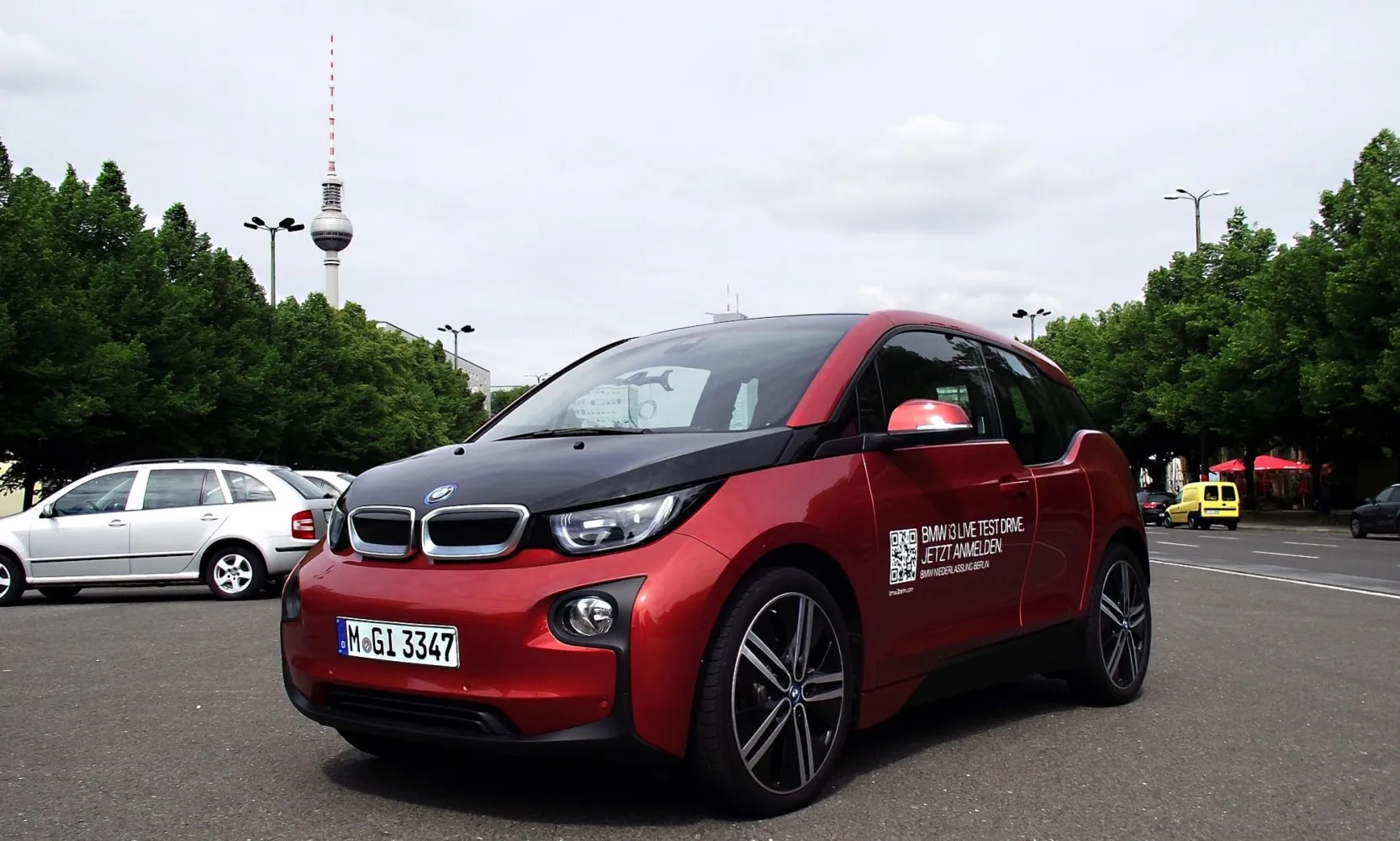
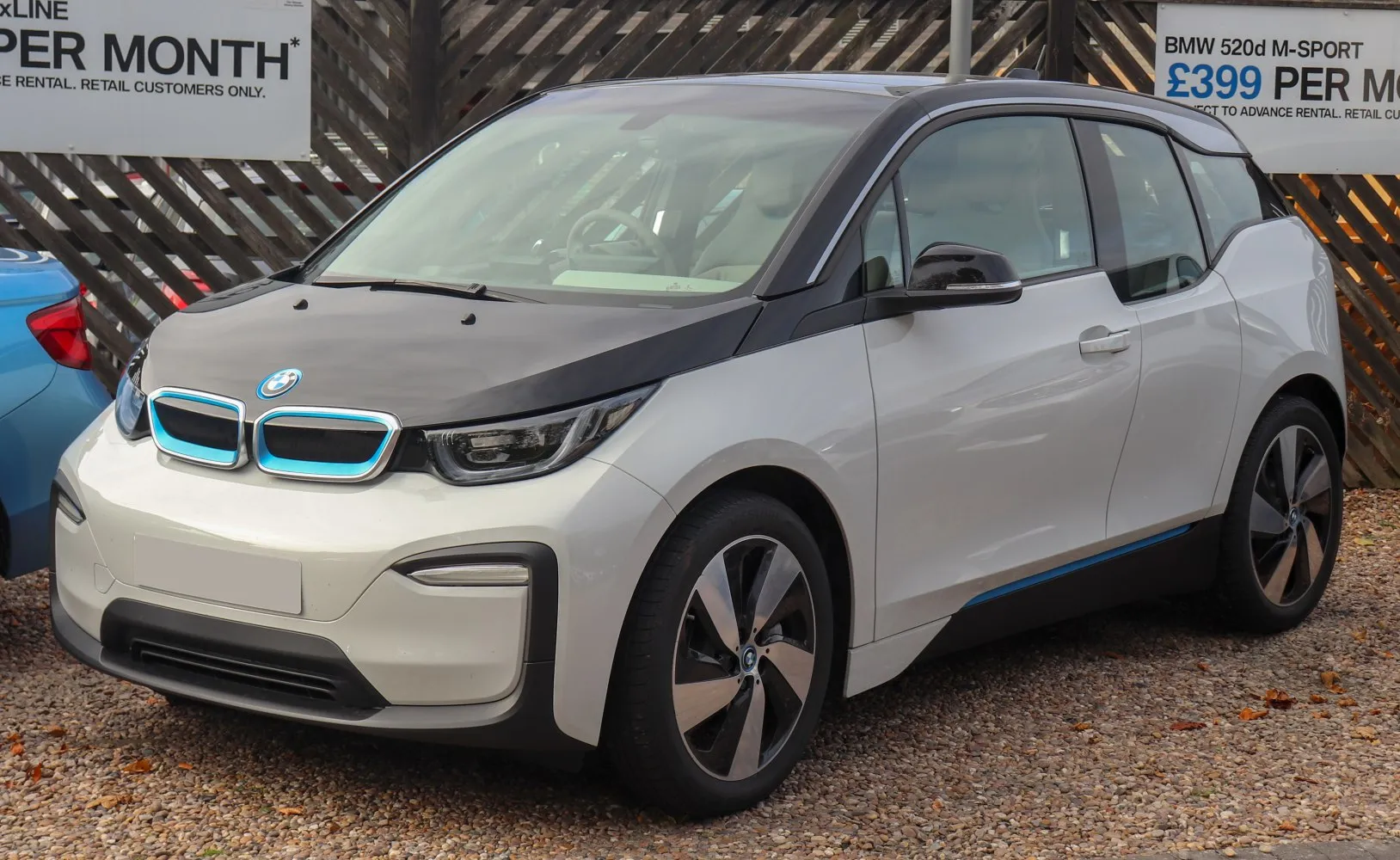
The BMW i3 is an electric car that was manufactured by German marque BMW from 2013 to 2022. The i3 was BMW's first mass-produced zero emissions vehicle and was launched as part of BMW's electric vehicle BMW i sub-brand. It is a B-segment, high-roof hatchback with an electric powertrain. It uses rear-wheel drive via a single-speed transmission and an underfloor lithium-ion battery pack with an optional range-extending petrol engine.
Styled by Richard Kim, the i3 is a five-door with a passenger module of high strength, ultra-lightweight carbon fibre reinforced polymer adhered to an aluminium chassis, battery, drive system and powertrain. The body features two clamshell rear-hinged rear doors....(Read more on Wikipedia)
s (l01) Overview:
BMW i3 (s (l01)). With 56 Nm of torque, it offers ample pulling power. With a weight of 1385 kg, it falls in the mid‑range. Rear‑wheel drive offers dynamic handling and sporty feedback. Acceleration is good (0–100 km/h in 7.7 s). The top speed reaches 160 km/h. A compact car with a rear door that swings upward to provide access to the cargo area. Seating for 4 makes it ideal for daily use.
Performance Verdict
Maintains strong electric performance for daily driving, with the range extender (38 Hp) providing peace of mind for extended journeys, albeit with slightly slower acceleration (7.7s 0-100km/h).
Fuel Economy
Combines electric efficiency with the flexibility of a small petrol generator, offering extended range at the cost of slightly higher fuel consumption (0.7 l/100 km) when the REx is active.
Best Use Case:
Mixed City/Suburban with occasional longer trips
Pros and Cons:
Pros:
- • Agile handling and instant torque
- • Unique and futuristic design
- • Excellent urban maneuverability
- • Optional range extender for flexibility
- • Sustainable interior materials
Cons:
- • Limited rear passenger space
- • Firm ride due to 's' sport suspension
- • Premium price point
- • Small boot capacity
- • Charging infrastructure dependency for BEV models
Specifications:
Specifications are compared to those of the previous generation(G28: March, 2022 - ).
| General: |
| Brand: | BMW |
|---|
| Model: | i3 |
|---|
| Generation: | s (l01) |
|---|
| Modification (Engine): | 32.2 kWh (184 Hp) Range Extender |
|---|
| Start of production: | November, 2017 |
|---|
| End of production: | November, 2018 |
|---|
| Powertrain Architecture: | PHEV (Plug-in Hybrid Electric Vehicle) |
|---|
| Body type: | Hatchback |
|---|
| Seats: | 4 |
|---|
| Doors: | 5 |
|---|
| Engine: |
| Power: | 38 Hp @ 5000 rpm. [0hp less] |
|---|
| Power per litre: | 58.7 Hp/l [worst than previous generation] |
|---|
| Torque: | 56 Nm @ 4500 rpm. |
|---|
| Engine Model/Code: | W20K06U0 More details about the engine W20K06U0 |
|---|
| Engine displacement: | 647 |
|---|
| Number of cylinders: | 2 |
|---|
| Engine configuration: | Inline |
|---|
| Number of valves per cylinder: | 4 |
|---|
| Engine aspiration: | Naturally aspirated engine |
|---|
| Engine oil capacity: | 2.6 l |
|---|
| Engine layout: | Rear, Transverse |
|---|
| Cylinder Bore: | 79 mm mm |
|---|
| Piston Stroke: | 66 mm mm |
|---|
| Compression ratio: | 10.6:1 |
|---|
| Performance: |
| Fuel Type: | Petrol / electricity |
|---|
| Fuel consumption (economy) - combined (NEDC): | 0.7 l/100 km |
|---|
| Fuel consumption (economy) - combined: | 0.7 l/100 km |
|---|
| Emission standard: | Euro 6 |
|---|
| Acceleration 0 - 100 km/h: | 7.7 sec |
|---|
| Acceleration 0 - 62 mph: | 7.7 sec |
|---|
| Maximum speed: | 160 km/h |
|---|
| Weight-to-power ratio: | 7.5 kg/Hp, 132.9 Hp/tonne |
|---|
| Weight-to-torque ratio: | 5.1 kg/Nm, 194.9 Nm/tonne |
|---|
| Acceleration 0 - 60 mph: | 7.3 sec |
|---|
| Space: |
| Kerb Weight: | 1385 |
|---|
| Max. weight: | 1780 |
|---|
| Max load: | 395 |
|---|
| Trunk (boot) space - maximum: | 1100 l |
|---|
| Trunk (boot) space - minimum: | 260 l |
|---|
| Fuel tank capacity: | 9 l |
|---|
| Size: |
| Length: | 4006 mm mm [866mm less] |
|---|
| Width: | 1791 mm mm [55mm less] |
|---|
| Height: | 1590 mm mm [109mm more] |
|---|
| Wheelbase: | 2570 mm mm [396mm less] |
|---|
| Width including mirrors: | 2039 mm |
|---|
| Front track: | 1592 mm |
|---|
| Rear (Back) track: | 1586 mm |
|---|
| Front overhang: | 714 mm |
|---|
| Rear overhang: | 722 mm |
|---|
| Ride height (ground clearance): | 131 mm |
|---|
| Minimum turning circle (turning diameter): | 10.31 m [above average] |
|---|
| Powertrain: |
| Drivetrain Architecture | The Internal combustion engine (ICE) drives the generator only, with no mechanical connection to the drive. An electric motor drives the rear wheels. |
|---|
| Drive wheel | Rear wheel drive |
|---|
| Number of gears | 1 |
|---|
| Transmission type | Automatic |
|---|
| Front brakes | Ventilated discs [Best for performance and cooling.] |
|---|
| Rear brakes | Ventilated discs [Best for performance and cooling.] |
|---|
| Assisting systems | ABS (Anti-lock braking system) |
|---|
| Steering type | Steering rack and pinion |
|---|
| Power steering | Electric Steering |
|---|
| Tires size | Front wheel tires: 175/55 R20 |
|---|
| Wheel rims size | Front wheel rims: 5.5J x 20 |
|---|
| Front suspension | Independent type McPherson |
|---|
| Rear suspension | Independent multi-link suspension |
|---|
| Electric: |
| Net (usable) battery capacity: | 27.2 kWh |
|---|
| Gross battery capacity: | 32.2 kWh |
|---|
| Battery technology: | Lithium-ion (Li-Ion) |
|---|
| Battery location: | Below the floor |
|---|
| System power: | 184 Hp @ 4800 rpm. |
|---|
| System torque: | 270 Nm |
|---|
| All-electric range: | 185-195 km |
|---|
| Electric motor power: | 184 Hp @ 4800 rpm. |
|---|
| Electric motor Torque: | 270 Nm @ 0 rpm. |
|---|
| Average Energy consumption: | 12.5 kWh/100 km |
|---|
| Electric motor location: | Rear axle, Transverse |
|---|
| All-electric range (WLTP): | 185-195 km |
|---|
| Battery weight: | 270 kg |
|---|
| Electric motor model/code: | IB1P23M0 |
|---|
| Battery voltage: | 353 V |
|---|
| Average Energy consumption (NEDC): | 12.5 kWh/100 km |
|---|
| All-electric range (NEDC): | 220 km |
|---|
| Recuperation output: | 50 kW |
|---|




Is the BMW i3 the king of its class? Share your thoughts.