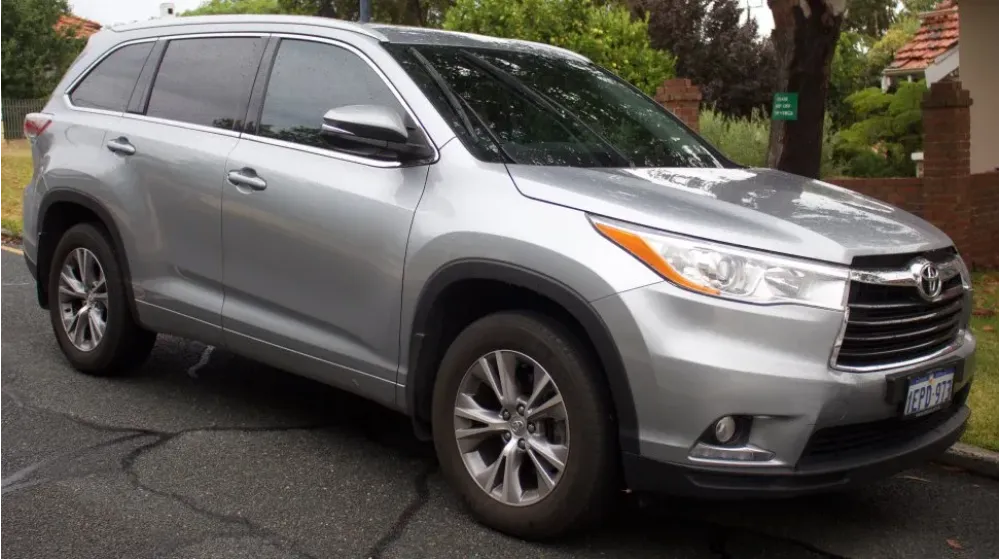
Click on image to view the full photo gallery
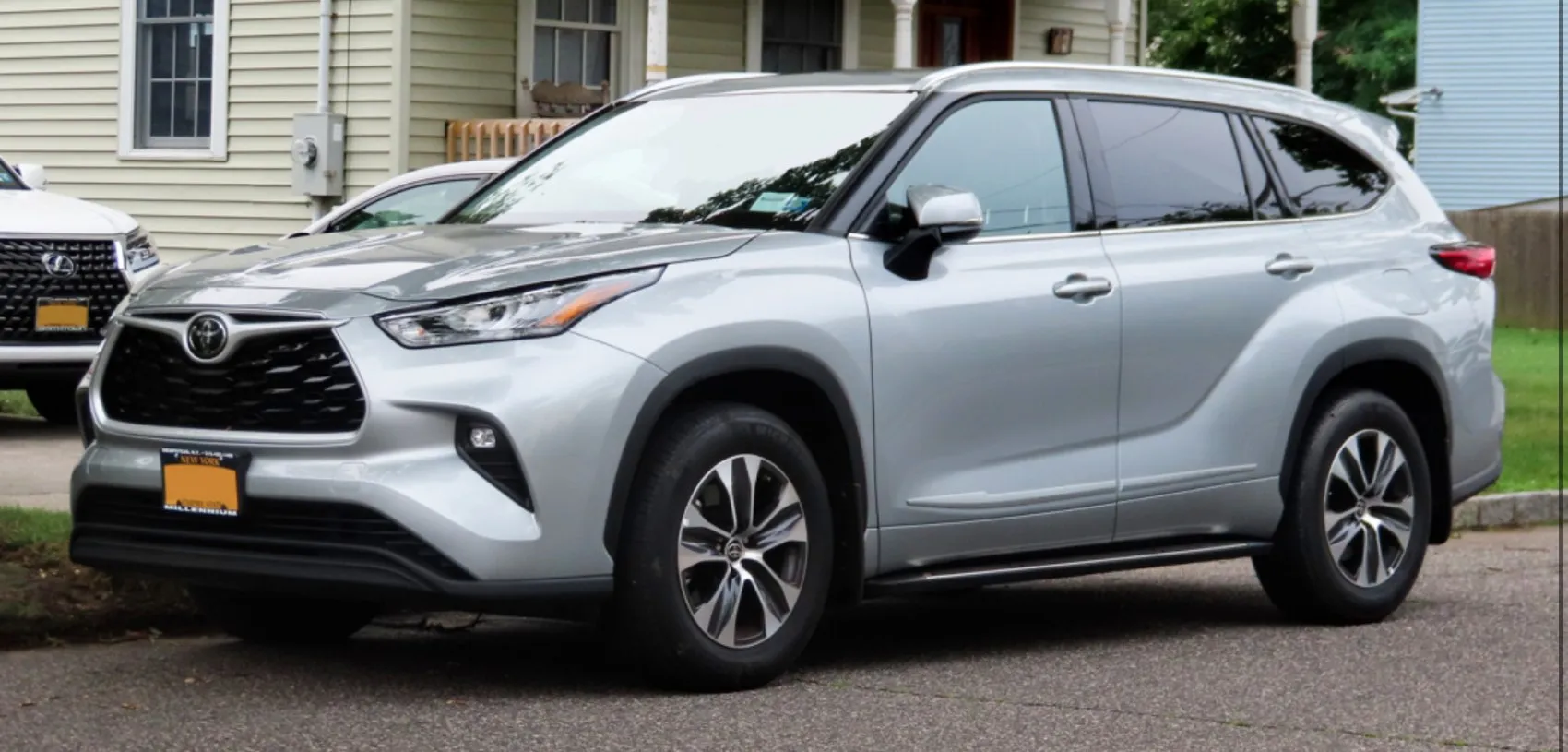
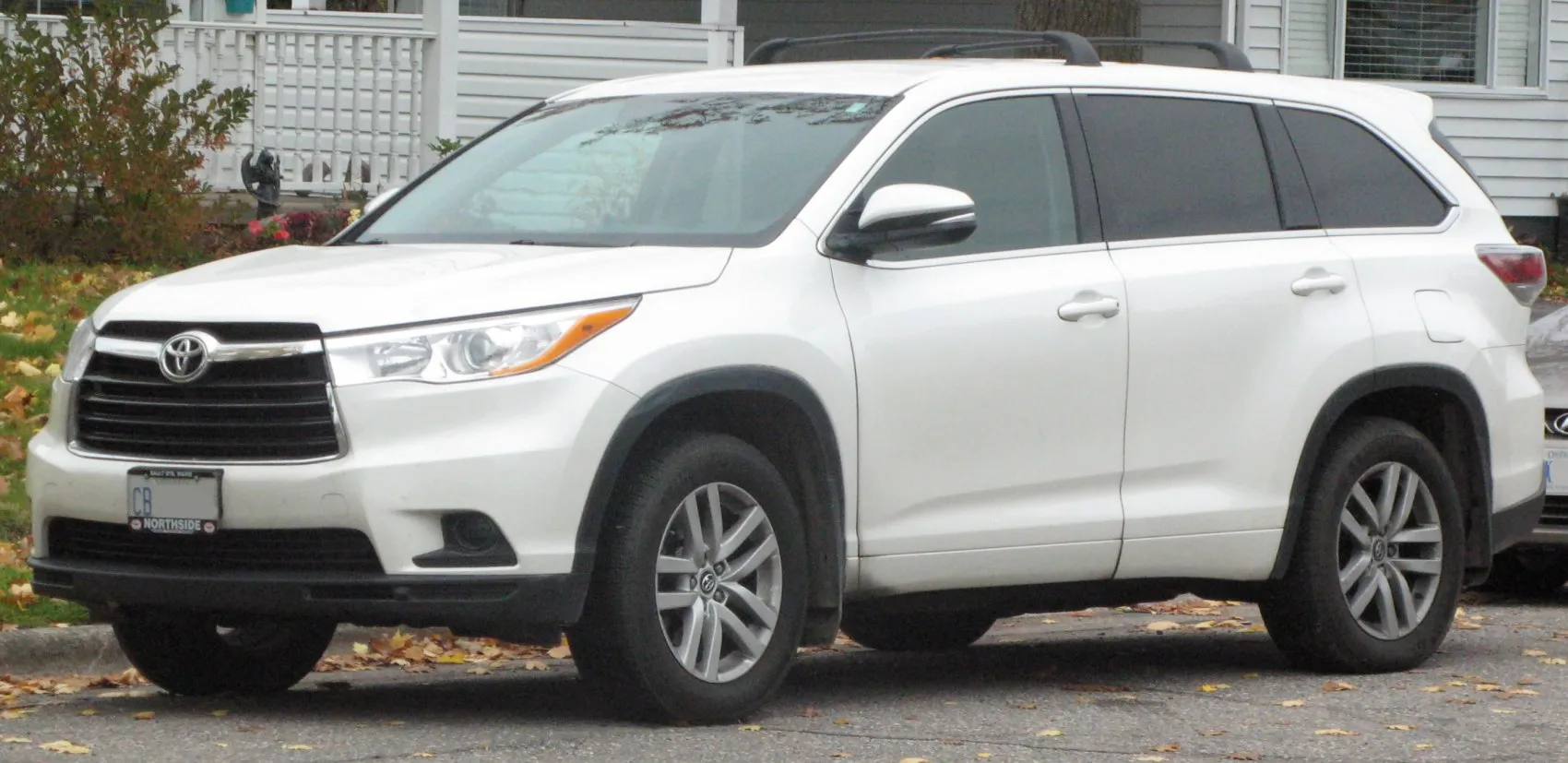
Toyota Highlander III 3.5 V6 (280 Hp) Hybrid AWD-i e-CVT
Overall Rating
Toyota Highlander:
The Toyota Highlander , also known as the Toyota Kluger in some markets, is a mid-size crossover SUV with three-row seating produced by Toyota since 2000.
The Highlander was announced in April 2000 at the New York International Auto Show, arriving in Japan in late 2000, and North America in January 2001. It was among the first of a new class of mid-size SUVs that were based on a car platform. At the time, the Highlander was built on the company's existing Toyota K architecture, shared with the Camry. The Highlander became Toyota's best-selling SUV in the US before being surpassed by the smaller RAV4 in 2006....(Read more on Wikipedia)
III Overview:
Toyota Highlander (III). With 337 Nm of torque, it offers ample pulling power. It has moderate fuel consumption (~8.7 l/100km). At around 2205 kg, it’s on the heavier side. All‑wheel drive provides excellent grip, ideal for off‑road use. Acceleration is good (0–100 km/h in 7.3 s). The top speed reaches 180 km/h. A sport utility vehicle offering higher ground clearance and versatile cargo space. With seating for 7, it’s perfect for larger families.
The Toyota Highlander III was not tested by Euro NCAP, as it was primarily marketed outside of Europe. However, Toyota generally has a strong reputation for safety, and the Highlander typically performed well in North American safety tests.
3.5 V6 (280 Hp) Hybrid AWD-i e-CVT Verdict:

Performance Verdict
Offers excellent acceleration and robust power for an SUV of its size, seamlessly blending V6 and electric motor output for a responsive drive.
Fuel Economy
Remarkably fuel-efficient for a large AWD SUV, providing a significant advantage in running costs compared to conventional V6 models.
Pros and Cons:
Pros:
- • Spacious and versatile 7-seater interior
- • Exceptional reliability and strong resale value
- • Available highly efficient hybrid powertrain
- • Comfortable and smooth ride quality
- • User-friendly infotainment and controls
Cons:
- • Base 2.7L engine can feel underpowered
- • Conventional V6 fuel economy is average
- • Interior design can be somewhat conservative/bland
- • Limited off-road capability compared to some rivals
- • Some road noise at higher speeds
Specifications:
Specifications are compared to those of the previous generation(II: 2011 - 2013).
| General: | |
|---|---|
| Brand: | Toyota |
| Model: | Highlander |
| Generation: | III |
| Modification (Engine): | 3.5 V6 (280 Hp) Hybrid AWD-i e-CVT |
| Start of production: | 2013 |
| End of production: | 2016 |
| Powertrain Architecture: | FHEV (Full Hybrid Electric Vehicle) |
| Body type: | SUV |
| Seats: | 7 |
| Doors: | 5 |
| Engine: | |
|---|---|
| Power: | 280 Hp @ 6000 rpm. |
| Power per litre: | 81 Hp/l |
| Torque: | 337 Nm @ 4700 rpm. |
| Engine Model/Code: | 2GR-FXE [Same engine] More details about the engine 2GR-FXE |
| Engine displacement: | 3456 |
| Number of cylinders: | 6 |
| Engine configuration: | V-engine |
| Number of valves per cylinder: | 4 |
| Fuel injection system: | Multi-port manifold injection |
| Engine aspiration: | Naturally aspirated engine |
| Valvetrain: | DOHC-VVTi |
| Engine oil capacity: | 6.1 l |
| Coolant: | 12.8 l |
| Engine layout: | Front, Transverse |
| Cylinder Bore: | 94 mm |
| Piston Stroke: | 83 mm |
| Compression ratio: | 10.8:1 |
| Performance: | |
|---|---|
| Fuel Type: | Petrol (Gasoline) |
| Fuel consumption (economy) - urban: | 8.7 l/100 km |
| Fuel consumption (economy) - extra urban: | 8.4 l/100 km |
| Fuel consumption (economy) - combined: | 8.4 l/100 km |
| Emission standard: | Euro 5 |
| Acceleration 0 - 100 km/h: | 7.3 sec |
| Acceleration 0 - 62 mph: | 7.3 sec |
| Maximum speed: | 180 km/h |
| Weight-to-power ratio: | 7.9 kg/Hp, 127 Hp/tonne |
| Weight-to-torque ratio: | 6.5 kg/Nm, 152.8 Nm/tonne |
| Acceleration 0 - 60 mph: | 6.9 sec |
| Space: | |
|---|---|
| Kerb Weight: | 2205 |
| Max. weight: | 2844 |
| Max load: | 639 |
| Trunk (boot) space - maximum: | 2370 l |
| Trunk (boot) space - minimum: | 391 l |
| Fuel tank capacity: | 65 l |
| Size: | |
|---|---|
| Length: | 4865 mm [80mm more] |
| Width: | 1925 mm [15mm more] |
| Height: | 1730 mm [30mm less] |
| Wheelbase: | 2790 mm [Same wheelbase.] |
| Front track: | 1635 mm |
| Rear (Back) track: | 1650 mm |
| Ride height (ground clearance): | 197 mm |
| Minimum turning circle (turning diameter): | 11.8 m [above average] |
| Powertrain: | |
|---|---|
| Drivetrain Architecture | An Internal combustion engine (ICE) drives the front wheels, one electric motor drives the front wheels, one electric motor drives the rear wheels. There is an ability for running in full electric or mixed mode. |
| Drive wheel | All wheel drive (4x4) |
| Transmission type | Automatic |
| Gearbox type | e-CVT |
| Front brakes | Ventilated discs, 327.66 mm [Best for performance and cooling.] |
| Rear brakes | Disc, 309.88 mm [above average] |
| Assisting systems | ABS (Anti-lock braking system) |
| Steering type | Steering rack and pinion |
| Power steering | Electric Steering |
| Tires size | 245/60 R18; 245/55 R19 |
| Wheel rims size | 7.5J x 18; 7.5J x 19 |
| Front suspension | Independent, type McPherson with coil spring and anti-roll bar |
| Rear suspension | Independent coil spring |
| Electric: | |
|---|---|
| Battery technology: | Nickel-metal hydride (NiMH) |
| Battery location: | Below the floor, under the rear seats |
| System power: | 280 Hp |
| Electric motor power: | 167 Hp |
| Electric motor Torque: | 335 Nm |
| Electric motor location: | Integrated into the transmission |
| Electric motor type: | Synchronous |
| Battery voltage: | 288 V |
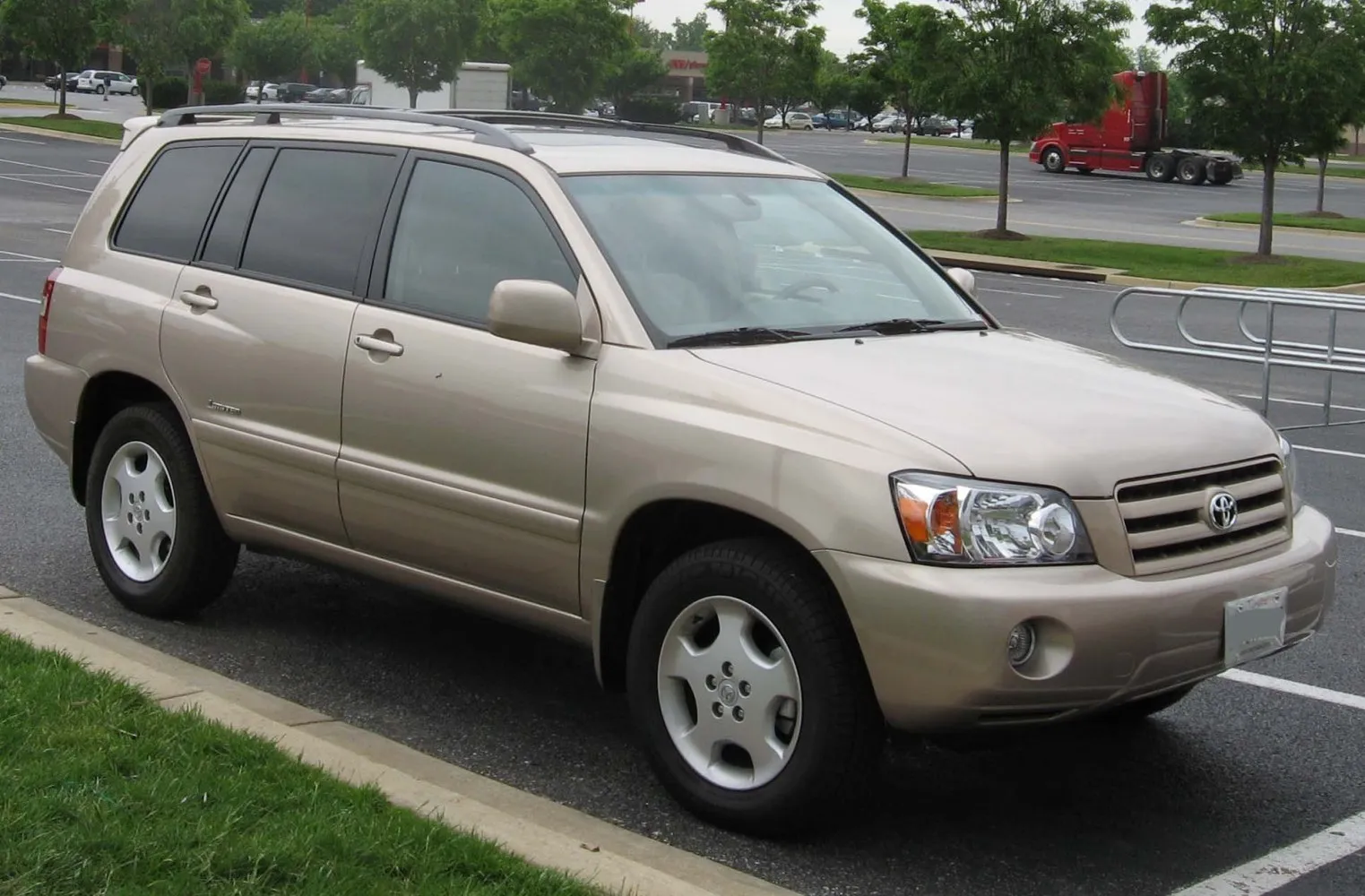
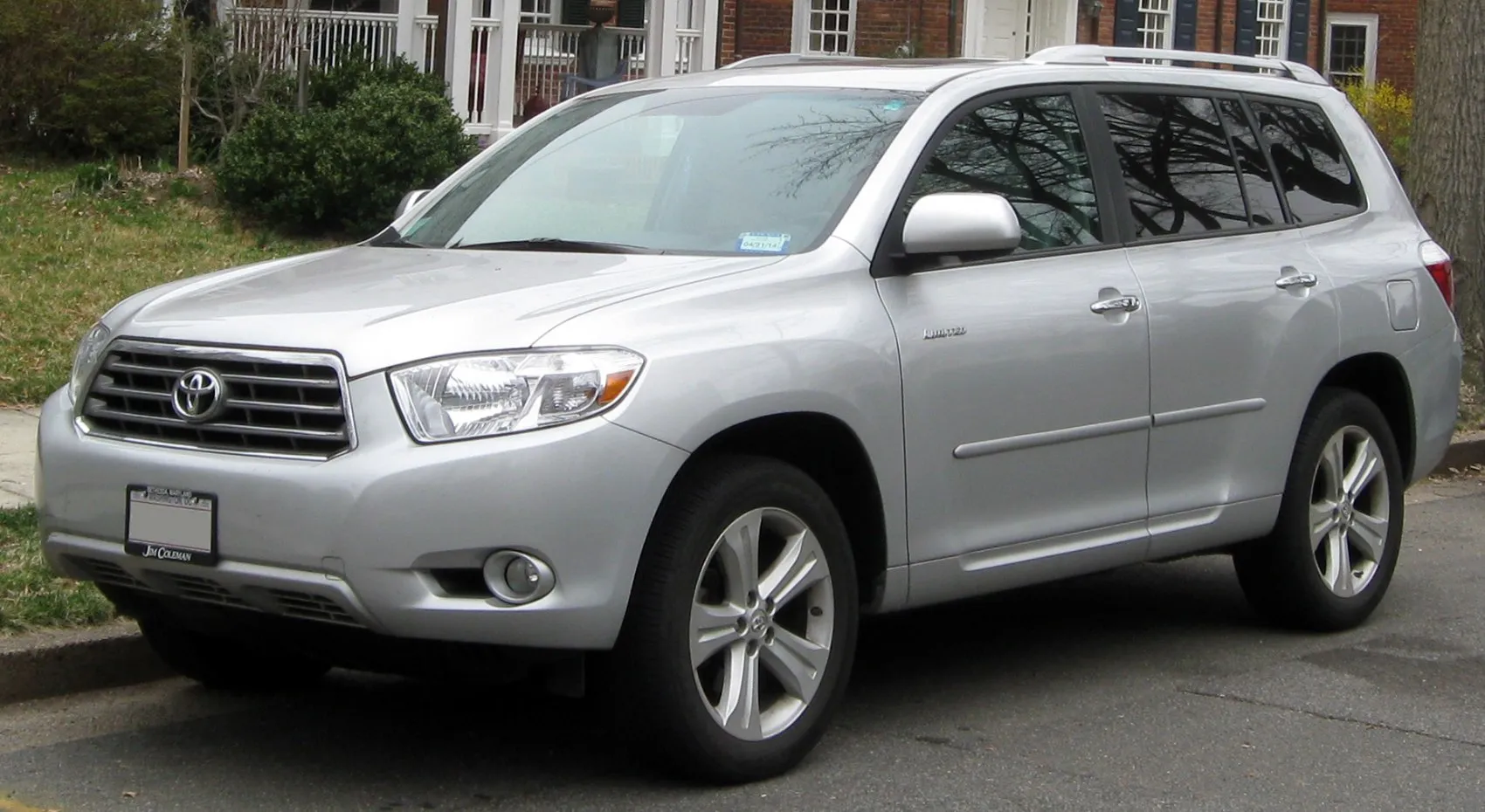
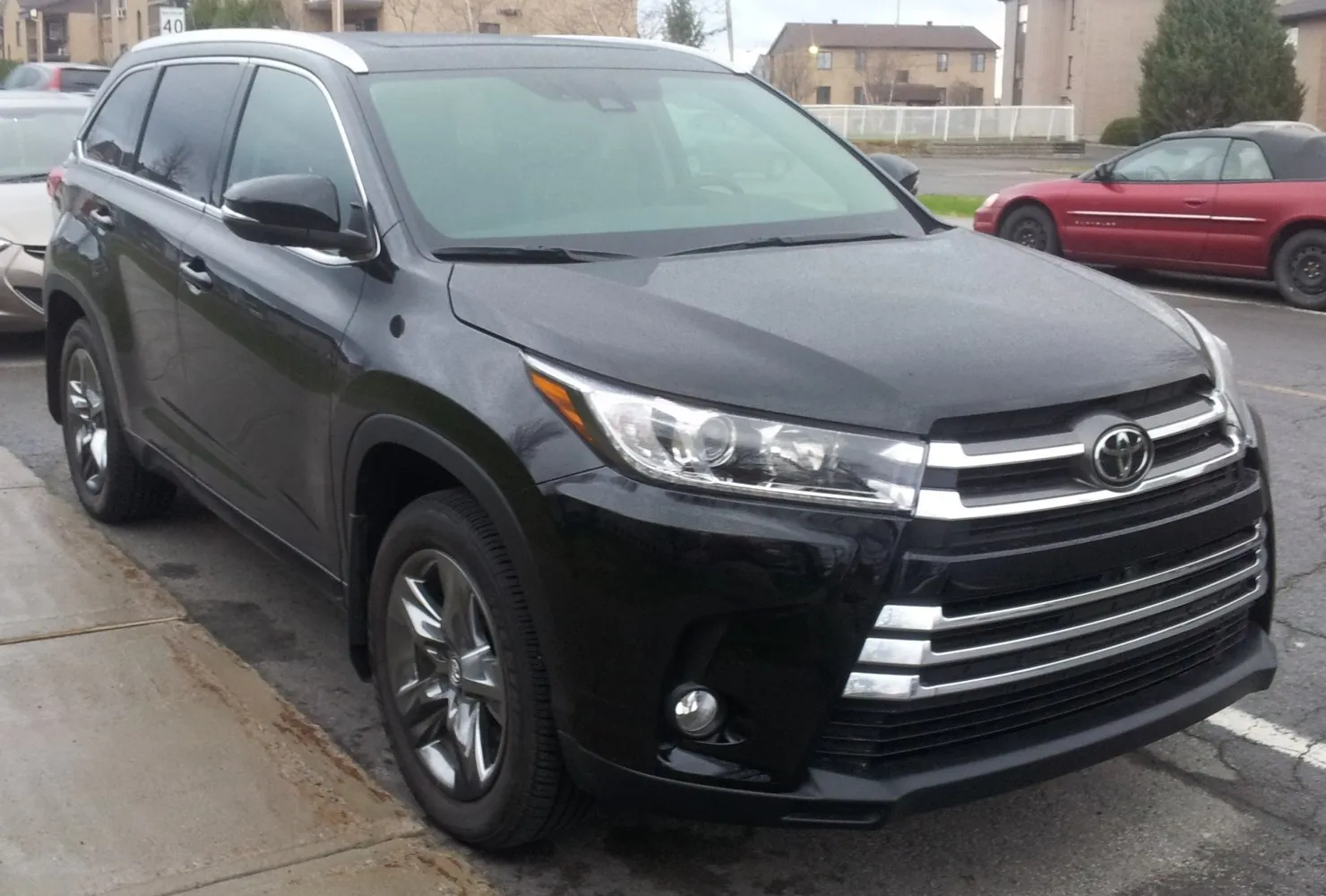






Is the Toyota Highlander the king of its class? Share your thoughts.