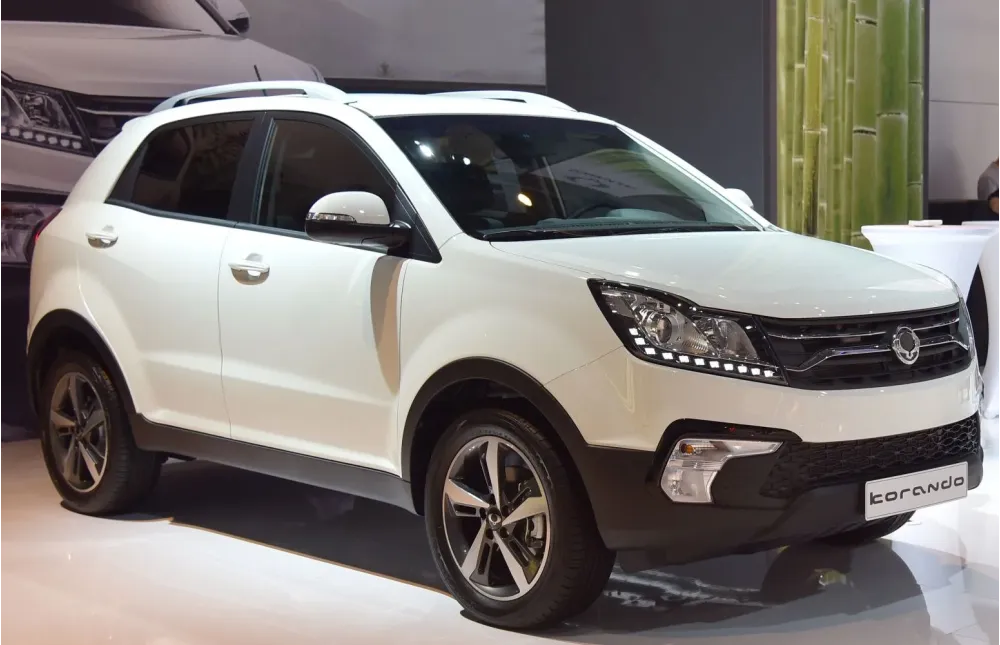
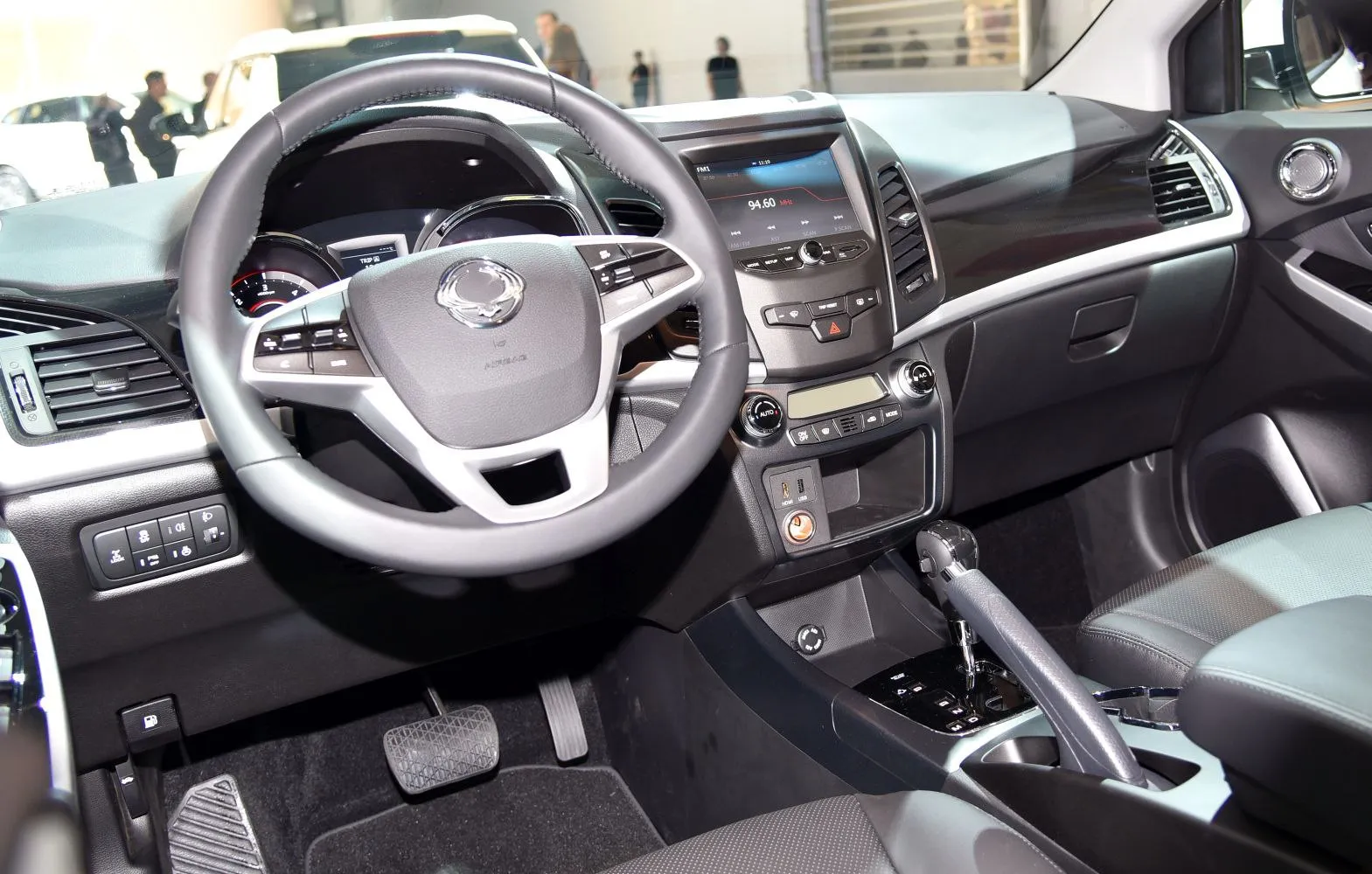
Click on image to view the full photo gallery
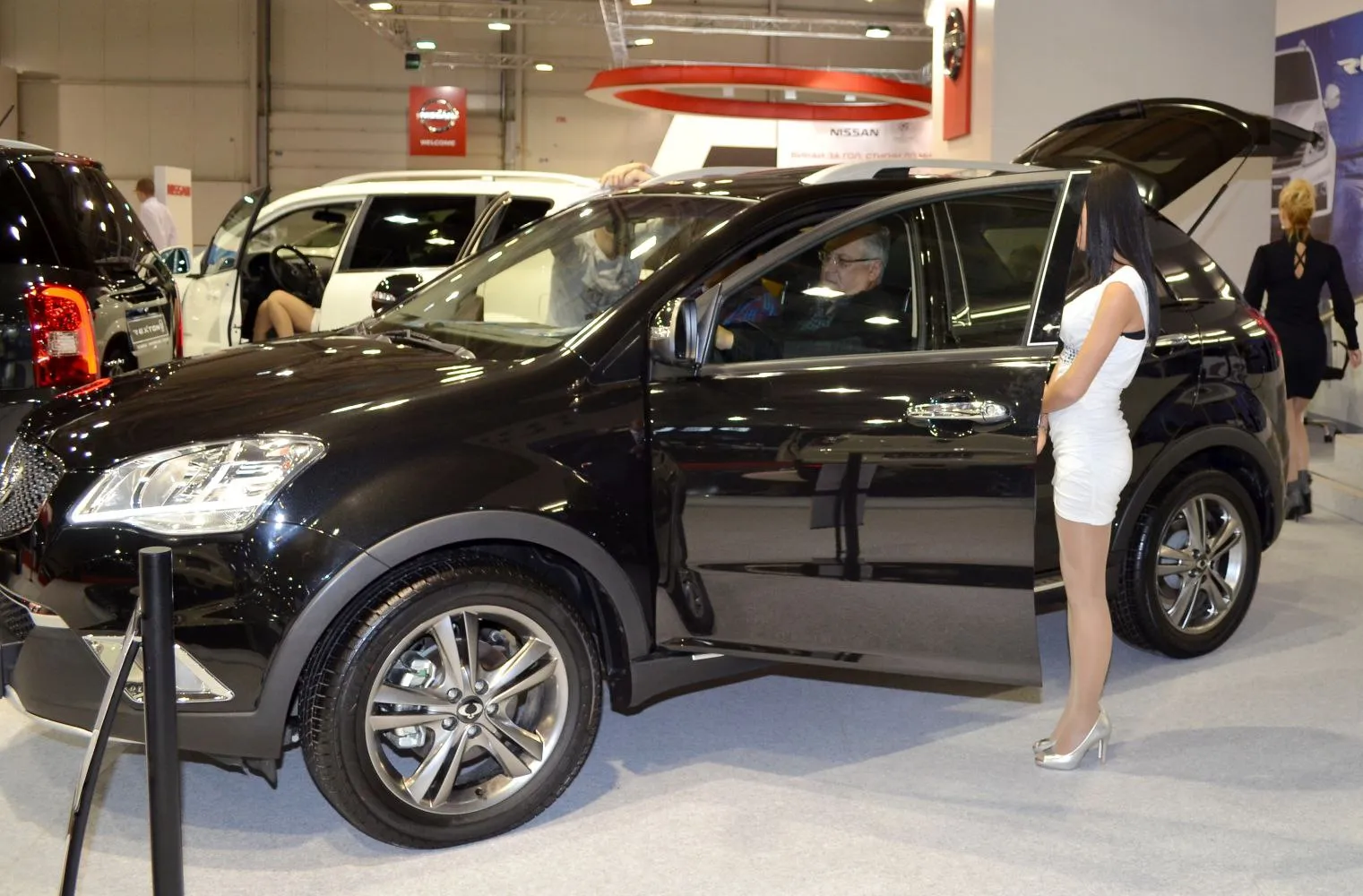
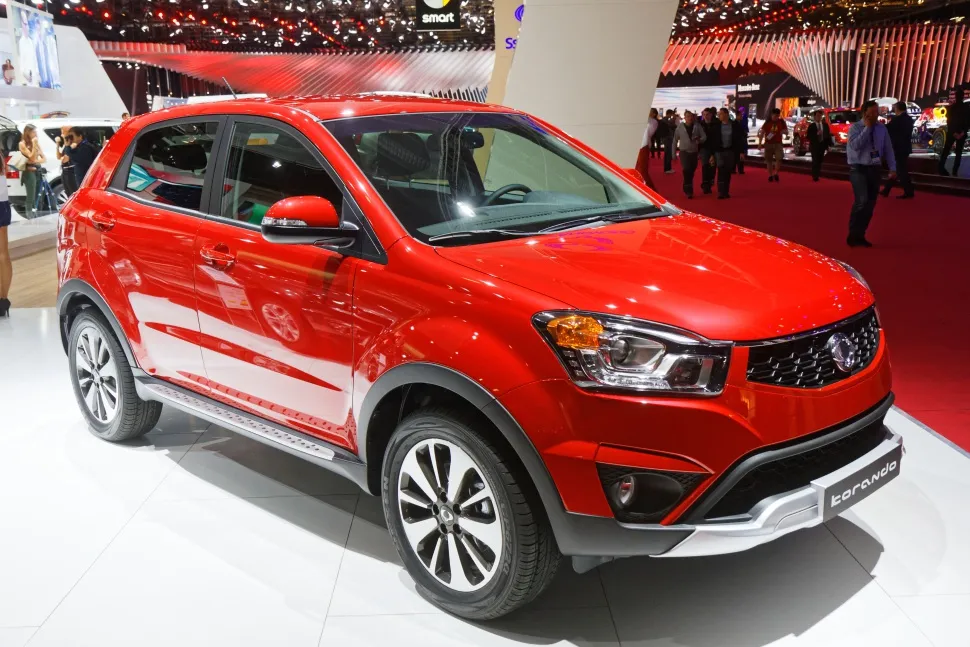
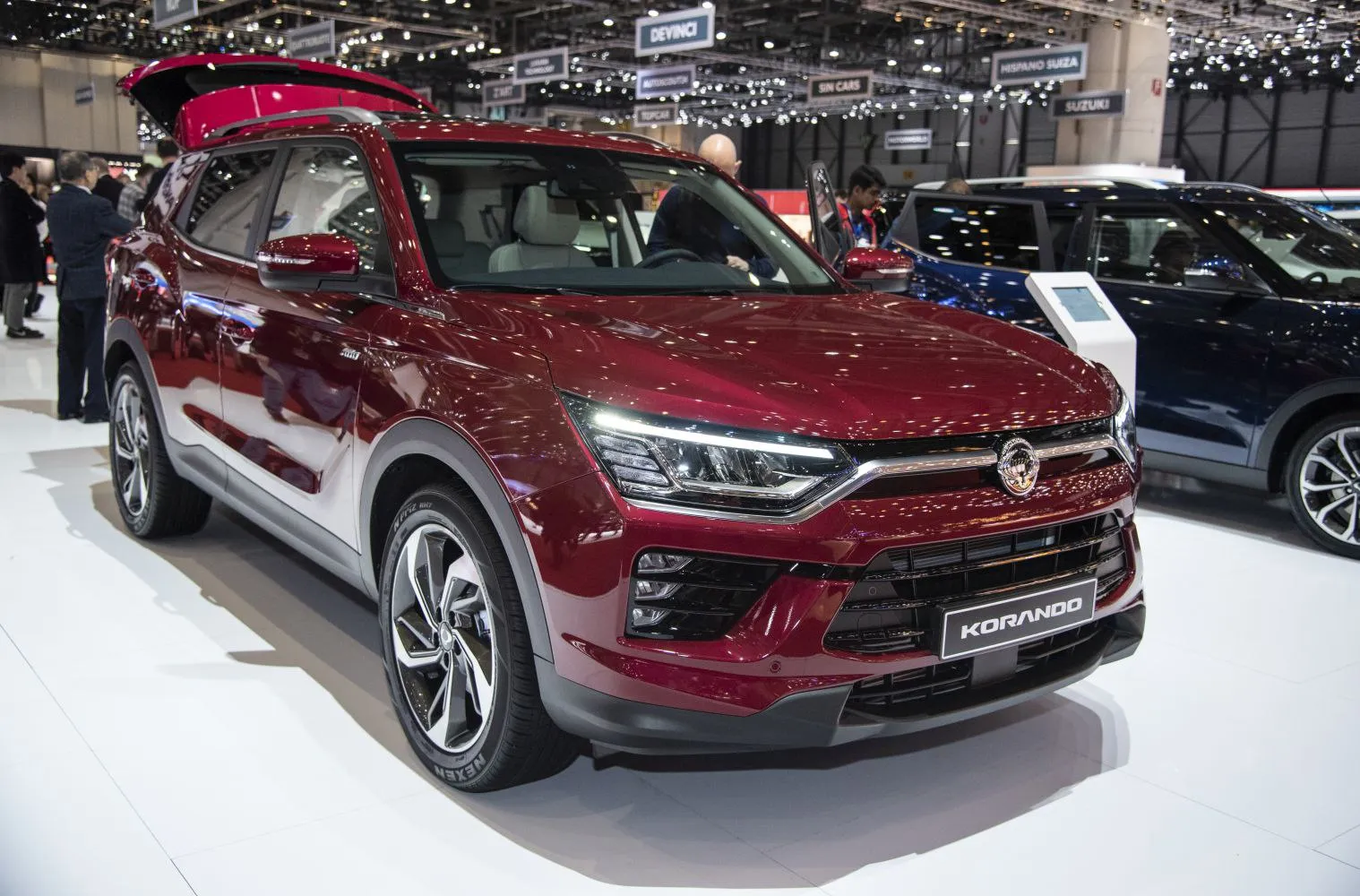
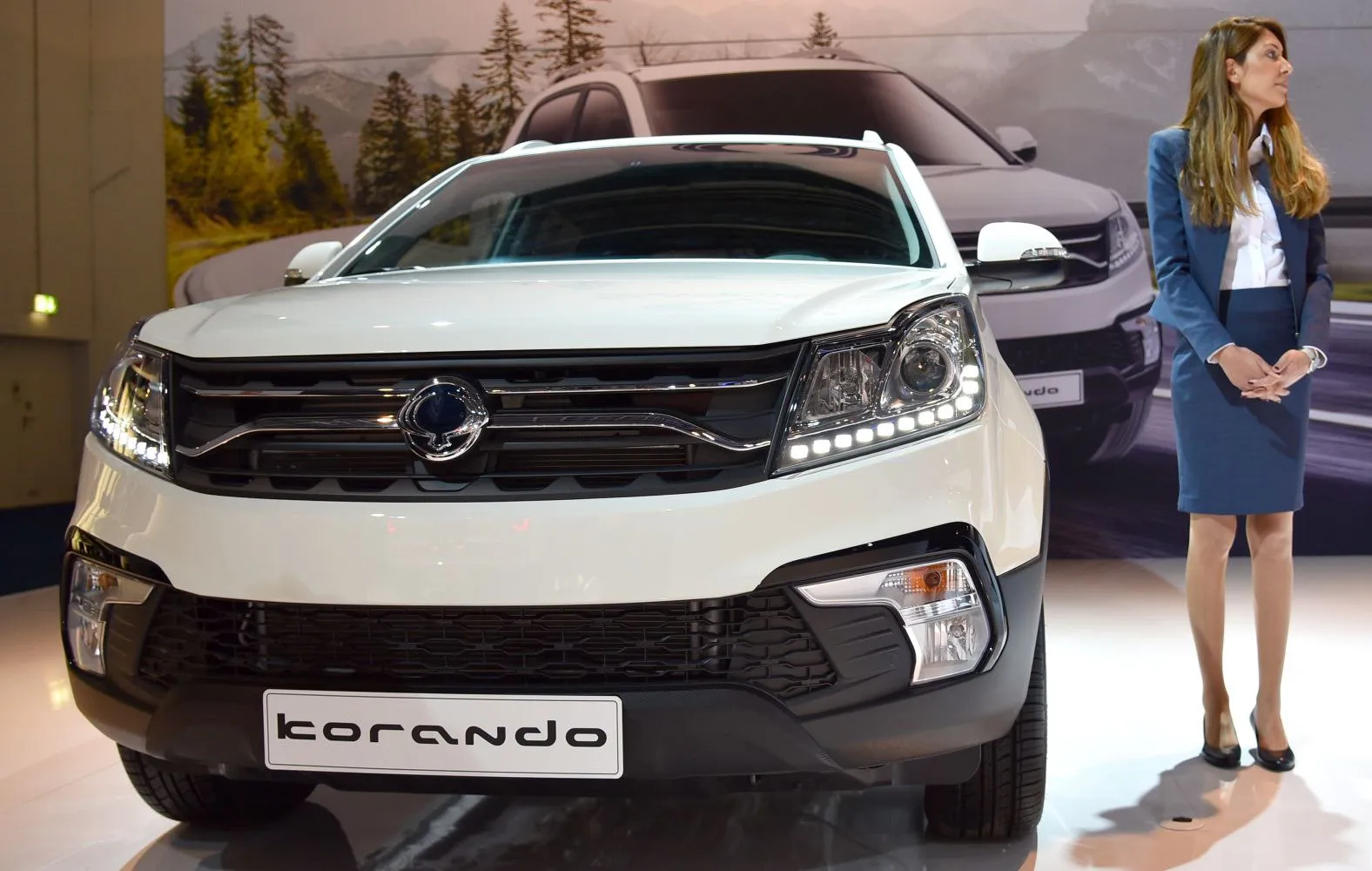
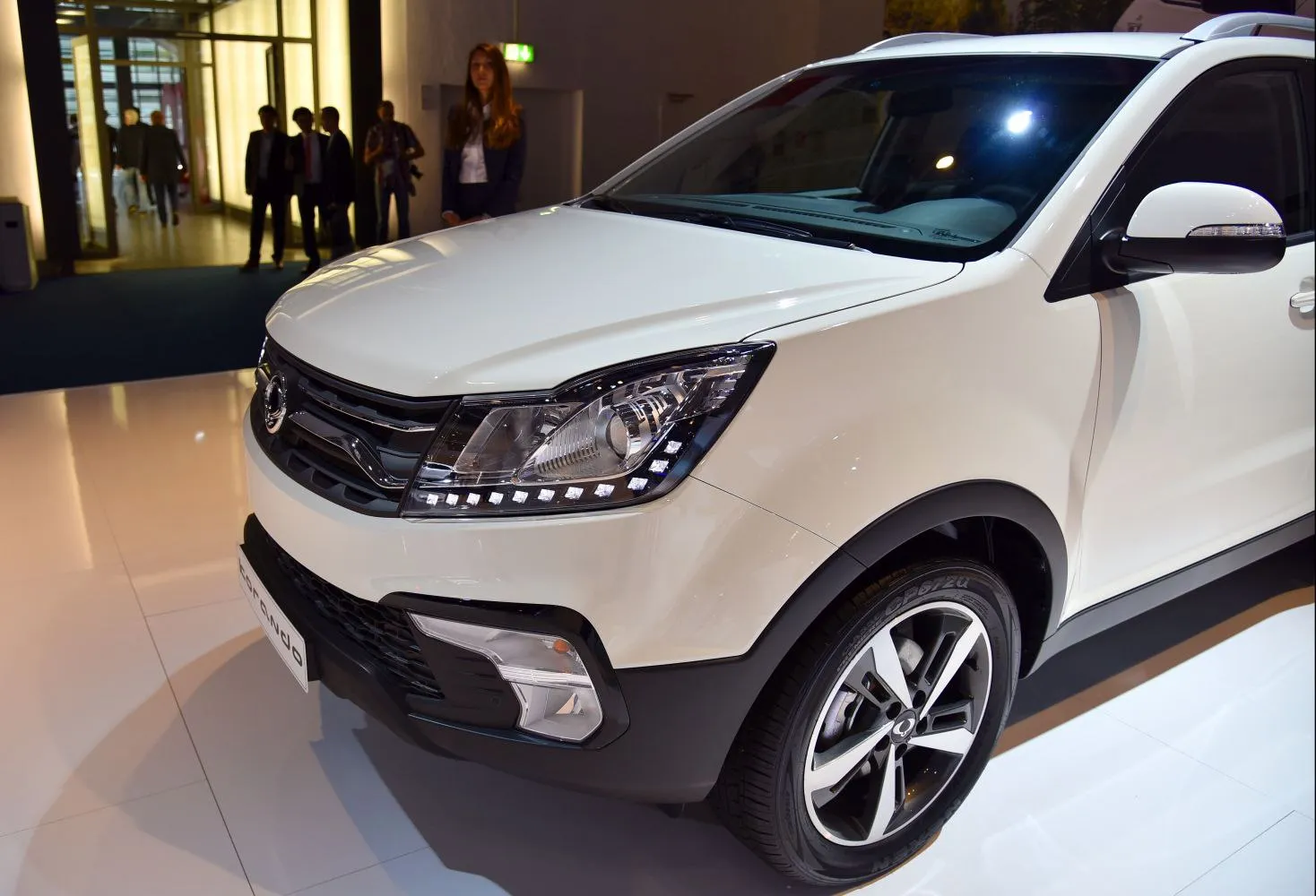
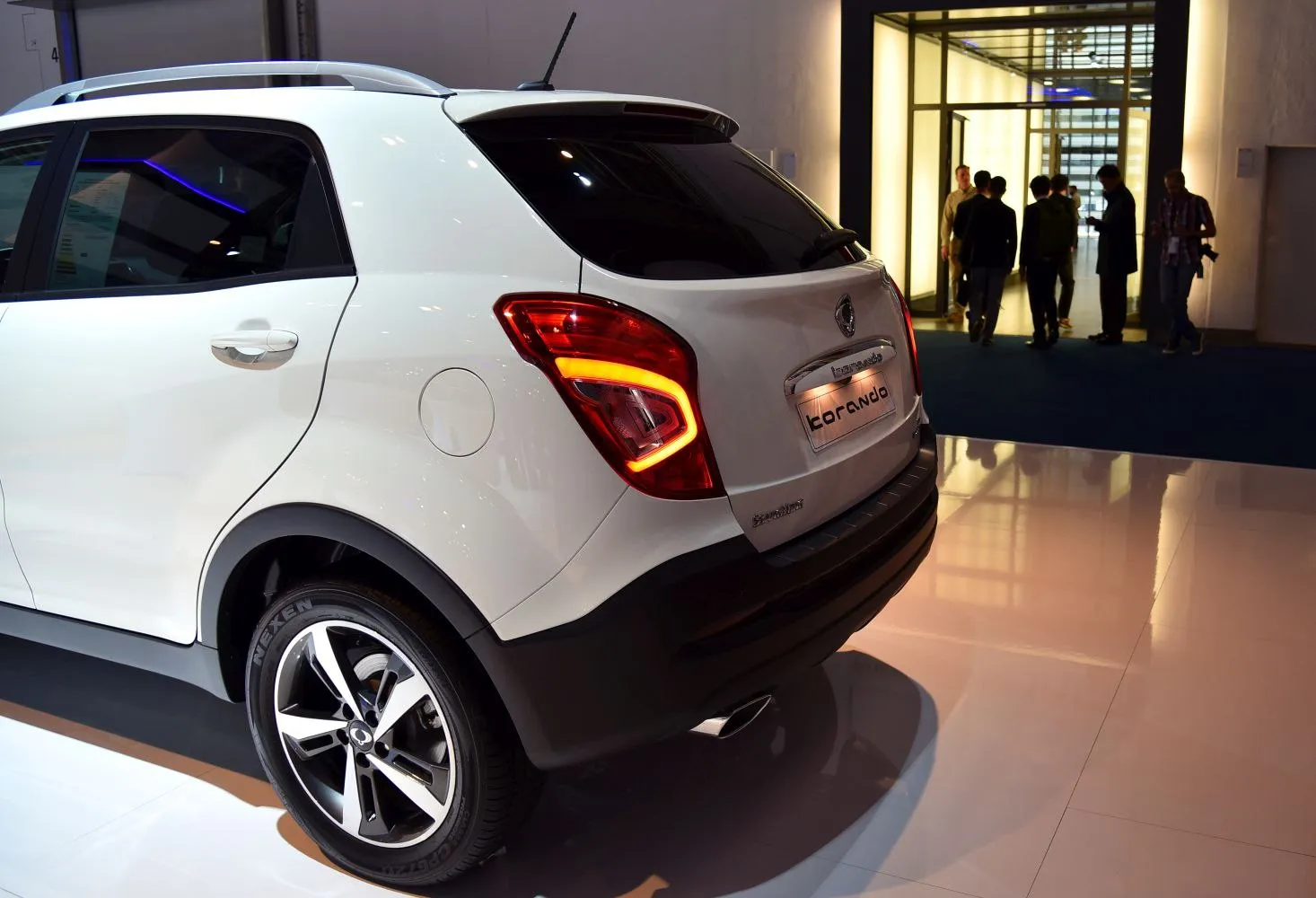
SsangYong Korando III (C, facelift 2017) 2.2 e-XDi (178 Hp) Automatic
Overall Rating
SsangYong Korando:
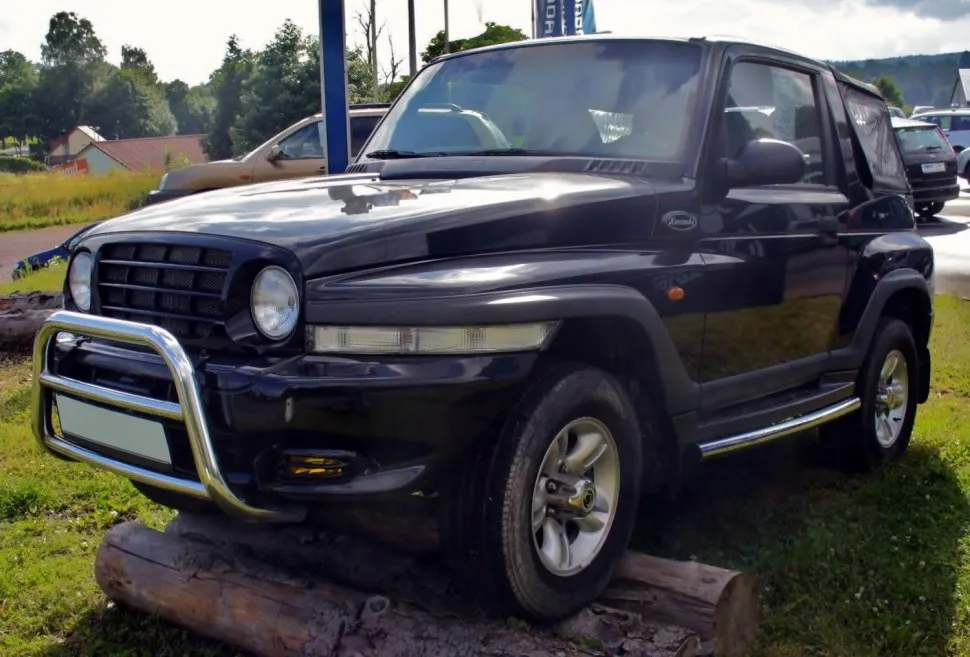
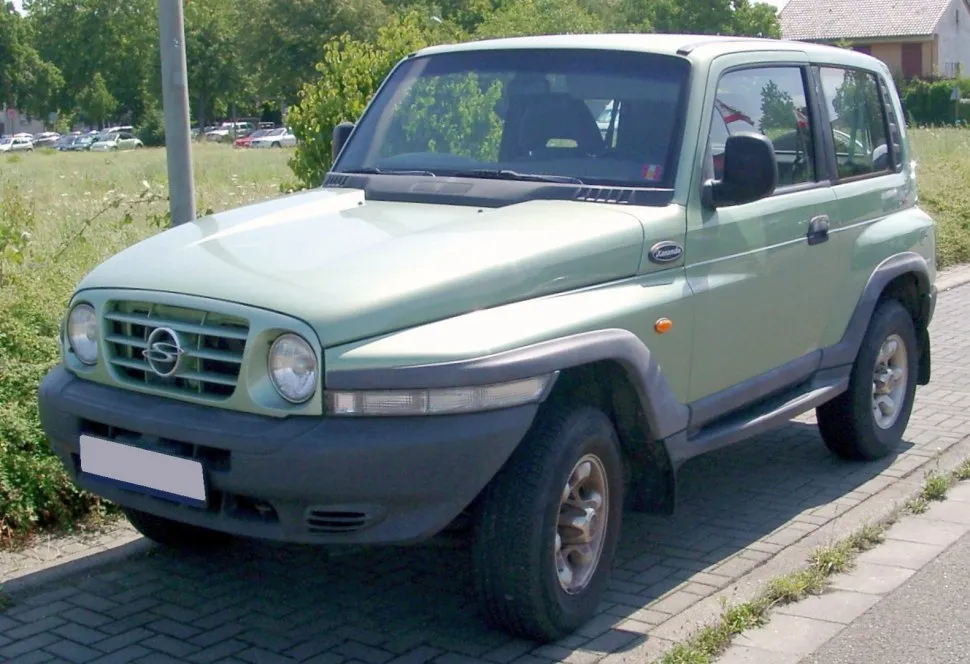
The KGM Korando, formerly SsangYong Korando is a mini SUV or compact crossover SUV built by the South Korean automobile manufacturer SsangYong from 1983 to 2006 and from 2010 onwards. The name Korando is a contraction of "Korea Can Do". The Korando brand is listed in the Guinness Book of Records as Korea’s longest surviving name plate.
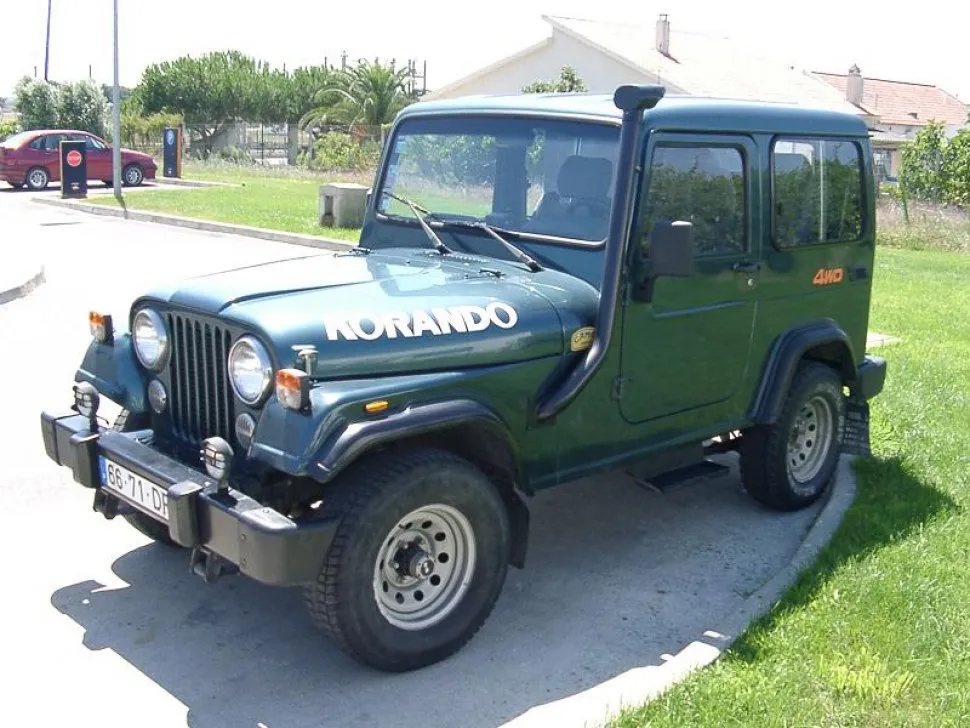
In 1964, Ha Dong-hwan Motor Company began to assemble Jeeps, trucks, and buses for the US armed forces and for the United Nations Command.
In November 1969, the CJ-5 entered production with the 75 hp Willys Hurricane inline-four engine and in 1971, a ten-seater version and a pickup model were introduced. In April 1974, American Motors and Shinjin Motors formed a joint venture, Shinjin Jeep Motors, to build local Jeeps. These originally had a locally built AMC 258 ci straight-six engine with 110 hp SAE, but after the oil crises of the seventies Isuzu's 2. 8-liter 4BA1 diesel engine with 85 hp SAE was introduced in July 1979....(Read more on Wikipedia)
III (C, facelift 2017) Overview:
SsangYong Korando (III (C, facelift 2017)). With 400 Nm of torque, it offers ample pulling power. It has moderate fuel consumption (~8.4 l/100km). With a weight of 1730 kg, it falls in the mid‑range. Front‑wheel drive delivers efficiency and easy handling. The top speed reaches 185 km/h. A sport utility vehicle offering higher ground clearance and versatile cargo space. Seating for 5 makes it ideal for daily use.
2.2 e-XDi (178 Hp) Automatic Verdict:

Performance Verdict
Smooth and powerful, the automatic transmission complements the diesel engine's torque well, providing effortless acceleration.
Fuel Economy
Very good fuel economy for an automatic SUV, making it a strong contender for those seeking convenience without sacrificing efficiency.
Pros and Cons:
Pros:
- • Excellent value for money and standard equipment levels
- • Strong and efficient 2.2 e-XDi diesel engine options
- • Capable AWD system for varied conditions
- • Robust build quality and practical SUV design
- • Spacious interior for passengers and cargo
Cons:
- • Petrol 2.0 e-XGi engine can feel underpowered and less economical
- • Interior materials and refinement lag behind some European and Japanese rivals
- • Automatic transmission can be slow to respond
- • Brand image and resale value may not be as strong as competitors
- • Dated infotainment system compared to newer models
Specifications:
Specifications are compared to those of the previous generation(III (C, facelift 2013): 2013 - 2017).
| General: | |
|---|---|
| Brand: | SsangYong |
| Model: | Korando |
| Generation: | III (C, facelift 2017) |
| Modification (Engine): | 2.2 e-XDi (178 Hp) Automatic |
| Start of production: | 2017 |
| End of production: | 2019 |
| Powertrain Architecture: | Internal Combustion engine |
| Body type: | SUV |
| Seats: | 5 |
| Doors: | 5 |
| Engine: | |
|---|---|
| Engine systems: | Particulate filter |
| Power: | 178 Hp @ 4000 rpm. Same horsepower |
| Power per litre: | 82.5 Hp/l [Same length.] |
| Torque: | 400 Nm @ 1400-2800 rpm. |
| Engine Model/Code: | D22DTR More details about the engine D22DTR |
| Engine displacement: | 2157 |
| Number of cylinders: | 4 |
| Engine configuration: | Inline |
| Number of valves per cylinder: | 4 |
| Fuel injection system: | Diesel Commonrail |
| Engine aspiration: | Turbocharger, Intercooler |
| Engine oil capacity: | 6 l |
| Coolant: | 8.5 l |
| Engine layout: | Front, Longitudinal |
| Cylinder Bore: | 86.2 mm mm |
| Piston Stroke: | 92.4 mm mm |
| Compression ratio: | 15.5:1 |
| Performance: | |
|---|---|
| Fuel Type: | Diesel |
| Fuel consumption (economy) - urban: | 8.4 l/100 km |
| Fuel consumption (economy) - extra urban: | 5.4 l/100 km |
| Fuel consumption (economy) - combined: | 6.5 l/100 km |
| Emission standard: | Euro 6 |
| Maximum speed: | 185 km/h |
| Weight-to-power ratio: | 9.7 kg/Hp, 102.9 Hp/tonne |
| Weight-to-torque ratio: | 4.3 kg/Nm, 231.2 Nm/tonne |
| Space: | |
|---|---|
| Kerb Weight: | 1730 |
| Max. weight: | 2210 |
| Max load: | 480 |
| Permitted trailer load with brakes (12%): | 2000 kg |
| Fuel tank capacity: | 57 l |
| Permitted trailer load without brakes: | 750 kg |
| Size: | |
|---|---|
| Length: | 4410 mm mm [Same length.] |
| Width: | 1830 mm mm [Same width.] |
| Height: | 1675 mm mm [Same height.] |
| Wheelbase: | 2650 mm mm [Same wheelbase.] |
| Front track: | 1573 mm |
| Rear (Back) track: | 1558 mm |
| Front overhang: | 920 mm |
| Rear overhang: | 840 mm |
| Ride height (ground clearance): | 180 mm |
| Powertrain: | |
|---|---|
| Drivetrain Architecture | The Internal combustion engine (ICE) drives the front wheels of the vehicle. |
| Drive wheel | Front wheel drive |
| Number of gears | 6 |
| Transmission type | Automatic |
| Front brakes | Ventilated discs [Best for performance and cooling.] |
| Rear brakes | Disc |
| Assisting systems | ABS (Anti-lock braking system) |
| Steering type | Steering rack and pinion |
| Power steering | Electric Steering |







Driven it? Loved it? Hated it? Share your honest review!