
Click on image to view the full photo gallery
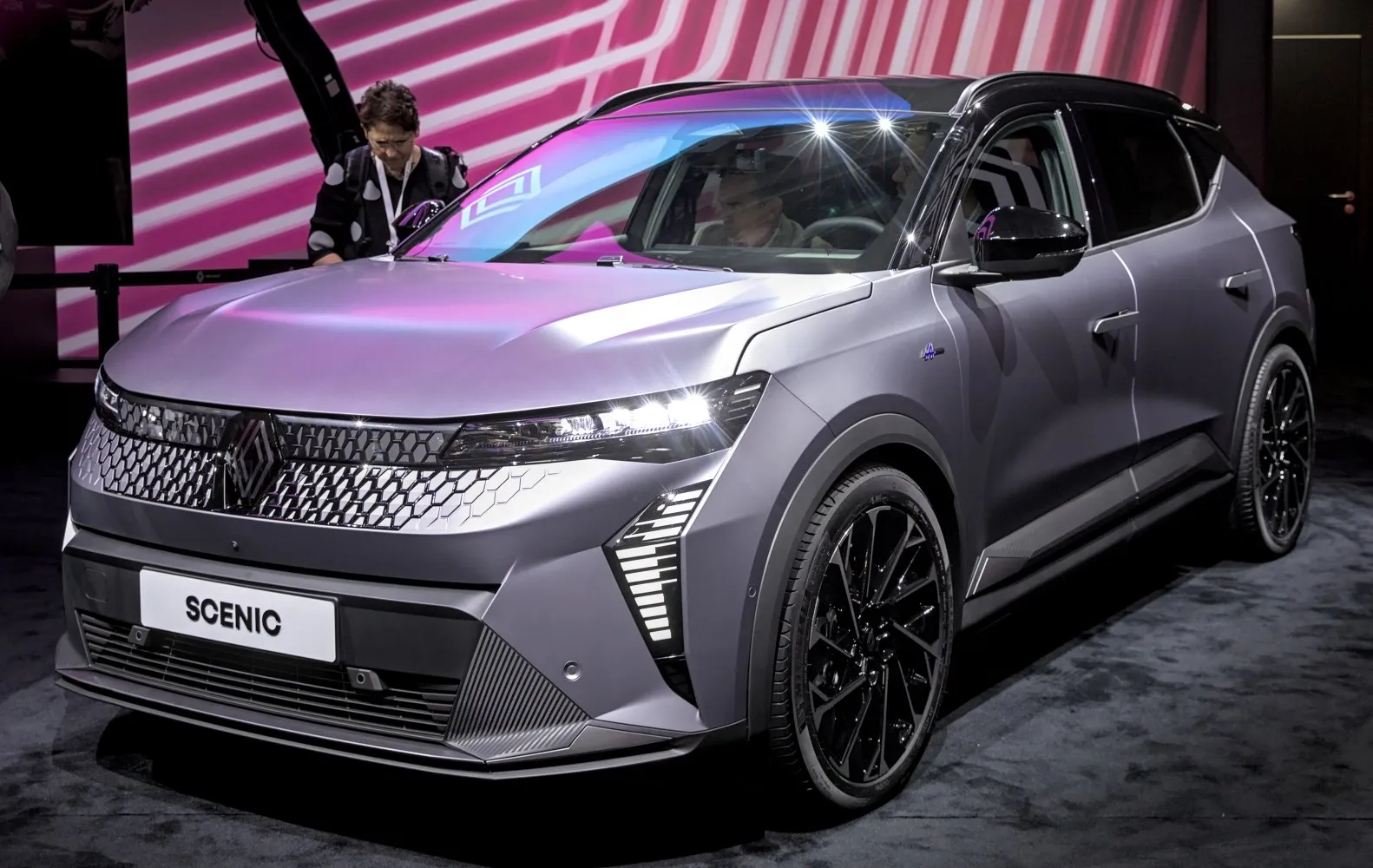
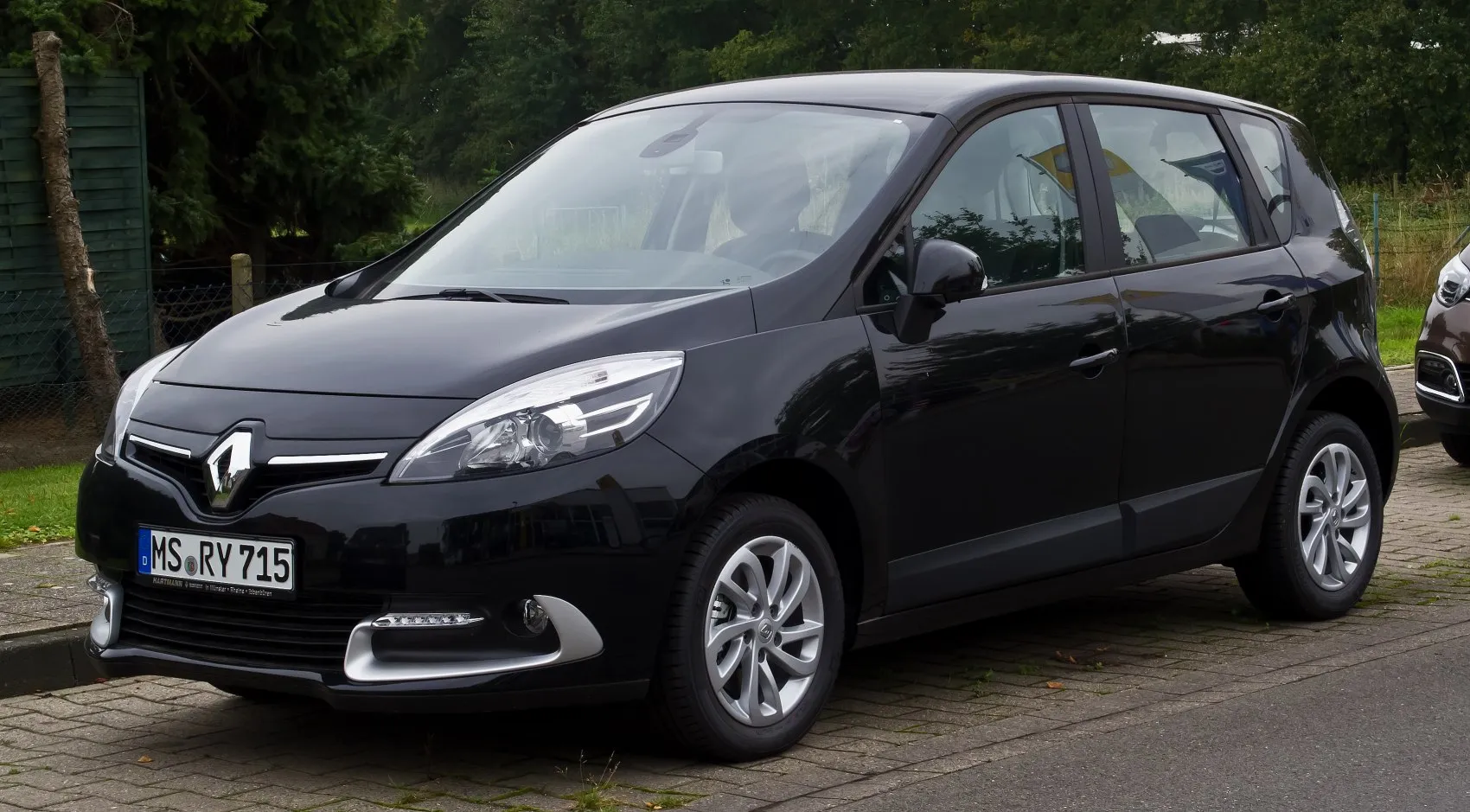
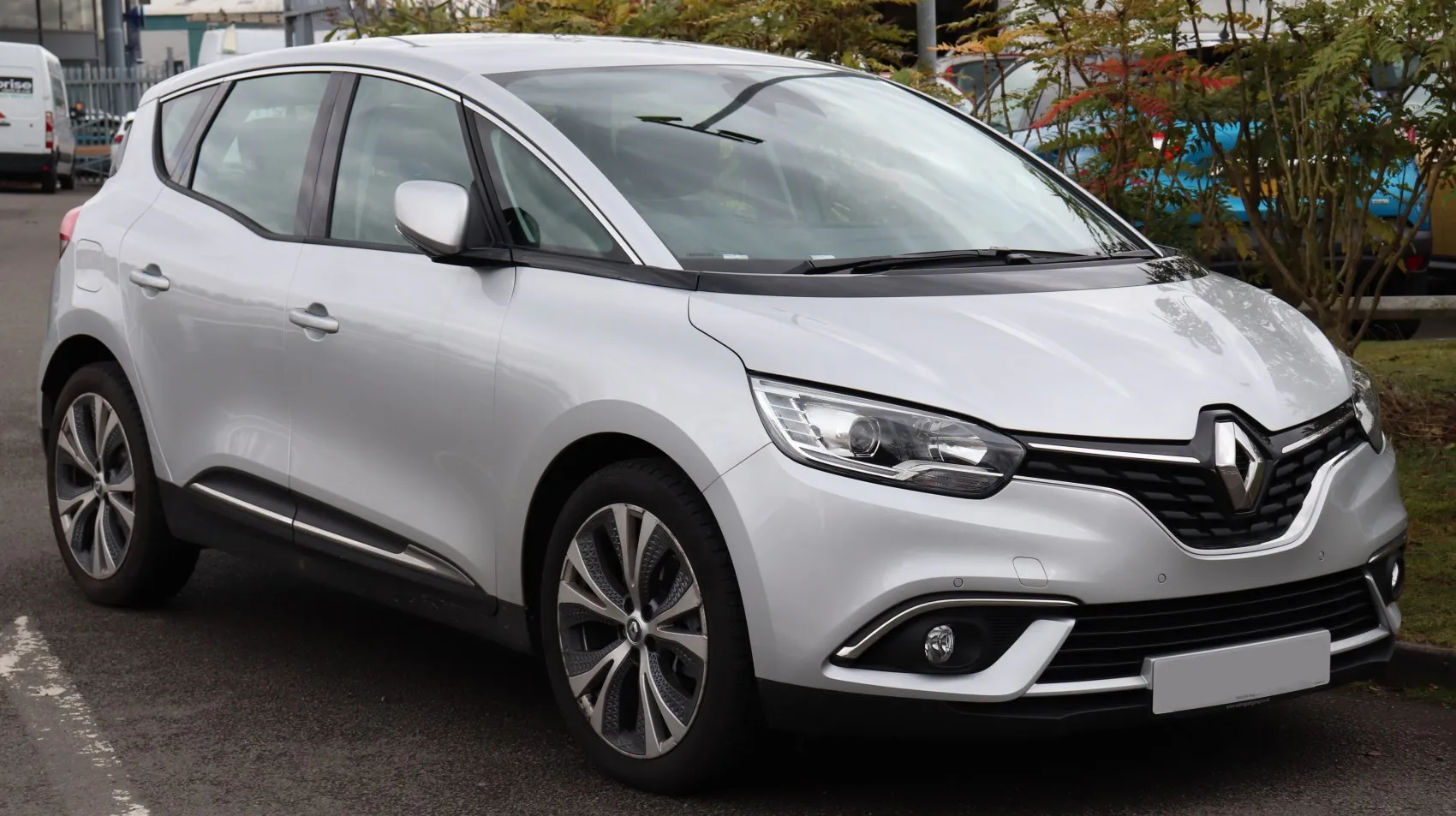
Renault Scenic Grand Scenic IV (Phase I) 1.6 Energy dCi (130 Hp) 7 Seat
Overall Rating
Renault Scenic:
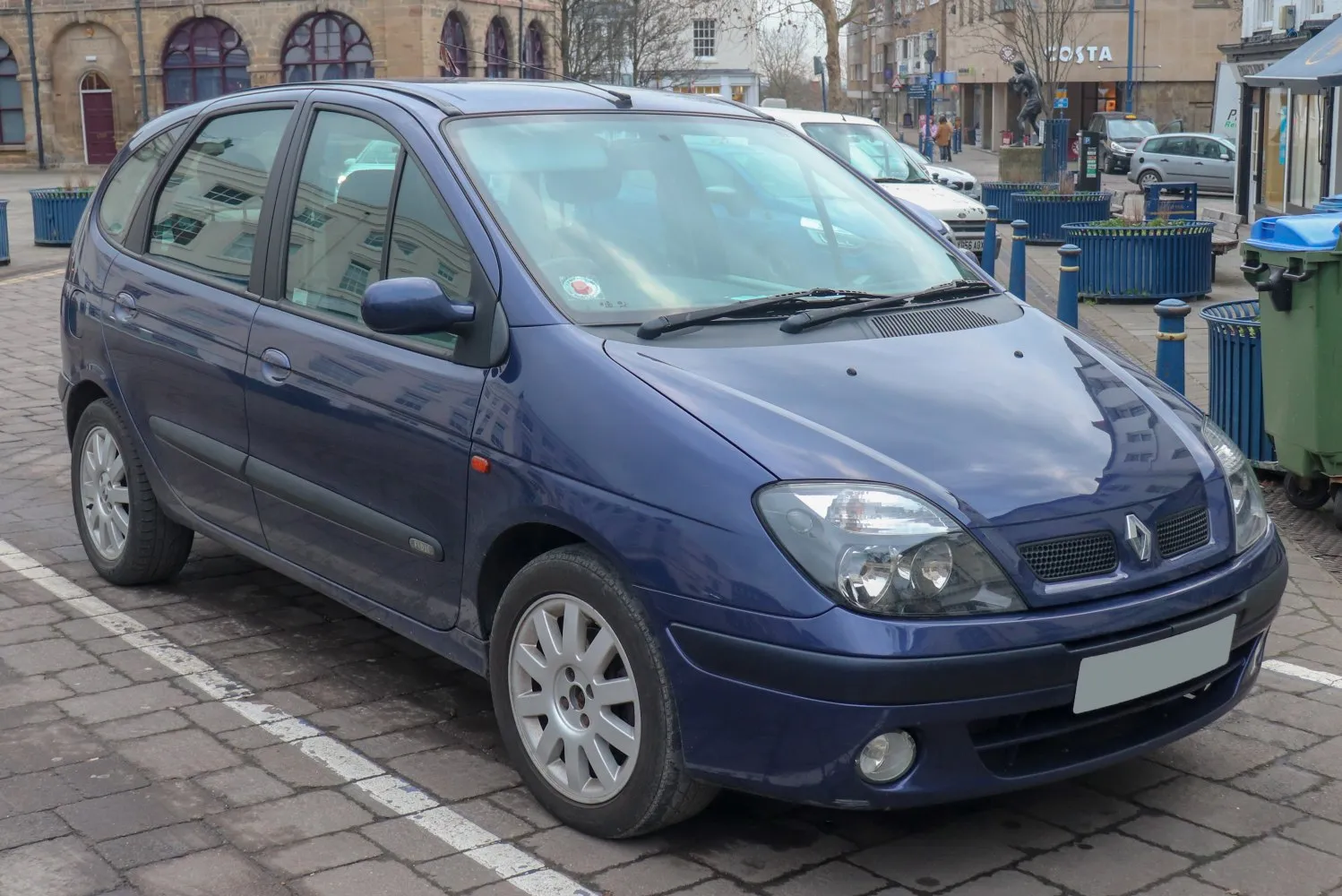
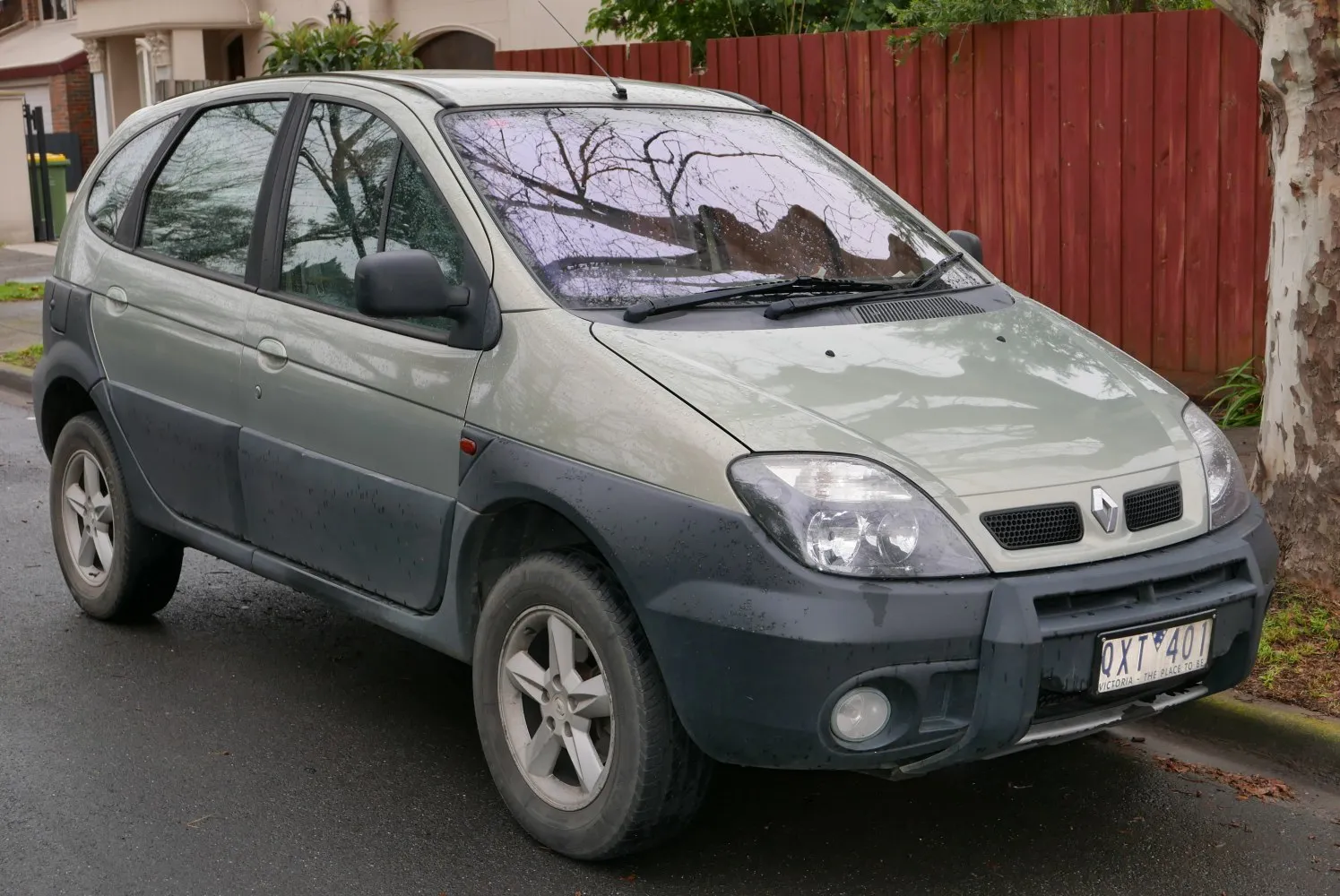
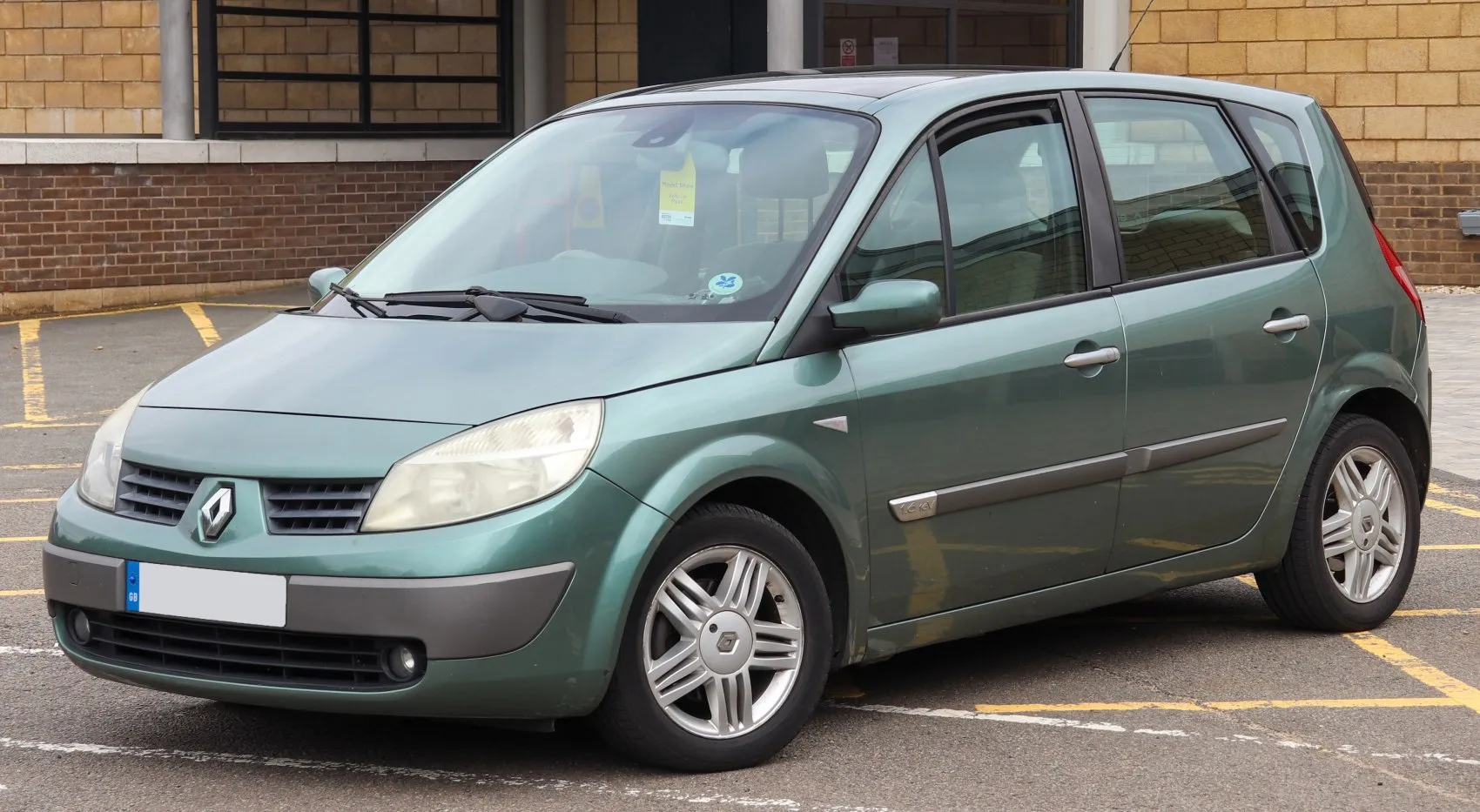
The Renault Scénic , also spelled without the acute accent as Scenic, especially in languages other than French, is a car which was produced by French car manufacturer Renault, the first to be labelled as a small multi-purpose vehicle in Europe. The first generation was based on the chassis of the Mégane, a small family car. It became the 1997 European Car of the Year on its launch in November 1996. In May 2022 Renault announced it was discontinuing the standard Scénic with the Grand Scénic following shortly after. It was relaunched in 2024 as a fully electric vehicle called the Renault Scénic E-Tech which is the production version of the Renault Scénic Vision concept unveiled in 2022, with the production version to be unveiled at the 2023 Munich Motor Show on September 4....(Read more on Wikipedia)
Grand Scenic IV (Phase I) Overview:
Renault Scenic (Grand Scenic IV (Phase I)). With 320 Nm of torque, it offers ample pulling power. It boasts low fuel consumption (~5.3 l/100km). With a weight of 1604 kg, it falls in the mid‑range. Front‑wheel drive delivers efficiency and easy handling. Acceleration is relatively slow (0–100 km/h in 11.6 s). The top speed reaches 190 km/h. A spacious vehicle designed to transport passengers comfortably, often with sliding doors. With seating for 7, it’s perfect for larger families.
1.6 Energy dCi (130 Hp) 7 Seat Verdict:

Performance Verdict
Strong torque makes it feel capable, especially with a full load. Acceleration is respectable.
Fuel Economy
Excellent fuel efficiency, ideal for long journeys and family road trips.
Pros and Cons:
Pros:
- • Spacious and versatile 7-seater interior, highly practical for families.
- • Wide range of efficient engines, including economical diesels and refined TCe petrols.
- • Distinctive and attractive styling for an MPV.
- • Excellent Euro NCAP safety rating provides peace of mind.
- • Comfortable ride quality, suitable for long journeys.
Cons:
- • Large 20-inch wheels can lead to expensive tire replacements and slightly firmer ride on poor surfaces.
- • Some lower-powered engines may feel strained when fully loaded, especially the 7-seat variants.
- • Infotainment system, while functional, might not be as intuitive or feature-rich as some rivals.
- • Rear visibility can be somewhat limited due to the design.
Specifications:
Specifications are compared to those of the previous generation(Grand Scenic III (Phase III): 2014 - 2016).
| General: | |
|---|---|
| Brand: | Renault |
| Model: | Scenic |
| Generation: | Grand Scenic IV (Phase I) |
| Modification (Engine): | 1.6 Energy dCi (130 Hp) 7 Seat |
| Start of production: | 2016 |
| End of production: | 2018 |
| Powertrain Architecture: | Internal Combustion engine |
| Body type: | Minivan |
| Seats: | 7 |
| Doors: | 5 |
| Engine: | |
|---|---|
| Engine systems: | Particulate filter |
| Power: | 130 Hp @ 4000 rpm. Same horsepower |
| Power per litre: | 81.3 Hp/l [62mm more] |
| Torque: | 320 Nm @ 1750 rpm. |
| Engine Model/Code: | R9M More details about the engine R9M |
| Engine displacement: | 1600 |
| Number of cylinders: | 4 |
| Engine configuration: | Inline |
| Number of valves per cylinder: | 4 |
| Fuel injection system: | Diesel Commonrail |
| Engine aspiration: | Turbocharger, Intercooler |
| Engine oil capacity: | 6.2 l |
| Coolant: | 7 l |
| Engine layout: | Front, Transverse |
| Cylinder Bore: | 80 mm |
| Piston Stroke: | 79.5 mm |
| Performance: | |
|---|---|
| Fuel Type: | Diesel |
| Fuel consumption (economy) - urban: | 5.3 l/100 km |
| Fuel consumption (economy) - extra urban: | 4.2 l/100 km |
| Fuel consumption (economy) - combined: | 4.6 l/100 km |
| Emission standard: | Euro 6 |
| Acceleration 0 - 100 km/h: | 11.6 sec |
| Acceleration 0 - 62 mph: | 11.6 sec |
| Maximum speed: | 190 km/h |
| Weight-to-power ratio: | 12.3 kg/Hp, 81 Hp/tonne |
| Weight-to-torque ratio: | 5 kg/Nm, 199.5 Nm/tonne |
| Acceleration 0 - 60 mph: | 11 sec |
| Space: | |
|---|---|
| Kerb Weight: | 1604 |
| Max. weight: | 2337 |
| Max. roof load: | 80 kg |
| Max load: | 733 |
| Trunk (boot) space - maximum: | 1737 l |
| Trunk (boot) space - minimum: | 189 l |
| Permitted trailer load with brakes (12%): | 1850 kg |
| Fuel tank capacity: | 53 l |
| Permitted trailer load without brakes: | 750 kg |
| Permitted towbar download: | 75 kg |
| Size: | |
|---|---|
| Length: | 4635 mm [62mm more] |
| Width: | 1866 mm [21mm more] |
| Height: | 1655 mm [10mm more] |
| Wheelbase: | 2804 mm [34mm more] |
| Width including mirrors: | 2128 mm |
| Front track: | 1602 mm |
| Rear (Back) track: | 1596 mm |
| Front overhang: | 931 mm |
| Rear overhang: | 899 mm |
| Ride height (ground clearance): | 159 mm |
| Minimum turning circle (turning diameter): | 11.39 m [above average] |
| Powertrain: | |
|---|---|
| Drivetrain Architecture | The Internal combustion engine (ICE) drives the front wheels of the vehicle. |
| Drive wheel | Front wheel drive |
| Number of gears | 6 |
| Transmission type | Manual |
| Front brakes | Ventilated discs, 320 mm [Best for performance and cooling.] |
| Rear brakes | Disc, 290 mm [above average] |
| Assisting systems | ABS (Anti-lock braking system) |
| Steering type | Steering rack and pinion |
| Power steering | Electric Steering |
| Tires size | 195/55 R20 95H |
| Wheel rims size | 20 |
| Front suspension | Independent type McPherson |
| Rear suspension | Semi-independent, coil spring |










Driven it? Loved it? Hated it? Share your honest review!