
Click on image to view the full photo gallery
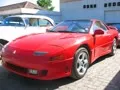
Maserati Ghibli II 2.0 24V Biturbo (306 Hp)
Overall Rating
Maserati Ghibli:
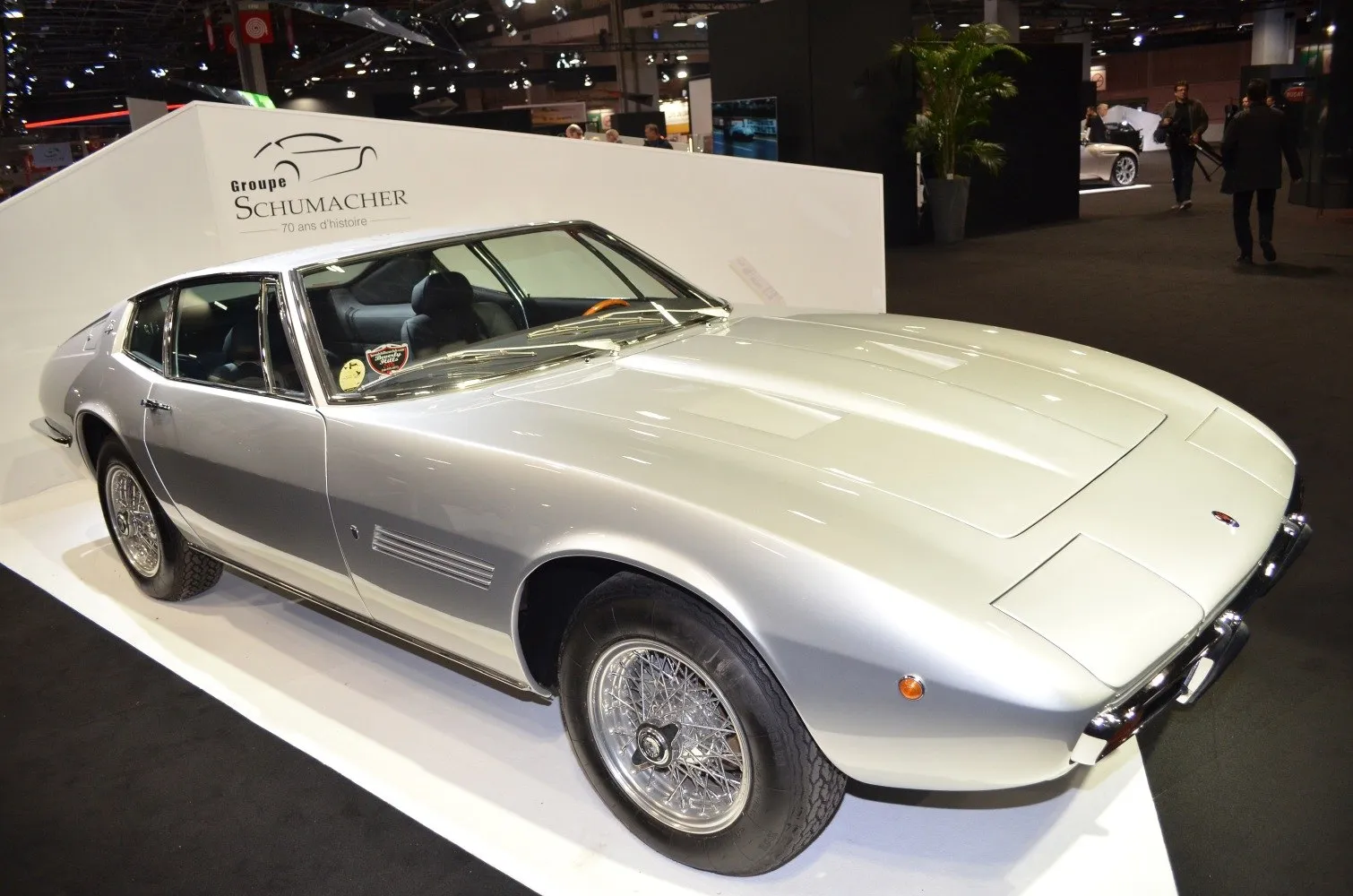
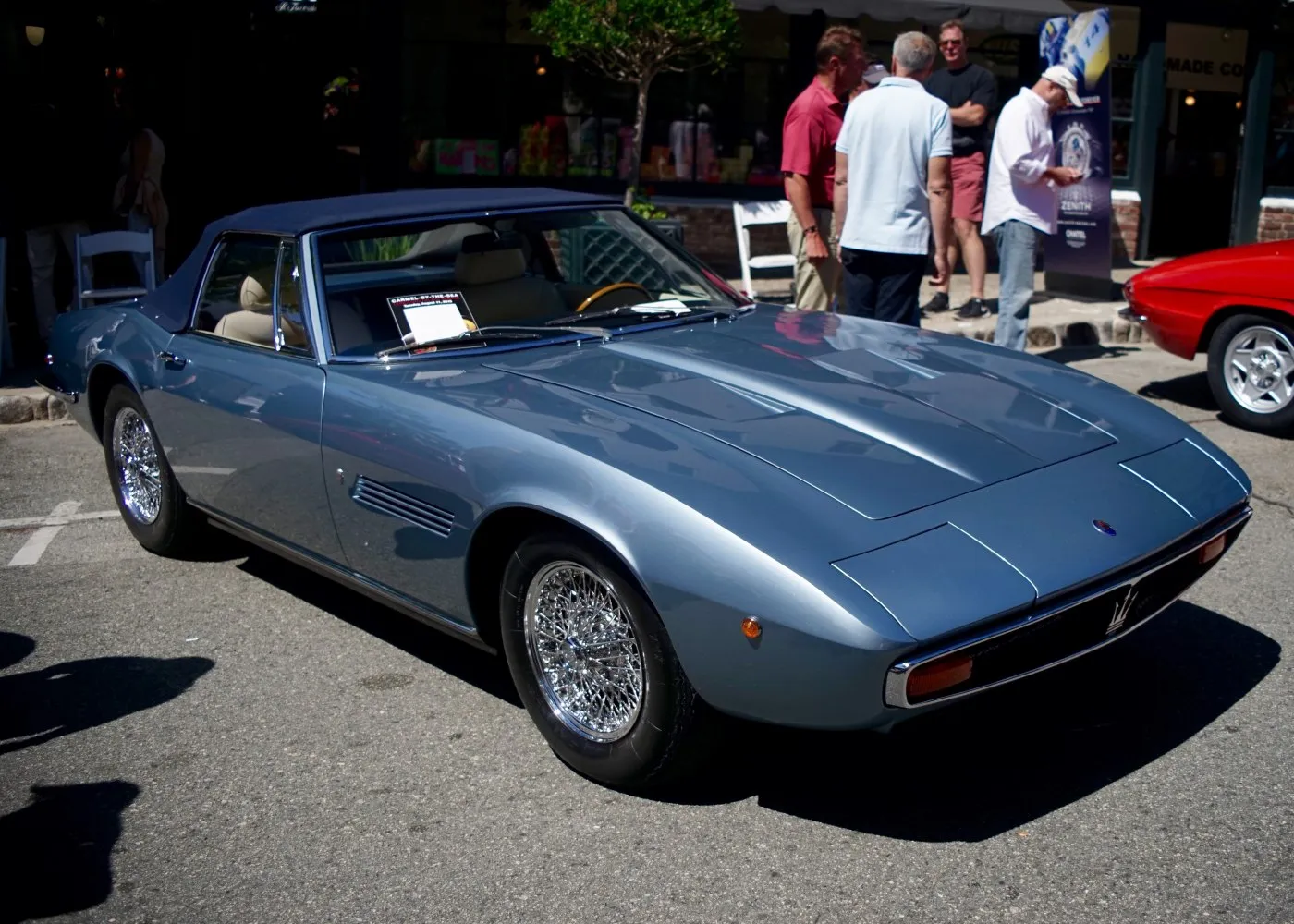
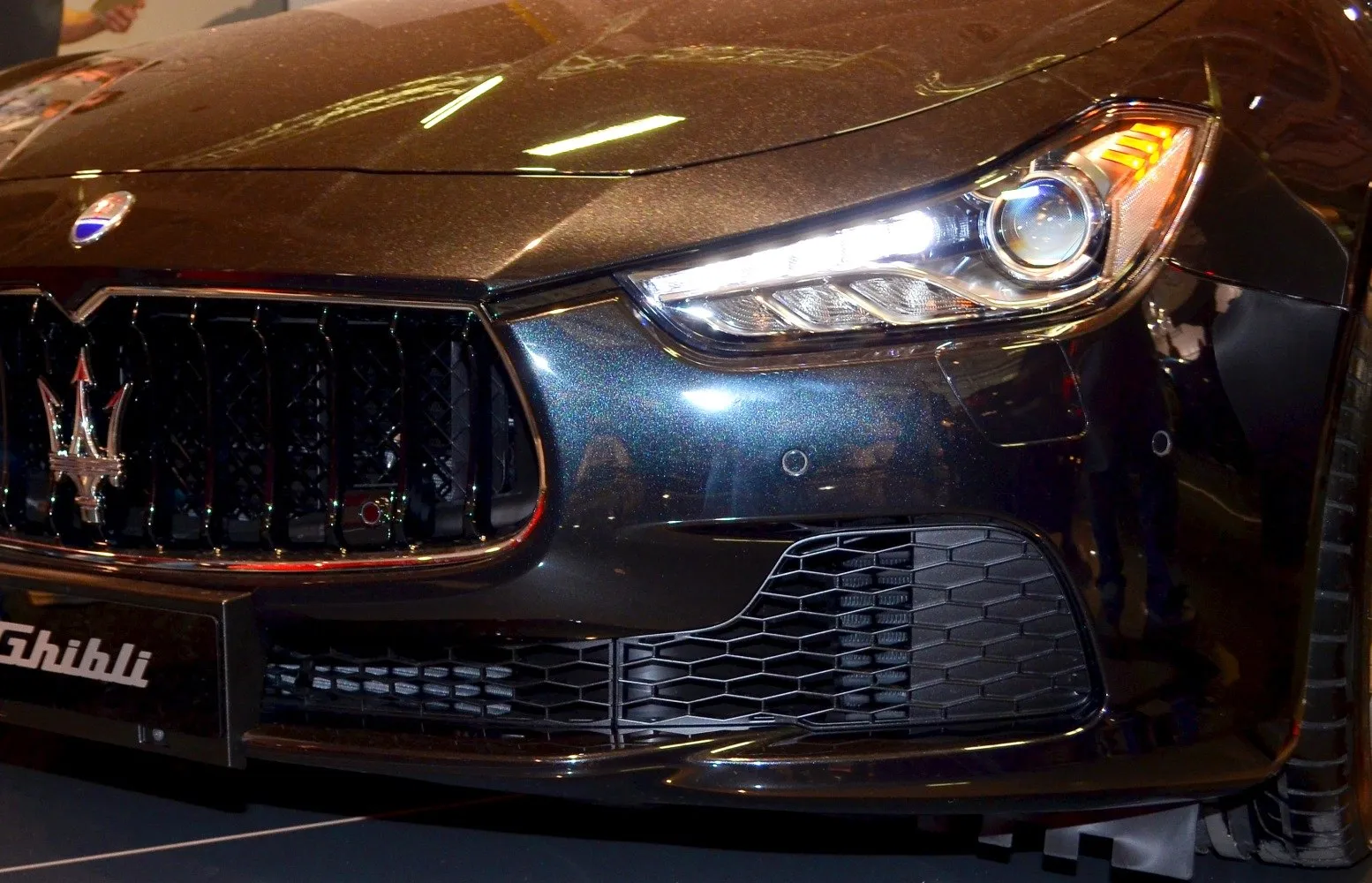
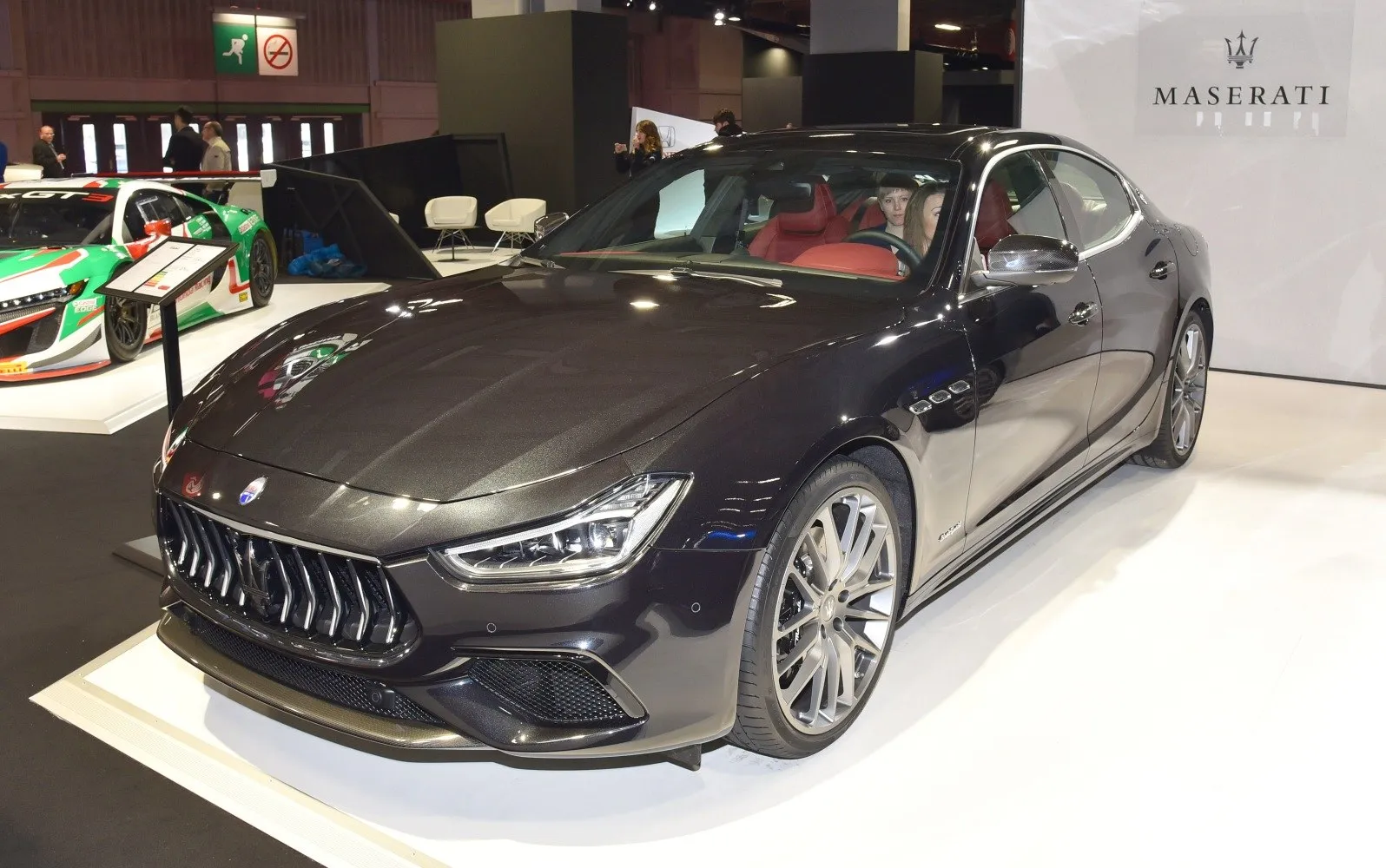
Maserati Ghibli is the name of three different cars produced by Italian automobile manufacturer Maserati: the AM115, a V8 grand tourer from 1967 to 1973; the AM336, a V6 twin-turbocharged coupé from 1992 to 1998; and the M157, an executive saloon from 2013 to 2023.
Ghibli is the Libyan Arabic name for the hot dry south-westerly wind of the Libyan Desert.
The original Ghibli is a two-door, 2+2 V8-engined grand tourer. American magazine Sports Car International named it number nine on its list of Top Sports Cars of the 1960s....(Read more on Wikipedia)
II Overview:
Maserati Ghibli (II). With 373 Nm of torque, it offers ample pulling power. With a weight of 1365 kg, it falls in the mid‑range. Rear‑wheel drive offers dynamic handling and sporty feedback. Acceleration is excellent (0–100 km/h in 5.7 s). The top speed reaches 265 km/h. A two-door car with a fixed roof, known for its sporty design and dynamic performance. Seating for 4 makes it ideal for daily use.
The Maserati Ghibli II was produced before Euro NCAP testing became standard. As a low-volume, high-performance vehicle from the early 1990s, it was never officially tested by Euro NCAP, so no star rating is available.
2.0 24V Biturbo (306 Hp) Verdict:

Performance Verdict
An exceptionally powerful 2.0L Biturbo V6, delivering supercar-rivalling specific output for its time. Offers exhilarating acceleration (0-100 km/h in 5.7s) and a highly engaging driving experience, especially at higher RPMs.
Fuel Economy
Despite the smaller displacement, the high specific output and Biturbo setup mean fuel economy remains a secondary concern. Expect high consumption, similar to or slightly better than the 2.8L, due to its performance focus.
Pros and Cons:
Pros:
- • Distinctive and aggressive Italian styling
- • Powerful and characterful Biturbo V6 engines
- • Engaging and rewarding driving experience
- • Exclusivity and rarity
- • Potential for classic car appreciation
Cons:
- • High running and maintenance costs
- • Known reliability issues, particularly with electronics and turbos
- • Dated interior technology and ergonomics
- • Limited parts availability for some components
- • Challenging to find well-maintained examples
Specifications:
Specifications are compared to those of the previous generation(I Spyder (AM115): 1969 - 1973).
| General: | |
|---|---|
| Brand: | Maserati |
| Model: | Ghibli |
| Generation: | II |
| Modification (Engine): | 2.0 24V Biturbo (306 Hp) |
| Start of production: | 1992 |
| End of production: | 1997 |
| Powertrain Architecture: | Internal Combustion engine |
| Body type: | Coupe |
| Seats: | 4 |
| Doors: | 2 |
| Engine: | |
|---|---|
| Power: | 306 Hp @ 6250 rpm. Same horsepower |
| Power per litre: | 153.3 Hp/l [476mm less] |
| Torque: | 373 Nm @ 4250 rpm. |
| Engine Model/Code: | AM336 More details about the engine AM336 |
| Engine displacement: | 1996 |
| Number of cylinders: | 6 |
| Engine configuration: | V-engine |
| Number of valves per cylinder: | 4 |
| Fuel injection system: | Multi-port manifold injection |
| Engine aspiration: | Turbocharger |
| Valvetrain: | DOHC |
| Engine oil capacity: | 6 l |
| Coolant: | 8.5 l |
| Engine layout: | Front, Longitudinal |
| Cylinder Bore: | 82 mm mm |
| Piston Stroke: | 63 mm mm |
| Compression ratio: | 7.6:1 |
| Performance: | |
|---|---|
| Fuel Type: | Petrol (Gasoline) |
| Fuel consumption (economy) - urban: | 16.4 l/100 km |
| Fuel consumption (economy) - extra urban: | 10 l/100 km |
| Acceleration 0 - 100 km/h: | 5.7 sec |
| Acceleration 0 - 62 mph: | 5.7 sec |
| Maximum speed: | 265 km/h |
| Weight-to-power ratio: | 4.5 kg/Hp, 224.2 Hp/tonne |
| Weight-to-torque ratio: | 3.7 kg/Nm, 273.3 Nm/tonne |
| Acceleration 0 - 60 mph: | 5.4 sec |
| Space: | |
|---|---|
| Kerb Weight: | 1365 |
| Max. weight: | 1765 |
| Max load: | 400 |
| Trunk (boot) space - minimum: | 420 l |
| Fuel tank capacity: | 80 l |
| Size: | |
|---|---|
| Length: | 4223 mm mm [476mm less] |
| Width: | 1775 mm mm [13mm less] |
| Height: | 1300 mm mm [142mm more] |
| Wheelbase: | 2514 mm mm [34mm less] |
| Front track: | 1515 mm |
| Rear (Back) track: | 1510 mm |
| Powertrain: | |
|---|---|
| Drivetrain Architecture | The Internal combustion engine (ICE) drives the rear wheels of the vehicle. |
| Drive wheel | Rear wheel drive |
| Number of gears | 6 |
| Transmission type | Manual |
| Front brakes | Disc |
| Rear brakes | Disc |
| Assisting systems | ABS (Anti-lock braking system) |
| Steering type | Steering rack and pinion |
| Power steering | Hydraulic Steering |
| Tires size | 215/45 R17; 245/40 R17 |
| Wheel rims size | 17 |
| Front suspension | Coil spring |
| Rear suspension | Coil spring |



Driven it? Loved it? Hated it? Share your honest review!