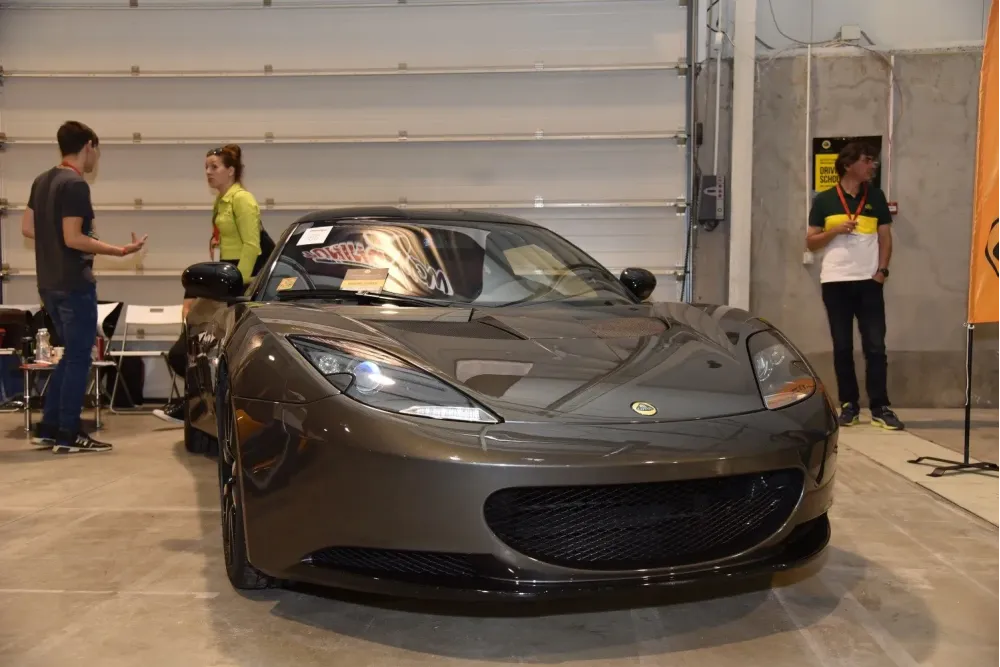
Click on image to view the full photo gallery
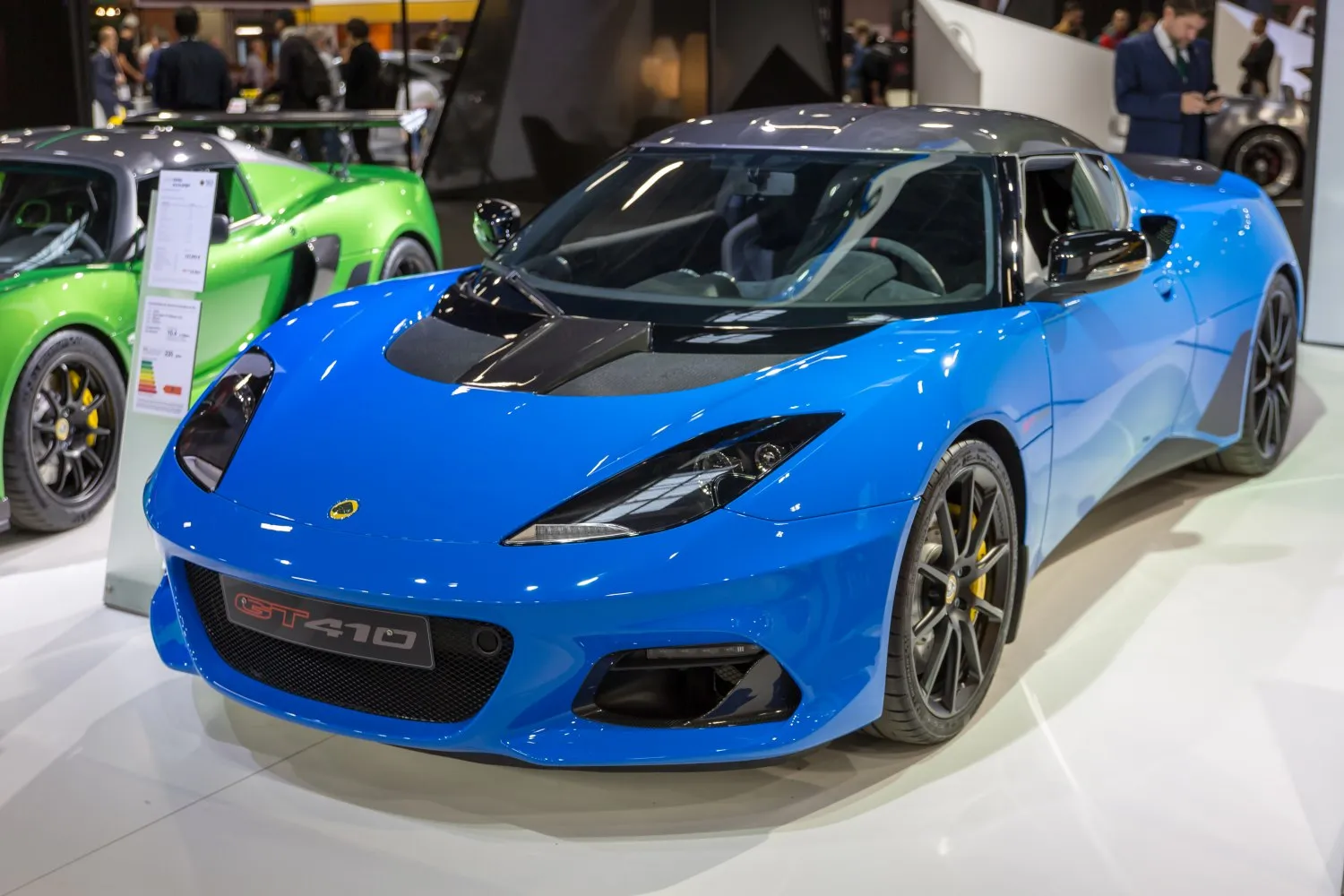
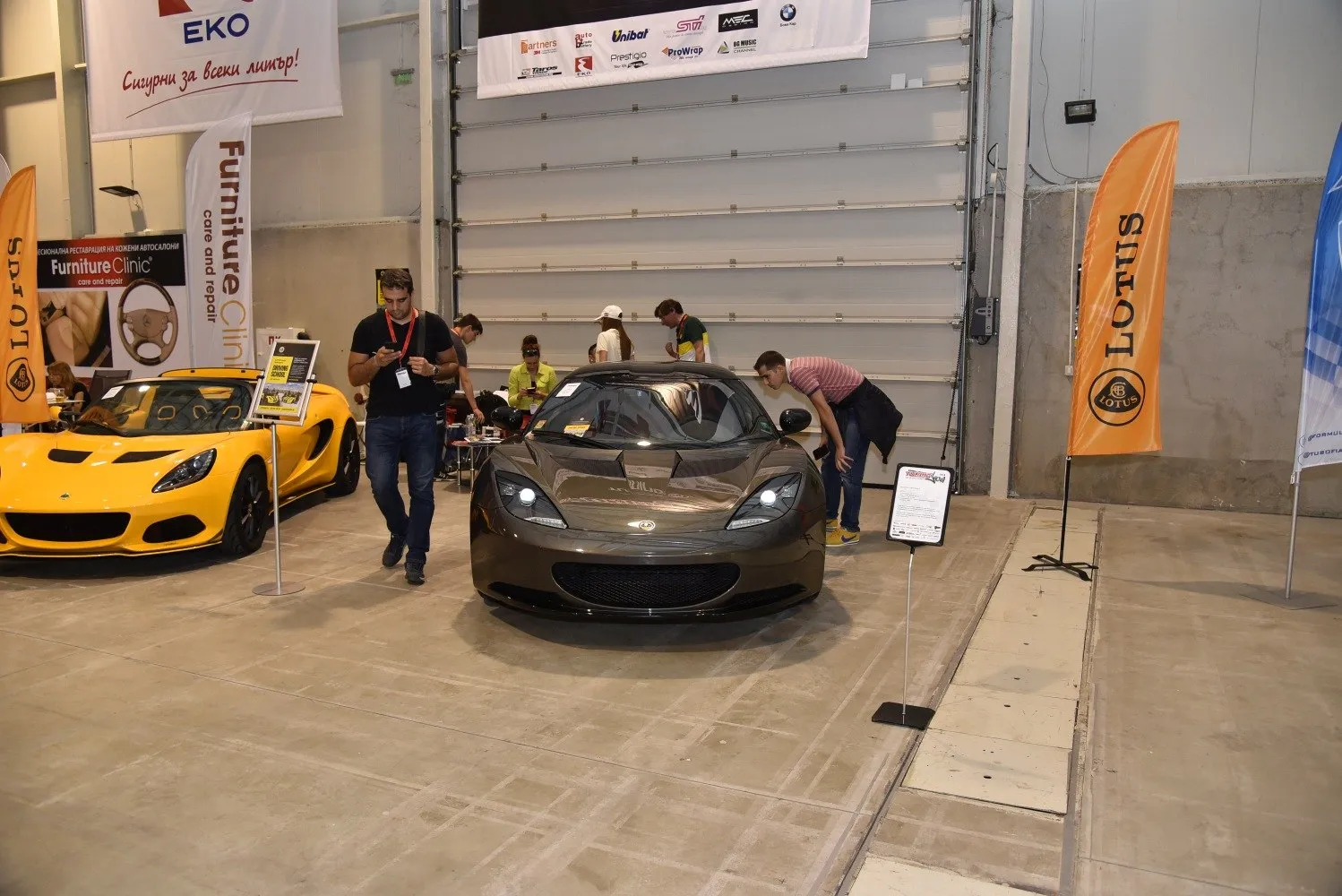
Lotus Evora S 3.5 V6 (350 Hp)
Overall Rating
Lotus Evora:
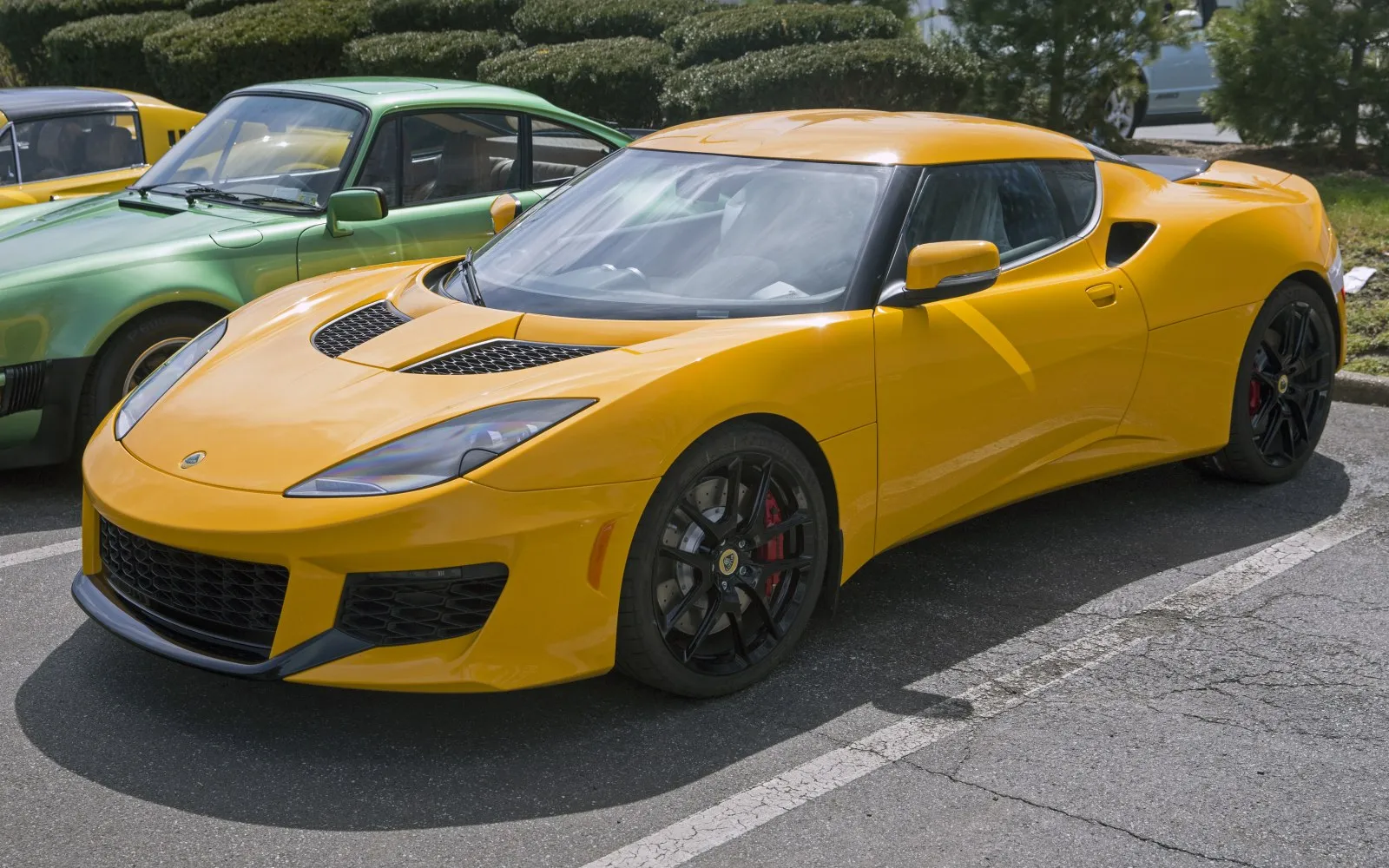
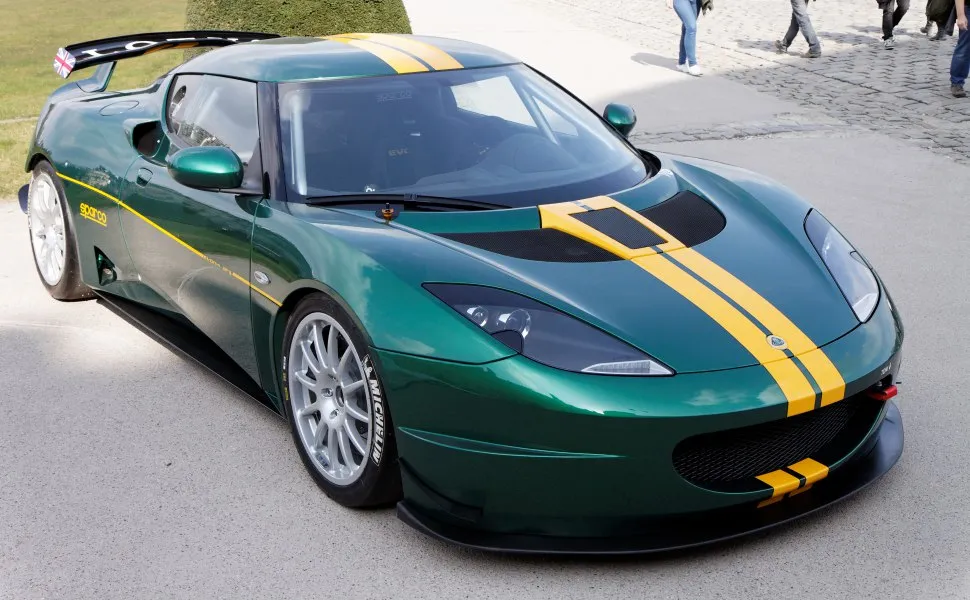
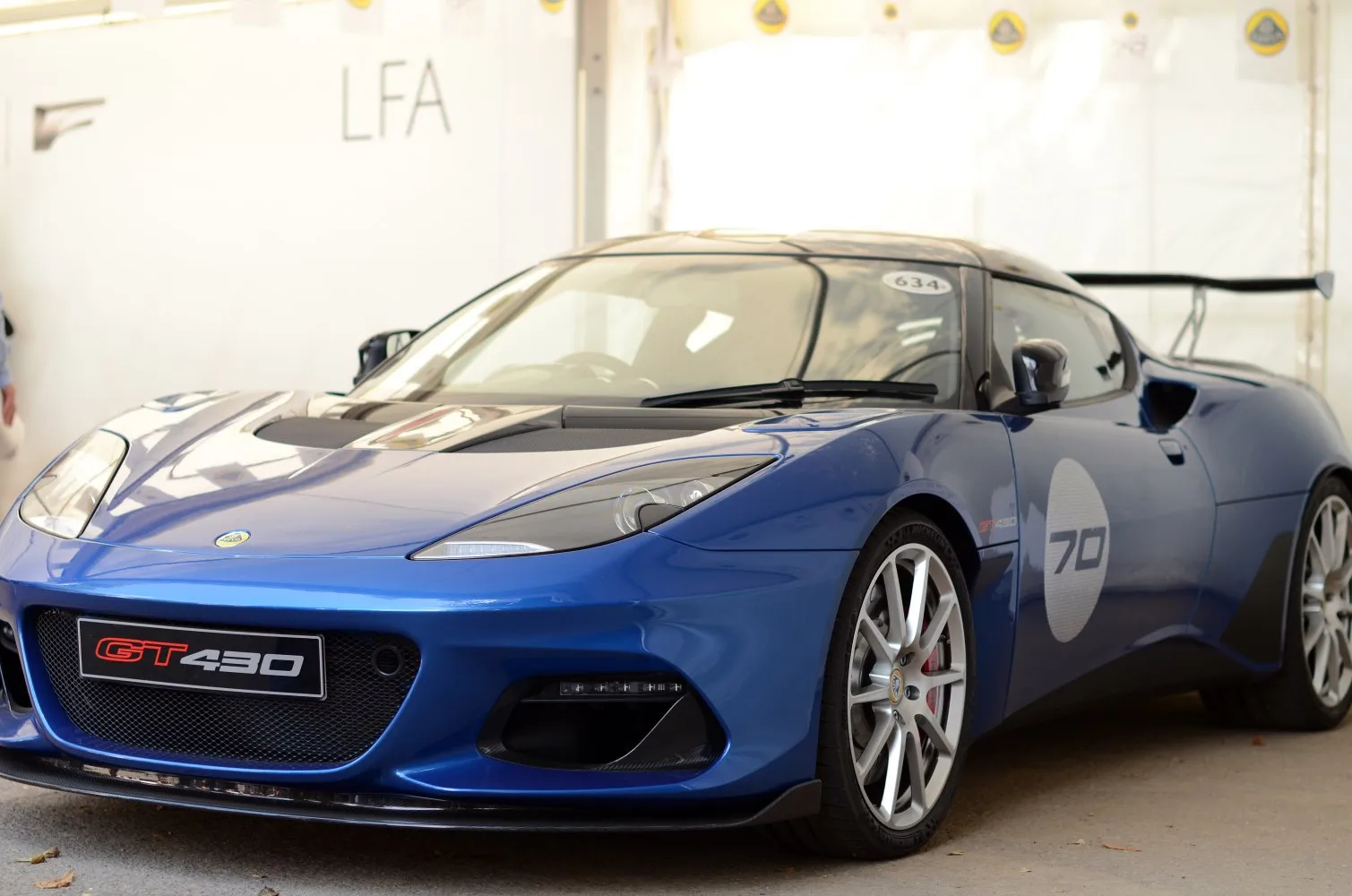
The Lotus Evora is a sports car produced by the British company Lotus. The car, which was developed under the project name Project Eagle, was launched on 22 July 2008 at the British International Motor Show. The Evora S was launched in 2010 with a supercharged 3. 5-litre V6. A facelifted and more powerful Evora 400 model was unveiled at the 2015 Geneva Motor Show, followed by another more powerful variant, the Evora GT430, which was unveiled in 2017.
The Lotus Evora is based on the first all-new vehicle platform from Lotus Cars since the introduction of the Lotus Elise in 1995. The Evora was planned to be the first of three vehicles to be built on the same platform. The sales target was 2,000 cars per year, with prices between £45,000 and just over £50,000, and sales in America scheduled from the beginning of 2010....(Read more on Wikipedia)
S Overview:
Lotus Evora (S). With 400 Nm of torque, it offers ample pulling power. With a weight of 1436 kg, it falls in the mid‑range. Rear‑wheel drive offers dynamic handling and sporty feedback. Acceleration is excellent (0–100 km/h in 4.6 s). The top speed reaches 286 km/h. A two-door car with a fixed roof, known for its sporty design and dynamic performance. Seating for 2 makes it ideal for daily use.
The Lotus Evora S, like many low-volume, specialized sports cars, was not officially tested by Euro NCAP. Its design prioritizes lightweight agility and driver feedback over passive crash safety ratings typical of mass-market vehicles.
3.5 V6 (350 Hp) Verdict:

Performance Verdict
This supercharged V6 delivers excellent performance, offering strong acceleration and a highly responsive power delivery that perfectly complements the Evora S's agile chassis.
Fuel Economy
Fuel economy is decent for a high-performance sports car, though spirited driving will naturally see consumption rise significantly above the combined figure.
Pros and Cons:
Pros:
- • Exceptional handling and steering feel
- • Potent supercharged V6 engine performance
- • Exclusivity and unique styling
- • Surprisingly compliant ride for a sports car
- • Relatively practical 2+2 seating option
Cons:
- • Interior quality can feel dated compared to rivals
- • Limited practicality and cargo space
- • Small dealer network and potentially higher maintenance costs
- • Entry/exit can be challenging for some
- • Road noise can be significant at speed
Specifications:
Specifications are compared to those of the previous generation(Evora: 2009 - 2015).
| General: | |
|---|---|
| Brand: | Lotus |
| Model: | Evora |
| Generation: | S |
| Modification (Engine): | 3.5 V6 (350 Hp) |
| Start of production: | 2011 |
| End of production: | July, 2015 |
| Powertrain Architecture: | Internal Combustion engine |
| Body type: | Coupe |
| Seats: | 2-4 |
| Doors: | 2 |
| Engine: | |
|---|---|
| Power: | 350 Hp @ 7000 rpm. |
| Power per litre: | 101.3 Hp/l |
| Torque: | 400 Nm @ 4500 rpm. |
| Engine Model/Code: | 2GR-FE [Same engine] More details about the engine 2GR-FE |
| Engine displacement: | 3456 |
| Number of cylinders: | 6 |
| Engine configuration: | V-engine |
| Number of valves per cylinder: | 4 |
| Fuel injection system: | Multi-port manifold injection |
| Engine aspiration: | Supercharger, Intercooler |
| Valvetrain: | DOHC - VVT-i |
| Engine oil capacity: | 7.1 l |
| Coolant: | 17 l |
| Engine layout: | Middle, Transverse |
| Cylinder Bore: | 94 mm mm |
| Piston Stroke: | 83 mm mm |
| Compression ratio: | 10.8:1 |
| Performance: | |
|---|---|
| Fuel Type: | Petrol (Gasoline) |
| Fuel consumption (economy) - urban: | 14.2 l/100 km |
| Fuel consumption (economy) - extra urban: | 7.4 l/100 km |
| Fuel consumption (economy) - combined: | 9.9 l/100 km |
| Emission standard: | Euro 5 |
| Acceleration 0 - 100 km/h: | 4.6 sec |
| Acceleration 0 - 62 mph: | 4.6 sec |
| Maximum speed: | 286 km/h |
| Weight-to-power ratio: | 4.1 kg/Hp, 243.7 Hp/tonne |
| Weight-to-torque ratio: | 3.6 kg/Nm, 278.6 Nm/tonne |
| Acceleration 0 - 60 mph: | 4.4 sec |
| Space: | |
|---|---|
| Kerb Weight: | 1436 |
| Max. weight: | 1836 |
| Max load: | 400 |
| Trunk (boot) space - minimum: | 160 l |
| Fuel tank capacity: | 60 l |
| Size: | |
|---|---|
| Length: | 4361 mm mm [11mm more] |
| Width: | 2047 mm mm [199mm more] |
| Height: | 1229 mm mm [Same height.] |
| Wheelbase: | 2575 mm mm [Same wheelbase.] |
| Width including mirrors: | 2047 mm |
| Front track: | 1564 mm |
| Rear (Back) track: | 1575 mm |
| Front overhang: | 1000 mm |
| Rear overhang: | 786 mm |
| Ride height (ground clearance): | 140 mm |
| Minimum turning circle (turning diameter): | 10.7 m [above average] |
| Approach angle: | 11.5° |
| Departure angle: | 18.5° |
| Powertrain: | |
|---|---|
| Drive wheel | Rear wheel drive |
| Number of gears | 6 |
| Transmission type | Manual |
| Front brakes | Ventilated discs [Best for performance and cooling.] |
| Rear brakes | Ventilated discs [Best for performance and cooling.] |
| Assisting systems | ABS (Anti-lock braking system) |
| Steering type | Steering rack and pinion |
| Tires size | 225/40 ZR18; 255/35 ZR19 |
| Wheel rims size | 18; 19 |
| Front suspension | Double wishbone |
| Rear suspension | Double wishbone |



















How many miles have you covered in your Lotus Evora? Share your journey!