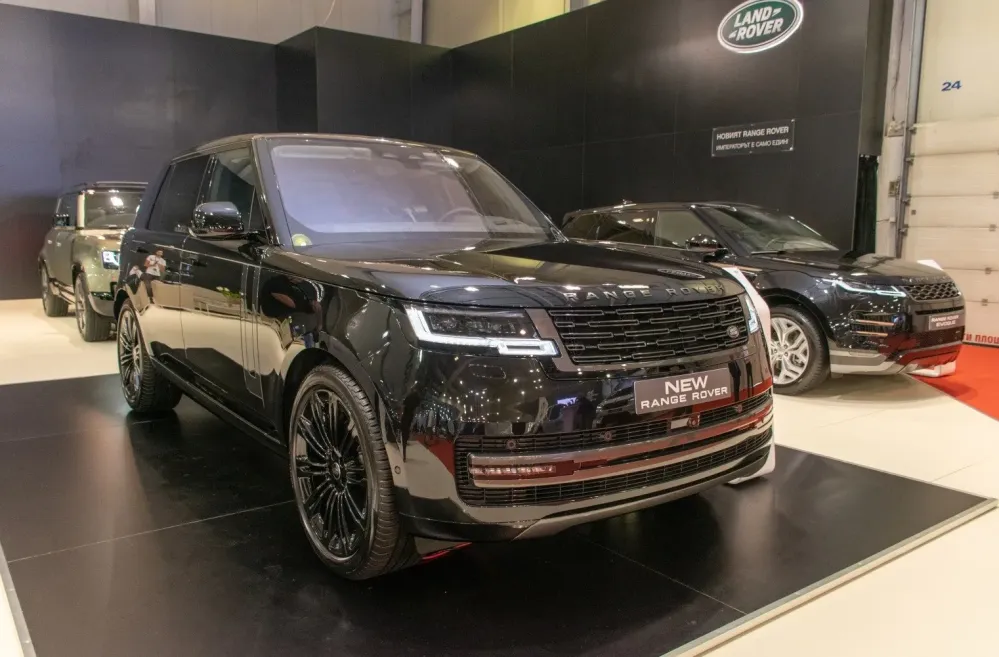
Click on image to view the full photo gallery
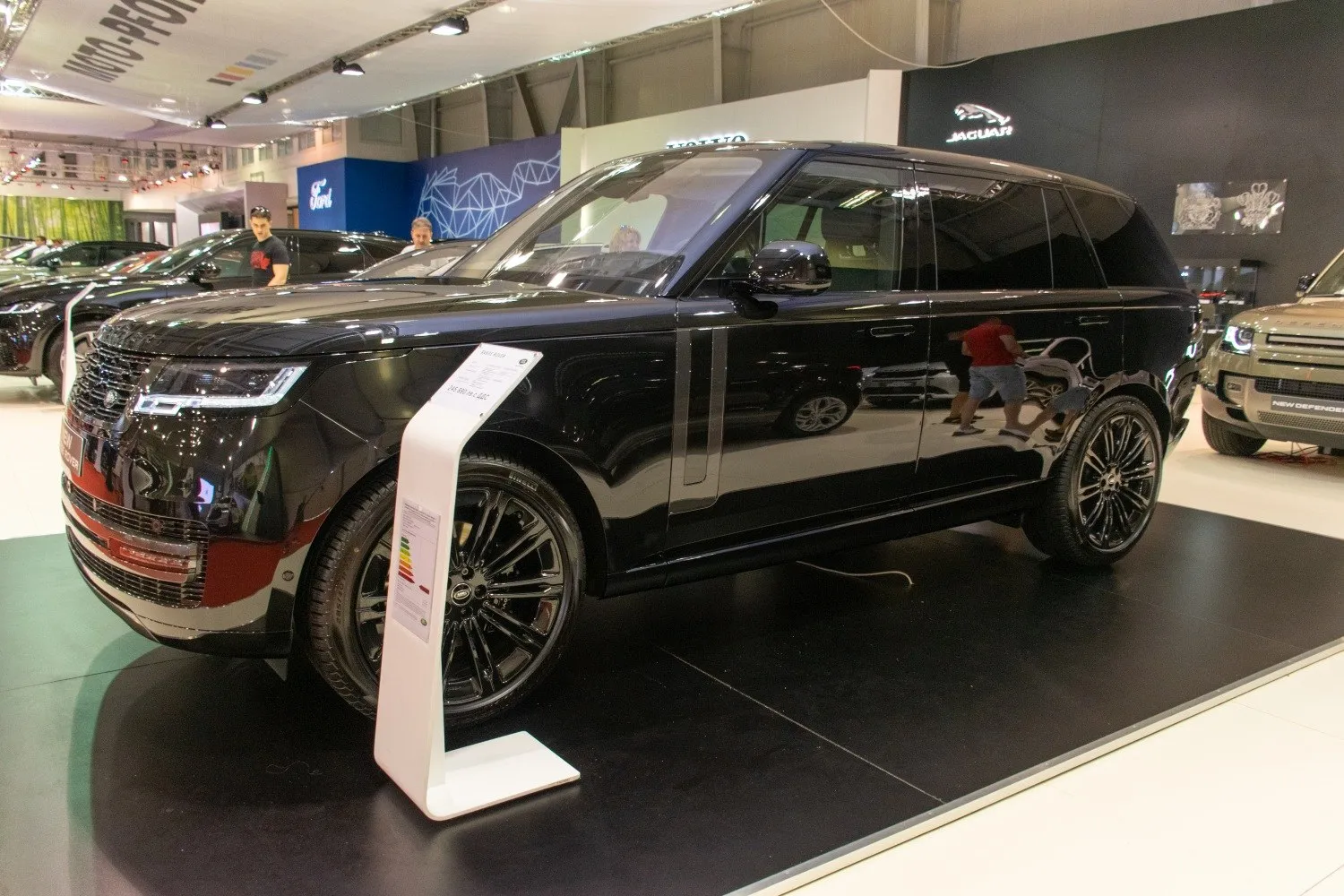
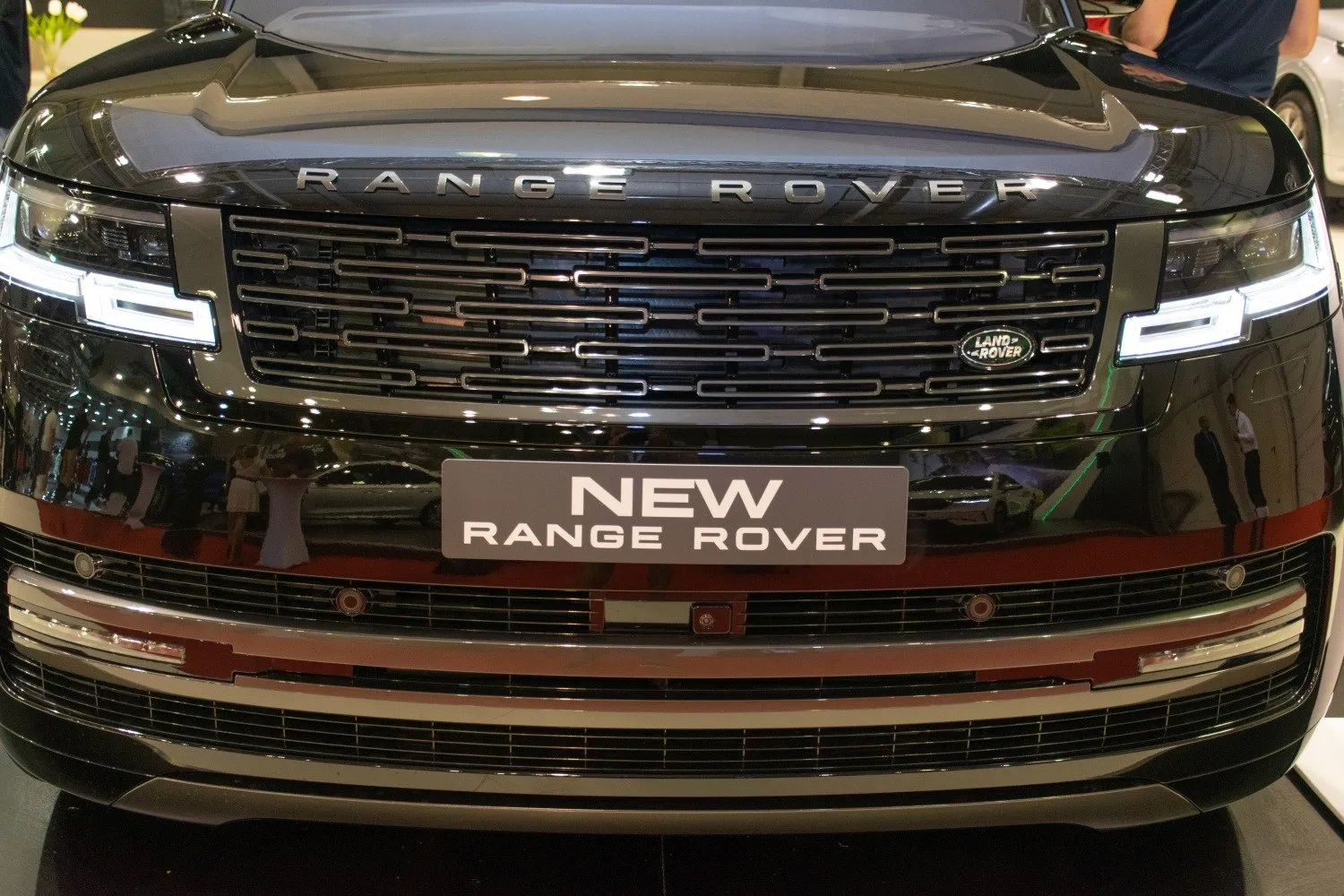
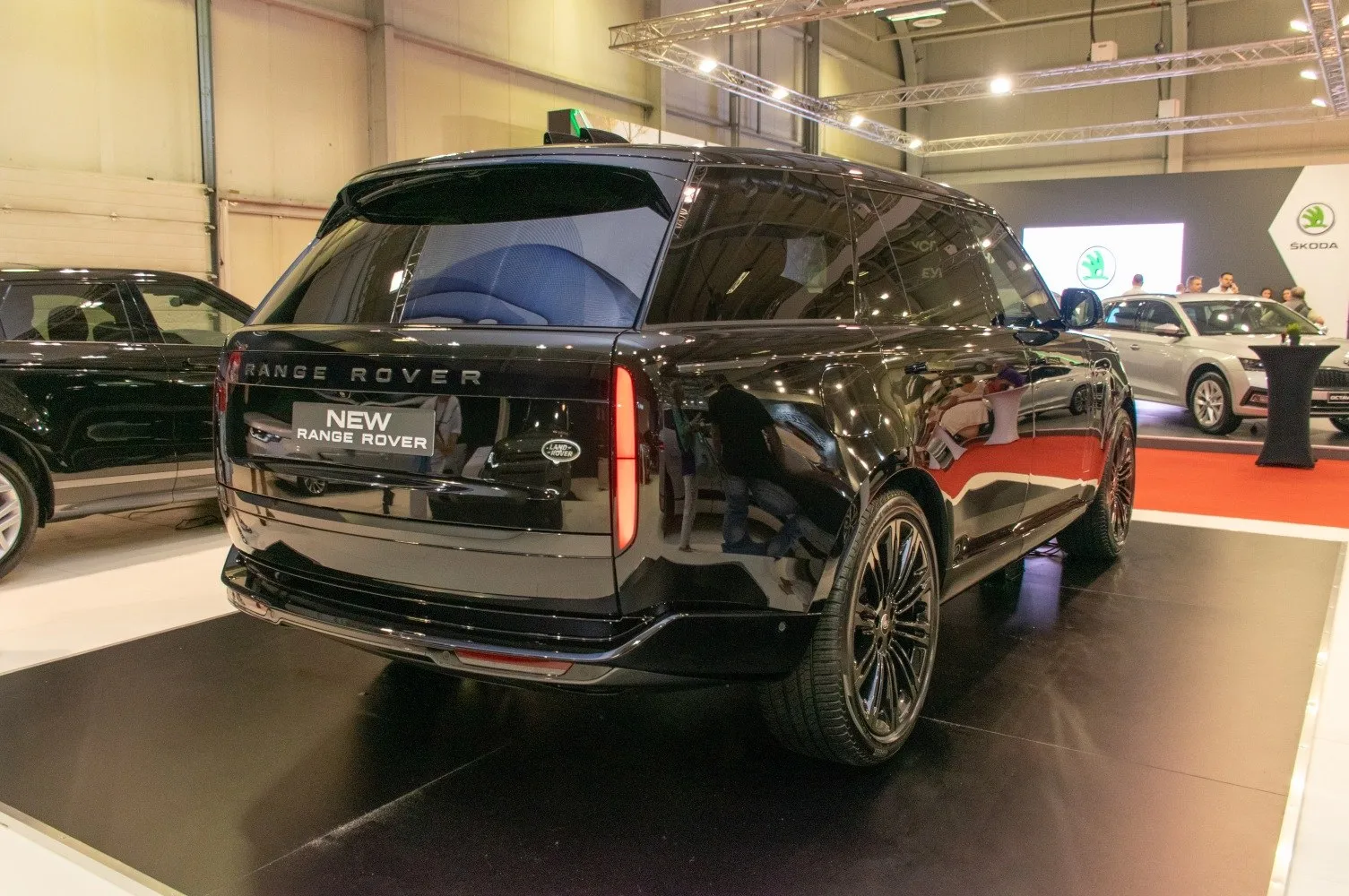
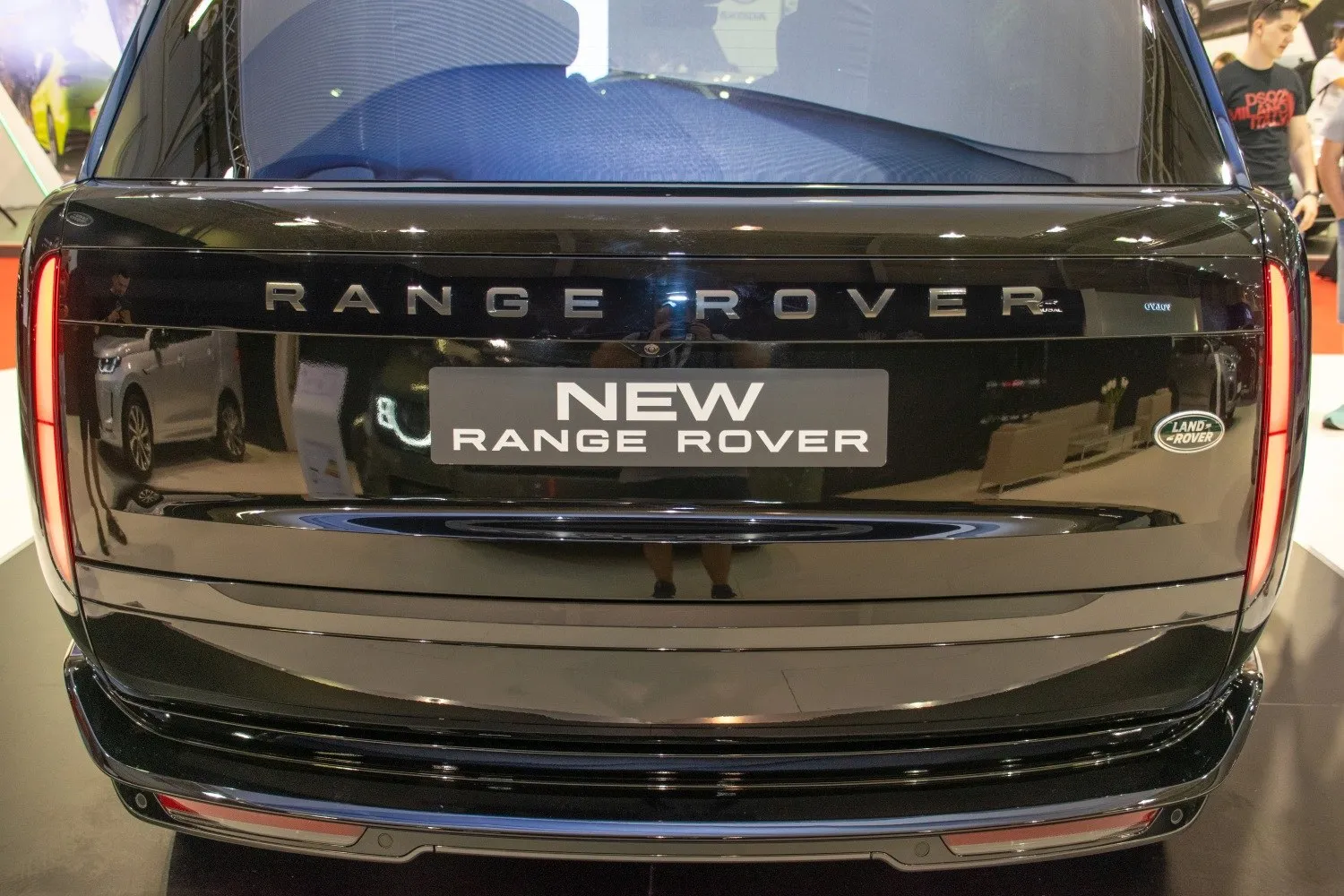
Land Rover Range Rover V SWB 4.4 V8 P615 (615 Hp) Mild Hybrid AWD Automatic
Overall Rating
Land Rover Range Rover:
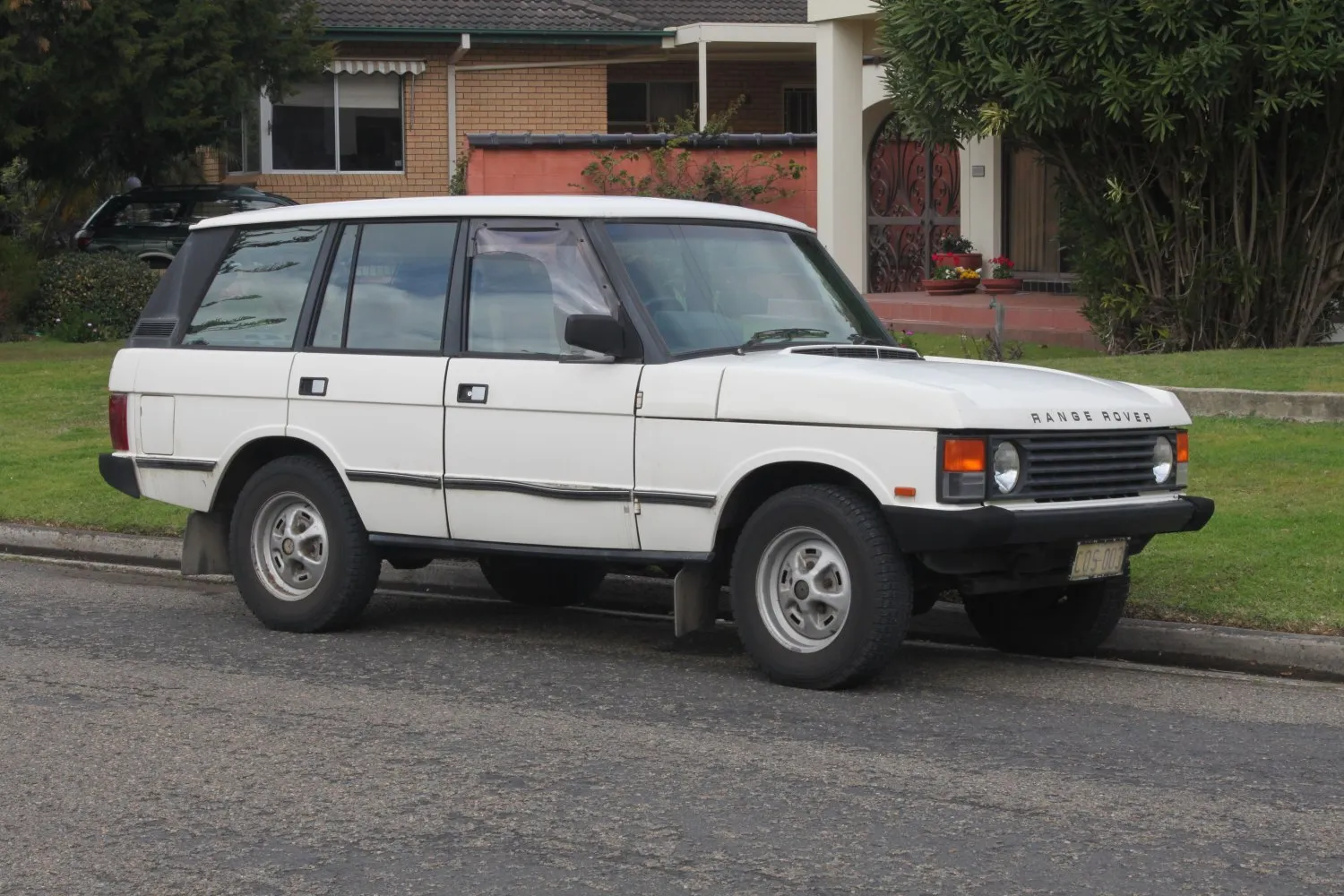
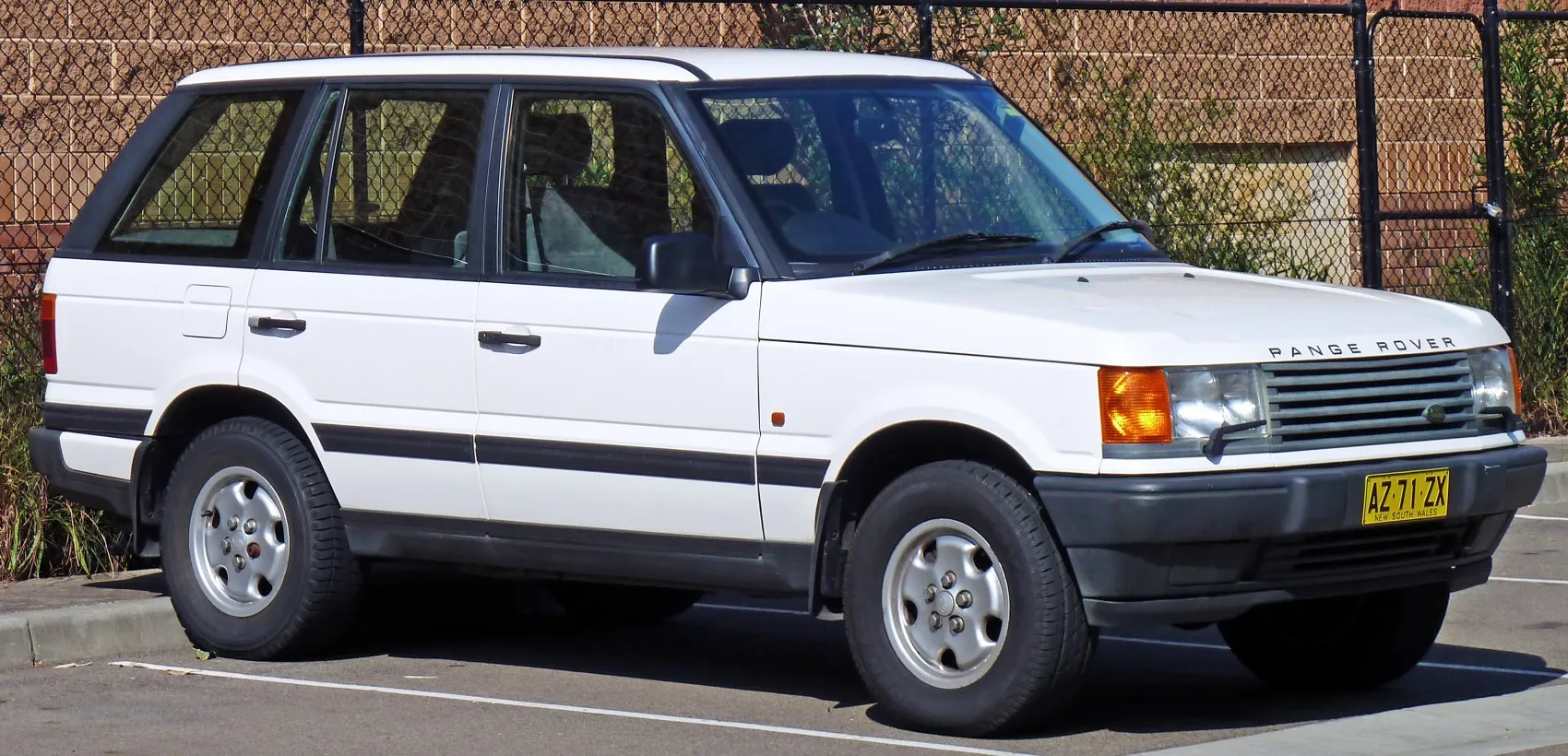
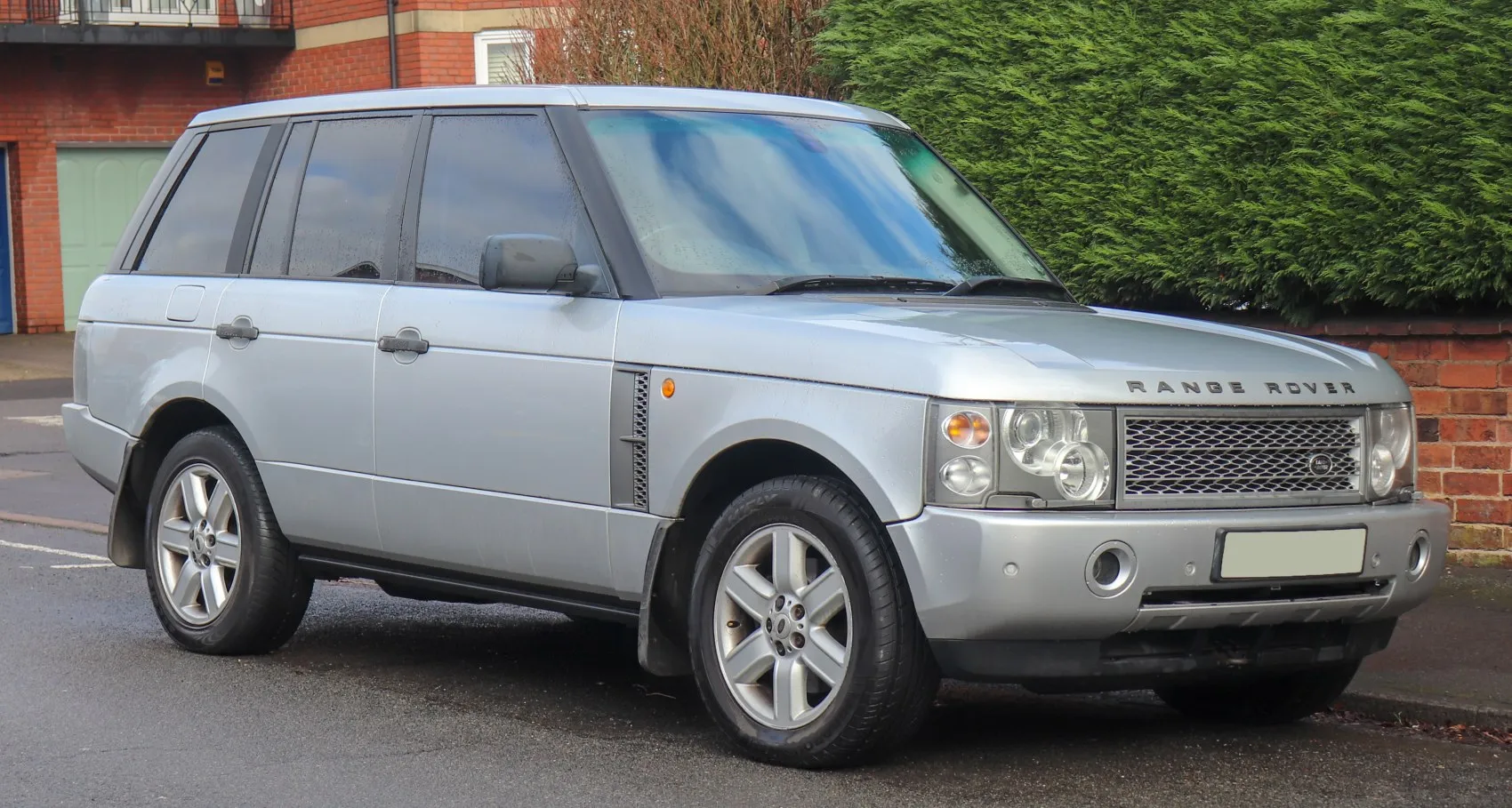
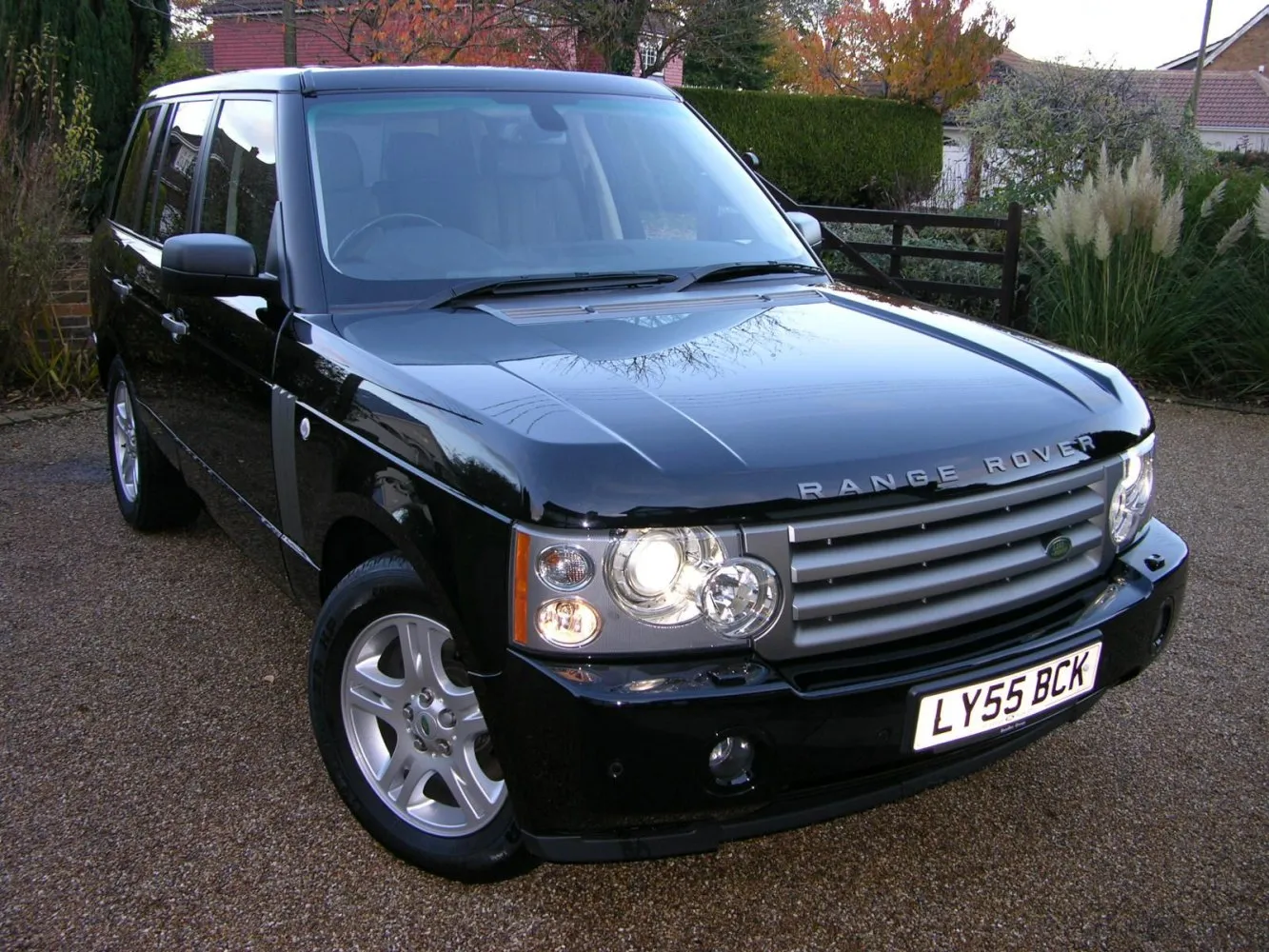
The Land Rover Range Rover, generally shortened to Range Rover, is a 4WD luxury mid to full size crossover marque and sub-brand of Jaguar Land Rover, owned by India-based Tata Motors. The Range Rover line was launched in 1970 by British Leyland and since 2022 is in its fifth generation.
Additional models have been launched under the Range Rover name, including the Range Rover Sport, Range Rover Evoque, and Range Rover Velar.
The Rover Company was experimenting with a larger model than the Land Rover Series in 1951, when the Rover P4-based two-wheel-drive "Road Rover" project was developed by Gordon Bashford. This was shelved in 1958 and the idea lay dormant until 1966, when engineers Spen King and Bashford set to work on a new model....(Read more on Wikipedia)
V SWB Overview:
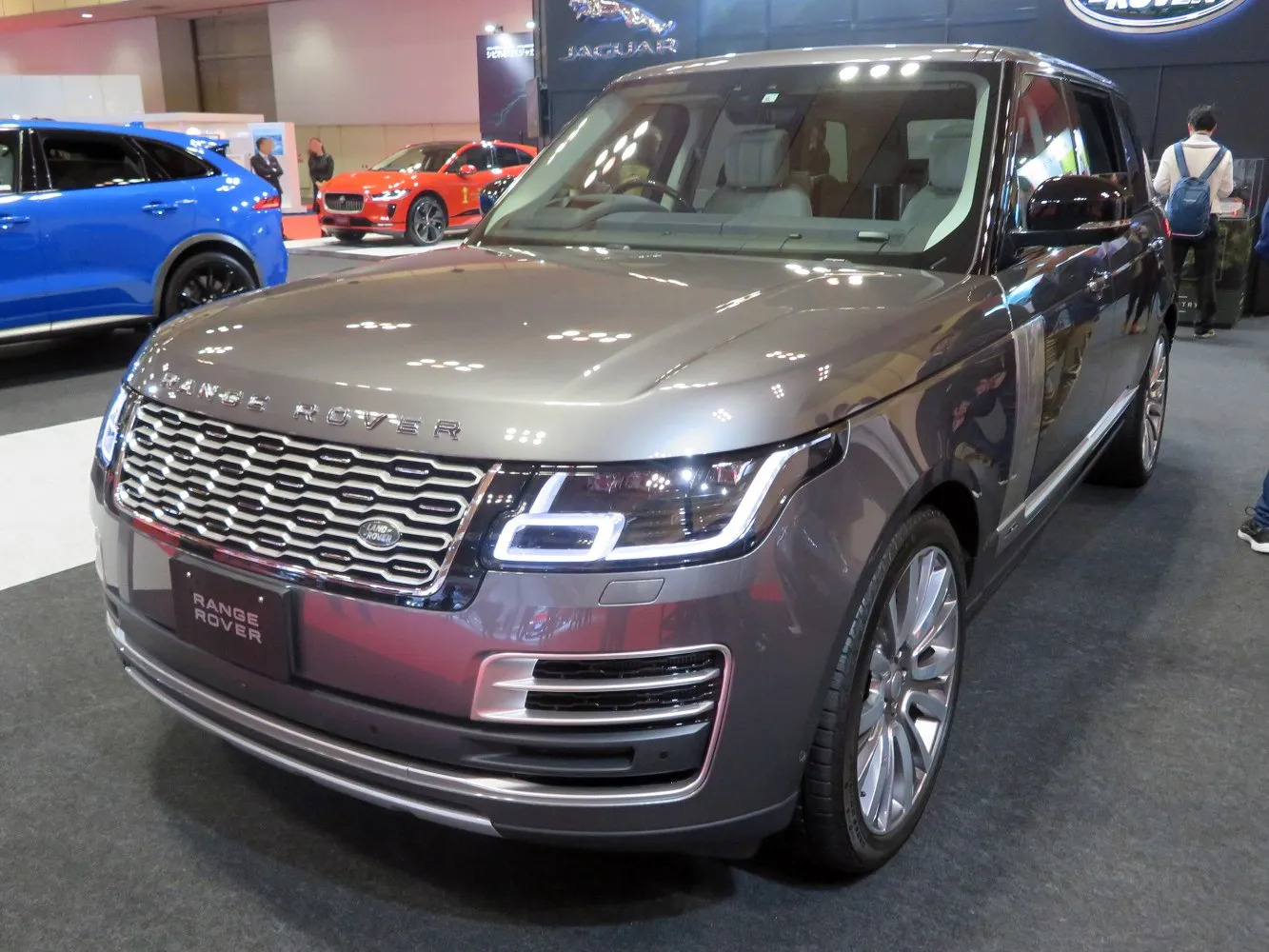
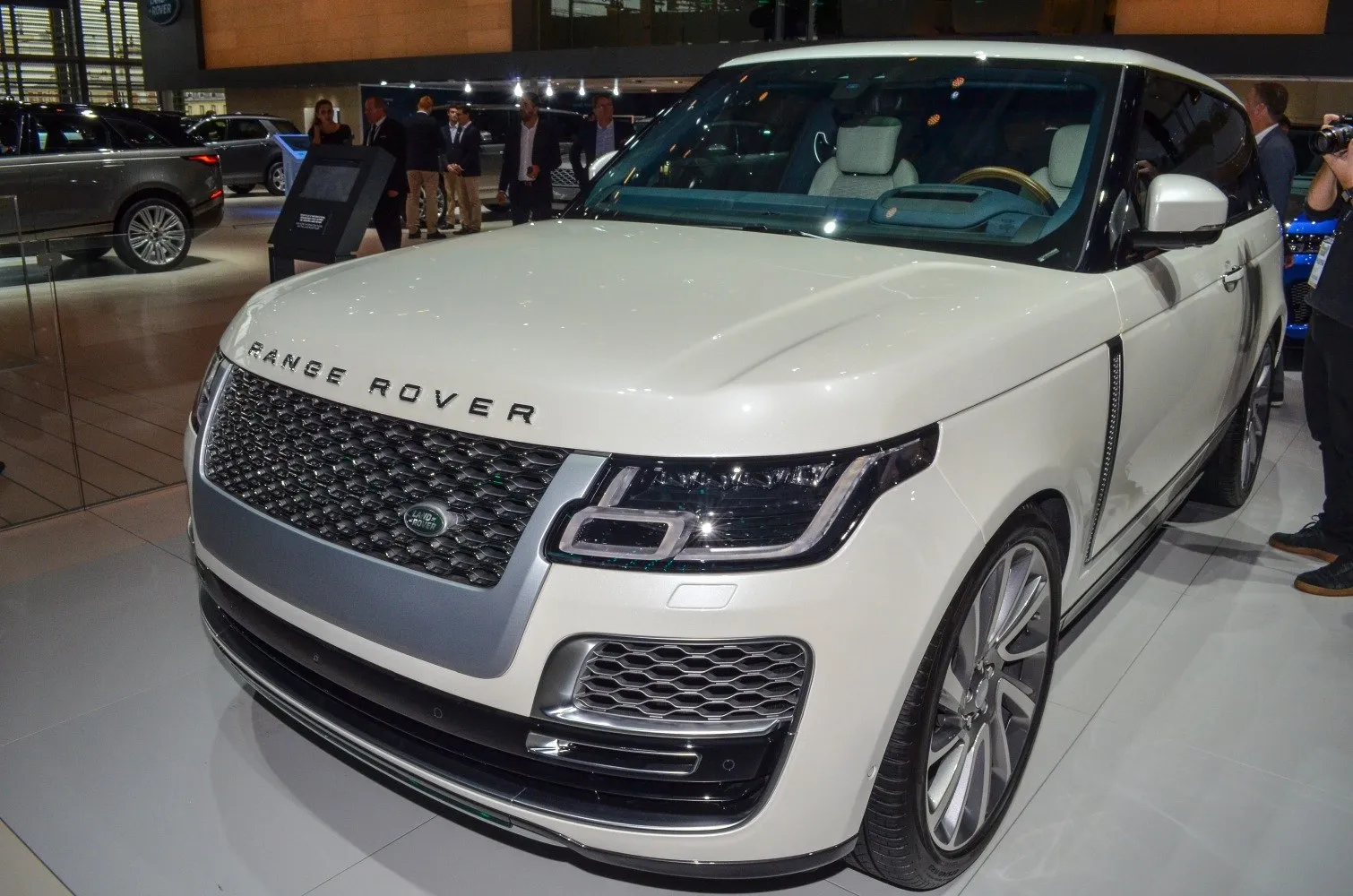
Land Rover Range Rover (V SWB). With 750 Nm of torque, it offers ample pulling power. At around 2716 kg, it’s on the heavier side. All‑wheel drive provides excellent grip, ideal for off‑road use. Acceleration is excellent (0–100 km/h in 4.5 s). The top speed reaches 261 km/h. A sport utility vehicle offering higher ground clearance and versatile cargo space. Seating for 5 makes it ideal for daily use.
4.4 V8 P615 (615 Hp) Mild Hybrid AWD Automatic Verdict:

Performance Verdict
Offers brutal acceleration and immense power, providing the ultimate high-performance luxury SUV experience with incredible refinement.
Fuel Economy
Very high fuel consumption is expected for this level of power, though the mild-hybrid system provides a marginal efficiency improvement.
Pros and Cons:
Pros:
- • Unrivaled luxury and interior refinement
- • Exceptional ride comfort and quiet cabin
- • Formidable off-road capability
- • Diverse and powerful engine lineup, including efficient hybrids
- • Advanced technology and infotainment systems
Cons:
- • Very high purchase price and running costs
- • Fuel consumption can be high, especially for V8 models
- • Complex electronic systems may lead to long-term reliability concerns
- • Large size can be challenging in tight urban spaces
- • Steep depreciation for some trims
Specifications:
Specifications are compared to those of the previous generation(SV coupe: March, 2018 - January, 2019).
| General: | |
|---|---|
| Brand: | Land Rover |
| Model: | Range Rover |
| Generation: | V SWB |
| Modification (Engine): | 4.4 V8 P615 (615 Hp) Mild Hybrid AWD Automatic |
| Start of production: | May, 2023 |
| Powertrain Architecture: | MHEV (Mild Hybrid Electric Vehicle, power-assist hybrid, battery-assisted hybrid vehicles, BAHV) |
| Body type: | SUV |
| Seats: | 5 |
| Doors: | 5 |
| Engine: | |
|---|---|
| Engine systems: | Start & Stop System |
| Power: | 615 Hp @ 5855-7000 rpm. Same horsepower |
| Power per litre: | 139.9 Hp/l [39mm more] |
| Torque: | 750 Nm @ 1800-5400 rpm. |
| Engine Model/Code: | S68B44B More details about the engine S68B44B |
| Engine displacement: | 4395 |
| Number of cylinders: | 8 |
| Engine configuration: | V-engine |
| Number of valves per cylinder: | 4 |
| Fuel injection system: | Direct injection |
| Engine aspiration: | Twin-Turbo, Intercooler |
| Engine oil capacity: | 11 l |
| Engine layout: | Front, Longitudinal |
| Cylinder Bore: | 89 mm mm |
| Piston Stroke: | 88.3 mm mm |
| Compression ratio: | 10.5:1 |
| Performance: | |
|---|---|
| Fuel Type: | Petrol (Gasoline) |
| Combined fuel consumption (WLTP): | 10.6-11.2 l/100 km |
| Fuel consumption at Low speed (WLTP): | 11.6-12 l/100 km |
| Fuel consumption at Medium speed (WLTP): | 19.5-19.6 l/100 km |
| Fuel consumption at high speed (WLTP): | 11.5-11.8 l/100 km |
| Fuel consumption at very high speed (WLTP): | 9.5-9.8 l/100 km |
| Emission standard: | Euro 6d |
| Acceleration 0 - 100 km/h: | 4.5 sec |
| Acceleration 0 - 62 mph: | 4.5 sec |
| Maximum speed: | 261 km/h |
| Weight-to-power ratio: | 4.4 kg/Hp, 226.4 Hp/tonne |
| Weight-to-torque ratio: | 3.6 kg/Nm, 276.1 Nm/tonne |
| Acceleration 0 - 60 mph: | 4.3 sec |
| Space: | |
|---|---|
| Kerb Weight: | 2716 |
| Max. weight: | 3400 |
| Max. roof load: | 100 kg |
| Max load: | 684 |
| Trunk (boot) space - maximum: | 1841 l |
| Trunk (boot) space - minimum: | 818 l |
| Permitted trailer load with brakes (12%): | 3500 kg |
| Fuel tank capacity: | 90 l |
| Permitted trailer load without brakes: | 750 kg |
| Permitted towbar download: | 150 kg |
| Size: | |
|---|---|
| Ramp-over (brakeover) angle: | 21.4-27.7° |
| Wading depth: | 900 mm |
| Length: | 5052 mm mm [39mm more] |
| Width: | 2047 mm mm [26mm less] |
| Height: | 1870 mm mm [76mm more] |
| Wheelbase: | 2997 mm mm |
| Width with mirrors folded: | 2047 mm |
| Width including mirrors: | 2209 mm |
| Front track: | 1702 mm |
| Rear (Back) track: | 1704 mm |
| Ride height (ground clearance): | 219-295 mm |
| Minimum turning circle (turning diameter): | 11.37 m [above average] |
| Approach angle: | 26.1-34.7° |
| Departure angle: | 24.5-29° |
| Powertrain: | |
|---|---|
| Drivetrain Architecture | The Internal combustion engine (ICE) and the electric motor permanently drive the four wheels of the car with the ability to work only in mixed mode. |
| Drive wheel | All wheel drive (4x4) |
| Number of gears | 8 |
| Transmission type | Automatic |
| Front brakes | Ventilated discs, 400 mm [Best for performance and cooling.] |
| Rear brakes | Ventilated discs, 370 mm [Best for performance and cooling.] |
| Assisting systems | ABS (Anti-lock braking system) |
| Steering type | Steering rack and pinion |
| Power steering | Electric Steering |
| Front suspension | Double wishbone |
| Rear suspension | Independent multi-link suspension |











Would you recommend the Land Rover Range Rover ? Tell us why or why not!