
Click on image to view the full photo gallery
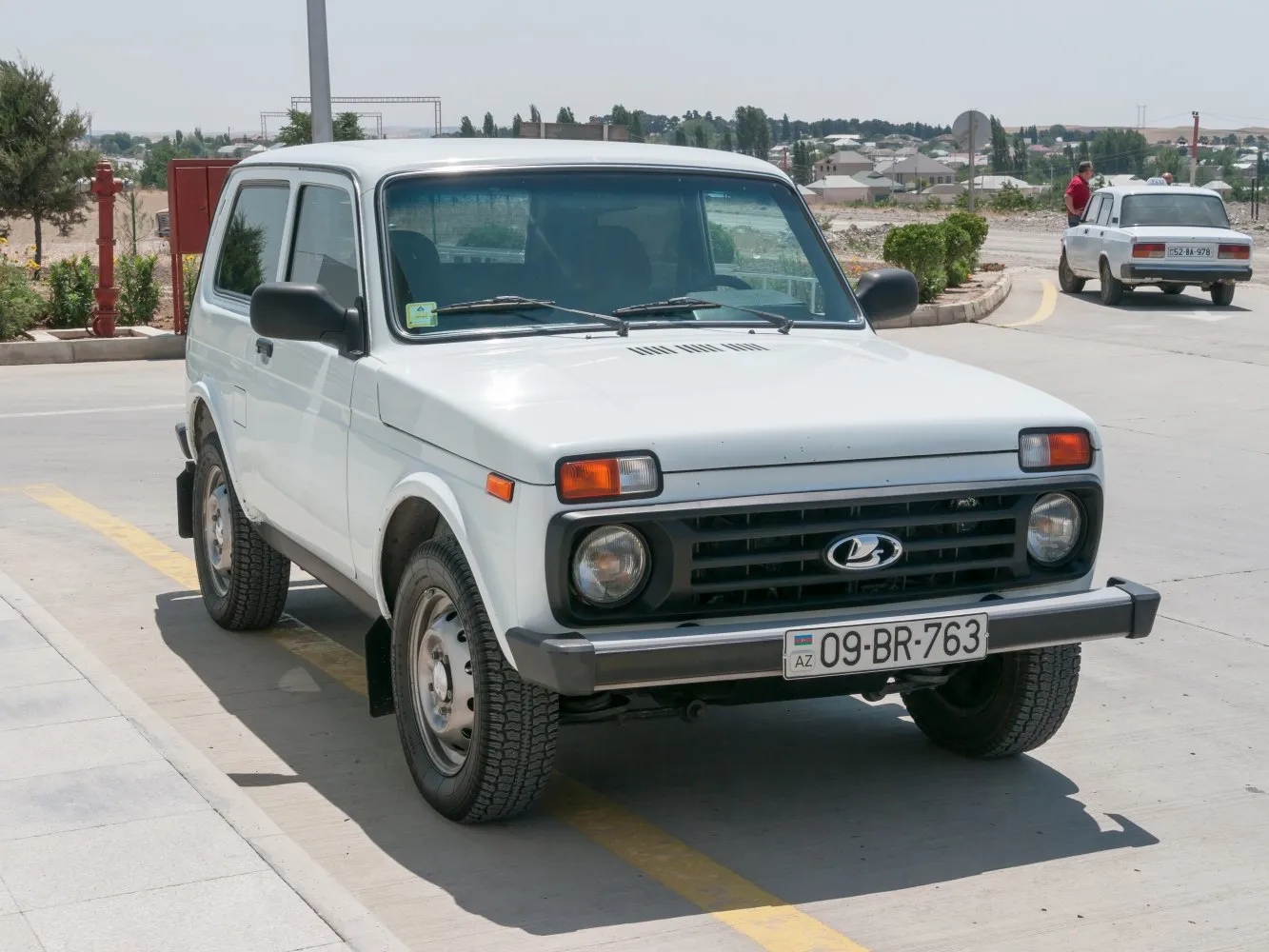
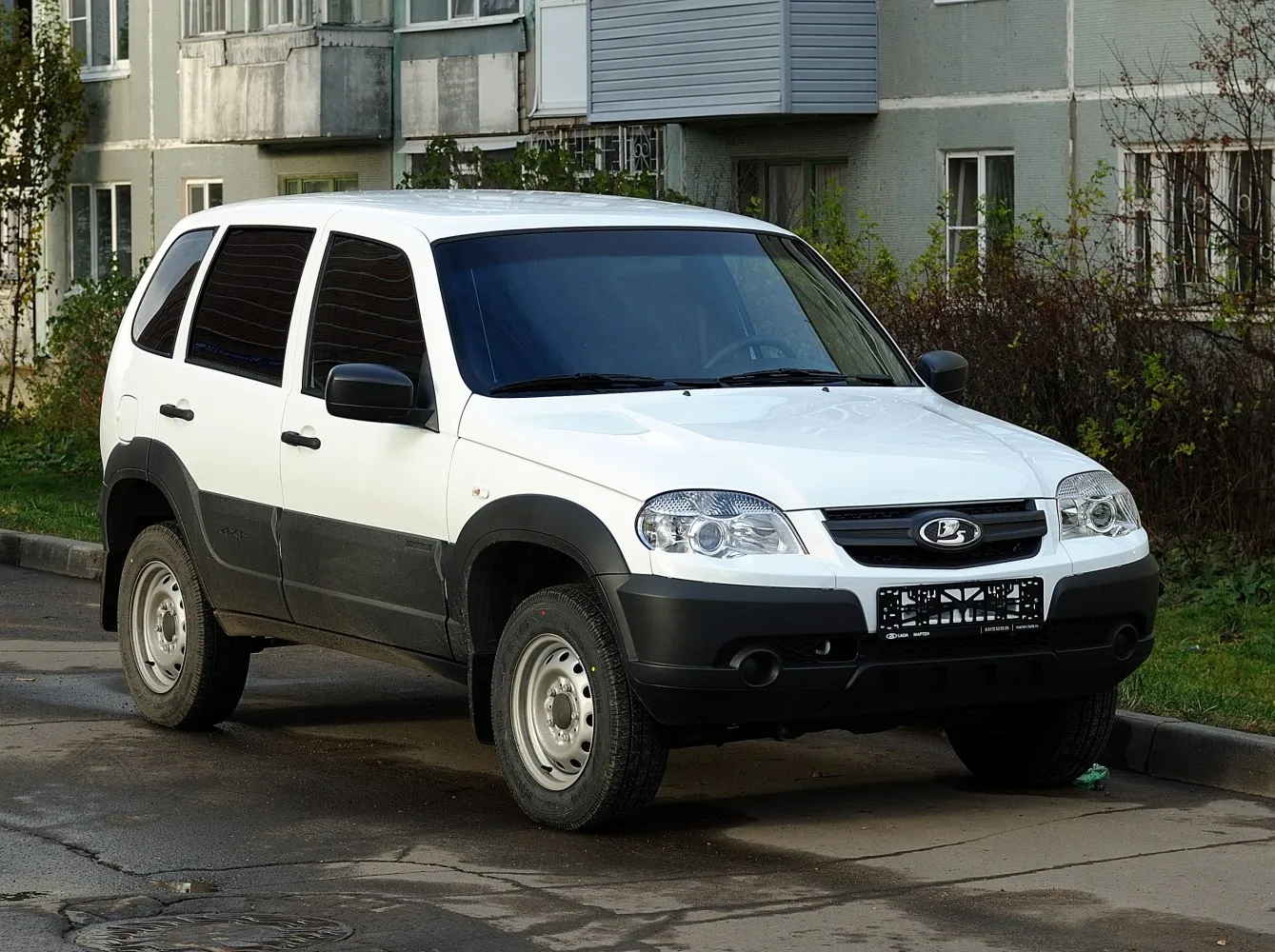
Lada Niva Travel 1.7 (80 Hp) 4x4
Overall Rating
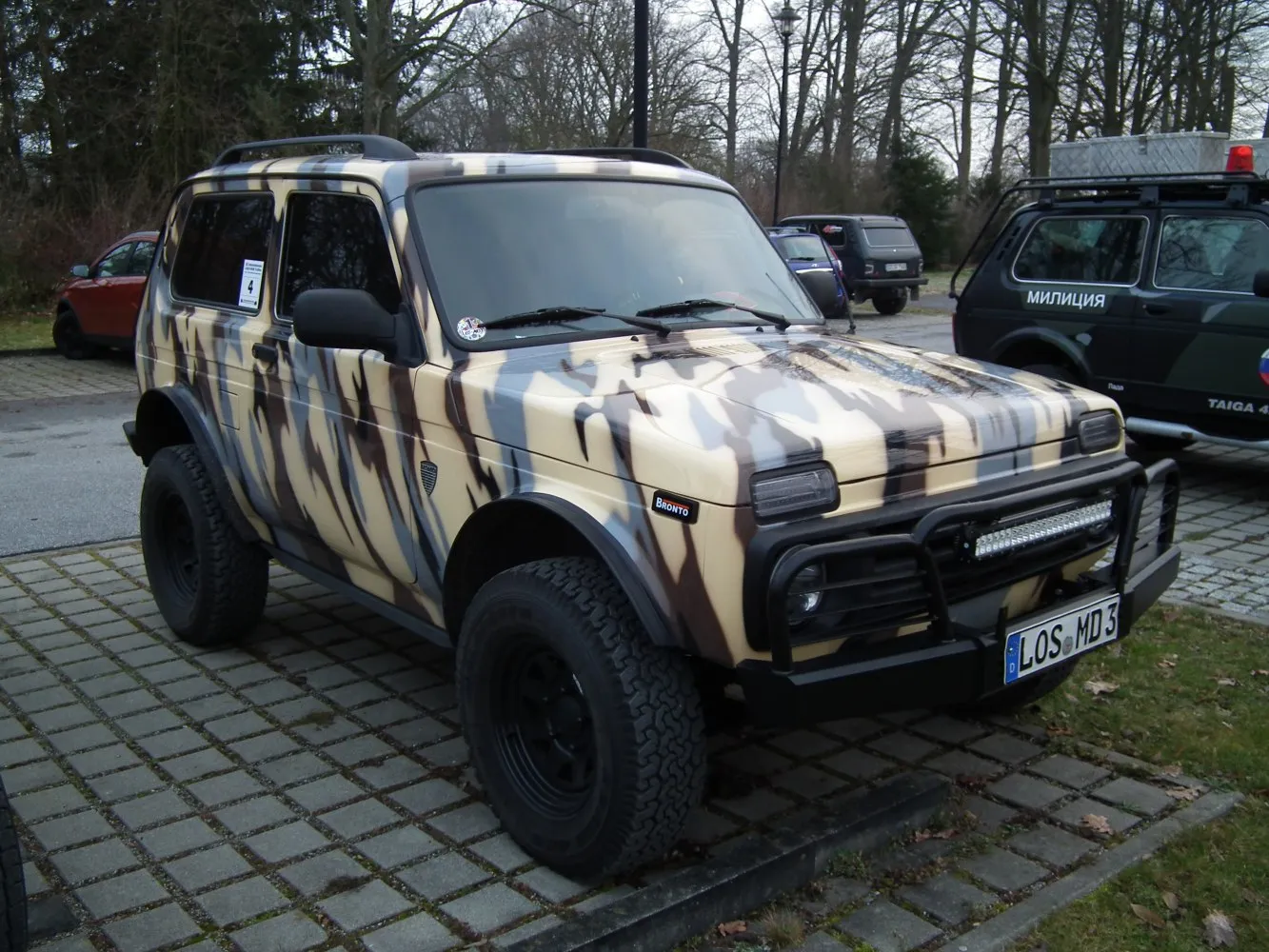
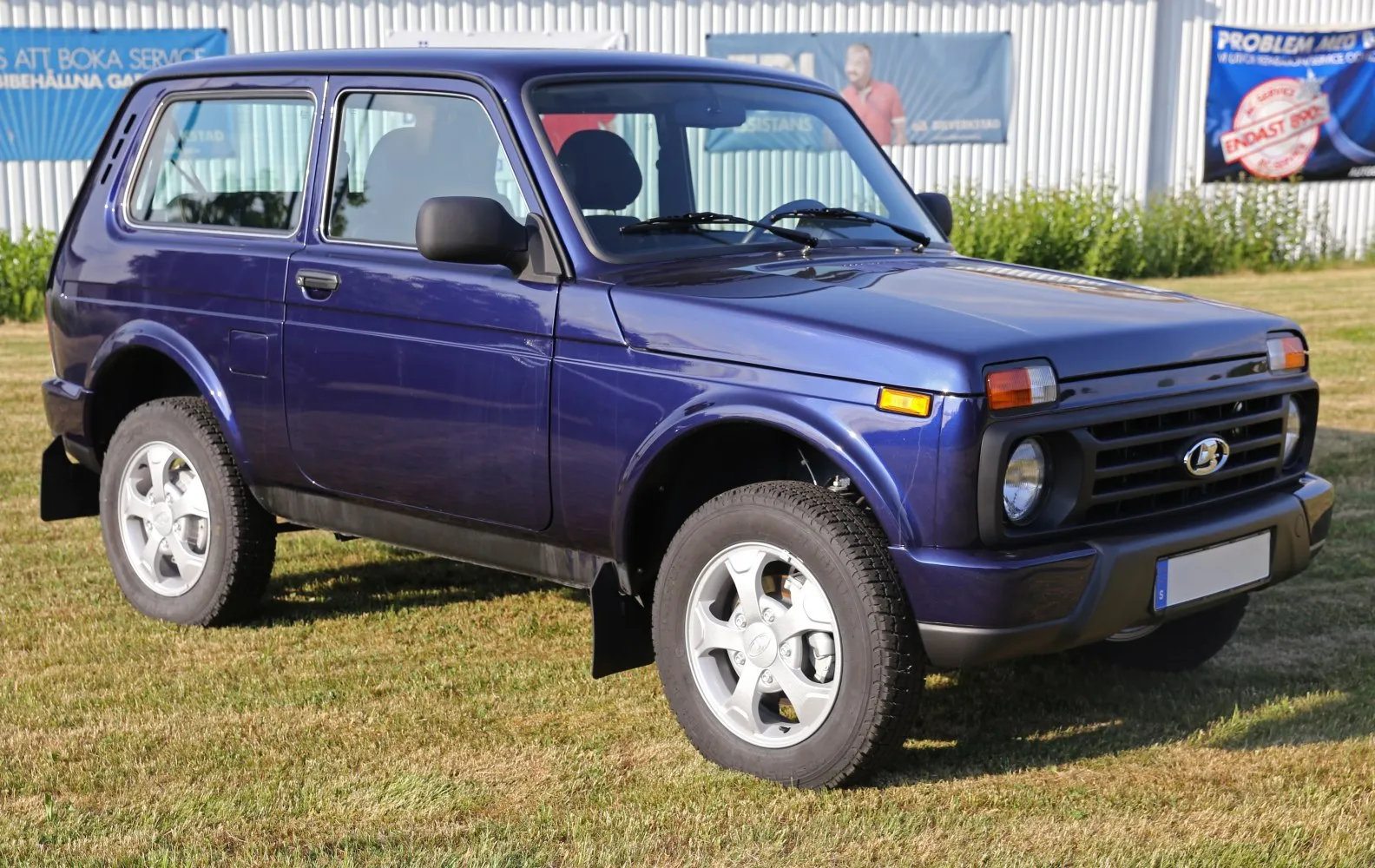
Lada Niva:
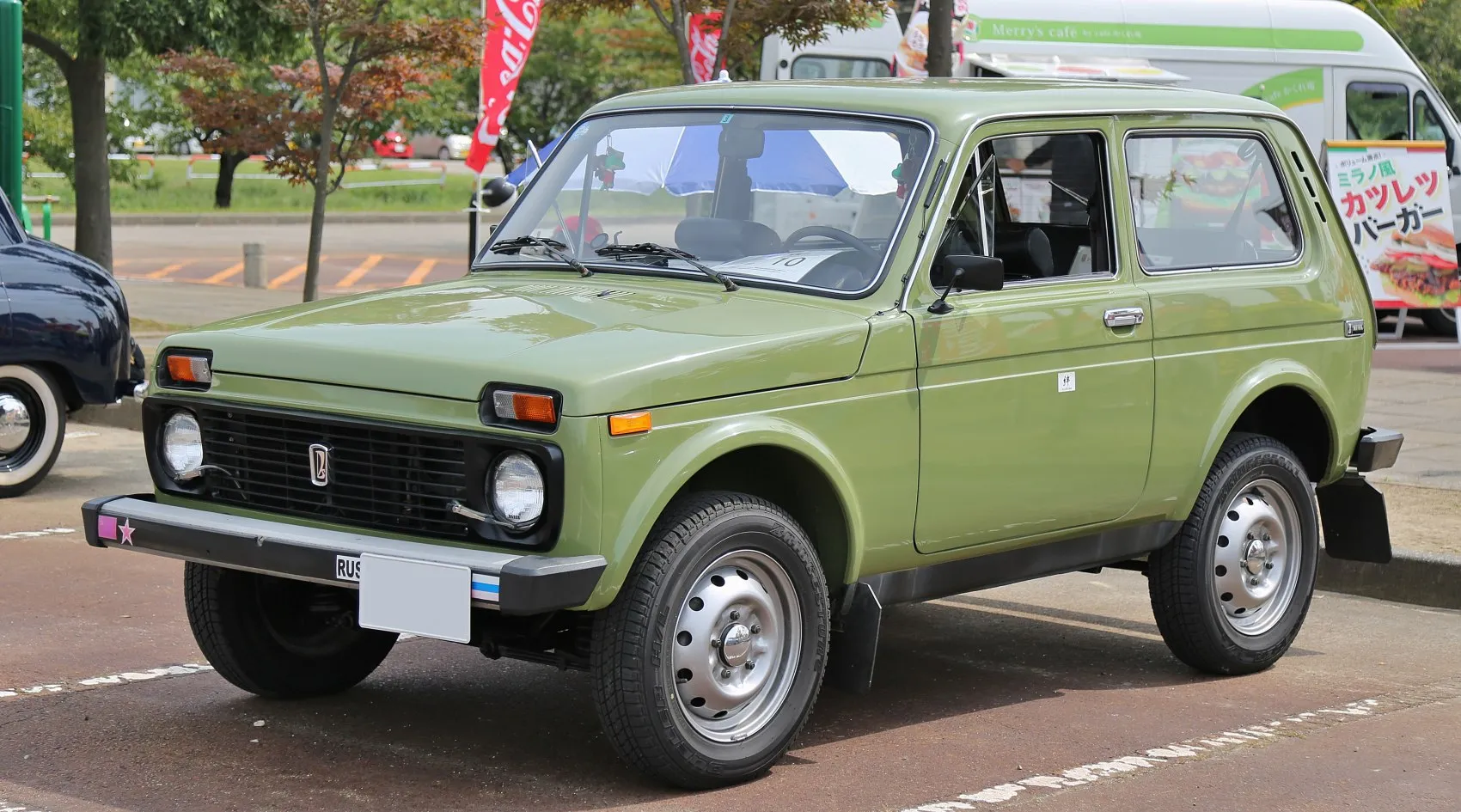
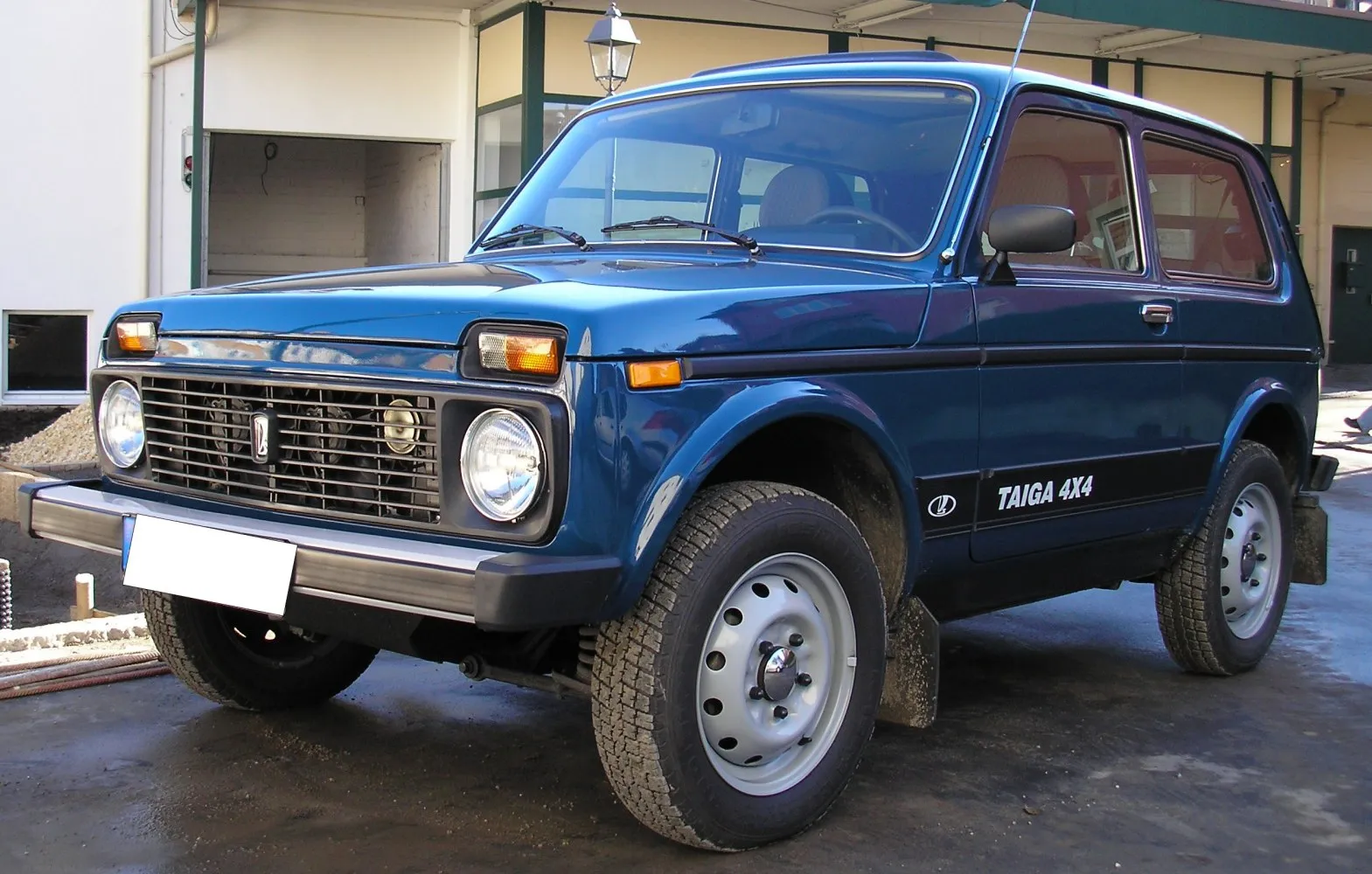
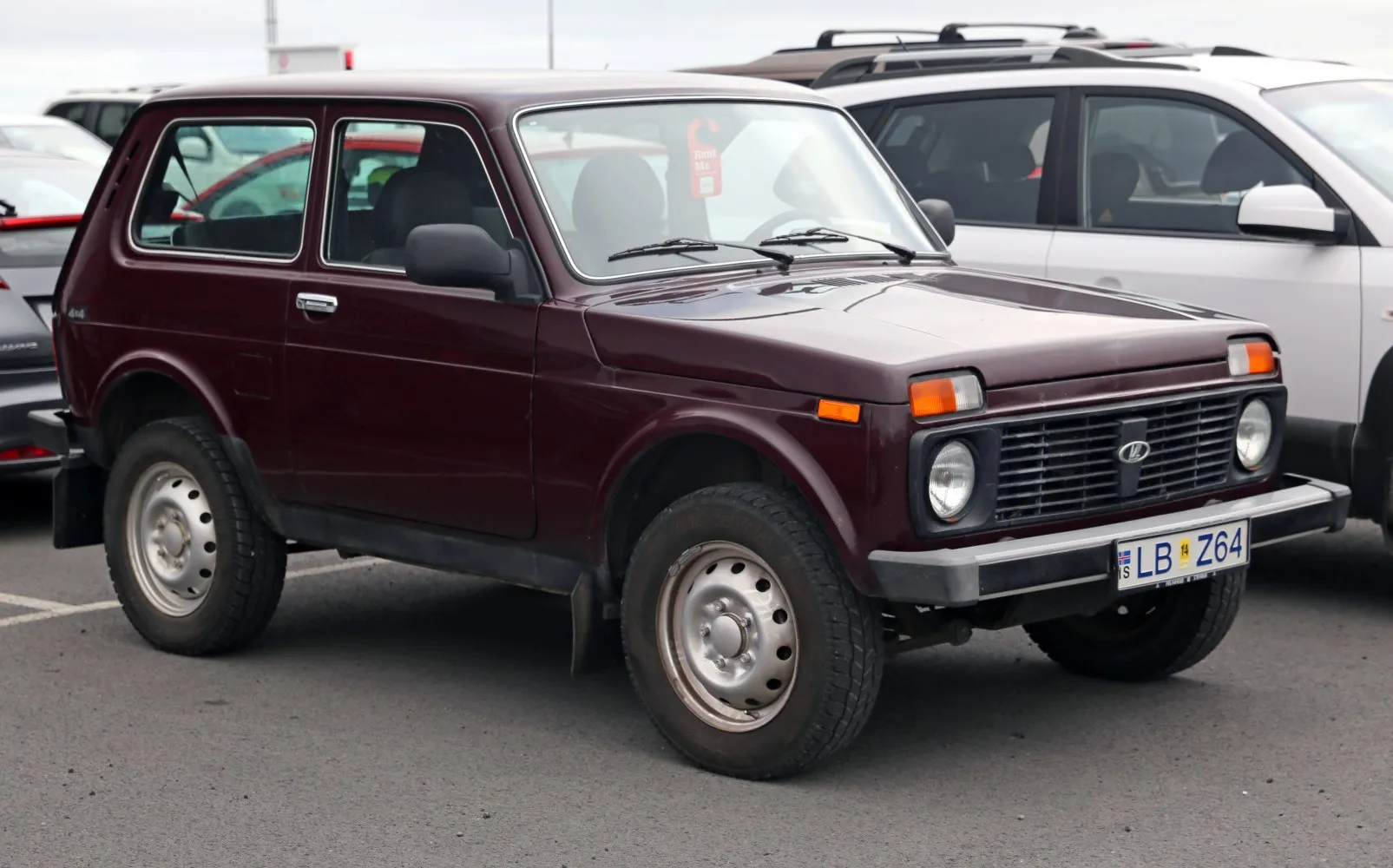
The Lada Niva Legend, formerly called the Lada Niva, VAZ-2121, VAZ-2131, and Lada 4×4 , is a series of four-wheel drive, small , and compact off-road cars designed and produced by AvtoVAZ since 1977. Initially aimed at the rural market, later models also targeted urban users. The three- and later five-door 4×4 hatchbacks were sold under the Lada marque in many markets, and have been in continuous production since 1977.
In the 1990s, three- and five-door wagons on a 50 cm longer wheelbase and an extra-long wheelbase pick-up were added to the range. After the original Land Rover and its successor, the Land Rover Defender, were discontinued in 2016, the Niva became the longest-production-run off-road light vehicle still manufactured in its original form. By the end of 2020, an estimated 650,000 Lada Nivas had been sold globally....(Read more on Wikipedia)
Travel Overview:
Lada Niva (Travel). With 127 Nm of torque, it offers ample pulling power. With a weight of 1485 kg, it falls in the mid‑range. All‑wheel drive provides excellent grip, ideal for off‑road use. Acceleration is relatively slow (0–100 km/h in 19 s). The top speed reaches 140 km/h. A sport utility vehicle offering higher ground clearance and versatile cargo space. Seating for 5 makes it ideal for daily use.
The Lada Niva Travel has not been officially tested by Euro NCAP. Based on its predecessor's (Chevrolet Niva) performance in other regional tests and its dated platform, safety features are considered significantly below modern standards, offering minimal protection in collisions.
1.7 (80 Hp) 4x4 Verdict:

Performance Verdict
Extremely sluggish performance, struggling significantly on highways and requiring considerable patience for acceleration. Primarily suited for low-speed off-road use where torque matters more than speed.
Fuel Economy
Poor fuel economy for its power output, especially considering its modest performance. High running costs for daily driving, particularly in urban environments.
Pros and Cons:
Pros:
- • Excellent off-road capability with permanent 4x4 and high ground clearance
- • Robust and simple mechanicals, easy to maintain
- • Affordable purchase price and running costs (parts)
- • Practical and utilitarian design for tough environments
Cons:
- • Very poor on-road performance and acceleration
- • High fuel consumption for its power output
- • Outdated safety features and technology
- • Basic interior comfort and high noise levels
- • Limited refinement and driving dynamics
Specifications:
Specifications are compared to those of the previous generation(II: 2020 - 2021).
| General: | |
|---|---|
| Brand: | Lada |
| Model: | Niva |
| Generation: | Travel |
| Modification (Engine): | 1.7 (80 Hp) 4x4 |
| Start of production: | 2021 |
| Powertrain Architecture: | Internal Combustion engine |
| Body type: | SUV |
| Seats: | 5 |
| Doors: | 5 |
| Engine: | |
|---|---|
| Power: | 80 Hp @ 5000 rpm. |
| Power per litre: | 47.3 Hp/l |
| Torque: | 127 Nm @ 4000 rpm. |
| Engine Model/Code: | 2123 [Same engine] More details about the engine 2123 |
| Engine displacement: | 1690 |
| Number of cylinders: | 4 |
| Engine configuration: | Inline |
| Number of valves per cylinder: | 2 |
| Fuel injection system: | Multi-port manifold injection |
| Engine aspiration: | Naturally aspirated engine |
| Engine layout: | Front, Longitudinal |
| Cylinder Bore: | 82 mm mm |
| Piston Stroke: | 80 mm mm |
| Compression ratio: | 9.3:1 |
| Performance: | |
|---|---|
| Fuel Type: | Petrol (Gasoline) |
| Fuel consumption (economy) - urban: | 13.4 l/100 km |
| Fuel consumption (economy) - extra urban: | 8.5 l/100 km |
| Fuel consumption (economy) - combined: | 10.2 l/100 km |
| Emission standard: | Euro 5 |
| Acceleration 0 - 100 km/h: | 19 sec |
| Acceleration 0 - 62 mph: | 19 sec |
| Maximum speed: | 140 km/h |
| Weight-to-power ratio: | 18.6 kg/Hp, 53.9 Hp/tonne |
| Weight-to-torque ratio: | 11.7 kg/Nm, 85.5 Nm/tonne |
| Acceleration 0 - 60 mph: | 18.1 sec |
| Space: | |
|---|---|
| Kerb Weight: | 1485 |
| Max. weight: | 1860 |
| Max load: | 375 |
| Trunk (boot) space - maximum: | 650 l |
| Trunk (boot) space - minimum: | 320 l |
| Permitted trailer load with brakes (12%): | 1200 kg |
| Fuel tank capacity: | 58 l |
| Permitted trailer load without brakes: | 600 kg |
| Size: | |
|---|---|
| Length: | 4099 mm mm [43mm more] |
| Width: | 1804 mm mm [4mm more] |
| Height: | 1690 mm mm [Same height.] |
| Wheelbase: | 2450 mm mm [Same wheelbase.] |
| Front track: | 1466 mm |
| Rear (Back) track: | 1456 mm |
| Ride height (ground clearance): | 220 mm |
| Powertrain: | |
|---|---|
| Drivetrain Architecture | The Internal combustion engine (ICE) drives permanently the four wheels of the vehicle. |
| Drive wheel | All wheel drive (4x4) |
| Number of gears | 5 |
| Transmission type | Manual |
| Front brakes | Disc [bad for performance and cooling.] |
| Rear brakes | Drum [bad for performance and cooling.] |
| Assisting systems | ABS (Anti-lock braking system) |
| Tires size | 205/70 R15; 205/75 R15; 215/65 R16 |
| Wheel rims size | 15; 16 |
| Front suspension | Independent coil spring |
| Rear suspension | dependent spring suspension |










Is the Lada Niva worth every penny? Give us your honest ROI.