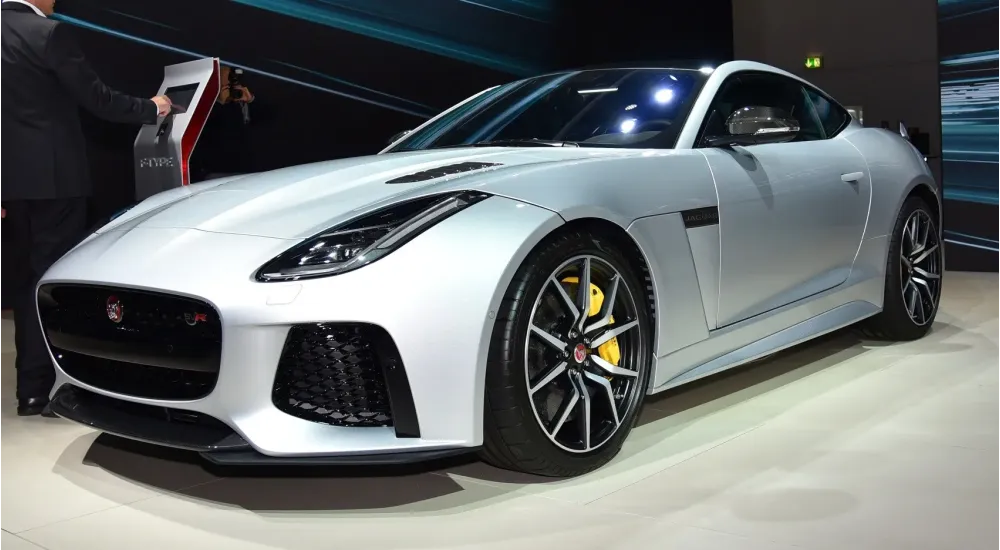
Click on image to view the full photo gallery
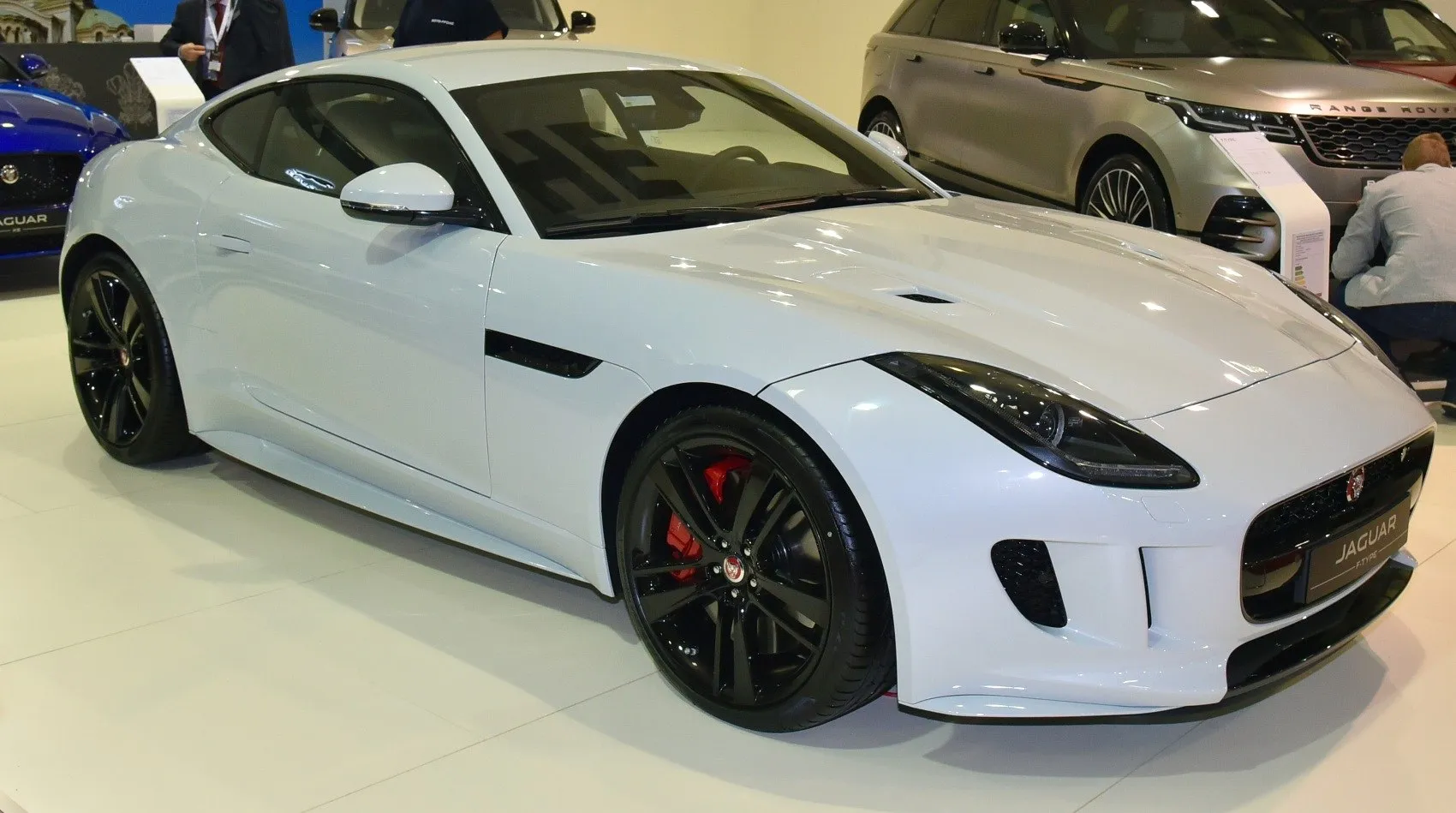
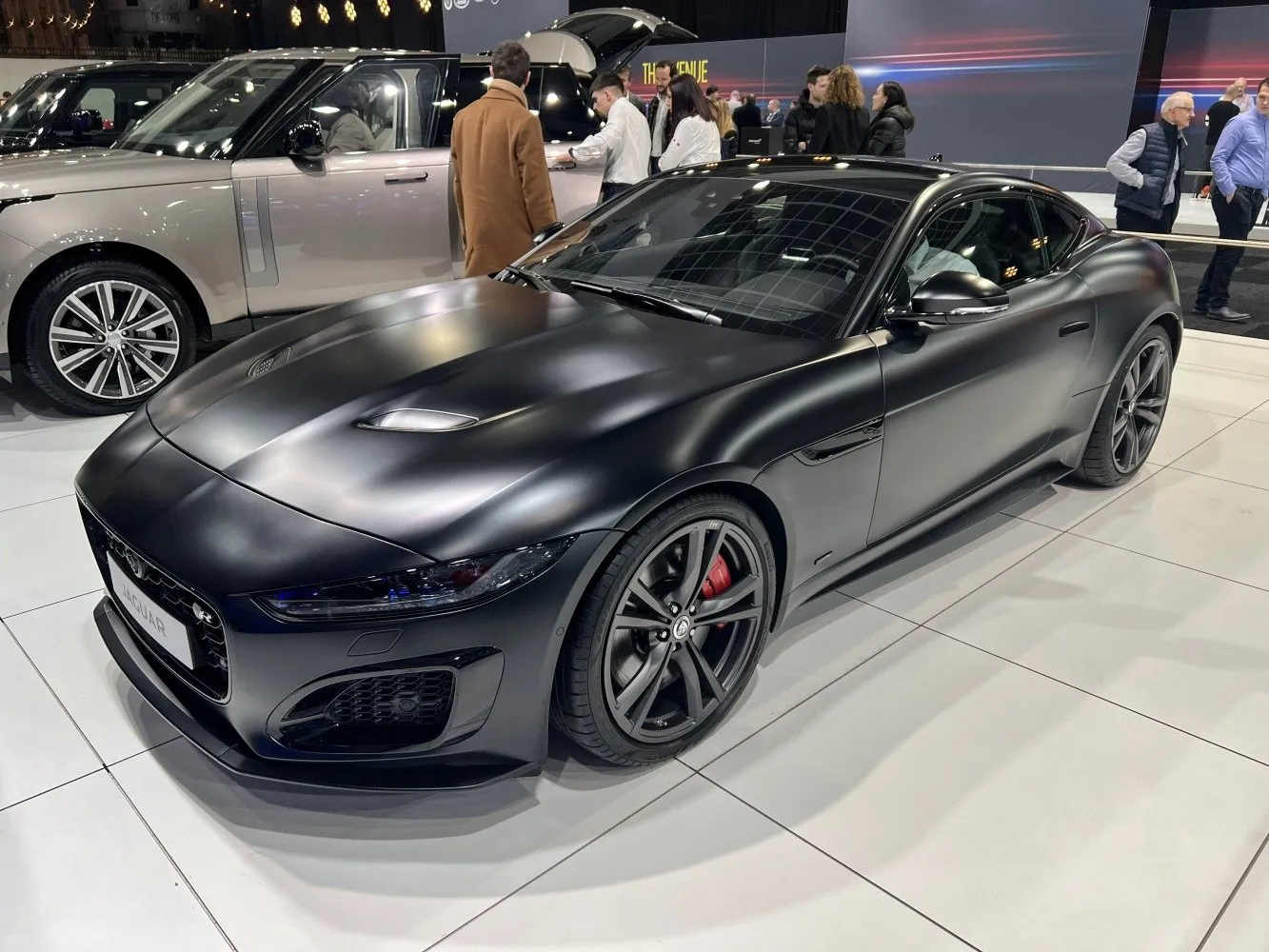
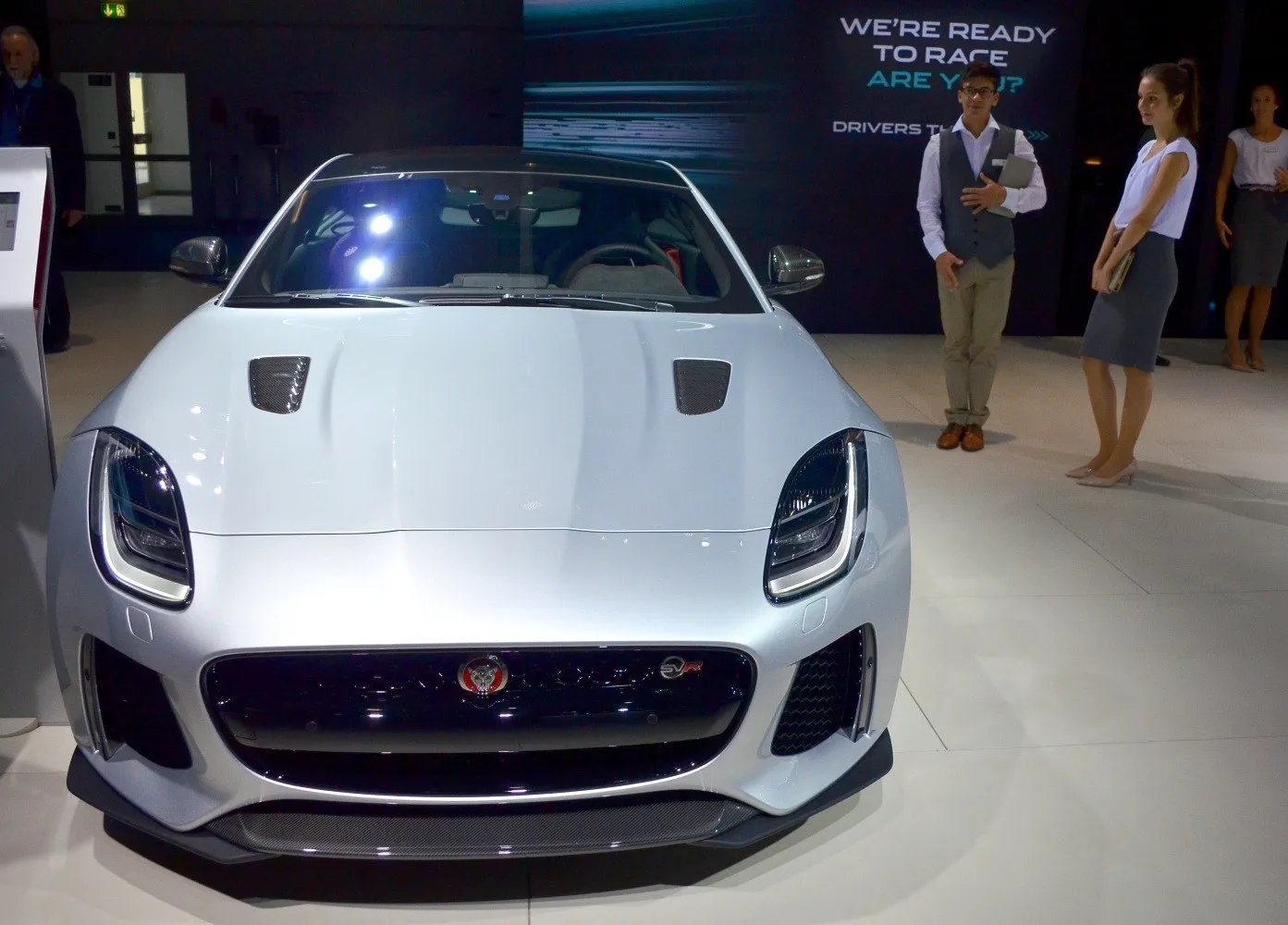
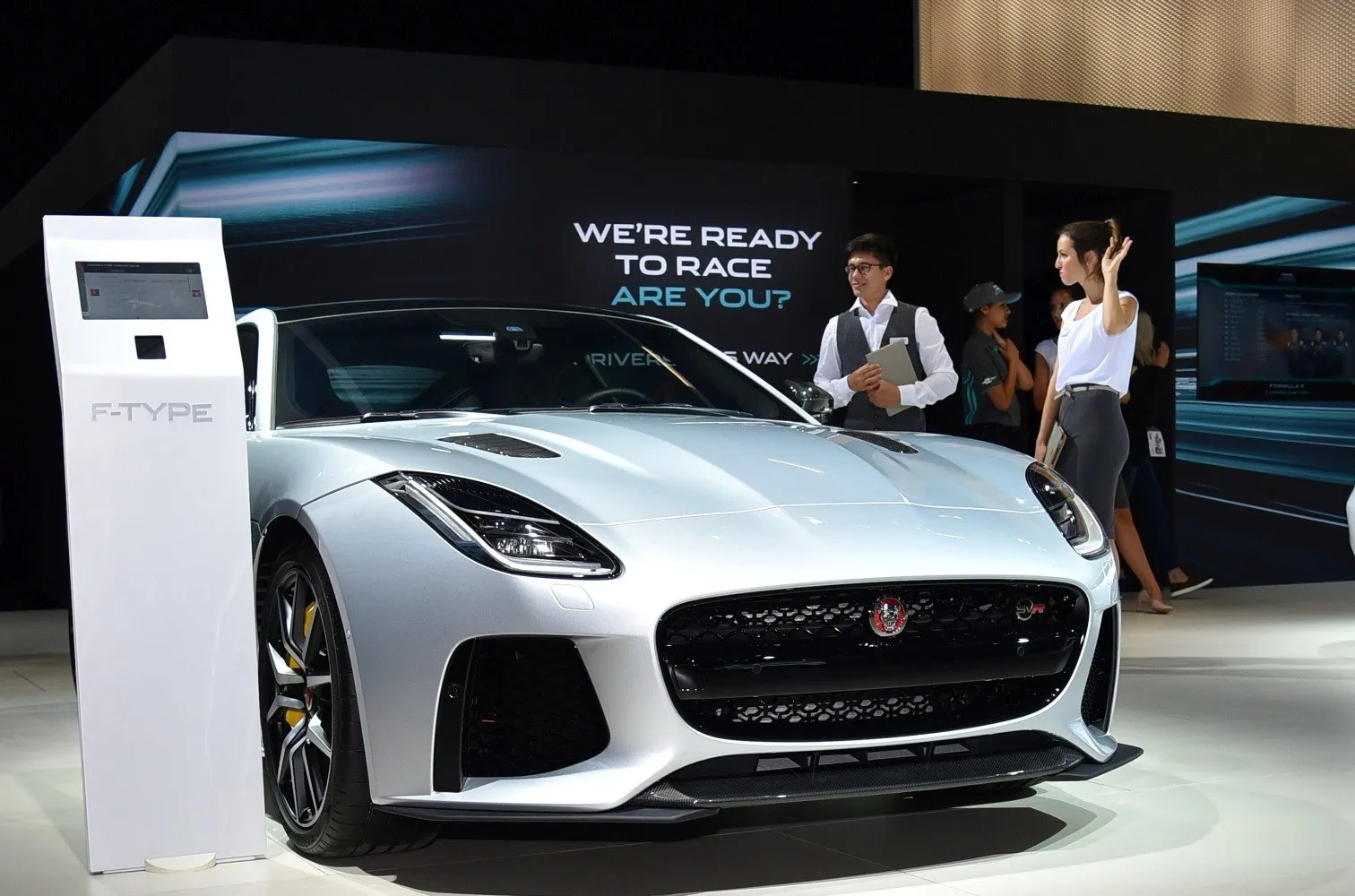
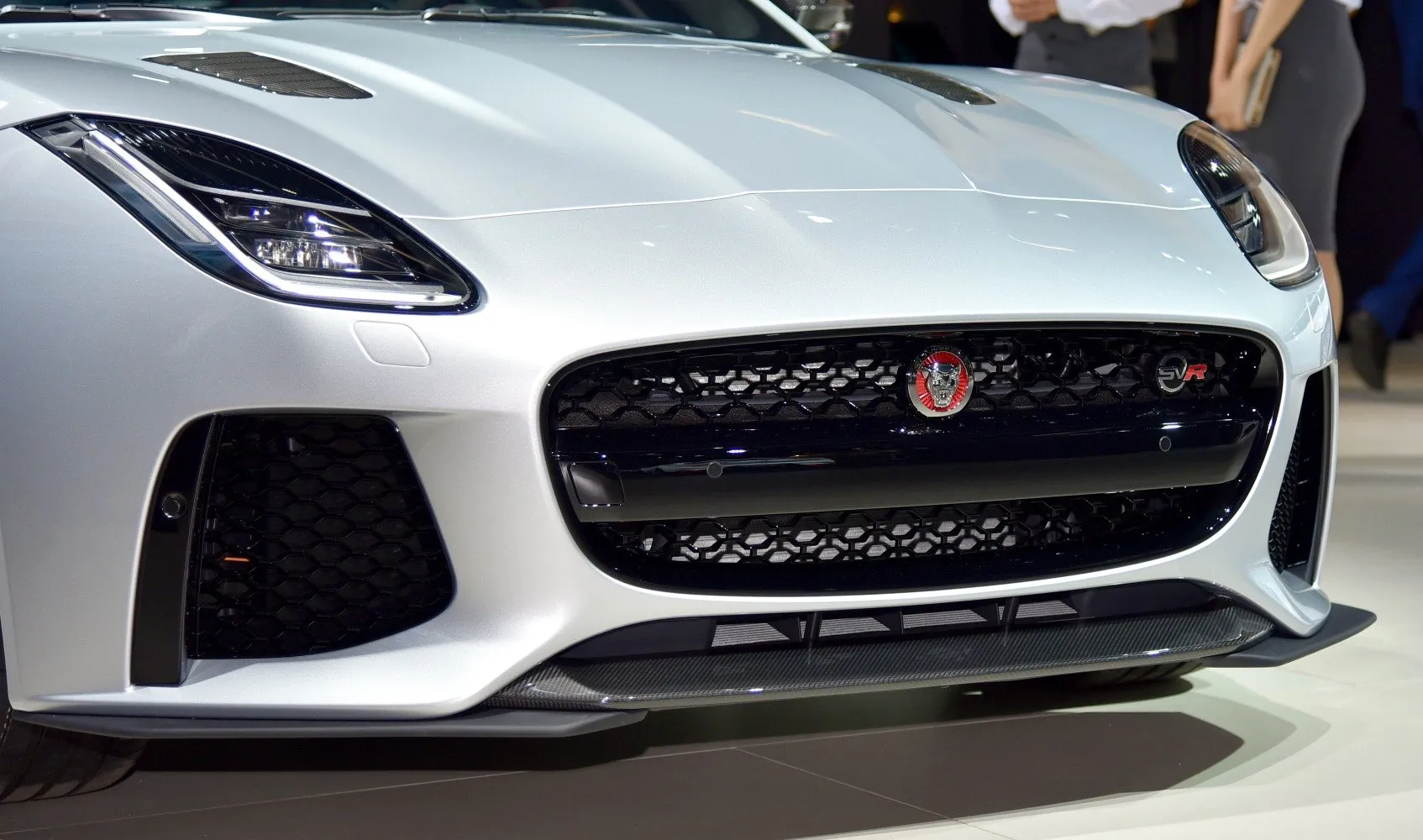
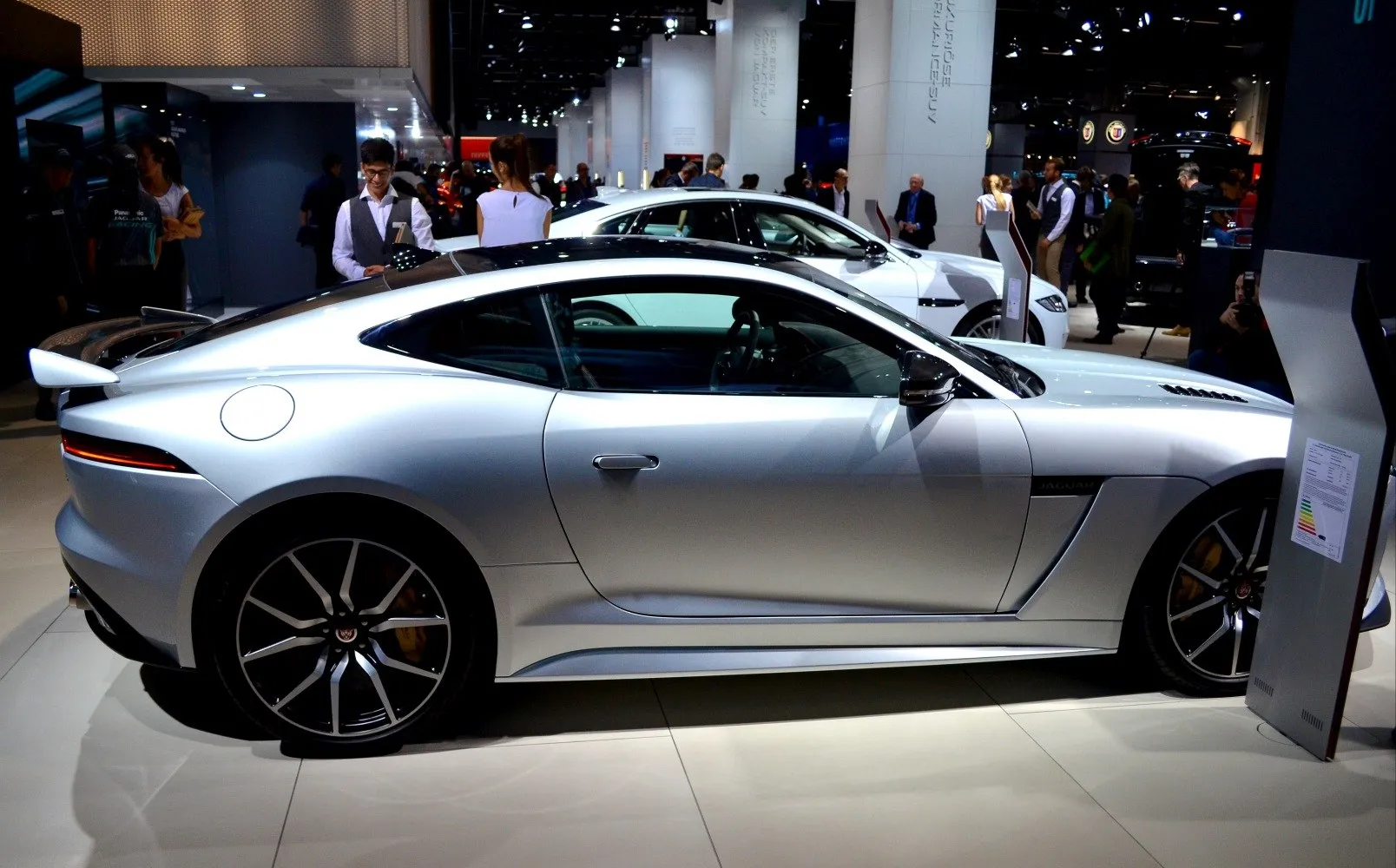
Jaguar F-type Coupe (facelift 2017) P300 (300 Hp) Automatic
Overall Rating
Jaguar F-type:
The Jaguar F-Type is a series of two-door, two-seater sports cars manufactured by British car manufacturer Jaguar Land Rover under their Jaguar Cars marque from 2013 to 2024. The car's JLR D6a platform is based on a shortened version of the XK's platform. It is the so-called "spiritual successor" to the E-Type.
The car was launched initially as a 2-door soft-top convertible, with a 2-door fastback coupé version launched in 2013. The F-Type underwent a facelift for the 2021 model year. It was unveiled in December 2019, featuring a significantly restyled front end and dashboard, and simplified drivetrain options. Jaguar announced that the F-Type will be discontinued after the 2024 model year. Production ended in June 2024, by which time 87,731 examples had been built....(Read more on Wikipedia)
Coupe (facelift 2017) Overview:
Jaguar F-type (Coupe (facelift 2017)). With 400 Nm of torque, it offers ample pulling power. It has moderate fuel consumption (~10 l/100km). With a weight of 1450 kg, it falls in the mid‑range. Rear‑wheel drive offers dynamic handling and sporty feedback. Acceleration is excellent (0–100 km/h in 5.7 s). The top speed reaches 250 km/h. A two-door car with a fixed roof, known for its sporty design and dynamic performance. Seating for 2 makes it ideal for daily use.
P300 (300 Hp) Automatic Verdict:

Performance Verdict
Offers a competent and enjoyable driving experience, though not as thrilling as the larger engines.
Fuel Economy
Good fuel efficiency for a sports car, making it a more economical choice for daily use.
Pros and Cons:
Pros:
- • Stunning and timeless design aesthetic
- • Wide range of powerful and characterful engines (V6, V8)
- • Engaging and dynamic driving experience
- • Luxurious and well-appointed interior for a sports car
- • Distinctive and exhilarating exhaust notes, especially from V8s
- • Available AWD for enhanced traction and all-weather capability
Cons:
- • Limited practicality with only two seats and modest trunk space
- • Firm ride quality, especially on R and SVR models
- • Higher fuel consumption for V8 and some V6 models
- • Historically, Jaguar reliability can be a concern for some buyers
- • Lack of an official Euro NCAP safety rating
- • Potentially high running and maintenance costs
Specifications:
Specifications are compared to those of the previous generation(Convertible (facelift 2017): 2017 - 2018).
| General: | |
|---|---|
| Brand: | Jaguar |
| Model: | F-type |
| Generation: | Coupe (facelift 2017) |
| Modification (Engine): | P300 (300 Hp) Automatic |
| Start of production: | 2019 |
| End of production: | 2020 |
| Powertrain Architecture: | Internal Combustion engine |
| Body type: | Coupe |
| Seats: | 2 |
| Doors: | 2 |
| Engine: | |
|---|---|
| Power: | 300 Hp @ 5500 rpm. Same horsepower |
| Power per litre: | 150.2 Hp/l [Same length.] |
| Torque: | 400 Nm @ 1500-4500 rpm. |
| Engine Model/Code: | Ingenium / PT204 More details about the engine Ingenium / PT204 |
| Engine displacement: | 1997 |
| Number of cylinders: | 4 |
| Engine configuration: | Inline |
| Number of valves per cylinder: | 4 |
| Fuel injection system: | Direct injection |
| Engine aspiration: | Turbocharger, Intercooler |
| Engine oil capacity: | 6.5 l |
| Cylinder Bore: | 83 mm |
| Piston Stroke: | 92.3 mm |
| Compression ratio: | 9.5:1 |
| Performance: | |
|---|---|
| Fuel Type: | Petrol (Gasoline) |
| Fuel consumption (economy) - urban: | 10 l/100 km |
| Fuel consumption (economy) - extra urban: | 6.6 l/100 km |
| Fuel consumption (economy) - combined: | 7.9 l/100 km |
| Emission standard: | Euro 6d-Temp |
| Acceleration 0 - 100 km/h: | 5.7 sec |
| Acceleration 0 - 62 mph: | 5.7 sec |
| Maximum speed: | 250 km/h |
| Weight-to-power ratio: | 4.8 kg/Hp, 206.9 Hp/tonne |
| Weight-to-torque ratio: | 3.6 kg/Nm, 275.9 Nm/tonne |
| Acceleration 0 - 60 mph: | 5.4 sec |
| Space: | |
|---|---|
| Kerb Weight: | 1450 |
| Max. weight: | 1925 |
| Max load: | 475 |
| Trunk (boot) space - maximum: | 408 l |
| Trunk (boot) space - minimum: | 310 l |
| Fuel tank capacity: | 63 l |
| Size: | |
|---|---|
| Length: | 4482 mm [Same length.] |
| Width: | 1923 mm [Same width.] |
| Height: | 1311 mm [3mm more] |
| Wheelbase: | 2622 mm [Same wheelbase.] |
| Width including mirrors: | 2042 mm |
| Front track: | 1597 mm |
| Rear (Back) track: | 1649 mm |
| Ride height (ground clearance): | 100 mm |
| Minimum turning circle (turning diameter): | 11.2 m [above average] |
| Powertrain: | |
|---|---|
| Drivetrain Architecture | The Internal combustion engine (ICE) drives the rear wheels of the vehicle. |
| Drive wheel | Rear wheel drive |
| Number of gears | 8 |
| Transmission type | Automatic |
| Front brakes | Disc, 355 mm [above average] |
| Rear brakes | Disc, 325 mm [above average] |
| Assisting systems | ABS (Anti-lock braking system) |
| Tires size | 245/45 R18; 275/40 R18 |
| Wheel rims size | 8.5J x 18; 9.5J x 18 |












Is the Jaguar F-type the king of its class? Share your thoughts.