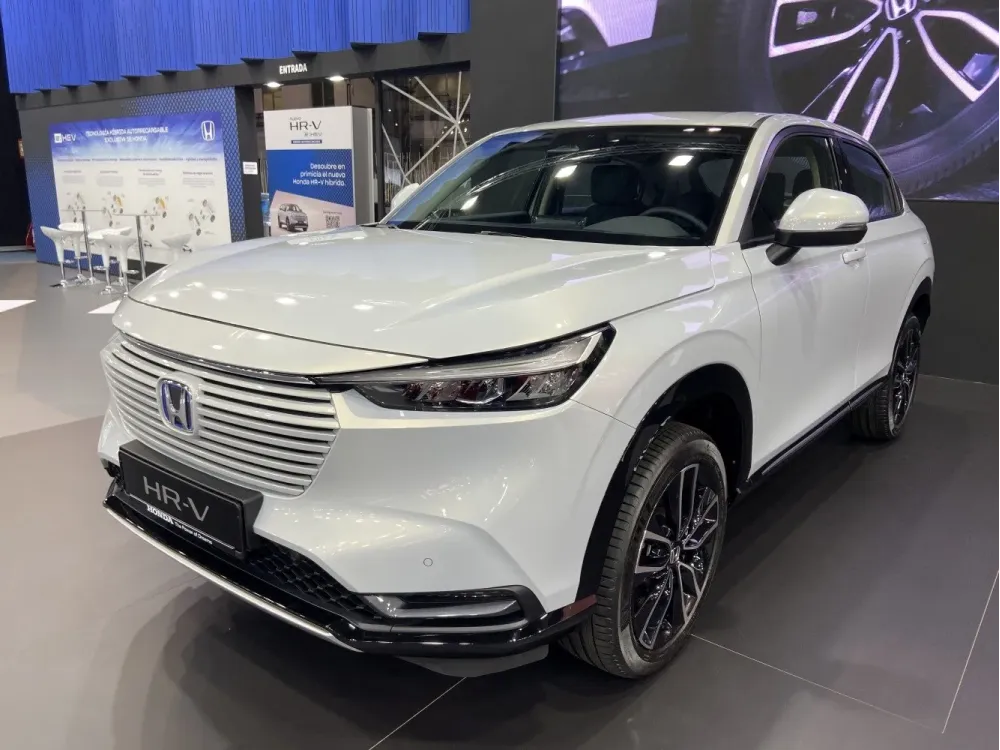
Click on image to view the full photo gallery
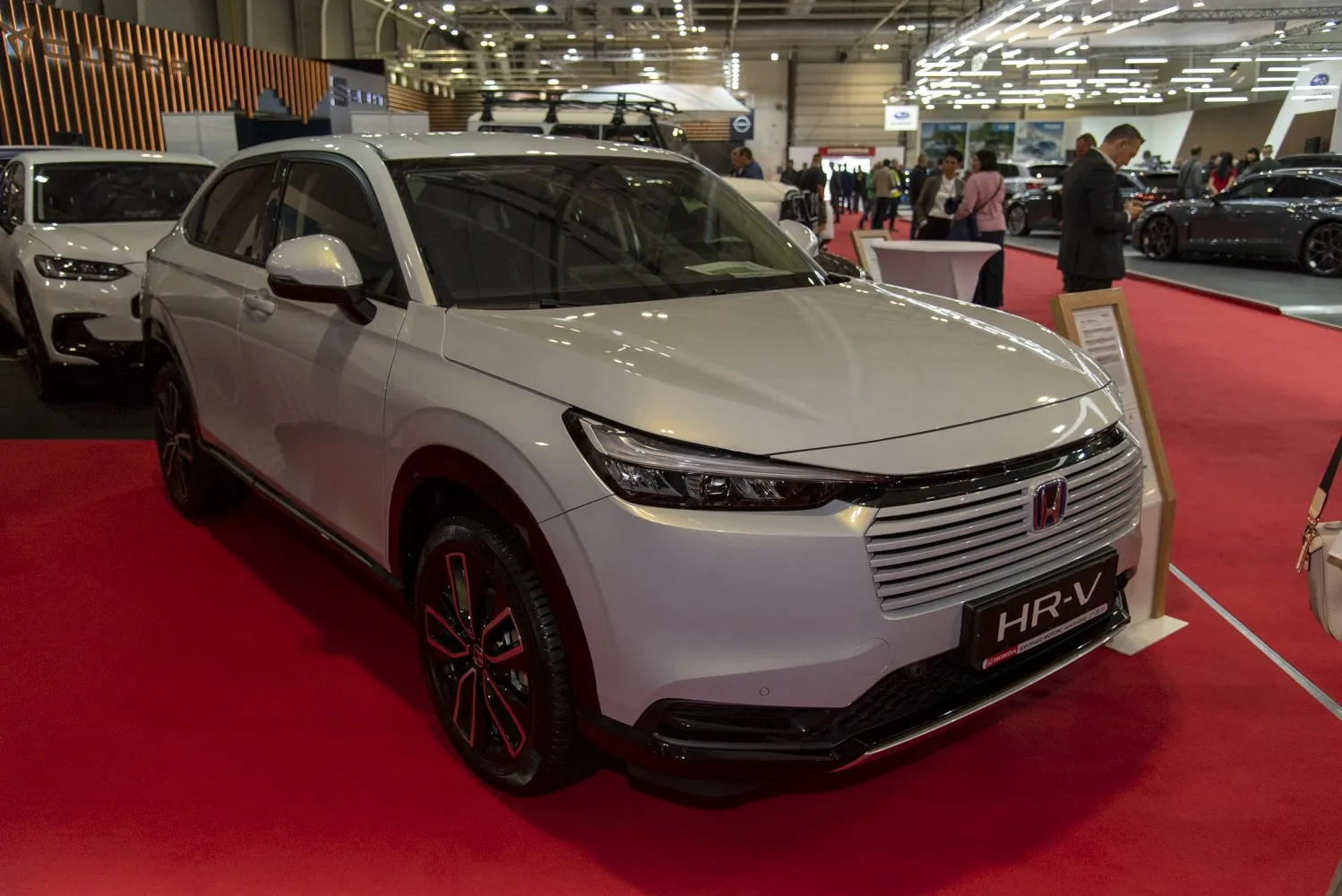
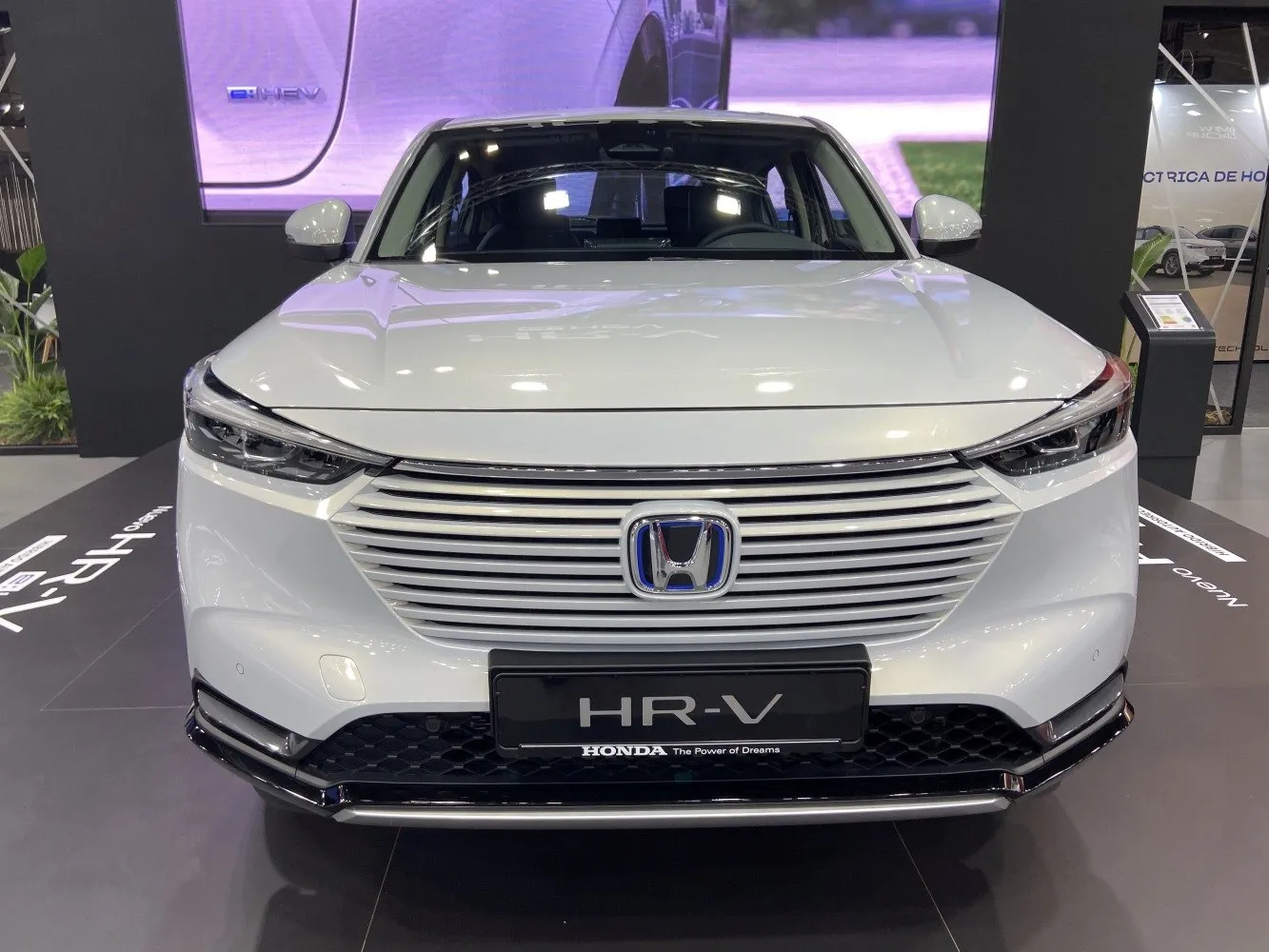
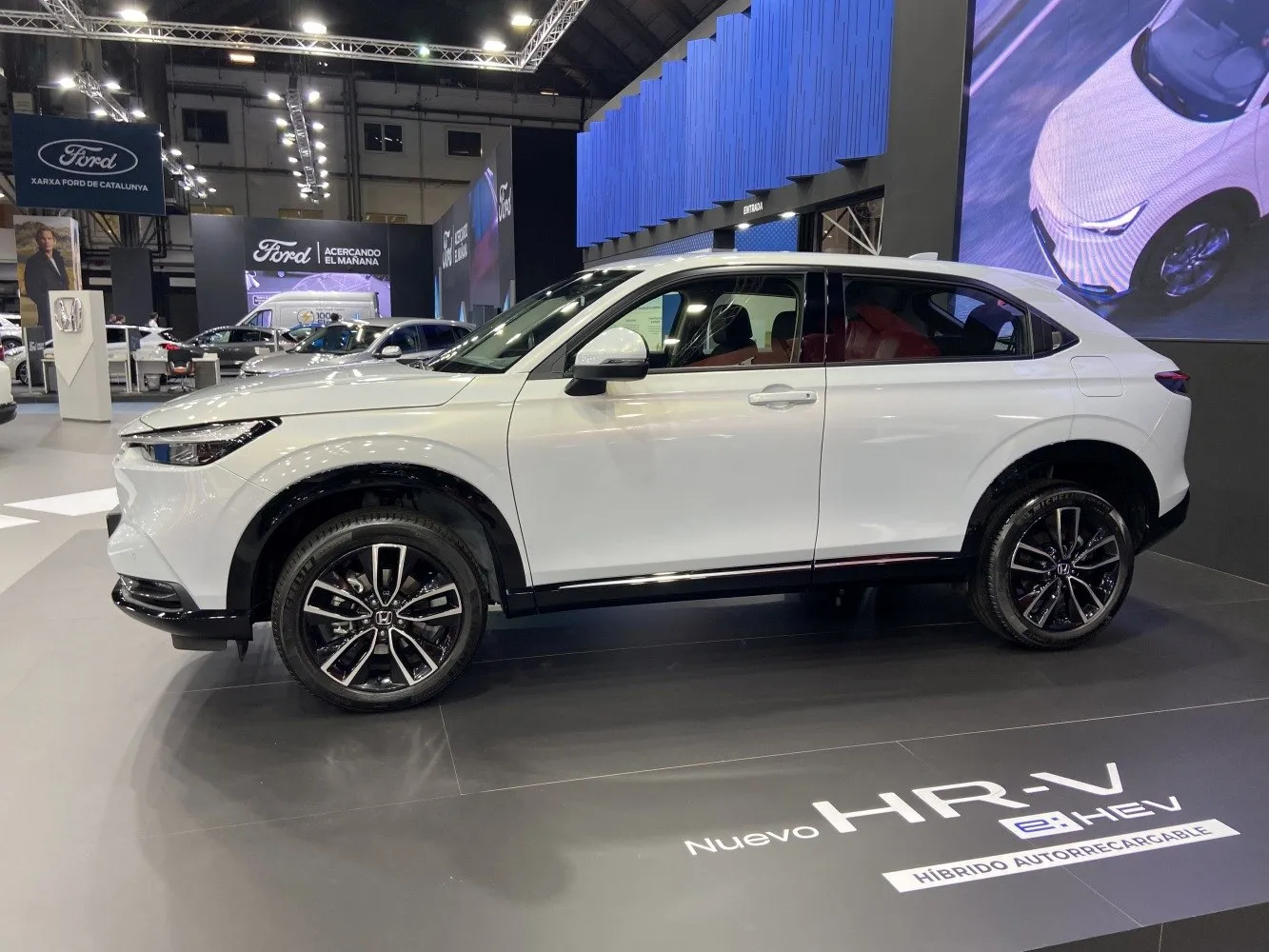
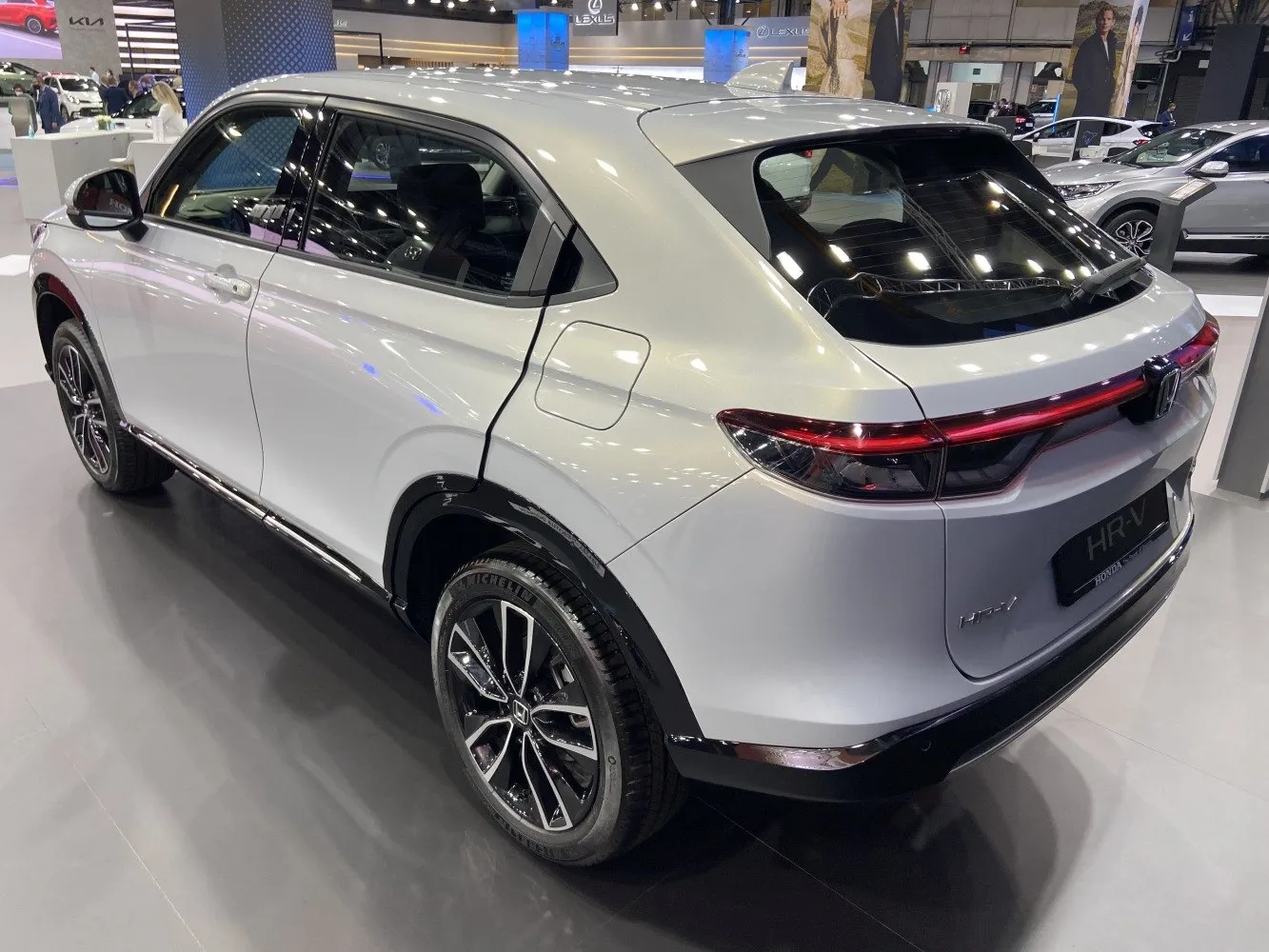
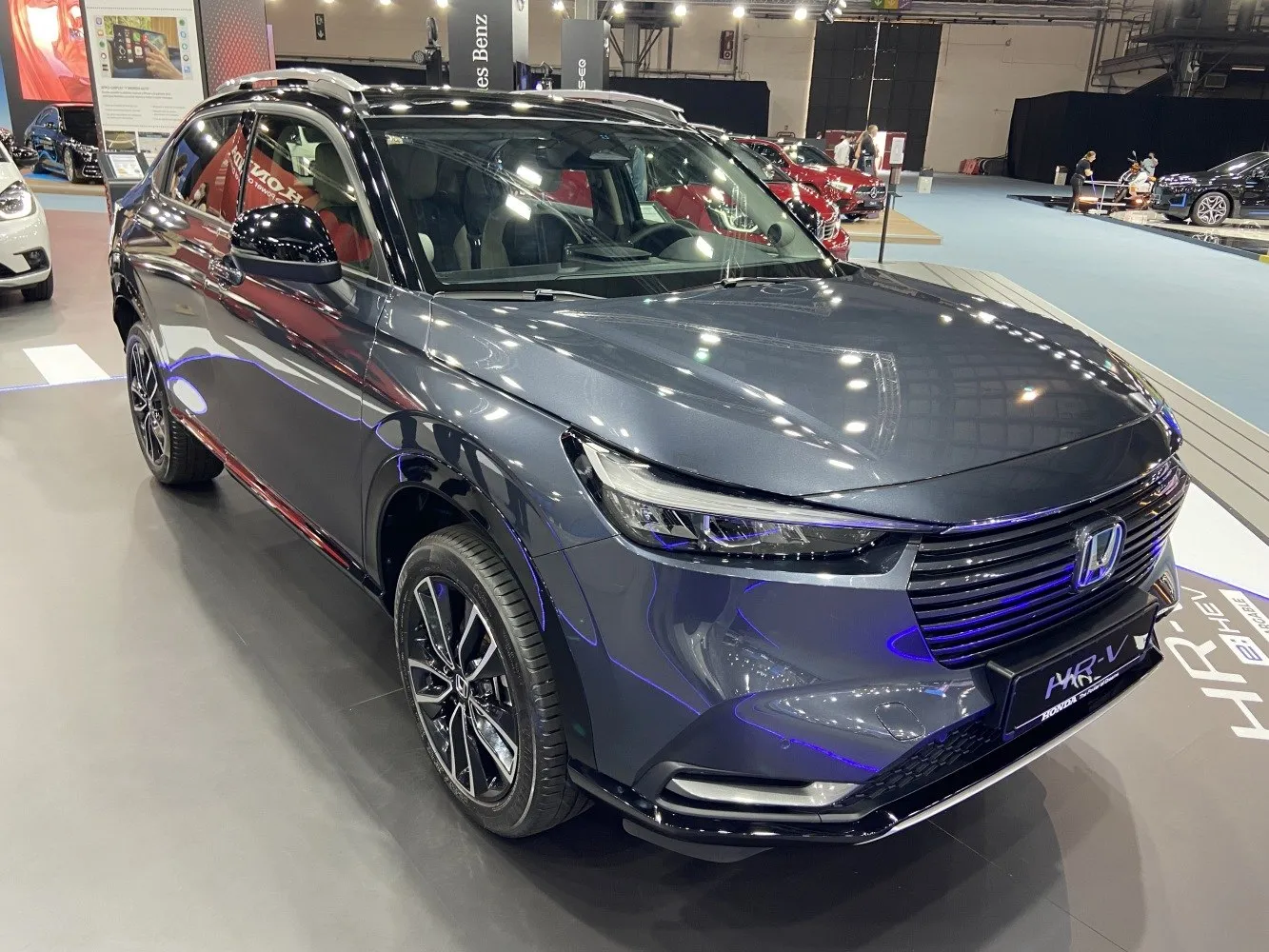
Honda HR-V III 2.0 (158 Hp) AWD CVT (USA)
Overall Rating
Honda HR-V:
The Honda HR-V is a subcompact crossover SUV manufactured and marketed by Honda over three generations.
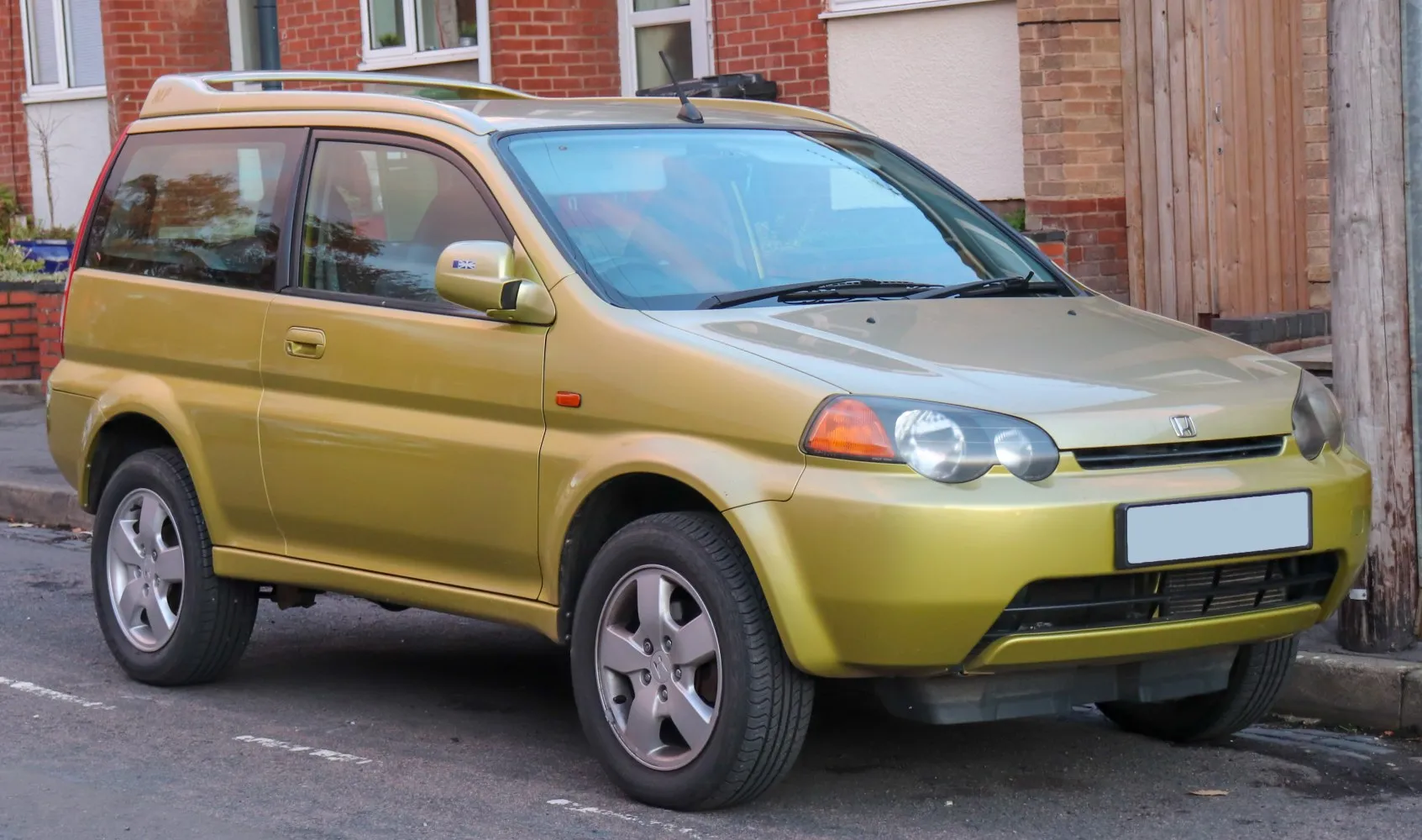
The first generation HR-V, based on the Honda Logo, was marketed from 1999 to 2006 in Europe, Japan and select Asia-Pacific markets, in either three-door or five-door configurations — internally designated GH2 and GH4 respectively.
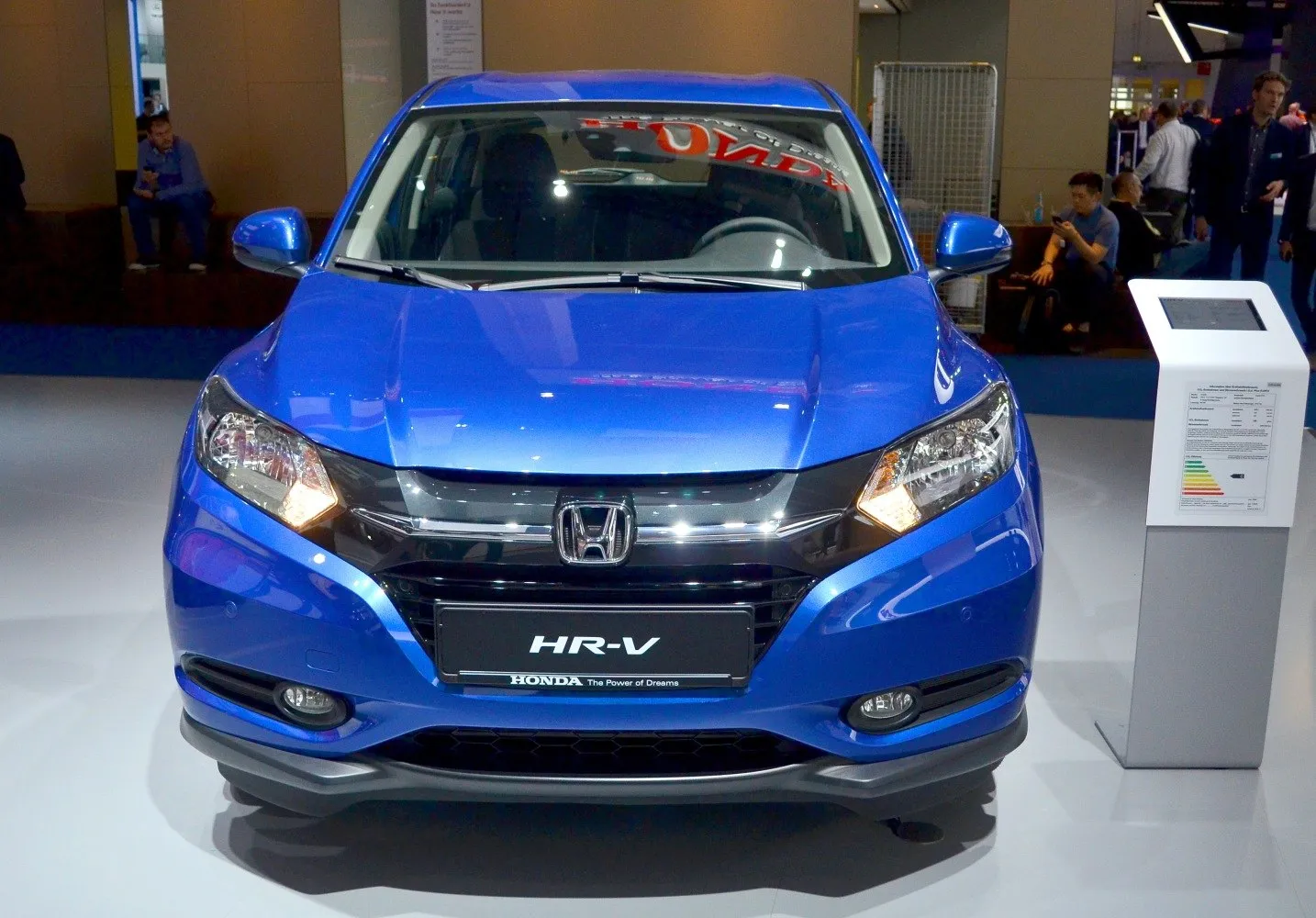
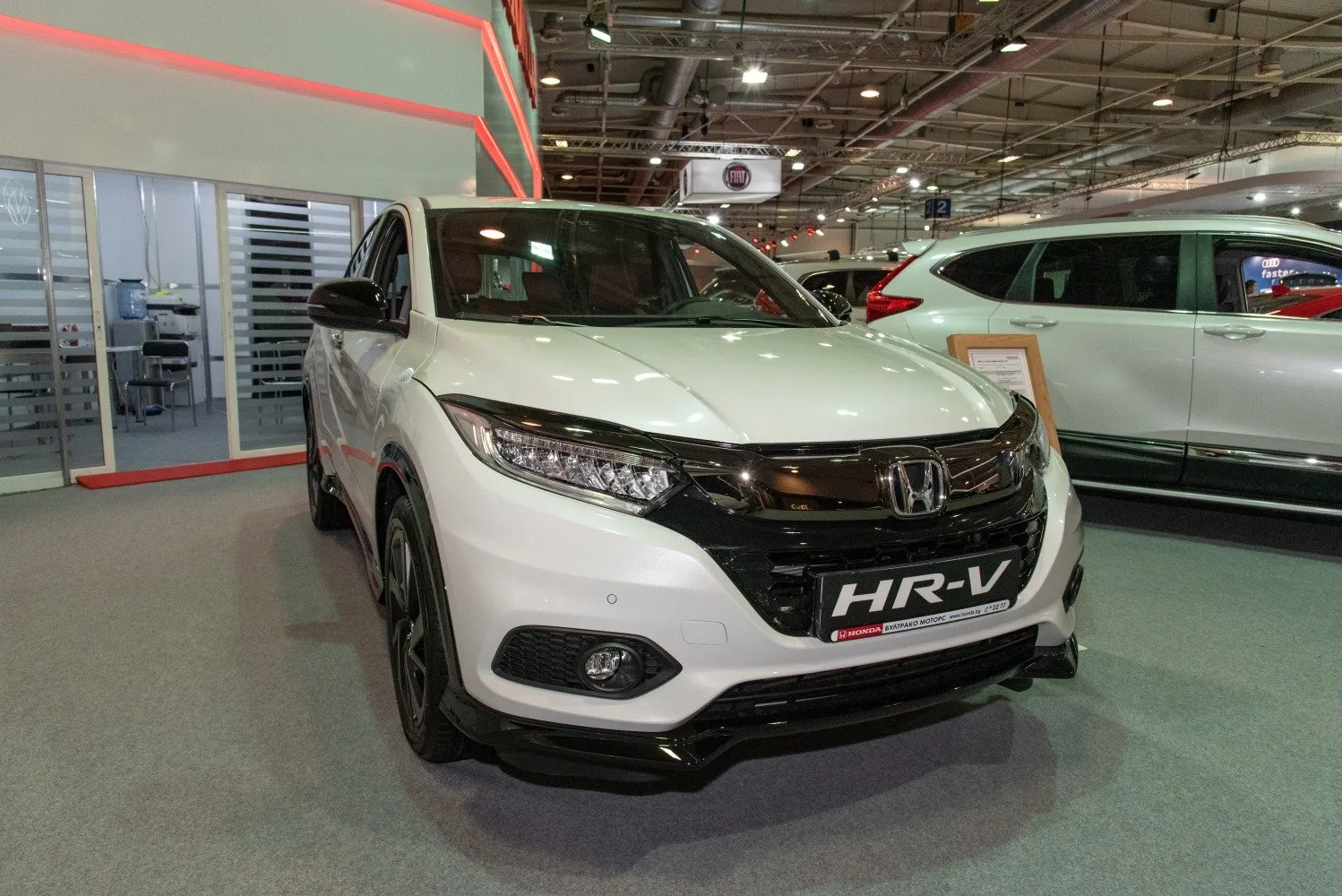
After a seven-year hiatus, Honda reintroduced the nameplate for the second generation HR-V, based on the third-generation Honda Fit. Production began in late 2013 for the Japanese domestic market as the Honda Vezel , while production started in 2015 for North America, Australia, Brazil and select Asian markets as the HR-V. Apart from Japan, the model is also sold as the Vezel in China....(Read more on Wikipedia)
III Overview:
Honda HR-V (III). With 187 Nm of torque, it offers ample pulling power. It has moderate fuel consumption (~9.4 l/100km). With a weight of 1499 kg, it falls in the mid‑range. All‑wheel drive provides excellent grip, ideal for off‑road use. A sport utility vehicle offering higher ground clearance and versatile cargo space. A vehicle that combines characteristics of SUVs and hatchbacks for versatility. Seating for 5 makes it ideal for daily use.
The Honda HR-V III achieved a respectable 4-star Euro NCAP rating, demonstrating strong adult occupant protection and a good suite of safety assist systems, though not reaching the top 5-star tier.
2.0 (158 Hp) AWD CVT (USA) Verdict:

Performance Verdict
Similar power delivery to the FWD 2.0L, with the added benefit of all-wheel drive for improved traction and stability in adverse weather conditions. Acceleration remains adequate.
Fuel Economy
The least fuel-efficient option in the lineup due to the added weight and friction of the AWD system. Expect higher running costs.
Pros and Cons:
Pros:
- • Excellent fuel economy (hybrid model)
- • Honda's renowned reliability and build quality
- • Spacious and practical interior for its class
- • Comprehensive suite of safety features (Honda Sensing)
- • Smooth and refined ride quality
Cons:
- • Modest performance, especially the hybrid's acceleration
- • e-CVT can cause engine drone under heavy acceleration
- • Limited cargo space compared to some rivals (due to hybrid battery placement)
- • Not available with AWD in all markets (e.g., Europe)
- • Infotainment system can feel dated compared to competitors
Specifications:
Specifications are compared to those of the previous generation(III (facelift 2024): 2024 - ).
| General: | |
|---|---|
| Brand: | Honda |
| Model: | HR-V |
| Generation: | III |
| Modification (Engine): | 2.0 (158 Hp) AWD CVT (USA) |
| Start of production: | June, 2022 |
| Powertrain Architecture: | Internal Combustion engine |
| Body type: | SUV, Crossover |
| Seats: | 5 |
| Doors: | 5 |
| Engine: | |
|---|---|
| Engine systems: | Start & Stop System |
| Power: | 158 Hp @ 6500 rpm. Same horsepower |
| Power per litre: | 79.2 Hp/l [212mm more] |
| Torque: | 187 Nm @ 4200 rpm. |
| Engine Model/Code: | K20Z5 More details about the engine K20Z5 |
| Engine displacement: | 1996 |
| Number of cylinders: | 4 |
| Engine configuration: | Inline |
| Number of valves per cylinder: | 4 |
| Fuel injection system: | Multi-port manifold injection |
| Engine aspiration: | Naturally aspirated engine |
| Valvetrain: | DOHC, VTEC, Dual VTC |
| Engine oil capacity: | 4.2 l |
| Coolant: | 5.93 l |
| Engine layout: | Front, Transverse |
| Cylinder Bore: | 86 mm mm |
| Piston Stroke: | 85.9 mm mm |
| Compression ratio: | 10.8:1 |
| Maximum engine speed: | 6800 rpm. |
| Performance: | |
|---|---|
| Fuel Type: | Petrol (Gasoline) |
| Fuel consumption (economy) - urban: | 9.4 l/100 km |
| Fuel consumption (economy) - extra urban: | 7.8 l/100 km |
| Fuel consumption (economy) - combined: | 8.7 l/100 km |
| Emission standard: | LEV3-SULEV30 |
| Weight-to-power ratio: | 9.4 kg/Hp, 106.3 Hp/tonne |
| Weight-to-torque ratio: | 7.9 kg/Nm, 125.8 Nm/tonne |
| Space: | |
|---|---|
| Kerb Weight: | 1486-1512 |
| Trunk (boot) space - maximum: | 1560 l |
| Trunk (boot) space - minimum: | 691 l |
| Fuel tank capacity: | 53 l |
| Size: | |
|---|---|
| Length: | 4567 mm mm [212mm more] |
| Width: | 1839 mm mm [49mm more] |
| Height: | 1610-1621 mm mm [28mm more] |
| Wheelbase: | 2654 mm mm [44mm more] |
| Front track: | 1590 mm |
| Rear (Back) track: | 1605 mm |
| Ride height (ground clearance): | 178-185 mm |
| Minimum turning circle (turning diameter): | 10.7-11.3 m [above average] |
| Approach angle: | 15.5-16° |
| Departure angle: | 20.5-21.1° |
| Powertrain: | |
|---|---|
| Drivetrain Architecture | The Internal combustion engine (ICE) drives the front wheels permanently, and the rear wheels are driven through an electrically or mechanically operated clutch if necessary. |
| Drive wheel | All wheel drive (4x4) |
| Transmission type | Automatic |
| Gearbox type | CVT |
| Front brakes | Ventilated discs, 312.42 mm [Best for performance and cooling.] |
| Rear brakes | Disc, 309.88 mm [above average] |
| Assisting systems | ABS (Anti-lock braking system) |
| Steering type | Steering rack and pinion |
| Power steering | Electric Steering |
| Tires size | 215/60 R17 96H; 225/55 R18 98H |
| Wheel rims size | 17; 18 |
| Front suspension | Independent, type McPherson with coil spring and anti-roll bar |
| Rear suspension | Independent multi-link spring suspension with stabilizer |






Behind the wheel of the Honda HR-V. How does it handle on the road?