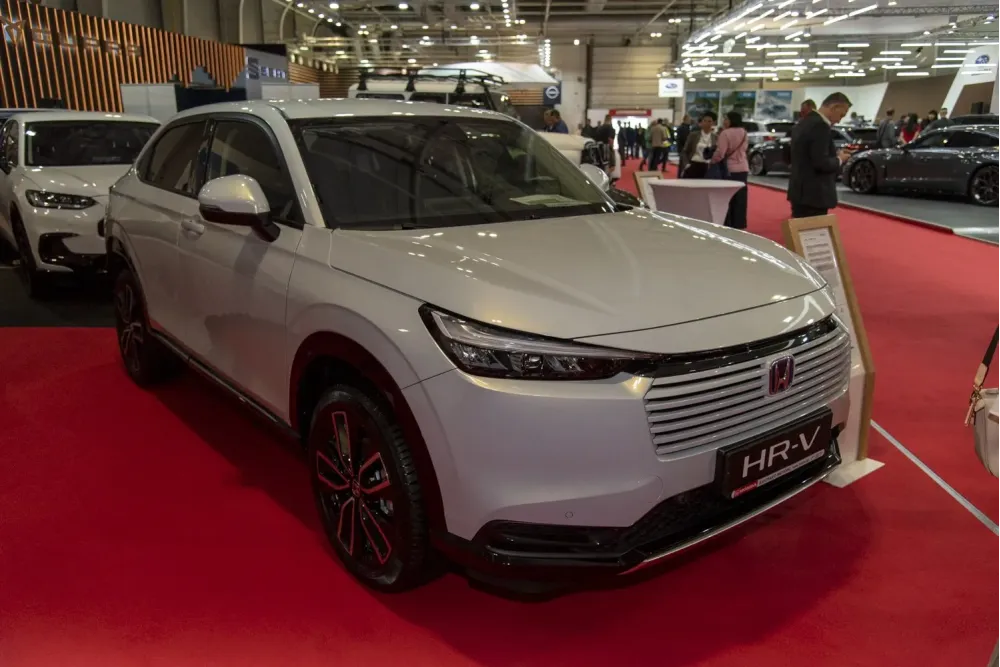
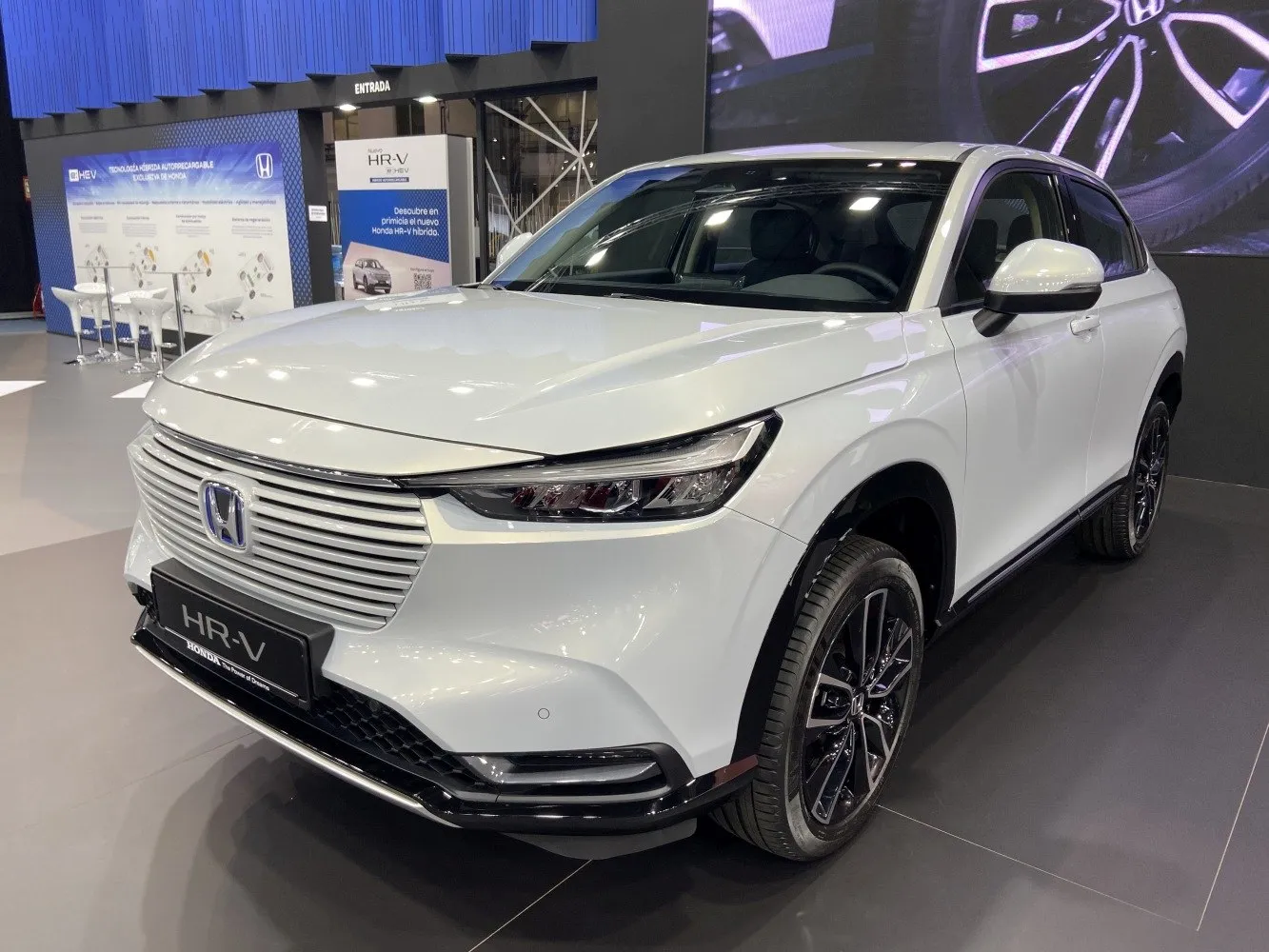
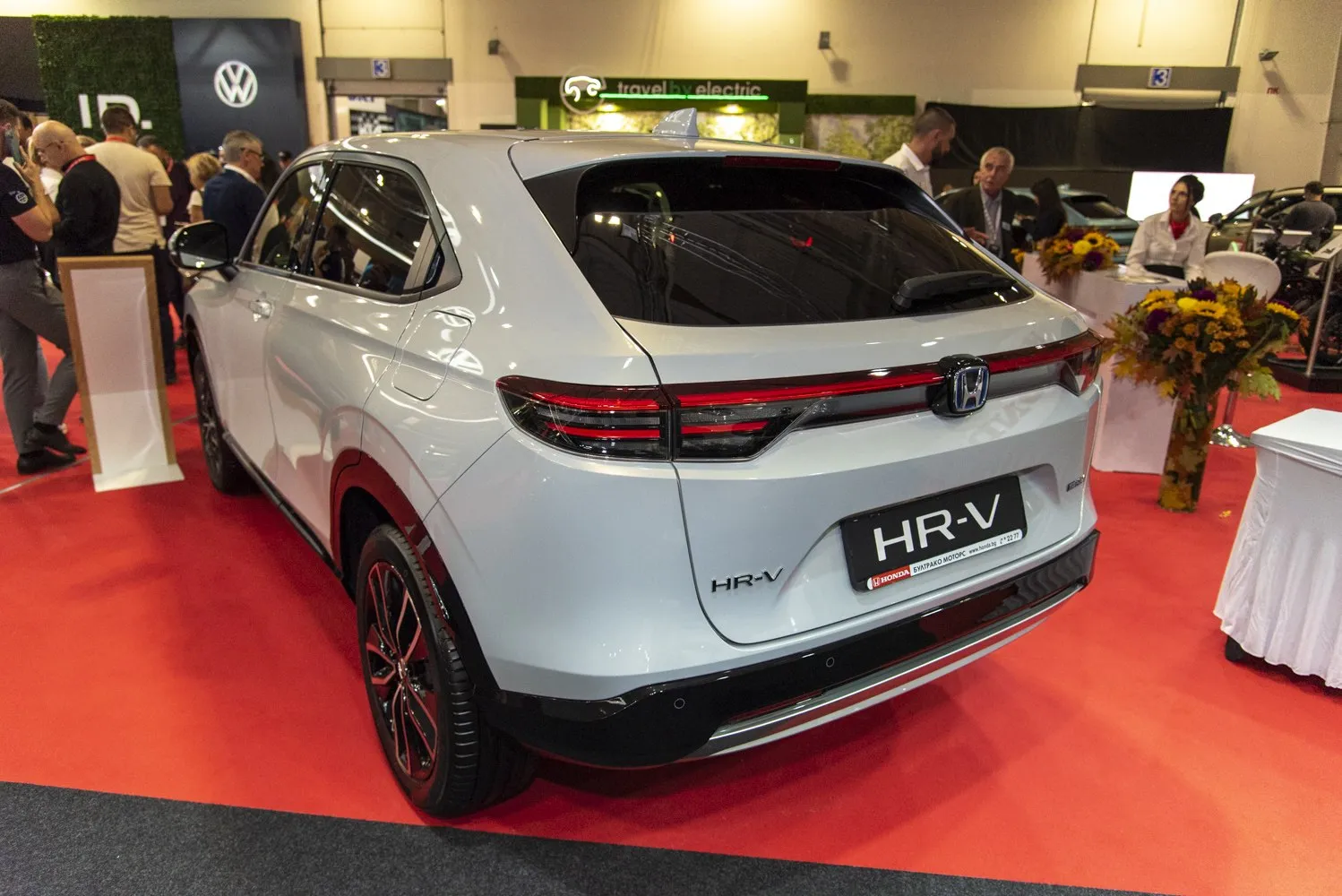
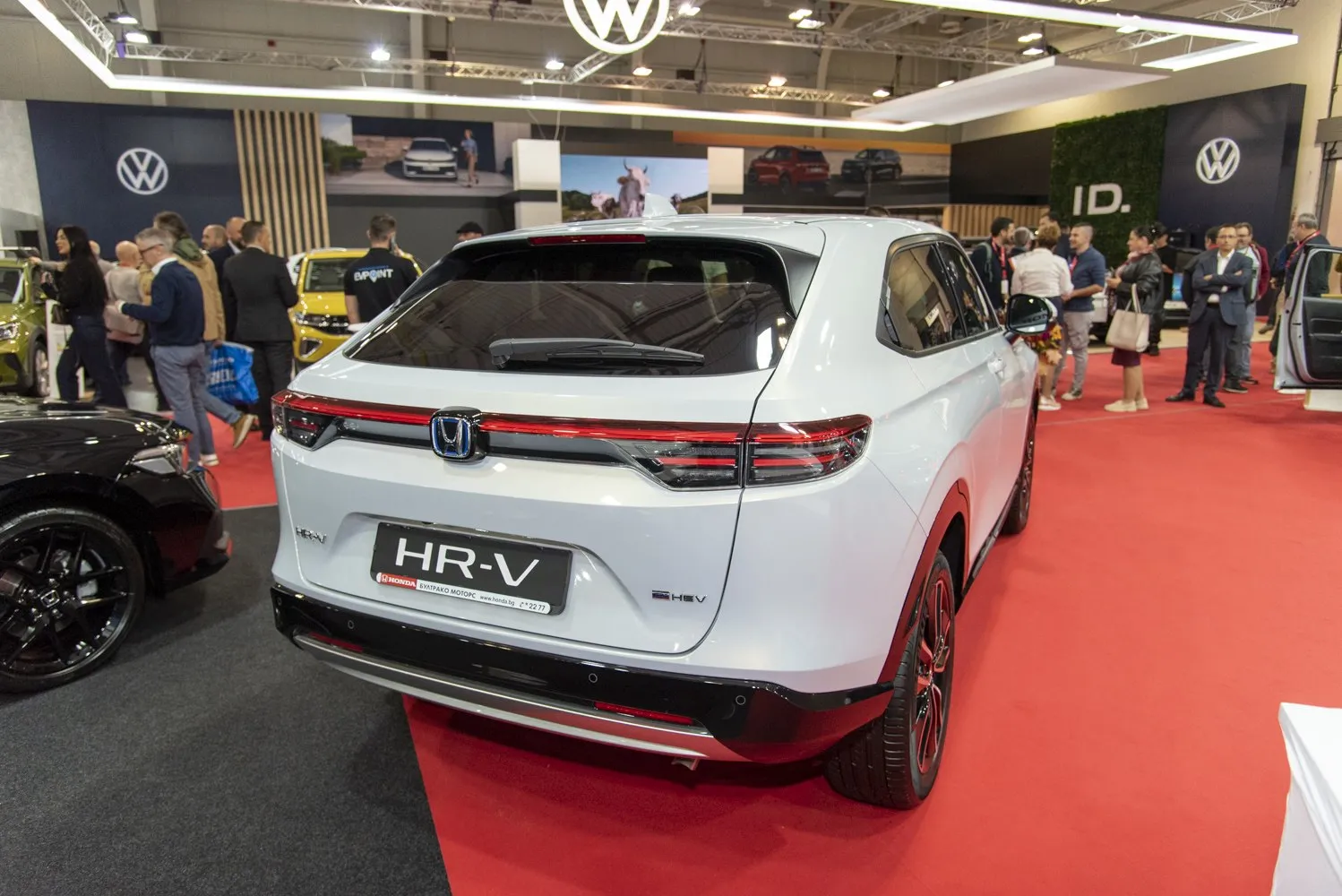
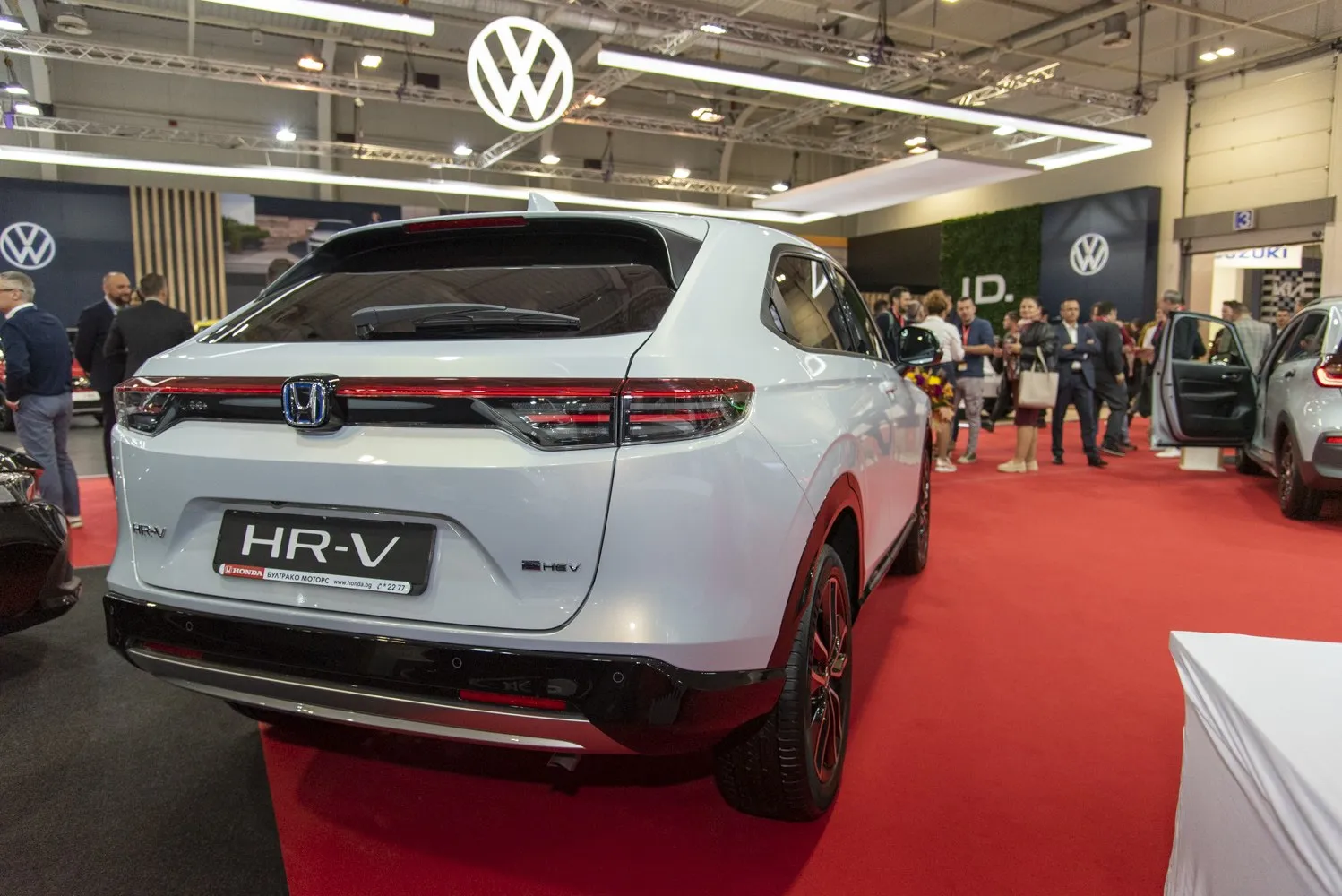
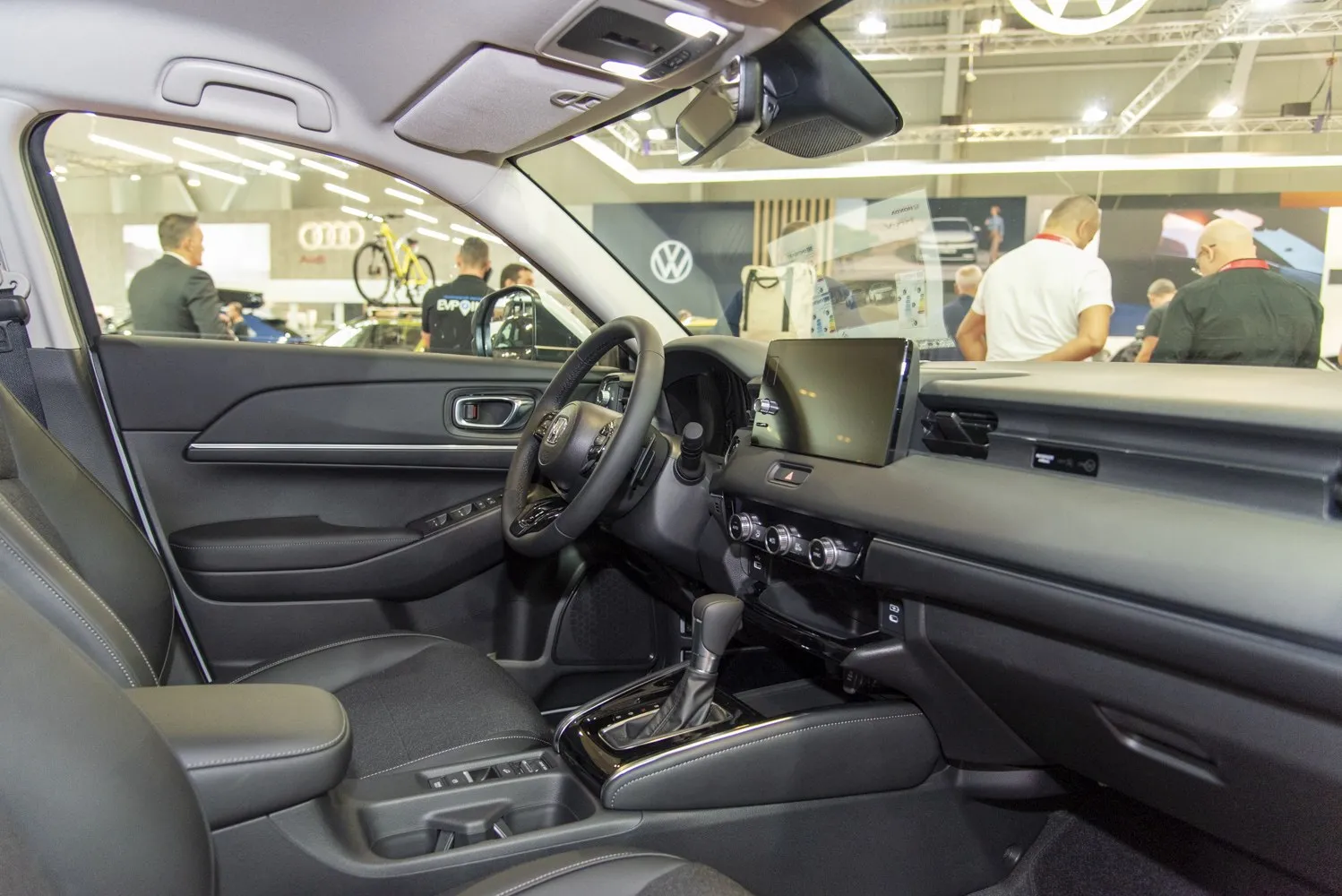
Honda HR-V III (facelift 2024) 1.5 i-MMD (131 Hp) e:HEV e-CVT
People\'s Opinion
N/A / 5
Honda HR-V:
The Honda HR-V is a subcompact crossover SUV manufactured and marketed by Honda over three generations.
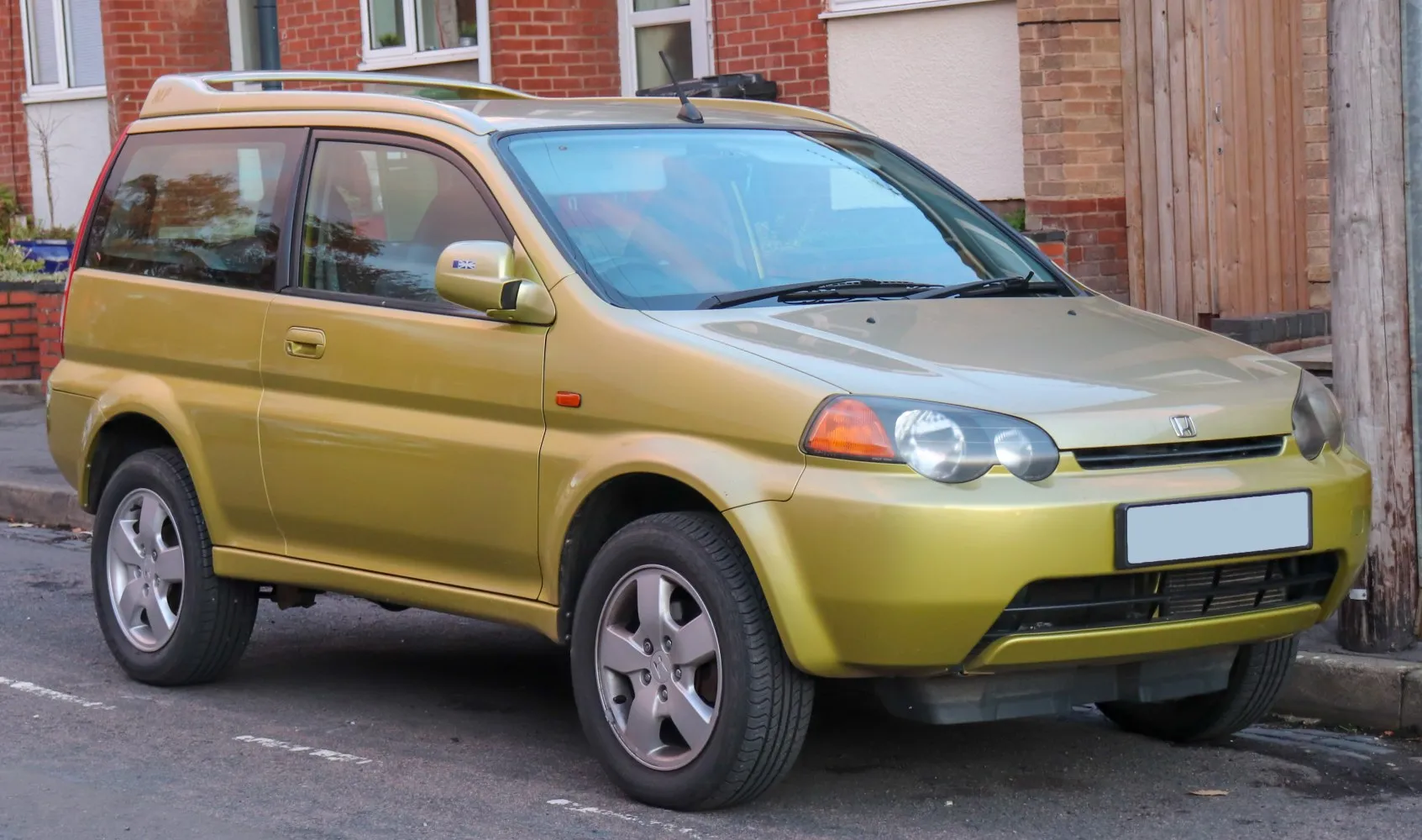
The first generation HR-V, based on the Honda Logo, was marketed from 1999 to 2006 in Europe, Japan and select Asia-Pacific markets, in either three-door or five-door configurations — internally designated GH2 and GH4 respectively.
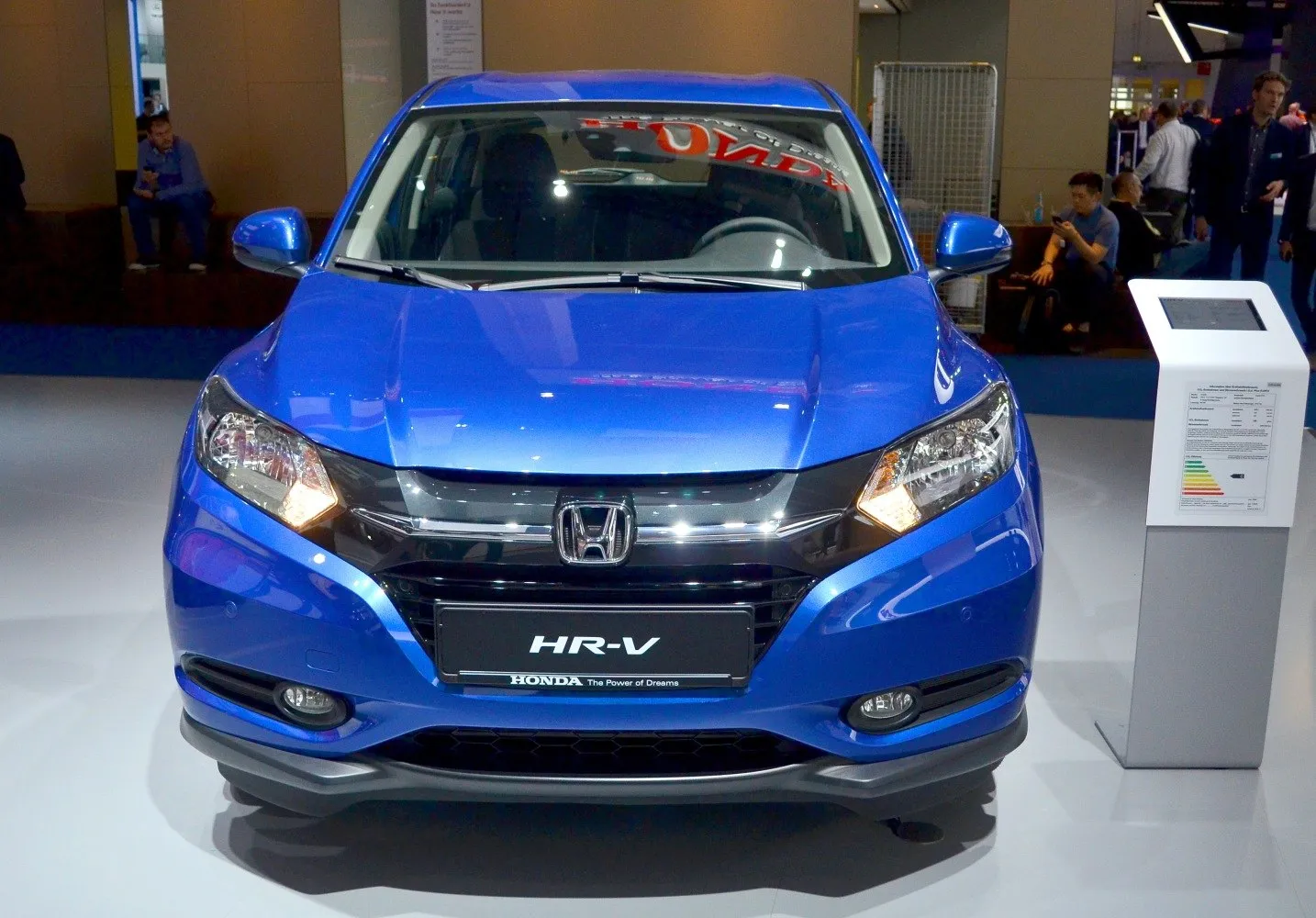
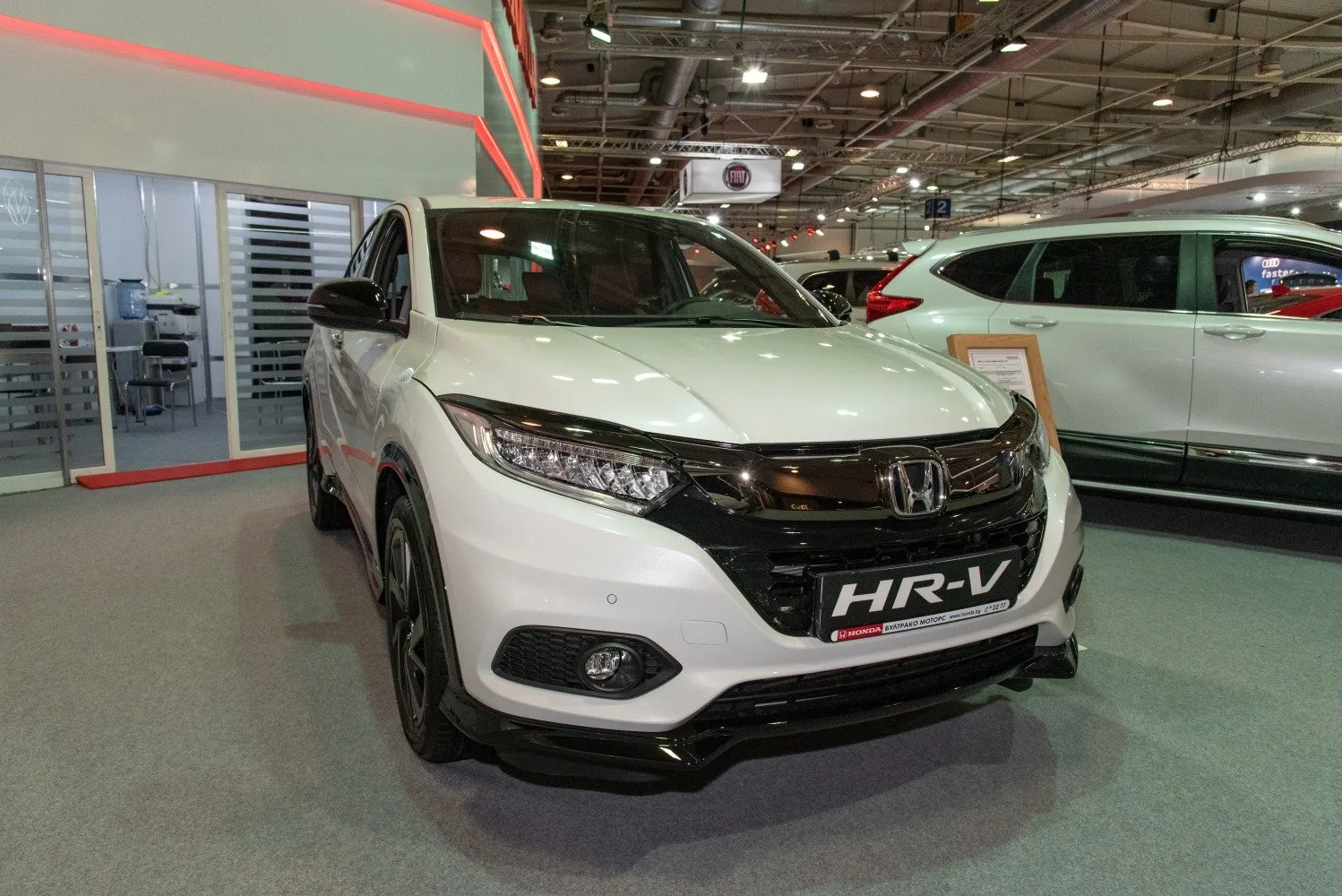
After a seven-year hiatus, Honda reintroduced the nameplate for the second generation HR-V, based on the third-generation Honda Fit. Production began in late 2013 for the Japanese domestic market as the Honda Vezel , while production started in 2015 for North America, Australia, Brazil and select Asian markets as the HR-V. Apart from Japan, the model is also sold as the Vezel in China....(Read more on Wikipedia)
III (facelift 2024) Overview:
Honda HR-V (III (facelift 2024)). With 131 Nm of torque, it offers ample pulling power. With a weight of 1397 kg, it falls in the mid‑range. Front‑wheel drive delivers efficiency and easy handling. Acceleration is relatively slow (0–100 km/h in 10.6 s). The top speed reaches 170 km/h. A sport utility vehicle offering higher ground clearance and versatile cargo space. A vehicle that combines characteristics of SUVs and hatchbacks for versatility. Seating for 5 makes it ideal for daily use.
Performance Verdict
Offers adequate performance for daily driving and urban commutes, with the hybrid system providing smooth acceleration. While not sporty, it's responsive enough for most situations.
Fuel Economy
Exceptional fuel efficiency for a compact SUV, especially in city driving, making it a highly economical choice for everyday use. The e:HEV system excels at maximizing MPG.
Best Use Case:
City / Mixed driving
Pros and Cons:
Pros:
- • Excellent fuel economy from the e:HEV hybrid system
- • Refined and smooth powertrain for urban driving
- • Spacious and versatile interior for its class
- • Reputable Honda reliability and build quality
- • Comprehensive suite of standard safety features
Cons:
- • Modest acceleration, not suited for spirited driving
- • e-CVT can exhibit 'rubber band' effect under hard acceleration
- • Cargo space slightly compromised by battery placement
- • Potentially higher initial purchase price compared to non-hybrid rivals
Specifications:
Specifications are compared to those of the previous generation(II (facelift 2018): 2019 - 2020).
| General: |
| Brand: | Honda |
|---|
| Model: | HR-V |
|---|
| Generation: | III (facelift 2024) |
|---|
| Modification (Engine): | 1.5 i-MMD (131 Hp) e:HEV e-CVT |
|---|
| Start of production: | 2024 |
|---|
| Powertrain Architecture: | FHEV (Full Hybrid Electric Vehicle) |
|---|
| Body type: | SUV, Crossover |
|---|
| Seats: | 5 |
|---|
| Doors: | 5 |
|---|
| Engine: |
| Engine systems: | Start & Stop System |
|---|
| Power: | 107 Hp @ 6000-6400 rpm. Same horsepower |
|---|
| Power per litre: | 71.4 Hp/l [9mm more] |
|---|
| Torque: | 131 Nm @ 4500-5000 rpm. |
|---|
| Engine displacement: | 1498 |
|---|
| Number of cylinders: | 4 |
|---|
| Engine configuration: | Inline |
|---|
| Number of valves per cylinder: | 4 |
|---|
| Fuel injection system: | Multi-port manifold injection |
|---|
| Engine aspiration: | Naturally aspirated engine |
|---|
| Valvetrain: | DOHC, i-VTEC |
|---|
| Engine layout: | Front, Transverse |
|---|
| Cylinder Bore: | 73 mm |
|---|
| Piston Stroke: | 89.5 mm |
|---|
| Compression ratio: | 13.5:1 |
|---|
| Performance: |
| Fuel Type: | Petrol (Gasoline) |
|---|
| Combined fuel consumption (WLTP): | 5.4 l/100 km |
|---|
| Fuel consumption at Low speed (WLTP): | 4.6 l/100 km |
|---|
| Fuel consumption at Medium speed (WLTP): | 4.1 l/100 km |
|---|
| Fuel consumption at high speed (WLTP): | 4.6 l/100 km |
|---|
| Fuel consumption at very high speed (WLTP): | 7.1 l/100 km |
|---|
| Emission standard: | Euro 6e |
|---|
| Acceleration 0 - 100 km/h: | 10.6 sec |
|---|
| Acceleration 0 - 62 mph: | 10.6 sec |
|---|
| Maximum speed: | 170 km/h |
|---|
| Weight-to-power ratio: | 10.5 kg/Hp, 94.9 Hp/tonne |
|---|
| Weight-to-torque ratio: | 10.5 kg/Nm, 94.9 Nm/tonne |
|---|
| Acceleration 0 - 60 mph: | 10.1 sec |
|---|
| Space: |
| Kerb Weight: | 1380-1415 |
|---|
| Max. weight: | 1870 |
|---|
| Max. roof load: | 50 kg |
|---|
| Max load: | 455-490 |
|---|
| Trunk (boot) space - maximum: | 1305 l |
|---|
| Trunk (boot) space - minimum: | 304 l |
|---|
| Fuel tank capacity: | 40 l |
|---|
| Size: |
| Length: | 4355 mm [9mm more] |
|---|
| Width: | 1790 mm [229mm less] |
|---|
| Height: | 1582 mm [23mm less] |
|---|
| Wheelbase: | 2610 mm [Same wheelbase.] |
|---|
| Width with mirrors folded: | 1866 mm |
|---|
| Width including mirrors: | 2028 mm |
|---|
| Front track: | 1535 mm |
|---|
| Rear (Back) track: | 1540 mm |
|---|
| Ride height (ground clearance): | 188 mm |
|---|
| Minimum turning circle (turning diameter): | 11.3 m [above average] |
|---|
| Powertrain: |
| Drivetrain Architecture | The Internal combustion engine (ICE) and electric motor drive the front wheels of the car with the ability to work in full electric or mixed mode. |
|---|
| Drive wheel | Front wheel drive |
|---|
| Transmission type | Automatic |
|---|
| Gearbox type | e-CVT |
|---|
| Front brakes | Ventilated discs [Best for performance and cooling.] |
|---|
| Rear brakes | Disc [above average] |
|---|
| Assisting systems | ABS (Anti-lock braking system) |
|---|
| Steering type | Steering rack and pinion |
|---|
| Power steering | Electric Steering |
|---|
| Tires size | 225/50 R18 |
|---|
| Wheel rims size | 7.5J x 18 |
|---|
| Front suspension | Independent, type McPherson with coil spring and anti-roll bar |
|---|
| Rear suspension | Semi-independent, coil spring |
|---|
| Electric: |
| Battery technology: | Lithium-ion (Li-Ion) |
|---|
| Battery location: | Under the trunk |
|---|
| System power: | 131 Hp |
|---|
| Electric motor power: | 131 Hp |
|---|
| Electric motor Torque: | 253 Nm |
|---|
| Electric motor location: | Integrated into the transmission |
|---|







Driven it? Loved it? Hated it? Share your honest review!