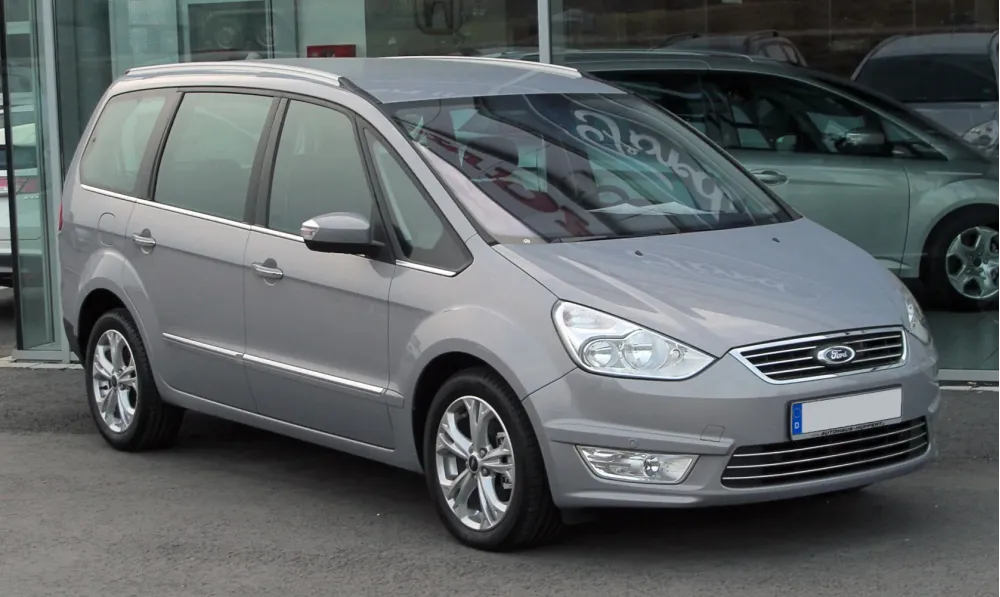
Click on image to view the full photo gallery
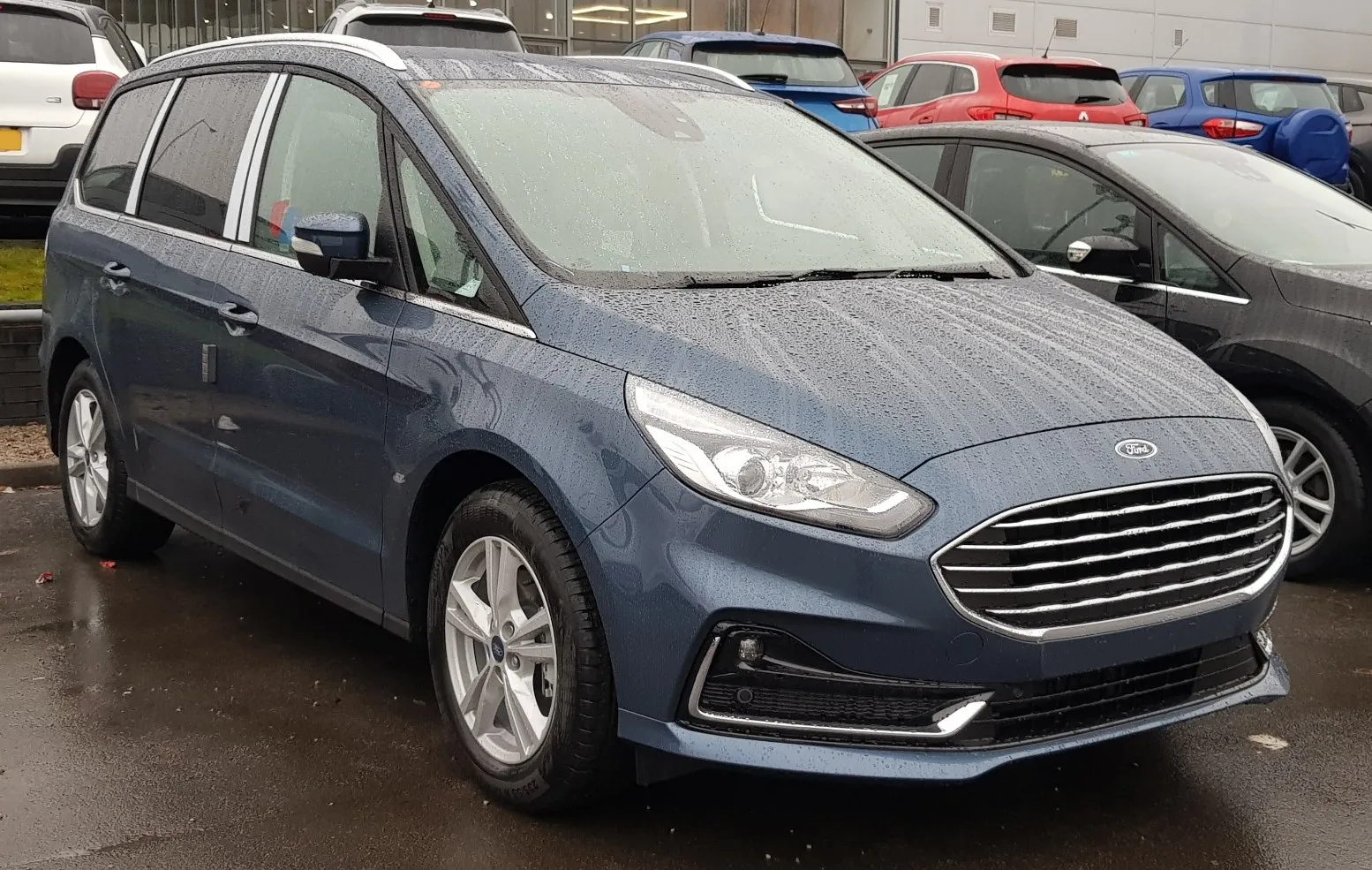
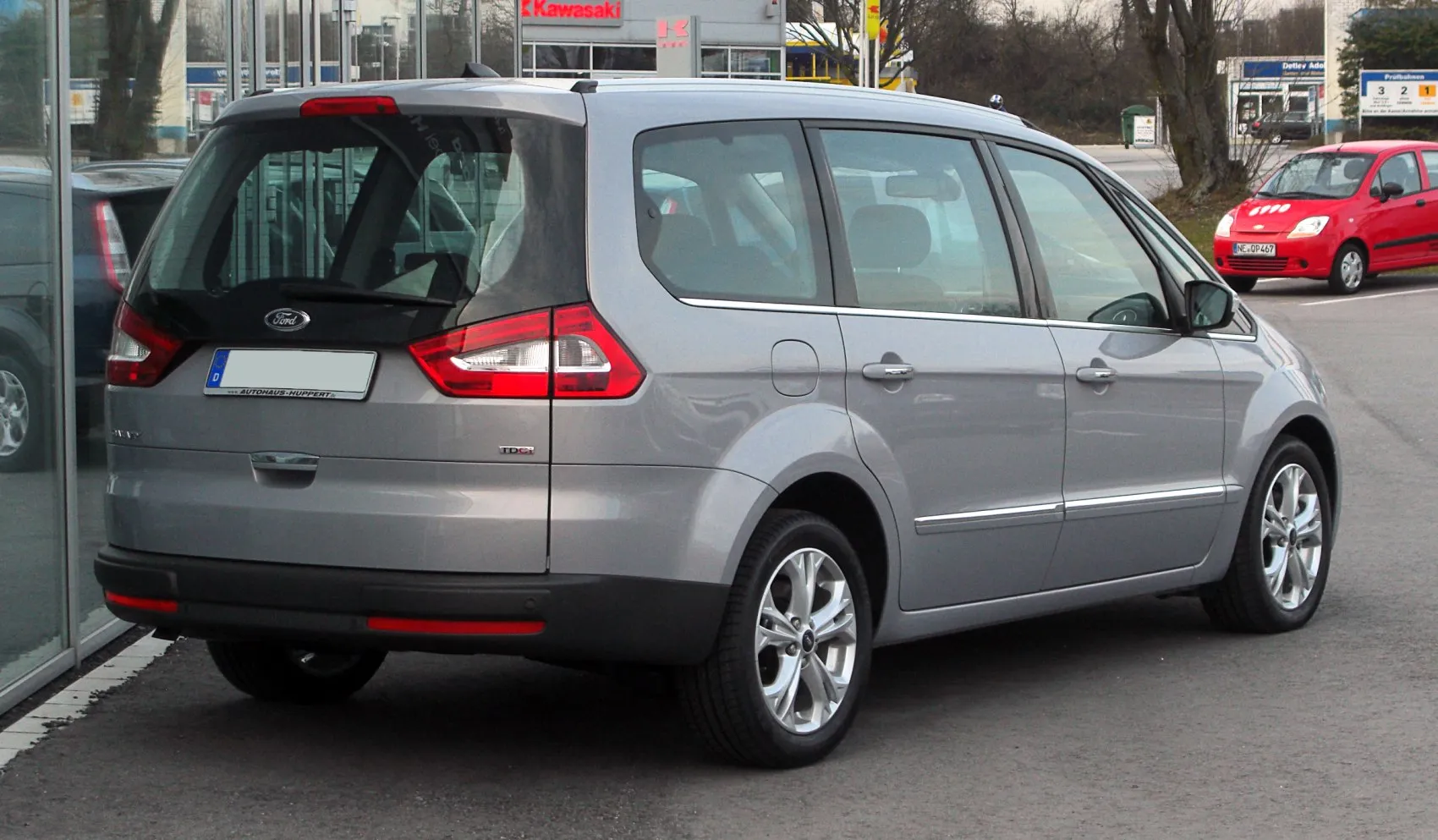
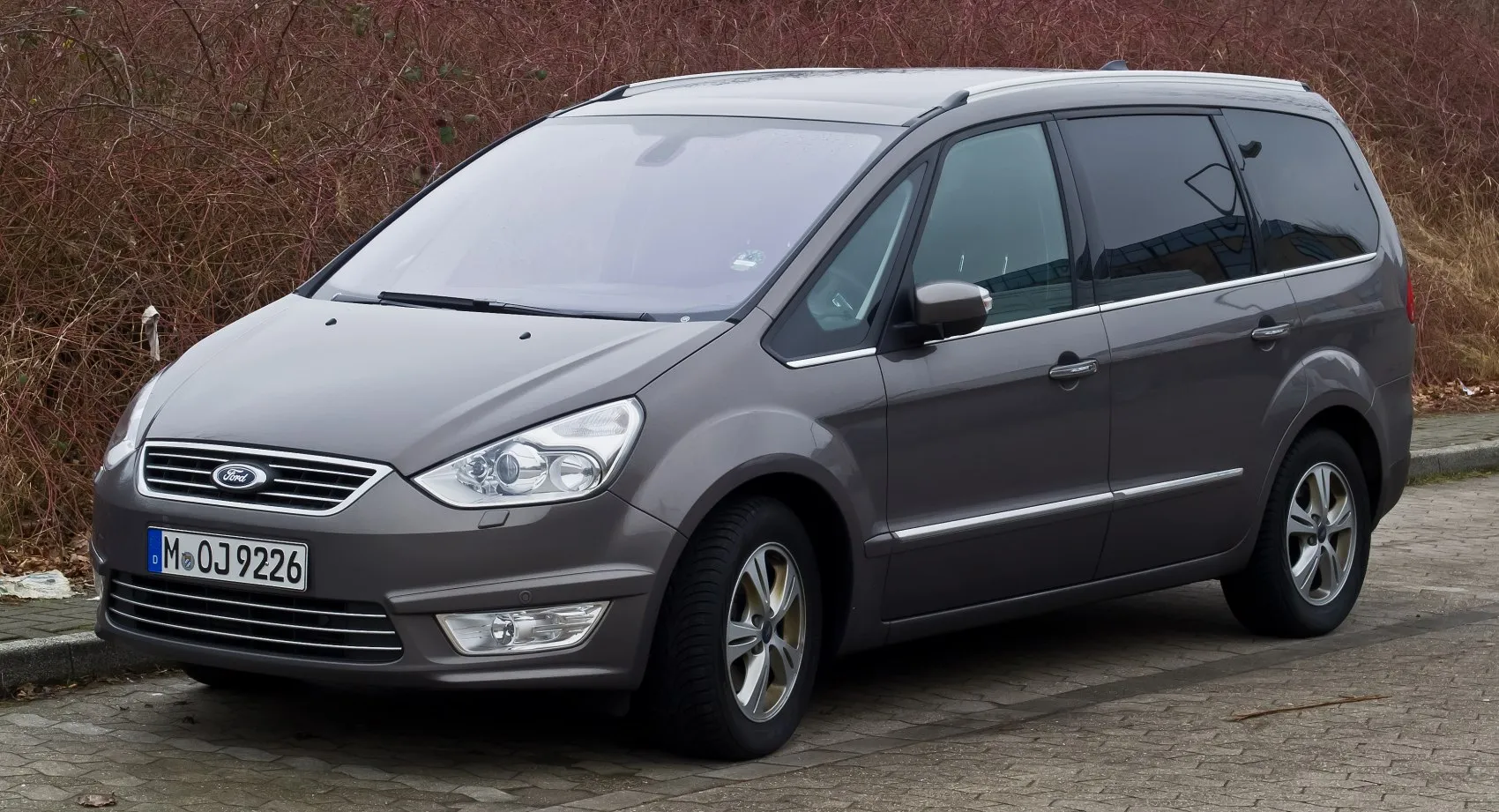
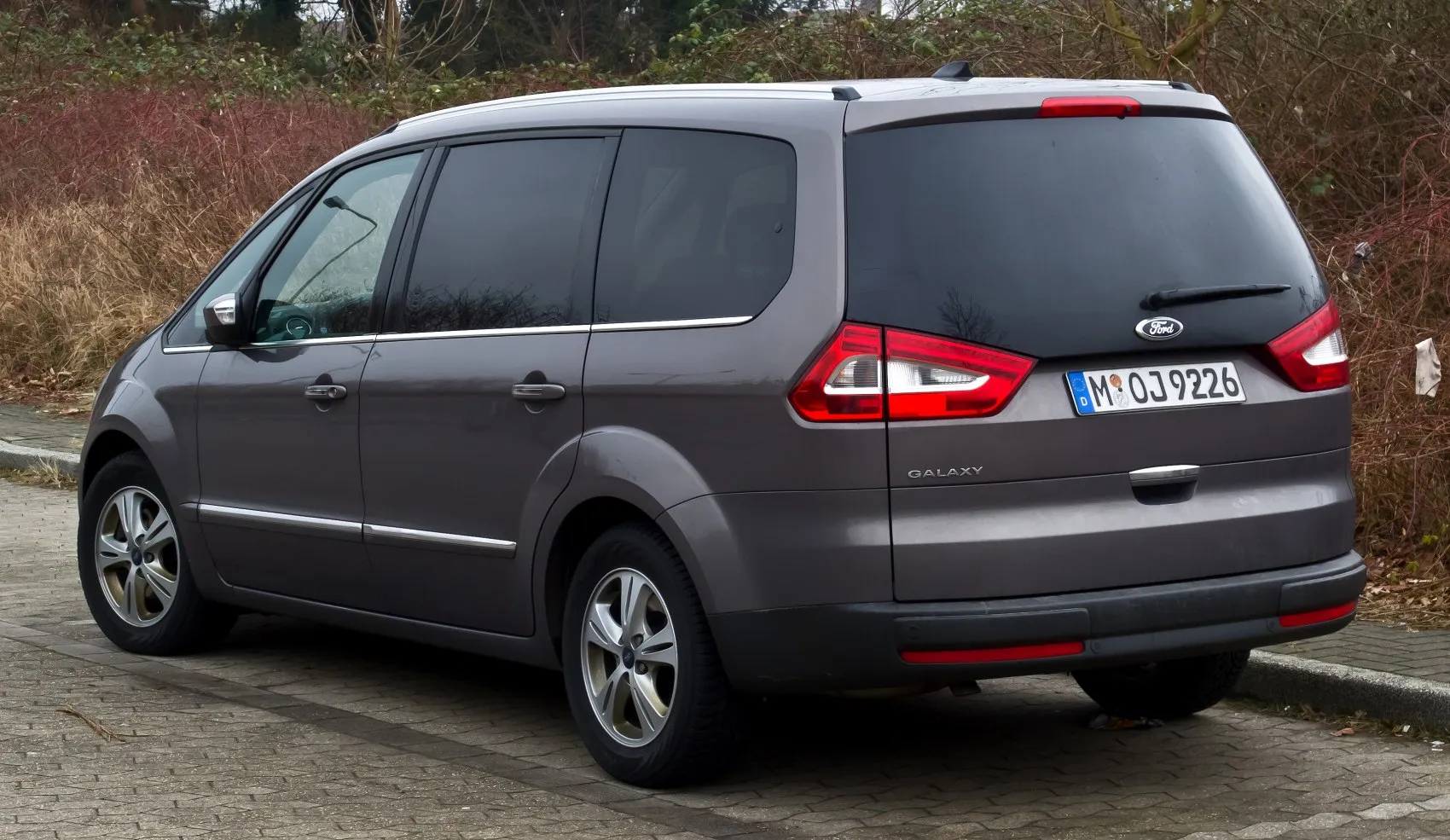
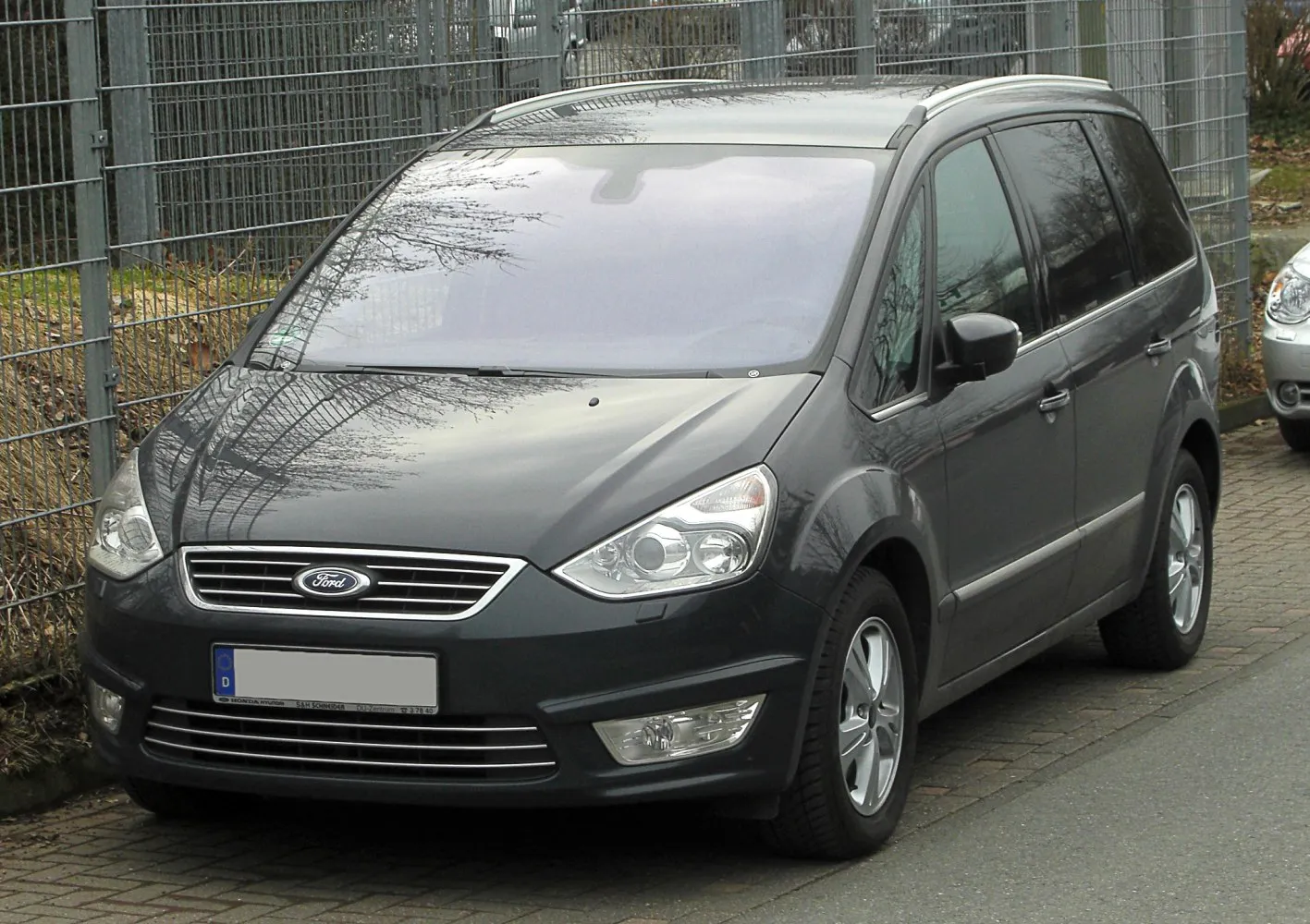
Ford Galaxy II (facelift 2010) 2.2 TDCi (200 Hp)
Overall Rating
Ford Galaxy:
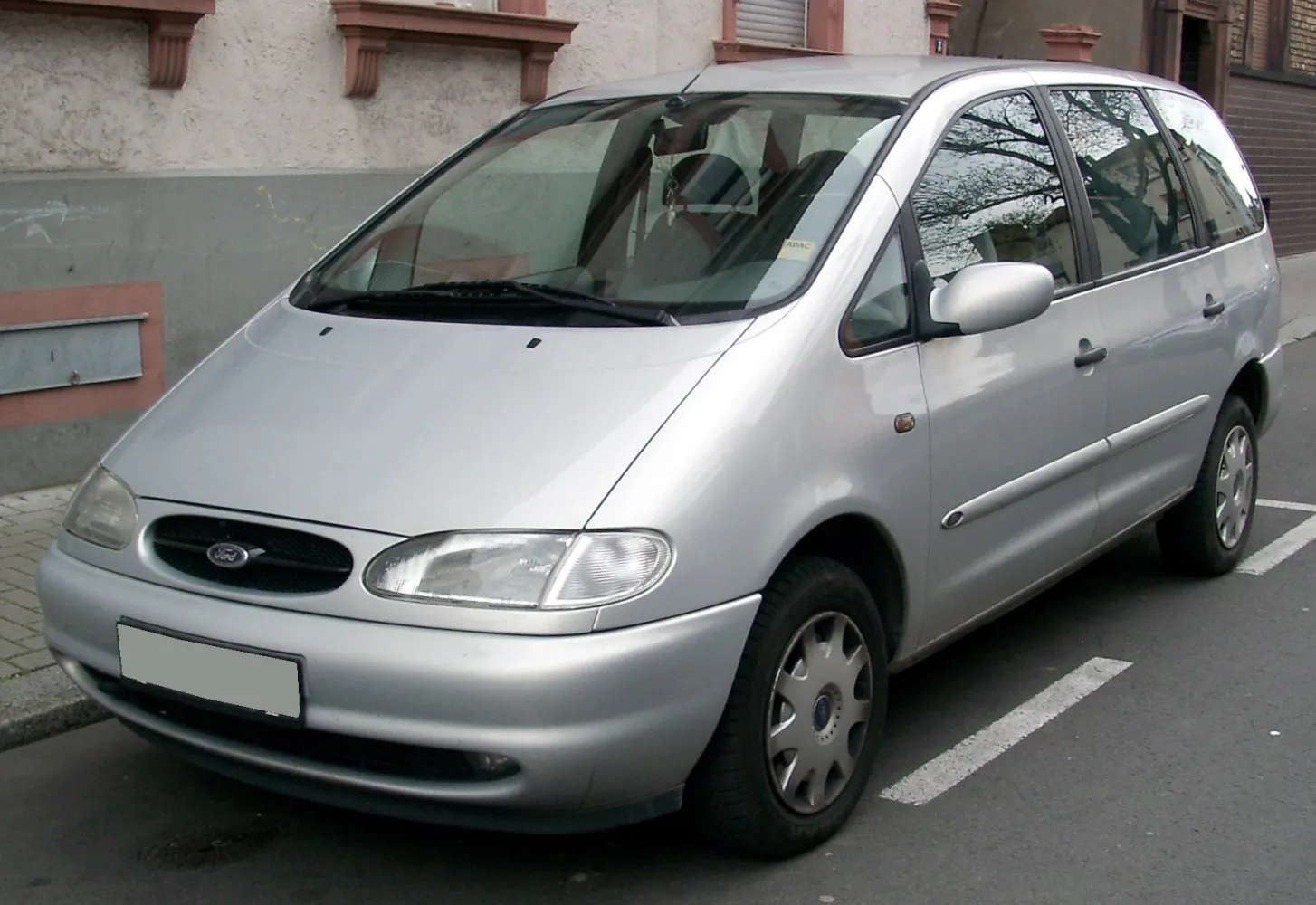
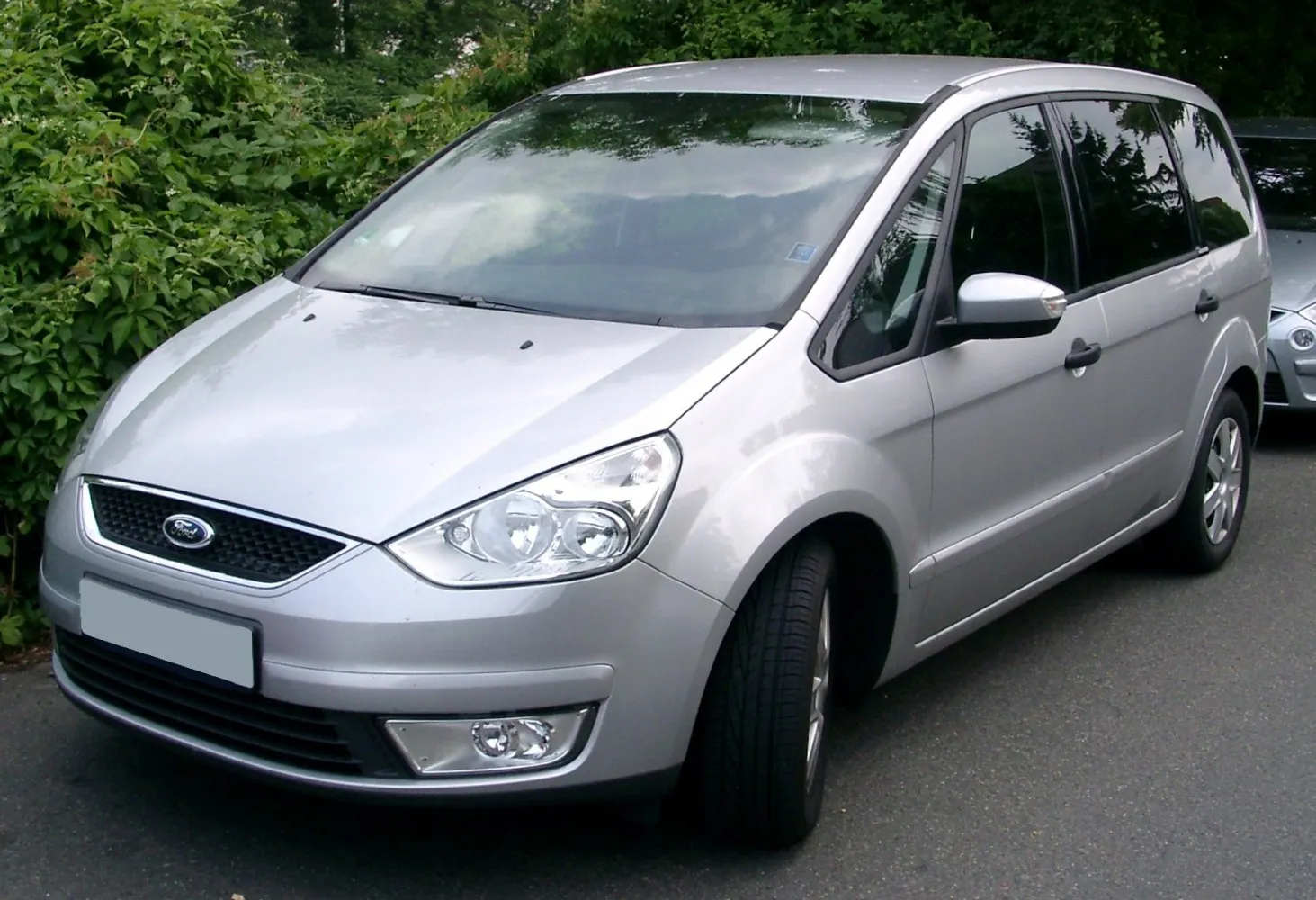
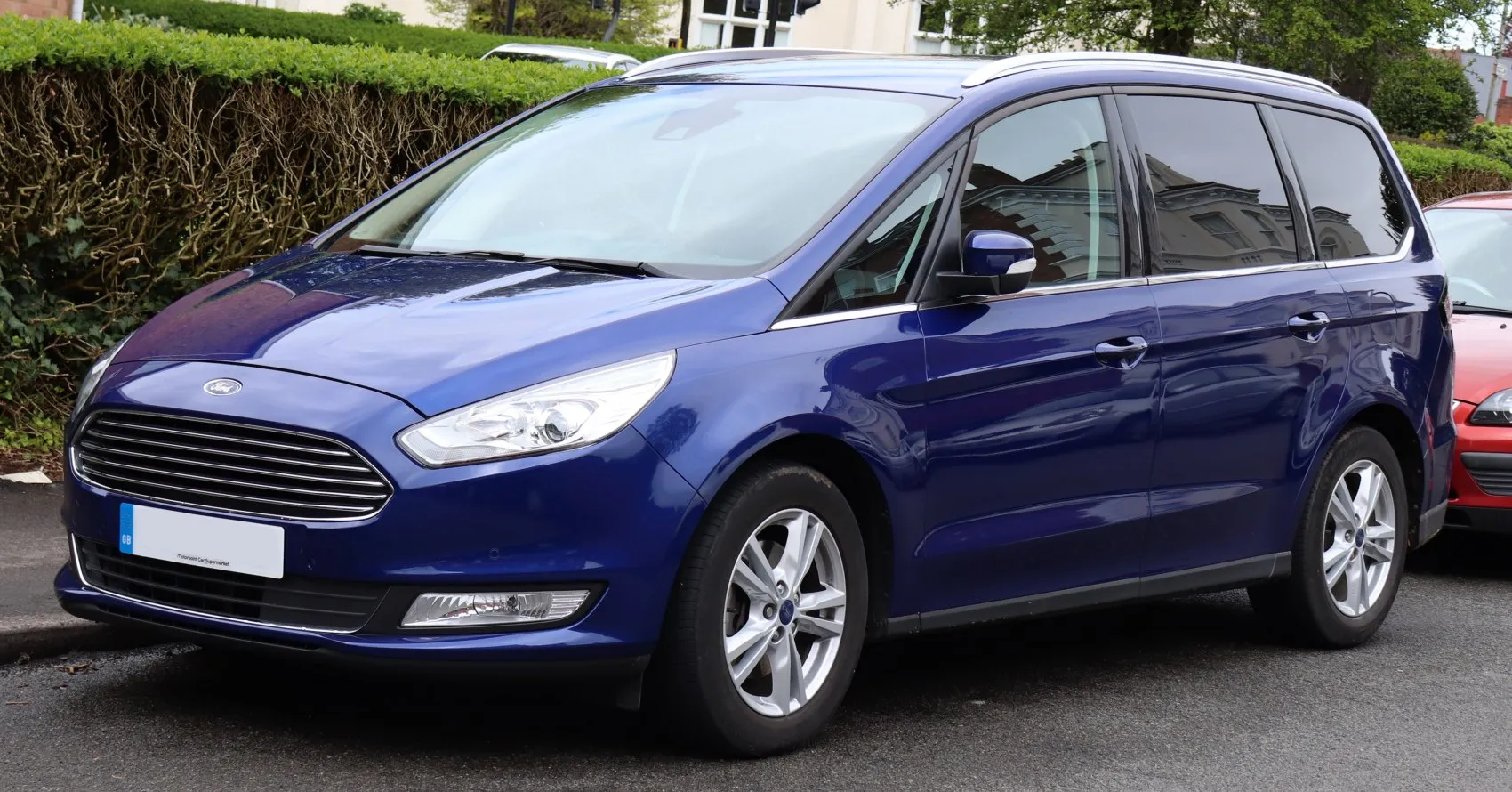
The Ford Galaxy is a seven-seater car produced by Ford of Europe from June 1995 to April 2023. Considered in the motor industry to be a large multi-purpose vehicle , it was the first Ford-brand MPV produced and marketed outside of North America, the model line is currently in its third generation. Sharing its platform architecture with the Ford Mondeo, the Galaxy was developed alongside the Ford S-Max; the model line is slotted between the Connect and Custom variants of the Ford Tourneo/Transit model family....(Read more on Wikipedia)
II (facelift 2010) Overview:
Ford Galaxy (II (facelift 2010)). With 420 Nm of torque, it offers ample pulling power. It has moderate fuel consumption (~8.4 l/100km). With a weight of 1765 kg, it falls in the mid‑range. Front‑wheel drive delivers efficiency and easy handling. Acceleration is good (0–100 km/h in 8.8 s). The top speed reaches 215 km/h. A spacious vehicle designed to transport passengers comfortably, often with sliding doors. With seating for 7, it’s perfect for larger families.
2.2 TDCi (200 Hp) Verdict:

Performance Verdict
The most powerful diesel option, providing excellent acceleration and strong torque for effortless overtaking, making it ideal for heavy loads and towing.
Fuel Economy
Impressive fuel economy for a high-output diesel, offering a great blend of performance and reasonable running costs for a vehicle of its size.
Pros and Cons:
Pros:
- • Spacious and highly versatile 7-seater interior with flexible seating arrangements.
- • Comfortable ride quality, well-suited for long journeys and family trips.
- • Wide range of efficient and capable diesel engines available.
- • Strong Euro NCAP 5-star safety rating provides peace of mind.
- • Practical and well-equipped for family transport needs.
Cons:
- • The 1.6 TDCi engine can feel underpowered when the vehicle is fully loaded.
- • Petrol EcoBoost models have significantly higher fuel consumption compared to diesels.
- • Early PowerShift automatic transmissions can have reported reliability concerns.
- • Its large size can make maneuvering and parking challenging in tight urban spaces.
- • Interior design, while functional, might lack some premium feel compared to rivals.
Specifications:
Specifications are compared to those of the previous generation(II: 2008 - 2010).
| General: | |
|---|---|
| Brand: | Ford |
| Model: | Galaxy |
| Generation: | II (facelift 2010) |
| Modification (Engine): | 2.2 TDCi (200 Hp) |
| Start of production: | 2010 |
| End of production: | 2015 |
| Powertrain Architecture: | Internal Combustion engine |
| Body type: | Minivan |
| Seats: | 7 |
| Doors: | 5 |
| Engine: | |
|---|---|
| Engine systems: | Particulate filter |
| Power: | 200 Hp @ 3500 rpm. Same horsepower |
| Power per litre: | 91.8 Hp/l [1mm less] |
| Torque: | 420 Nm @ 1750-3000 rpm. |
| Engine Model/Code: | KNWA More details about the engine KNWA |
| Engine displacement: | 2179 |
| Number of cylinders: | 4 |
| Engine configuration: | Inline |
| Number of valves per cylinder: | 4 |
| Fuel injection system: | Diesel Commonrail |
| Engine aspiration: | Turbocharger, Intercooler |
| Valvetrain: | DOHC |
| Engine oil capacity: | 6 l |
| Coolant: | 8.4 l |
| Engine layout: | Front, Transverse |
| Cylinder Bore: | 85 mm mm |
| Piston Stroke: | 96 mm mm |
| Performance: | |
|---|---|
| Fuel Type: | Diesel |
| Fuel consumption (economy) - urban: | 8.4 l/100 km |
| Fuel consumption (economy) - extra urban: | 5.8 l/100 km |
| Fuel consumption (economy) - combined (NEDC): | 6.8 l/100 km |
| Fuel consumption (economy) - urban (NEDC): | 8.4 l/100 km |
| Fuel consumption (economy) - extra urban (NEDC): | 5.8 l/100 km |
| Fuel consumption (economy) - combined: | 6.8 l/100 km |
| Emission standard: | Euro 5 |
| Acceleration 0 - 100 km/h: | 8.8 sec |
| Acceleration 0 - 62 mph: | 8.8 sec |
| Maximum speed: | 215 km/h |
| Weight-to-power ratio: | 8.8 kg/Hp, 113.3 Hp/tonne |
| Weight-to-torque ratio: | 4.2 kg/Nm, 238 Nm/tonne |
| Acceleration 0 - 60 mph: | 8.4 sec |
| Space: | |
|---|---|
| Kerb Weight: | 1765 |
| Max. weight: | 2505 |
| Max. roof load: | 75 kg |
| Max load: | 740 |
| Trunk (boot) space - maximum: | 2325 l |
| Trunk (boot) space - minimum: | 308 l |
| Permitted trailer load with brakes (12%): | 1800 kg |
| Fuel tank capacity: | 70 l |
| Permitted trailer load without brakes: | 750 kg |
| Permitted towbar download: | 90 kg |
| Permitted trailer load with brakes (8%): | 2000 kg |
| Size: | |
|---|---|
| Length: | 4819 mm mm [1mm less] |
| Width: | 1884 mm mm [30mm more] |
| Height: | 1770-1811 mm mm [47mm more] |
| Wheelbase: | 2850 mm mm [Same wheelbase.] |
| Width with mirrors folded: | 1961 mm |
| Width including mirrors: | 2154 mm |
| Front track: | 1578-1588 mm |
| Rear (Back) track: | 1595-1605 mm |
| Minimum turning circle (turning diameter): | 11.9 m [above average] |
| Powertrain: | |
|---|---|
| Drivetrain Architecture | The Internal combustion engine (ICE) drives the front wheels of the vehicle. |
| Drive wheel | Front wheel drive |
| Number of gears | 6 |
| Transmission type | Manual |
| Front brakes | Ventilated discs [Best for performance and cooling.] |
| Rear brakes | Disc [above average] |
| Assisting systems | ABS (Anti-lock braking system) |
| Steering type | Steering rack and pinion |
| Power steering | Electric Steering |
| Tires size | 225/50 R17; 235/45 R18 |
| Wheel rims size | 7J x 17; 8J x 18 |
| Front suspension | Independent, type McPherson with coil spring and anti-roll bar |
| Rear suspension | Independent multi-link spring suspension with stabilizer |











Fuel, speed, and comfort: How does the Ford Galaxy rank in your book?