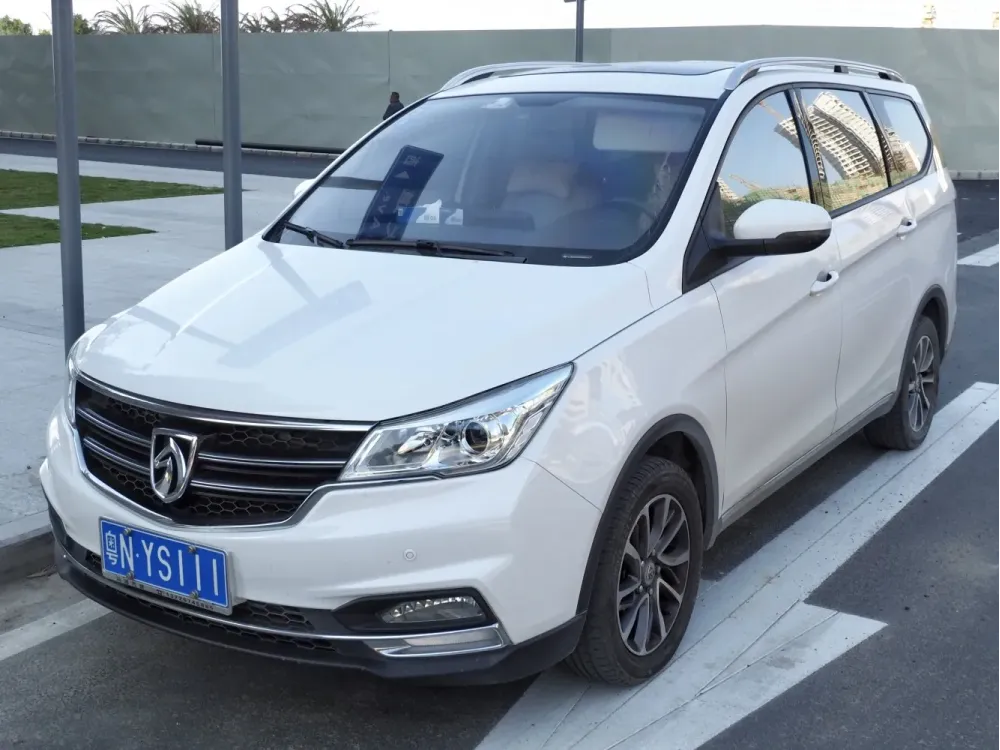
Click on image to view the full photo gallery
Baojun 730 II 1.5T (151 Hp) CVT
Overall Rating
Baojun 730:
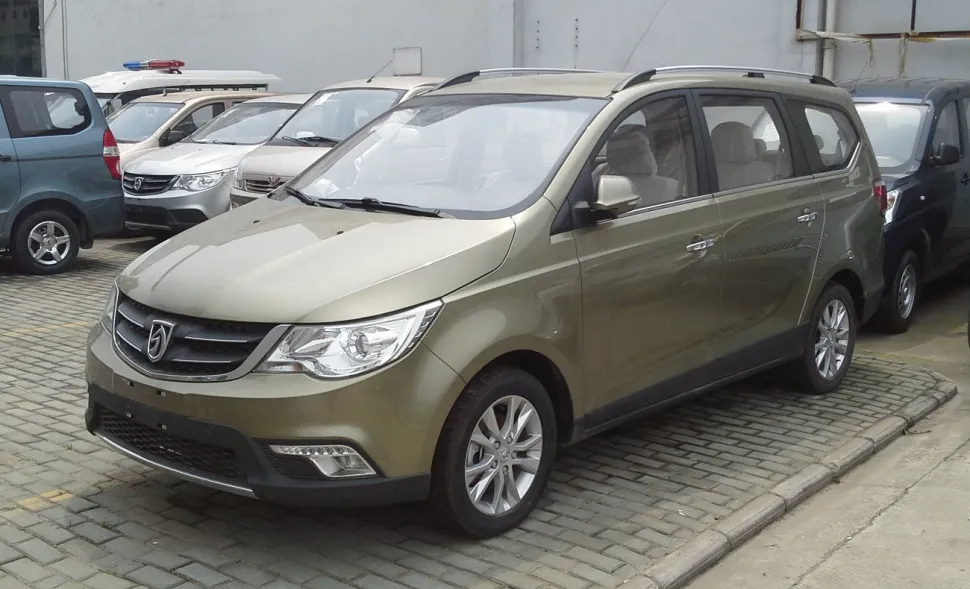
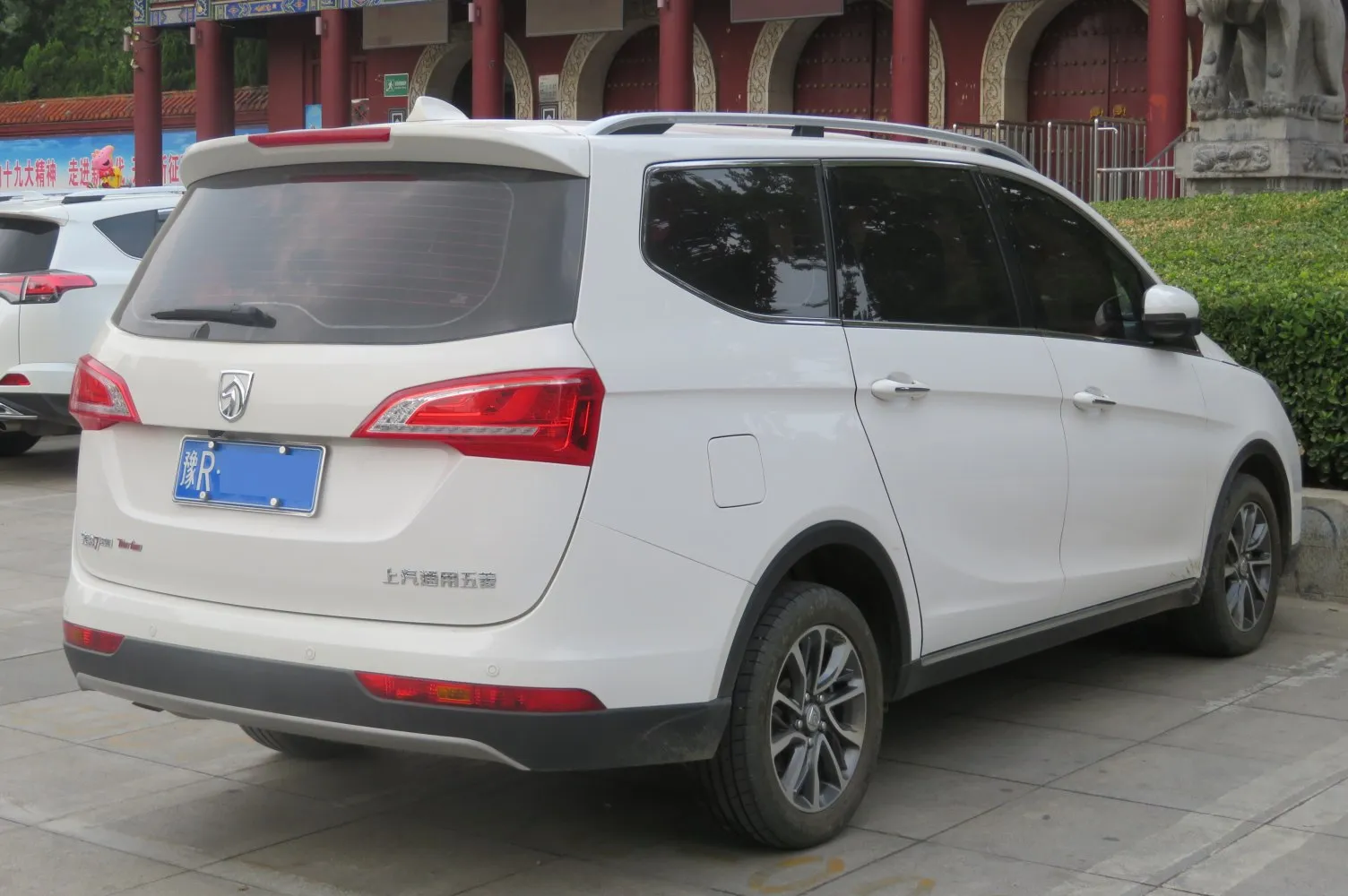
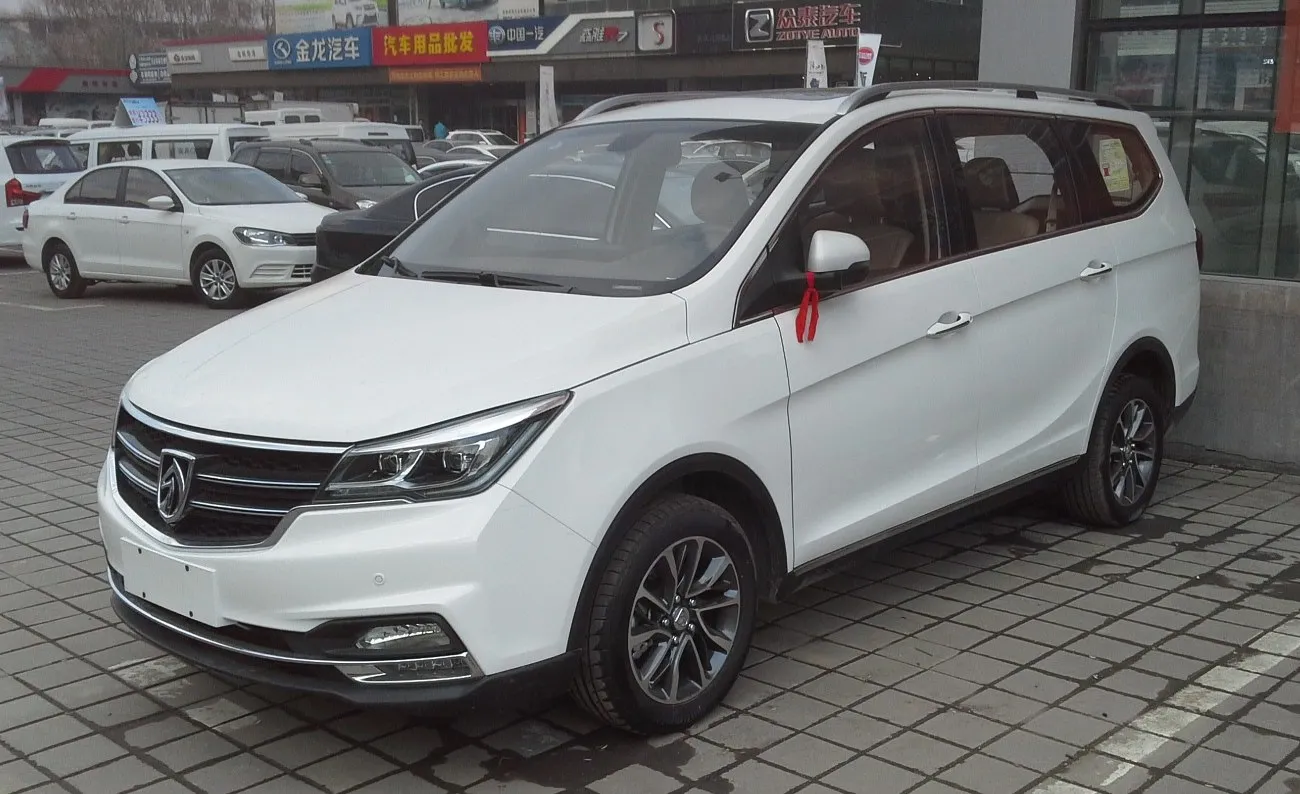
The Baojun 730 is a minivan produced by SAIC-GM-Wuling through the Baojun brand. The 730 was launched at the 2014 Auto China and developed at the SAIC-GM-Wuling Chinese joint venture specifically for the Chinese market. Baojun sold 250,000 units of the car in the first year of sales.
The first-generation 730 is available in two four-cylinder engine options: a 1. 5-litre engine producing 82 kW and 146 N⋅m of torque and a 1. 8-litre unit producing 101 kW. The suspension system was tuned by Lotus....(Read more on Wikipedia)
II Overview:
Baojun 730 (II). With a weight of 1544 kg, it falls in the mid‑range. Front‑wheel drive delivers efficiency and easy handling. The top speed reaches 170 km/h. A multi-purpose vehicle designed to transport passengers with ample interior space. With seating for 7, it’s perfect for larger families.
The Baojun 730 II was primarily sold in markets where Euro NCAP testing is not standard. No Euro NCAP rating is available for this model.
1.5T (151 Hp) CVT Verdict:

Performance Verdict
A refined combination of a capable 151 Hp turbo engine and a smooth CVT, delivering comfortable and consistent power for family journeys.
Fuel Economy
Fuel consumption of 8.0 l/100 km is on the higher side for this engine, likely due to tuning or specific driving conditions, but still offers automatic convenience.
Pros and Cons:
Pros:
- • Spacious 7-seater interior
- • Range of efficient engine options, including turbo and mild-hybrid
- • Good value for money in its segment
- • Comfortable ride for families
- • Modern infotainment features (for its time)
Cons:
- • Limited availability outside specific markets
- • Interior material quality may not match premium rivals
- • Naturally aspirated engines can feel underpowered when fully loaded
- • No Euro NCAP safety rating available
- • Higher fuel consumption on some automatic variants
Specifications:
Specifications are compared to those of the previous generation(II: July, 2019 - August, 2022).
| General: | |
|---|---|
| Brand: | Baojun |
| Model: | 730 |
| Generation: | II |
| Modification (Engine): | 1.5T (151 Hp) CVT |
| Start of production: | March, 2019 |
| End of production: | August, 2022 |
| Powertrain Architecture: | Internal Combustion engine |
| Body type: | MPV |
| Seats: | 7 |
| Doors: | 5 |
| Engine: | |
|---|---|
| Power: | 151 Hp Same horsepower |
| Power per litre: | 104.1 Hp/l [Same length.] |
| Engine displacement: | 1451 |
| Number of cylinders: | 4 |
| Engine configuration: | Inline |
| Number of valves per cylinder: | 4 |
| Fuel injection system: | Multi-port manifold injection |
| Engine aspiration: | Turbocharger, Intercooler |
| Valvetrain: | DVVT |
| Engine layout: | Front, Transverse |
| Performance: | |
|---|---|
| Fuel Type: | Petrol (Gasoline) |
| Fuel consumption (economy) - combined: | 8 l/100 km |
| Emission standard: | China V |
| Maximum speed: | 170 km/h |
| Weight-to-power ratio: | 10.2 kg/Hp, 97.8 Hp/tonne |
| Space: | |
|---|---|
| Kerb Weight: | 1544 |
| Fuel tank capacity: | 52 l |
| Size: | |
|---|---|
| Length: | 4780 mm mm [Same length.] |
| Width: | 1780 mm mm [Same width.] |
| Height: | 1740-1775 mm mm [35mm less] |
| Wheelbase: | 2750 mm mm [Same wheelbase.] |
| Front track: | 1546 mm |
| Rear (Back) track: | 1541 mm |
| Powertrain: | |
|---|---|
| Drivetrain Architecture | The Internal combustion engine (ICE) drives the front wheels of the vehicle. |
| Drive wheel | Front wheel drive |
| Transmission type | Automatic |
| Gearbox type | CVT |
| Front brakes | Ventilated discs [Best for performance and cooling.] |
| Rear brakes | Disc |
| Assisting systems | ABS (Anti-lock braking system) |
| Steering type | Steering rack and pinion |
| Power steering | Electric Steering |
| Tires size | 205/55 R16 |
| Wheel rims size | 16 |
| Front suspension | Independent type McPherson |
| Rear suspension | Torsion |





Fuel, speed, and comfort: How does the Baojun 730 rank in your book?