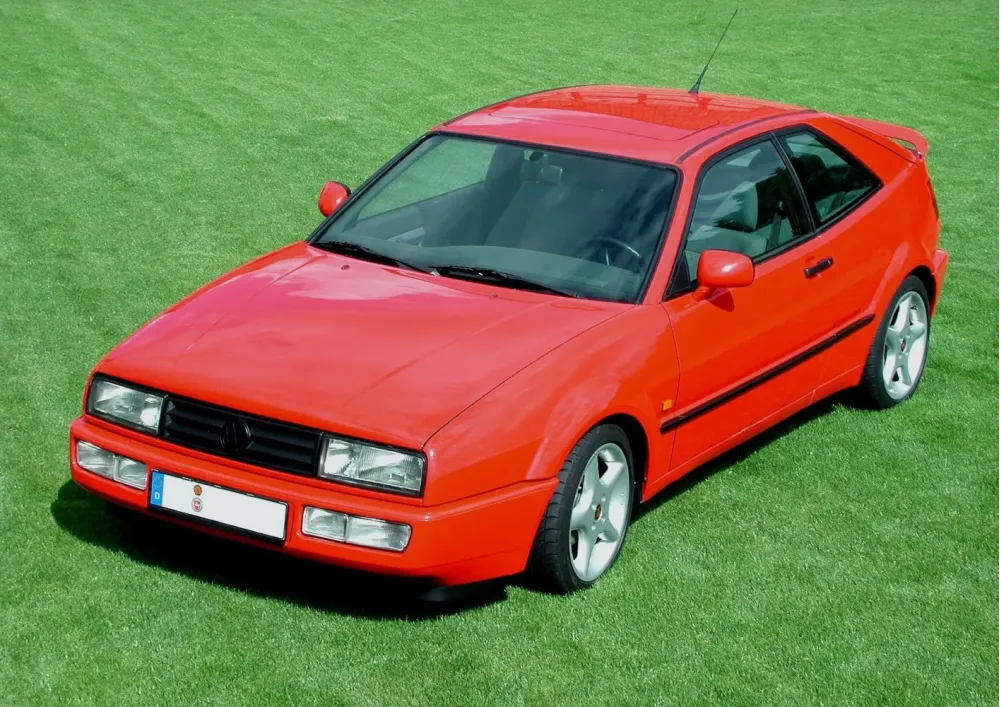
Click on image to view the full photo gallery
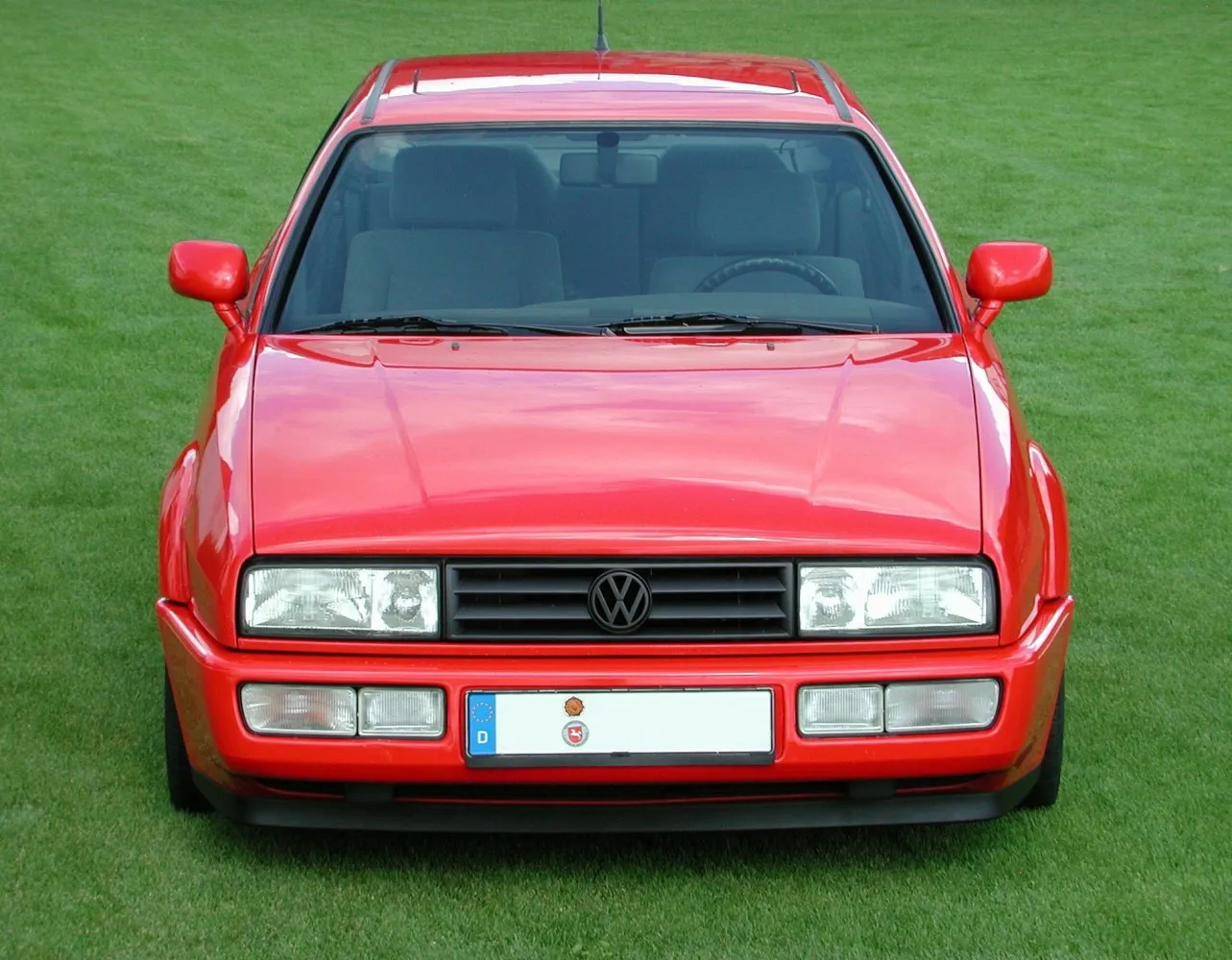
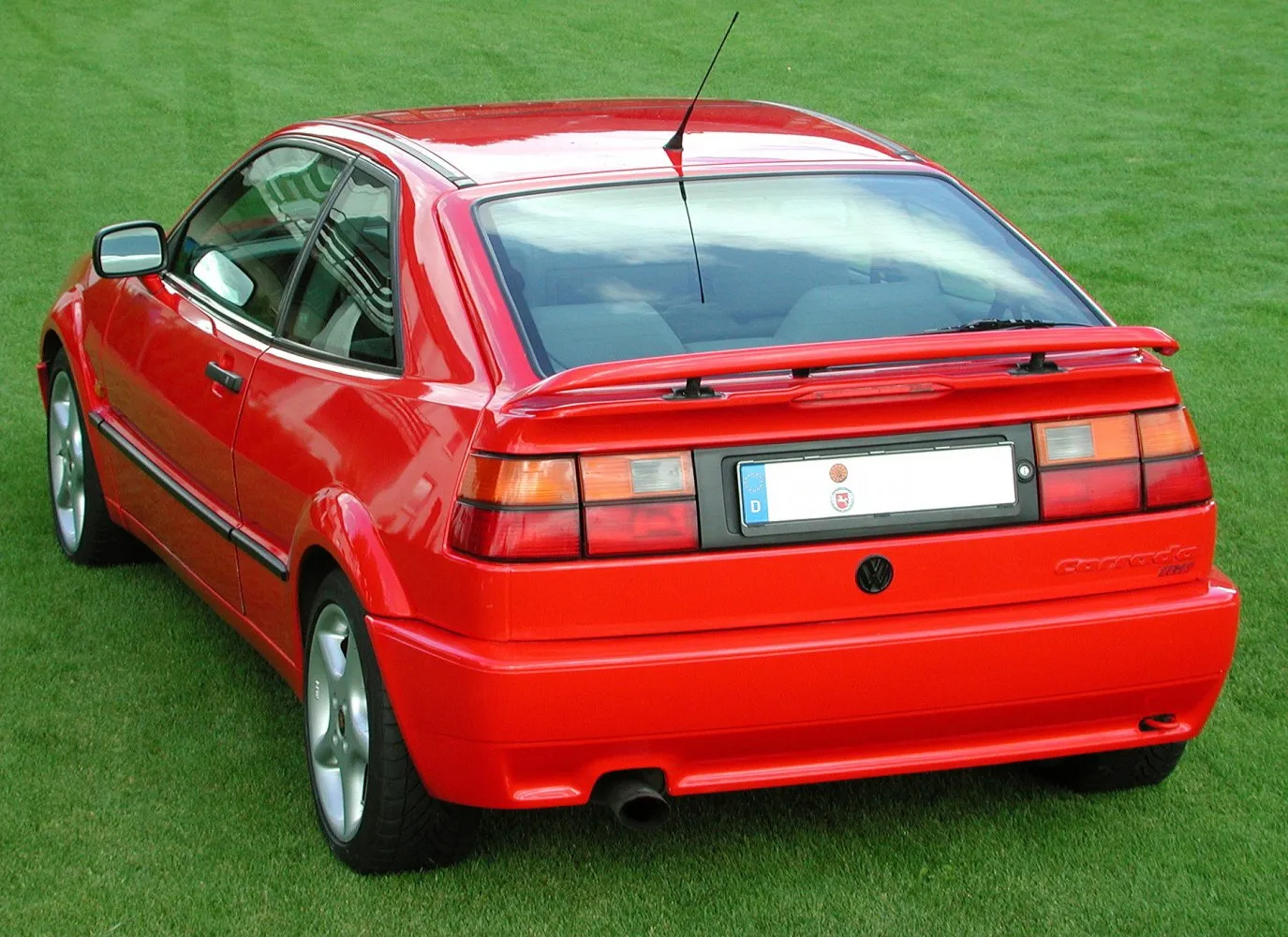
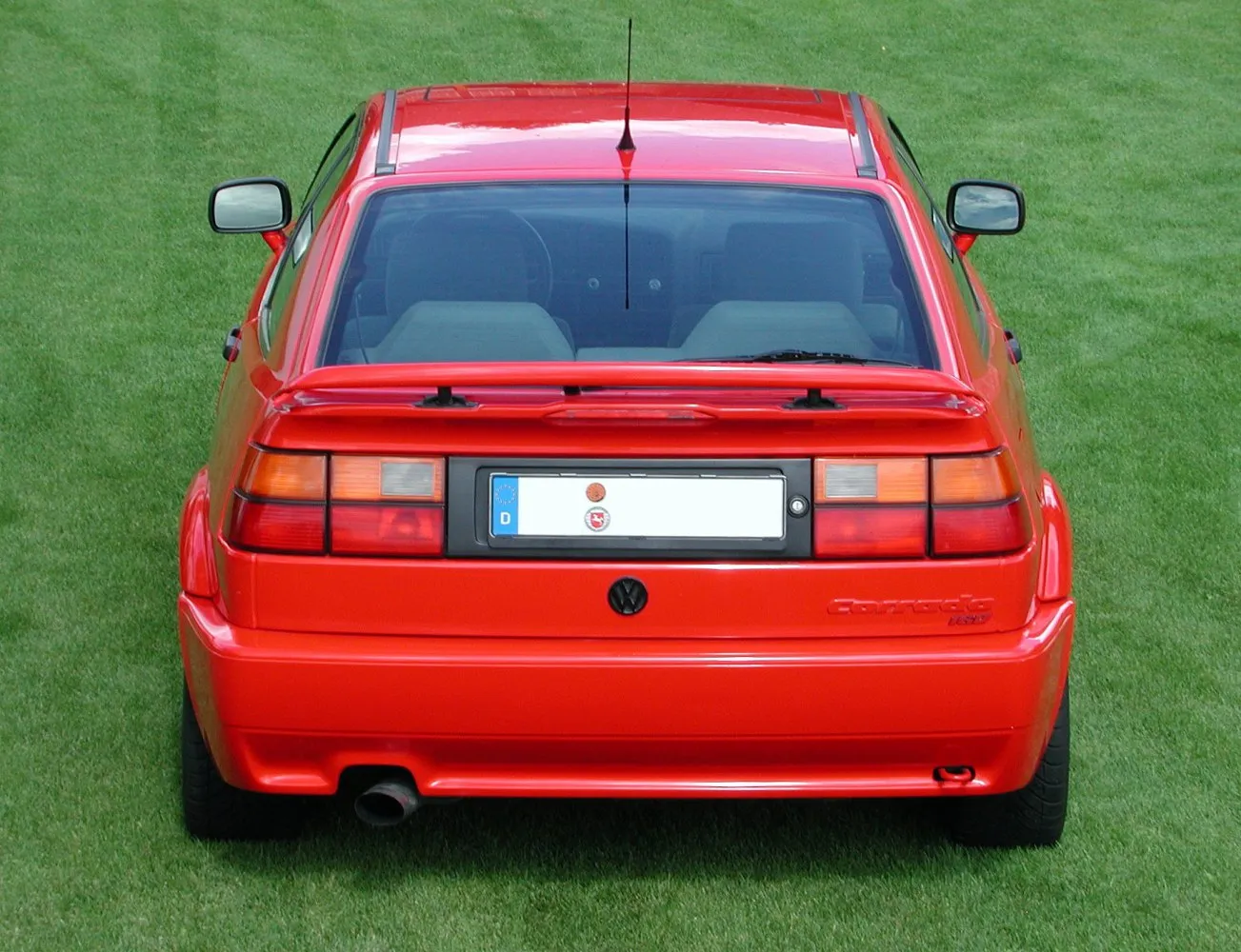
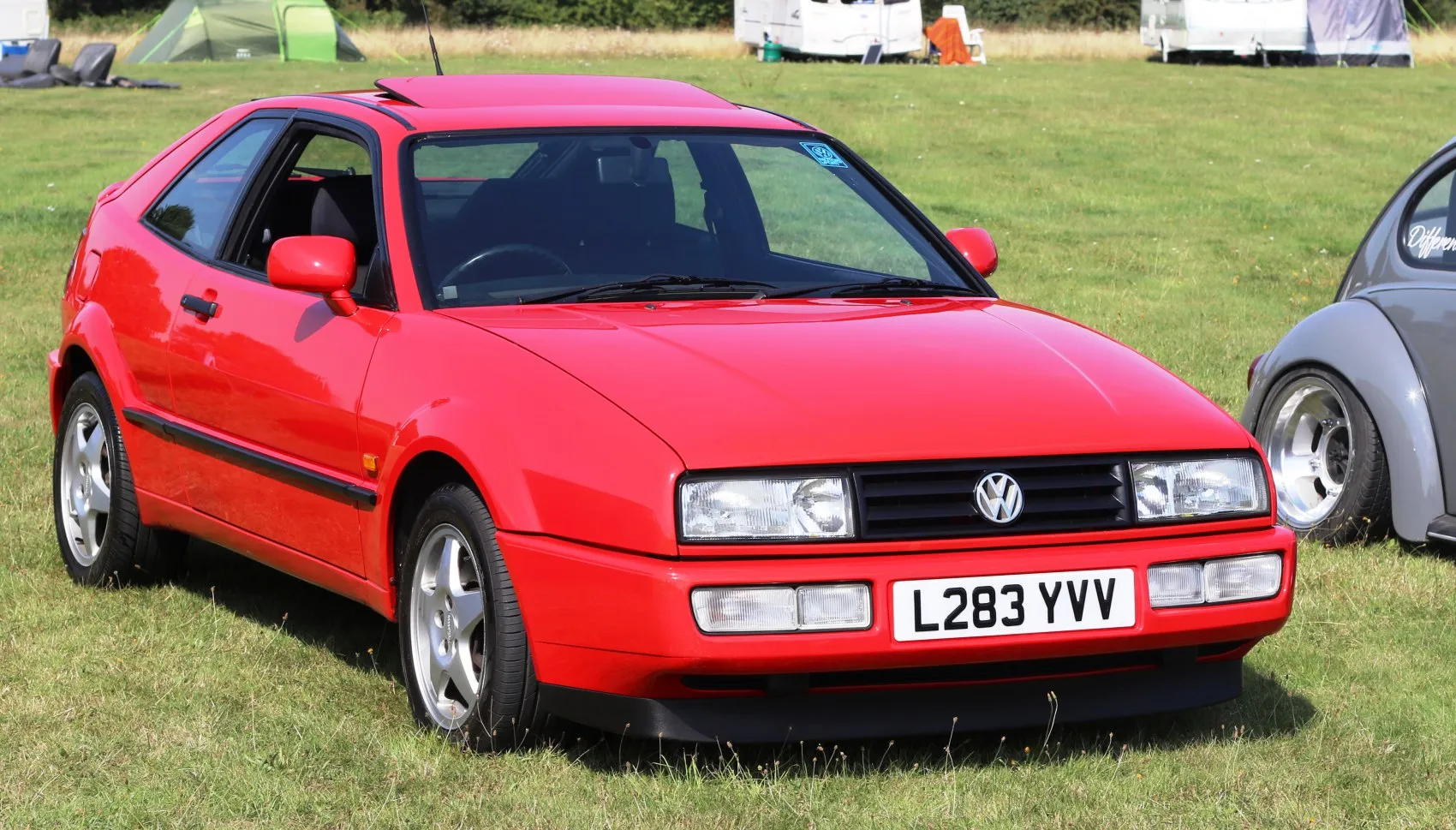
Volkswagen Corrado 53I, facelift 1991 2.8 VR6 (178 Hp) Automatic
Overall Rating
Volkswagen Corrado:
The Volkswagen Corrado is a sport compact car which was marketed by Volkswagen from 1988 until 1995. It was manufactured by Karmann in Osnabrück, Germany. The Corrado is a three-door coupé with two side passenger doors and a rear liftback that seats four passengers in a 2+2 seating arrangement. It has a front-engine, front-wheel-drive layout and was based on the Volkswagen Group A2 platform used in the Volkswagen Golf Mk2.
Designed by Herbert Schäfer, the Corrado overlapped and eventually superseded Volkswagen's Scirocco model. 97,521 Corrados were manufactured over the seven year production run; about 50,000 of them were sold in the United States....(Read more on Wikipedia)
53I, facelift 1991 Overview:
Volkswagen Corrado (53I, facelift 1991). With 240 Nm of torque, it offers ample pulling power. Weighing only 1275 kg, it’s quite light. Front‑wheel drive delivers efficiency and easy handling. The top speed reaches 225 km/h. A two-door car with a fixed roof, known for its sporty design and dynamic performance. Seating for 4 makes it ideal for daily use.
2.8 VR6 (178 Hp) Automatic Verdict:

Performance Verdict
Offers robust power and a distinctive VR6 soundtrack, but the automatic transmission slightly dulls its responsiveness compared to the manual.
Fuel Economy
Fuel consumption is significant, especially in urban driving, reflecting its powerful engine and older automatic gearbox technology.
 Community Verdict
This rating is based on comments found on Reddit, scanned using artificial intelligence, and may not accurately reflect reality.
3.5 / 5
Based on AI analysis of 11 discussions
Read What Owners Say
Pros and Cons:
Pros:
- • Timeless and distinctive coupe design
- • Engaging handling and driving dynamics
- • Powerful VR6 engine options offer thrilling performance
- • High-quality interior materials for its era
- • Becoming a sought-after modern classic
Cons:
- • Rear seating is very cramped
- • Fuel economy can be poor, especially with VR6 engines
- • Maintenance costs can be higher for VR6 and G60 models
- • Some parts can be difficult to source due to age
- • Automatic transmissions can feel dated
Specifications:
Specifications are compared to those of the previous generation(53l: 1989 - 1991).
| General: | |
|---|---|
| Brand: | Volkswagen |
| Model: | Corrado |
| Generation: | 53I, facelift 1991 |
| Modification (Engine): | 2.8 VR6 (178 Hp) Automatic |
| Start of production: | 1991 |
| End of production: | 1995 |
| Powertrain Architecture: | Internal Combustion engine |
| Body type: | Coupe |
| Seats: | 4 |
| Doors: | 3 |
| Engine: | |
|---|---|
| Power: | 178 Hp @ 5800 rpm. Same horsepower |
| Power per litre: | 63.8 Hp/l [1mm less] |
| Torque: | 240 Nm @ 4200 rpm. |
| Engine Model/Code: | AAA More details about the engine AAA |
| Engine displacement: | 2792 |
| Number of cylinders: | 6 |
| Engine configuration: | VR-engine |
| Number of valves per cylinder: | 2 |
| Fuel injection system: | Multi-port manifold injection |
| Engine aspiration: | Naturally aspirated engine |
| Valvetrain: | DOHC |
| Engine oil capacity: | 5.5 l |
| Coolant: | 6.5 l |
| Engine layout: | Front, Transverse |
| Cylinder Bore: | 81 mm mm |
| Piston Stroke: | 90.3 mm mm |
| Compression ratio: | 10.5:1 |
| Performance: | |
|---|---|
| Fuel Type: | Petrol (Gasoline) |
| Fuel consumption (economy) - urban: | 13.8 l/100 km |
| Fuel consumption (economy) - extra urban: | 10.2 l/100 km |
| Maximum speed: | 225 km/h |
| Weight-to-power ratio: | 7.2 kg/Hp, 139.6 Hp/tonne |
| Weight-to-torque ratio: | 5.3 kg/Nm, 188.2 Nm/tonne |
| Acceleration 0 - 60 mph: | 7.8 sec |
| Space: | |
|---|---|
| Kerb Weight: | 1275 |
| Trunk (boot) space - maximum: | 821 l |
| Trunk (boot) space - minimum: | 433 l |
| Fuel tank capacity: | 70 l |
| Size: | |
|---|---|
| Length: | 4049 mm mm [1mm less] |
| Width: | 1674 mm mm [16mm less] |
| Height: | 1318 mm mm [8mm more] |
| Wheelbase: | 2471 mm mm [1mm more] |
| Front track: | 1435 mm |
| Rear (Back) track: | 1427 mm |
| Minimum turning circle (turning diameter): | 10.5 m [above average] |
| Powertrain: | |
|---|---|
| Drivetrain Architecture | The Internal combustion engine (ICE) drives the front wheels of the vehicle. |
| Drive wheel | Front wheel drive |
| Number of gears | 4 |
| Transmission type | Automatic |
| Front brakes | Ventilated discs, 279.4 mm [Best for performance and cooling.] |
| Rear brakes | Disc, 226.06 mm [above average] |
| Assisting systems | ABS (Anti-lock braking system) |
| Steering type | Steering rack and pinion |
| Power steering | Hydraulic Steering |
| Tires size | 205/50 R15 |
| Wheel rims size | 6.5J x 15 |
| Front suspension | Independent, type McPherson with coil spring and anti-roll bar |
| Rear suspension | Transverse stabilizer, Coil spring, Torsion |






Driven it? Loved it? Hated it? Share your honest review!