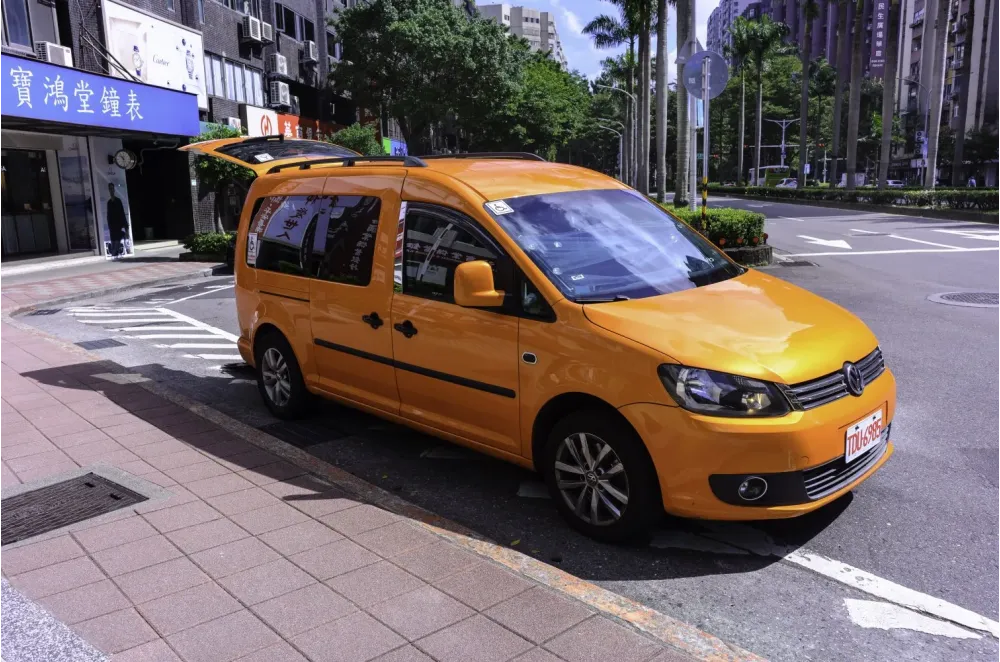
Click on image to view the full photo gallery
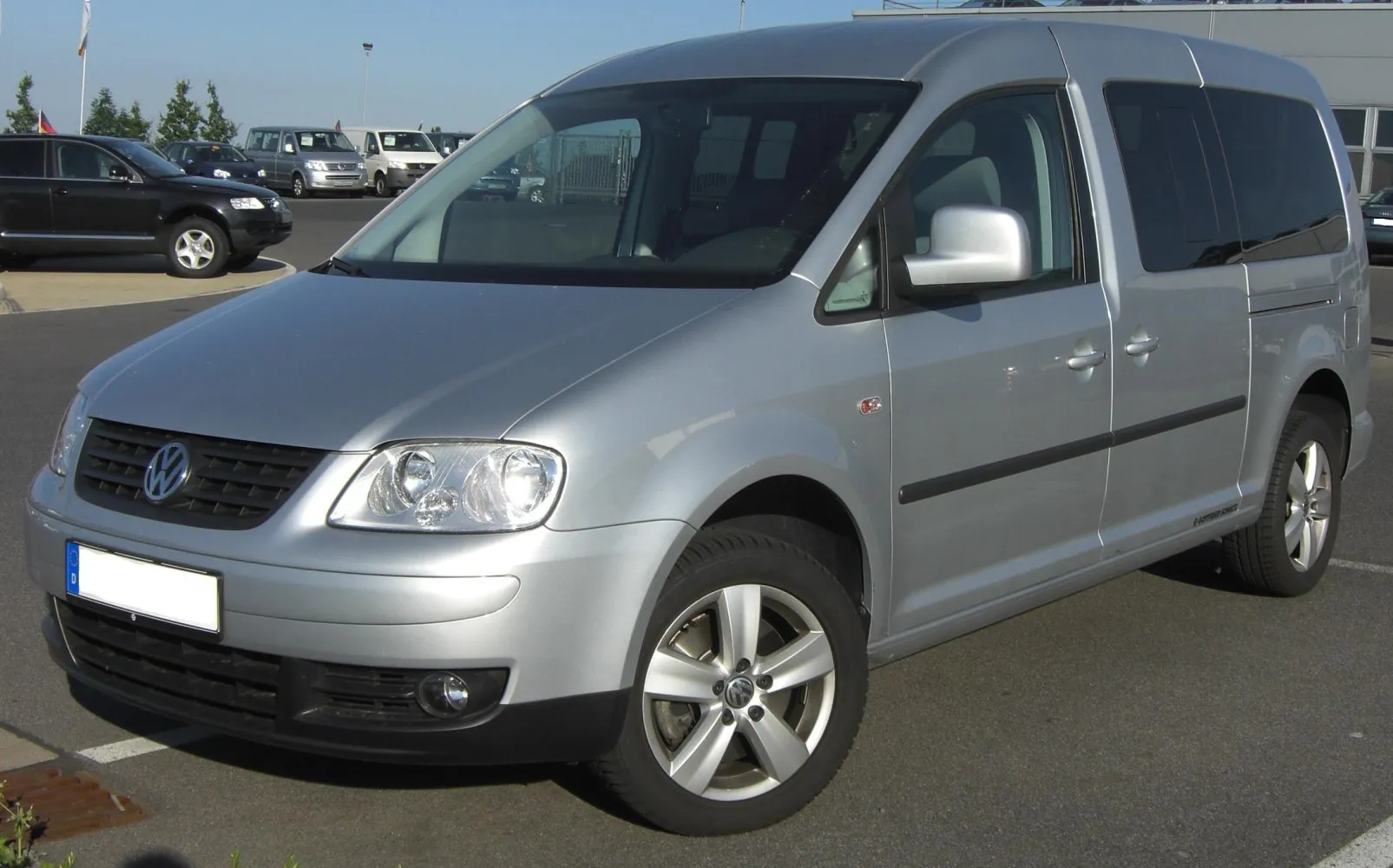
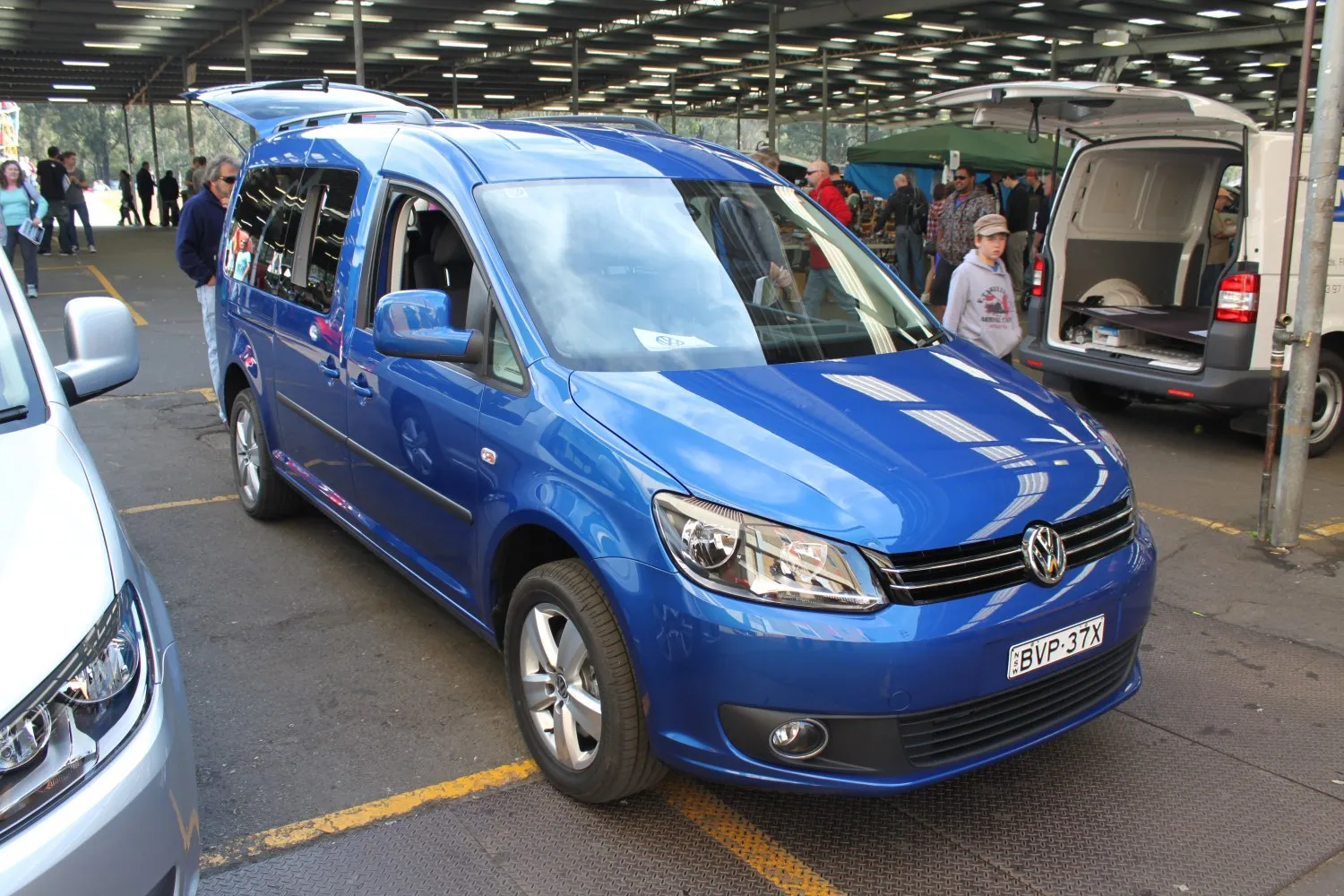
Volkswagen Caddy Maxi III (facelift 2010) 1.6 (102 Hp) LPG
Overall Rating
Volkswagen Caddy:
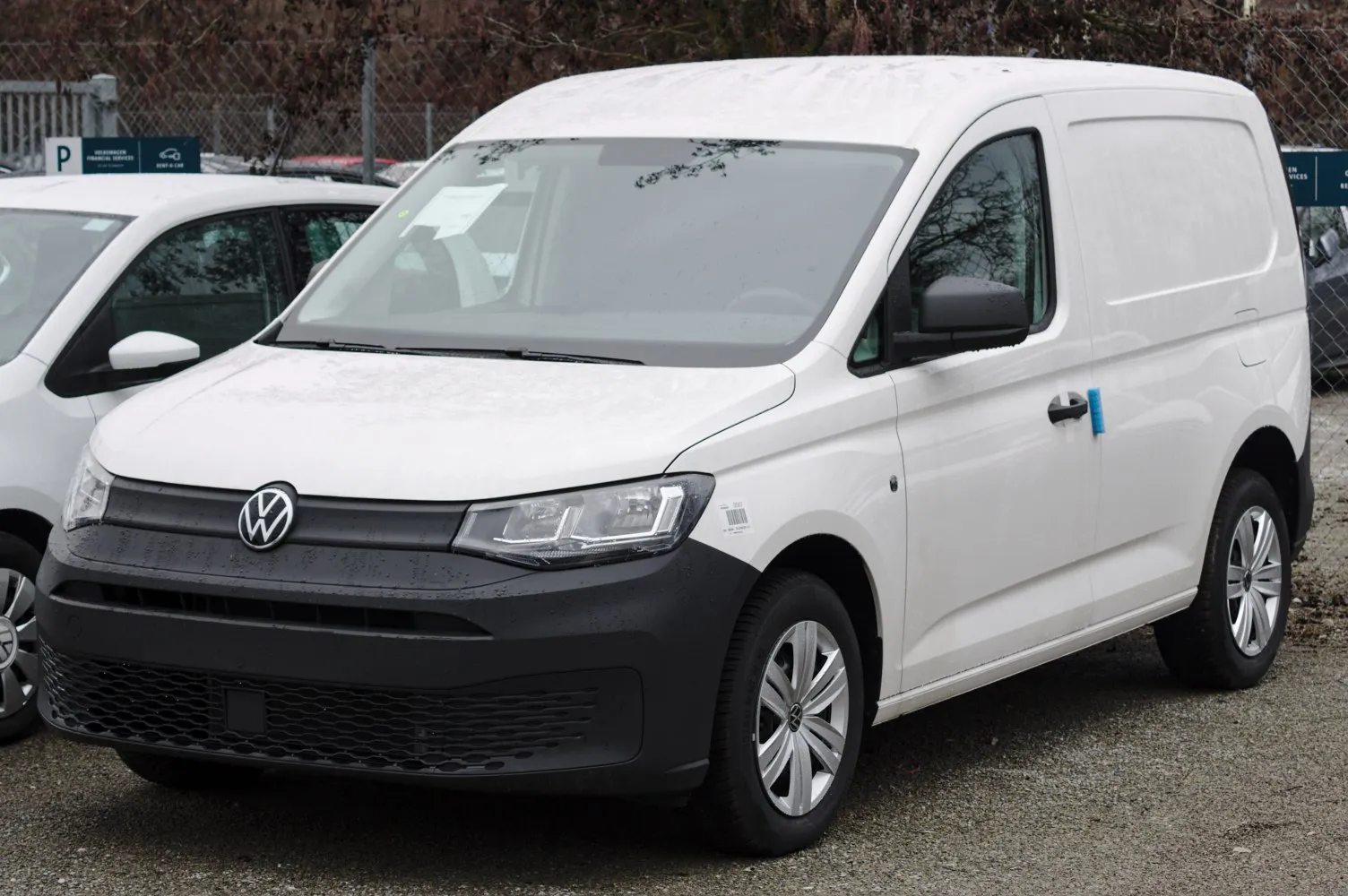
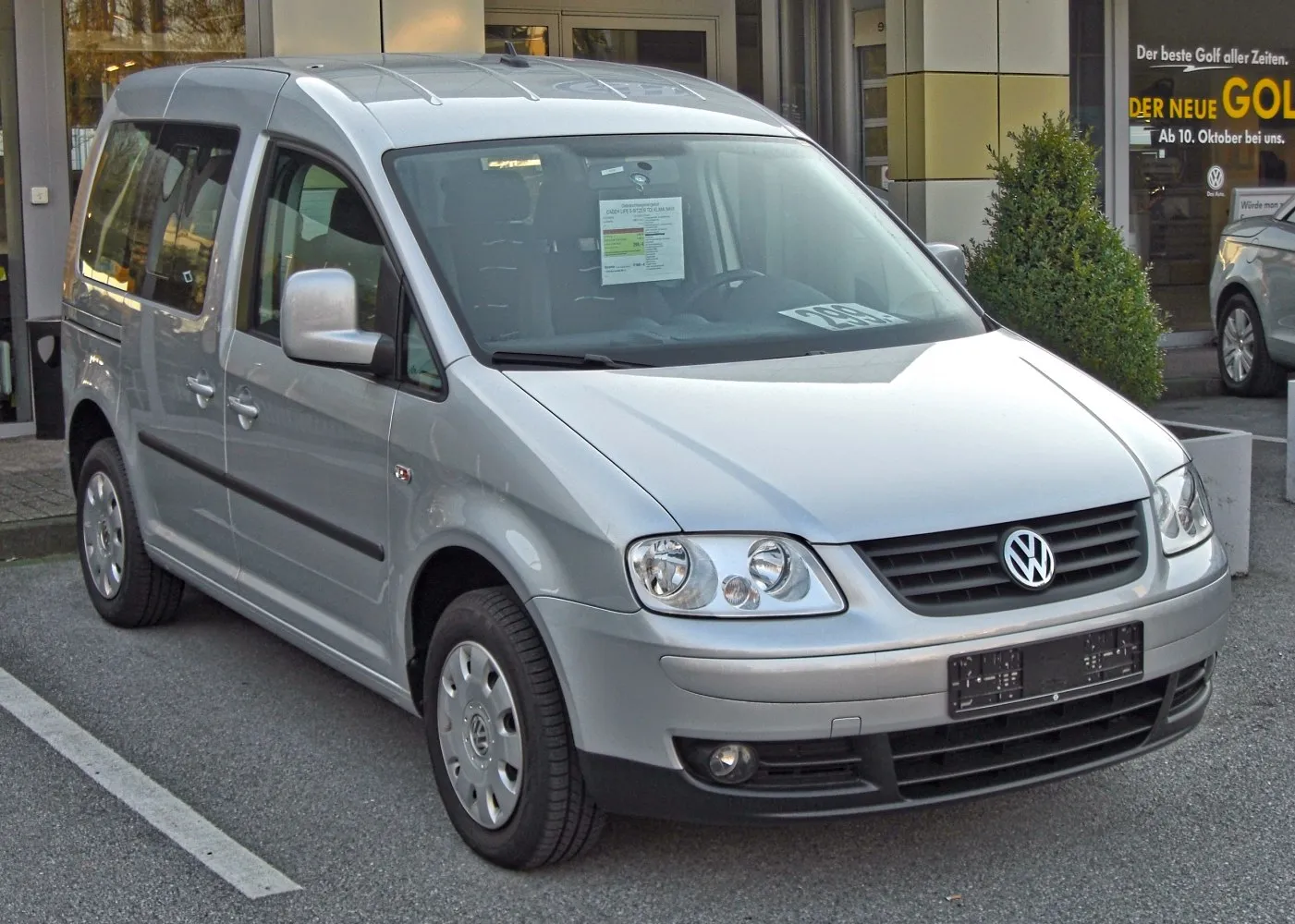
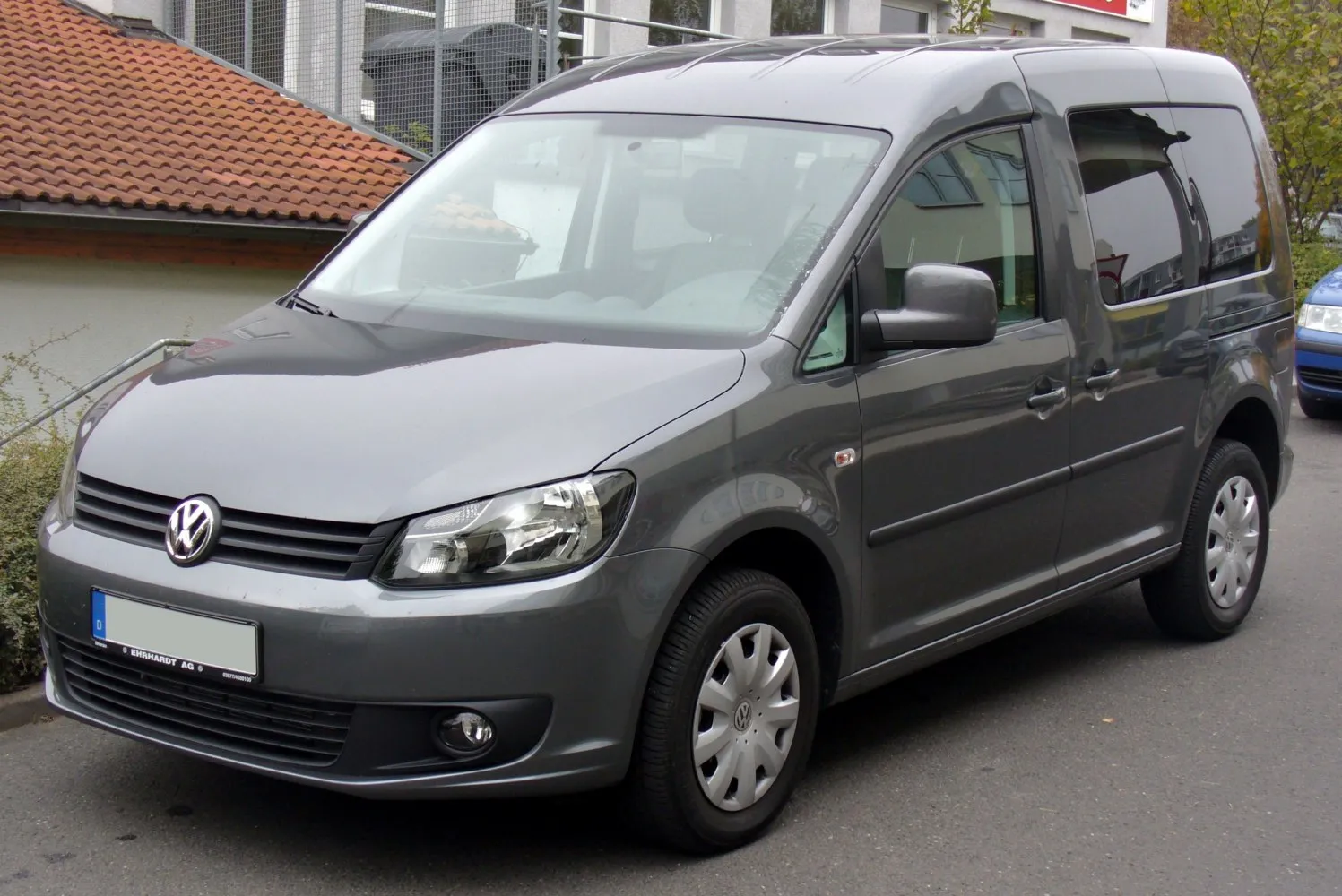
The Volkswagen Caddy is a panel van and leisure activity vehicle produced by the German automaker Volkswagen Group since 1979. It is sold in Europe and in other markets around the world. The Volkswagen Caddy was first introduced in North America in 1979 and in Europe in 1982. The first and second generations also had pick-up variants.
The following vehicles are related to the Volkswagen Caddy and are also manufactured by the Volkswagen Group.
Released in 1979, the first Volkswagen Caddy is a coupe utility and van based on the Volkswagen Group A1 platform, shared with the small family car Volkswagen Golf Mk1....(Read more on Wikipedia)
Maxi III (facelift 2010) Overview:
Volkswagen Caddy (Maxi III (facelift 2010)). With 148 Nm of torque, it offers ample pulling power. It has moderate fuel consumption (~10.7 l/100km). With a weight of 1530 kg, it falls in the mid‑range. Front‑wheel drive delivers efficiency and easy handling. Acceleration is relatively slow (0–100 km/h in 14.3 s). The top speed reaches 164 km/h. A spacious vehicle designed to transport passengers comfortably, often with sliding doors. Seating for 5 makes it ideal for daily use.
1.6 (102 Hp) LPG Verdict:

Performance Verdict
Sluggish acceleration and modest power, suitable for relaxed driving and urban environments.
Fuel Economy
Higher fuel consumption in l/100km, but potentially lower running costs due to LPG fuel pricing.
Pros and Cons:
Pros:
- • Exceptional interior space and cargo versatility, ideal for families and businesses.
- • Wide range of efficient engine options, including BlueMotion Technology, 4MOTION, and alternative fuels.
- • Practical and robust build quality, ensuring durability for demanding use.
- • Available with 5 or 7 seats, enhancing passenger capacity and flexibility.
- • Good visibility and easy to drive for its size, making it manageable in urban environments.
Cons:
- • Rear leaf spring suspension can lead to a firm ride, especially when unladen, impacting comfort.
- • Some entry-level engines can feel underpowered when fully loaded or on steep inclines.
- • Interior design is functional but lacks a premium feel compared to passenger cars.
- • Older safety rating (based on 2007 test) might not match the standards of newer vehicles.
- • Higher fuel consumption for LPG/CNG variants in l/100km, despite potential cost savings per km.
Specifications:
Specifications are compared to those of the previous generation(Maxi III: 2009 - 2010).
| General: | |
|---|---|
| Brand: | Volkswagen |
| Model: | Caddy |
| Generation: | Maxi III (facelift 2010) |
| Modification (Engine): | 1.6 (102 Hp) LPG |
| Start of production: | 2010 |
| End of production: | 2015 |
| Powertrain Architecture: | Internal Combustion engine |
| Body type: | Minivan |
| Seats: | 5-7 |
| Doors: | 5 |
| Engine: | |
|---|---|
| Power: | 102 Hp @ 5600 rpm. Same horsepower |
| Power per litre: | 63.9 Hp/l [1mm more] |
| Torque: | 148 Nm @ 3800 rpm. |
| Engine Model/Code: | BSE, BSF More details about the engine BSE, BSF |
| Engine displacement: | 1595 |
| Number of cylinders: | 4 |
| Engine configuration: | Inline |
| Number of valves per cylinder: | 2 |
| Fuel injection system: | Multi-port manifold injection |
| Engine aspiration: | Naturally aspirated engine |
| Engine oil capacity: | 4.5 l |
| Engine layout: | Front, Transverse |
| Cylinder Bore: | 81 mm mm |
| Piston Stroke: | 77.4 mm mm |
| Compression ratio: | 10.5:1 |
| Power (LPG): | 98 Hp @ 5600 rpm. |
| Power per litre (LPG): | 61.4 Hp/l |
| Torque (LPG): | 144 Nm @ 3800 rpm. |
| Performance: | |
|---|---|
| Maximum speed (LPG): | 163 km/h |
| Acceleration 0 - 100 km/h (LPG): | 14.5 sec |
| Fuel Type: | Petrol / LPG |
| Fuel consumption (economy) - urban: | 10.7 l/100 km |
| Fuel consumption (economy) - extra urban: | 6.8 l/100 km |
| Fuel consumption (economy) - urban (LPG): | 13.7 l/100 km |
| Fuel consumption (economy) - extra urban (LPG): | 8.6 l/100 km |
| Fuel consumption (economy) - combined (LPG): | 10.5 l/100 km |
| Fuel consumption (economy) - combined: | 8.2 l/100 km |
| Emission standard: | Euro 5 |
| Acceleration 0 - 100 km/h: | 14.3 sec |
| Acceleration 0 - 62 mph: | 14.3 sec |
| Maximum speed: | 164 km/h |
| Weight-to-power ratio: | 15 kg/Hp, 66.7 Hp/tonne |
| Weight-to-torque ratio: | 10.3 kg/Nm, 96.7 Nm/tonne |
| Acceleration 0 - 60 mph: | 13.6 sec |
| Space: | |
|---|---|
| Kerb Weight: | 1530 |
| Max. weight: | 2280 |
| Max load: | 750 |
| Trunk (boot) space - maximum: | 4130 l |
| Trunk (boot) space - minimum: | 1650 l |
| Size: | |
|---|---|
| Length: | 4876 mm mm [1mm more] |
| Width: | 1794 mm mm [Same width.] |
| Height: | 1836 mm mm [2mm more] |
| Wheelbase: | 3006 mm mm [4mm more] |
| Width including mirrors: | 2062 mm |
| Front overhang: | 878 mm |
| Rear overhang: | 992 mm |
| Ride height (ground clearance): | 157 mm |
| Minimum turning circle (turning diameter): | 12.2 m [above average] |
| Powertrain: | |
|---|---|
| Drivetrain Architecture | The Internal combustion engine (ICE) drives the front wheels of the vehicle. |
| Drive wheel | Front wheel drive |
| Number of gears | 5 |
| Transmission type | Manual |
| Front brakes | Ventilated discs [Best for performance and cooling.] |
| Rear brakes | Disc [above average] |
| Assisting systems | ABS (Anti-lock braking system) |
| Steering type | Steering rack and pinion |
| Power steering | Electric Steering |
| Tires size | 195/65 R15; 205/55 R16; 205/50 R17 |
| Wheel rims size | 6J x 15; 6J x 16; 6J x 17 |
| Front suspension | Independent, type McPherson with coil spring and anti-roll bar |
| Rear suspension | Leaf spring |


Fuel, speed, and comfort: How does the Volkswagen Caddy rank in your book?