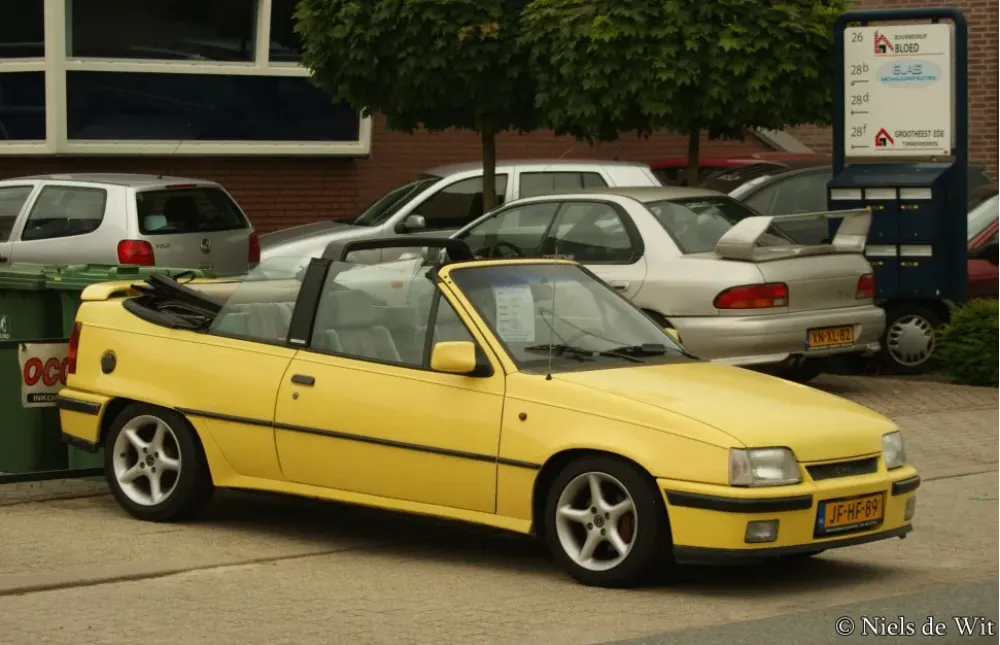
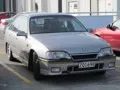
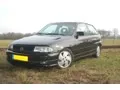
Click on image to view the full photo gallery
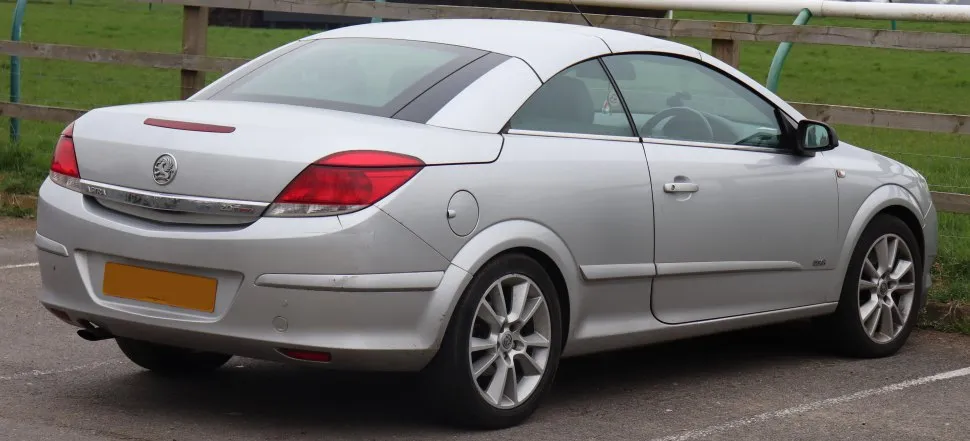
Vauxhall Astra Mk II Convertible 2.0i CAT (115 Hp)
Overall Rating
Vauxhall Astra:
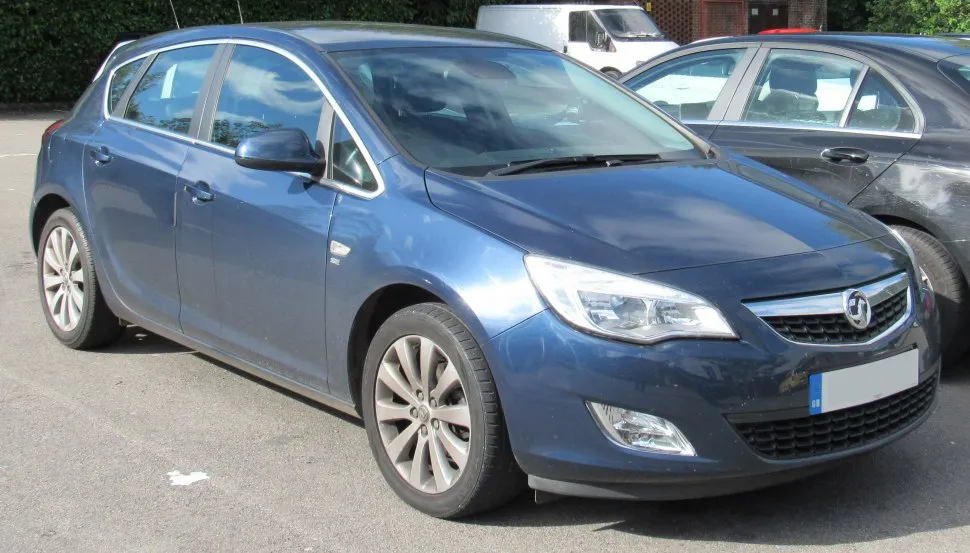
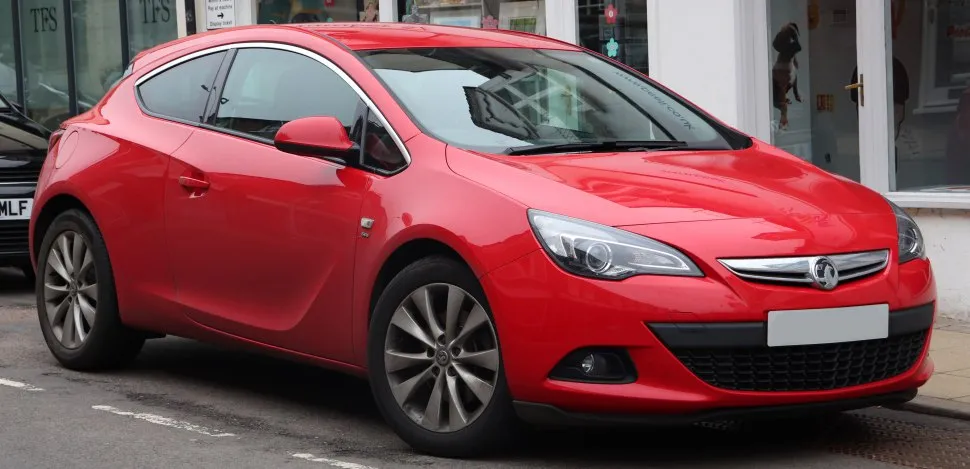
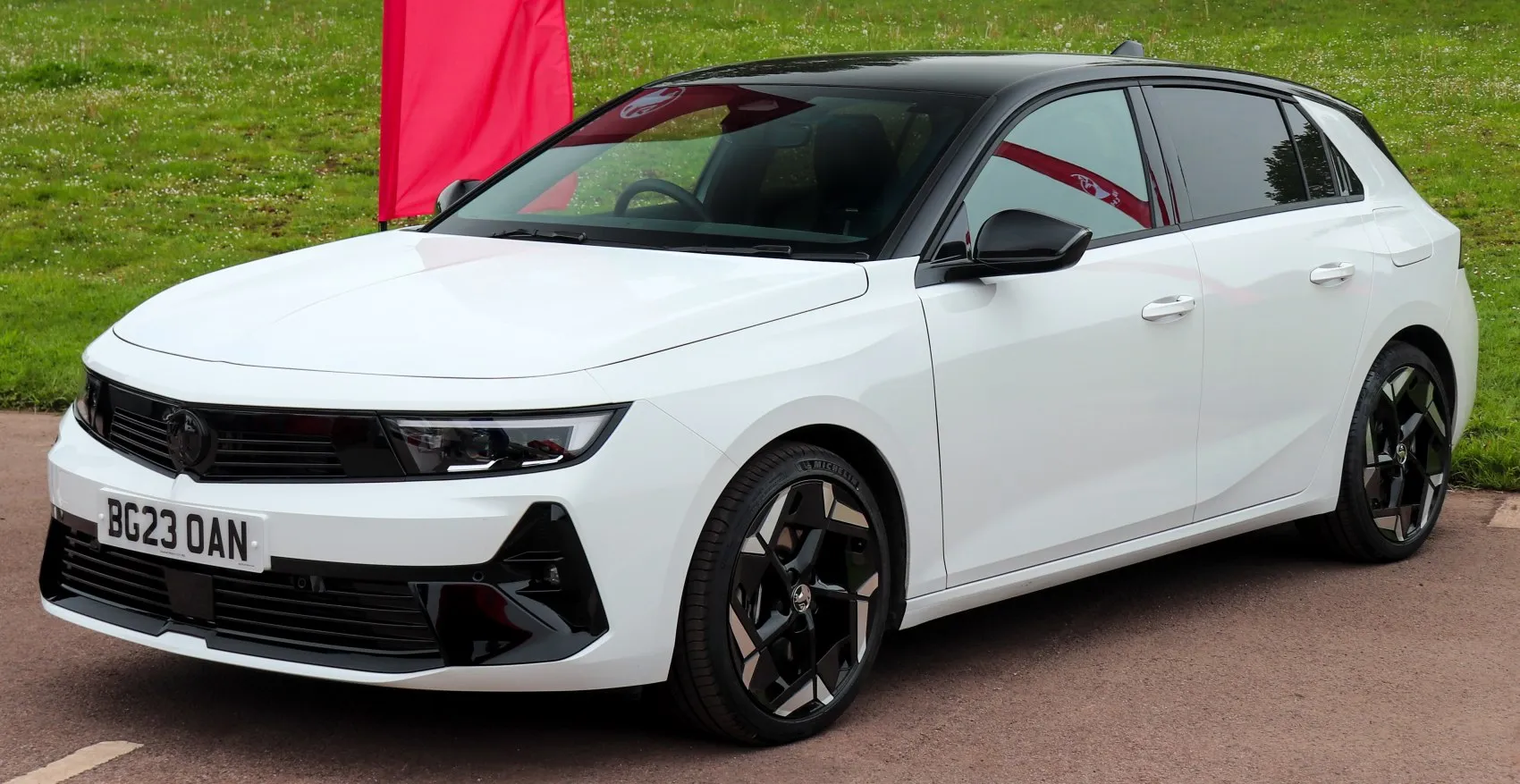
The Vauxhall Astra is a compact car/small family car that has been sold by Vauxhall since 1980. Over its eight generations, it has been made at several GM/Opel/Stellantis plants around Europe - however most versions have been sourced from Vauxhall's plant at Ellesmere Port, Cheshire, United Kingdom.
For its first two generations, the nameplate was applied to right-hand drive versions of the Opel Kadett for use in the UK. Since 1991, Opel has used the Astra nameplate on its B/C-platform. General Motors' Saturn division in the United States also offered a Belgian-built version of the Astra as a captive import from late 2007 until Saturn was discontinued following GM's 2010 bankruptcy....(Read more on Wikipedia)
Mk II Convertible Overview:
Vauxhall Astra (Mk II Convertible). With 170 Nm of torque, it offers ample pulling power. Weighing only 1055 kg, it’s quite light. Front‑wheel drive delivers efficiency and easy handling. Acceleration is relatively slow (0–100 km/h in 10 s). The top speed reaches 195 km/h. A convertible car with a retractable roof, offering open-air driving experiences. Seating for 4 makes it ideal for daily use.
2.0i CAT (115 Hp) Verdict:

Performance Verdict
Maintains the strong performance of the 2.0i, offering robust acceleration (10 sec 0-100km/h) while meeting stricter emissions standards.
Fuel Economy
Provides a good balance of power and reasonable fuel consumption for a 2.0-liter engine equipped with a catalytic converter.
Pros and Cons:
Pros:
- • Classic convertible styling and open-top driving experience.
- • Generally robust and simple mechanicals, easy to maintain.
- • Affordable entry into classic car ownership.
- • 2.0i engine offers respectable performance for its era.
Cons:
- • Safety features are minimal by modern standards.
- • Limited refinement compared to contemporary vehicles.
- • Potential for rust, common with cars of this age.
- • Soft-top maintenance and security concerns.
Specifications:
Specifications are compared to those of the previous generation(Mk II Belmont: 1984 - 1986).
| General: | |
|---|---|
| Brand: | Vauxhall |
| Model: | Astra |
| Generation: | Mk II Convertible |
| Modification (Engine): | 2.0i CAT (115 Hp) |
| Start of production: | 1986 |
| End of production: | 1993 |
| Powertrain Architecture: | Internal Combustion engine |
| Body type: | Cabriolet |
| Seats: | 4 |
| Doors: | 2 |
| Engine: | |
|---|---|
| Power: | 115 Hp @ 5400 rpm. Same horsepower |
| Power per litre: | 57.6 Hp/l [220mm less] |
| Torque: | 170 Nm @ 3000 rpm. |
| Engine Model/Code: | C20NE More details about the engine C20NE |
| Engine displacement: | 1998 |
| Number of cylinders: | 4 |
| Engine configuration: | Inline |
| Number of valves per cylinder: | 2 |
| Fuel injection system: | Multi-port manifold injection |
| Engine aspiration: | Naturally aspirated engine |
| Valvetrain: | SOHC |
| Engine oil capacity: | 4 l |
| Coolant: | 6.9 l |
| Engine layout: | Front, Transverse |
| Cylinder Bore: | 86 mm mm |
| Piston Stroke: | 86 mm mm |
| Compression ratio: | 9.2:1 |
| Performance: | |
|---|---|
| Fuel Type: | Petrol (Gasoline) |
| Acceleration 0 - 100 km/h: | 10 sec |
| Acceleration 0 - 62 mph: | 10 sec |
| Maximum speed: | 195 km/h |
| Weight-to-power ratio: | 9.2 kg/Hp, 109 Hp/tonne |
| Weight-to-torque ratio: | 6.2 kg/Nm, 161.1 Nm/tonne |
| Acceleration 0 - 60 mph: | 9.5 sec |
| Space: | |
|---|---|
| Kerb Weight: | 1055 |
| Max. weight: | 1460 |
| Max load: | 405 |
| Trunk (boot) space - maximum: | 620 l |
| Trunk (boot) space - minimum: | 290 l |
| Fuel tank capacity: | 52 l |
| Size: | |
|---|---|
| Length: | 3998 mm mm [220mm less] |
| Width: | 1663 mm mm [5mm more] |
| Height: | 1380 mm mm [20mm less] |
| Wheelbase: | 2520 mm mm [Same wheelbase.] |
| Front track: | 1406 mm |
| Rear (Back) track: | 1406 mm |
| Minimum turning circle (turning diameter): | 10.5 m [above average] |
| Powertrain: | |
|---|---|
| Drivetrain Architecture | The Internal combustion engine (ICE) drives the front wheels of the vehicle. |
| Drive wheel | Front wheel drive |
| Tires size | 185/60 R14 |
| Wheel rims size | 14 |



















If you could change one thing about the Vauxhall Astra, what would it be?