
Click on image to view the full photo gallery
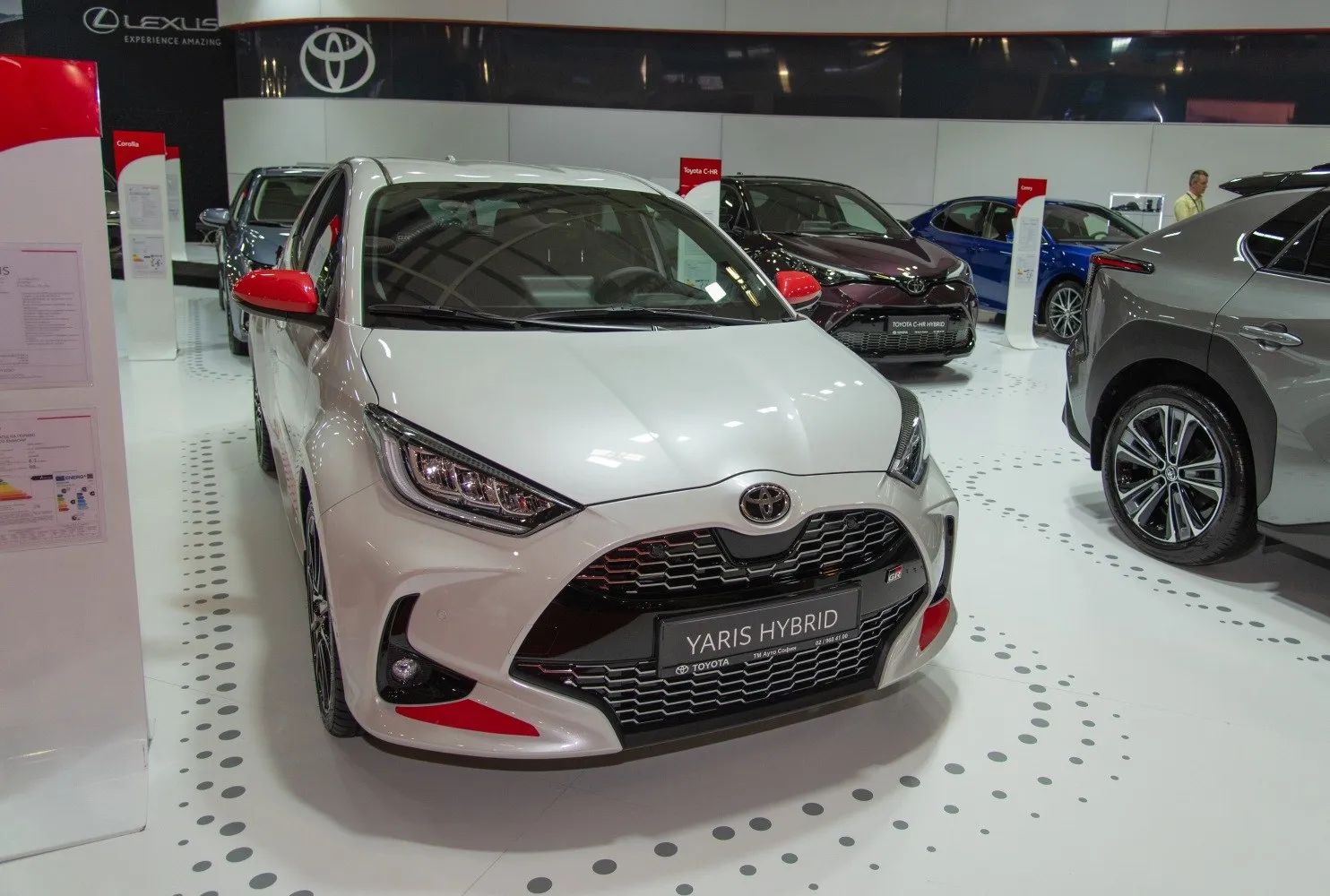
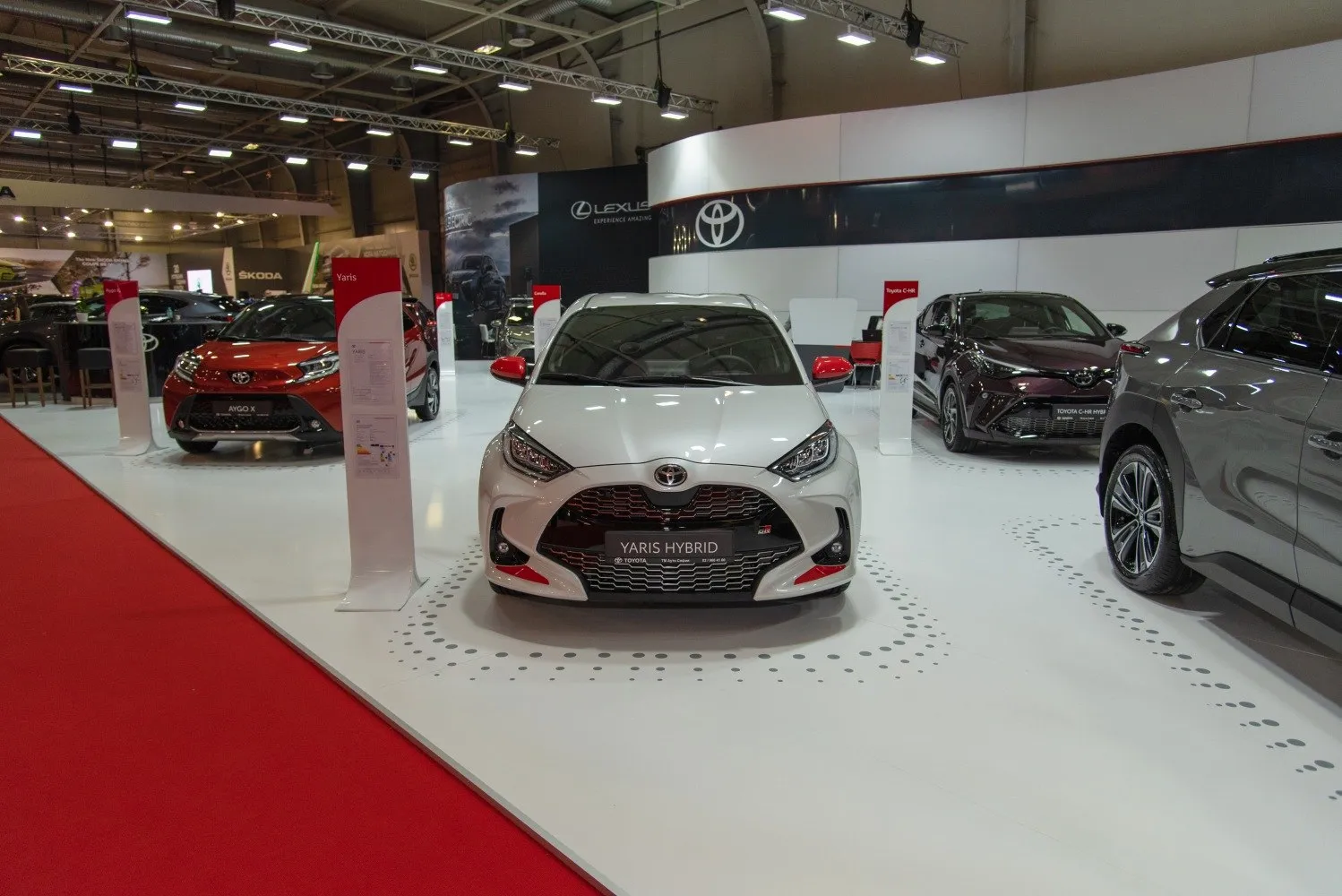
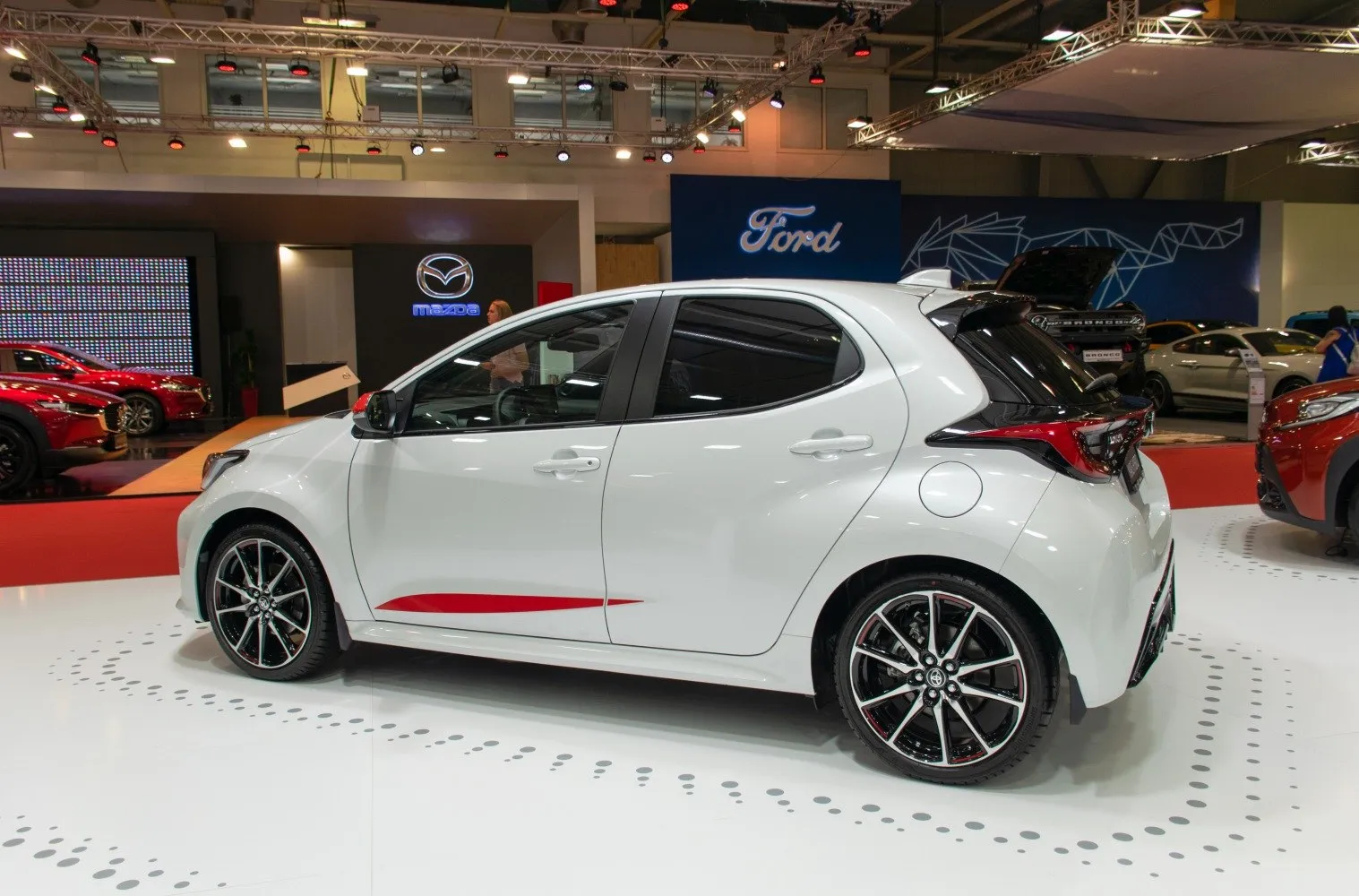
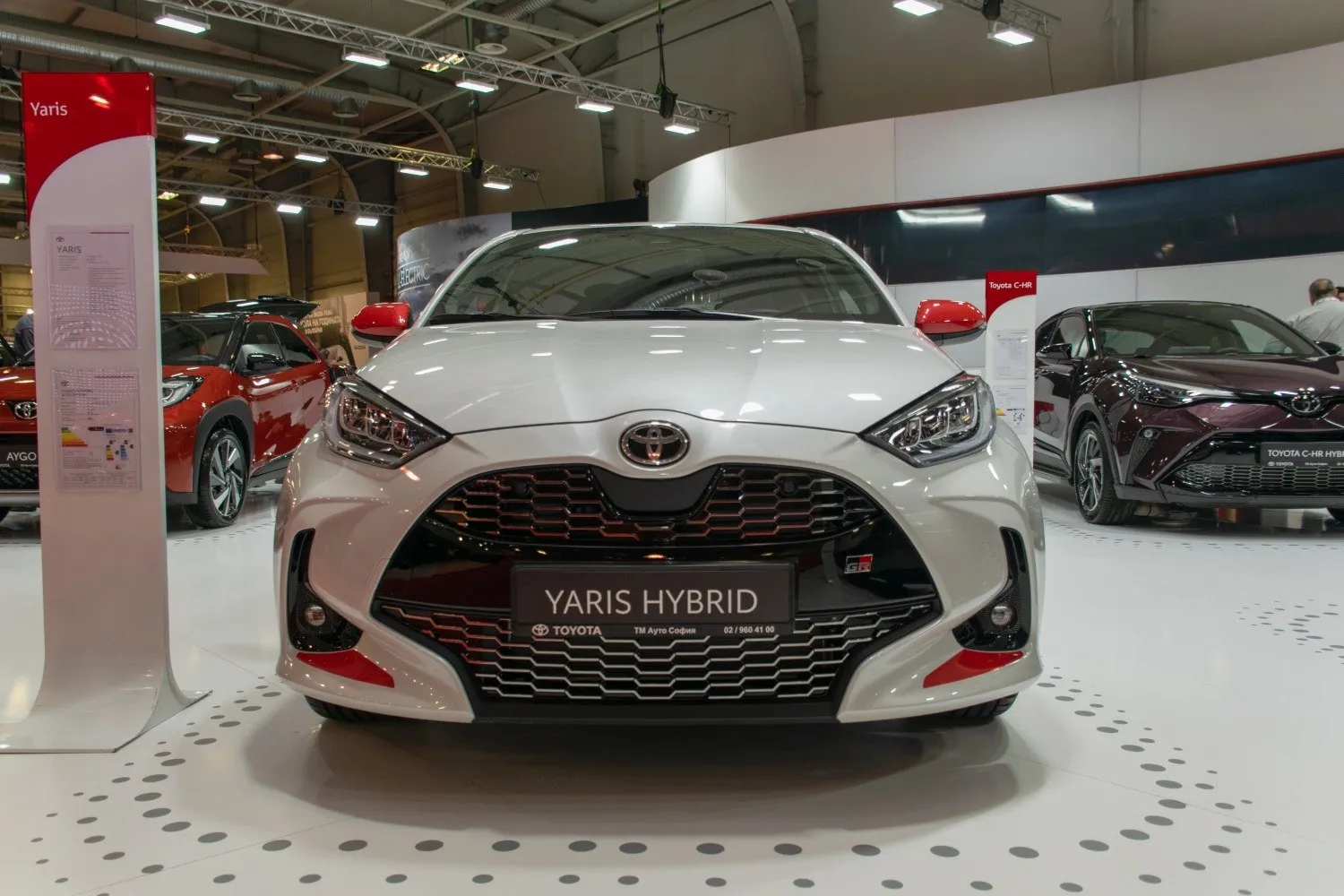
Toyota Yaris XP210 1.5 (91 Hp) Hybrid e-CVT
Overall Rating
Toyota Yaris:
The Toyota Yaris is a supermini/subcompact car sold by Toyota since 1999, replacing the Starlet and Tercel.
Up to 2019, Toyota had used the Yaris nameplate on export versions of various Japanese-market models, with some markets receiving the same vehicles under the Toyota Echo name through 2005. Starting in 2020, the Yaris nameplate began to be used in Japan, which replaced the Vitz nameplate.
The Yaris nameplate has also been applied to other vehicles. From 1999 to 2005, the nameplate had been used for the Yaris Verso mini MPV sold in Europe, where it was known in Japan as the FunCargo. Since 2020, the nameplate has also been used for the subcompact crossover SUV offering called Yaris Cross. In North America, most Yaris sedan models sold from 2015 to 2020 and Yaris hatchbacks sold from 2019 until 2020 were restyled versions of the Mazda2, produced and developed by Mazda....(Read more on Wikipedia)
XP210 Overview:
Toyota Yaris (XP210). With 120 Nm of torque, it offers ample pulling power. Weighing only 1070 kg, it’s quite light. Front‑wheel drive delivers efficiency and easy handling. A compact car with a rear door that swings upward to provide access to the cargo area. Seating for 5 makes it ideal for daily use.
The Toyota Yaris XP210 achieved an excellent 5-star Euro NCAP rating, demonstrating strong performance in adult and child occupant protection, along with comprehensive safety assist systems.
1.5 (91 Hp) Hybrid e-CVT Verdict:

Performance Verdict
Sufficient performance for urban and suburban commuting, prioritizing smooth delivery and class-leading efficiency.
Fuel Economy
Excellent fuel economy, a standout feature for this powertrain, ideal for cost-conscious drivers and city traffic.
Pros and Cons:
Pros:
- • Exceptional fuel economy from hybrid powertrains
- • Strong safety ratings (5-star Euro NCAP)
- • Legendary Toyota reliability and low running costs
- • Engaging and high-performance GR/GRMN variants
- • Compact and agile, ideal for city driving
- • Modern interior design and technology
Cons:
- • Limited rear passenger and cargo space compared to rivals
- • Firm ride on GR/GRMN models can be uncomfortable for some
- • Base 1.0L engine feels underpowered for highway use
- • CVT can be noisy under hard acceleration in non-hybrid models
- • Infotainment system can be less intuitive than some competitors
Specifications:
Specifications are compared to those of the previous generation(XP150, facelift 2017: May, 2019 - 2020).
| General: | |
|---|---|
| Brand: | Toyota |
| Model: | Yaris |
| Generation: | XP210 |
| Modification (Engine): | 1.5 (91 Hp) Hybrid e-CVT |
| Start of production: | September, 2020 |
| End of production: | February, 2024 |
| Powertrain Architecture: | FHEV (Full Hybrid Electric Vehicle) |
| Body type: | Hatchback |
| Seats: | 5 |
| Doors: | 5 |
| Engine: | |
|---|---|
| Engine systems: | Particulate filter |
| Power: | 91 Hp @ 5500 rpm. Same horsepower |
| Power per litre: | 61.1 Hp/l [205mm less] |
| Torque: | 120 Nm @ 3800-4800 rpm. |
| Engine Model/Code: | M15A-FXE More details about the engine M15A-FXE |
| Engine displacement: | 1490 |
| Number of cylinders: | 3 |
| Engine configuration: | Inline |
| Fuel injection system: | Direct injection |
| Engine aspiration: | Naturally aspirated engine |
| Engine oil capacity: | 3.6 l |
| Coolant: | 5.1 l |
| Engine layout: | Front, Transverse |
| Cylinder Bore: | 80.5 mm mm |
| Piston Stroke: | 97.6 mm mm |
| Compression ratio: | 14:1 |
| Performance: | |
|---|---|
| Fuel Type: | Petrol (Gasoline) |
| Combined fuel consumption (WLTP): | 2.8 l/100 km |
| Weight-to-power ratio: | 11.5 kg/Hp, 86.7 Hp/tonne |
| Weight-to-torque ratio: | 8.8 kg/Nm, 114.3 Nm/tonne |
| Space: | |
|---|---|
| Kerb Weight: | 1050-1090 |
| Max. weight: | 1325-1365 |
| Max load: | 275 |
| Fuel tank capacity: | 36 l |
| Size: | |
|---|---|
| Length: | 3940 mm mm [205mm less] |
| Width: | 1695 mm mm [35mm less] |
| Height: | 1500 mm mm [25mm more] |
| Wheelbase: | 2550 mm mm [Same wheelbase.] |
| Front track: | 1480-1490 mm |
| Rear (Back) track: | 1475-1485 mm |
| Ride height (ground clearance): | 145 mm |
| Minimum turning circle (turning diameter): | 9.6 m [above average] |
| Powertrain: | |
|---|---|
| Drivetrain Architecture | The Internal combustion engine (ICE) and electric motor drive the front wheels of the car with the ability to work in full electric or mixed mode. |
| Drive wheel | Front wheel drive |
| Transmission type | Automatic |
| Gearbox type | e-CVT |
| Front brakes | Ventilated discs [Best for performance and cooling.] |
| Rear brakes | Drum [bad for performance and cooling.] |
| Assisting systems | ABS (Anti-lock braking system) |
| Steering type | Steering rack and pinion |
| Power steering | Electric Steering |
| Tires size | 185/60 R15 |
| Wheel rims size | 6J x 15 |
| Front suspension | Independent type McPherson |
| Rear suspension | Torsion |
| Electric: | |
|---|---|
| Battery technology: | Lithium-ion (Li-Ion) |
| Battery location: | Under the rear seats |
| Electric motor power: | 80 Hp |
| Electric motor Torque: | 141 Nm |
| Electric motor location: | Integrated into the transmission |













Is the Toyota Yaris the king of its class? Share your thoughts.