
Click on image to view the full photo gallery
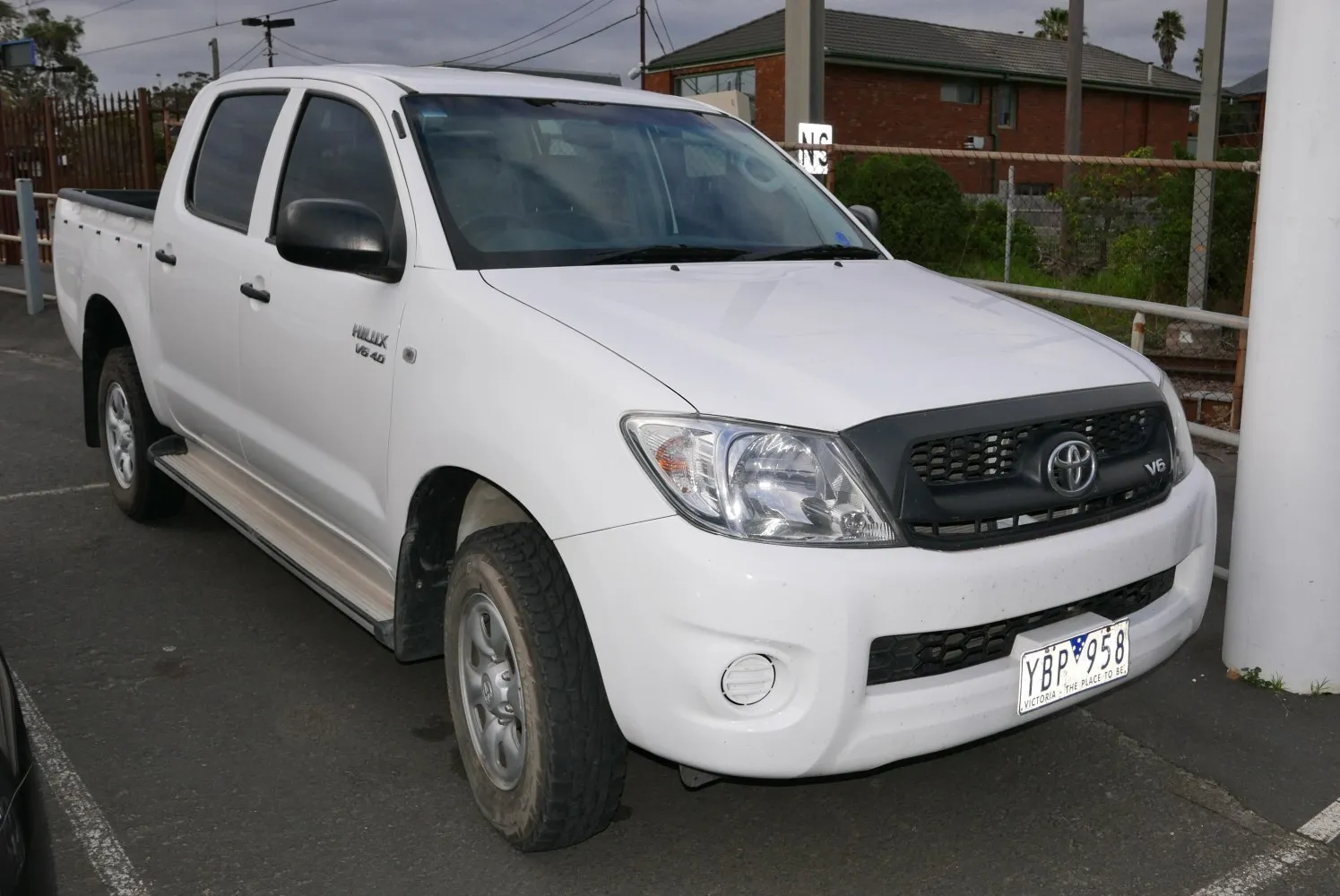
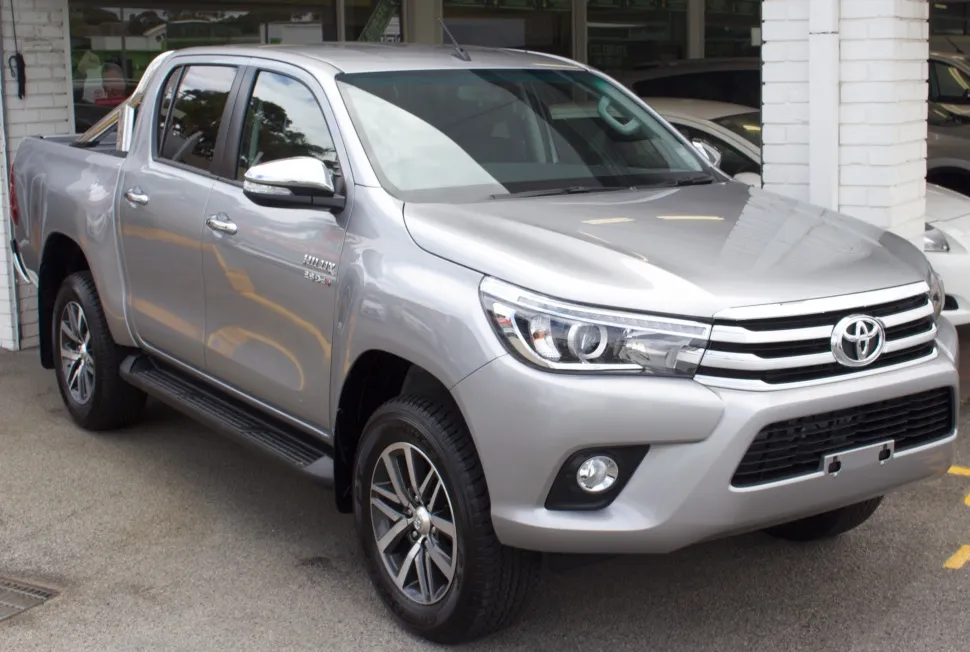
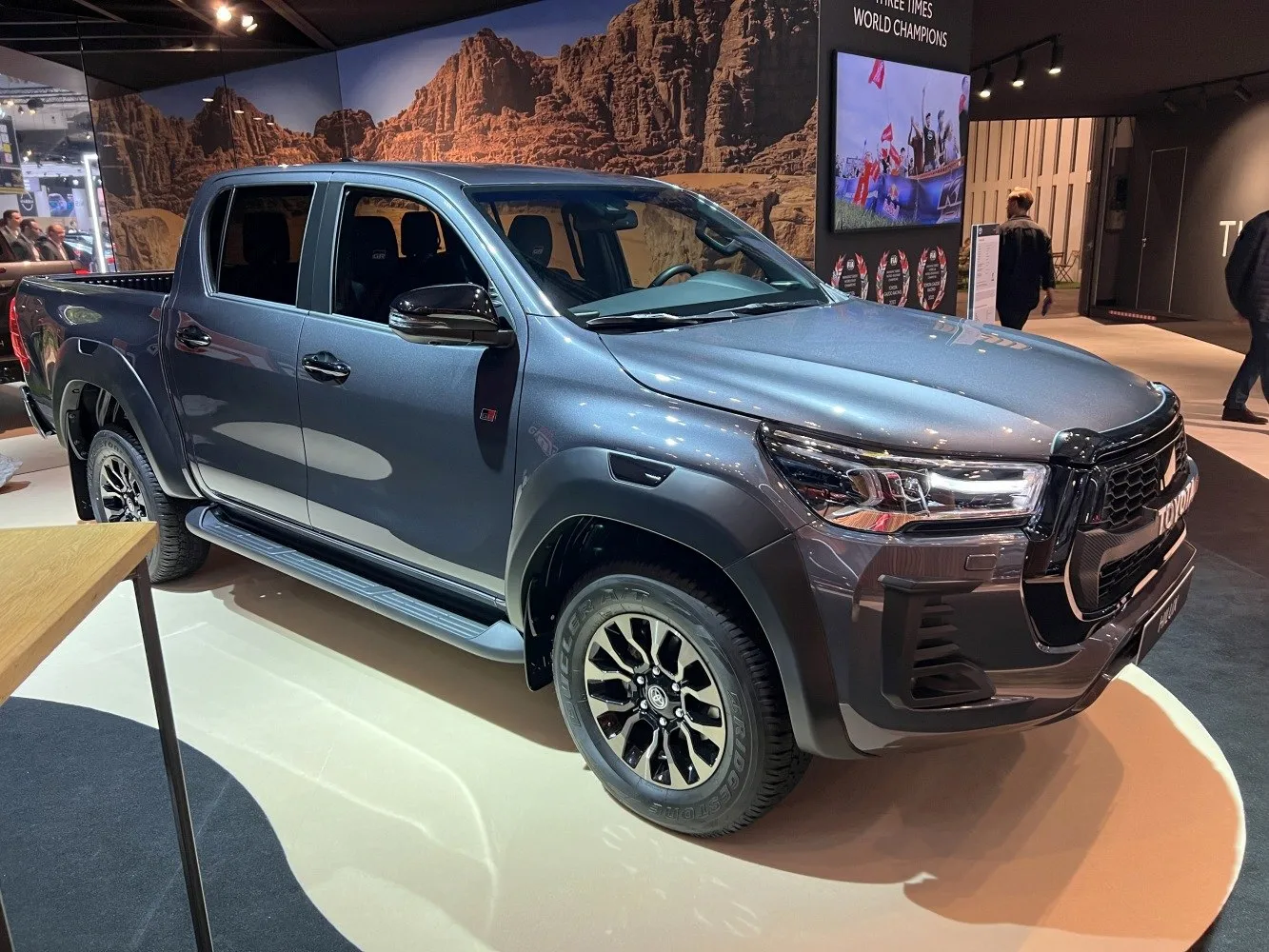
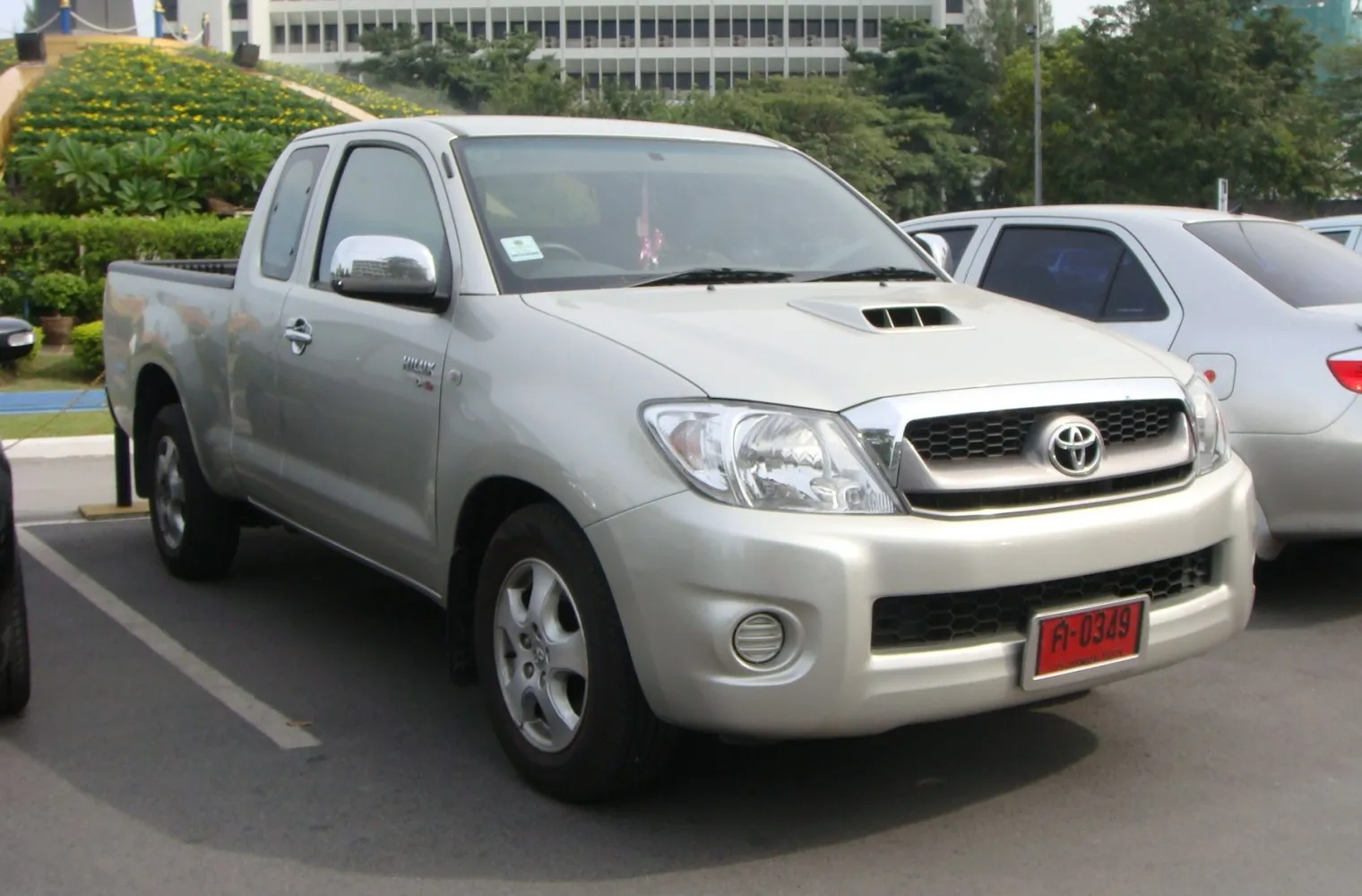
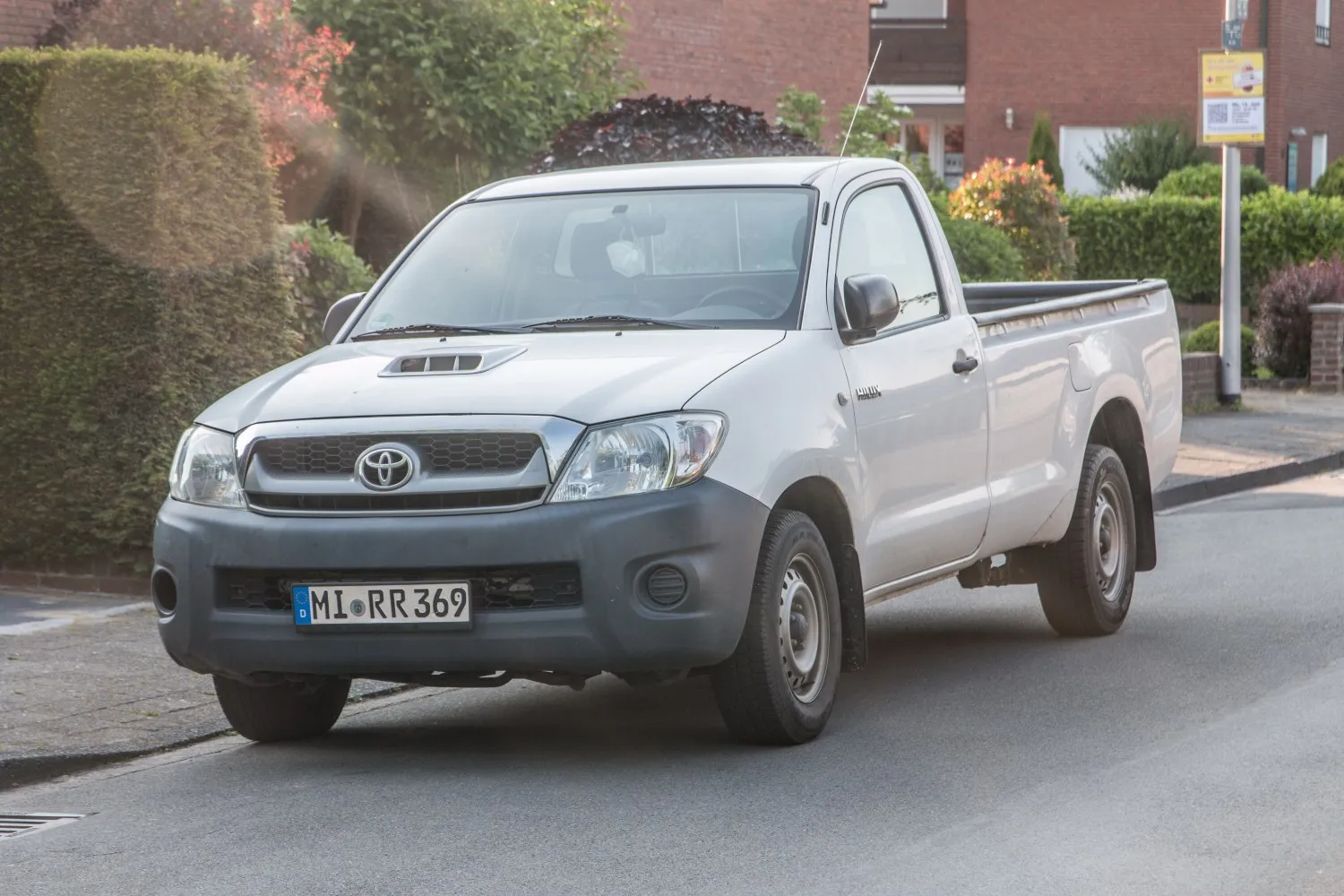
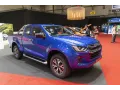
Toyota Hilux Single Cab VIII (facelift 2020) 2.4 D-4D (150 Hp) 4x4
Overall Rating
Toyota Hilux:
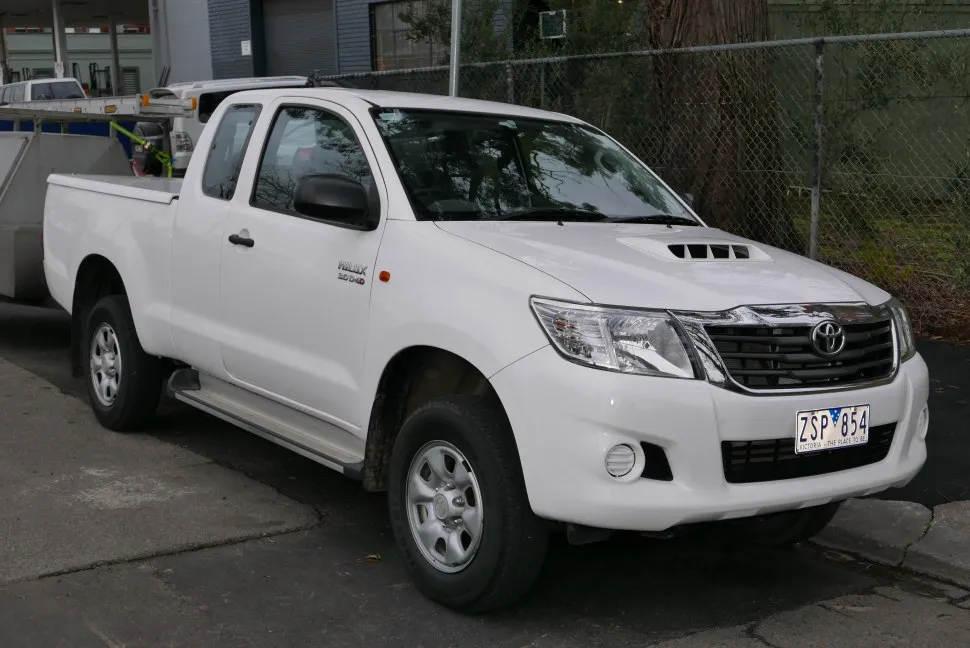
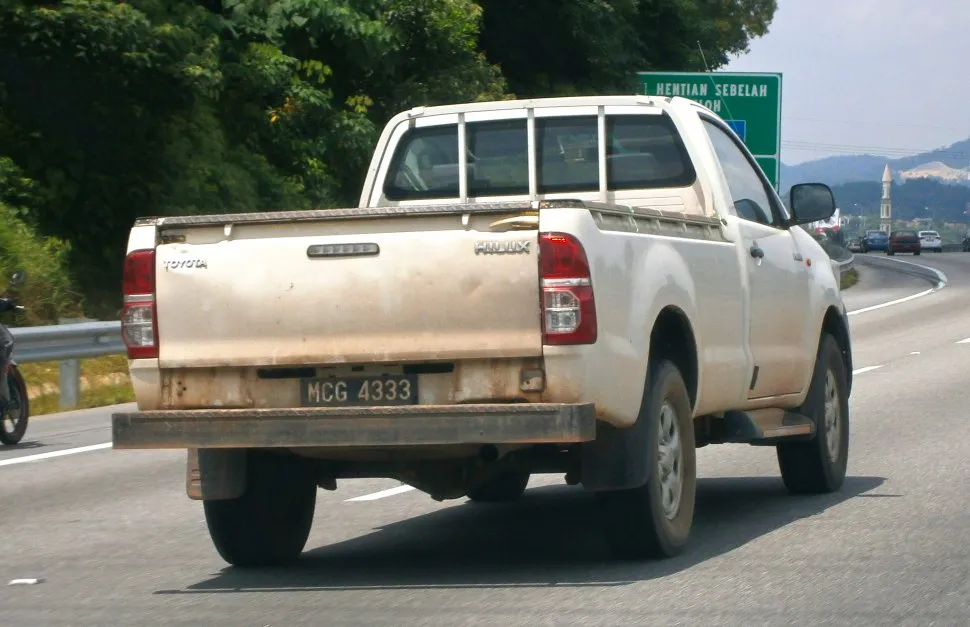
The Toyota Hilux , stylised as HiLux and historically as Hi-Lux, is a series of pickup trucks produced and marketed by the Japanese automobile manufacturer Toyota. The majority of these vehicles are sold as a pickup truck or cab chassis, although they could be configured in a variety of body styles.
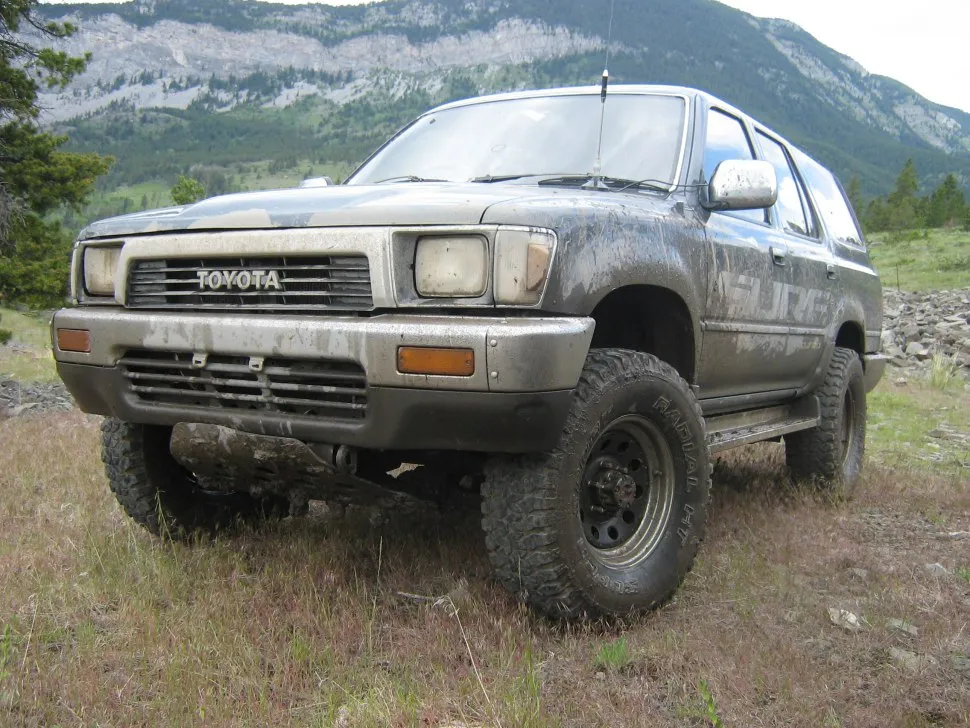
The pickup truck was sold with the Hilux name in most markets, but in North America, the Hilux name was retired in 1976 in favor of Truck, Pickup Truck, or Compact Truck. In North America, the popular option package, the SR5 , was colloquially used as a model name for the truck, even though the option package was also used on other Toyota models, like the 1972 to 1979 Corolla. In 1984, the Trekker, the wagon version of the Hilux, was renamed the 4Runner in Venezuela, Australia, and North America, and the Hilux Surf in Japan. In 1992, Toyota introduced a newer pickup model, the full-size T100 in North America, necessitating distinct names for each vehicle other than Truck and Pickup Truck. Since 1995, the 4Runner is a standalone SUV, while in the same year Toyota introduced the Tacoma to replace the Hilux pickup in North America....(Read more on Wikipedia)
Single Cab VIII (facelift 2020) Overview:
Toyota Hilux (Single Cab VIII (facelift 2020)). With 400 Nm of torque, it offers ample pulling power. With a weight of 1825 kg, it falls in the mid‑range. All‑wheel drive provides excellent grip, ideal for off‑road use. Acceleration is relatively slow (0–100 km/h in 13.2 s). The top speed reaches 170 km/h. A vehicle with an open cargo bed at the back, suitable for transporting goods. Seating for 2 makes it ideal for daily use.
2.4 D-4D (150 Hp) 4x4 Verdict:

Performance Verdict
Offers robust low-end torque and sufficient power for heavy-duty tasks, off-roading, and towing, though acceleration is leisurely at 13.2 seconds 0-100km/h.
Fuel Economy
Reasonable fuel consumption (8.9-10.3 l/100 km WLTP combined) for a 4x4 diesel pickup of this size and capability, especially considering its utility focus.
Pros and Cons:
Pros:
- • Unmatched reliability and durability
- • Exceptional off-road capability (4x4 models)
- • High towing and payload capacity
- • Strong resale value
- • Simple, robust mechanicals for easy maintenance
Cons:
- • Basic interior comfort and features (single cab)
- • Leisurely acceleration and top speed
- • Firm ride quality due to leaf spring rear suspension
- • Fuel consumption can be high under heavy load or off-road
- • Limited passenger space (single cab)
Specifications:
Specifications are compared to those of the previous generation(Single Cab VIII (facelift 2024): February, 2024 - ).
| General: | |
|---|---|
| Brand: | Toyota |
| Model: | Hilux |
| Generation: | Single Cab VIII (facelift 2020) |
| Modification (Engine): | 2.4 D-4D (150 Hp) 4x4 |
| Start of production: | June, 2020 |
| End of production: | February, 2024 |
| Powertrain Architecture: | Internal Combustion engine |
| Body type: | Pick-up |
| Seats: | 2 |
| Doors: | 2 |
| Engine: | |
|---|---|
| Engine systems: | Start & Stop System |
| Power: | 150 Hp @ 3400 rpm. |
| Power per litre: | 62.7 Hp/l |
| Torque: | 400 Nm @ 1600-2000 rpm. |
| Engine Model/Code: | 2GD-FTV [Same engine] More details about the engine 2GD-FTV |
| Engine displacement: | 2393 |
| Number of cylinders: | 4 |
| Engine configuration: | Inline |
| Number of valves per cylinder: | 4 |
| Fuel injection system: | Diesel Commonrail |
| Engine aspiration: | Turbocharger, Intercooler |
| Valvetrain: | DOHC |
| Engine oil capacity: | 7.5 l |
| Coolant: | 9.2 l |
| Engine layout: | Front, Longitudinal |
| Cylinder Bore: | 92 mm |
| Piston Stroke: | 90 mm |
| Compression ratio: | 15.6:1 |
| Performance: | |
|---|---|
| Fuel Type: | Diesel |
| Combined fuel consumption (WLTP): | 8.9-10.3 l/100 km |
| Acceleration 0 - 100 km/h: | 13.2 sec |
| Acceleration 0 - 62 mph: | 13.2 sec |
| Maximum speed: | 170 km/h |
| Weight-to-power ratio: | 12 kg/Hp, 83.3 Hp/tonne |
| Weight-to-torque ratio: | 4.5 kg/Nm, 222.2 Nm/tonne |
| Acceleration 0 - 60 mph: | 12.5 sec |
| Space: | |
|---|---|
| Kerb Weight: | 1800-1850 |
| Permitted trailer load with brakes (12%): | 3500 kg |
| Fuel tank capacity: | 80 l |
| Permitted trailer load without brakes: | 750 kg |
| Size: | |
|---|---|
| Length: | 5325 mm [60mm more] |
| Width: | 1800 mm [Same width.] |
| Height: | 1795 mm [Same height.] |
| Wheelbase: | 3085 mm [Same wheelbase.] |
| Front track: | 1495 mm |
| Rear (Back) track: | 1510 mm |
| Ride height (ground clearance): | 277 mm |
| Minimum turning circle (turning diameter): | 13.4 m [above average] |
| Approach angle: | 30° |
| Departure angle: | 25° |
| Powertrain: | |
|---|---|
| Drivetrain Architecture | The Internal combustion engine (ICE) drives the rear wheels permanently, and the front wheels are driven through an electrically or mechanically operated clutch if necessary. |
| Drive wheel | All wheel drive (4x4) |
| Number of gears | 6 |
| Transmission type | Manual |
| Front brakes | Ventilated discs [Best for performance and cooling.] |
| Rear brakes | Drum [bad for performance and cooling.] |
| Assisting systems | ABS (Anti-lock braking system) |
| Steering type | Steering rack and pinion |
| Power steering | Hydraulic Steering |
| Tires size | 225/70 R17C; 265/65 R17; 265/60 R18 |
| Wheel rims size | 6J x 17; 7.5J x 17; 7.5J x 18 |
| Front suspension | Double wishbone |
| Rear suspension | Leaf spring |











Does the Toyota Hilux live up to the hype? Give us your verdict!