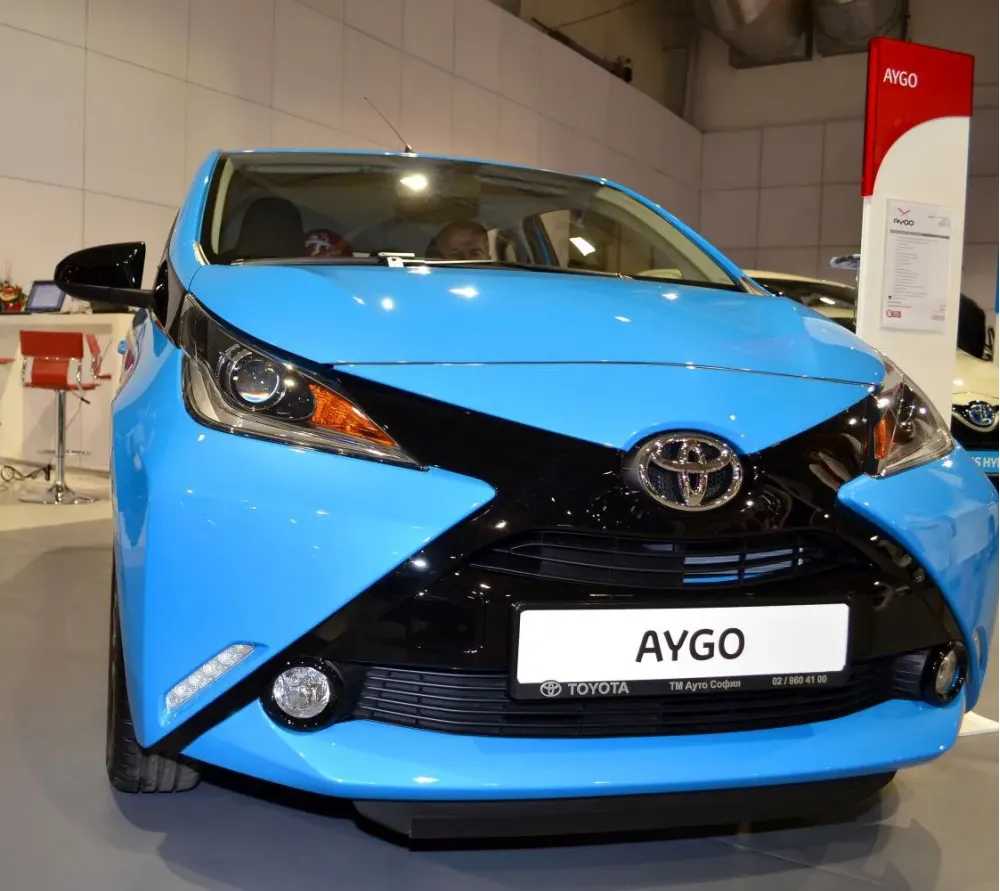
Click on image to view the full photo gallery
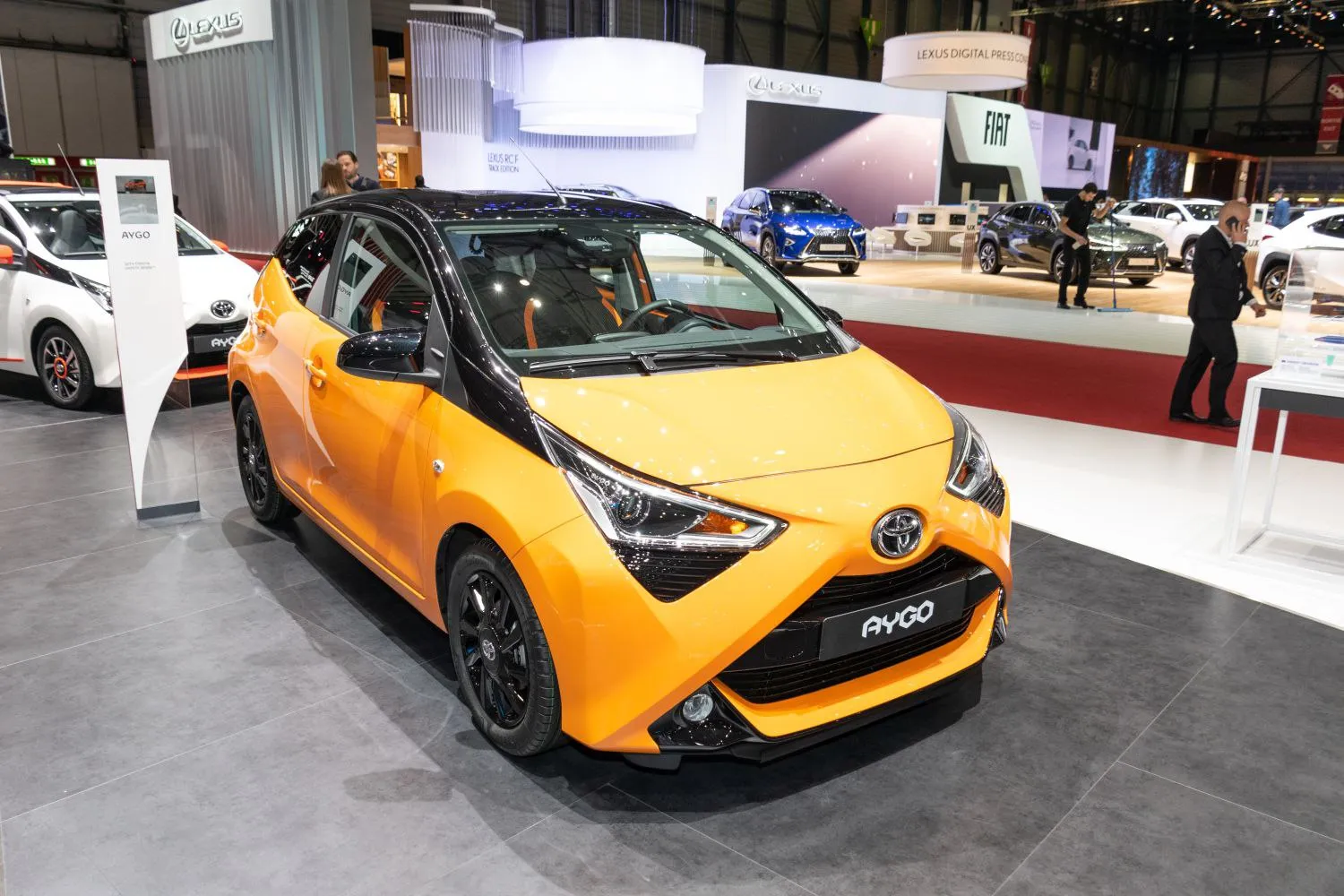
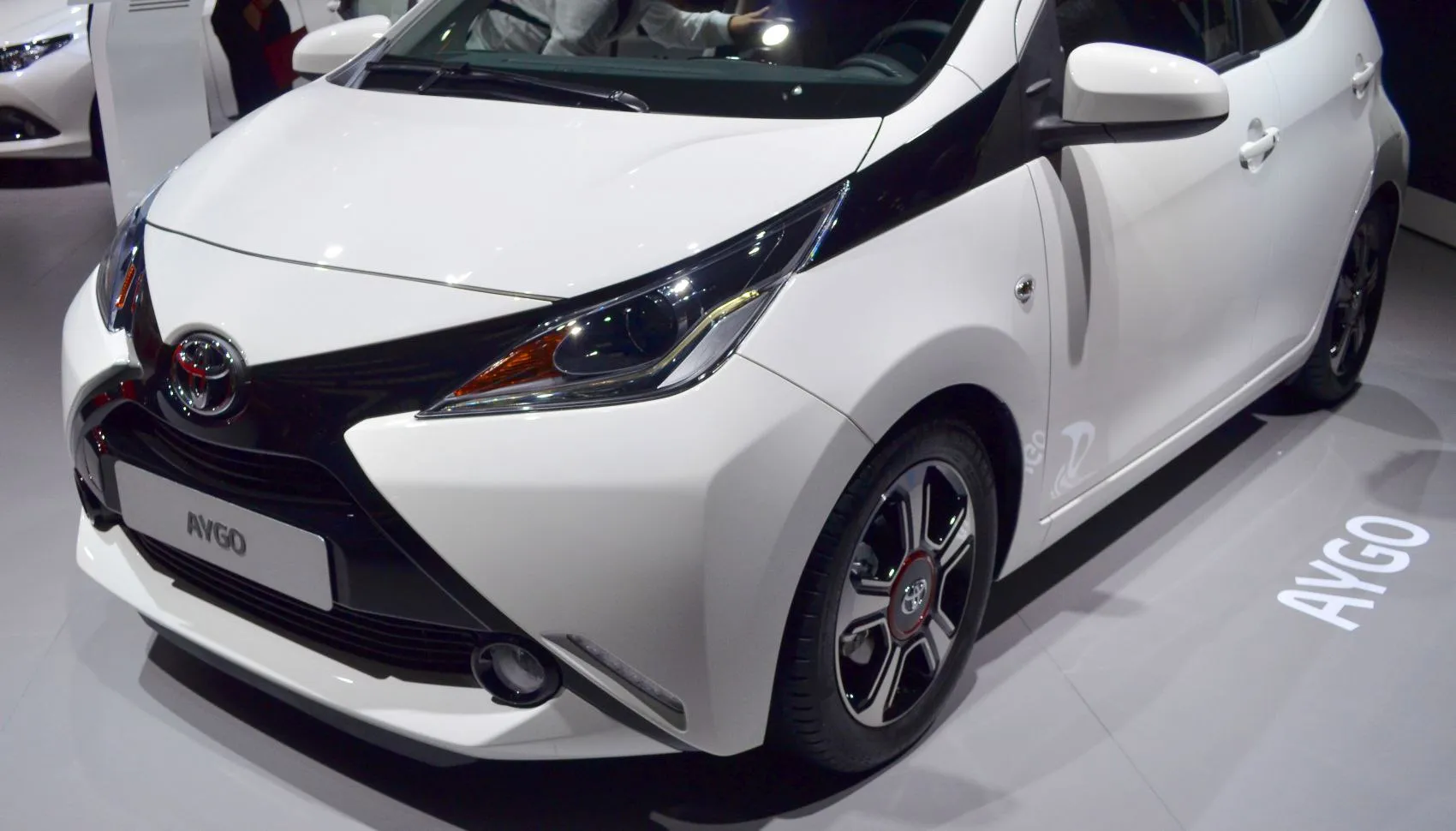
Toyota Aygo II 1.0 VVT-i (69 Hp) Automatic
Overall Rating
Toyota Aygo:
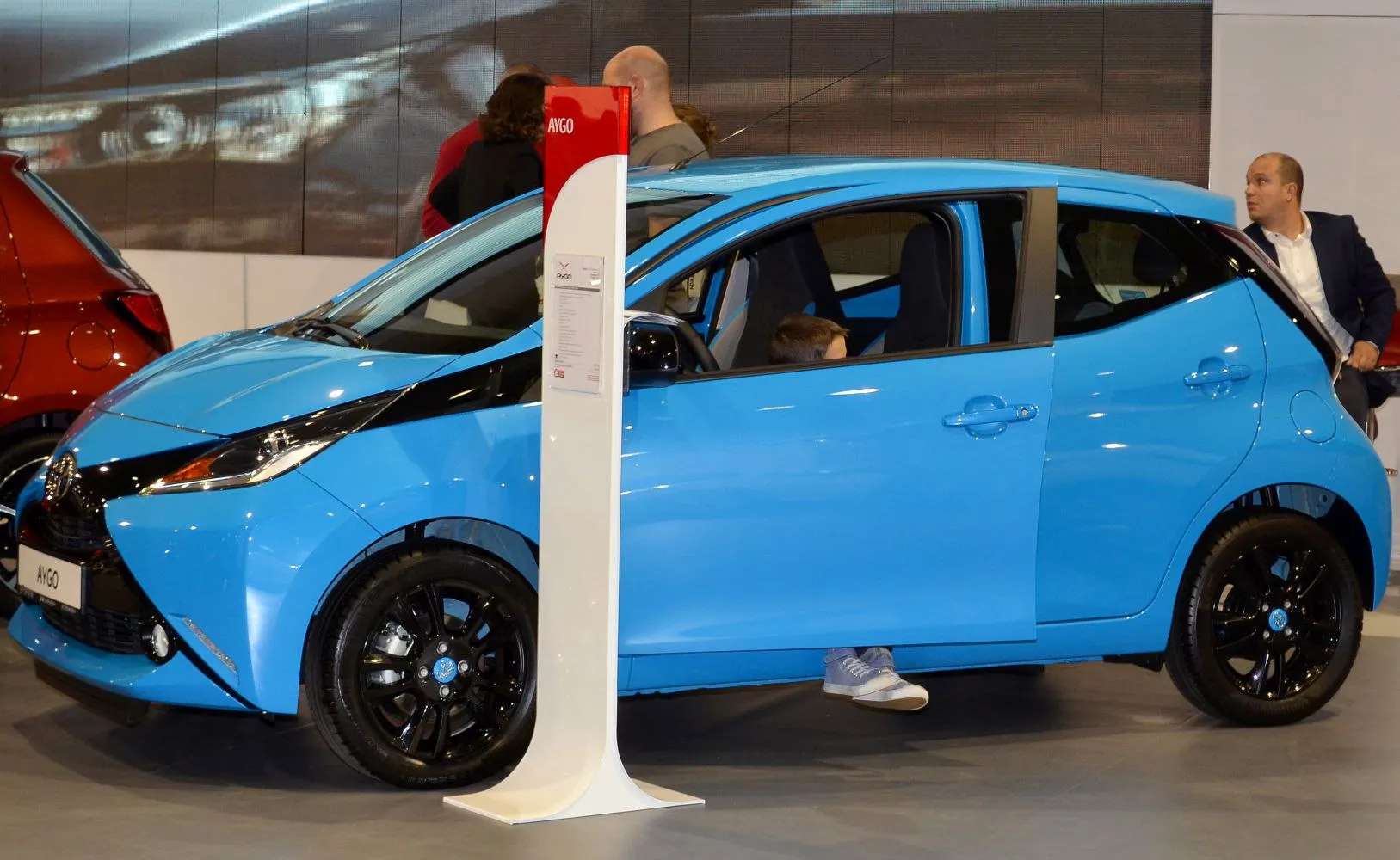
The Toyota Aygo is a city car marketed by Toyota mainly in the European market between 2005 and 2022 across two generations. The Aygo was first displayed at the 2005 Geneva International Motor Show. It was built alongside the related Citroën C1 and Peugeot 107/108 at the Toyota Peugeot Citroën Automobile Czech joint venture in Kolín, Czech Republic. The Aygo's production ended in 2021 and the model was replaced by the crossover-styled Aygo X.
The name "Aygo" comes from "i-go", symbolising freedom and mobility....(Read more on Wikipedia)
II Overview:
Toyota Aygo (II). With 95 Nm of torque, it offers ample pulling power. It boasts low fuel consumption (~5 l/100km). Front‑wheel drive delivers efficiency and easy handling. Acceleration is relatively slow (0–100 km/h in 15.5 s). The top speed reaches 160 km/h. A compact car with a rear door that swings upward to provide access to the cargo area. Seating for 4 makes it ideal for daily use.
The Aygo II achieved a respectable 4-star Euro NCAP rating, demonstrating solid adult occupant protection for its class, though safety assist features were less comprehensive in the standard model.
1.0 VVT-i (69 Hp) Automatic Verdict:

Performance Verdict
Adequate for city driving, the automatic transmission prioritizes ease of use over outright acceleration, making it smooth for stop-and-go traffic.
Fuel Economy
Offers good fuel economy for an automatic city car, slightly higher than the manual but still very efficient for urban commutes.
Pros and Cons:
Pros:
- • Exceptional fuel economy and low running costs
- • Highly maneuverable and easy to park in urban environments
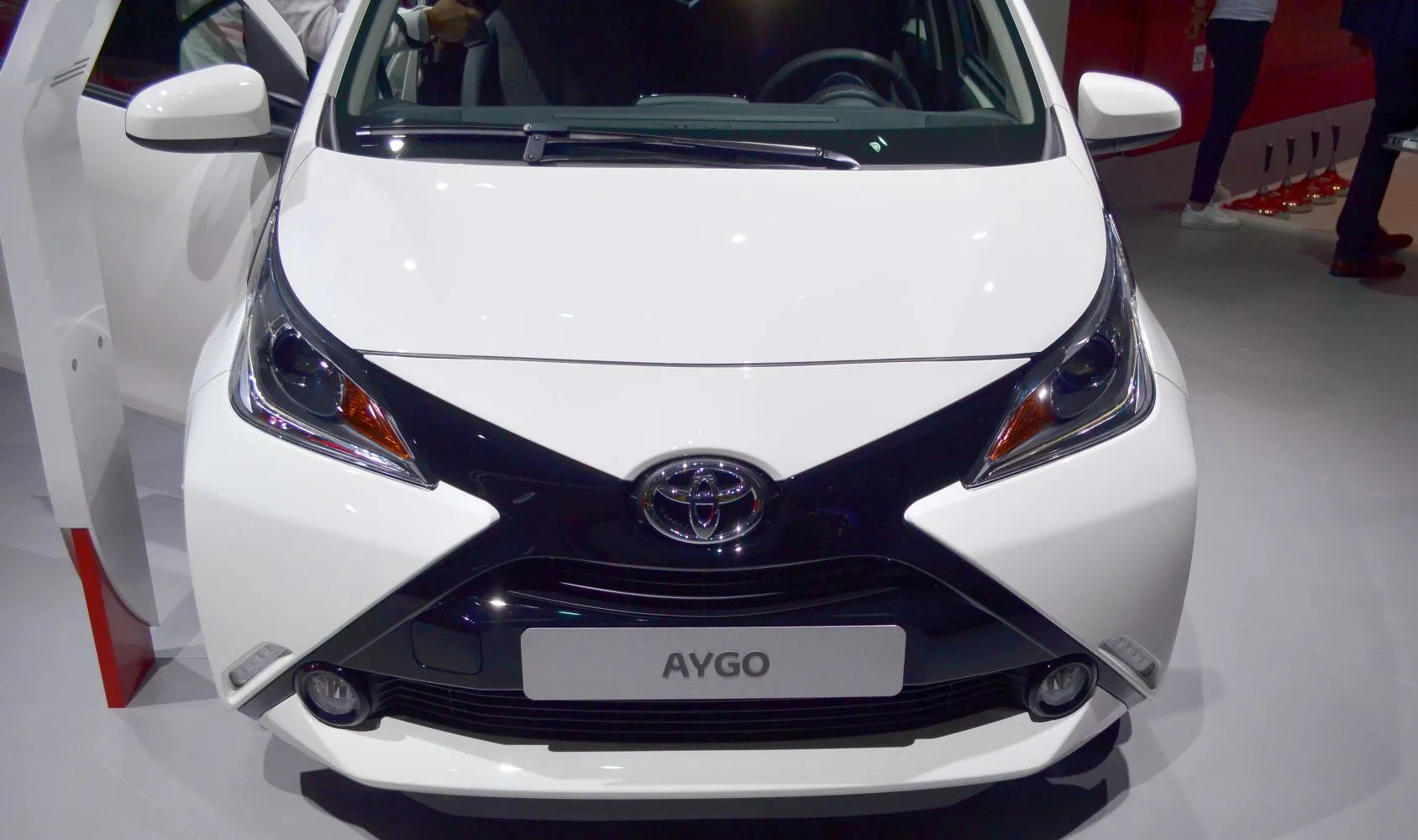
- • Distinctive and youthful styling
- • Toyota's renowned reliability for peace of mind
Cons:
- • Limited boot space and rear passenger room
- • Engine can be noisy at higher speeds or on highways
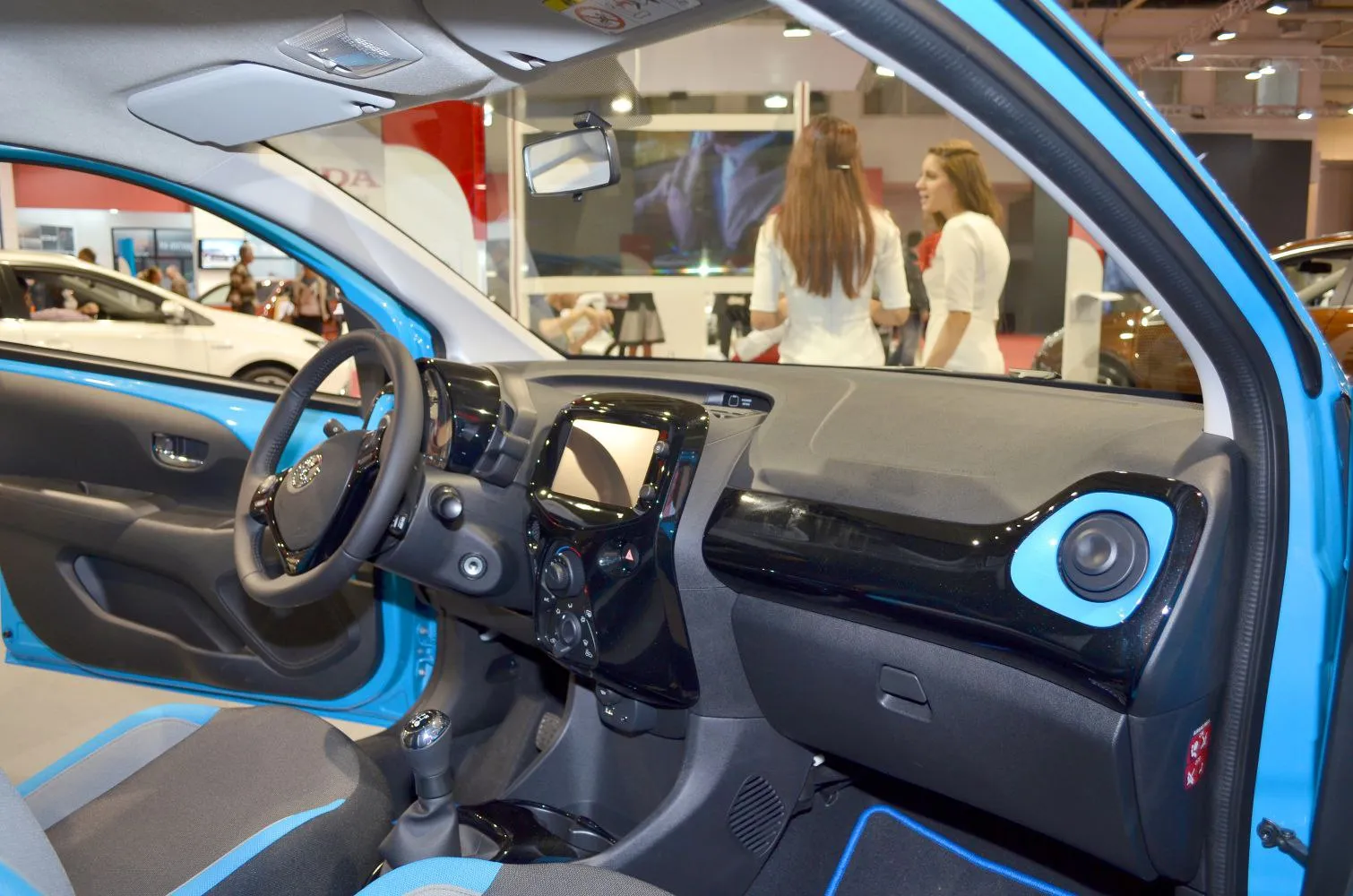
- • Basic interior materials in some trims
- • Performance is strictly for city use, lacking power for long highway journeys
Specifications:
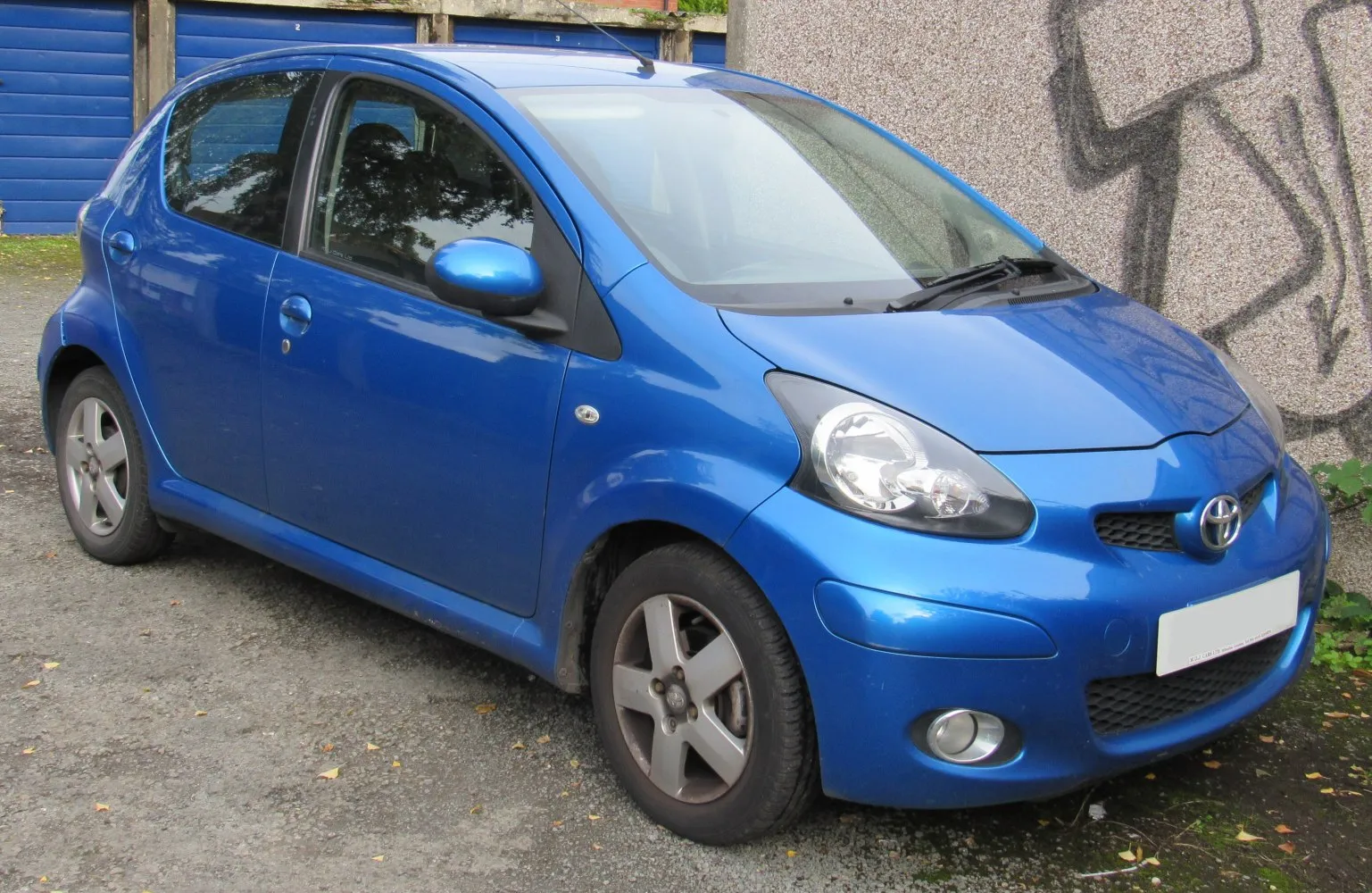
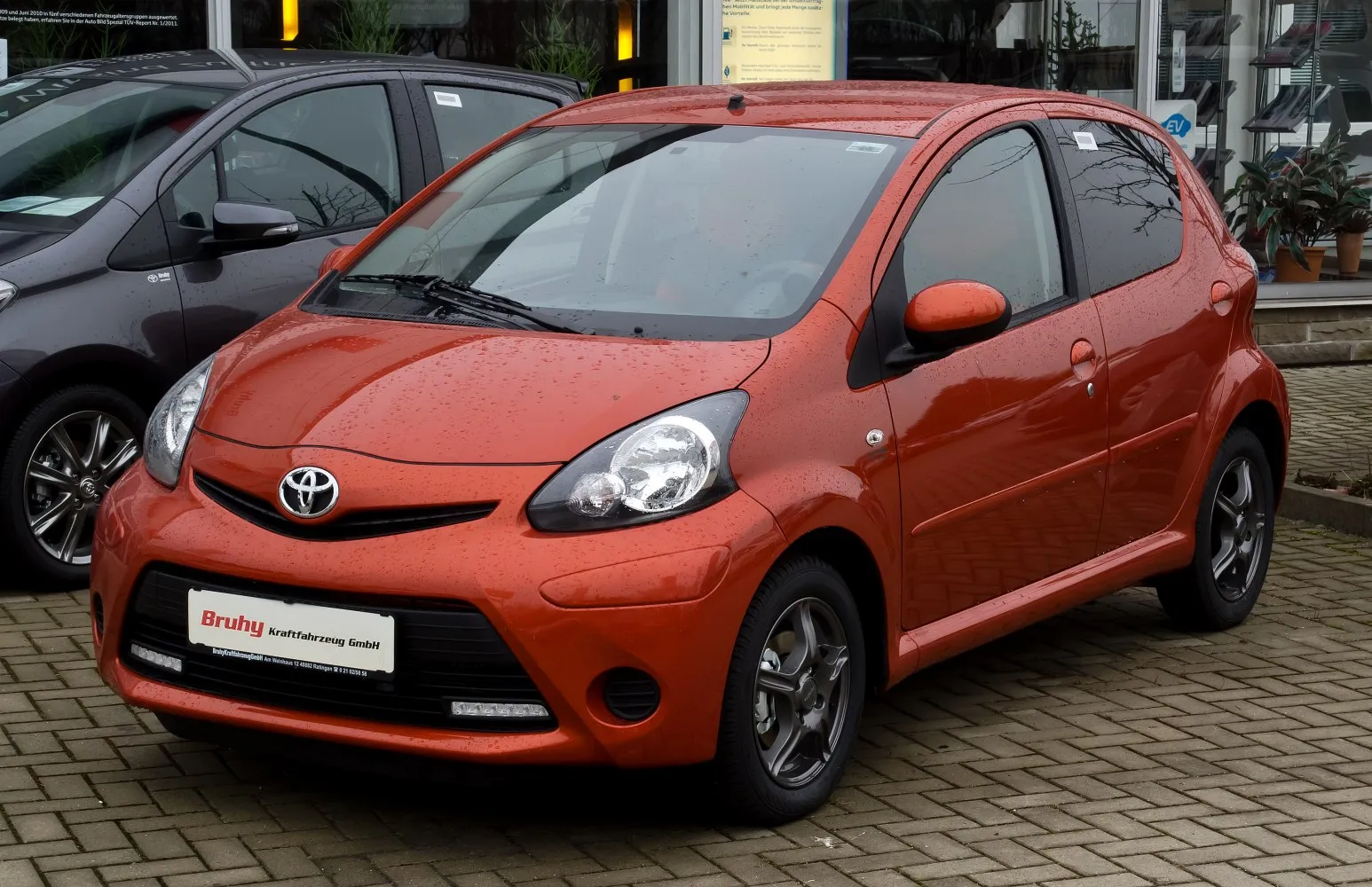
Specifications are compared to those of the previous generation(facelift 2012: 2012 - 2014).
| General: | |
|---|---|
| Brand: | Toyota |
| Model: | Aygo |
| Generation: | II |
| Modification (Engine): | 1.0 VVT-i (69 Hp) Automatic |
| Start of production: | 2014 |
| End of production: | 2018 |
| Powertrain Architecture: | Internal Combustion engine |
| Body type: | Hatchback |
| Seats: | 4 |
| Doors: | 3/5 |
| Engine: | |
|---|---|
| Power: | 69 Hp @ 6000 rpm. |
| Power per litre: | 69.1 Hp/l |
| Torque: | 95 Nm @ 4300 rpm. |
| Engine Model/Code: | 1KR-FE [Same engine] More details about the engine 1KR-FE |
| Engine displacement: | 998 |
| Number of cylinders: | 3 |
| Engine configuration: | Inline |
| Number of valves per cylinder: | 4 |
| Fuel injection system: | Multi-port manifold injection |
| Engine aspiration: | Naturally aspirated engine |
| Valvetrain: | DOHC |
| Engine oil capacity: | 2.8 l |
| Coolant: | 3.6 l |
| Engine layout: | Front, Transverse |
| Cylinder Bore: | 71 mm mm |
| Piston Stroke: | 84 mm mm |
| Compression ratio: | 11.5:1 |
| Performance: | |
|---|---|
| Fuel Type: | Petrol (Gasoline) |
| Fuel consumption (economy) - urban: | 5 l/100 km |
| Fuel consumption (economy) - extra urban: | 3.8 l/100 km |
| Fuel consumption (economy) - combined: | 4.2 l/100 km |
| Emission standard: | Euro 5 J |
| Acceleration 0 - 100 km/h: | 15.5 sec |
| Acceleration 0 - 62 mph: | 15.5 sec |
| Maximum speed: | 160 km/h |
| Acceleration 0 - 60 mph: | 14.7 sec |
| Space: | |
|---|---|
| Max. roof load: | 50 kg |
| Trunk (boot) space - minimum: | 168 l |
| Fuel tank capacity: | 35 l |
| Size: | |
|---|---|
| Length: | 3455 mm mm [25mm more] |
| Width: | 1615 mm mm [Same width.] |
| Height: | 1460 mm mm [5mm less] |
| Wheelbase: | 2340 mm mm [Same wheelbase.] |
| Front track: | 1430 mm |
| Rear (Back) track: | 1420 mm |
| Minimum turning circle (turning diameter): | 10.2 m [above average] |
| Powertrain: | |
|---|---|
| Drivetrain Architecture | The Internal combustion engine (ICE) drives the front wheels of the vehicle. |
| Drive wheel | Front wheel drive |
| Number of gears | 5 |
| Transmission type | Automatic |
| Gearbox type | x-shift |
| Front brakes | Ventilated discs [Best for performance and cooling.] |
| Rear brakes | Drum [bad for performance and cooling.] |
| Assisting systems | ABS (Anti-lock braking system) |
| Steering type | Steering rack and pinion |
| Front suspension | Independent type McPherson |
| Rear suspension | Semi-independent, coil spring |













Is it love at first sight with the Toyota Aygo? Tell us your story!