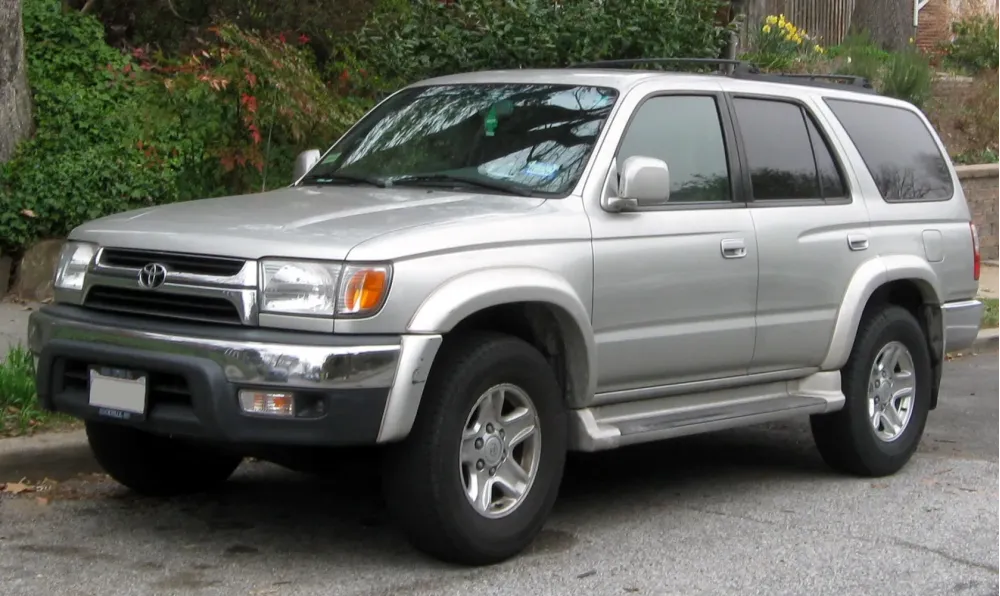
Click on image to view the full photo gallery
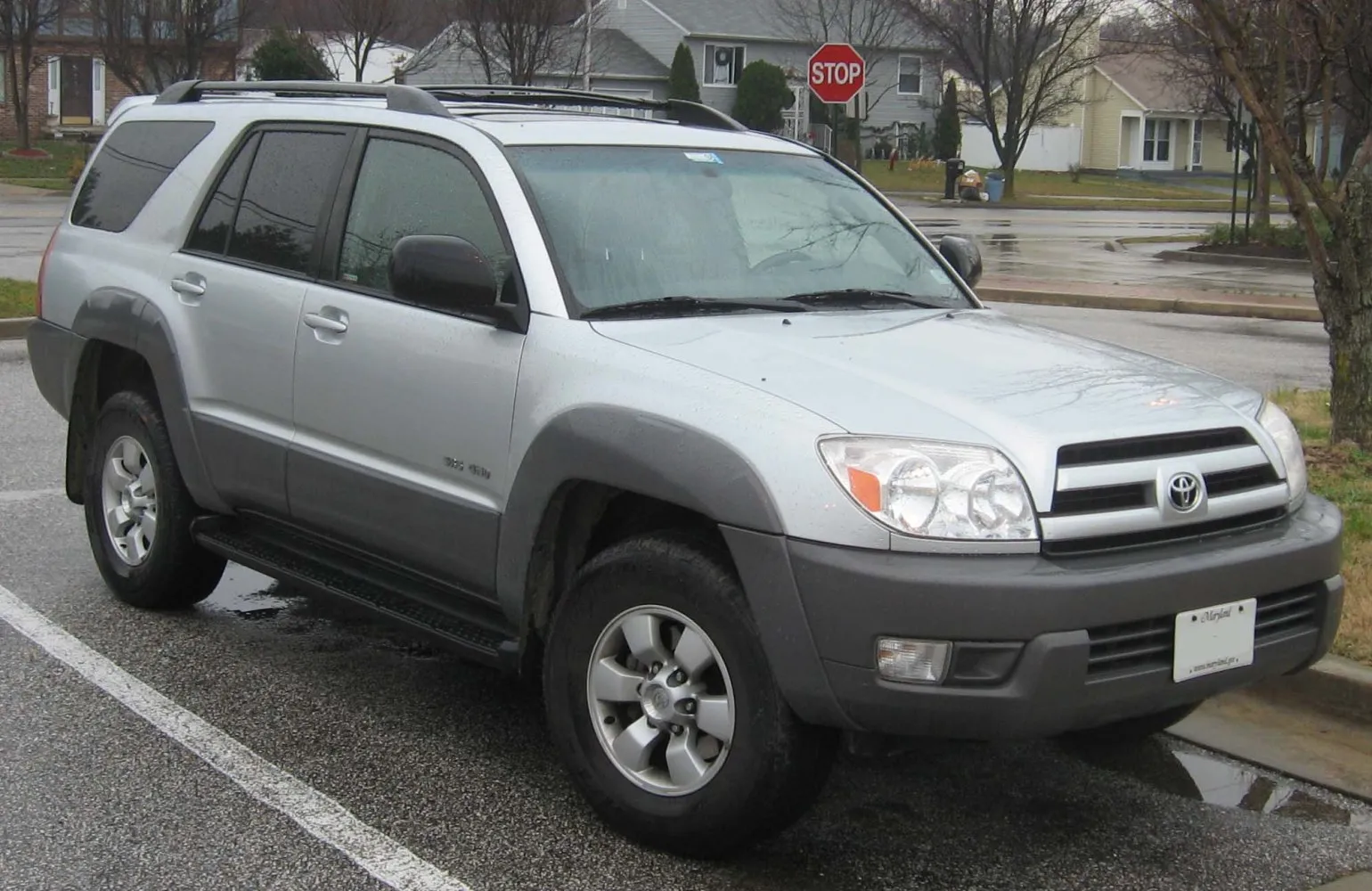
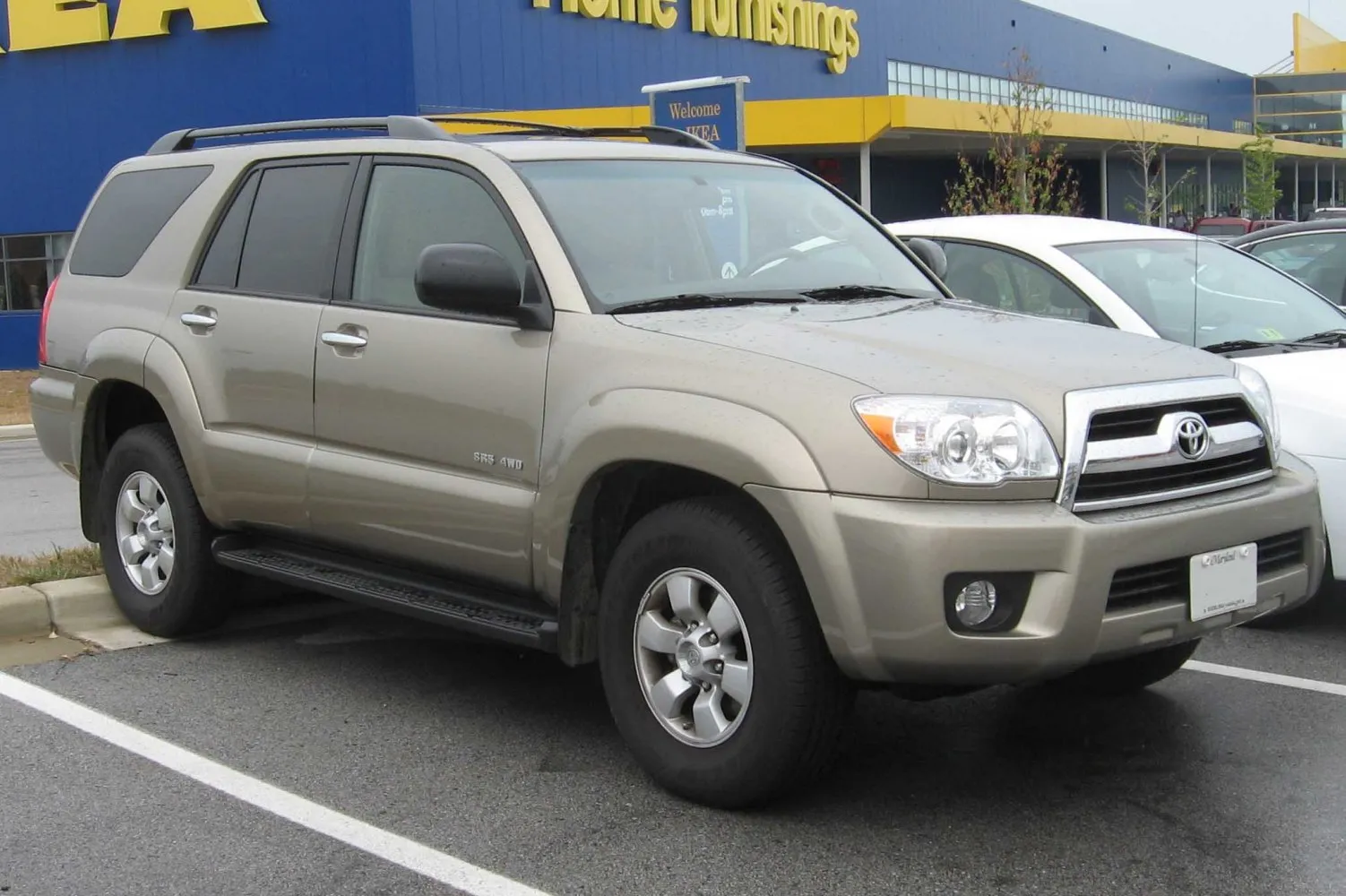
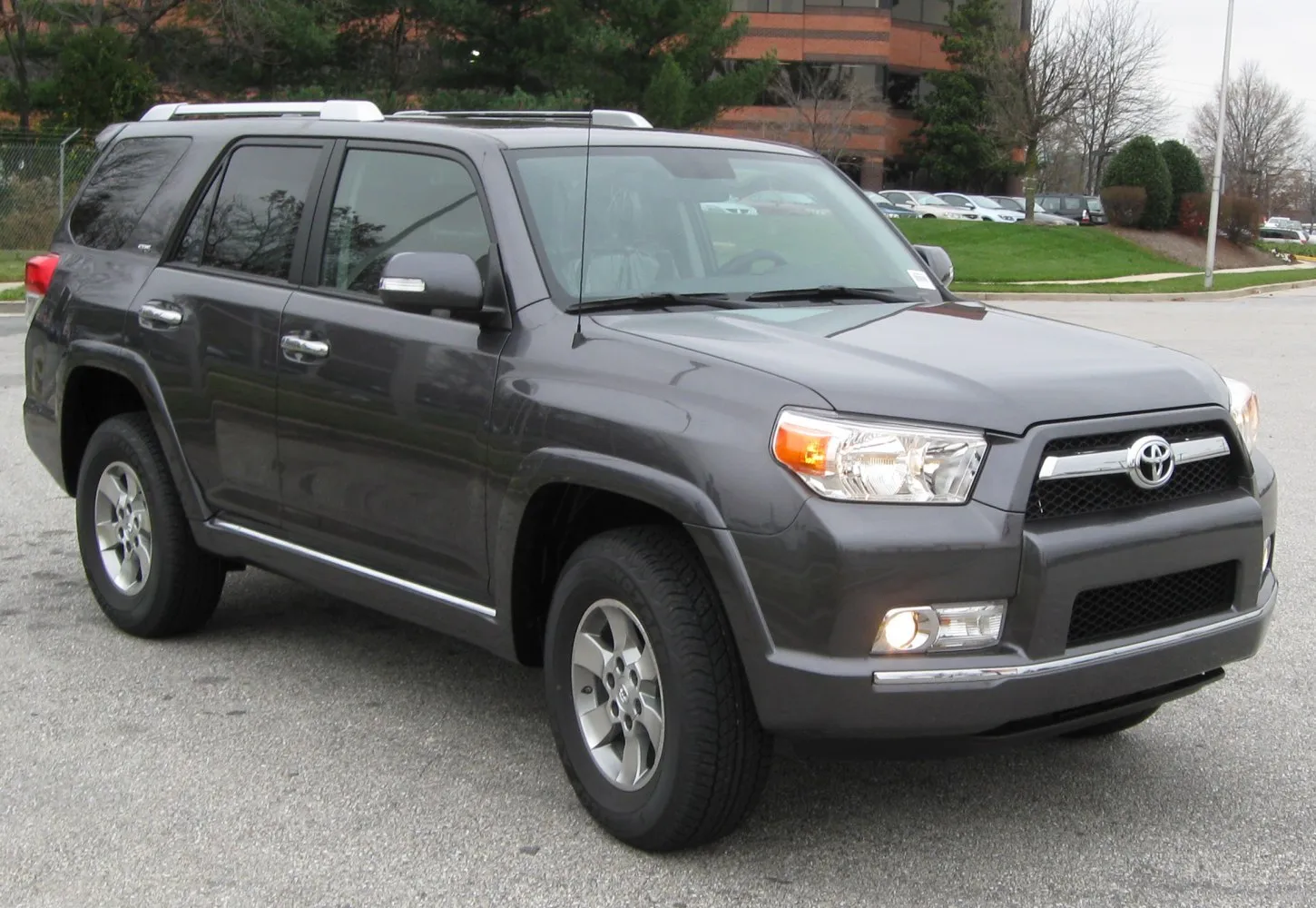
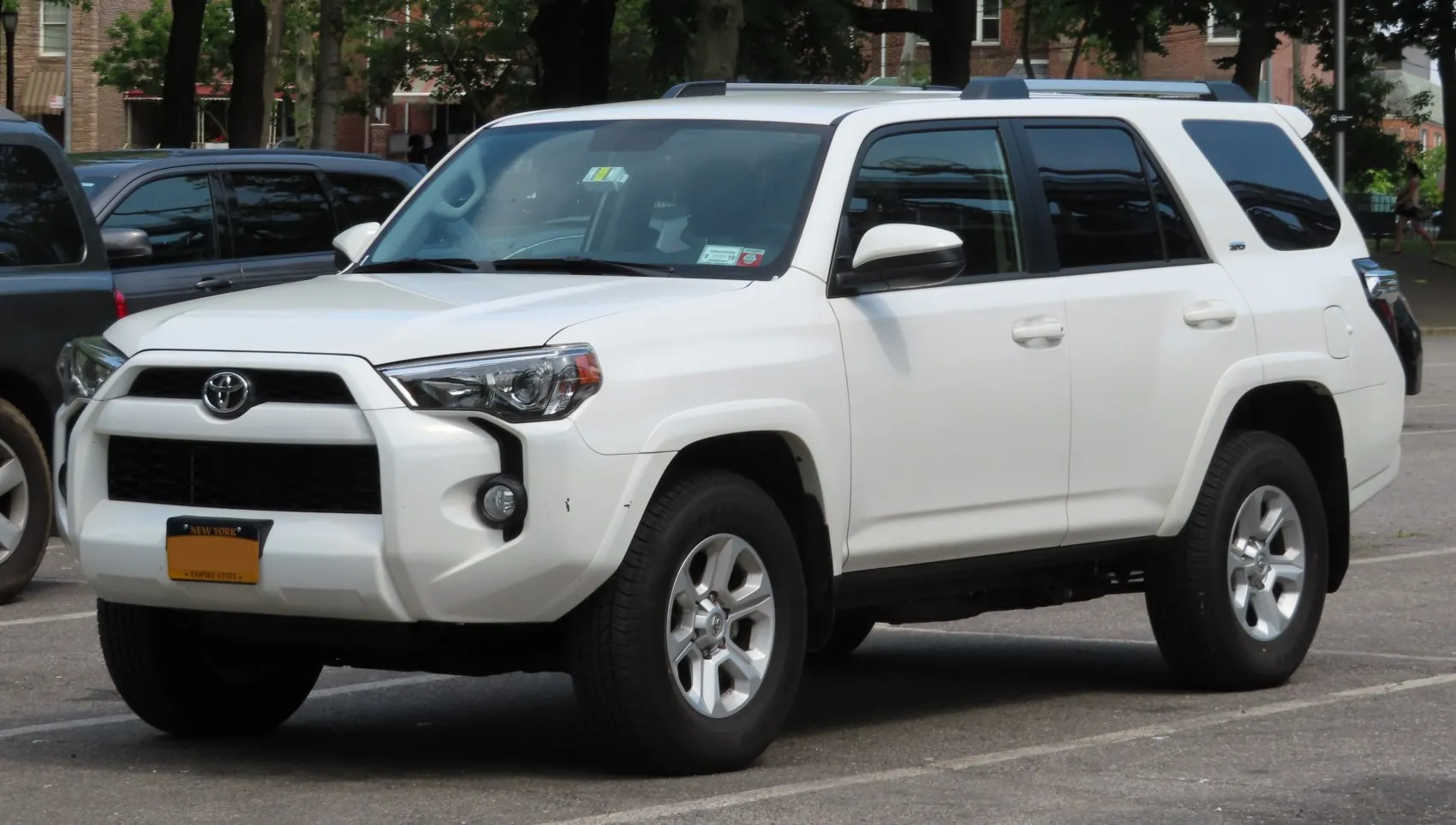
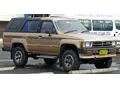
Toyota 4Runner III (facelift 1999) 2.7 16V (150 Hp) 4x4
Overall Rating
Toyota 4Runner:
The Toyota 4Runner is an SUV manufactured by the Japanese automaker Toyota and marketed globally since 1984, across six generations. In Japan, it was marketed as the Toyota Hilux Surf and was withdrawn from the market in 2009. The original 4Runner was a compact SUV and little more than a Toyota Hilux pickup truck with a fiberglass shell over the bed, but the model has since undergone significant independent development into a cross between a compact and a mid-size SUV. All 4Runners have been built in Japan at Toyota's plant in Tahara, Aichi, or at the Hino Motors plant in Hamura....(Read more on Wikipedia)
III (facelift 1999) Overview:
Toyota 4Runner (III (facelift 1999)). With 240 Nm of torque, it offers ample pulling power. With a weight of 1676 kg, it falls in the mid‑range. All‑wheel drive provides excellent grip, ideal for off‑road use. A sport utility vehicle offering higher ground clearance and versatile cargo space. Seating for 5 makes it ideal for daily use.
2.7 16V (150 Hp) 4x4 Verdict:

Performance Verdict
Solid and reliable performance for everyday driving and trail use. Manual transmission offers more driver engagement and control, especially off-road.
Fuel Economy
Slightly better fuel economy than the automatic version due to manual transmission efficiency, but still a 90s SUV.
Pros and Cons:
Pros:
- • Legendary Toyota reliability and durability
- • Exceptional off-road capability (especially 4x4 models)
- • Strong resale value and cult following
- • Spacious interior and cargo capacity
- • Simple, robust mechanicals for easy maintenance
Cons:
- • Fuel economy is modest, particularly for V6 models
- • Ride comfort can be truck-like on rough roads
- • Interior design and features are dated by modern standards
- • Limited advanced safety features compared to newer vehicles
- • Some rust issues can occur in older models, especially frame
Specifications:
Specifications are compared to those of the previous generation(III: 1995 - 1999).
| General: | |
|---|---|
| Brand: | Toyota |
| Model: | 4Runner |
| Generation: | III (facelift 1999) |
| Modification (Engine): | 2.7 16V (150 Hp) 4x4 |
| Start of production: | 1999 |
| End of production: | 2000 |
| Powertrain Architecture: | Internal Combustion engine |
| Body type: | SUV |
| Seats: | 5 |
| Doors: | 5 |
| Engine: | |
|---|---|
| Power: | 150 Hp @ 4800 rpm. Same horsepower |
| Power per litre: | 55.7 Hp/l [117mm more] |
| Torque: | 240 Nm @ 4000 rpm. |
| Engine Model/Code: | 3RZ-FE More details about the engine 3RZ-FE |
| Engine displacement: | 2694 |
| Number of cylinders: | 4 |
| Engine configuration: | Inline |
| Number of valves per cylinder: | 4 |
| Fuel injection system: | Multi-port manifold injection |
| Engine aspiration: | Naturally aspirated engine |
| Valvetrain: | DOHC |
| Engine oil capacity: | 5.4 l |
| Coolant: | 10 l |
| Engine layout: | Front, Longitudinal |
| Cylinder Bore: | 95 mm mm |
| Piston Stroke: | 95 mm mm |
| Compression ratio: | 9.5:1 |
| Performance: | |
|---|---|
| Fuel Type: | Petrol (Gasoline) |
| Weight-to-power ratio: | 11.2 kg/Hp, 89.5 Hp/tonne |
| Weight-to-torque ratio: | 7 kg/Nm, 143.2 Nm/tonne |
| Space: | |
|---|---|
| Kerb Weight: | 1676 |
| Max. weight: | 2381 |
| Max load: | 705 |
| Trunk (boot) space - maximum: | 2257 l |
| Trunk (boot) space - minimum: | 1263 l |
| Fuel tank capacity: | 70 l |
| Size: | |
|---|---|
| Length: | 4656 mm mm [117mm more] |
| Width: | 1690 mm mm [1mm more] |
| Height: | 1715-1740 mm mm [26mm more] |
| Wheelbase: | 2675 mm mm [Same wheelbase.] |
| Front track: | 1505 mm |
| Rear (Back) track: | 1495-1510 mm |
| Minimum turning circle (turning diameter): | 11.4 m [above average] |
| Powertrain: | |
|---|---|
| Drive wheel | All wheel drive (4x4) |
| Number of gears | 5 |
| Transmission type | Manual |
| Front brakes | Ventilated discs [Best for performance and cooling.] |
| Rear brakes | Drum [bad for performance and cooling.] |
| Assisting systems | ABS (Anti-lock braking system) |
| Steering type | Steering rack and pinion |
| Power steering | Hydraulic Steering |
| Tires size | 225/75 R15; 265/70 R16 |
| Wheel rims size | 7J x 15; 7J x 16 |
| Front suspension | Double wishbone |
| Rear suspension | Independent multi-link suspension |









Is the Toyota 4Runner worth every penny? Give us your honest ROI.