Click on image to view the full photo gallery
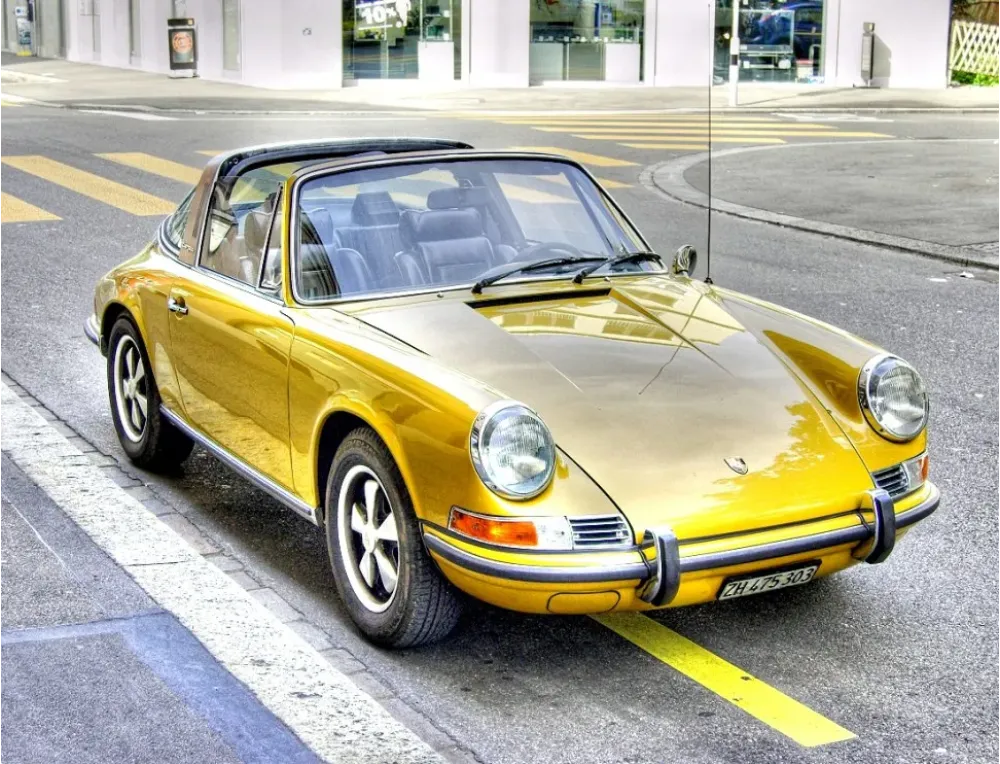
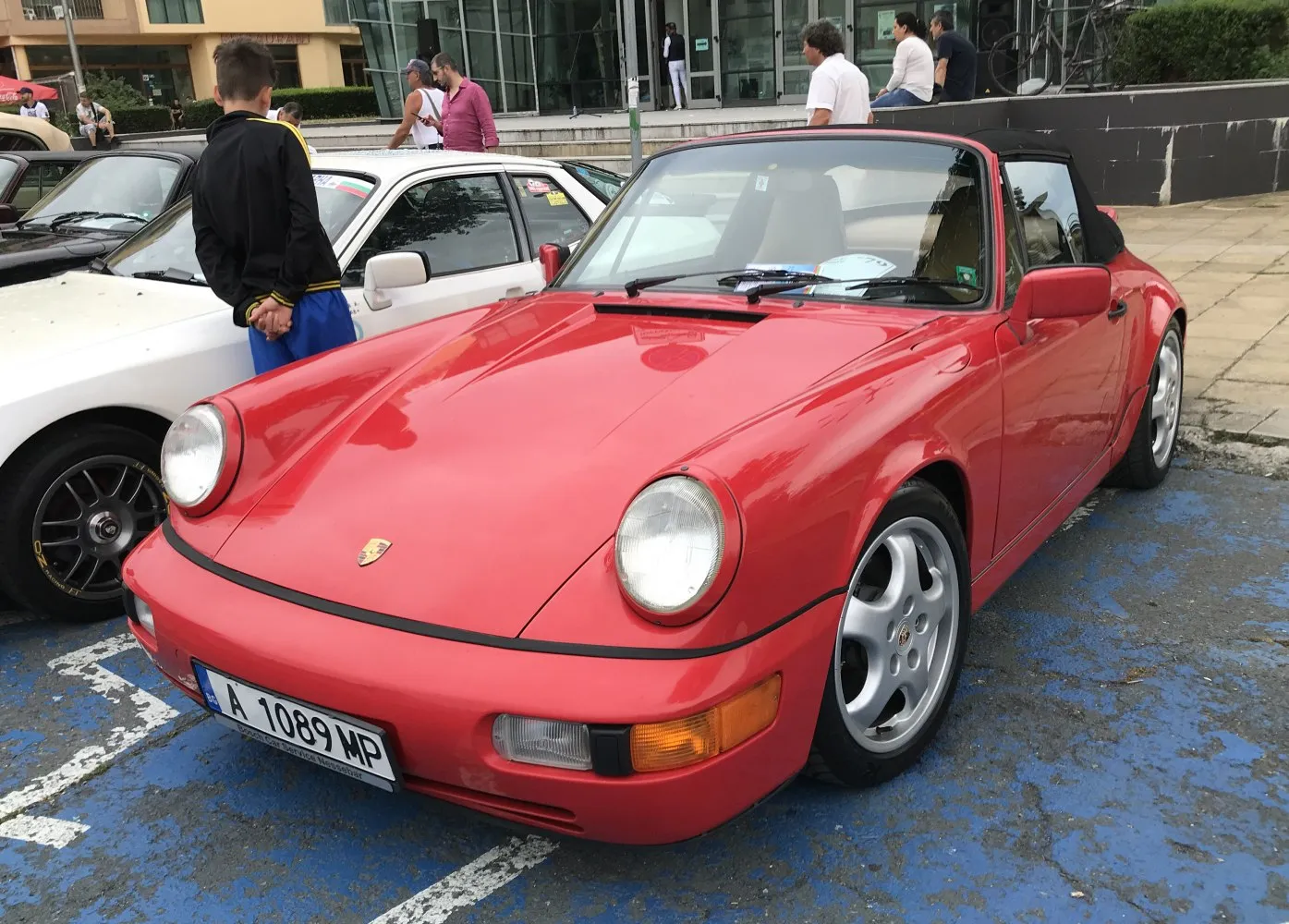
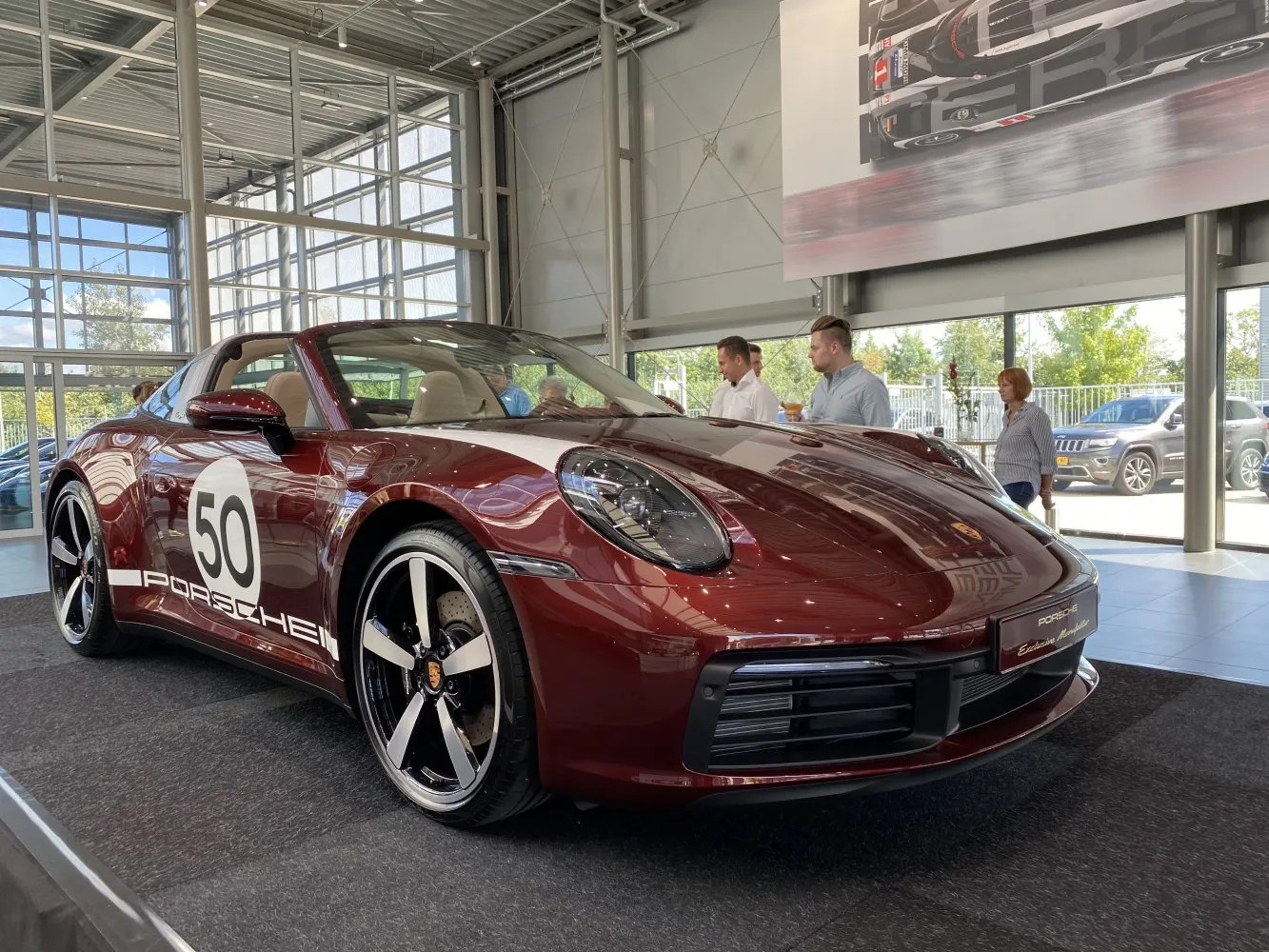
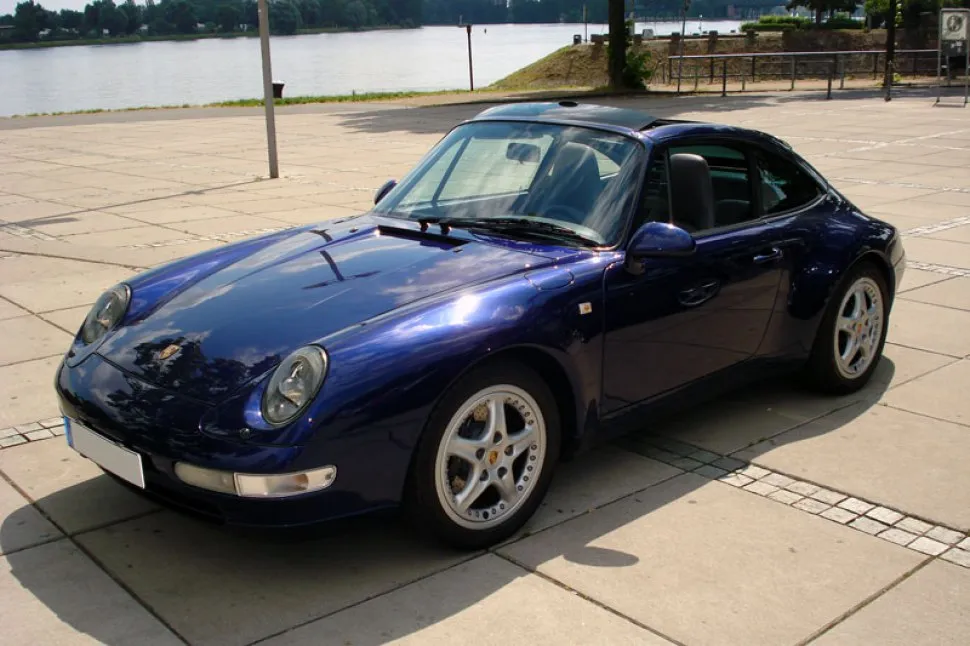
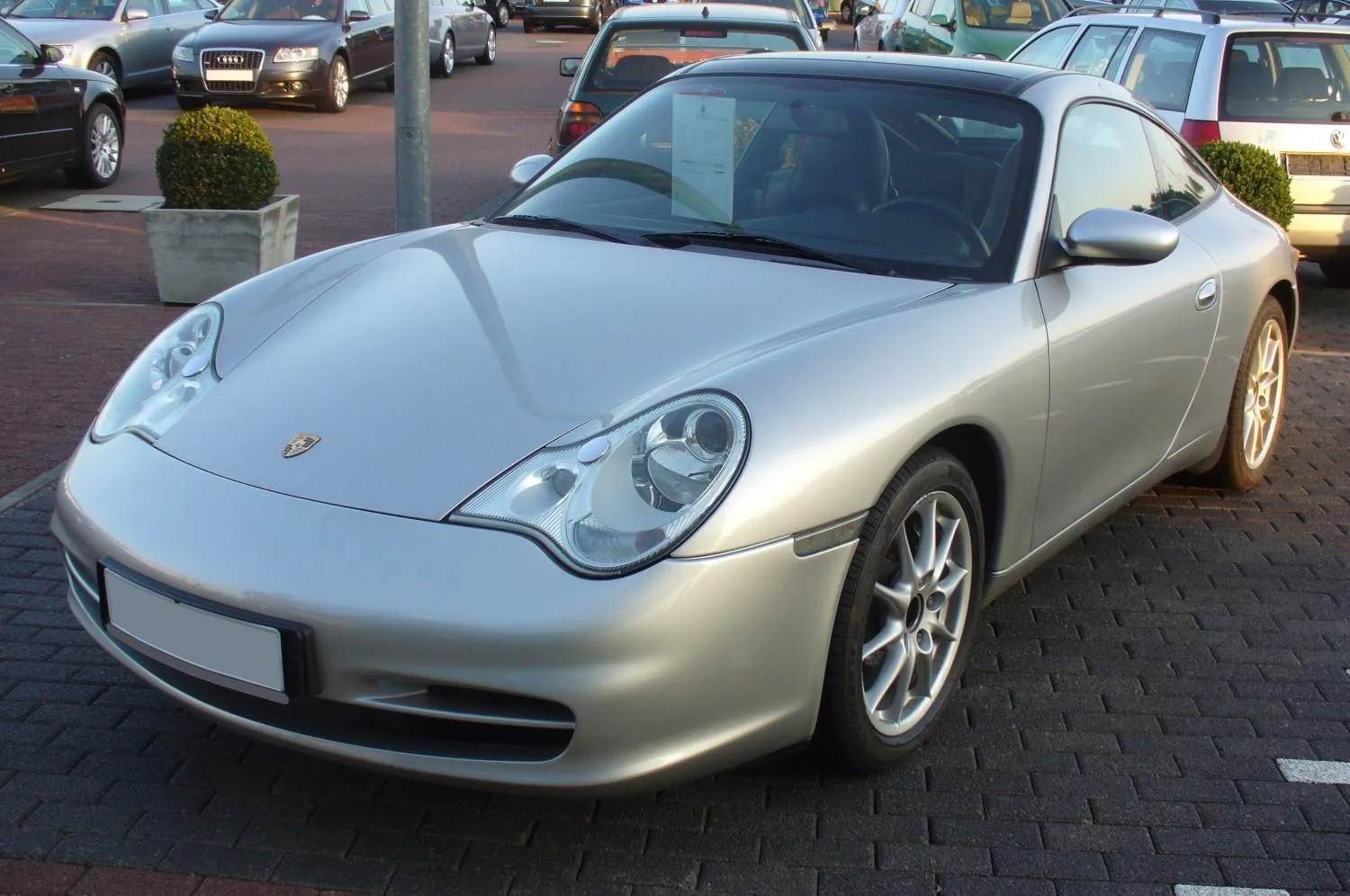
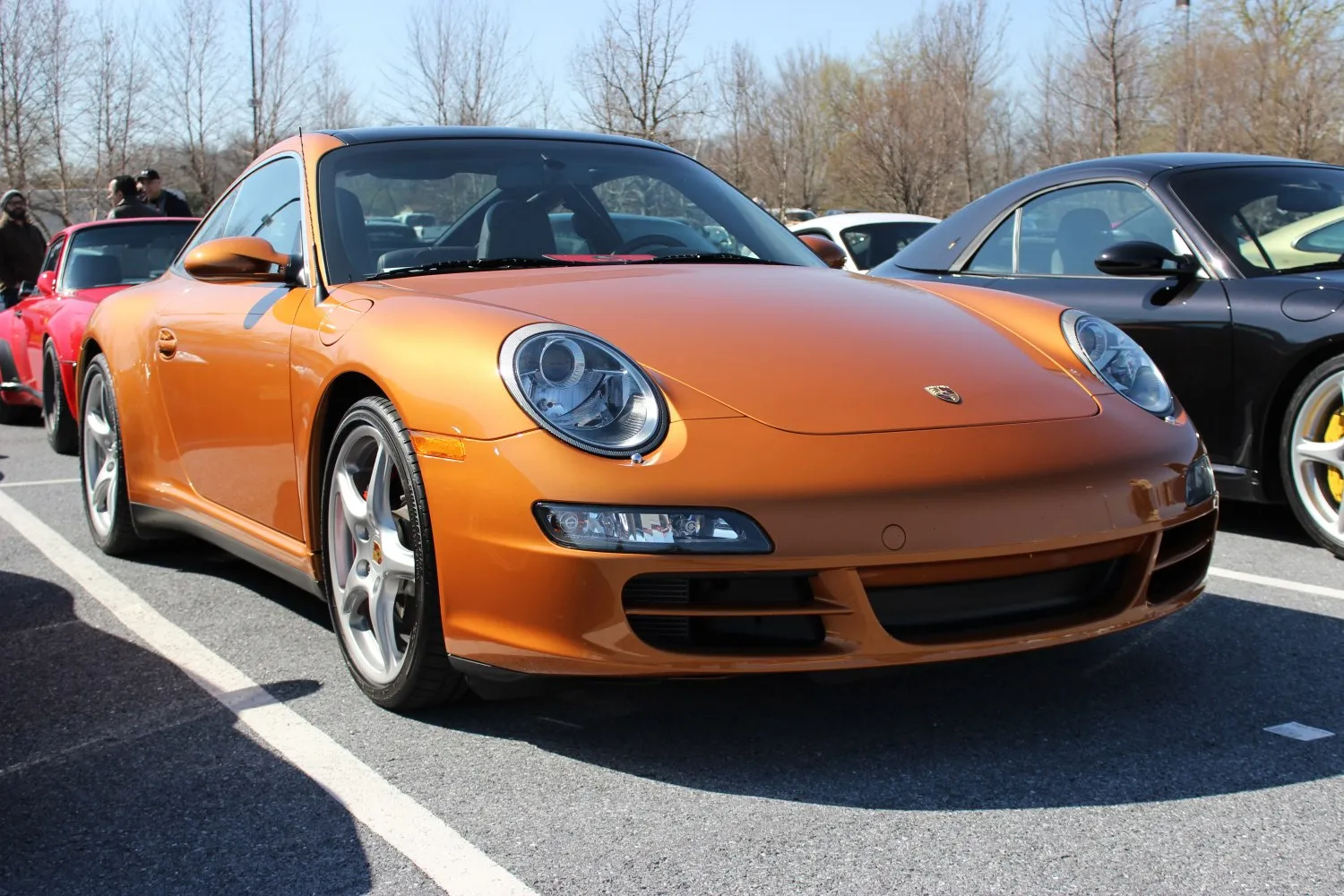
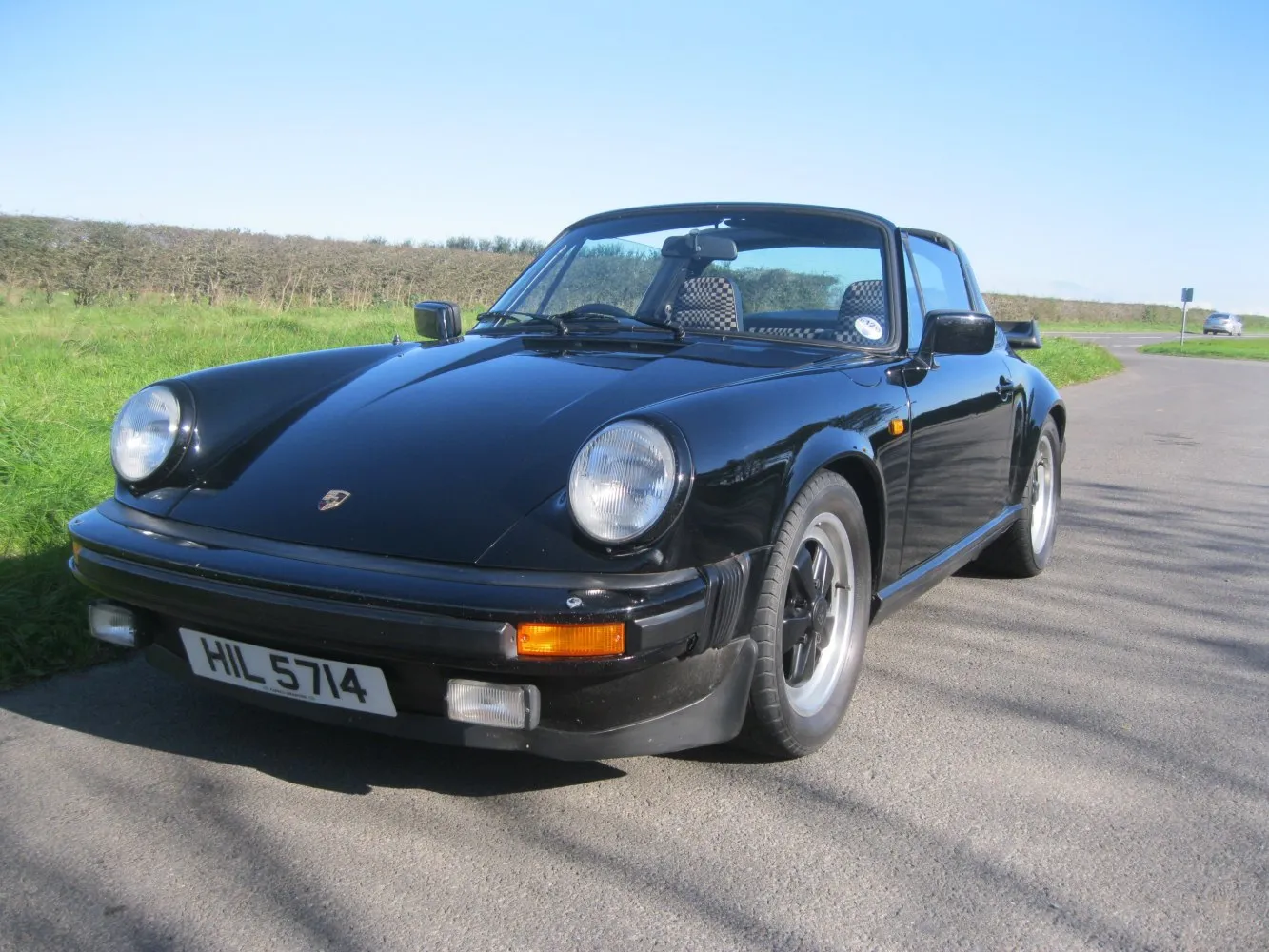
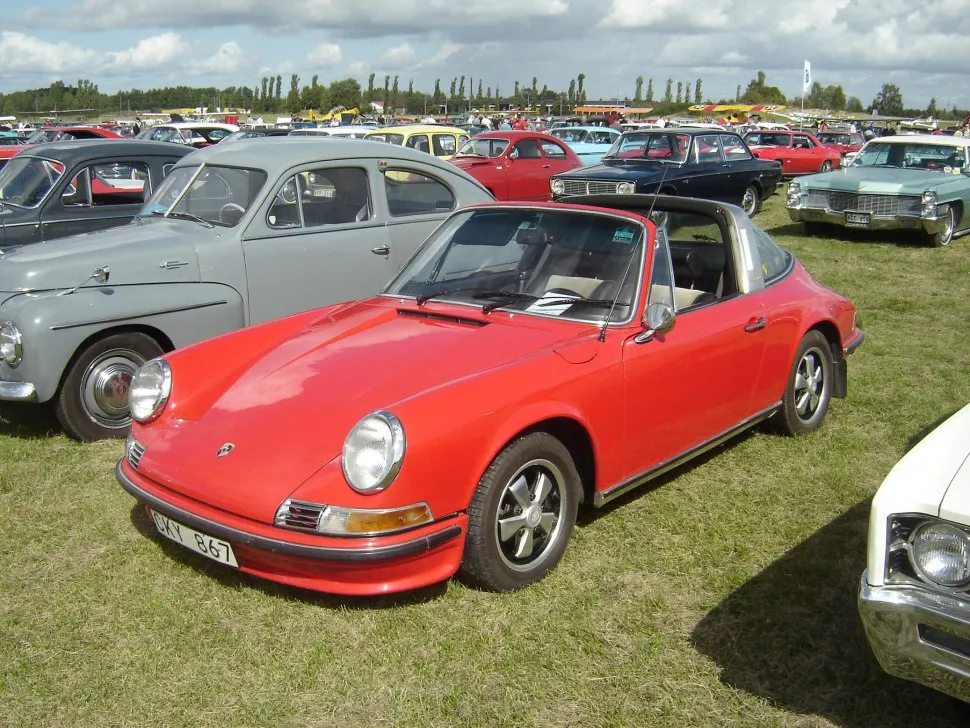
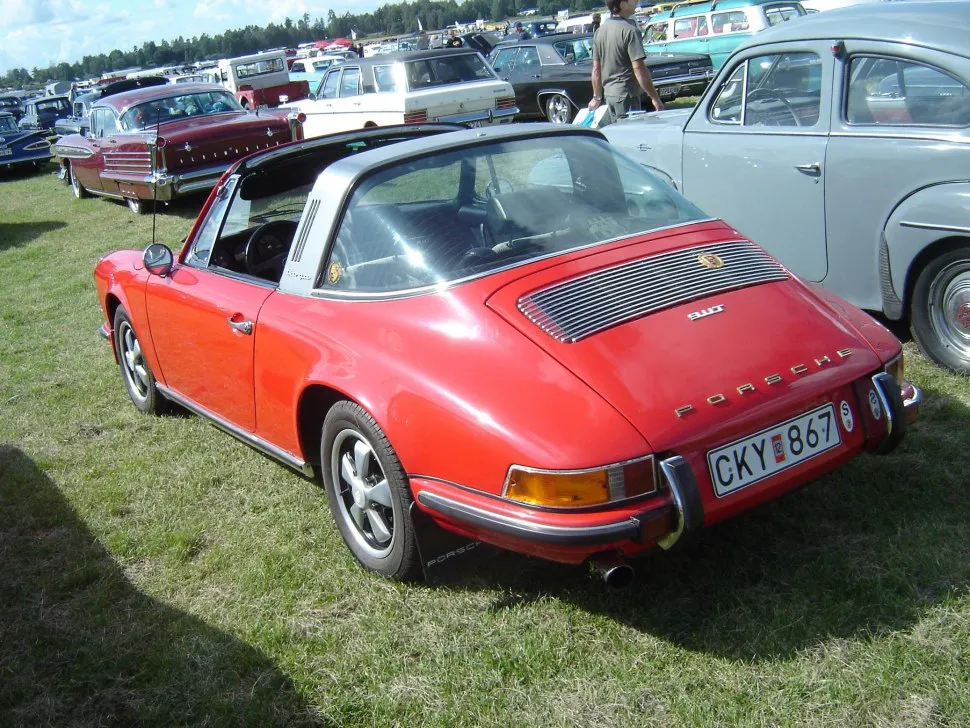
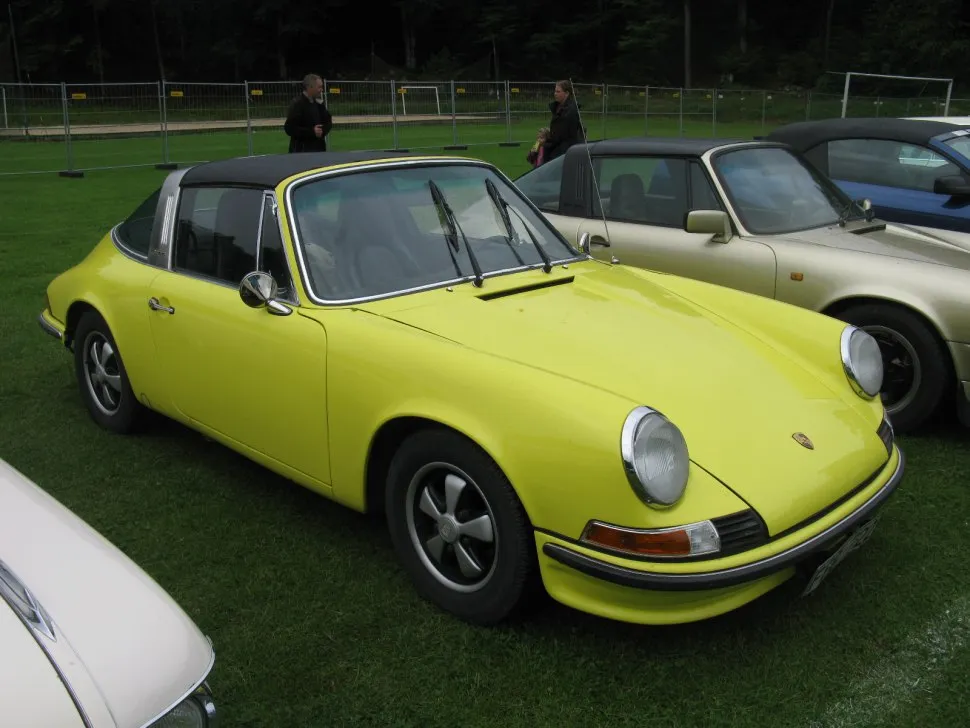
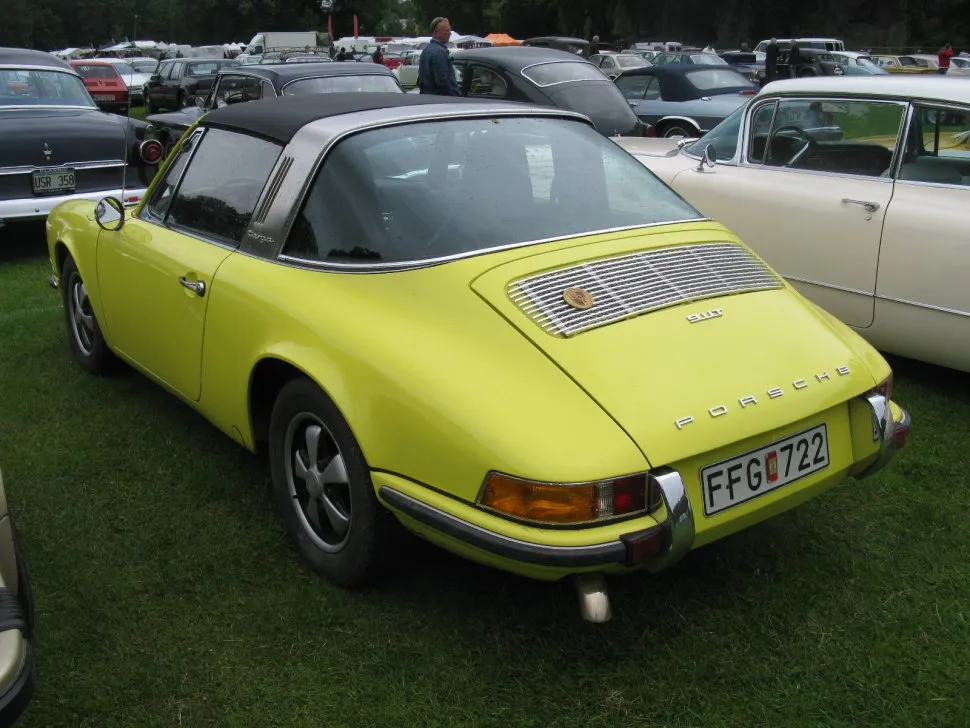
Porsche 911 Targa (F) 2.0 L (130 Hp)
Overall Rating
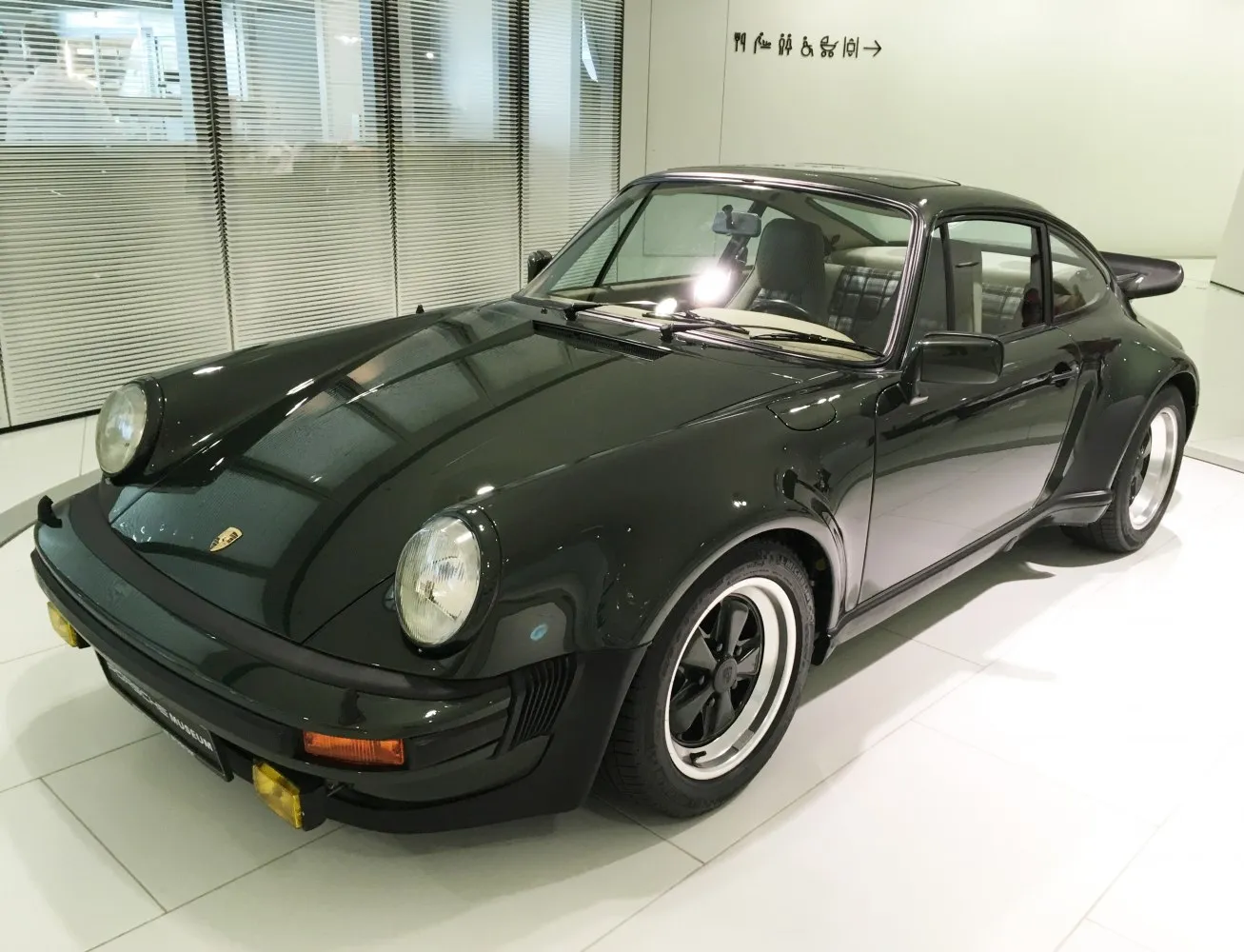
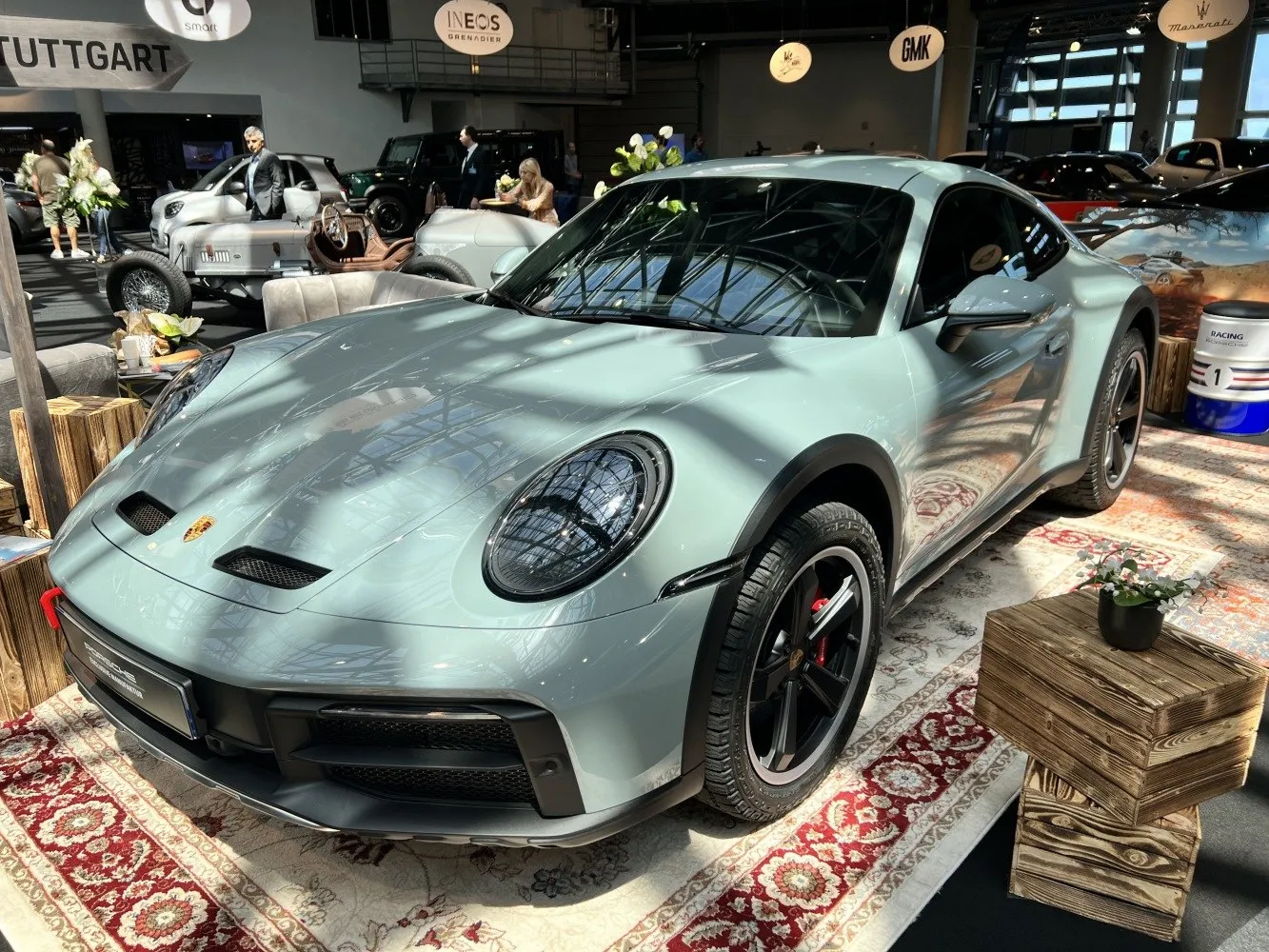
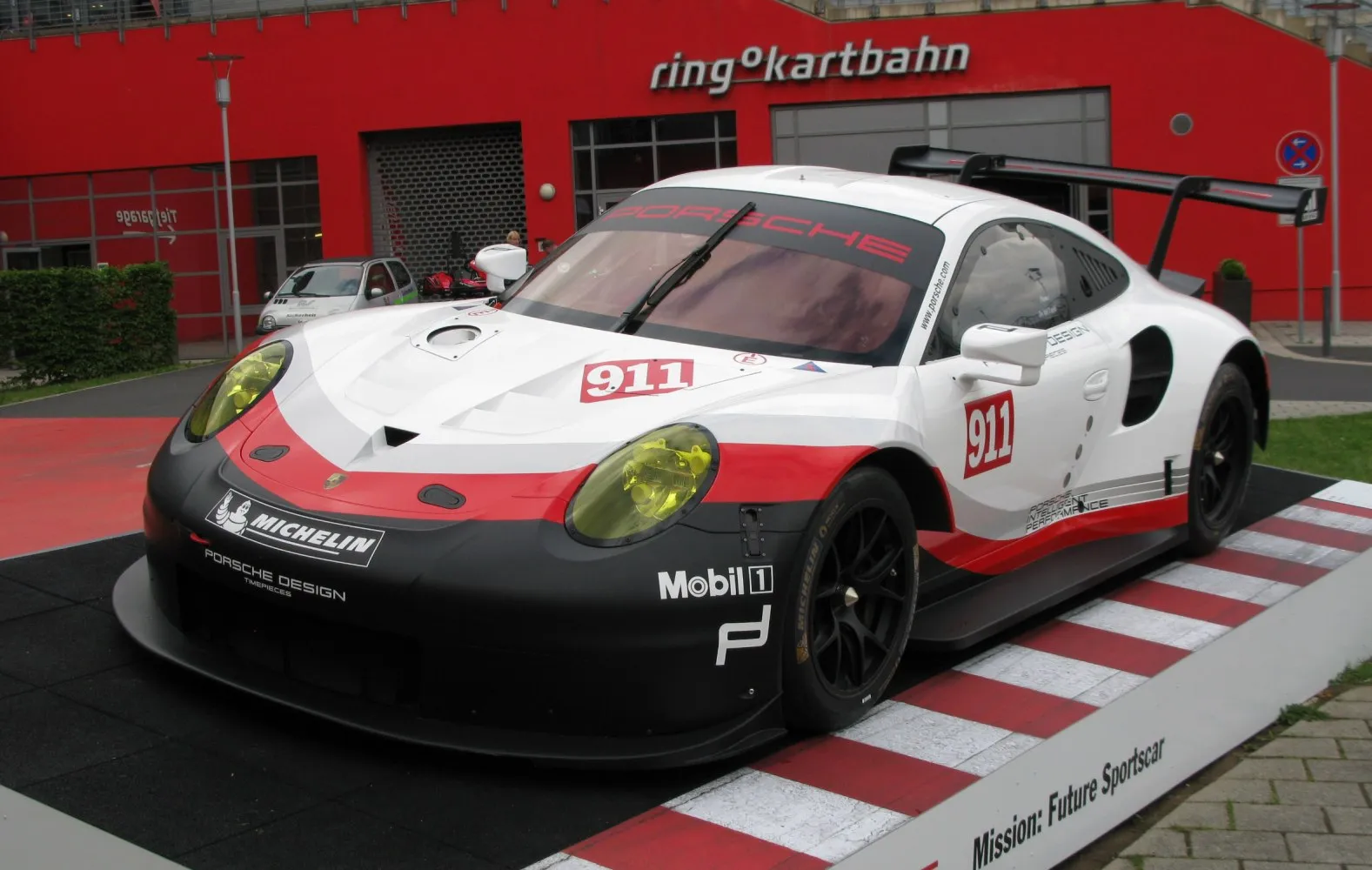
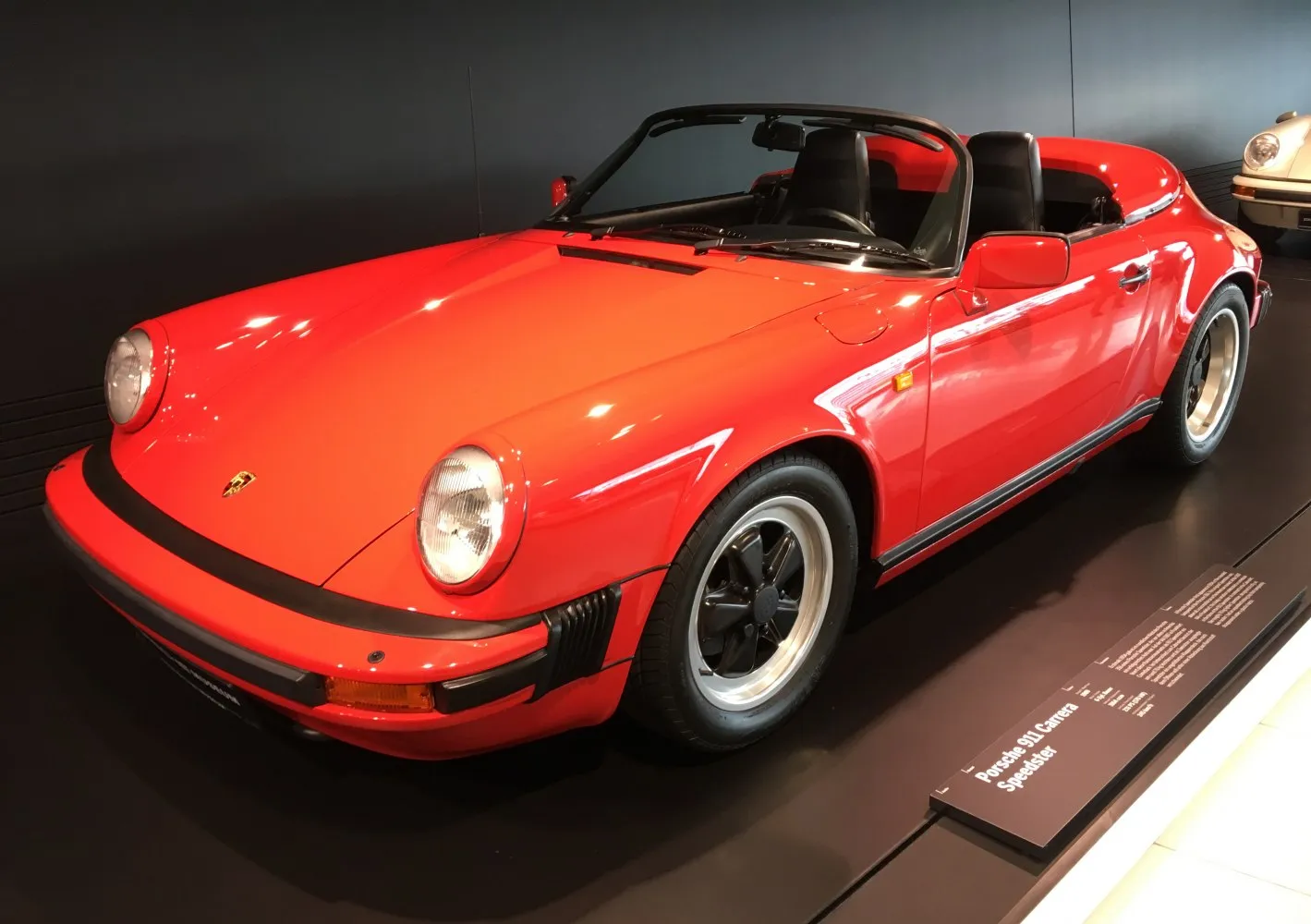
Porsche 911:
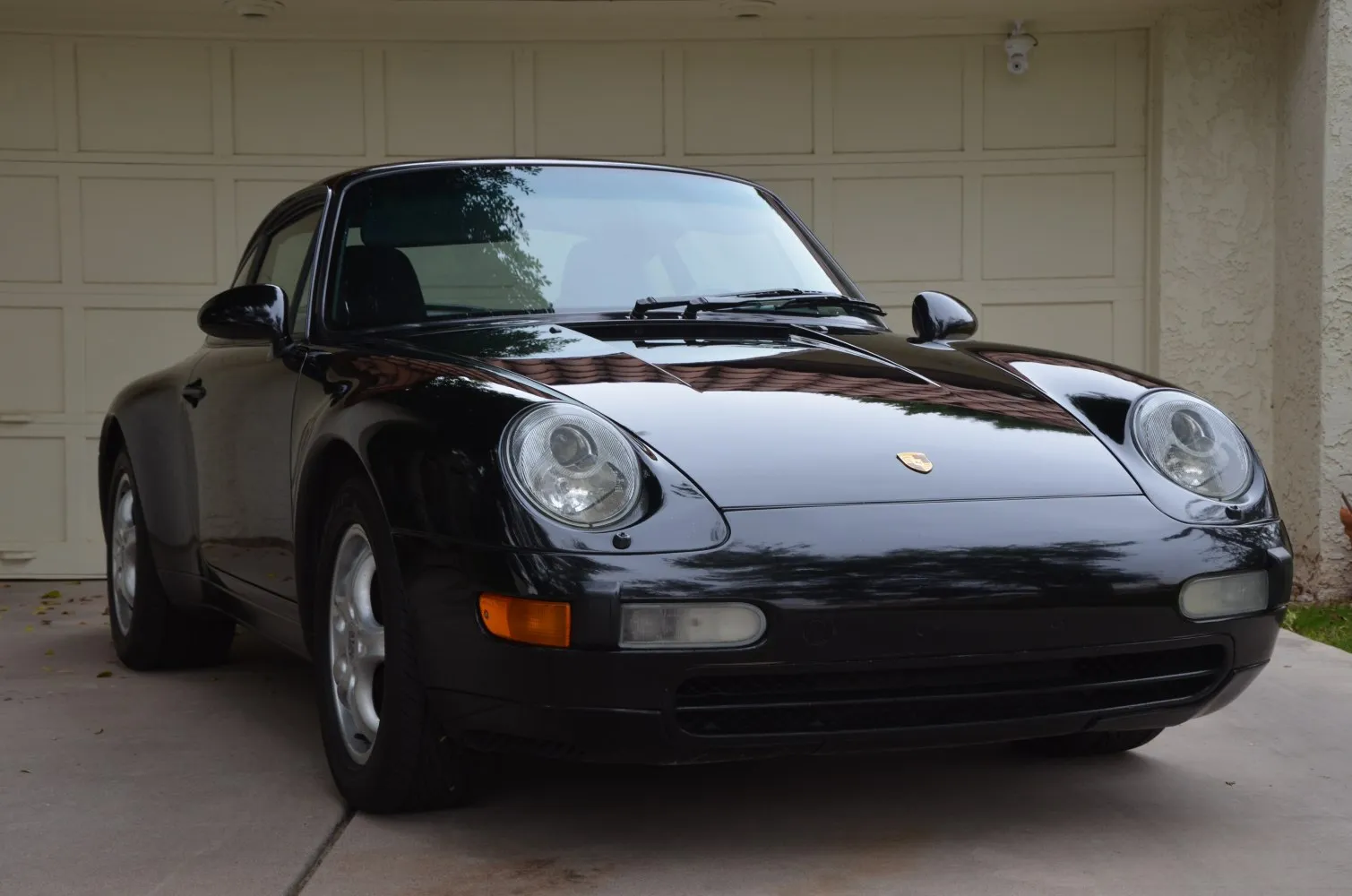
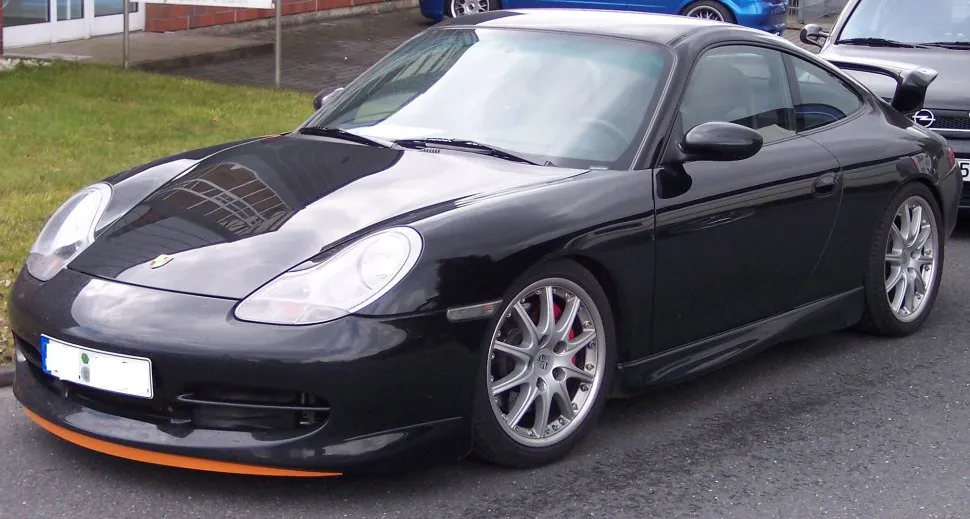
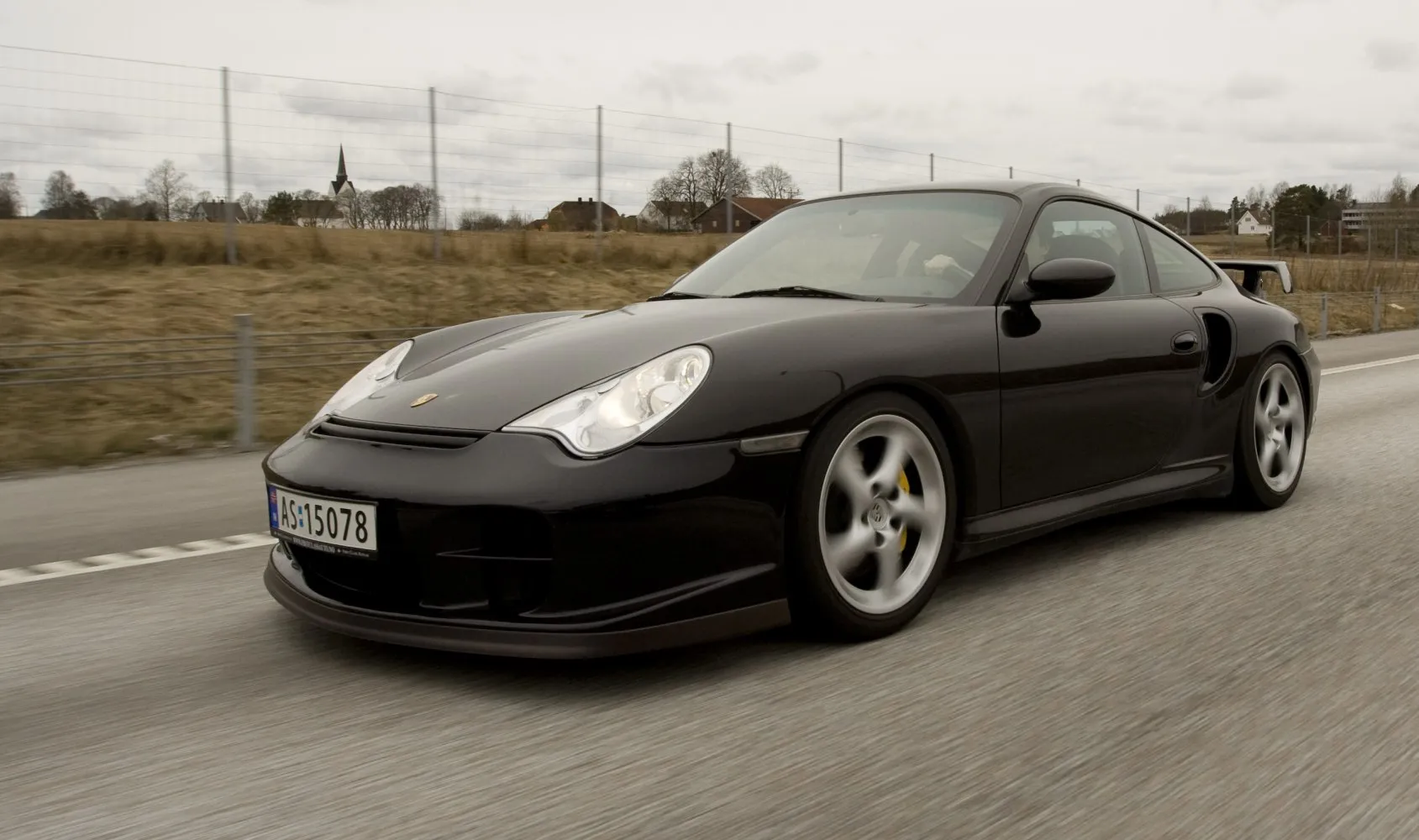
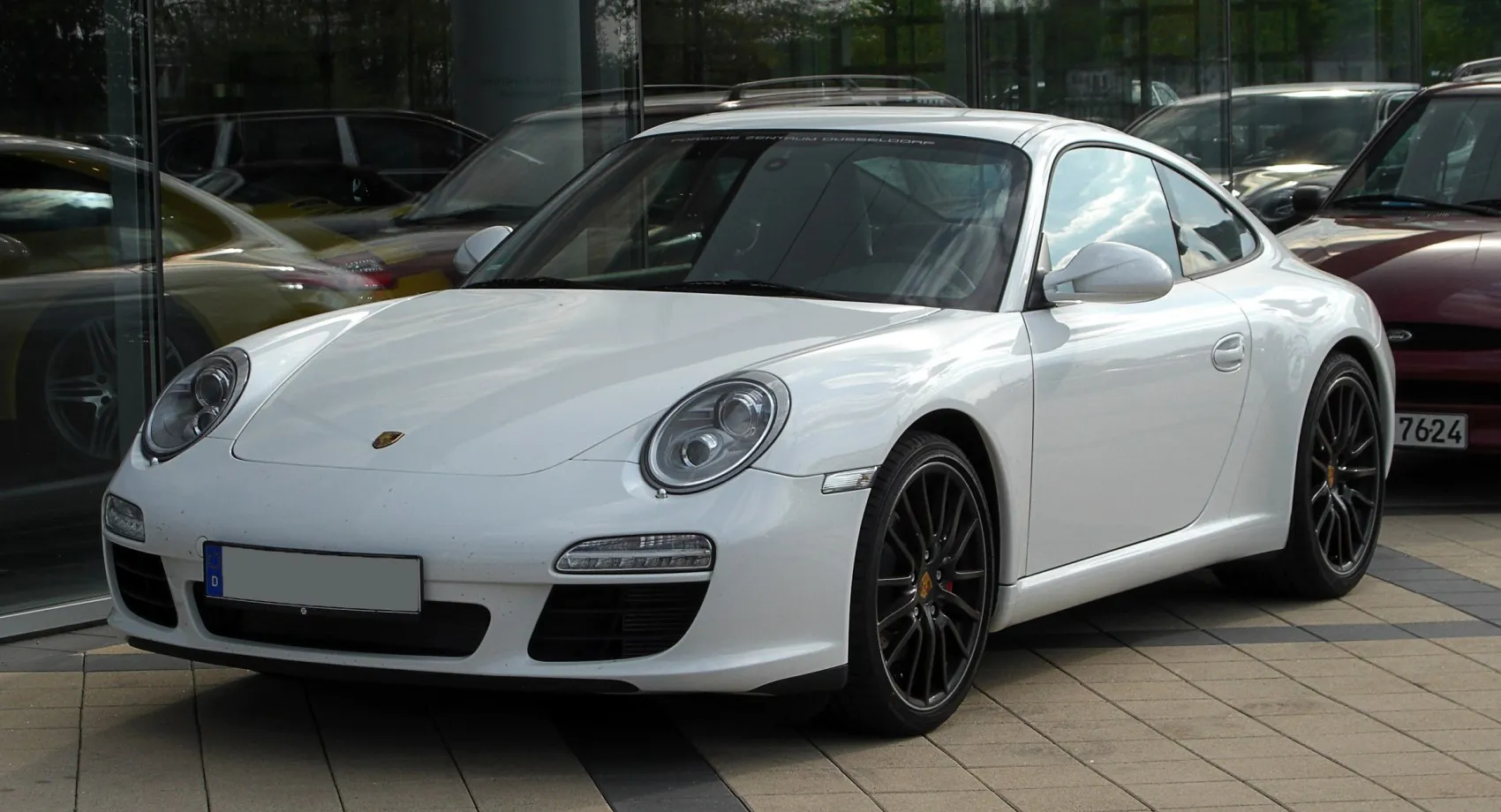
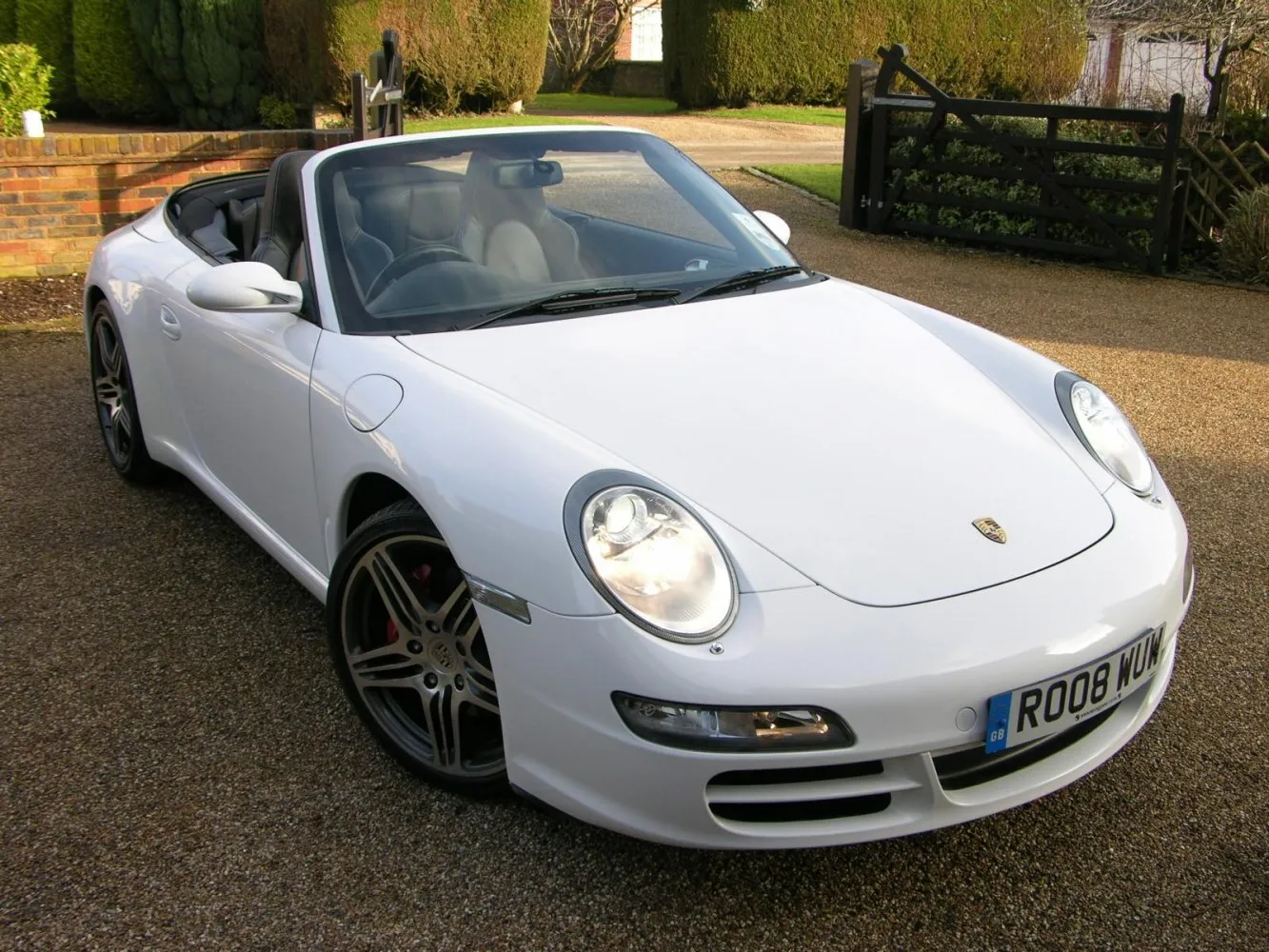
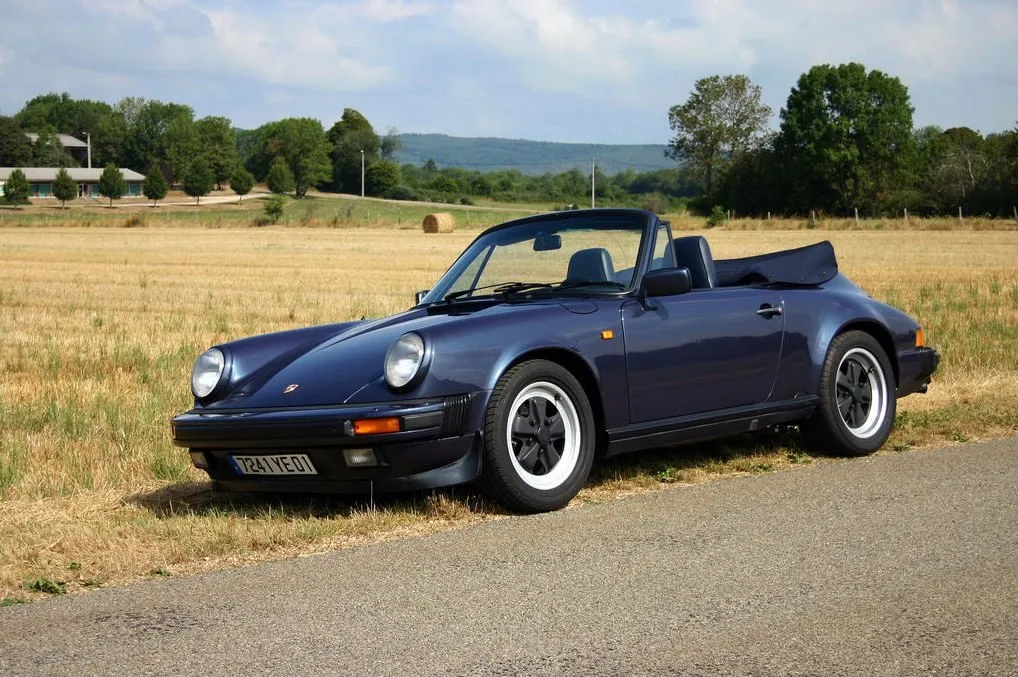
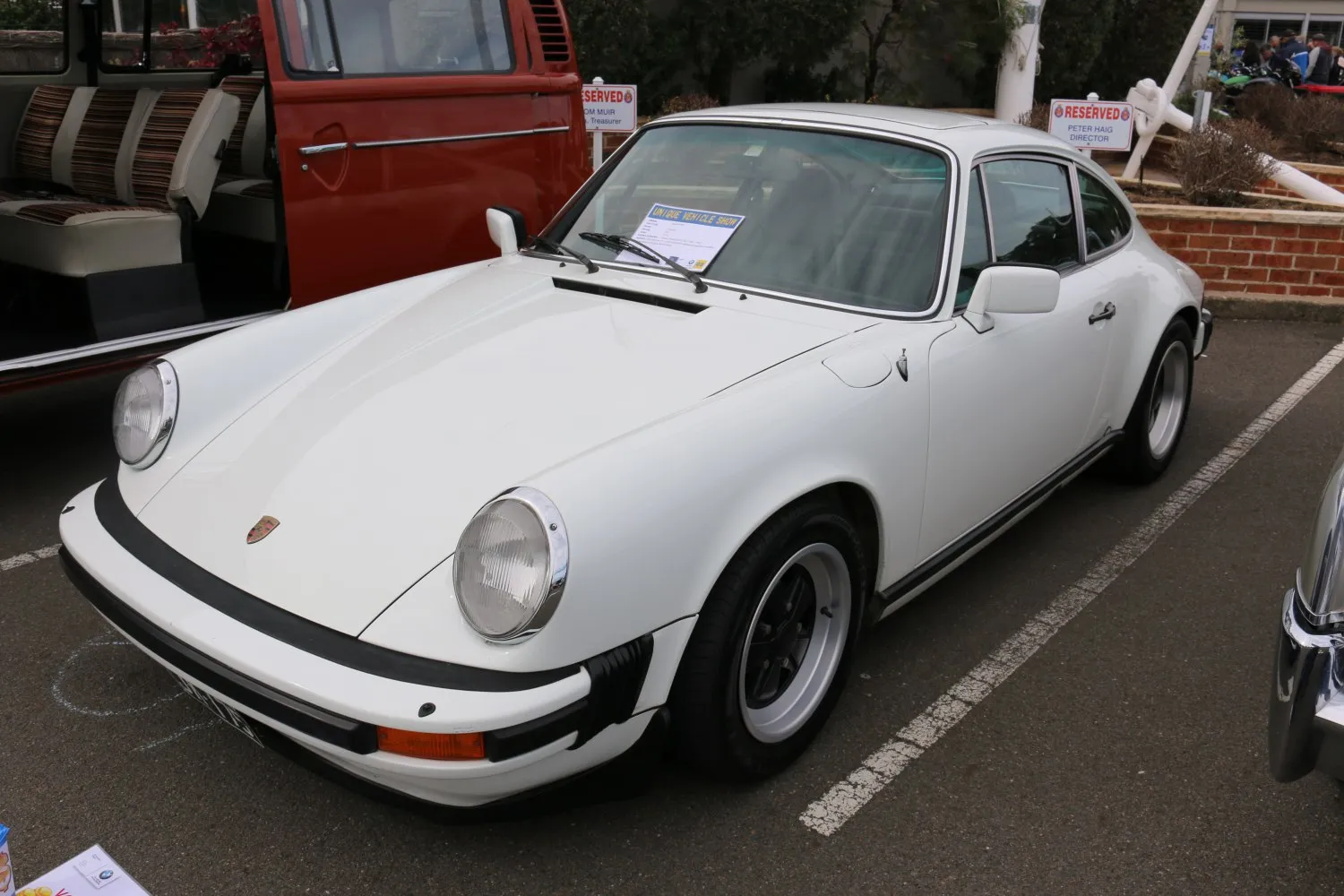
The Porsche 911 model series is a family of two-door, high performance rear-engine sports cars, introduced in September 1964 by Porsche of Stuttgart, Germany, and now in its eighth generation. All 911s have a rear-mounted flat-six engine, and usually 2+2 seating, except for special 2-seater variants. Originally, 911s had air-cooled engines, and torsion bar suspension, but the 911 has been continuously changed and improved across generations. Though the 911 core concept has remained largely unchanged, water-cooled engines were introduced with the 996 series in 1998, and front and rear suspension have been replaced by Porsche-specific MacPherson suspension up front, and independent multi-link rear suspension....(Read more on Wikipedia)
Targa (F) Overview:
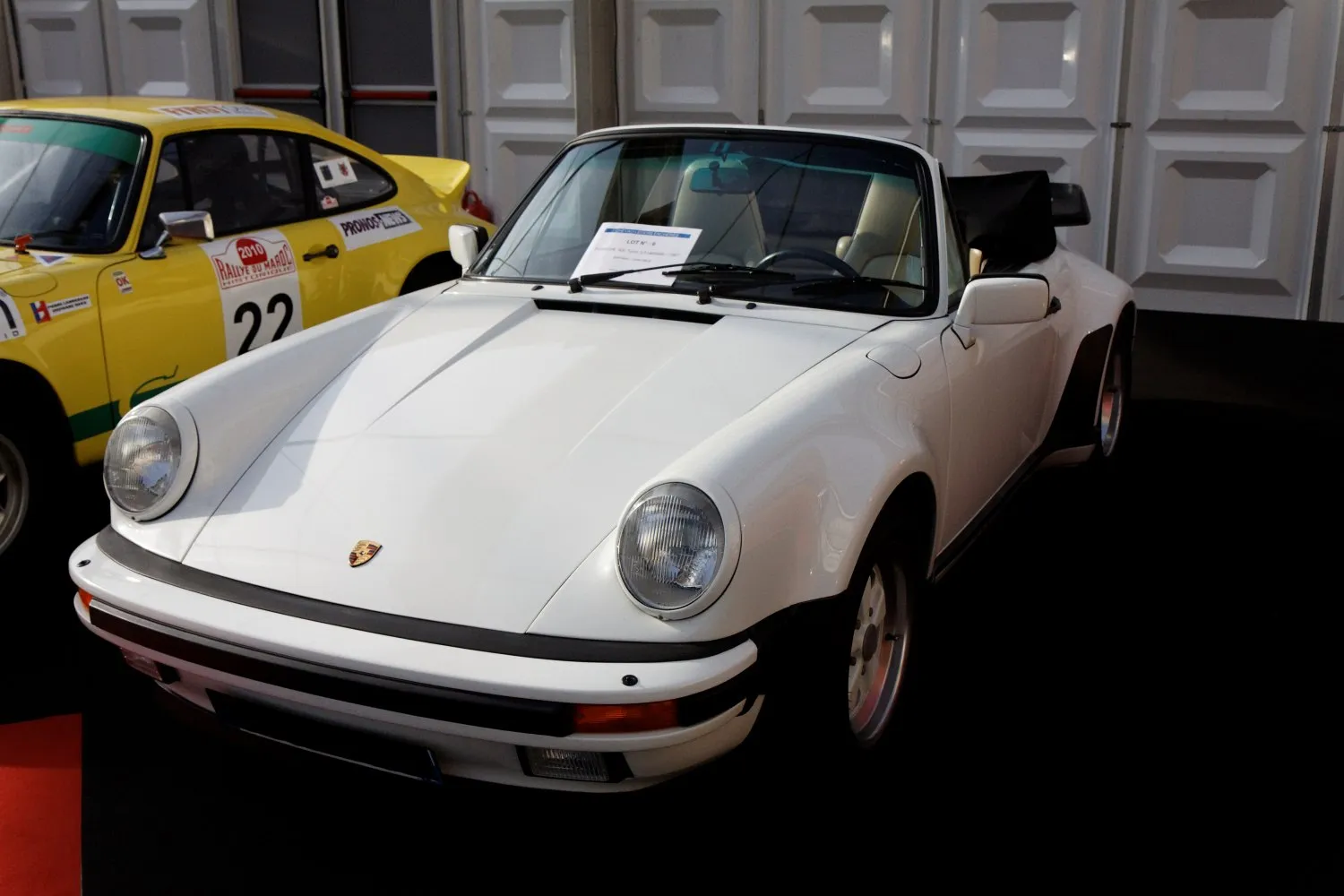
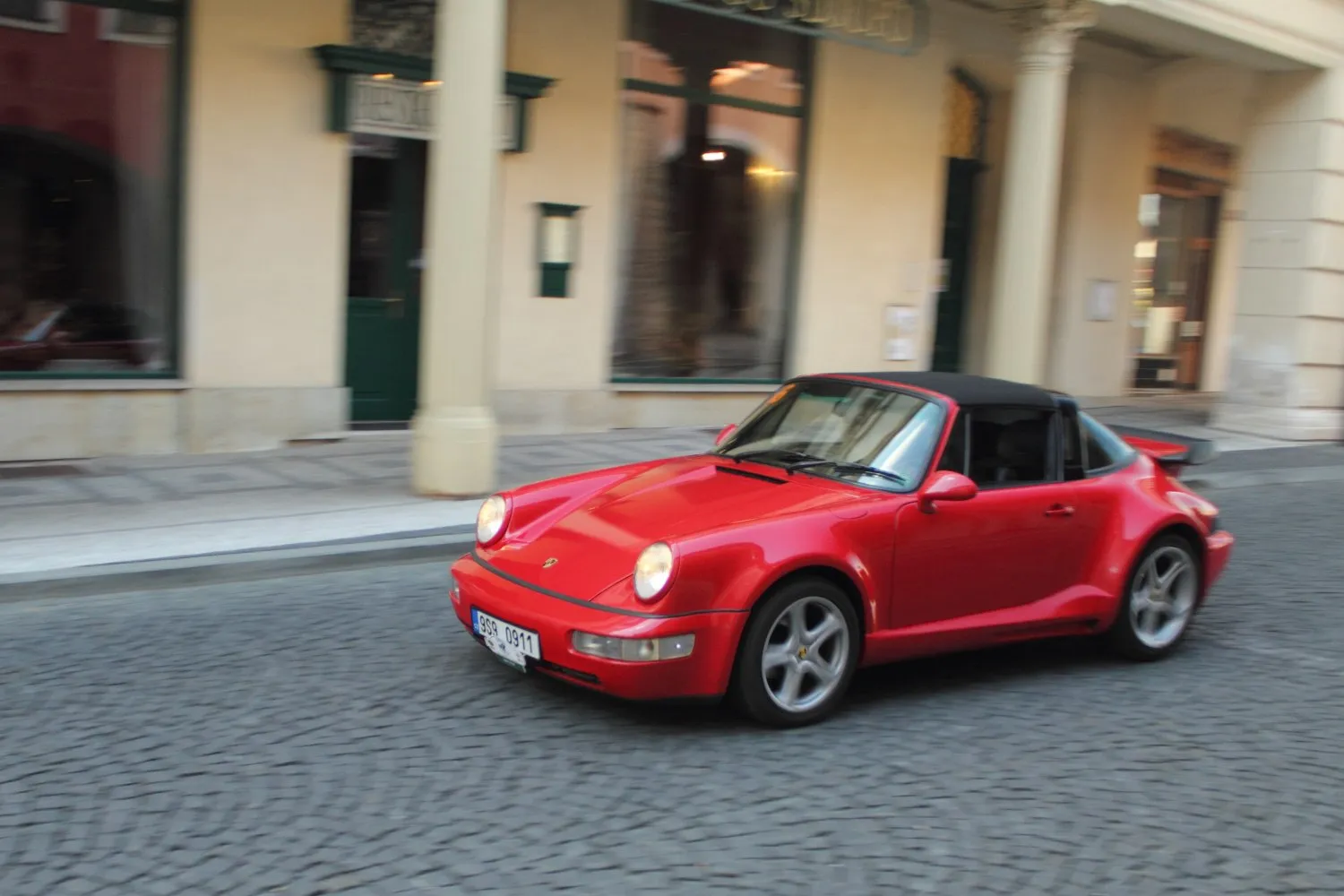
Porsche 911 (Targa (F)). With 174 Nm of torque, it offers ample pulling power. Weighing only 1085 kg, it’s quite light. Rear‑wheel drive offers dynamic handling and sporty feedback. A semi-convertible with a removable roof section and a full-width roll bar behind the seats. Seating for 4 makes it ideal for daily use.
2.0 L (130 Hp) Verdict:

Performance Verdict
Represented a solid entry-level performance option, offering a lively and engaging driving experience without the extreme edge of the 'S' models.
Fuel Economy
Decent fuel economy for a sports car of its era, making it a more accessible option for a broader range of buyers.
Pros and Cons:
Pros:
- • Iconic design and heritage
- • Engaging driving dynamics
- • Innovative Targa roof concept
- • Strong collector's value and appreciation
- • Distinctive flat-six engine sound
Cons:
- • High maintenance costs for a classic car
- • Lack of modern safety features
- • Firm ride quality may not suit all
- • Limited practicality for daily use
- • Rust can be an issue if not well-maintained
Specifications:
Specifications are compared to those of the previous generation(Coupe (F): 1965 - 1968).
| General: | |
|---|---|
| Brand: | Porsche |
| Model: | 911 |
| Generation: | Targa (F) |
| Modification (Engine): | 2.0 L (130 Hp) |
| Start of production: | 1967 |
| End of production: | 1968 |
| Powertrain Architecture: | Internal Combustion engine |
| Body type: | Targa |
| Seats: | 4 |
| Doors: | 2 |
| Engine: | |
|---|---|
| Power: | 130 Hp @ 6100 rpm. Same horsepower |
| Power per litre: | 65.3 Hp/l [Same length.] |
| Torque: | 174 Nm @ 4200 rpm. |
| Engine Model/Code: | 901.07 More details about the engine 901.07 |
| Engine displacement: | 1991 |
| Number of cylinders: | 6 |
| Engine configuration: | Boxer |
| Number of valves per cylinder: | 2 |
| Fuel injection system: | Carburettor |
| Engine aspiration: | Naturally aspirated engine |
| Valvetrain: | SOHC |
| Engine oil capacity: | 9 l |
| Engine layout: | Rear, Longitudinal |
| Cylinder Bore: | 80 mm |
| Piston Stroke: | 66 mm |
| Performance: | |
|---|---|
| Fuel Type: | Petrol (Gasoline) |
| Weight-to-power ratio: | 8.3 kg/Hp, 119.8 Hp/tonne |
| Weight-to-torque ratio: | 6.2 kg/Nm, 160.4 Nm/tonne |
| Space: | |
|---|---|
| Kerb Weight: | 1085 |
| Max. weight: | 1365 |
| Max load: | 280 |
| Size: | |
|---|---|
| Length: | 4163 mm [Same length.] |
| Width: | 1610 mm [Same width.] |
| Height: | 1320 mm [Same height.] |
| Wheelbase: | 2211 mm [Same wheelbase.] |
| Front track: | 1337 mm |
| Rear (Back) track: | 1317 mm |
| Rear overhang: | 1060 mm |
| Minimum turning circle (turning diameter): | 10.30 m [above average] |
| Powertrain: | |
|---|---|
| Drivetrain Architecture | The Internal combustion engine (ICE) drives the rear wheels of the vehicle. |
| Drive wheel | Rear wheel drive |
| Number of gears | 5 |
| Transmission type | Manual |
| Front brakes | Disc [above average] |
| Rear brakes | Disc [above average] |
| Steering type | Steering rack and pinion |
| Wheel rims size | R15 |
| Front suspension | Spring Strut, Wishbone |
| Rear suspension | Trailing arm |















Behind the wheel of the Porsche 911. How does it handle on the road?