Porsche 911 Targa (992, facelift 2024) 4 GTS 3.6 (541 Hp) T-Hybrid PDK
People\'s Opinion
N/A / 5
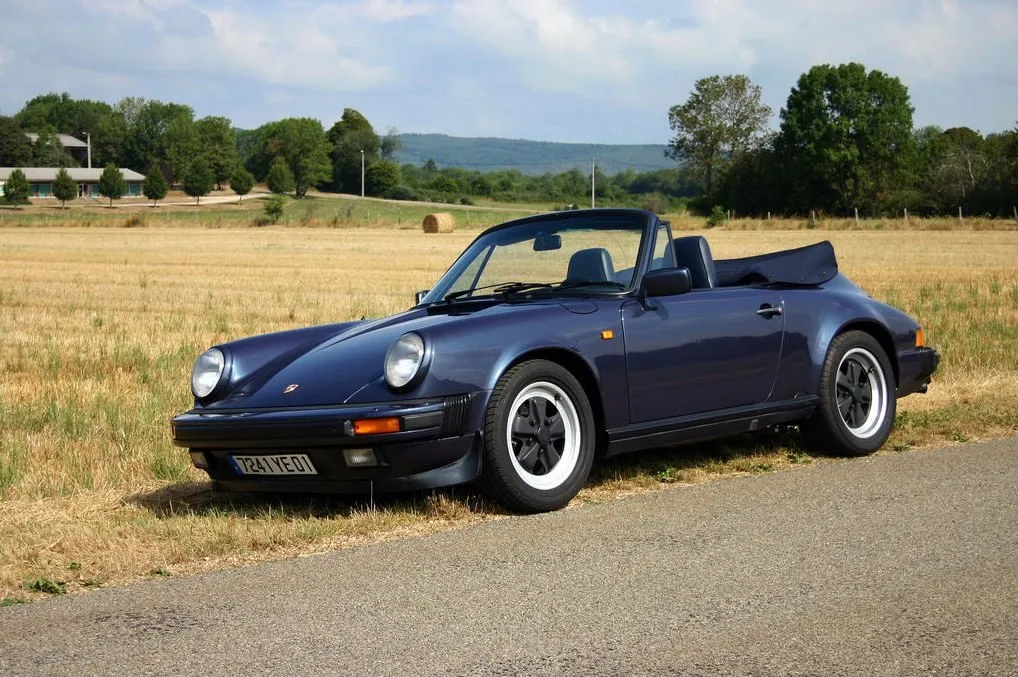
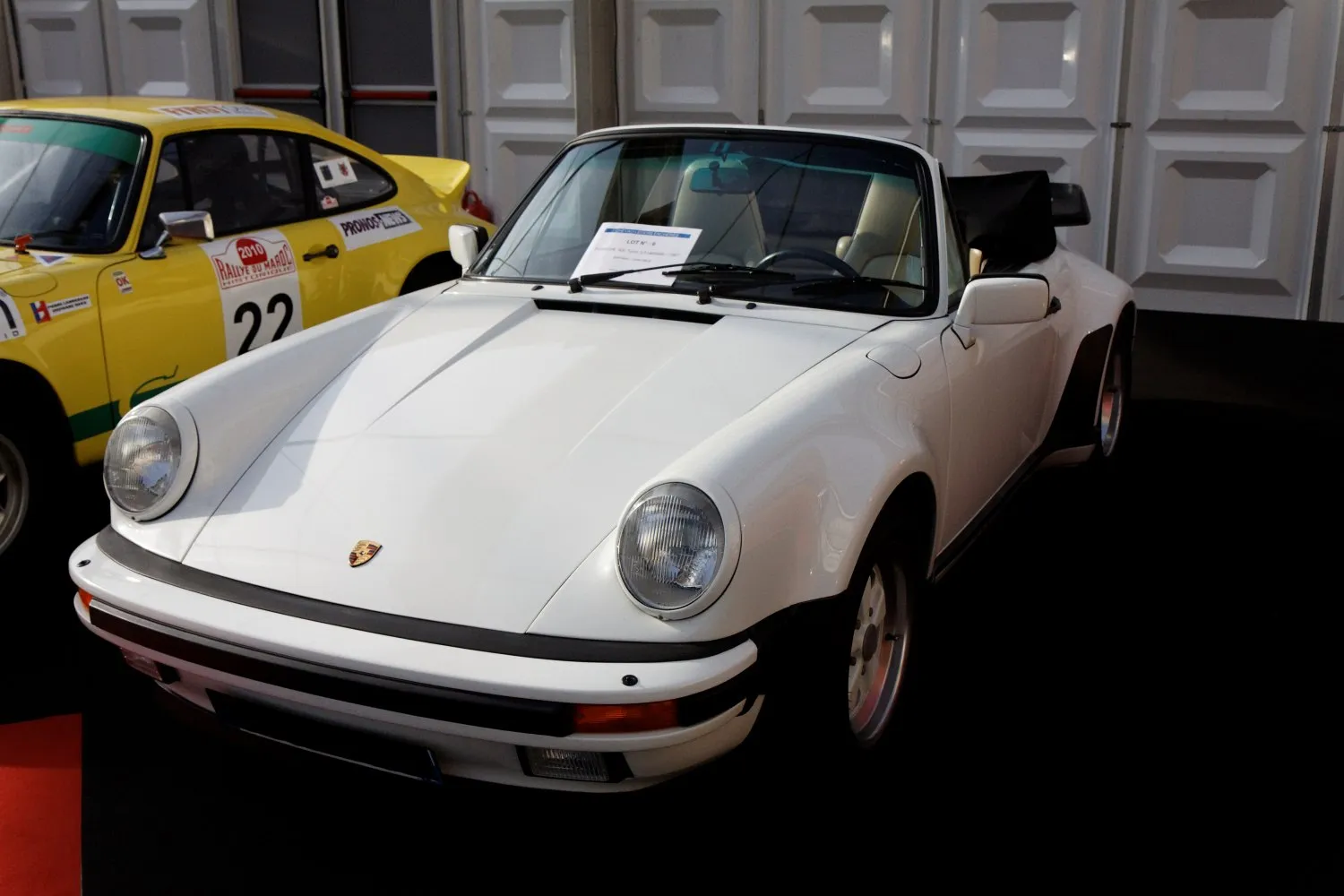
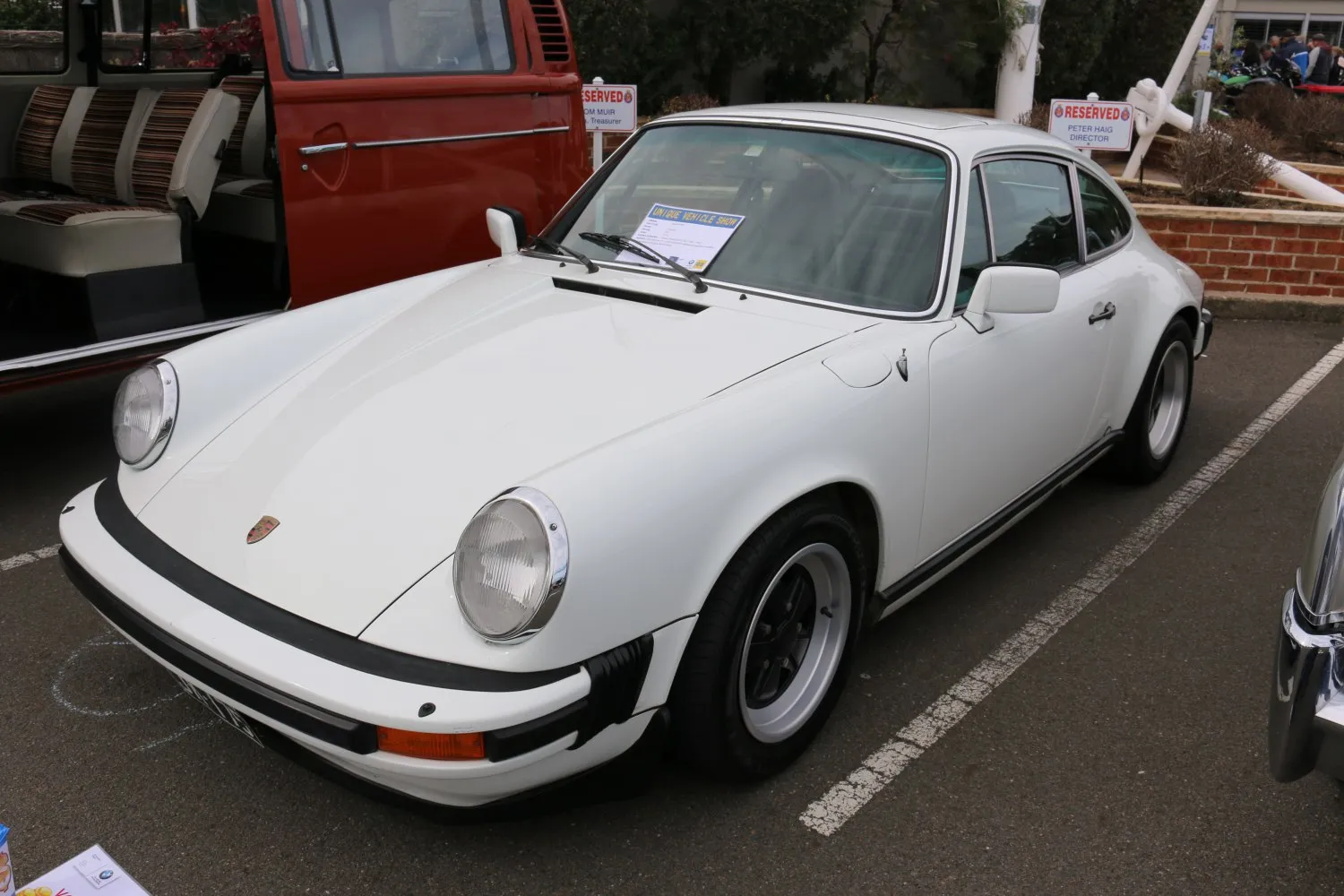
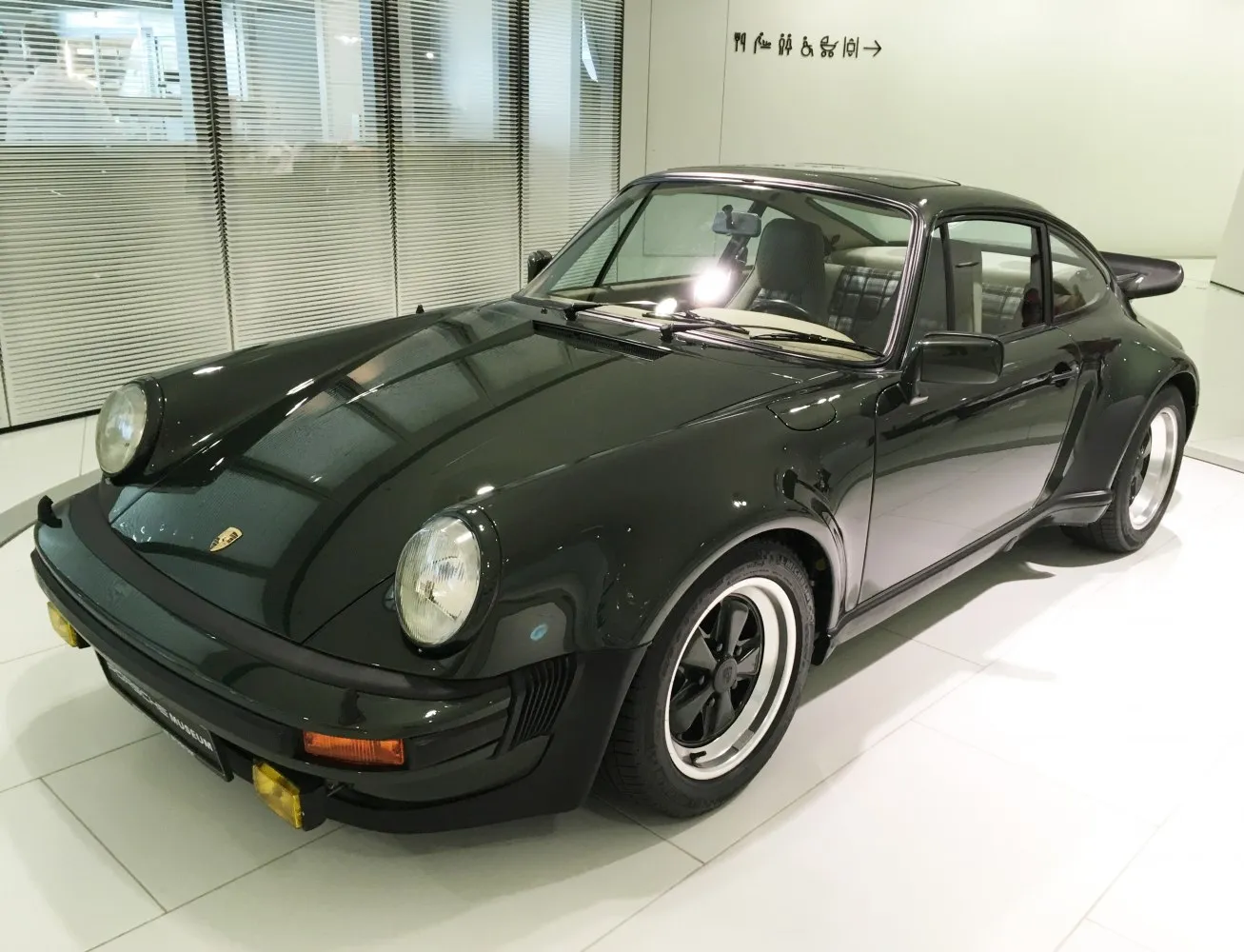
Porsche 911:
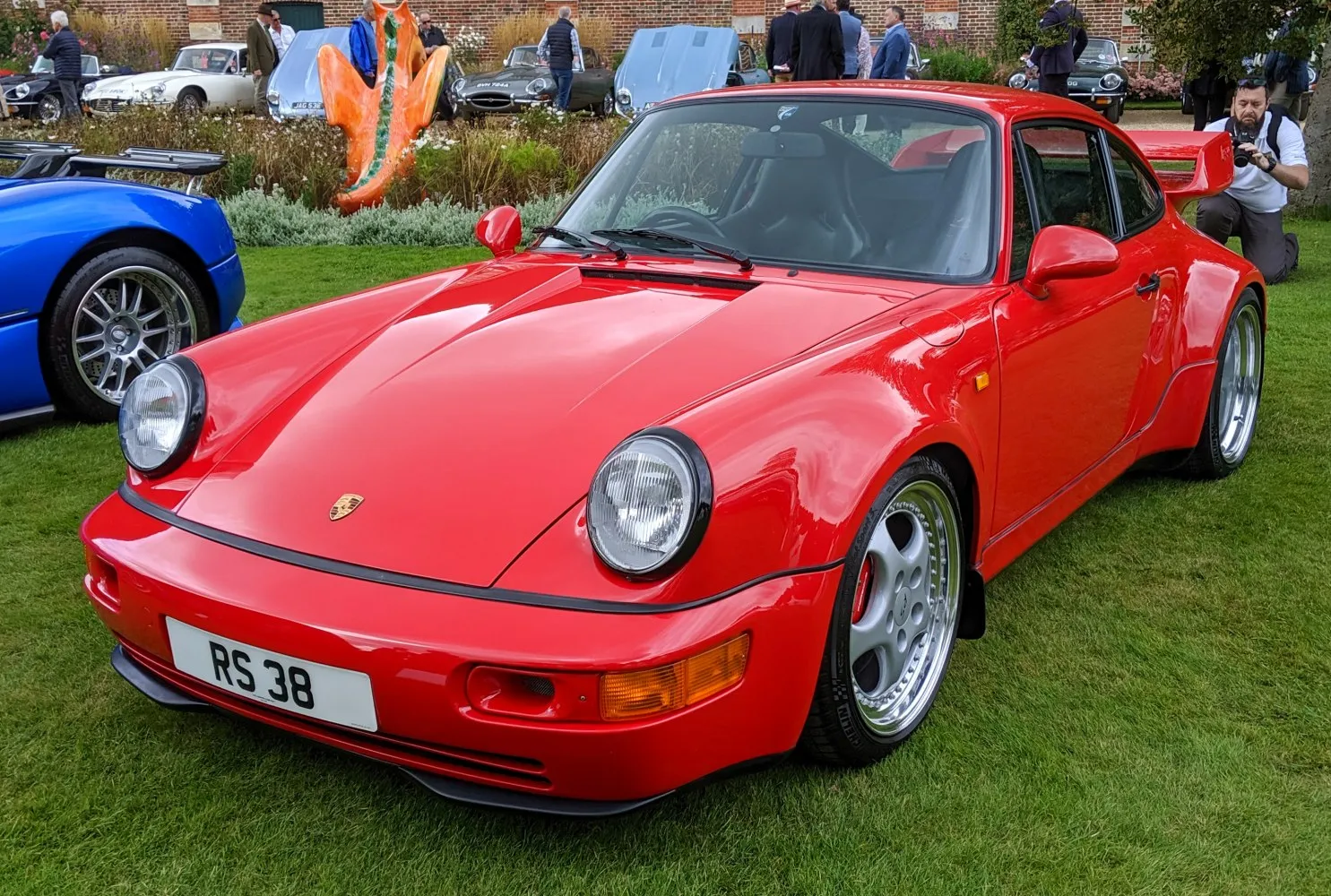
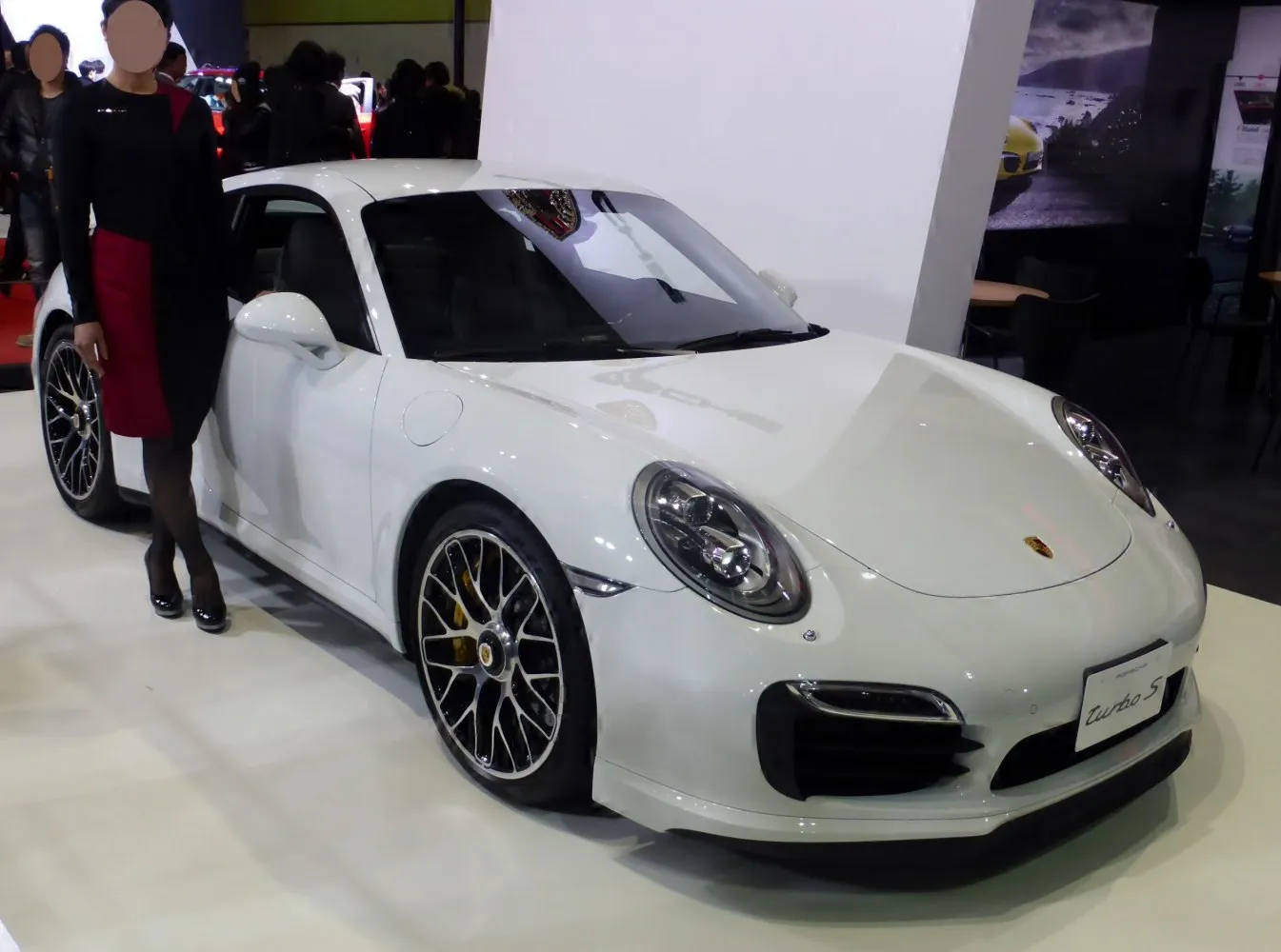
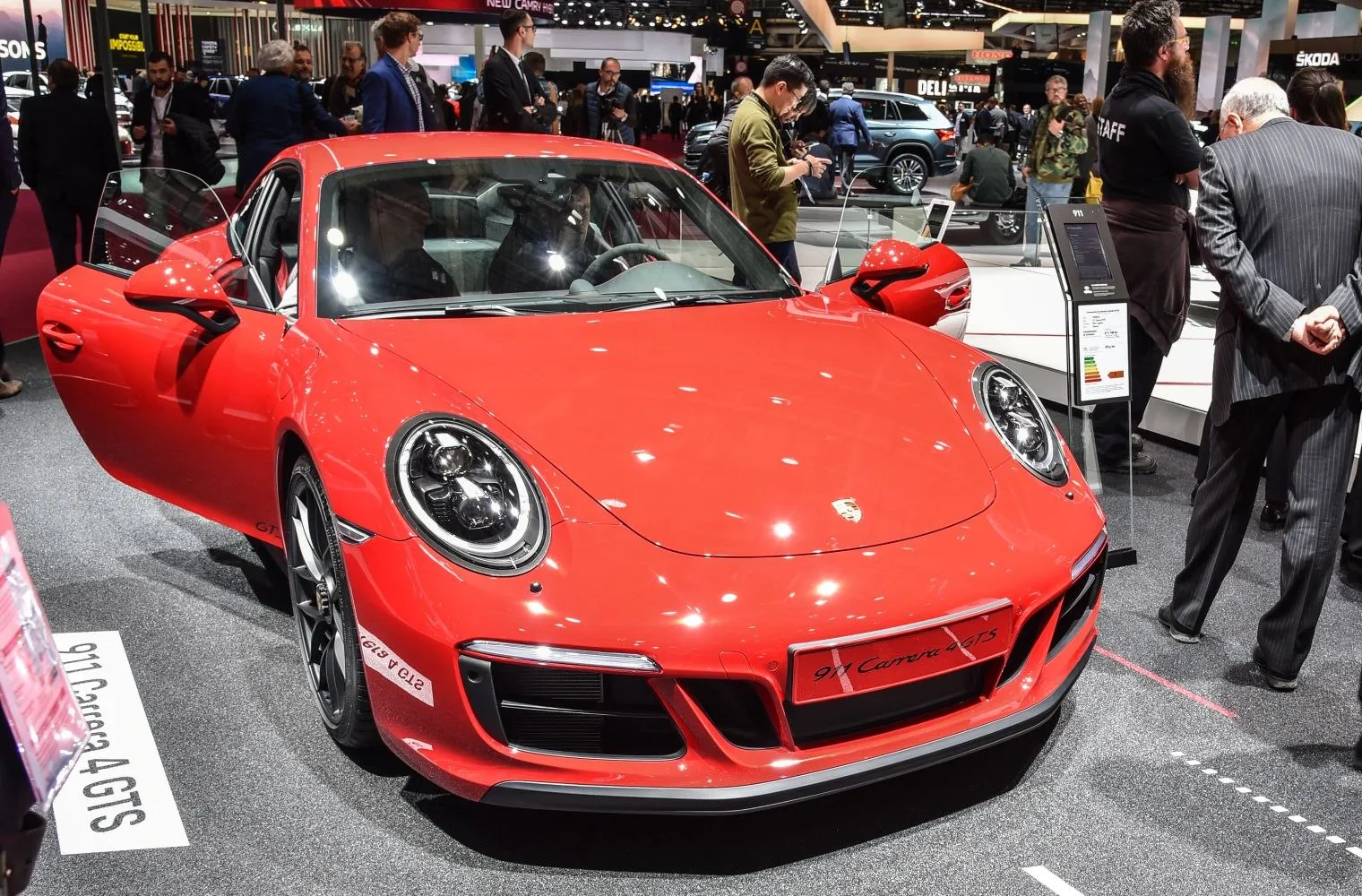
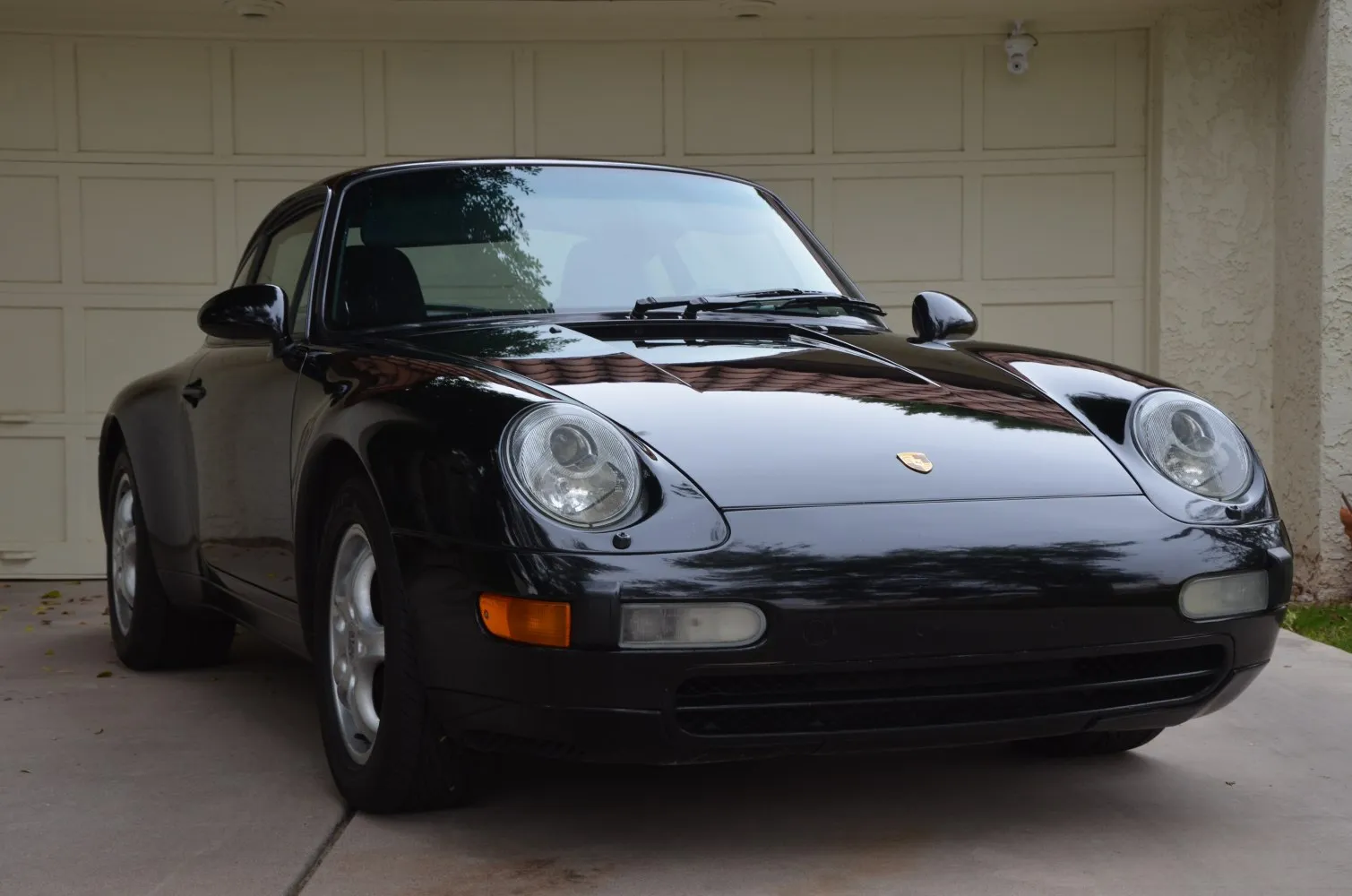
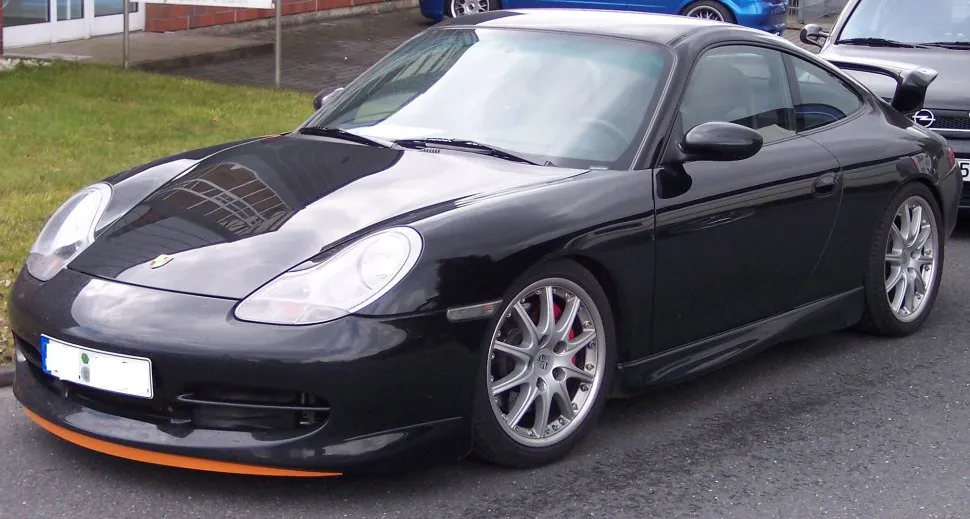
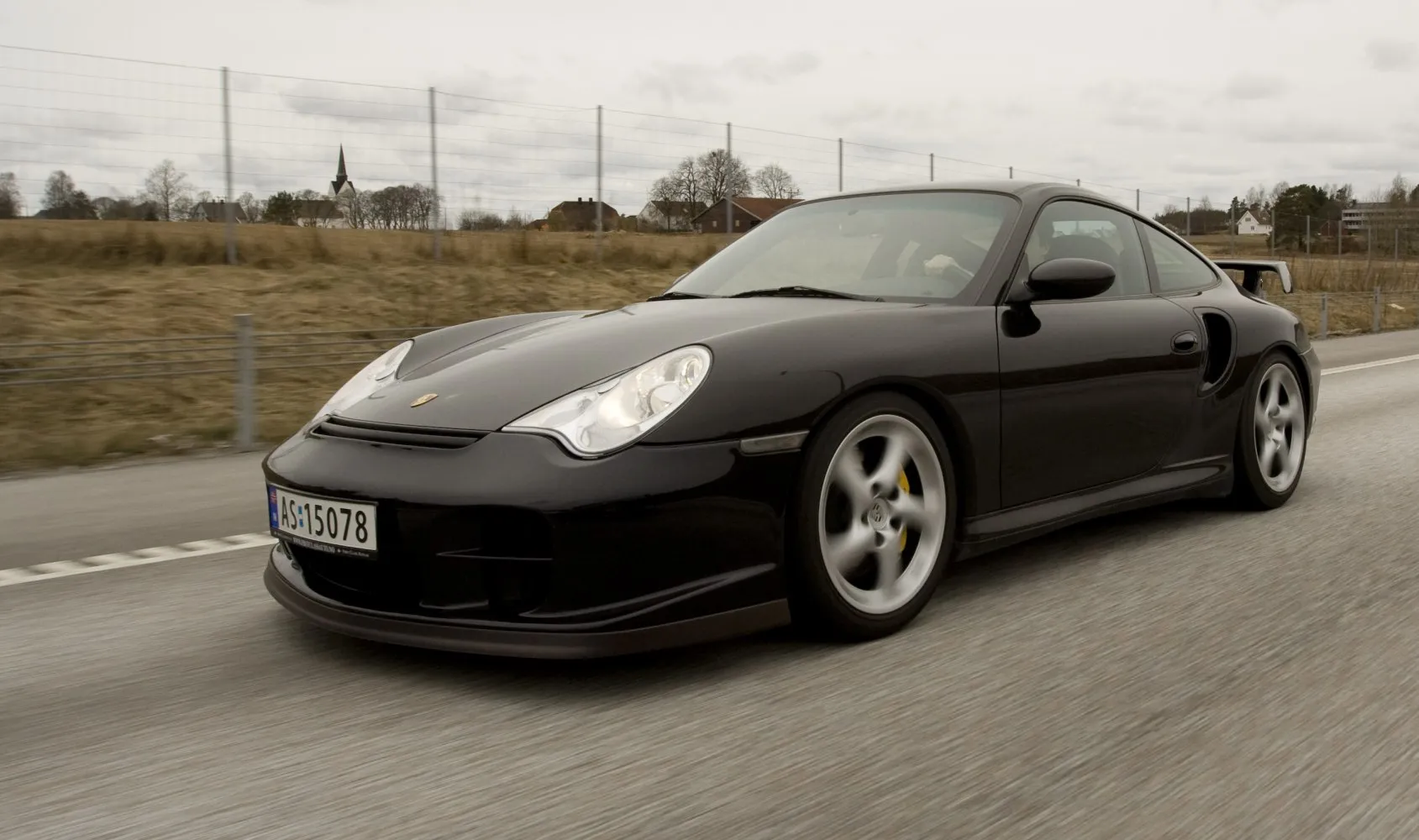
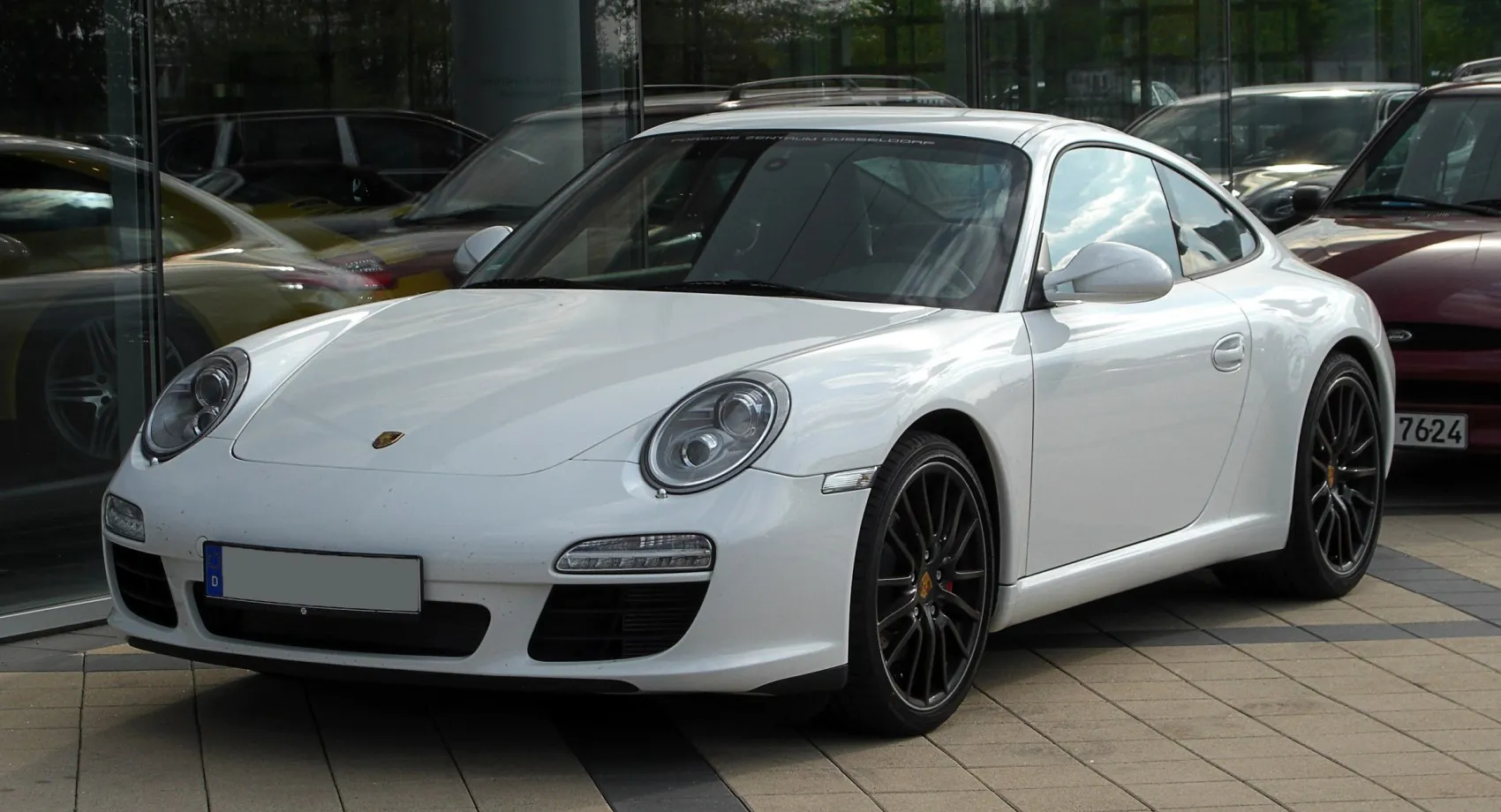
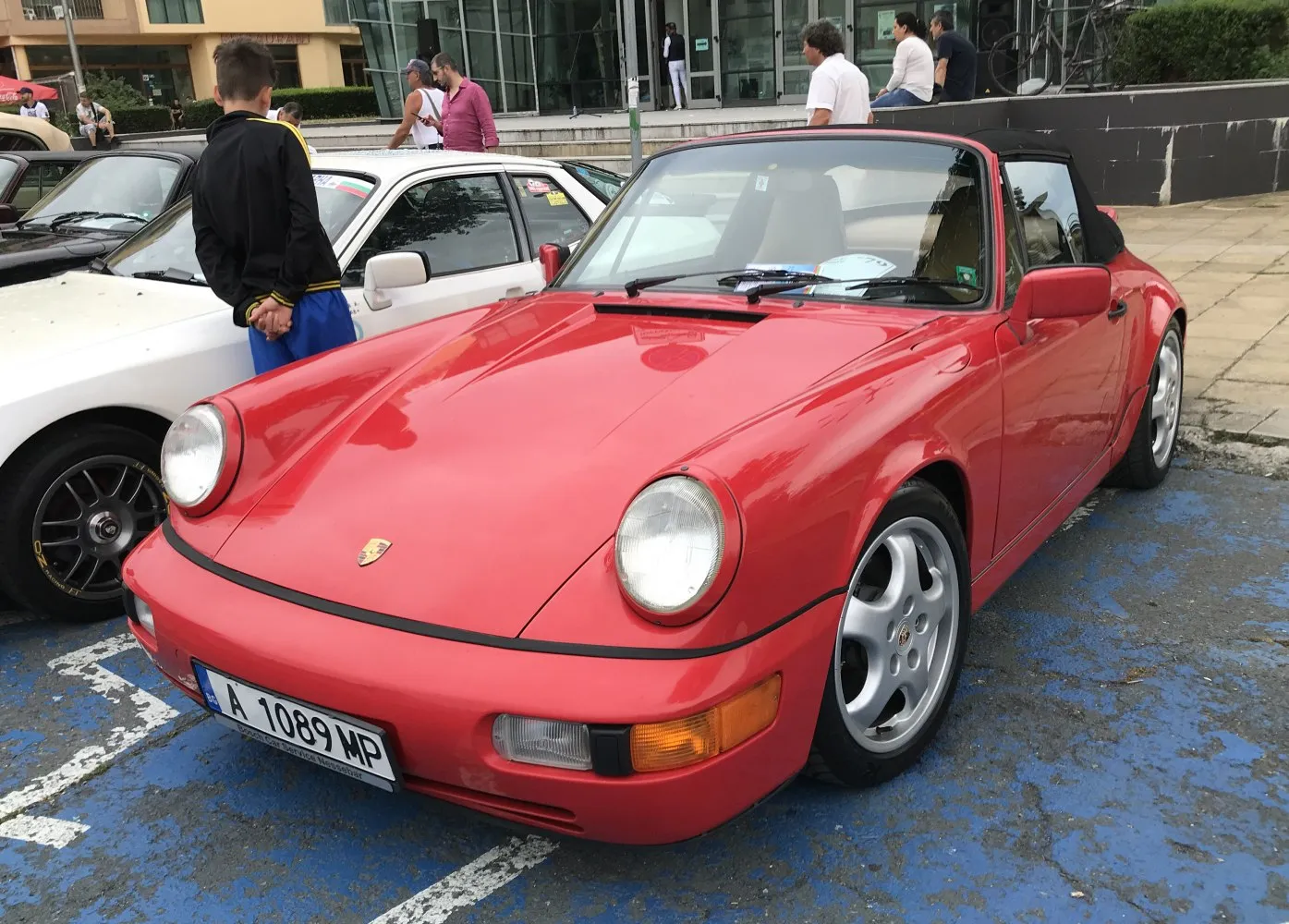
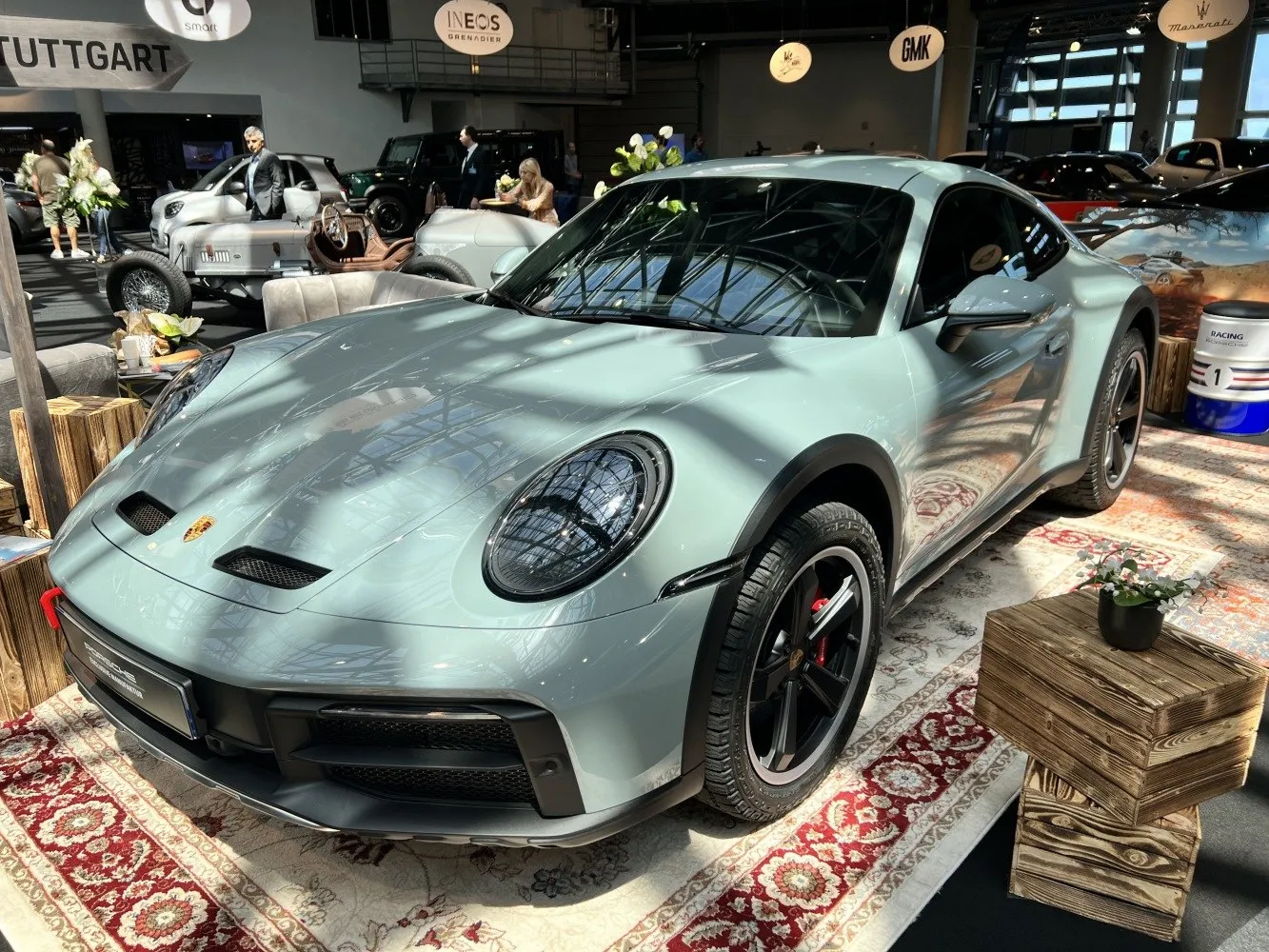
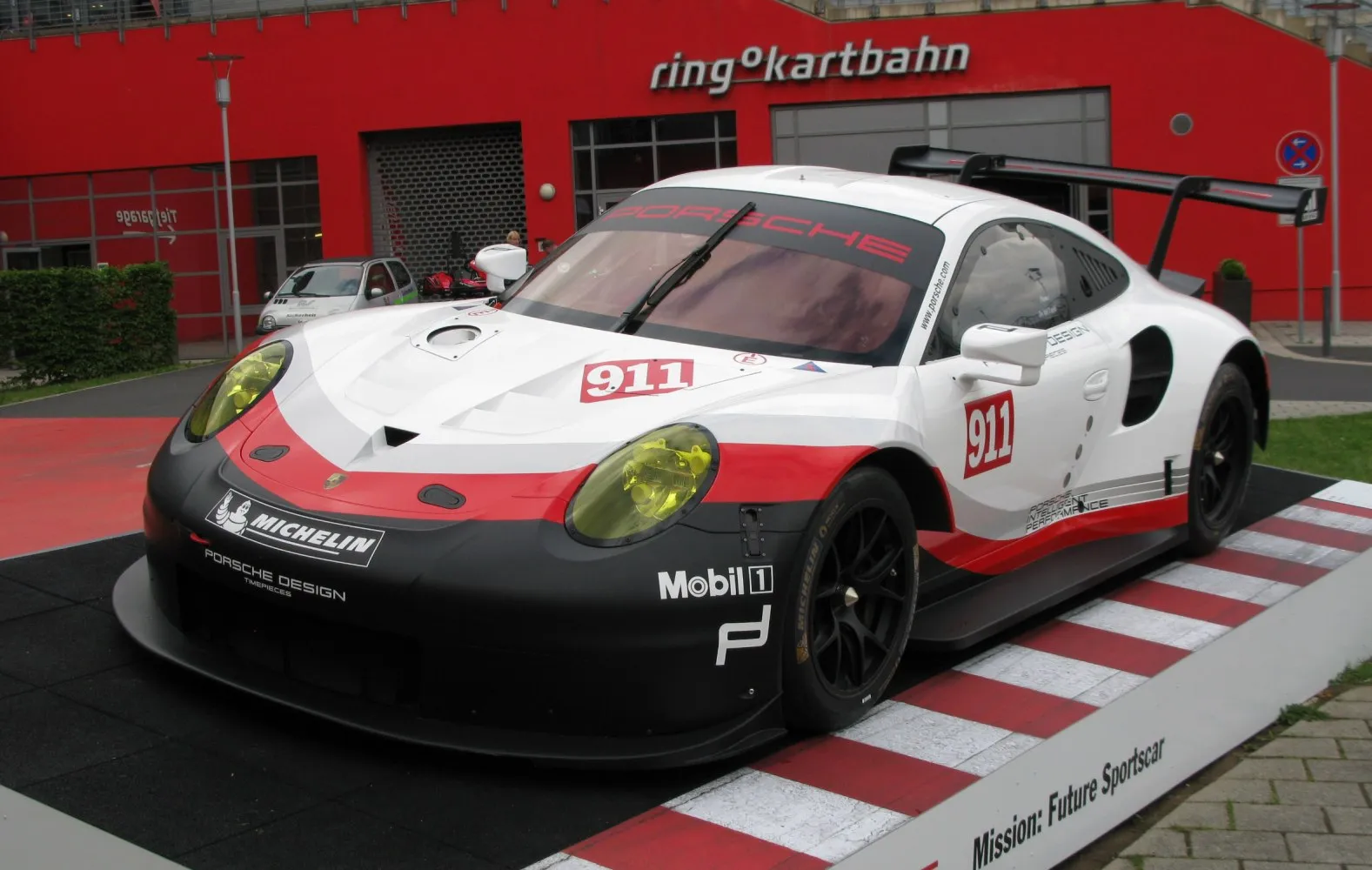
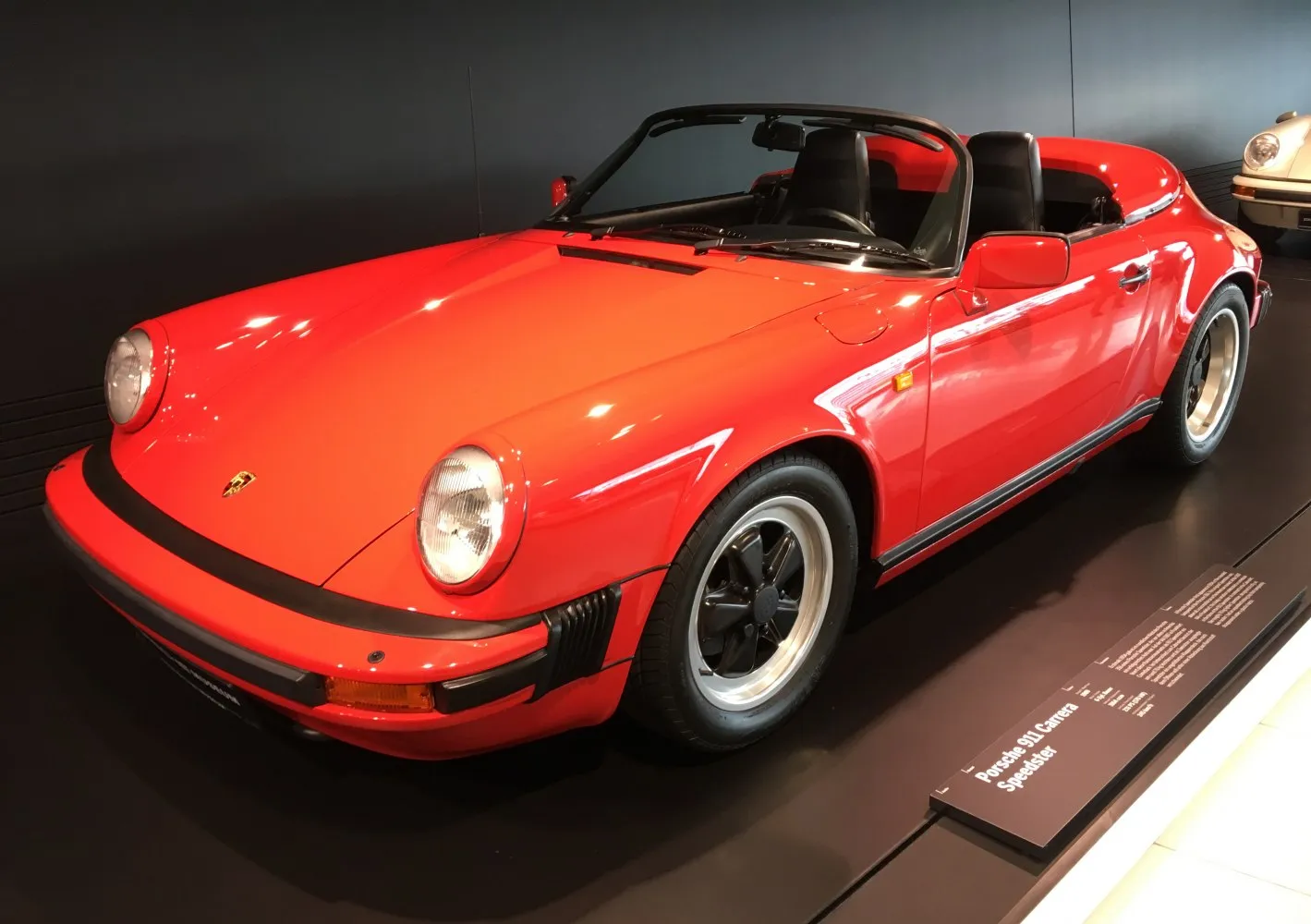
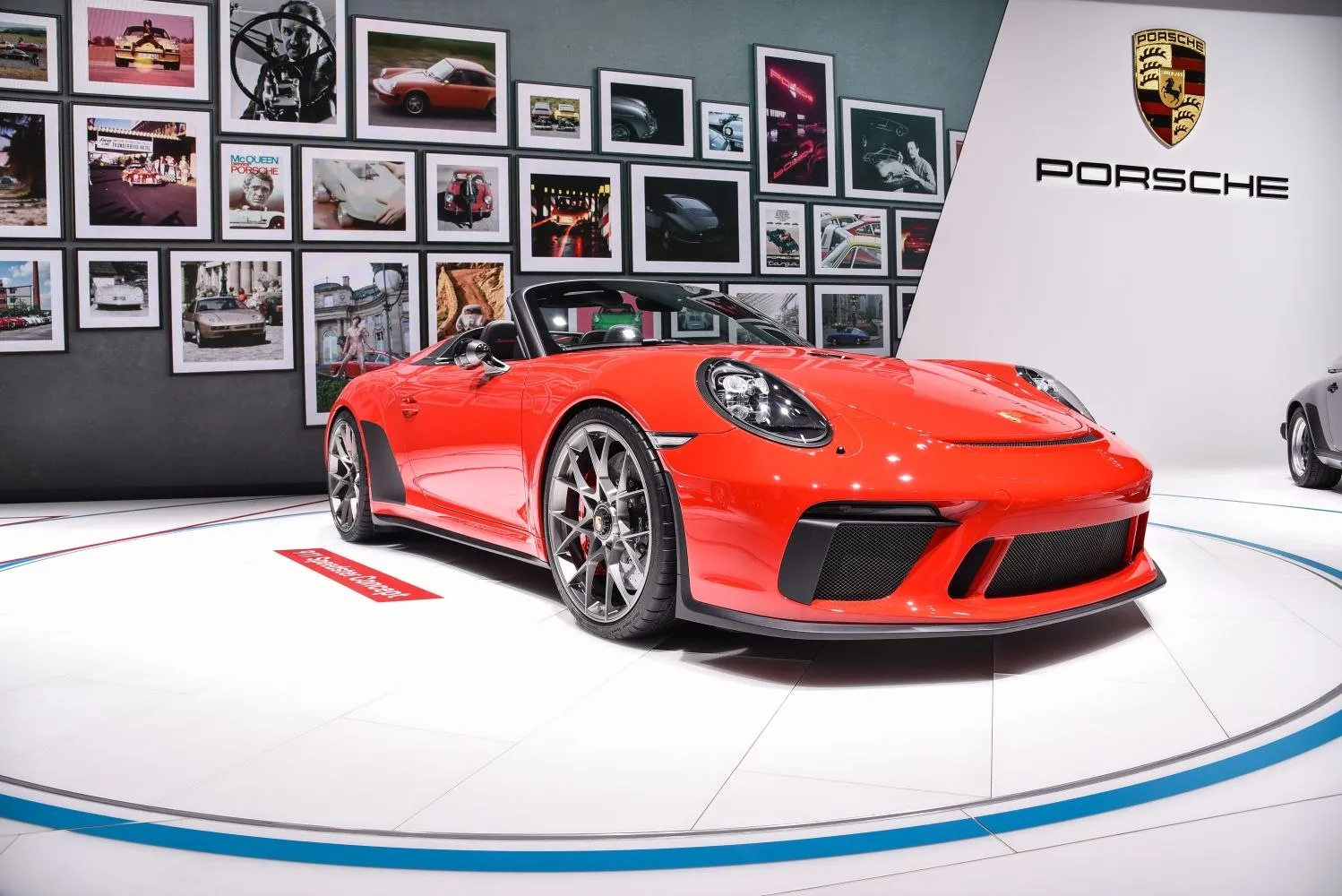
The Porsche 911 model series is a family of two-door, high performance rear-engine sports cars, introduced in September 1964 by Porsche of Stuttgart, Germany, and now in its eighth generation. All 911s have a rear-mounted flat-six engine, and usually 2+2 seating, except for special 2-seater variants. Originally, 911s had air-cooled engines, and torsion bar suspension, but the 911 has been continuously changed and improved across generations. Though the 911 core concept has remained largely unchanged, water-cooled engines were introduced with the 996 series in 1998, and front and rear suspension have been replaced by Porsche-specific MacPherson suspension up front, and independent multi-link rear suspension....(Read more on Wikipedia)
Targa (992, facelift 2024) Overview:
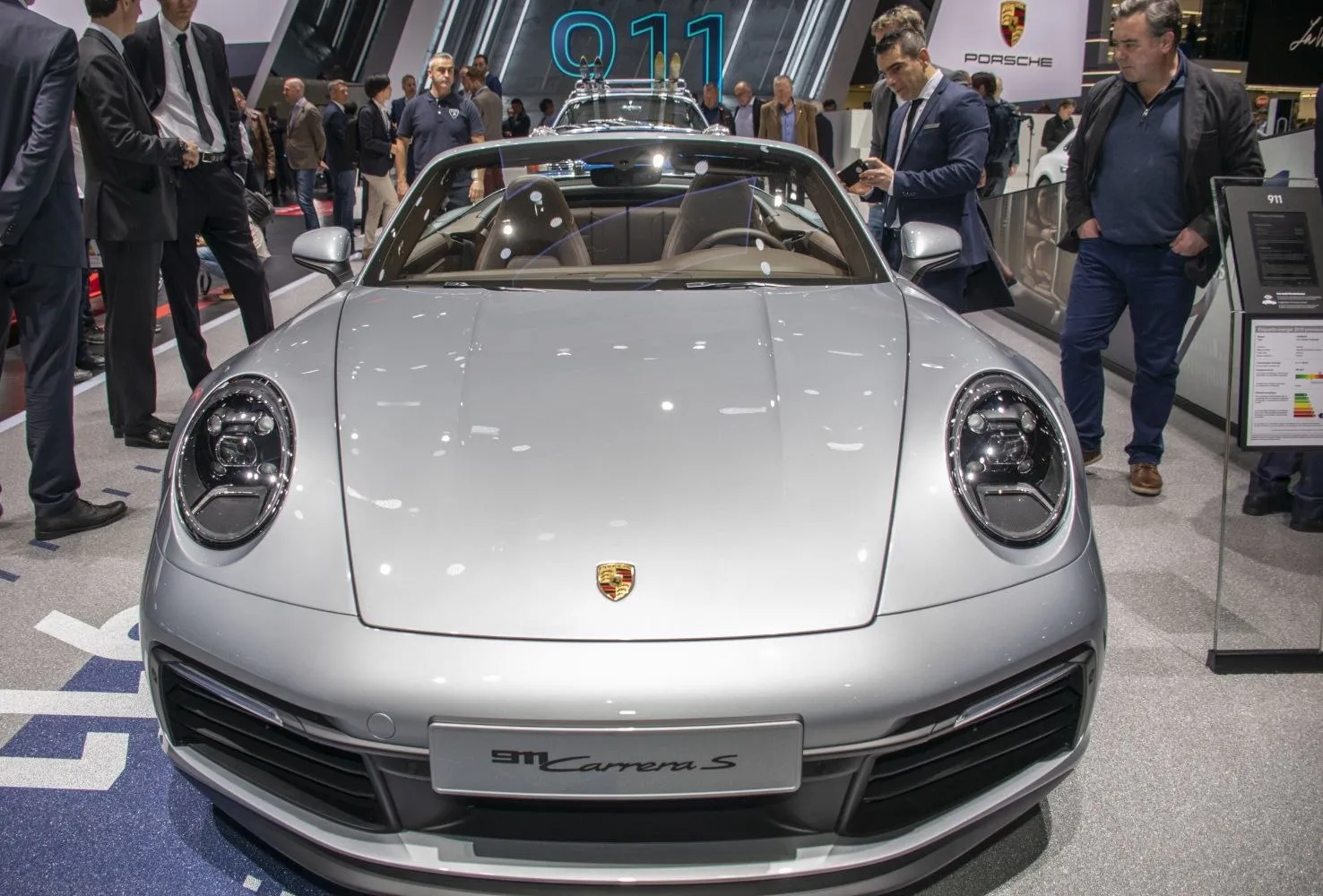
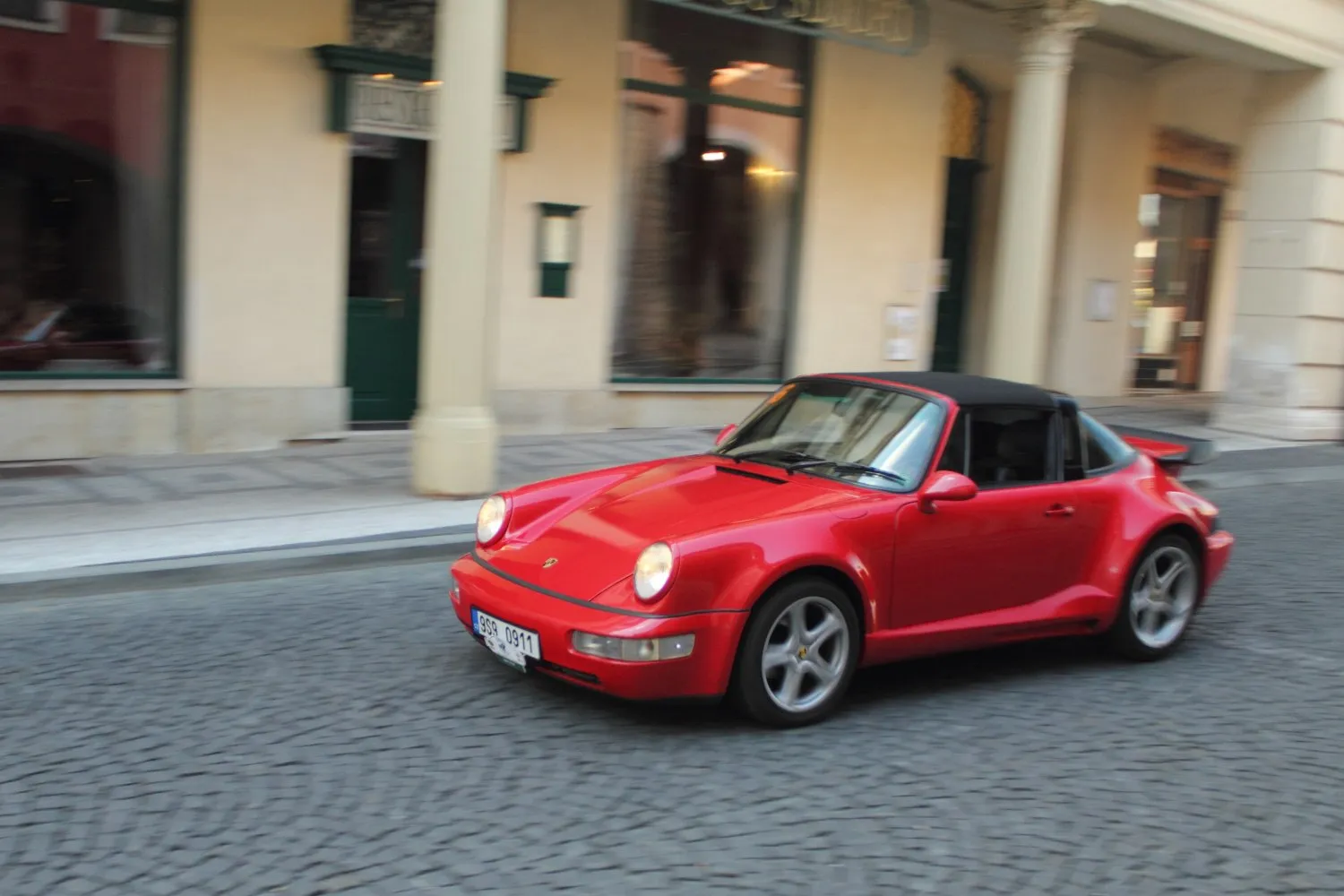
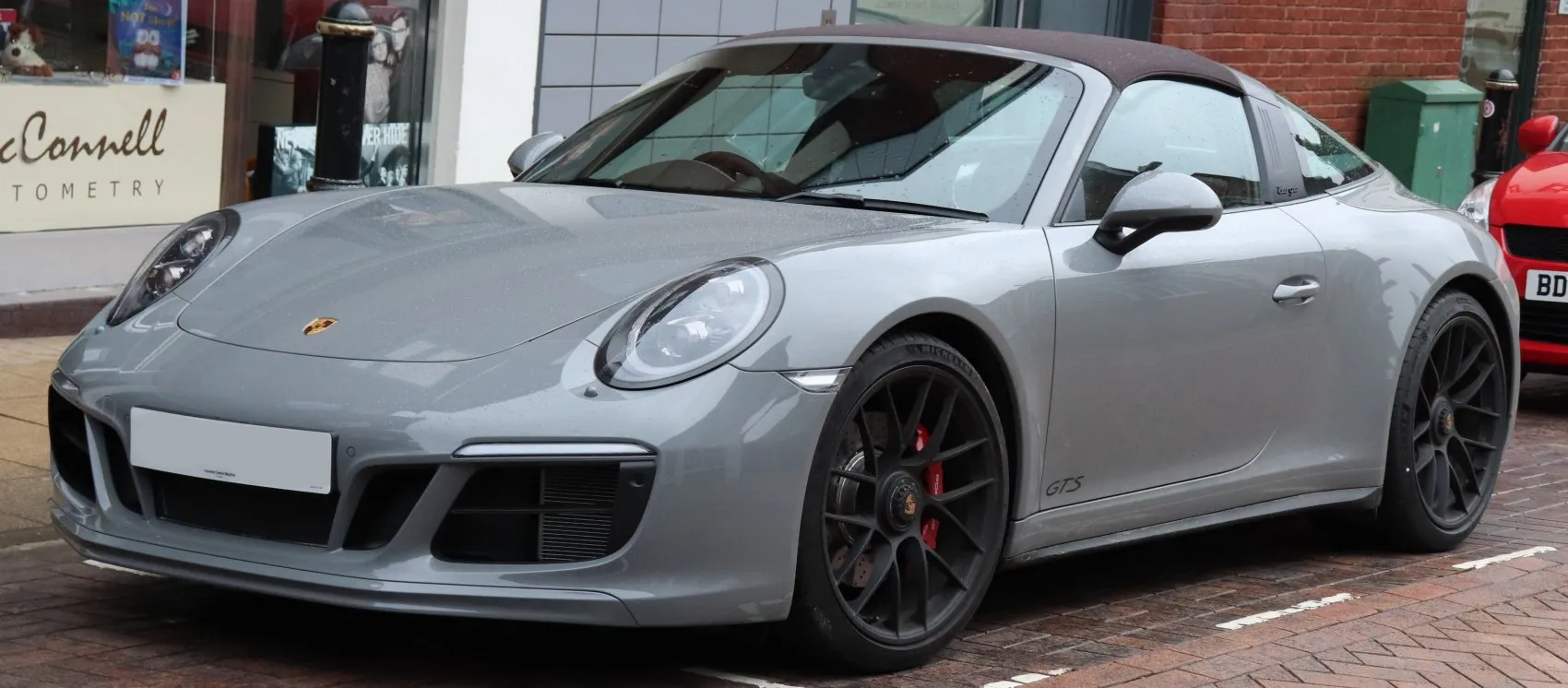
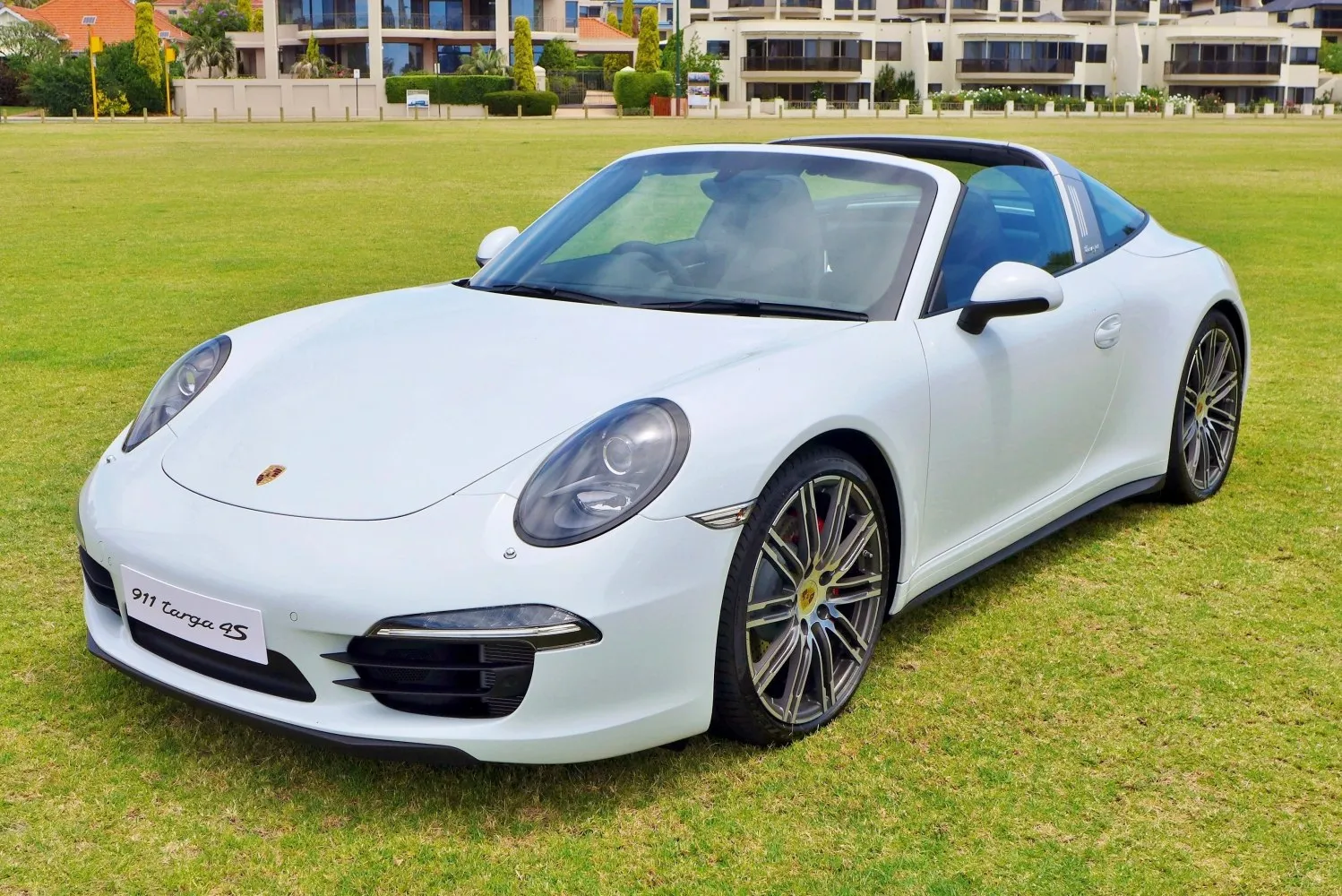
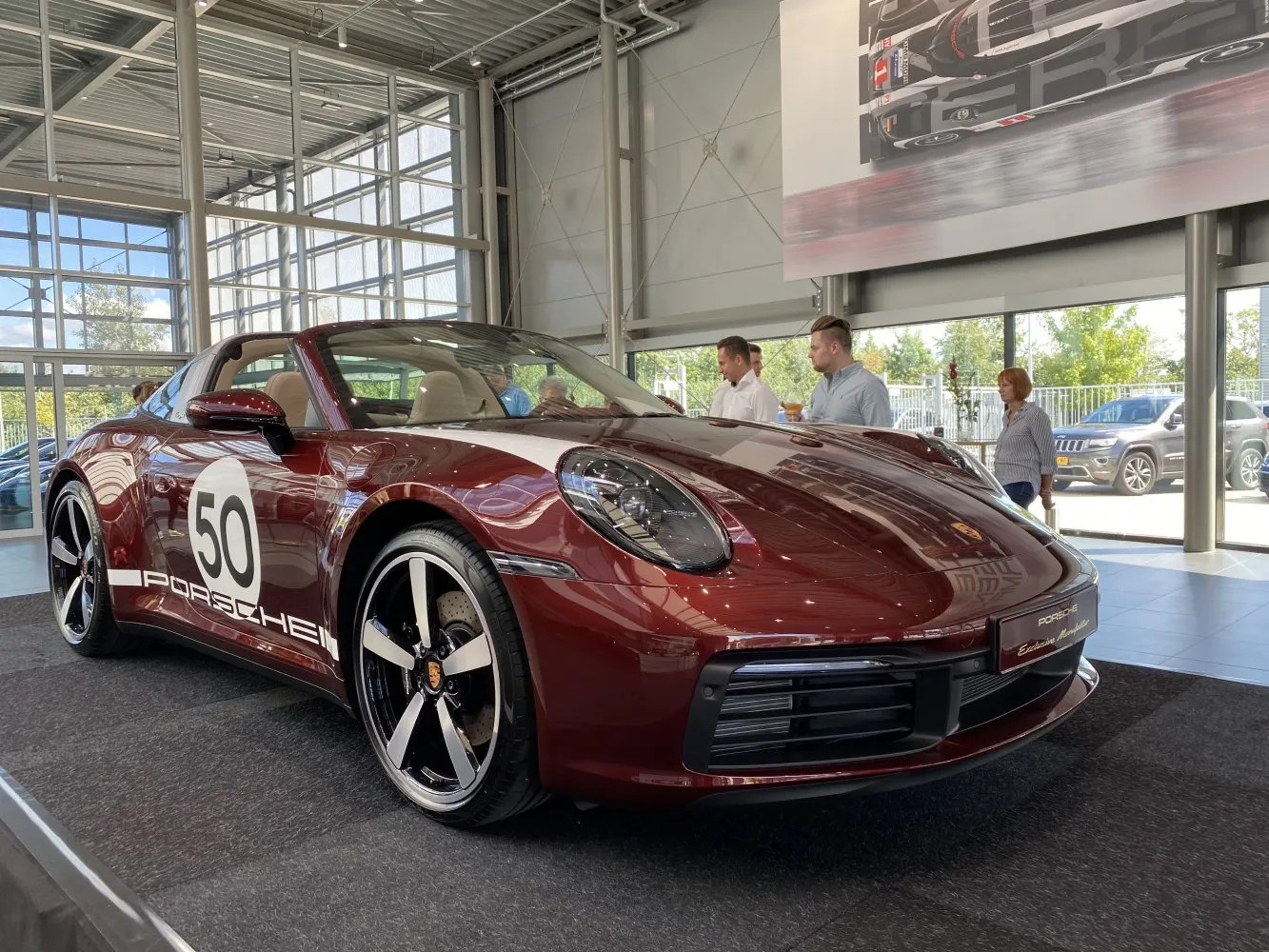
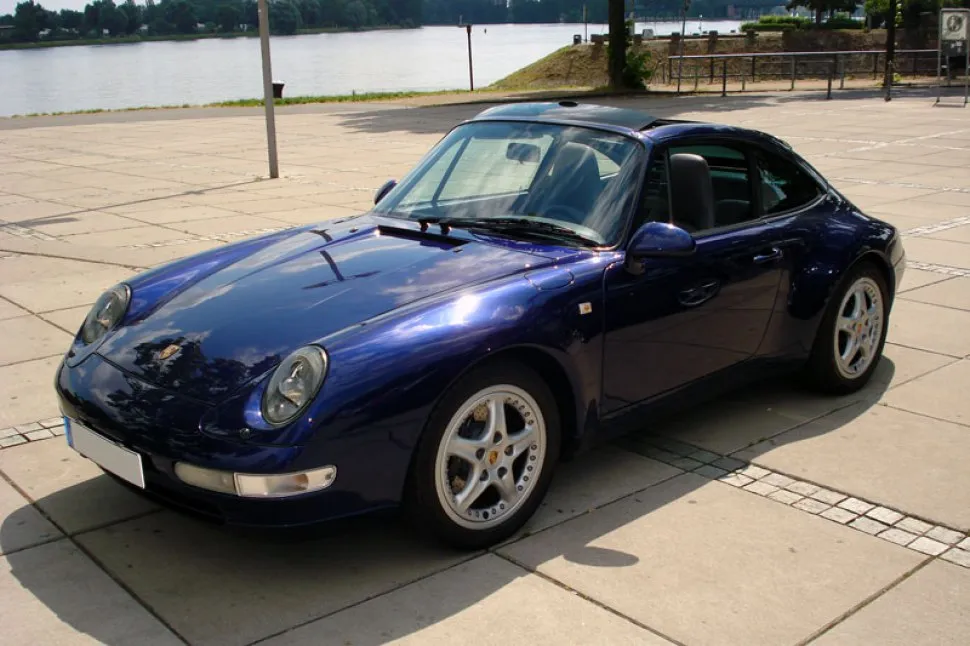
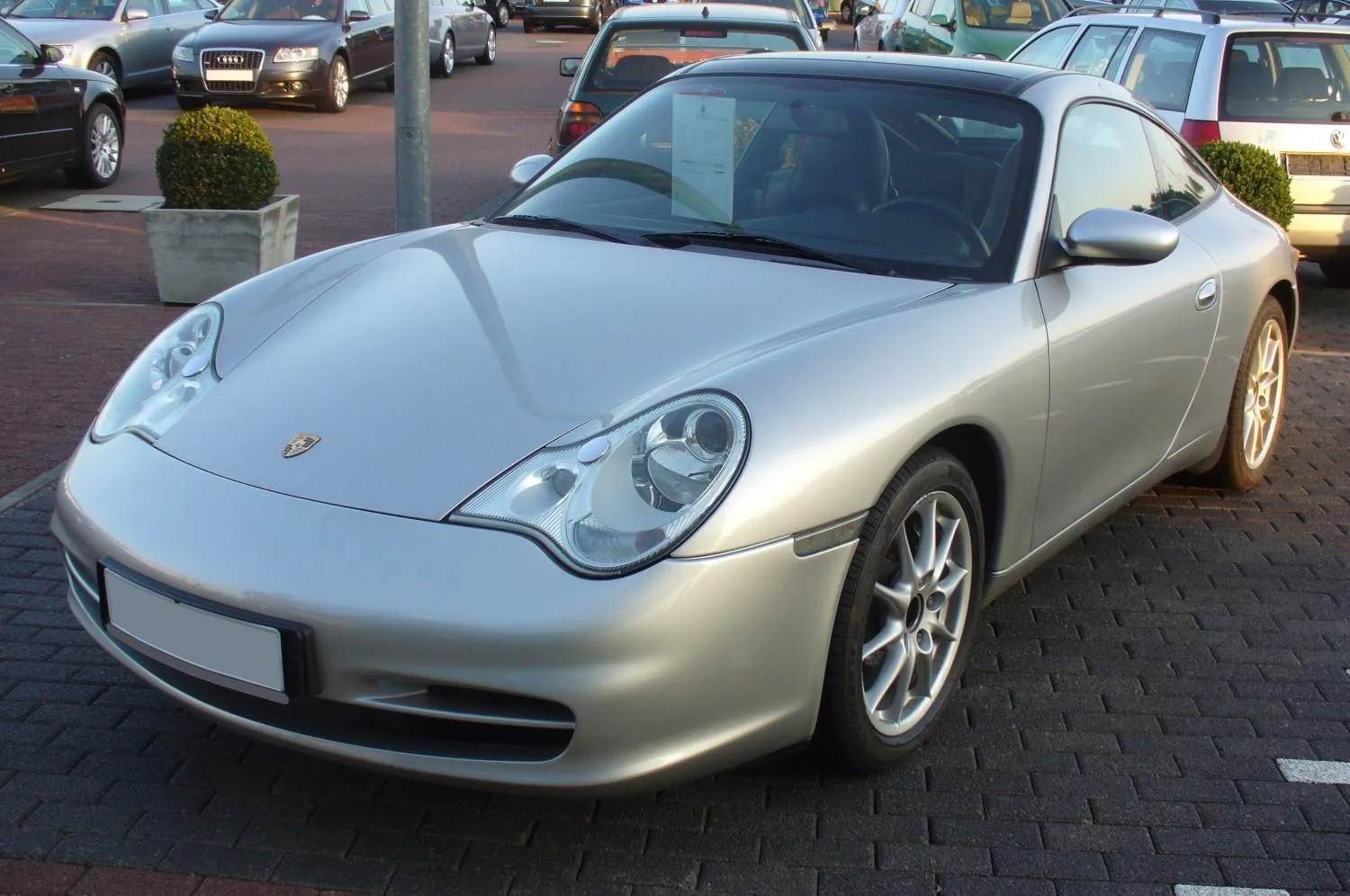
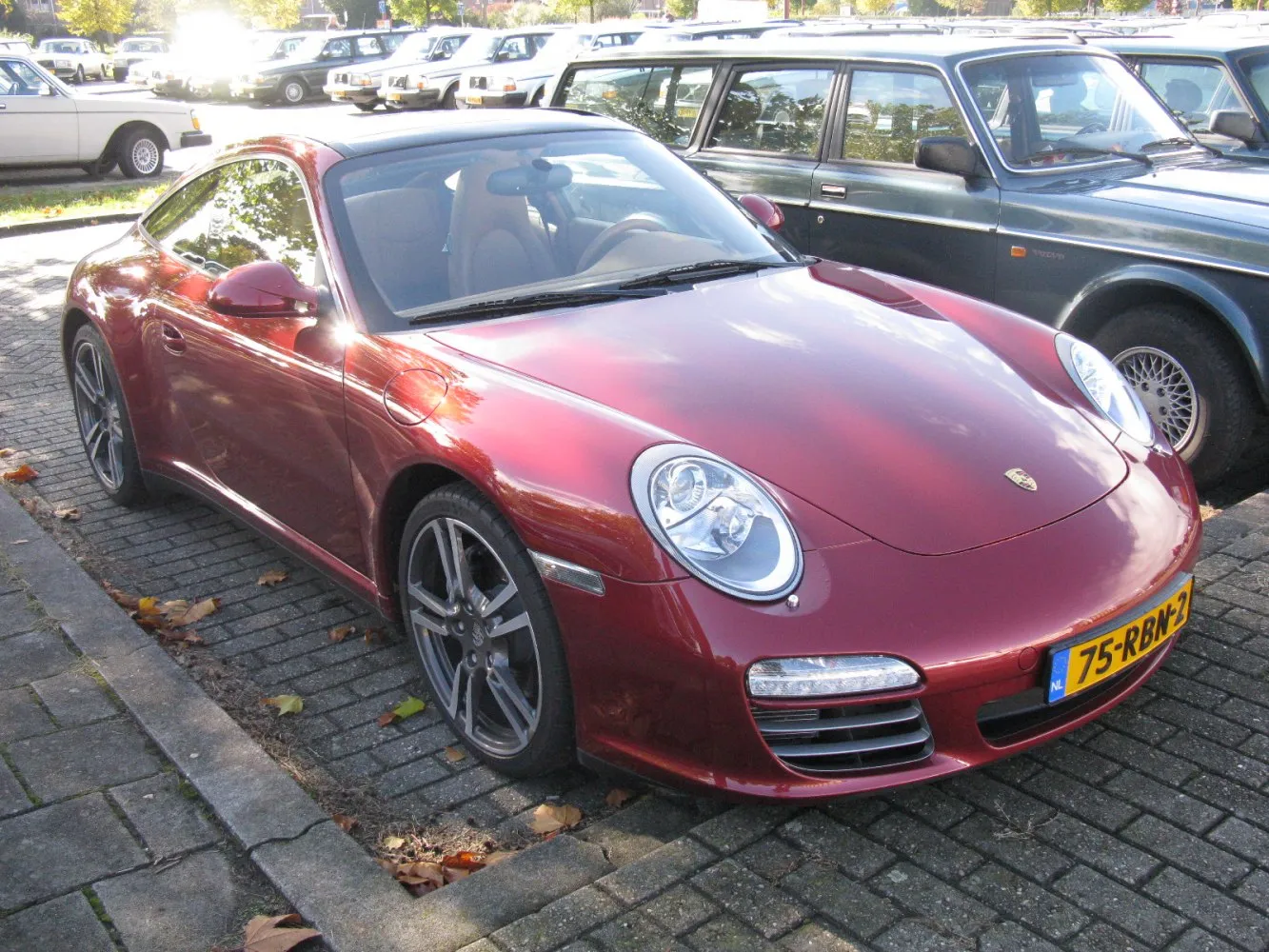
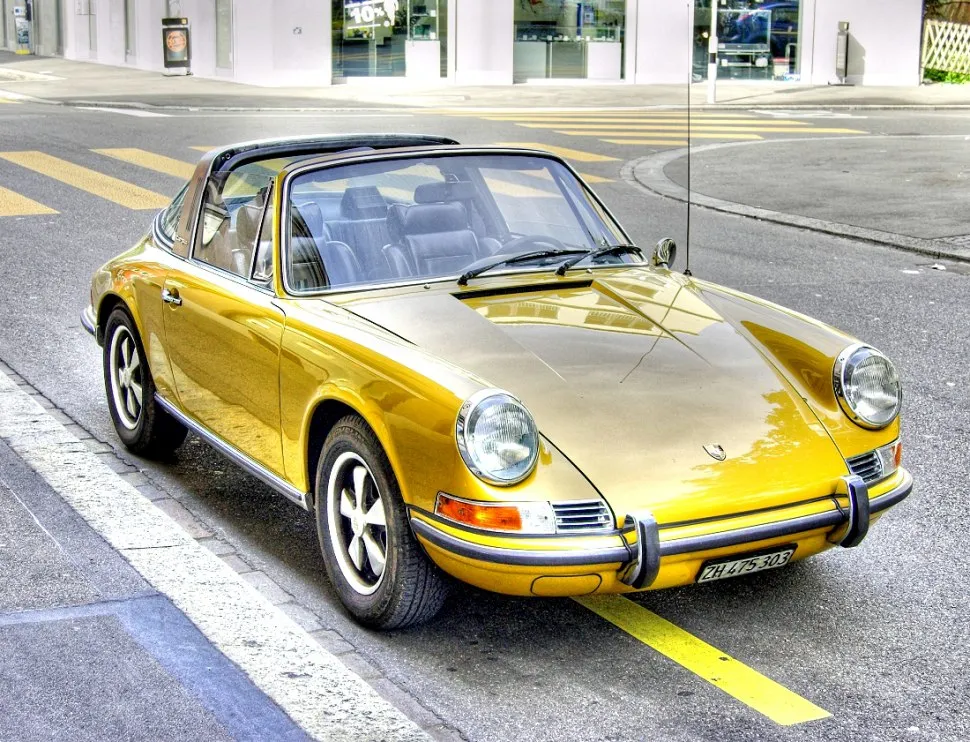
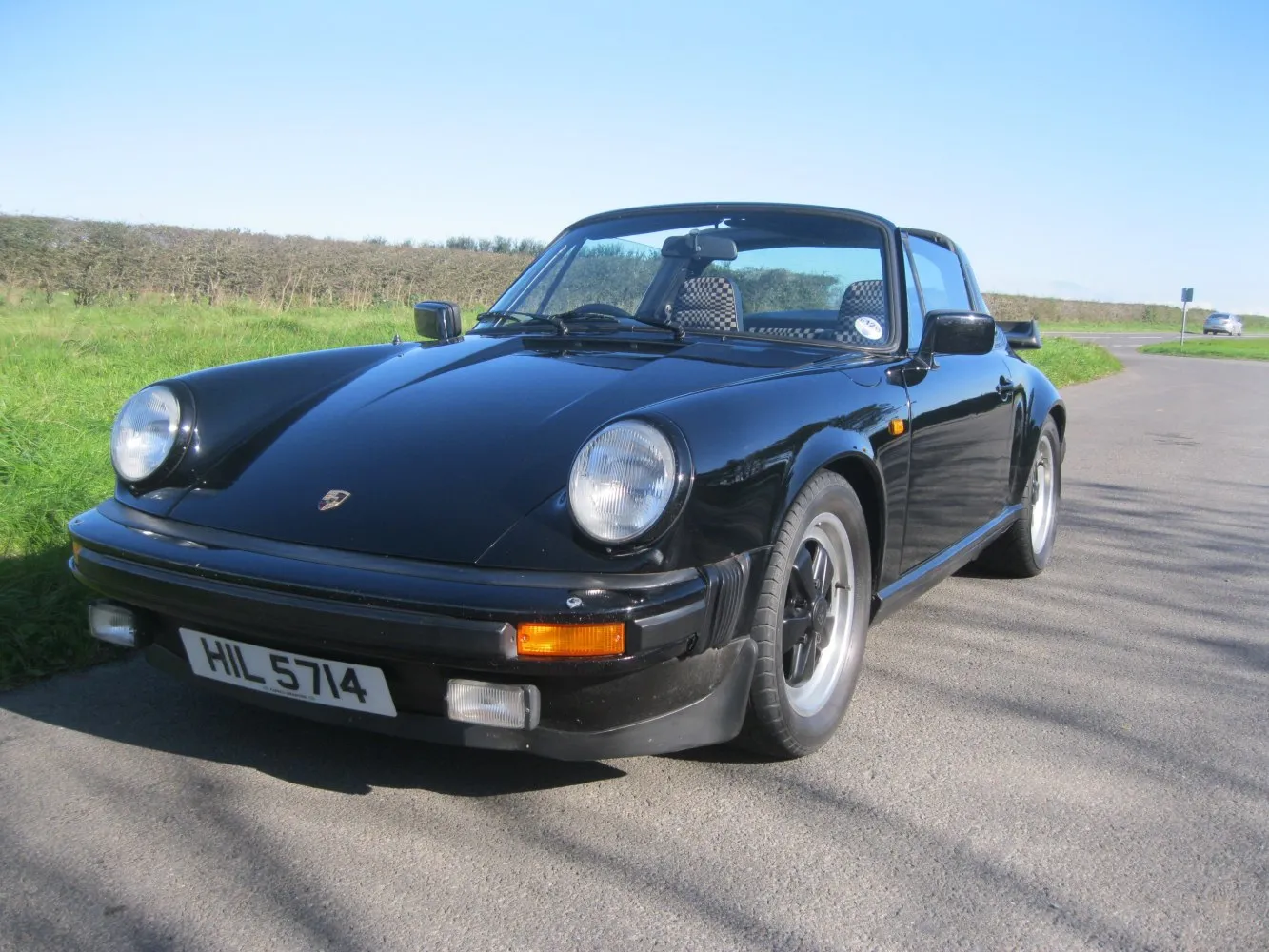
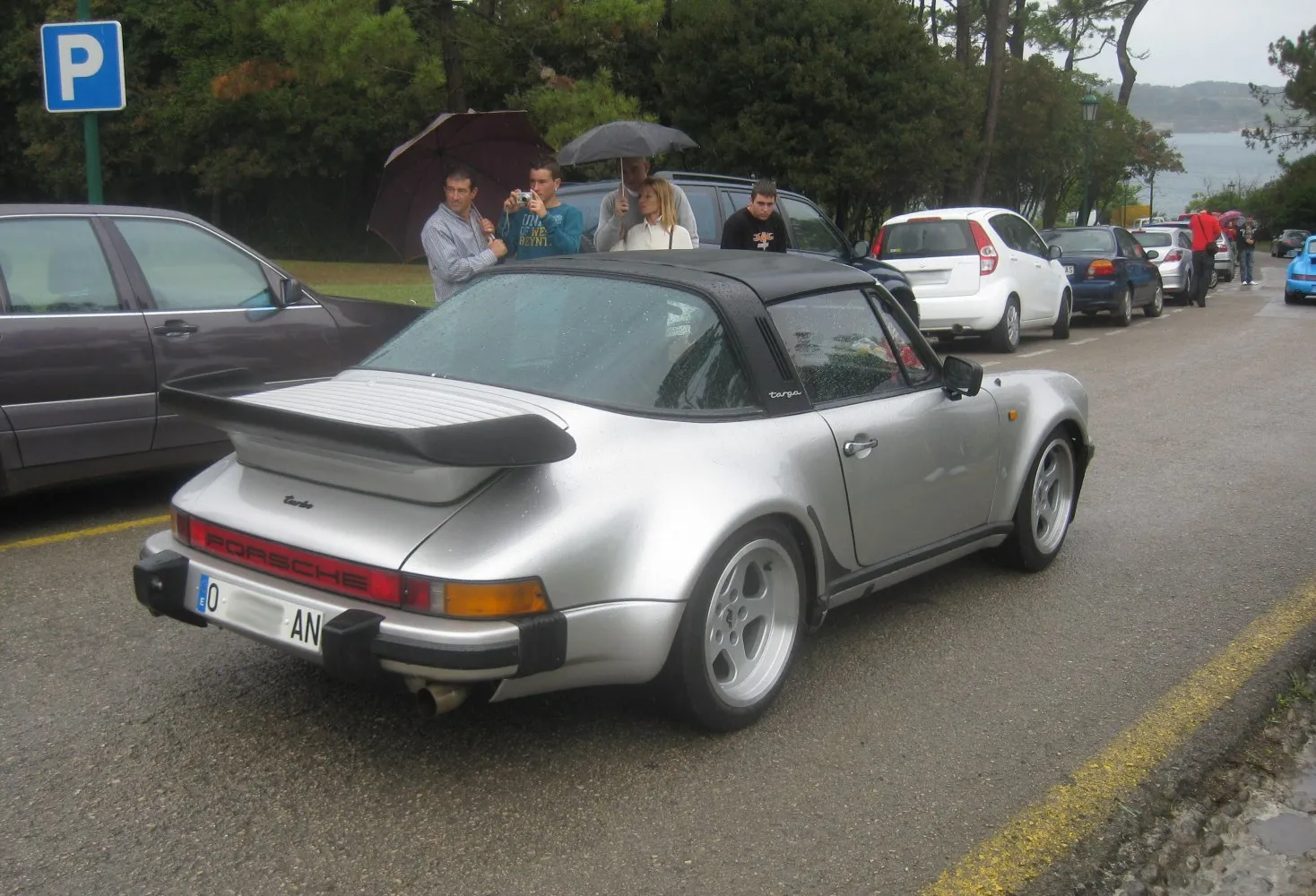
Porsche 911 (Targa (992, facelift 2024)). With 570 Nm of torque, it offers ample pulling power. With a weight of 1745 kg, it falls in the mid‑range. All‑wheel drive provides excellent grip, ideal for off‑road use. Acceleration is excellent (0–100 km/h in 3.1 s). The top speed reaches 312 km/h. A semi-convertible with a removable roof section and a full-width roll bar behind the seats. Seating for 4 makes it ideal for daily use.
Performance Verdict
Exceptional performance, blending the traditional boxer engine with a potent T-Hybrid system for instant torque delivery and blistering 3.1-second 0-100 km/h acceleration. The 541 Hp system output ensures thrilling dynamics.
Fuel Economy
For a car of this performance caliber, the T-Hybrid system offers a commendable combined fuel consumption of 10.8-11.0 l/100 km, showcasing improved efficiency over non-hybrid counterparts without sacrificing power.
Best Use Case:
Spirited B-road driving, long-distance touring, and occasional track days. The hybrid assist also makes it surprisingly tractable in urban environments.
Pros and Cons:
Pros:
- • Blistering T-Hybrid performance with instant torque
- • Iconic and timeless Targa design with open-air experience
- • Advanced all-wheel-drive system for superior grip
- • Engaging and precise PDK automatic transmission
- • Improved fuel efficiency for its performance class
- • High-quality interior and build materials
Cons:
- • Very high purchase price and ownership costs
- • Limited rear seating and cargo space for practicality
- • Complexity of the new T-Hybrid system (long-term maintenance)
- • Still relatively high fuel consumption compared to non-sports hybrids
- • Road noise can be noticeable at higher speeds with the Targa roof
Specifications:
Specifications are compared to those of the previous generation(992: May, 2021 - May, 2024).
| General: |
| Brand: | Porsche |
|---|
| Model: | 911 |
|---|
| Generation: | Targa (992, facelift 2024) |
|---|
| Modification (Engine): | 4 GTS 3.6 (541 Hp) T-Hybrid PDK |
|---|
| Start of production: | May, 2024 |
|---|
| Powertrain Architecture: | FHEV (Full Hybrid Electric Vehicle) |
|---|
| Body type: | Targa |
|---|
| Seats: | 4 |
|---|
| Doors: | 2 |
|---|
| Engine: |
| Engine systems: | Start & Stop System |
|---|
| Power: | 485 Hp Same horsepower |
|---|
| Power per litre: | 135.1 Hp/l [20mm less] |
|---|
| Torque: | 570 Nm |
|---|
| Engine Model/Code: | 9A3B6 More details about the engine 9A3B6 |
|---|
| Engine displacement: | 3591 |
|---|
| Number of cylinders: | 6 |
|---|
| Engine configuration: | Boxer |
|---|
| Number of valves per cylinder: | 4 |
|---|
| Fuel injection system: | Direct injection |
|---|
| Engine aspiration: | Electric Assisted Turbocharger, Intercooler |
|---|
| Engine layout: | Rear, Longitudinal |
|---|
| Cylinder Bore: | 97 mm mm |
|---|
| Piston Stroke: | 81 mm mm |
|---|
| Maximum engine speed: | 7500 rpm. |
|---|
| Performance: |
| Fuel Type: | Petrol (Gasoline) |
|---|
| Combined fuel consumption (WLTP): | 10.8-11.0 l/100 km |
|---|
| Emission standard: | Euro 6 EA |
|---|
| Acceleration 0 - 100 km/h: | 3.1 sec |
|---|
| Acceleration 0 - 62 mph: | 3.1 sec |
|---|
| Maximum speed: | 312 km/h |
|---|
| Weight-to-power ratio: | 3.2 kg/Hp, 310 Hp/tonne |
|---|
| Weight-to-torque ratio: | 2.9 kg/Nm, 349.6 Nm/tonne |
|---|
| Acceleration 0 - 200 km/h: | 11.1 sec |
|---|
| Acceleration 0 - 60 mph: | 2.9 sec |
|---|
| Space: |
| Kerb Weight: | 1745 |
|---|
| Max. weight: | 2135 |
|---|
| Max load: | 390 |
|---|
| Trunk (boot) space - maximum: | 135 l |
|---|
| Size: |
| Length: | 4553 mm mm [20mm less] |
|---|
| Width: | 1852 mm mm [Same width.] |
|---|
| Wheelbase: | 2450 mm mm [7mm less] |
|---|
| Width including mirrors: | 2033 mm |
|---|
| Minimum turning circle (turning diameter): | 10.9 m [above average] |
|---|
| Powertrain: |
| Drivetrain Architecture | The Internal combustion engine (ICE) and the electric motor permanently drive the four wheels of the car with the ability to work in full electric or mixed mode. |
|---|
| Drive wheel | All wheel drive (4x4) |
|---|
| Number of gears | 8 |
|---|
| Transmission type | Automatic |
|---|
| Gearbox type | PDK |
|---|
| Front brakes | Ventilated discs [Best for performance and cooling.] |
|---|
| Rear brakes | Ventilated discs [Best for performance and cooling.] |
|---|
| Assisting systems | ABS (Anti-lock braking system) |
|---|
| Steering type | Steering rack and pinion |
|---|
| Power steering | Electric Steering |
|---|
| Tires size | Front wheel tires: 245/35 ZR20 |
|---|
| Wheel rims size | Front wheel rims: 20 |
|---|
| Electric: |
| Gross battery capacity: | 1.9 kWh |
|---|
| Battery technology: | Lithium-ion (Li-Ion) |
|---|
| Battery location: | Under the front hood |
|---|
| System power: | 541 Hp |
|---|
| System torque: | 610 Nm |
|---|
| Electric motor power: | 56 Hp |
|---|
| Electric motor Torque: | 150 Nm |
|---|
| Electric motor location: | Between the combustion engine and the transmission |
|---|
| Electric motor type: | Synchronous |
|---|
| Battery weight: | 27 kg |
|---|
| Battery voltage: | 400 V |
|---|













Better than its competitors? Tell us why the Porsche 911 stands out.