
Click on image to view the full photo gallery
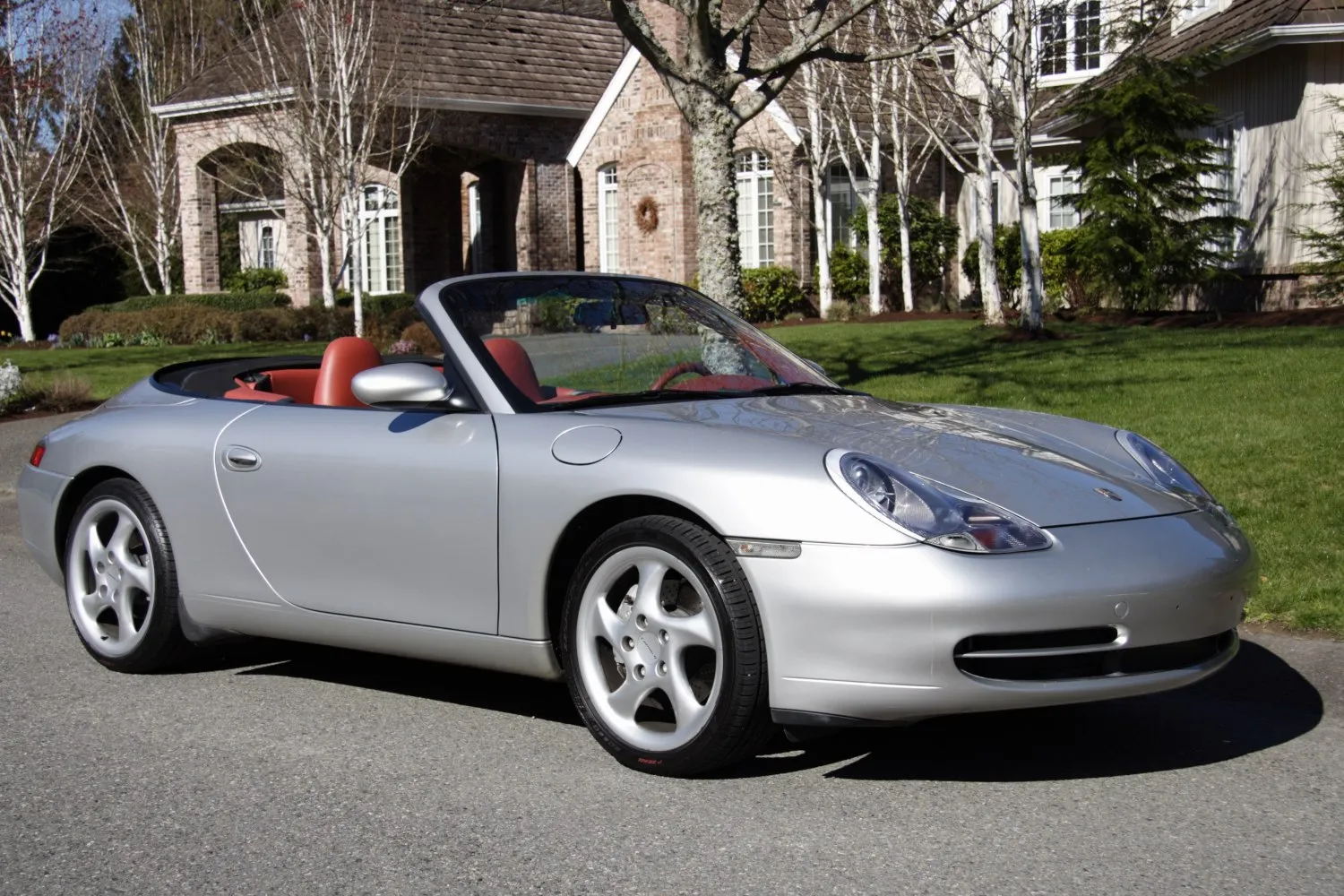
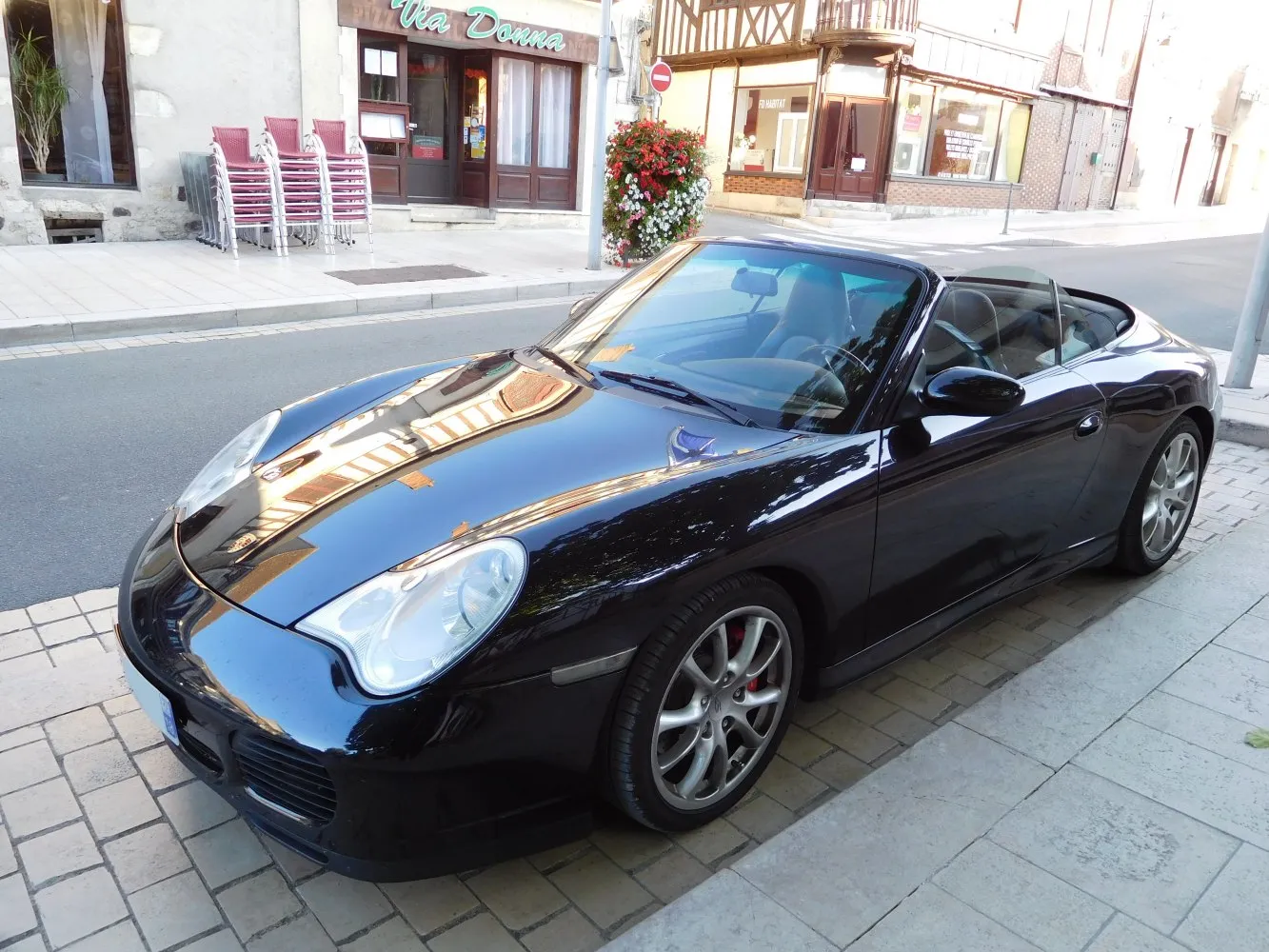
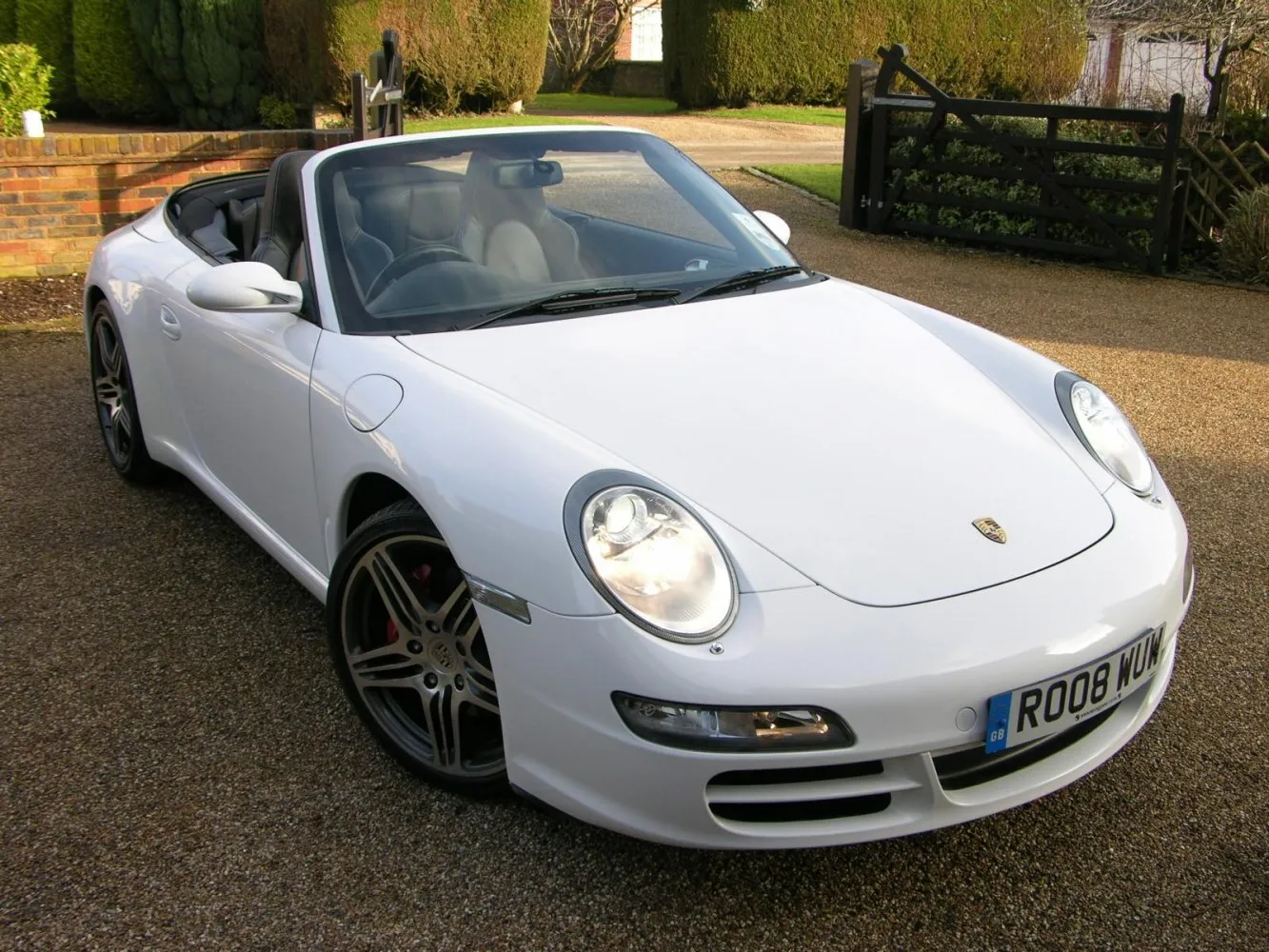
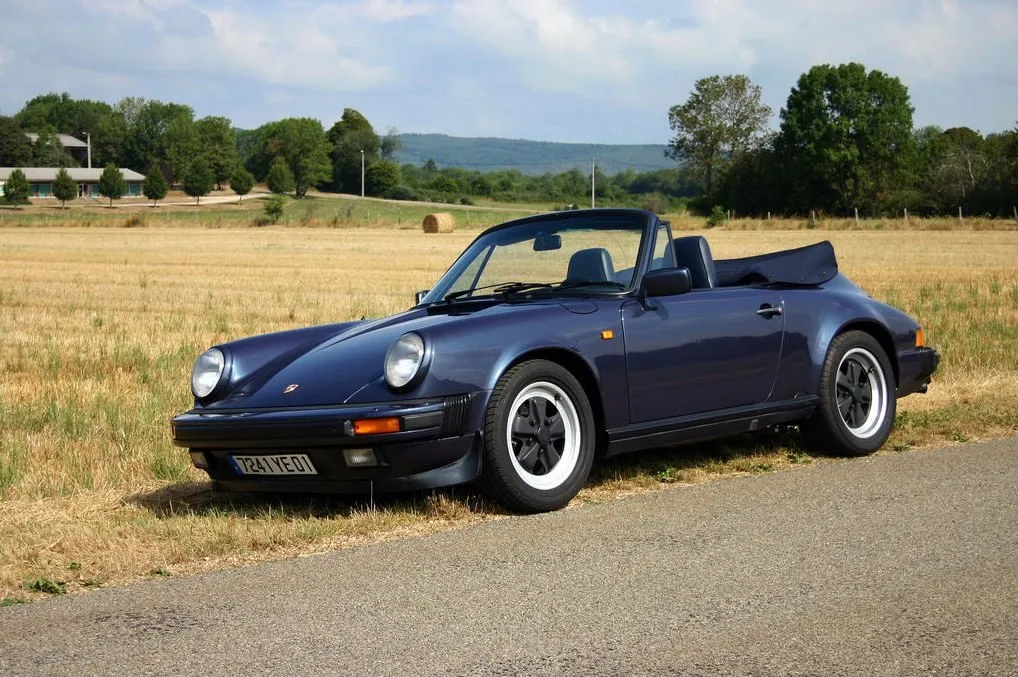
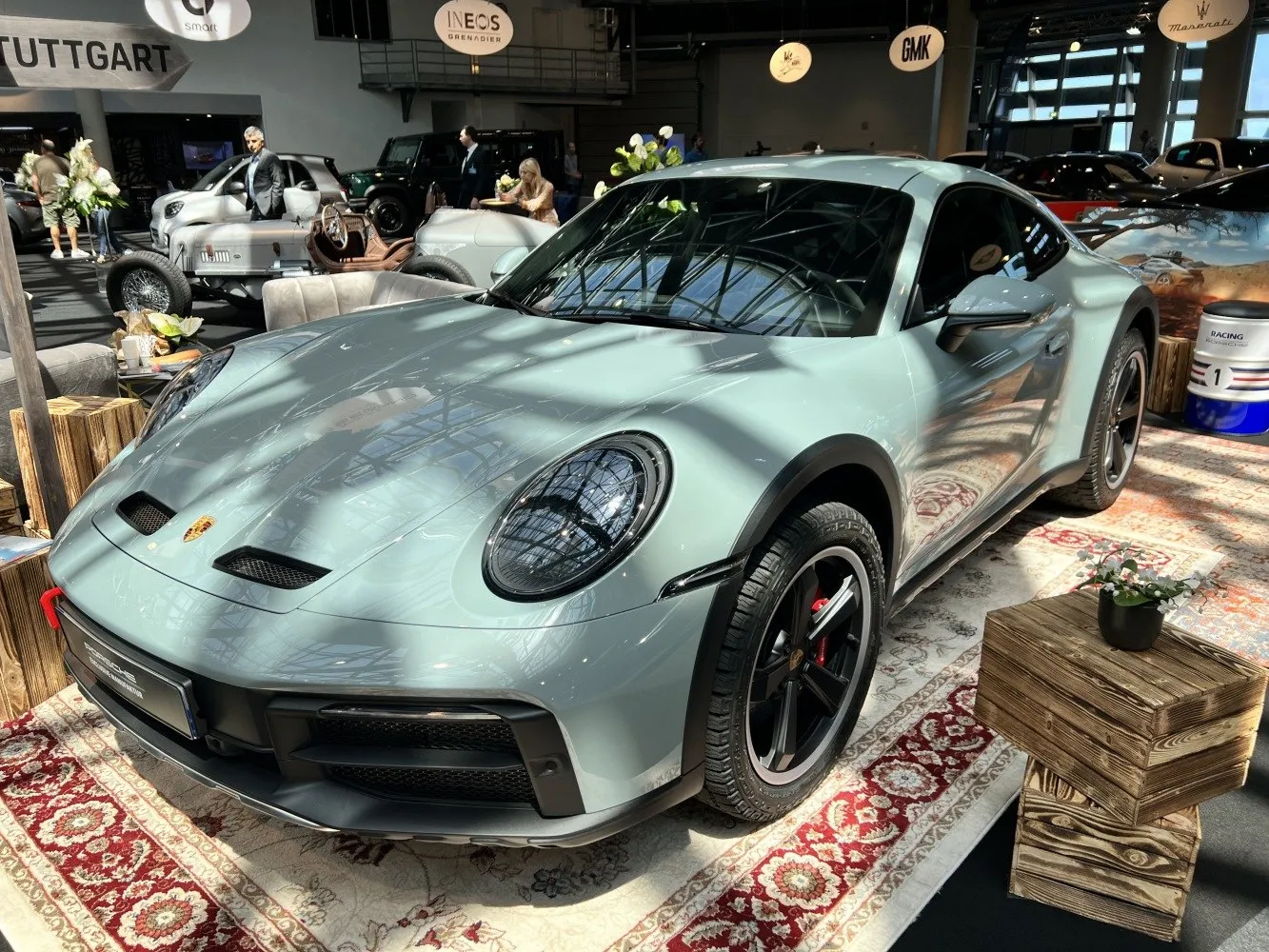
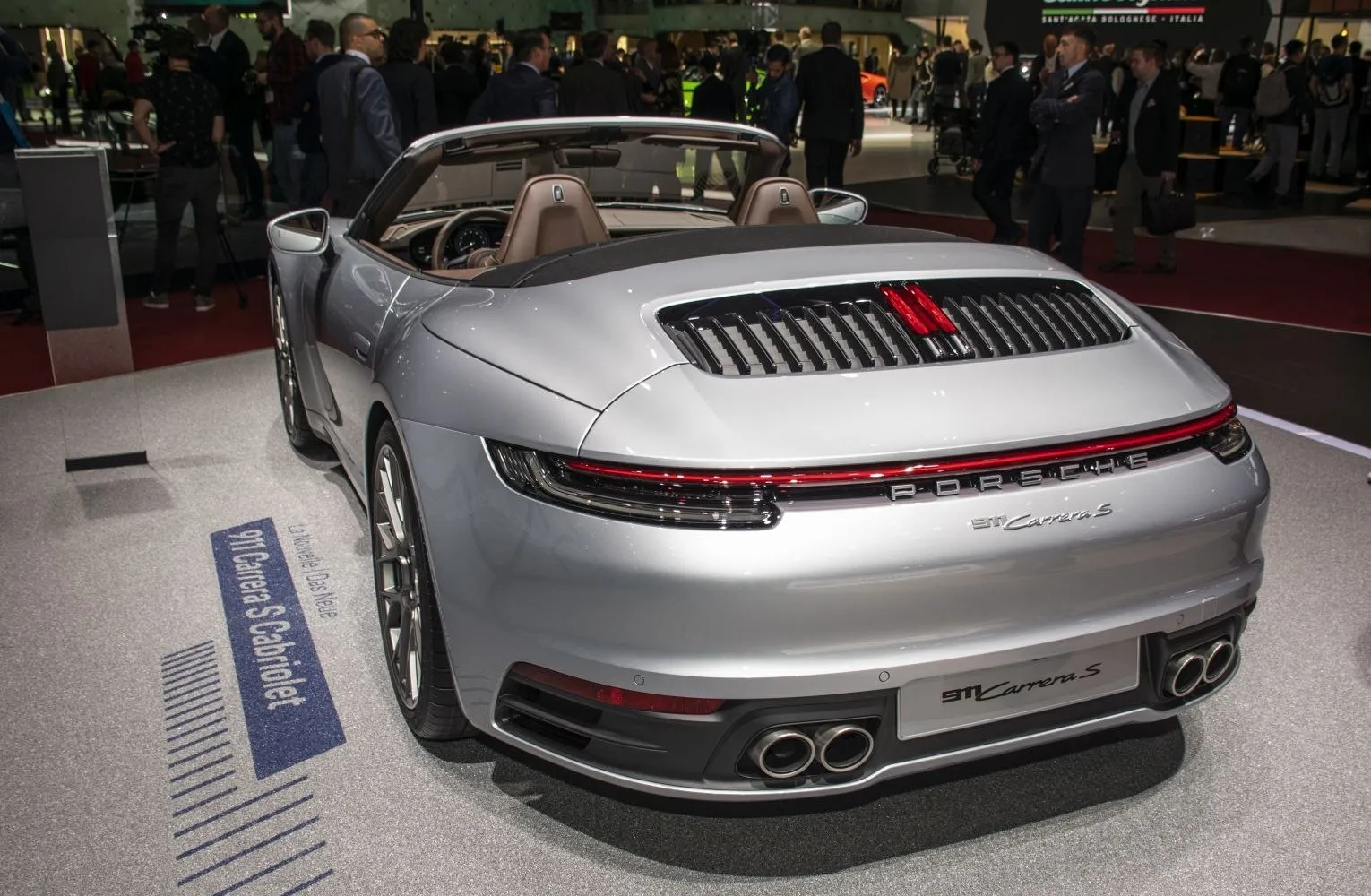
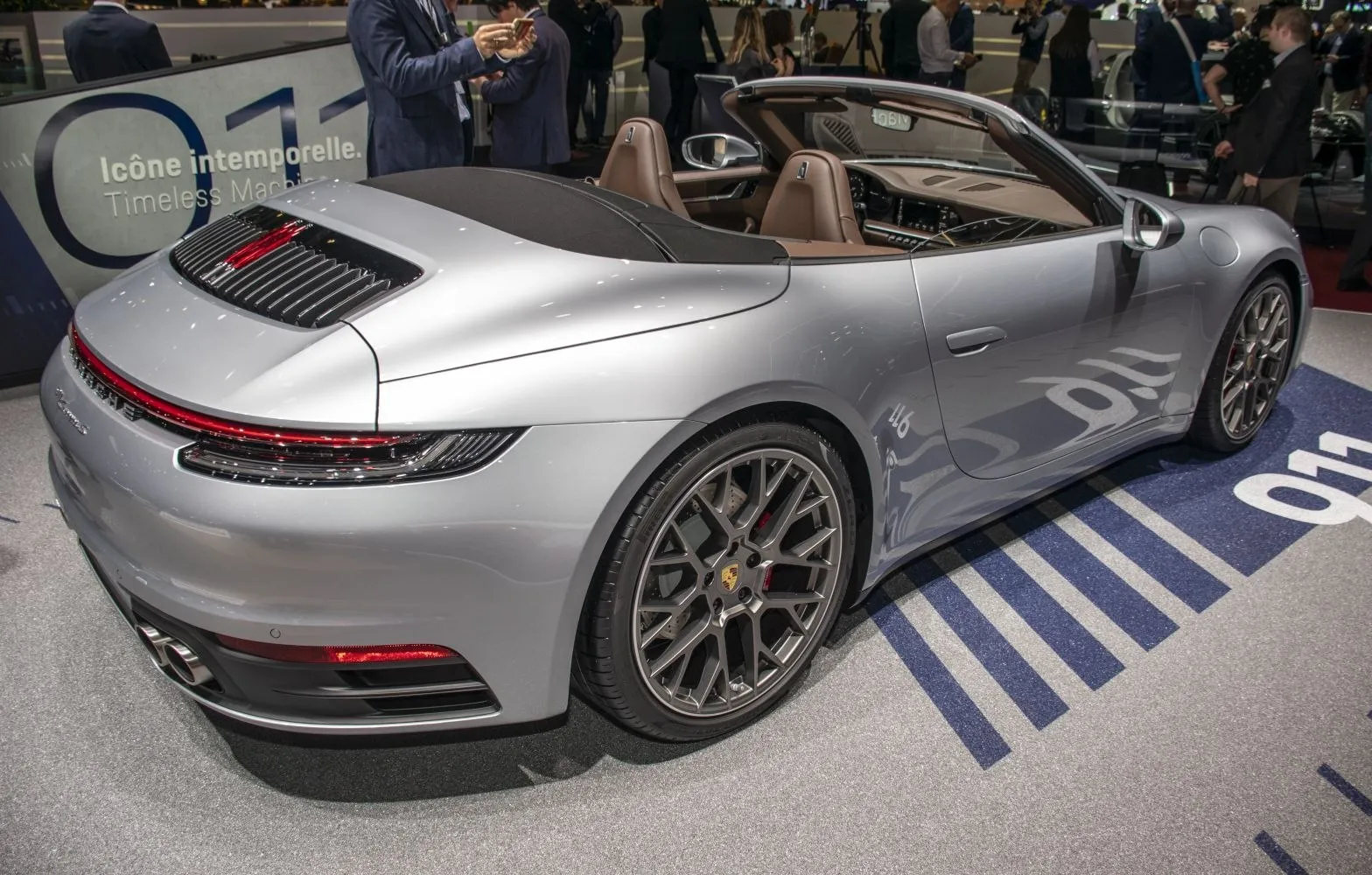
Porsche 911 Cabriolet (992) Turbo 3.8 (580 Hp) PDK
Overall Rating
Porsche 911:
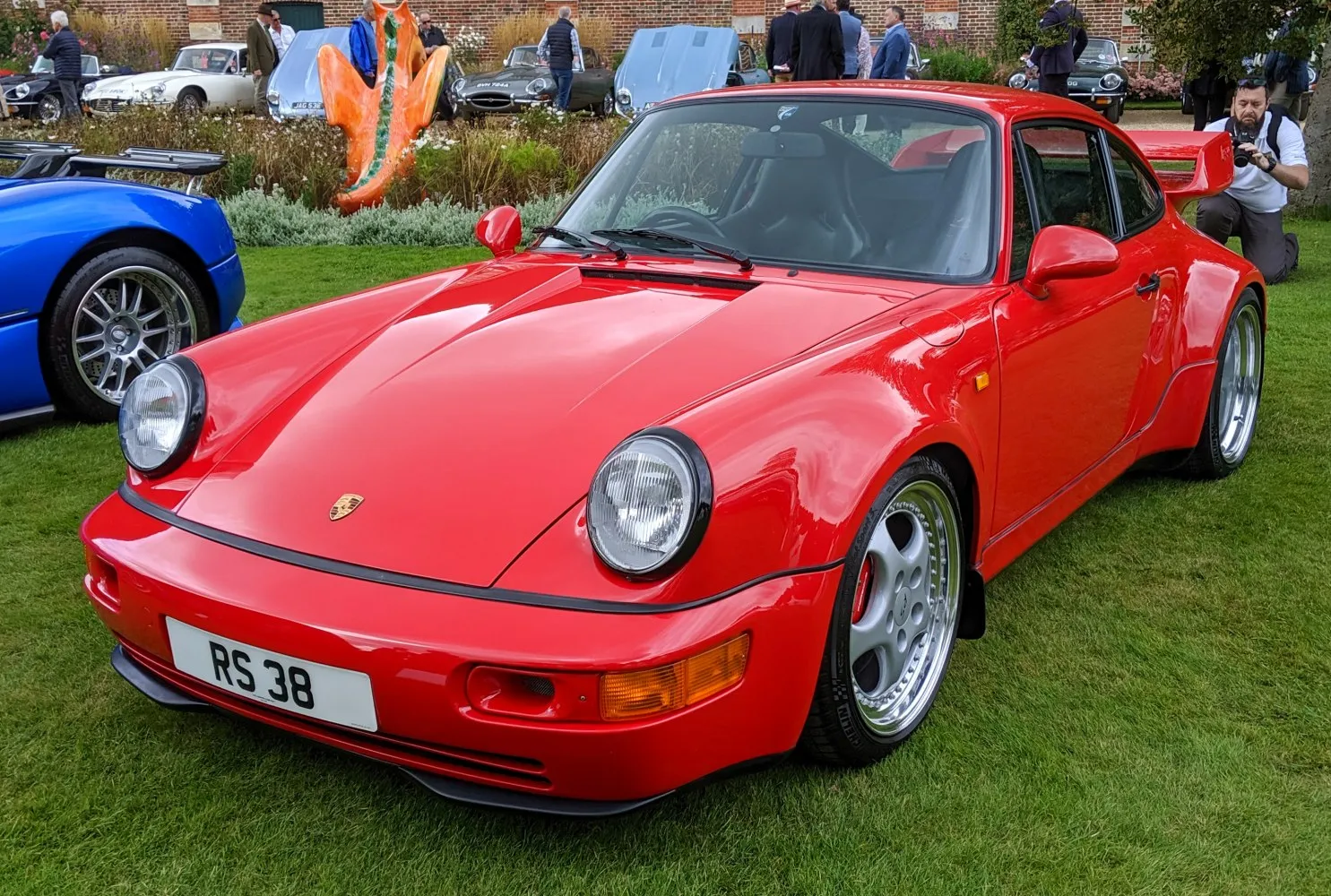
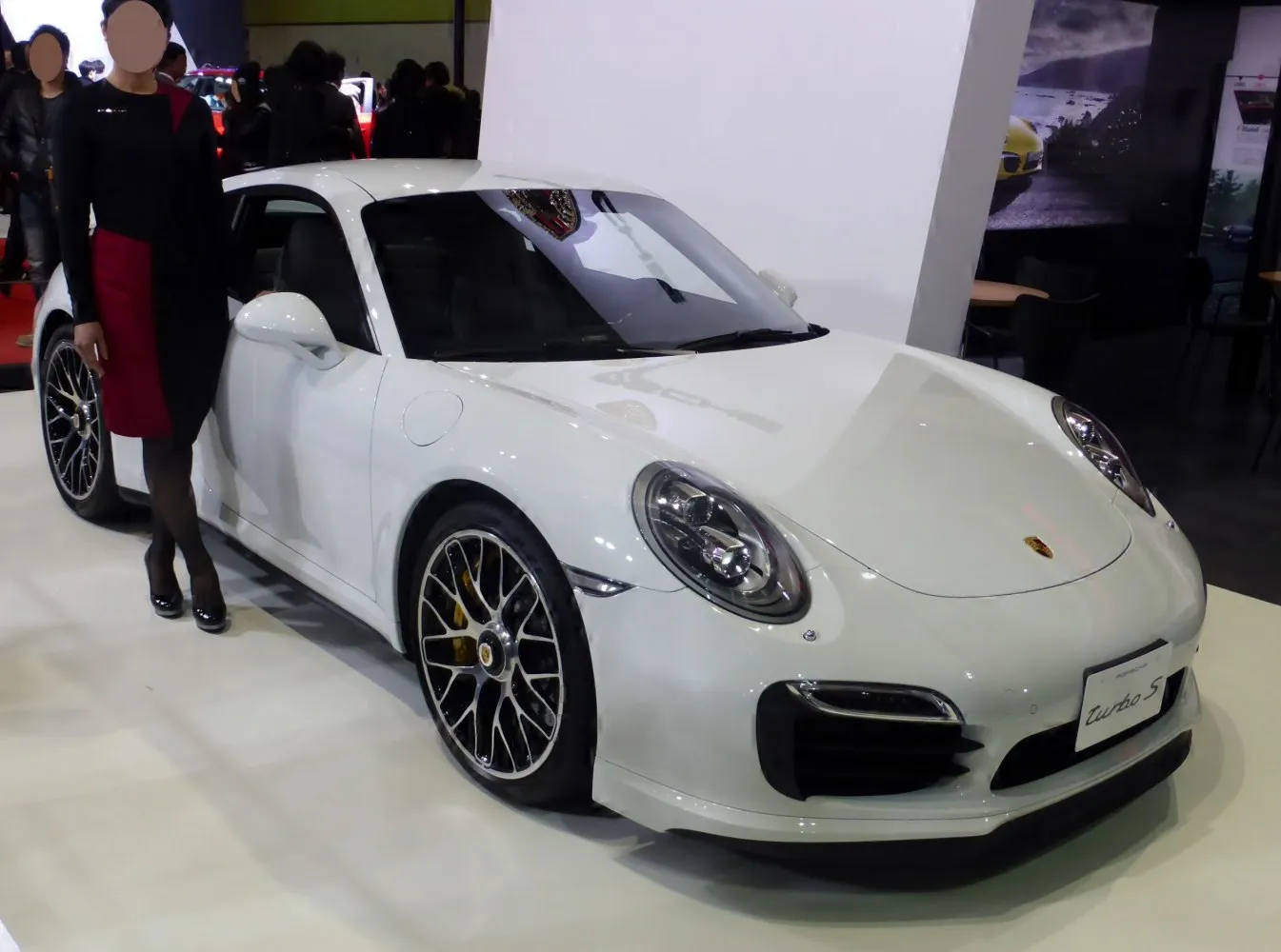
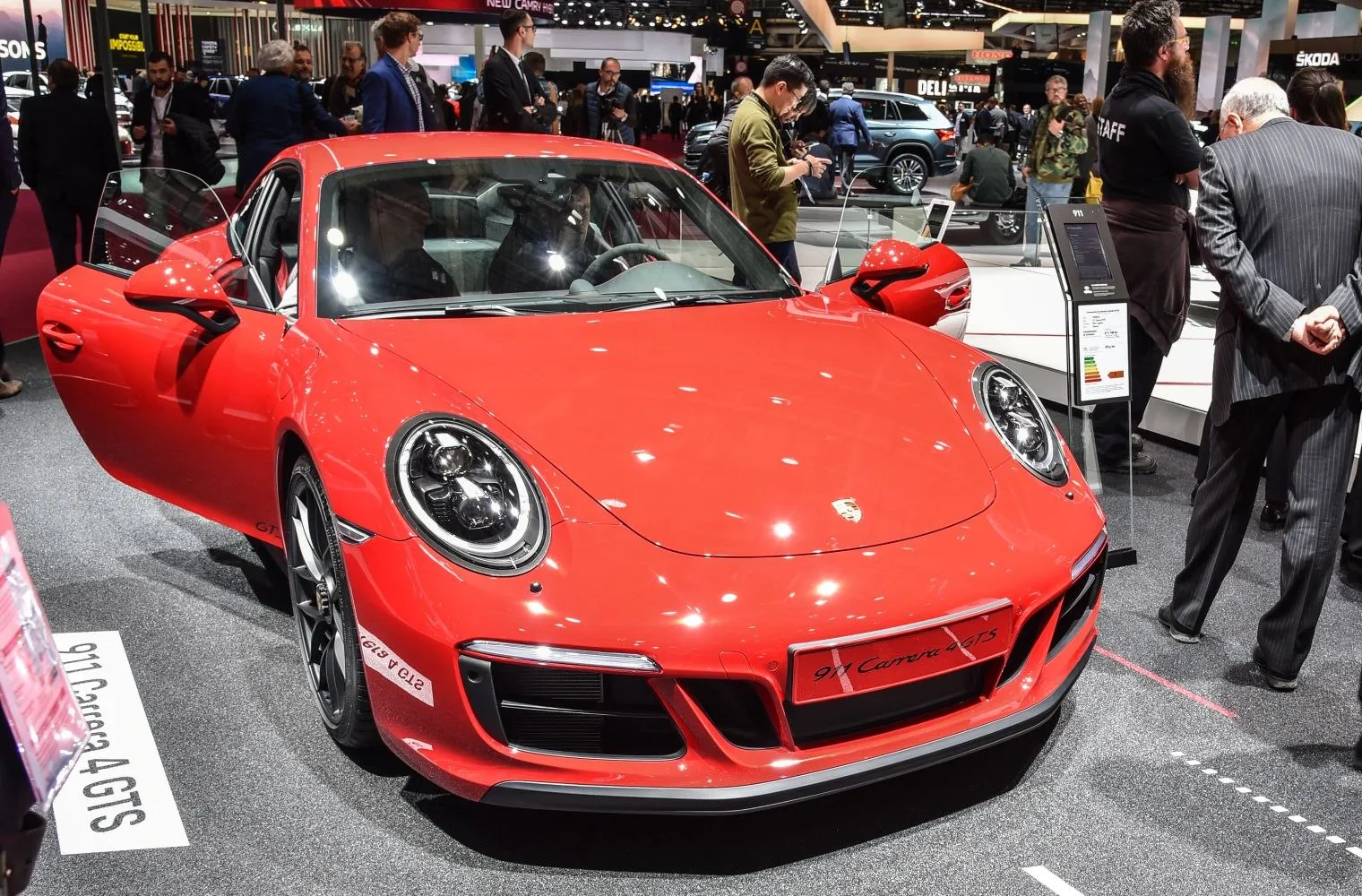
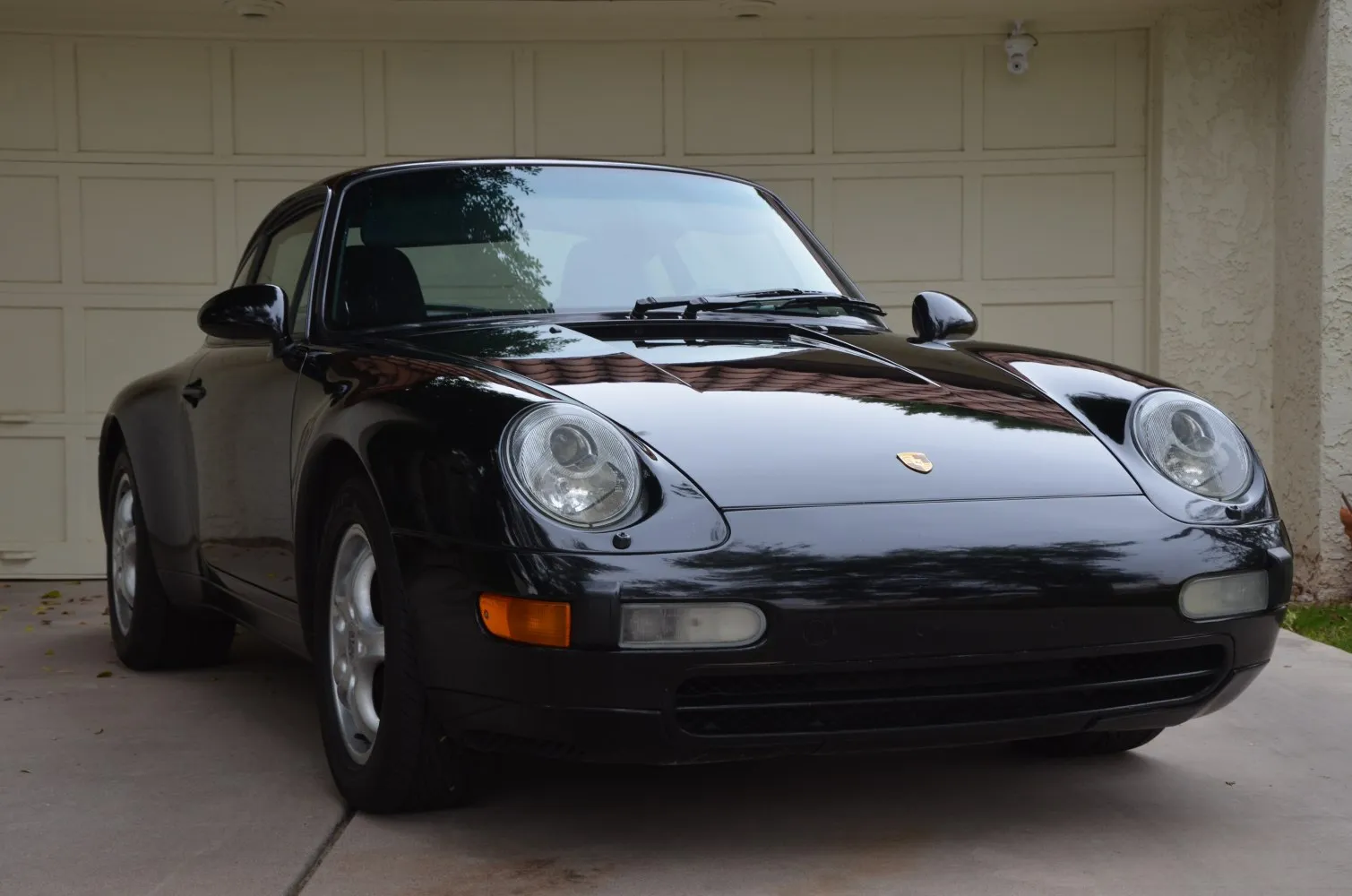
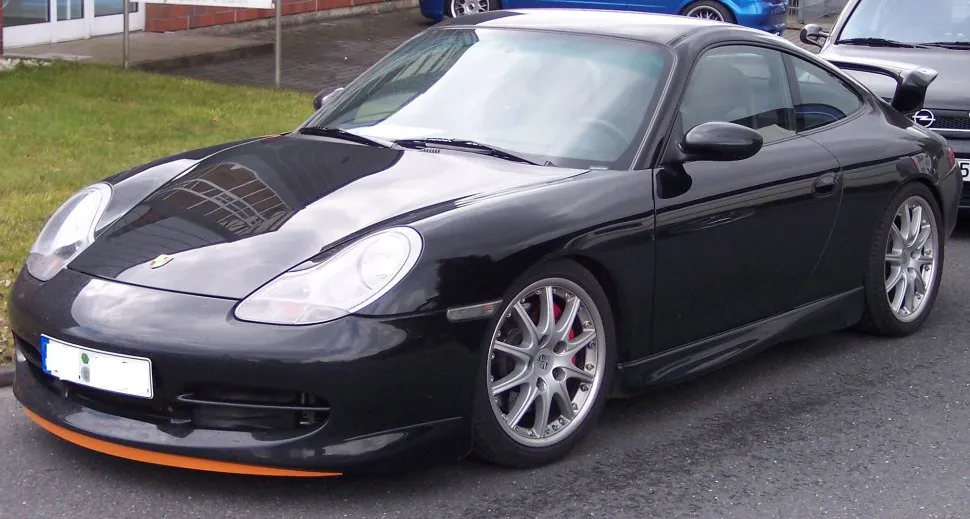
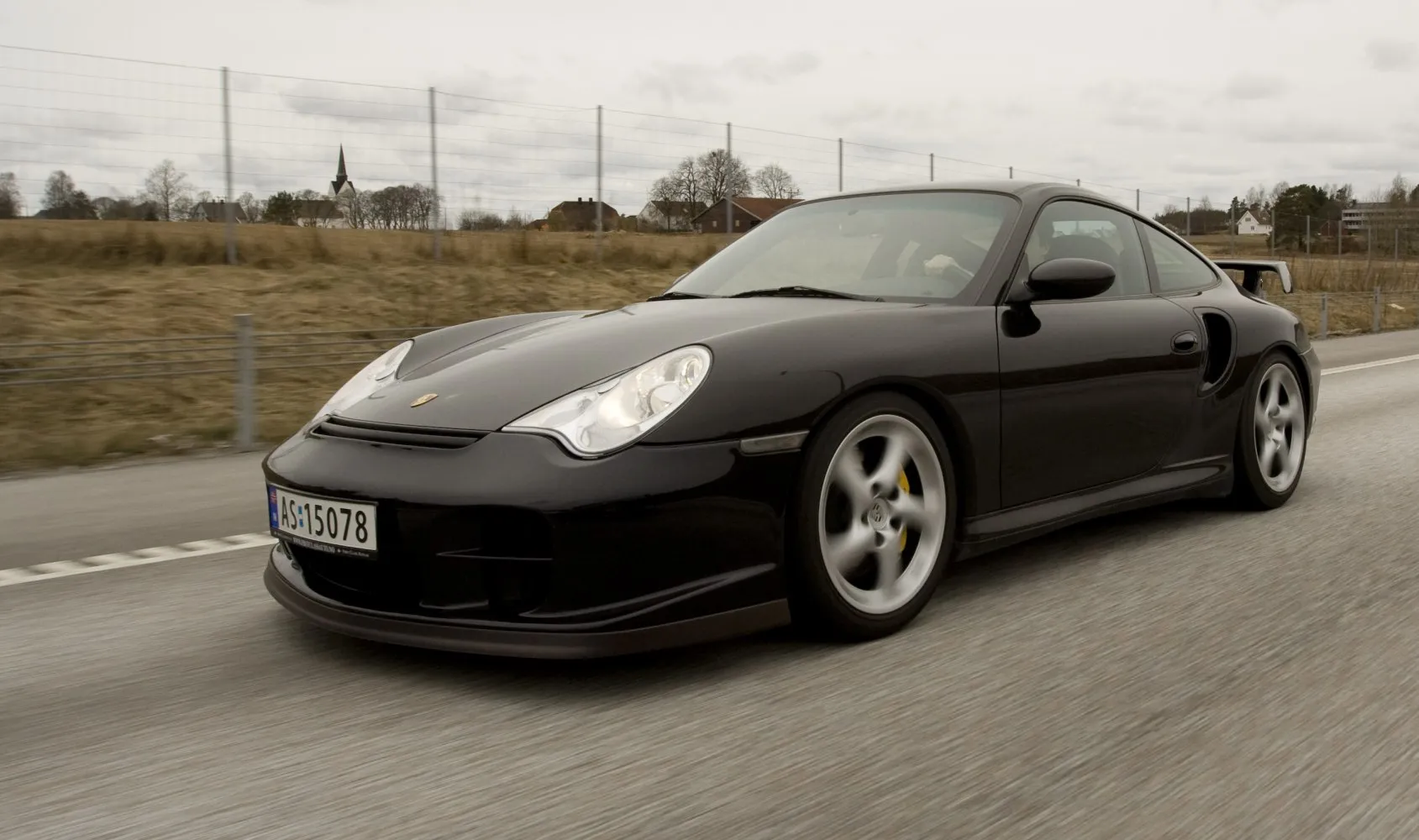
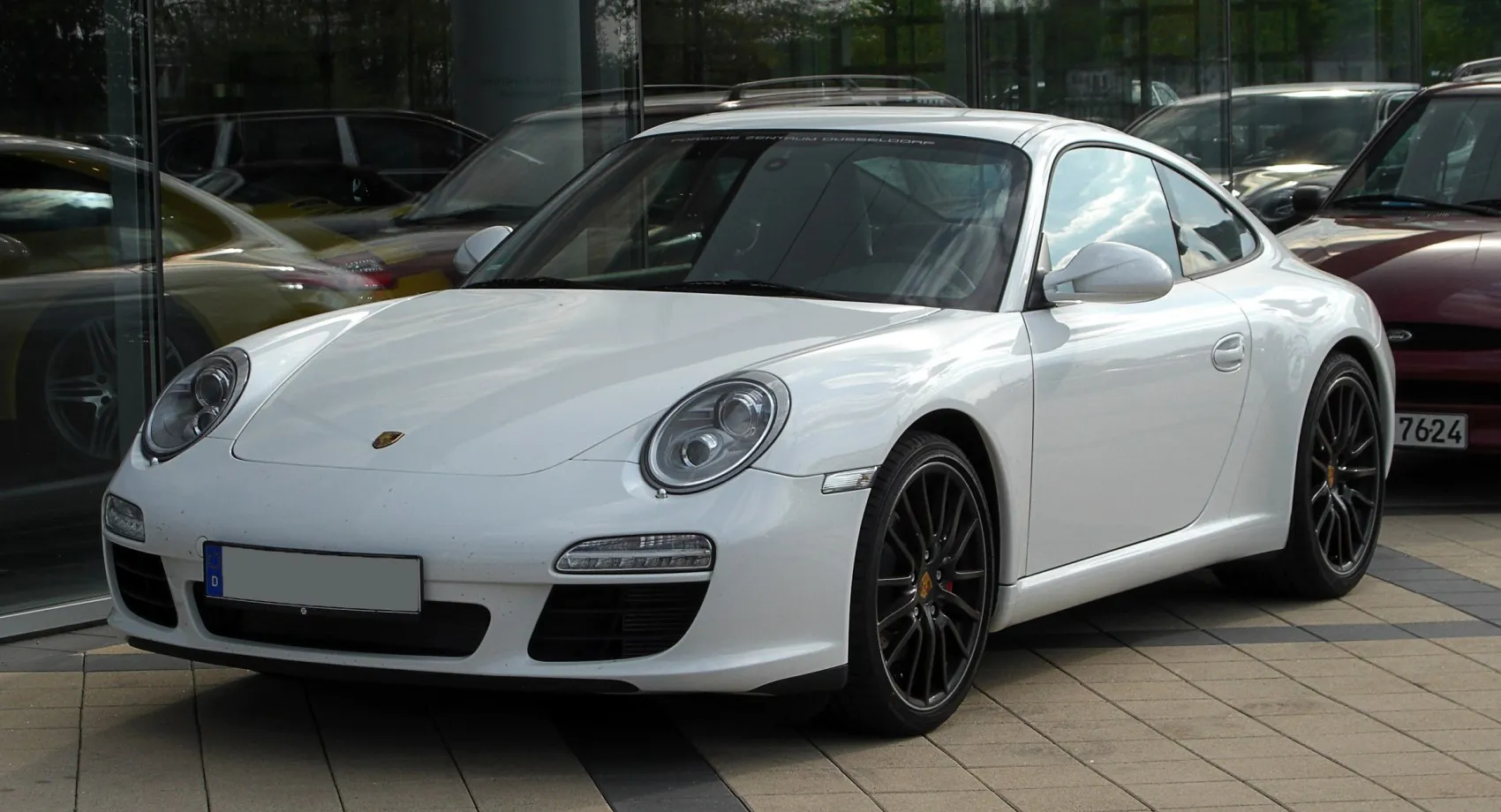
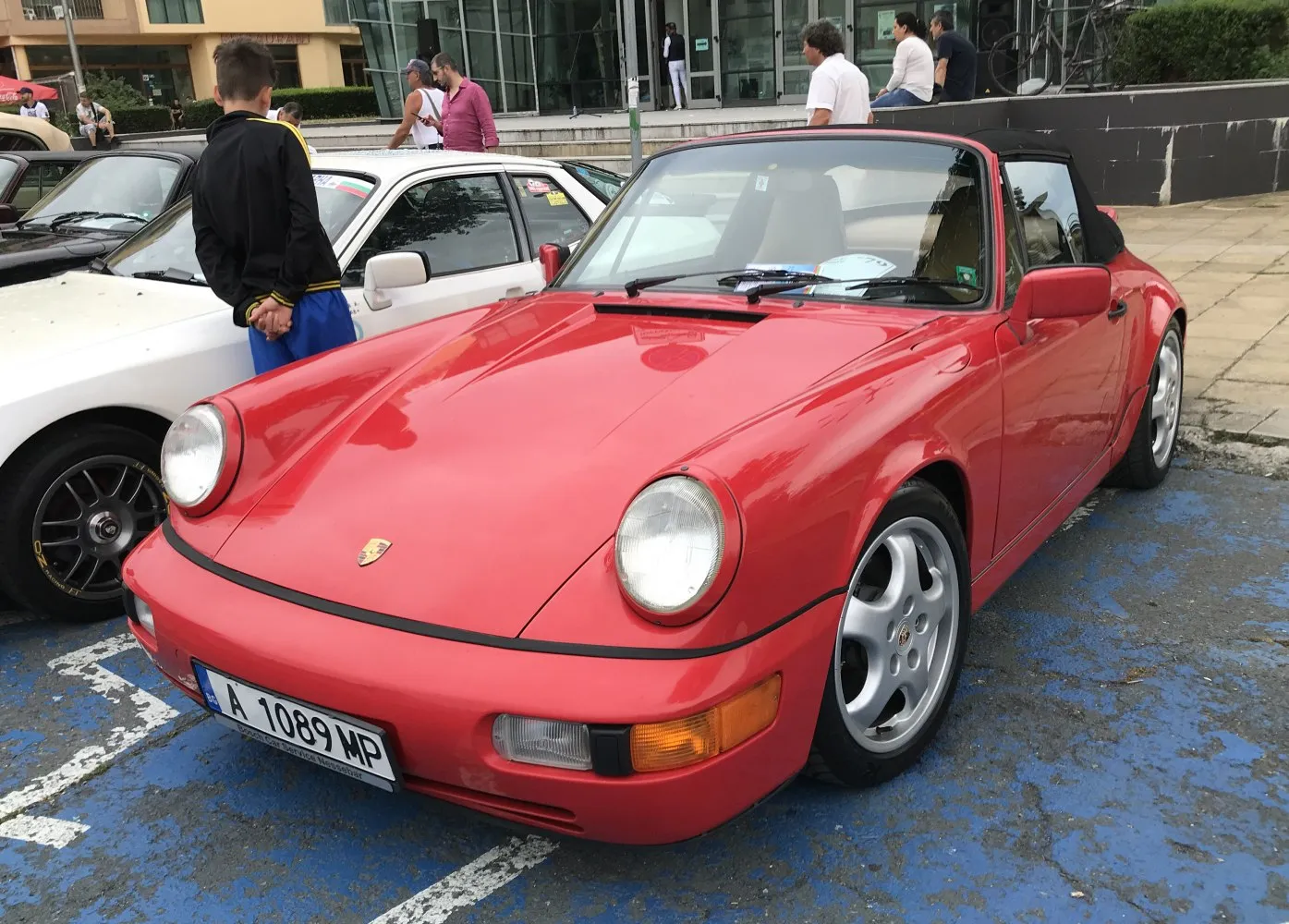
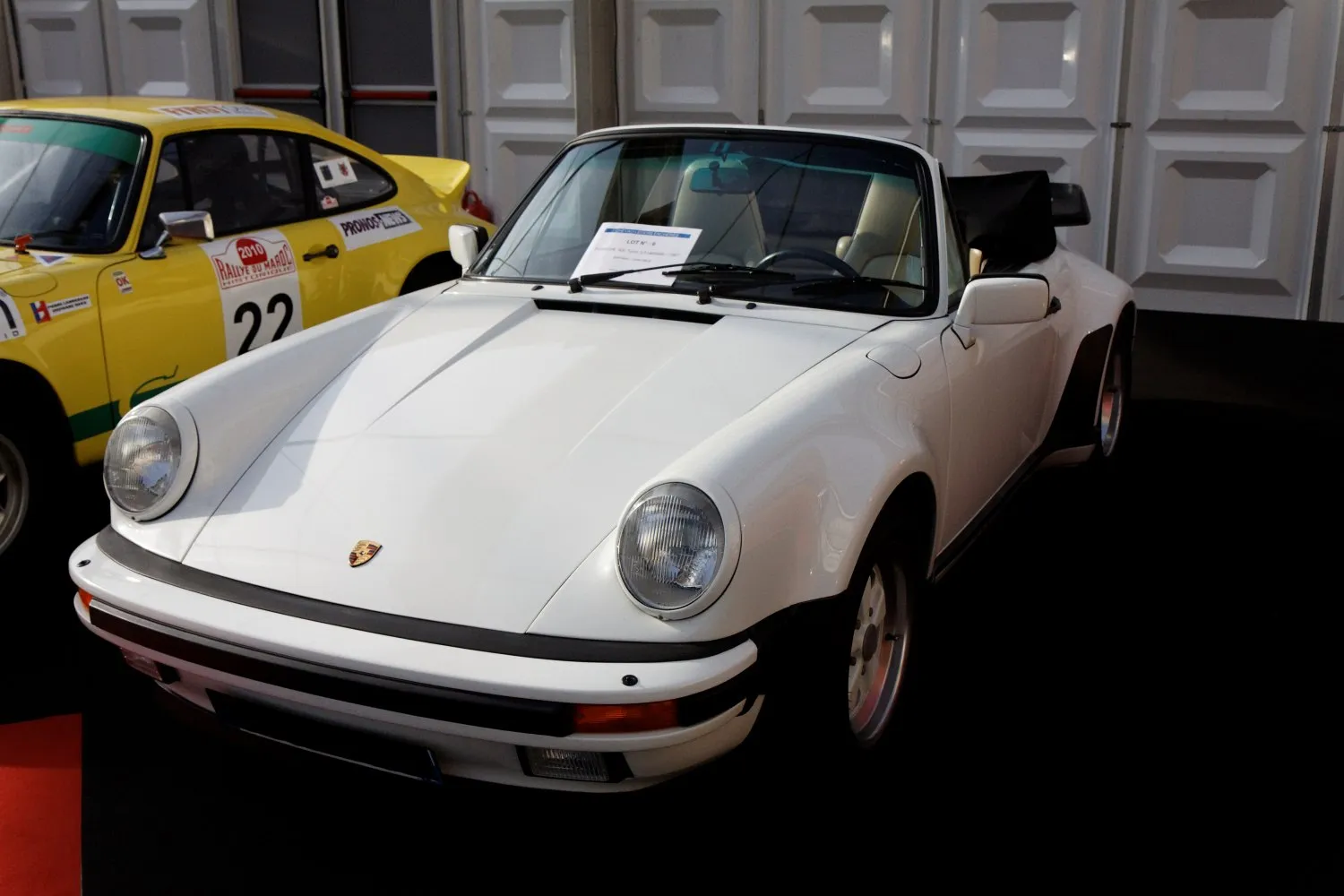
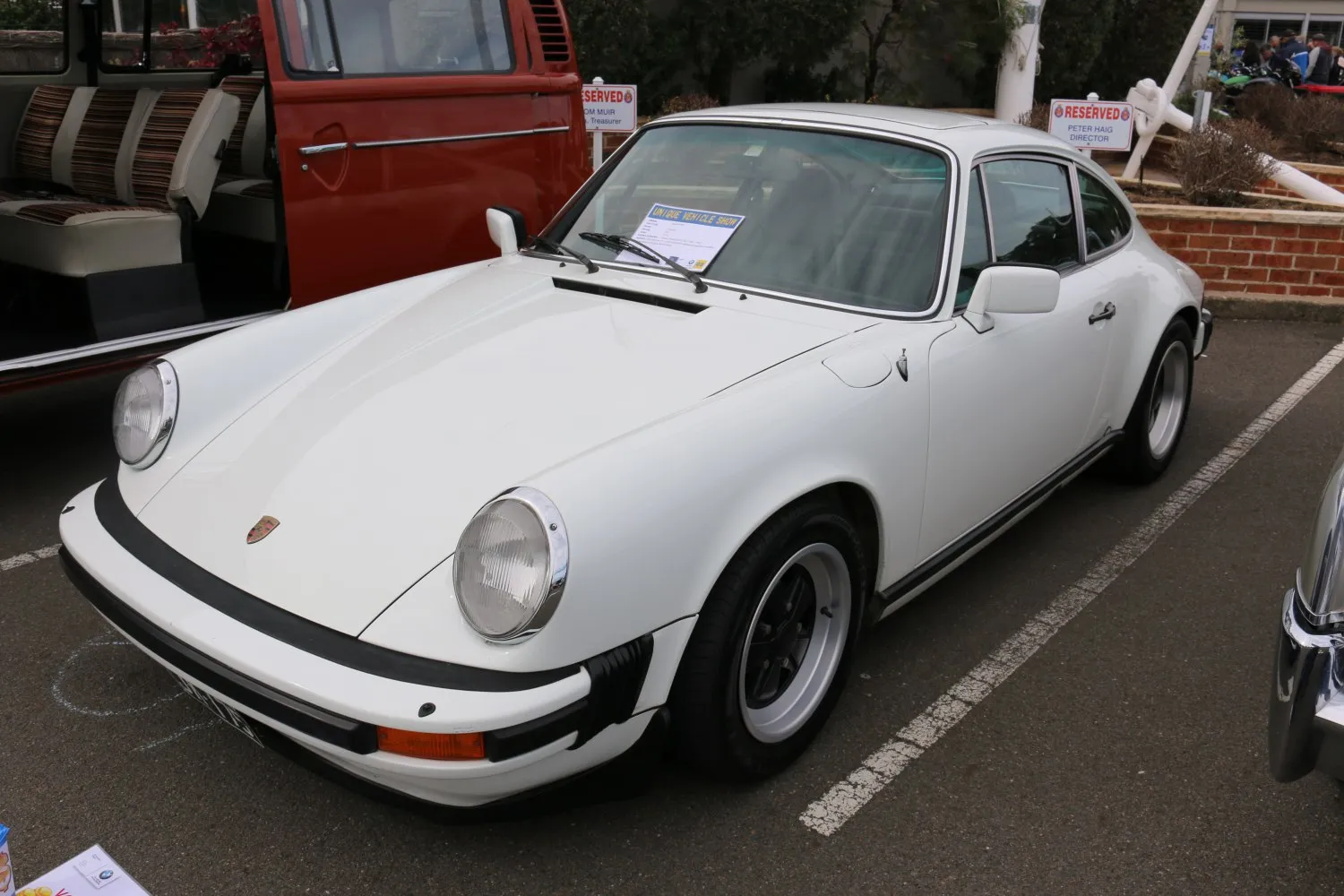
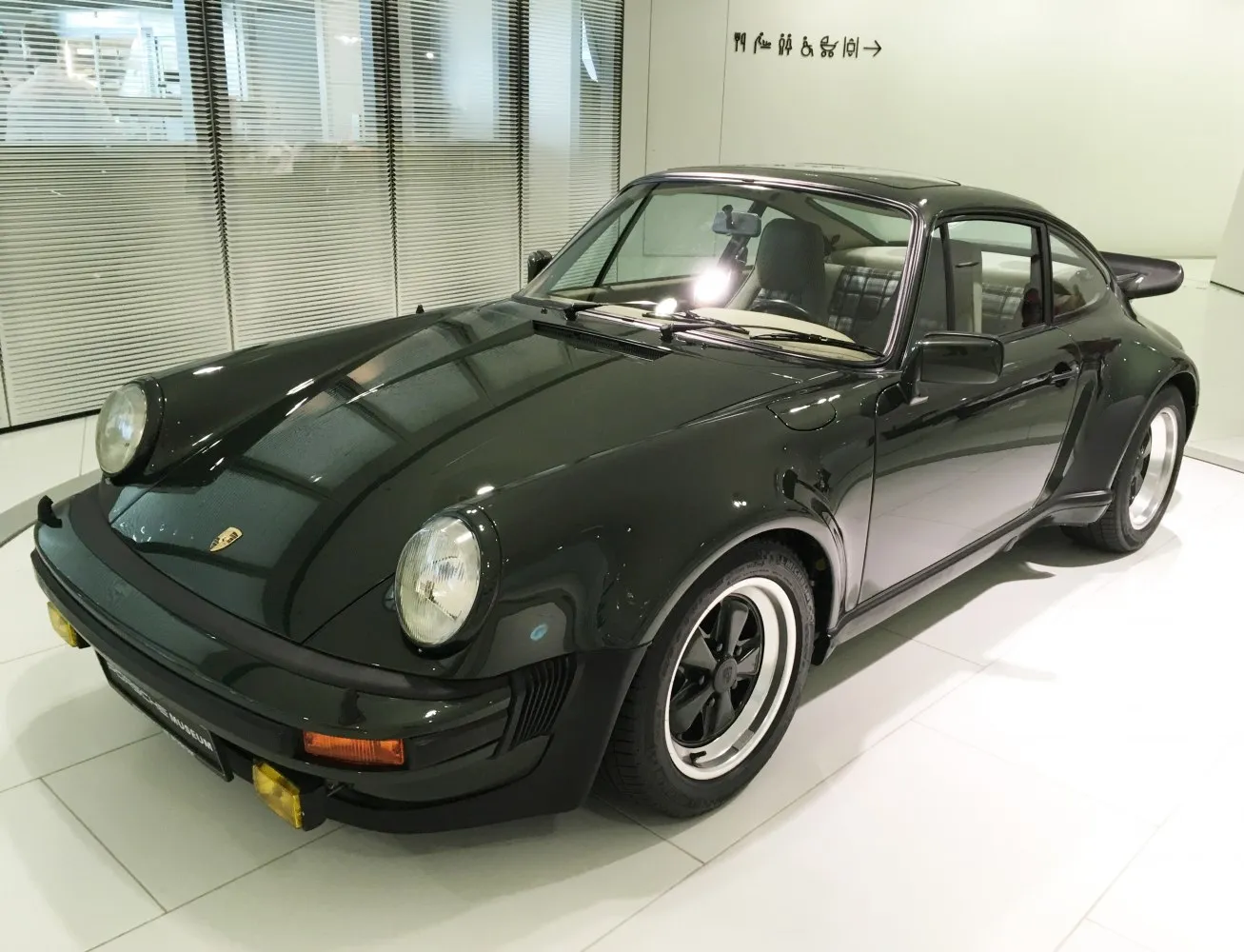
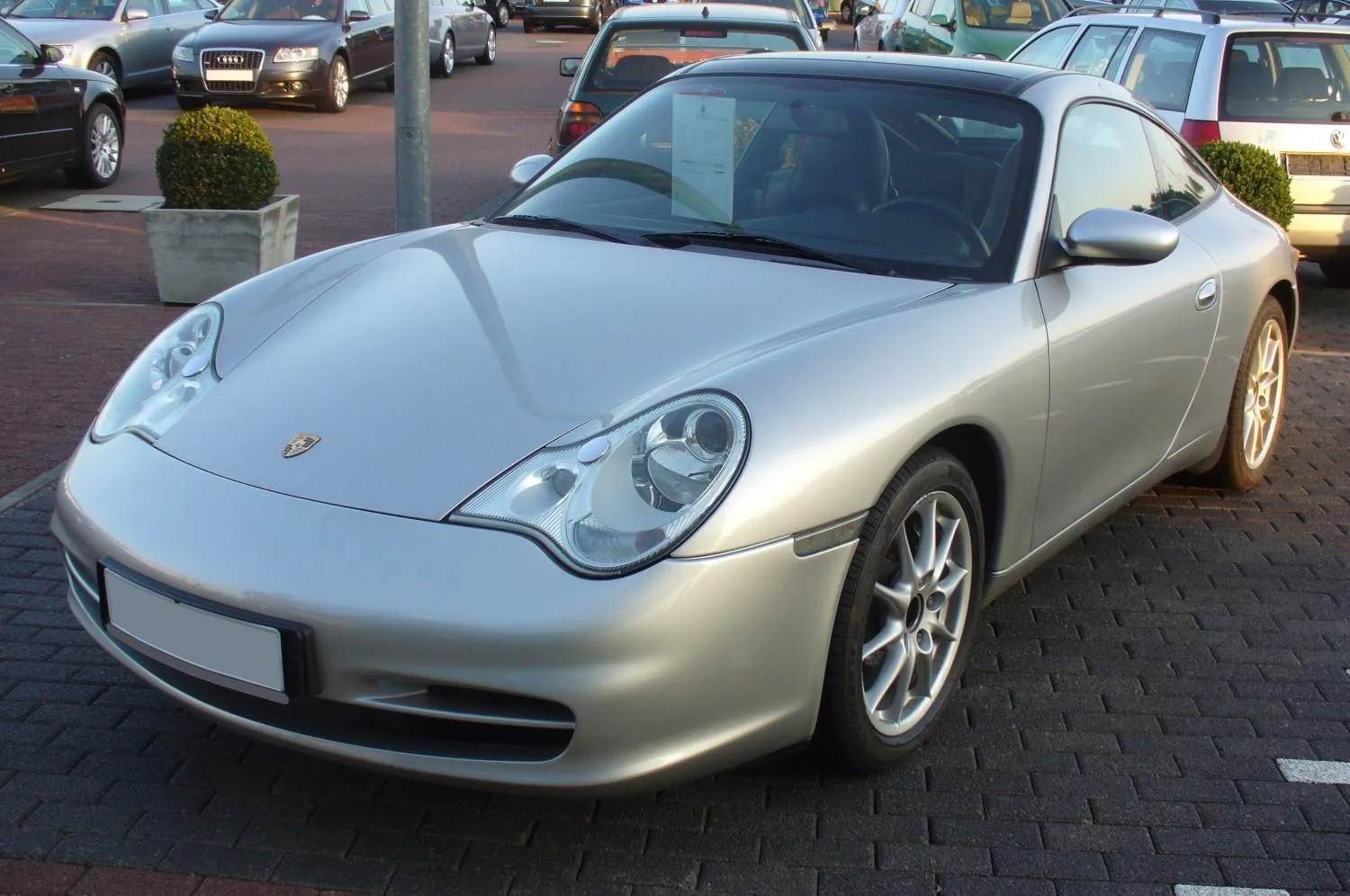
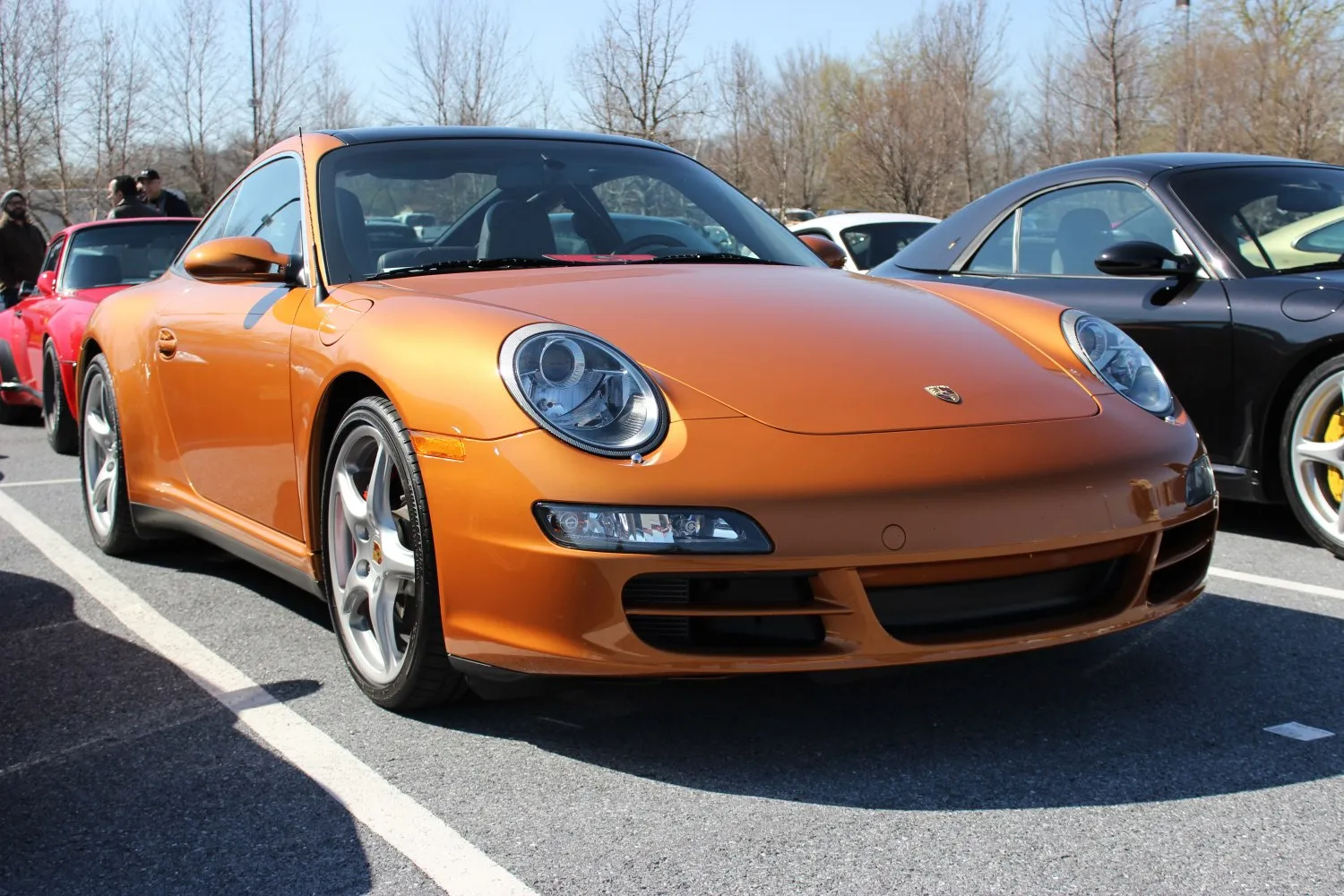
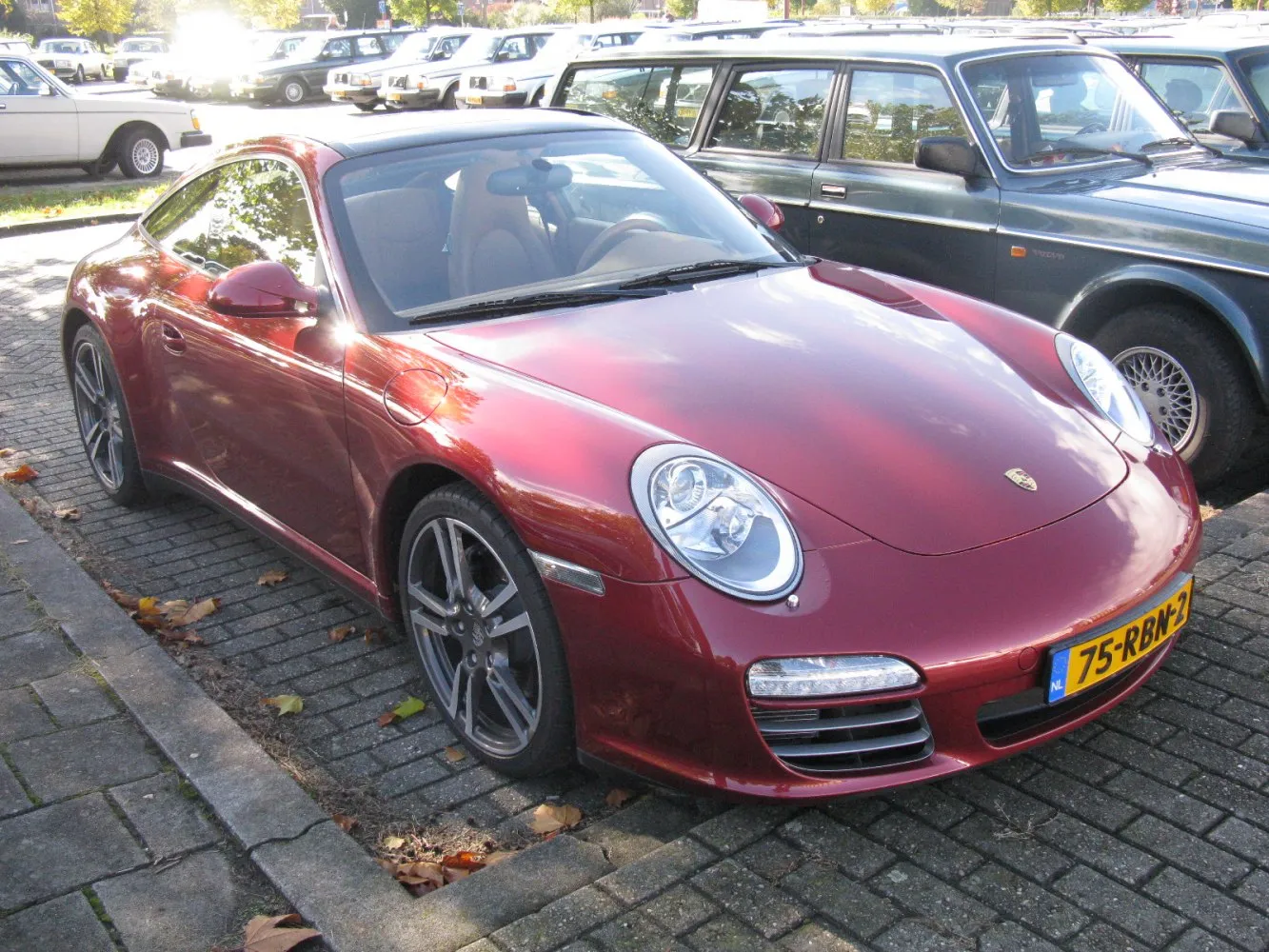
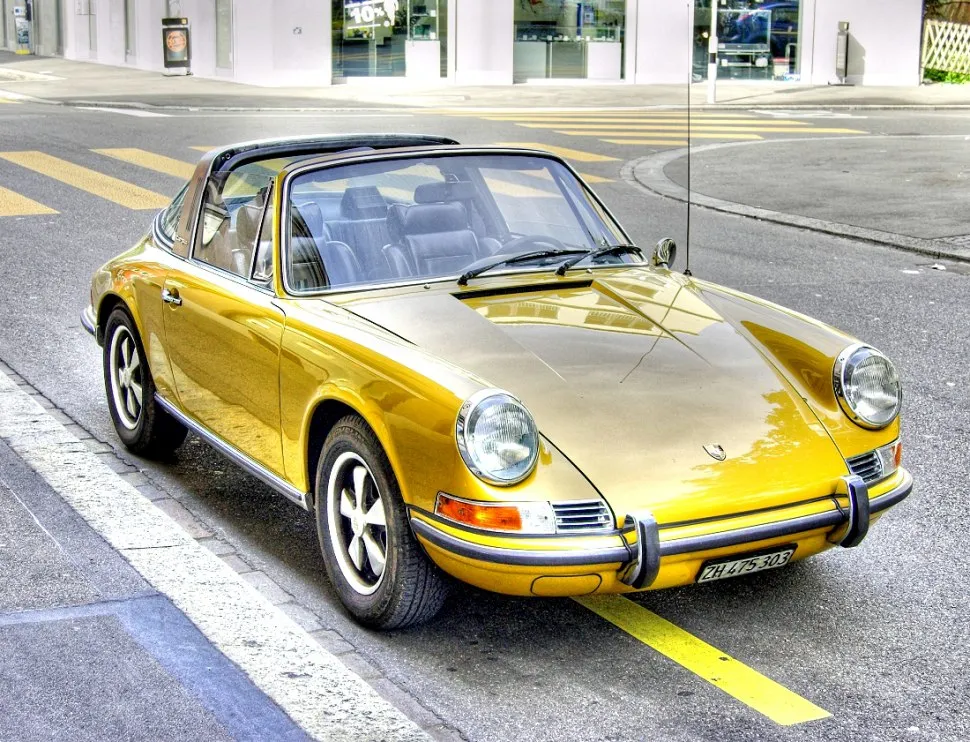
The Porsche 911 model series is a family of two-door, high performance rear-engine sports cars, introduced in September 1964 by Porsche of Stuttgart, Germany, and now in its eighth generation. All 911s have a rear-mounted flat-six engine, and usually 2+2 seating, except for special 2-seater variants. Originally, 911s had air-cooled engines, and torsion bar suspension, but the 911 has been continuously changed and improved across generations. Though the 911 core concept has remained largely unchanged, water-cooled engines were introduced with the 996 series in 1998, and front and rear suspension have been replaced by Porsche-specific MacPherson suspension up front, and independent multi-link rear suspension....(Read more on Wikipedia)
Cabriolet (992) Overview:
Porsche 911 (Cabriolet (992)). With 750 Nm of torque, it offers ample pulling power. With a weight of 1710 kg, it falls in the mid‑range. All‑wheel drive provides excellent grip, ideal for off‑road use. Acceleration is excellent (0–100 km/h in 2.9 s). The top speed reaches 320 km/h. A convertible car with a retractable roof, offering open-air driving experiences. Seating for 4 makes it ideal for daily use.
Turbo 3.8 (580 Hp) PDK Verdict:

Performance Verdict
Delivers supercar-level acceleration and immense power, making it incredibly fast and capable on both road and track.
Fuel Economy
Higher fuel consumption is expected given the extreme performance, but still reasonable for its power output.
Pros and Cons:
Pros:
- • Exhilarating performance across all engine variants.
- • Iconic design with timeless appeal.
- • High-quality interior and advanced technology.
- • Exceptional handling and driving dynamics.
- • Practicality for a sports car (front trunk, rear seats).
- • Excellent build quality and reliability.
Cons:
- • High purchase price and expensive options.
- • Limited rear seat space, primarily for children or luggage.
- • Fuel consumption can be high in higher trims or spirited driving.
- • Road noise can be noticeable at highway speeds in the Cabriolet.
- • Insurance costs can be substantial.
Specifications:
Specifications are compared to those of the previous generation(Cabriolet (992): July, 2019 - May, 2024).
| General: | |
|---|---|
| Brand: | Porsche |
| Model: | 911 |
| Generation: | Cabriolet (992) |
| Modification (Engine): | Turbo 3.8 (580 Hp) PDK |
| Start of production: | July, 2020 |
| End of production: | May, 2024 |
| Powertrain Architecture: | Internal Combustion engine |
| Body type: | Cabriolet |
| Seats: | 4 |
| Doors: | 2 |
| Engine: | |
|---|---|
| Engine systems: | Start & Stop System |
| Power: | 580 Hp @ 6500 rpm. Same horsepower |
| Power per litre: | 154.9 Hp/l [16mm more] |
| Torque: | 750 Nm @ 2250-4500 rpm. |
| Engine Model/Code: | DKEA More details about the engine DKEA |
| Engine displacement: | 3745 |
| Number of cylinders: | 6 |
| Engine configuration: | Boxer |
| Number of valves per cylinder: | 4 |
| Fuel injection system: | Direct injection |
| Engine aspiration: | BiTurbo, Intercooler |
| Engine oil capacity: | 8.3 l |
| Engine layout: | Rear, Longitudinal |
| Cylinder Bore: | 102 mm mm |
| Piston Stroke: | 76.4 mm mm |
| Compression ratio: | 8.7:1 |
| Maximum engine speed: | 7200 rpm. |
| Performance: | |
|---|---|
| Fuel Type: | Petrol (Gasoline) |
| Fuel consumption (economy) - urban: | 15.2 l/100 km |
| Fuel consumption (economy) - extra urban: | 8.9 l/100 km |
| Fuel consumption (economy) - combined (NEDC): | 11.3 l/100 km |
| Fuel consumption (economy) - urban (NEDC): | 15.2 l/100 km |
| Fuel consumption (economy) - extra urban (NEDC): | 8.9 l/100 km |
| Fuel consumption (economy) - combined: | 11.3 l/100 km |
| Emission standard: | Euro 6d-ISC-FCM |
| Acceleration 0 - 100 km/h: | 2.9 sec |
| Acceleration 0 - 62 mph: | 2.9 sec |
| Maximum speed: | 320 km/h |
| Weight-to-power ratio: | 2.9 kg/Hp, 339.2 Hp/tonne |
| Weight-to-torque ratio: | 2.3 kg/Nm, 438.6 Nm/tonne |
| Acceleration 0 - 200 km/h: | 10.1 sec |
| Acceleration 0 - 60 mph: | 2.8 sec |
| Space: | |
|---|---|
| Kerb Weight: | 1710 |
| Max. weight: | 2100 |
| Max load: | 390 |
| Trunk (boot) space - minimum: | 163 l |
| Fuel tank capacity: | 67 l |
| Size: | |
|---|---|
| Length: | 4535 mm mm [16mm more] |
| Width: | 1900 mm mm [48mm more] |
| Height: | 1302 mm mm [5mm more] |
| Wheelbase: | 2450 mm mm [Same wheelbase.] |
| Width including mirrors: | 2024 mm |
| Front track: | 1583 mm |
| Rear (Back) track: | 1600 mm |
| Minimum turning circle (turning diameter): | 10.9 m [above average] |
| Powertrain: | |
|---|---|
| Drivetrain Architecture | The Internal combustion engine (ICE) drives permanently the four wheels of the vehicle. |
| Drive wheel | All wheel drive (4x4) |
| Number of gears | 8 |
| Transmission type | Automatic |
| Gearbox type | PDK |
| Front brakes | Ventilated discs, 408 mm [Best for performance and cooling.] |
| Rear brakes | Ventilated discs, 380 mm [Best for performance and cooling.] |
| Assisting systems | ABS (Anti-lock braking system) |
| Steering type | Steering rack and pinion |
| Power steering | Electric Steering |
| Tires size | Front wheel tires: 255/35 ZR20 |
| Wheel rims size | Front wheel rims: 9 J x 20 |
| Front suspension | Independent type McPherson |
| Rear suspension | Independent multi-link suspension |














Is the Porsche 911 the king of its class? Share your thoughts.