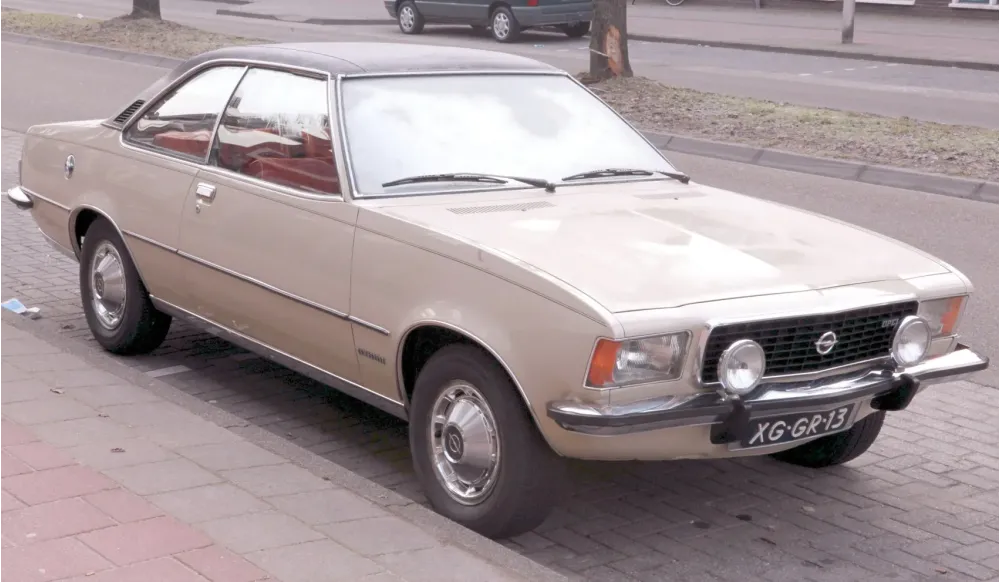
Click on image to view the full photo gallery
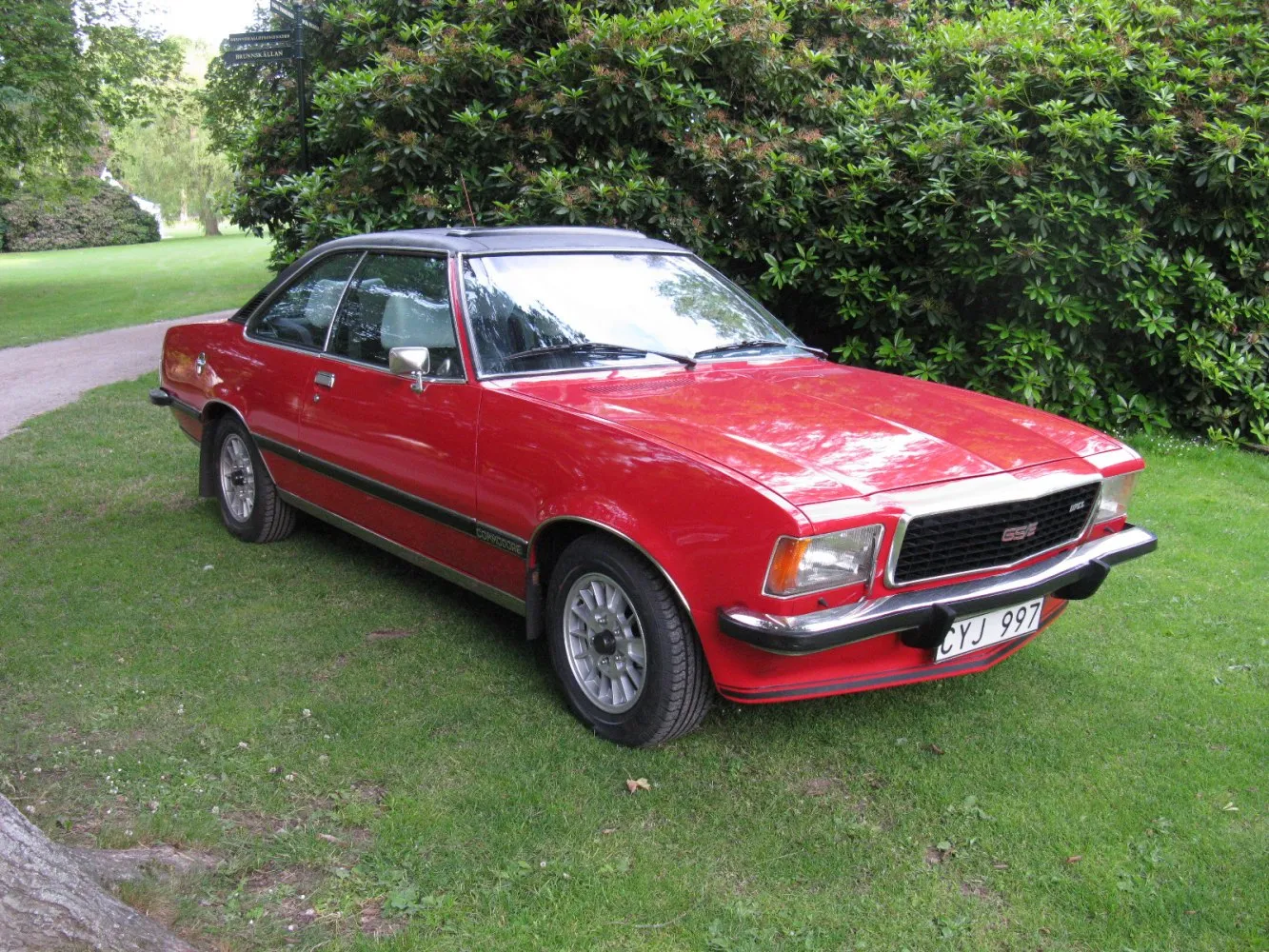
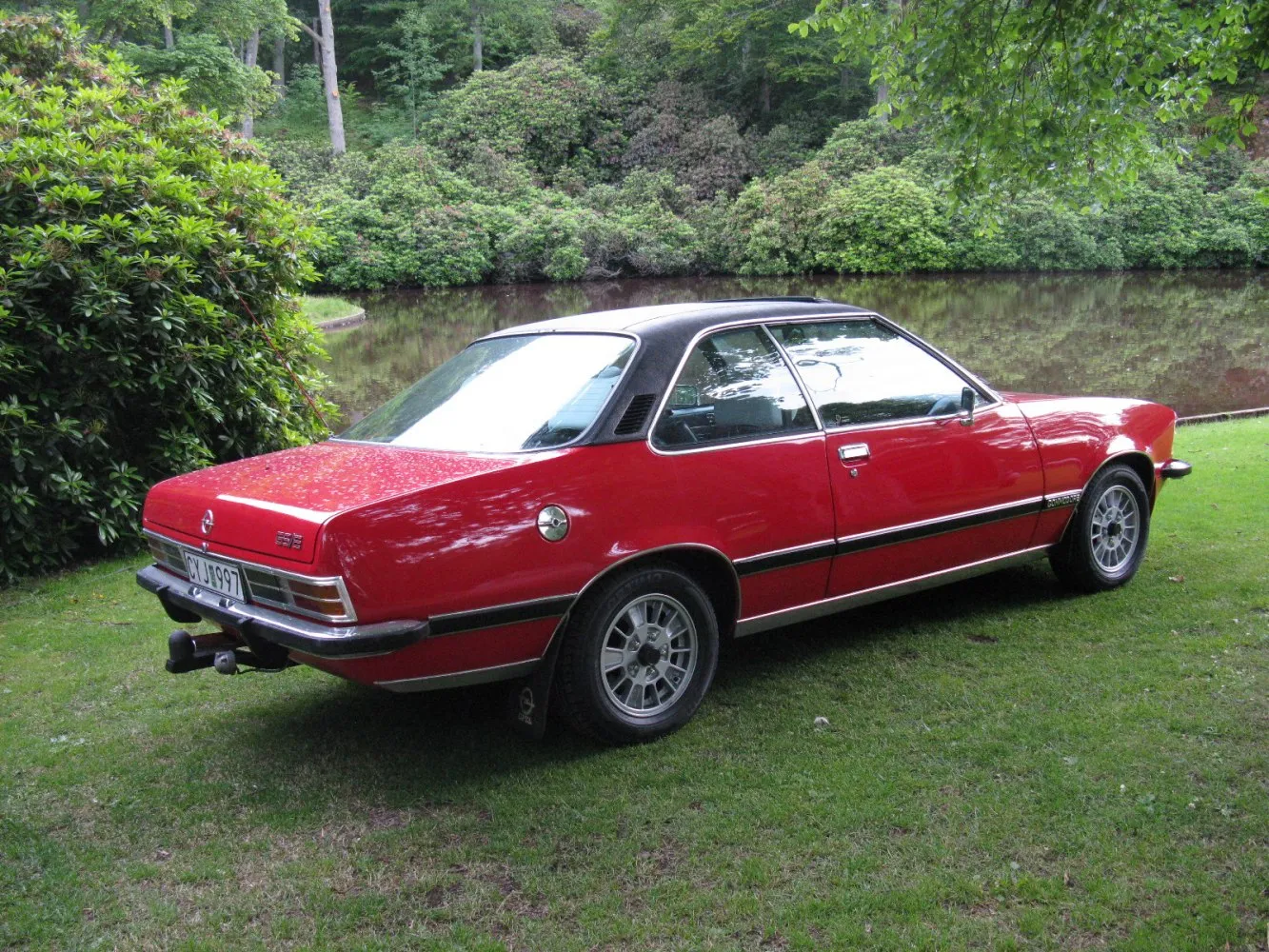
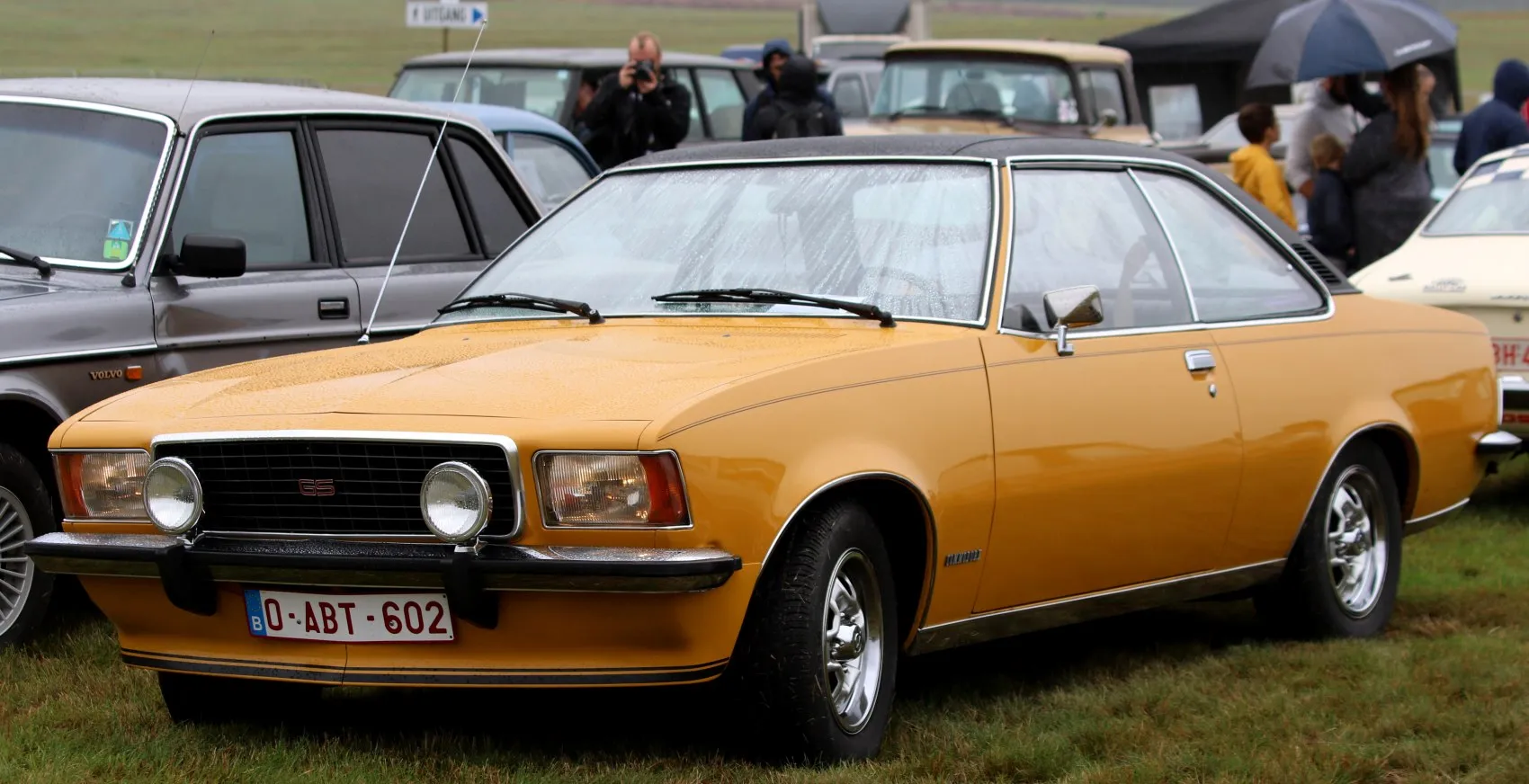
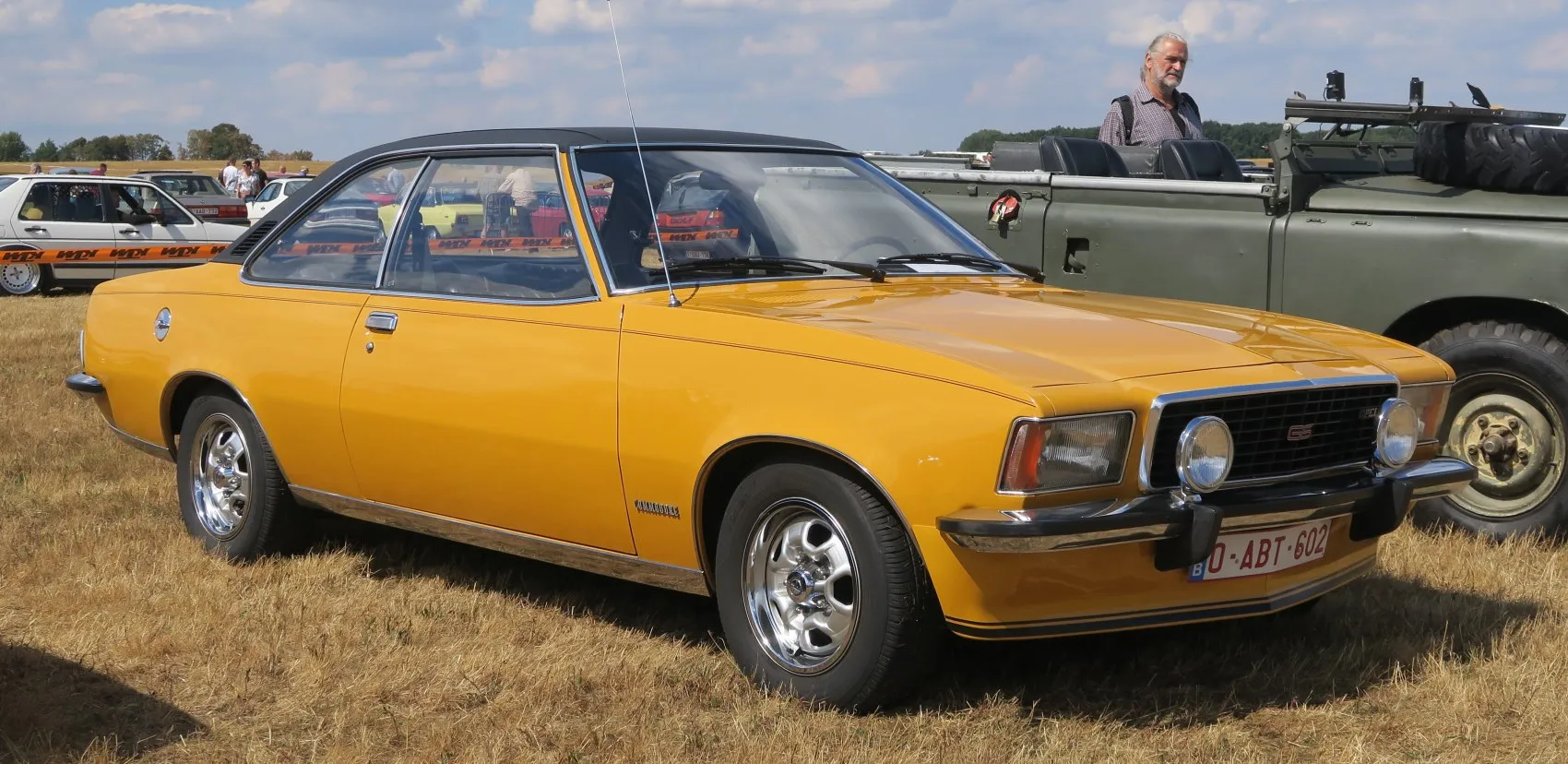
Opel Commodore B Coupe 2.8 SC (129 Hp)
Overall Rating
Opel Commodore:
The Opel Commodore is an executive car produced by Opel from 1967 to 1986. It is the six-cylinder variant of the Rekord with styling differences. The Commodore nameplate was used by Opel from 1967 to 1982 in Europe and to 1986 in South Africa. The Commodore nameplate was adopted by Holden in Australia, where it continued until 2020. The last generation was sold in the United Kingdom primarily as the Vauxhall Viceroy although Opel-badged models were also sold there, and the Chevrolet Commodore in South Africa from 1978 to 1982, when it was renamed the Opel Commodore....(Read more on Wikipedia)
B Coupe Overview:
Opel Commodore (B Coupe). With 204 Nm of torque, it offers ample pulling power. Weighing only 1210 kg, it’s quite light. Rear‑wheel drive offers dynamic handling and sporty feedback. Acceleration is relatively slow (0–100 km/h in 11.5 s). The top speed reaches 184 km/h. A two-door car with a fixed roof, known for its sporty design and dynamic performance. Seating for 5 makes it ideal for daily use.
2.8 SC (129 Hp) Verdict:

Performance Verdict
A noticeable step up in power, providing more confident acceleration and better highway cruising ability.
Fuel Economy
Fuel consumption data not provided, but likely similar or slightly higher than the 2.5L due to increased displacement and power.
Pros and Cons:
Pros:
- • Classic grand tourer styling and presence.
- • Smooth and robust inline-six engines.
- • Comfortable ride quality for long journeys.
- • Good parts availability for a classic car.
- • Rear-wheel drive dynamics.
Cons:
- • High fuel consumption by modern standards.
- • Lack of modern safety features.
- • Rust can be a significant issue.
- • Performance, while good for its time, is modest today.
- • Maintenance for older carbureted engines can be complex.
Specifications:
Specifications are compared to those of the previous generation(B: 1973 - 1975).
| General: | |
|---|---|
| Brand: | Opel |
| Model: | Commodore |
| Generation: | B Coupe |
| Modification (Engine): | 2.8 SC (129 Hp) |
| Start of production: | 1975 |
| End of production: | 1976 |
| Powertrain Architecture: | Internal Combustion engine |
| Body type: | Coupe |
| Seats: | 5 |
| Doors: | 2 |
| Engine: | |
|---|---|
| Power: | 129 Hp @ 5000 rpm. Same horsepower |
| Power per litre: | 46.3 Hp/l [Same length.] |
| Torque: | 204 Nm @ 3800 rpm. |
| Engine Model/Code: | 28SC More details about the engine 28SC |
| Engine displacement: | 2784 |
| Number of cylinders: | 6 |
| Engine configuration: | Inline |
| Number of valves per cylinder: | 2 |
| Fuel injection system: | Carburettor |
| Engine aspiration: | Naturally aspirated engine |
| Valvetrain: | SOHC |
| Engine oil capacity: | 5.5 l |
| Cylinder Bore: | 92 mm mm |
| Piston Stroke: | 69.8 mm mm |
| Compression ratio: | 9:1 |
| Performance: | |
|---|---|
| Fuel Type: | Petrol (Gasoline) |
| Acceleration 0 - 100 km/h: | 11.5 sec |
| Acceleration 0 - 62 mph: | 11.5 sec |
| Maximum speed: | 184 km/h |
| Weight-to-power ratio: | 9.4 kg/Hp, 106.6 Hp/tonne |
| Weight-to-torque ratio: | 5.9 kg/Nm, 168.6 Nm/tonne |
| Acceleration 0 - 60 mph: | 10.9 sec |
| Space: | |
|---|---|
| Kerb Weight: | 1210 |
| Max. weight: | 1630 |
| Max load: | 420 |
| Trunk (boot) space - minimum: | 434 l |
| Fuel tank capacity: | 70 l |
| Size: | |
|---|---|
| Length: | 4607 mm mm [Same length.] |
| Width: | 1728 mm mm [Same width.] |
| Height: | 1370 mm mm [35mm less] |
| Wheelbase: | 2668 mm mm [Same wheelbase.] |
| Front track: | 1434 mm |
| Rear (Back) track: | 1400 mm |
| Ride height (ground clearance): | 140 mm |
| Minimum turning circle (turning diameter): | 11.2 m [above average] |
| Powertrain: | |
|---|---|
| Drivetrain Architecture | The Internal combustion engine (ICE) drives the rear wheels of the vehicle. |
| Drive wheel | Rear wheel drive |
| Number of gears | 4 |
| Transmission type | Manual |
| Front brakes | Disc [bad for performance and cooling.] |
| Rear brakes | Drum [bad for performance and cooling.] |






Is the Opel Commodore worth every penny? Give us your honest ROI.