
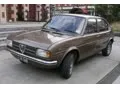
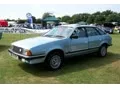
Click on image to view the full photo gallery
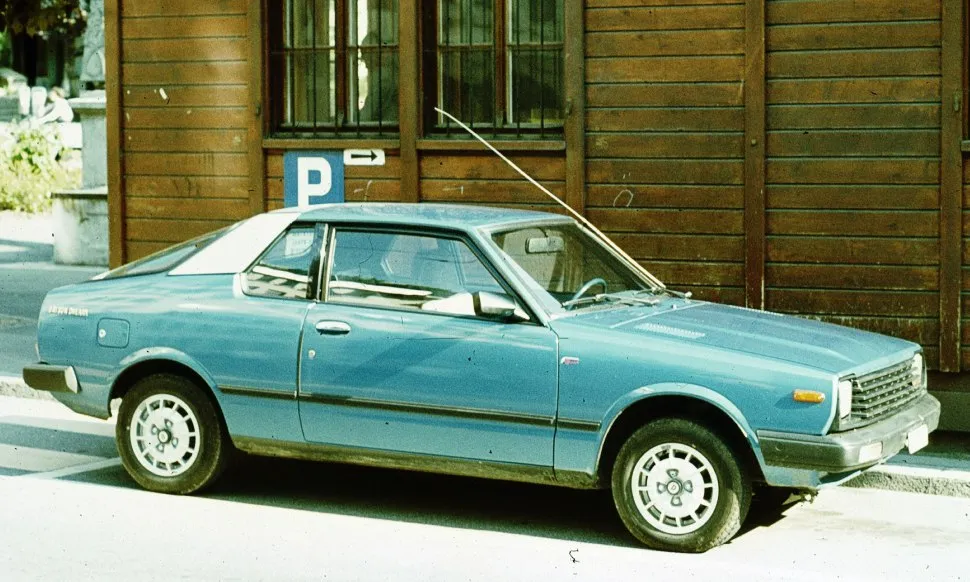
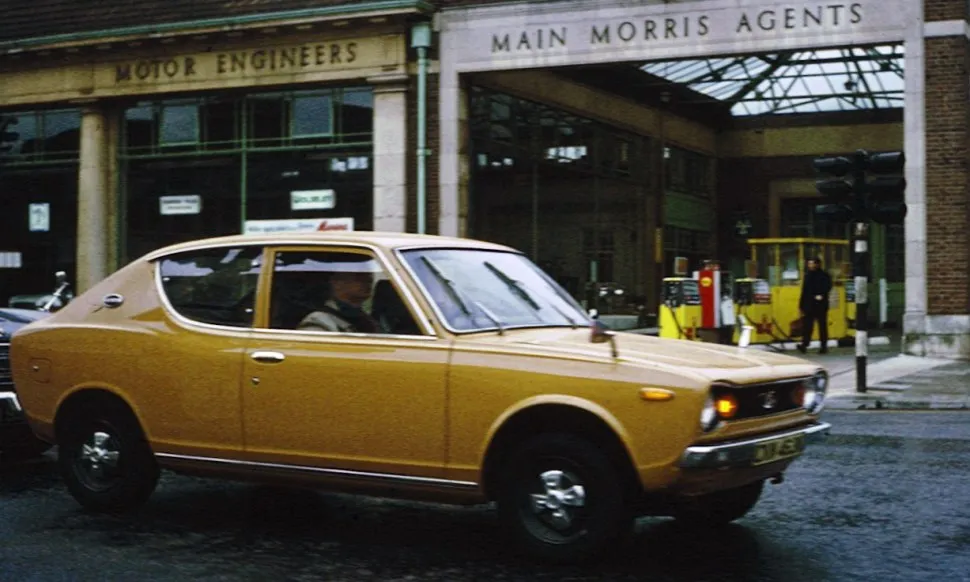
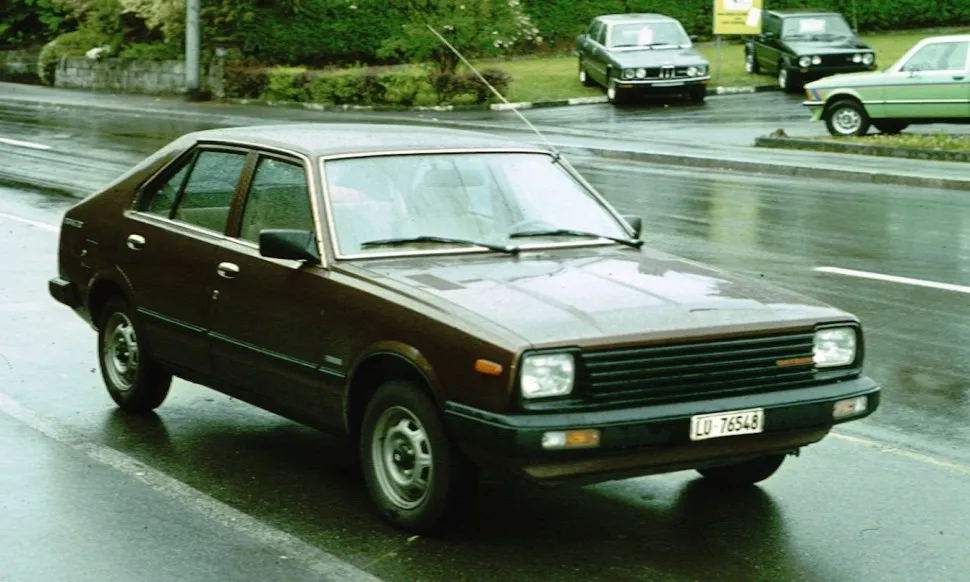
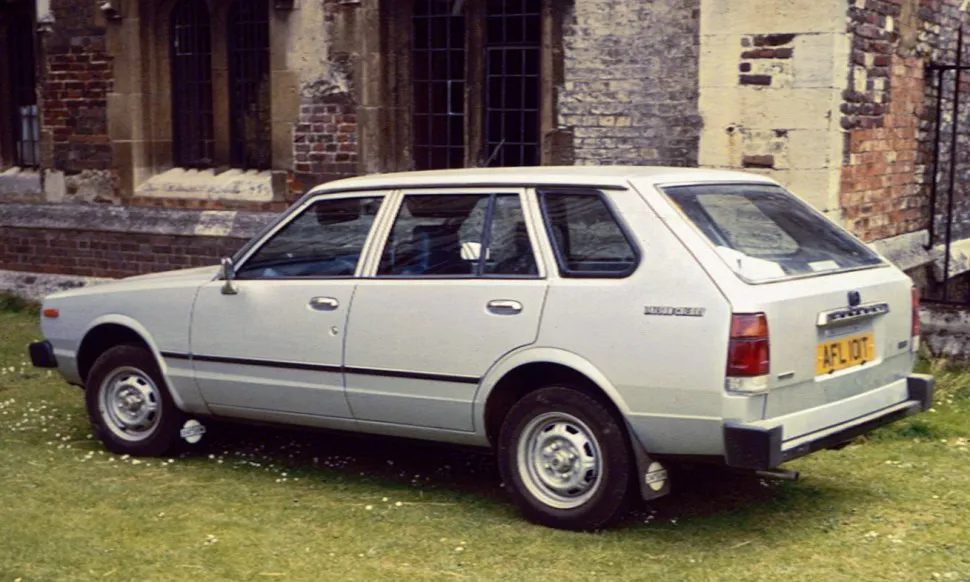
Nissan Cherry N12 1.3 (60 Hp)
Overall Rating
Nissan Cherry:
The Datsun Cherry , known later as the Nissan Cherry, is a series of subcompact cars which formed Nissan's first front-wheel drive supermini model line.
The Nissan Cherry featured the front-engine, front-wheel-drive layout. The Cherry line includes the E10 and F10. Nissan's direct successor was the Nissan Pulsar worldwide.
In Japan, the Cherry was exclusive to Nissan Cherry store locations.
On the UK market, it debuted just before the company's surge in sales, which saw it sell just over 6,000 cars in 1971 and more than 30,000 the following year. Although its successor was launched in 1974, such was the original model's popularity on the UK market that it was not replaced there until 1976....(Read more on Wikipedia)
N12 Overview:
Nissan Cherry (N12). With 100 Nm of torque, it offers ample pulling power. It has moderate fuel consumption (~7.6 l/100km). Weighing only 820 kg, it’s quite light. Front‑wheel drive delivers efficiency and easy handling. Acceleration is relatively slow (0–100 km/h in 14.4 s). The top speed reaches 155 km/h. A four-door car with a separate trunk, ideal for families and daily commuting. Seating for 5 makes it ideal for daily use.
The Nissan Cherry N12 predates modern Euro NCAP testing standards, and no official crash test data is available. Safety features would be basic by contemporary standards.
1.3 (60 Hp) Verdict:

Performance Verdict
A basic entry-level engine, suitable primarily for city driving. Acceleration is leisurely, as indicated by the 14.4 sec 0-100km/h time.
Fuel Economy
Likely the most economical petrol option for city driving, offering good fuel efficiency for its size and power.
Pros and Cons:
Pros:
- • Generally reliable and durable for its age.
- • Economical to run, especially the smaller petrol and diesel engines.
- • Practical and compact, easy to maneuver in urban settings.
- • Variety of engine options to suit different needs.
Cons:
- • Outdated safety features compared to modern vehicles.
- • Performance is modest across most of the range, except the turbo.
- • Interior comfort and features are basic.
- • Rust can be a significant issue on older models.
Specifications:
Specifications are compared to those of the previous generation(Hatchback (N10): 1981 - 1982).
| General: | |
|---|---|
| Brand: | Nissan |
| Model: | Cherry |
| Generation: | N12 |
| Modification (Engine): | 1.3 (60 Hp) |
| Start of production: | 1982 |
| End of production: | 1986 |
| Powertrain Architecture: | Internal Combustion engine |
| Body type: | Sedan |
| Seats: | 5 |
| Doors: | 5 |
| Engine: | |
|---|---|
| Power: | 60 Hp @ 5600 rpm. Same horsepower |
| Power per litre: | 47.2 Hp/l [worst than previous generation] |
| Torque: | 100 Nm @ 3600 rpm. |
| Engine Model/Code: | E13 More details about the engine E13 |
| Engine displacement: | 1270 |
| Number of cylinders: | 4 |
| Engine configuration: | Inline |
| Number of valves per cylinder: | 2 |
| Fuel injection system: | Carburettor |
| Engine aspiration: | Naturally aspirated engine |
| Valvetrain: | SOHC |
| Engine oil capacity: | 3.9 l |
| Engine layout: | Front, Transverse |
| Cylinder Bore: | 76 mm mm |
| Piston Stroke: | 70 mm mm |
| Compression ratio: | 9:1 |
| Performance: | |
|---|---|
| Fuel Type: | Petrol (Gasoline) |
| Fuel consumption (economy) - urban: | 7.6 l/100 km |
| Fuel consumption (economy) - extra urban: | 5.5 l/100 km |
| Acceleration 0 - 100 km/h: | 14.4 sec |
| Acceleration 0 - 62 mph: | 14.4 sec |
| Maximum speed: | 155 km/h |
| Weight-to-power ratio: | 13.7 kg/Hp, 73.2 Hp/tonne |
| Weight-to-torque ratio: | 8.2 kg/Nm, 122 Nm/tonne |
| Acceleration 0 - 60 mph: | 13.7 sec |
| Space: | |
|---|---|
| Kerb Weight: | 820 |
| Max. weight: | 1285 |
| Max. roof load: | 75 kg |
| Max load: | 465 |
| Permitted trailer load with brakes (12%): | 800 kg |
| Fuel tank capacity: | 50 l |
| Permitted trailer load without brakes: | 450 kg |
| Permitted towbar download: | 50 kg |
| Size: | |
|---|---|
| Length: | 3960 mm mm |
| Width: | 1620 mm mm |
| Height: | 1385 mm mm |
| Wheelbase: | 2415 mm mm |
| Front track: | 1395 mm |
| Rear (Back) track: | 1375 mm |
| Powertrain: | |
|---|---|
| Drivetrain Architecture | The Internal combustion engine (ICE) drives the front wheels of the vehicle. |
| Drive wheel | Front wheel drive |
| Number of gears | 4 |
| Transmission type | Manual |
| Front brakes | Disc [bad for performance and cooling.] |
| Rear brakes | Drum [bad for performance and cooling.] |
| Steering type | Steering rack and pinion |
| Wheel rims size | 4.5J x 13 |
| Front suspension | Independent type McPherson |
| Rear suspension | Double wishbone |




What’s the best feature of the Nissan Cherry? Tell us in the comments!