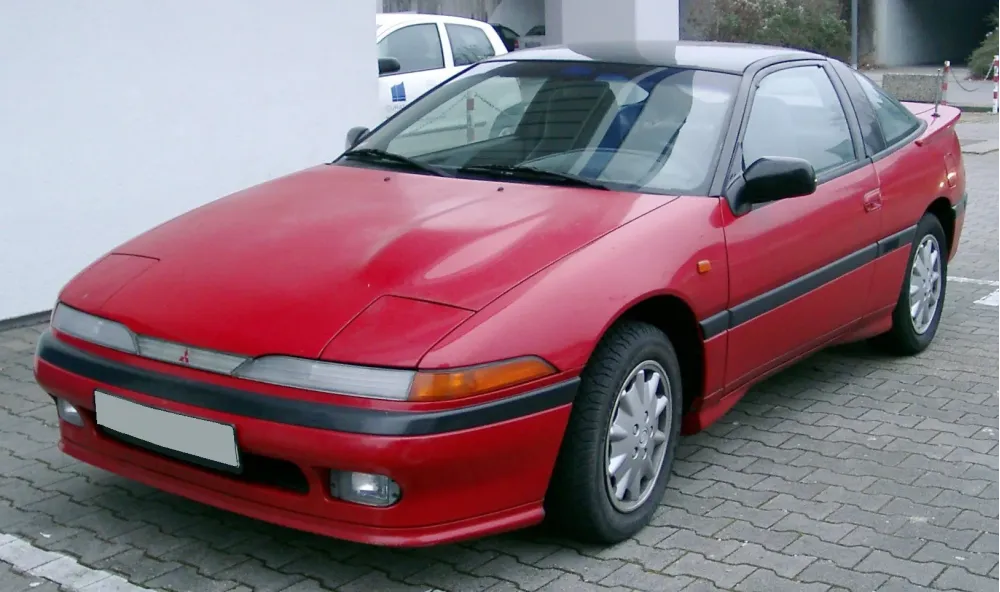
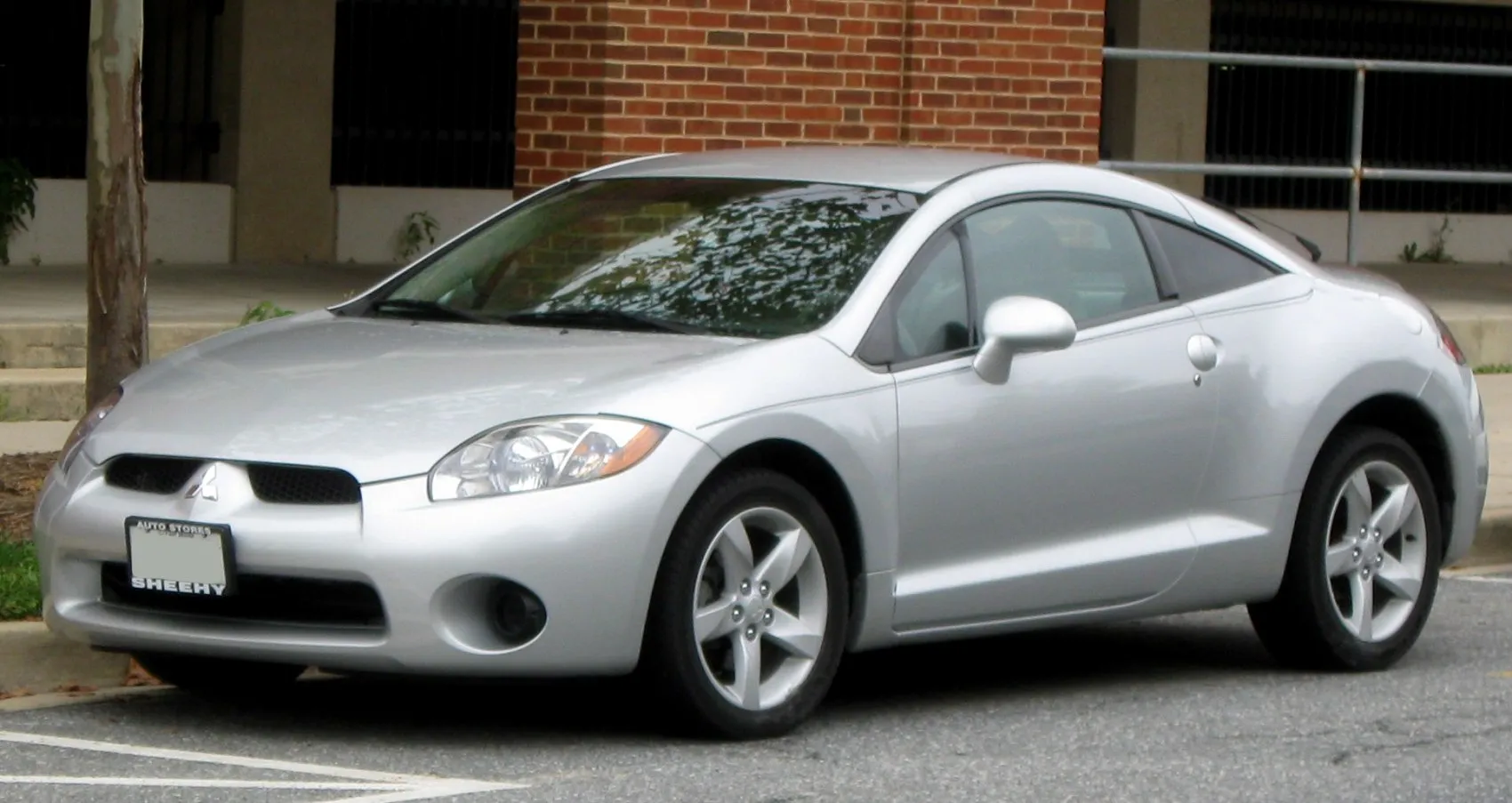
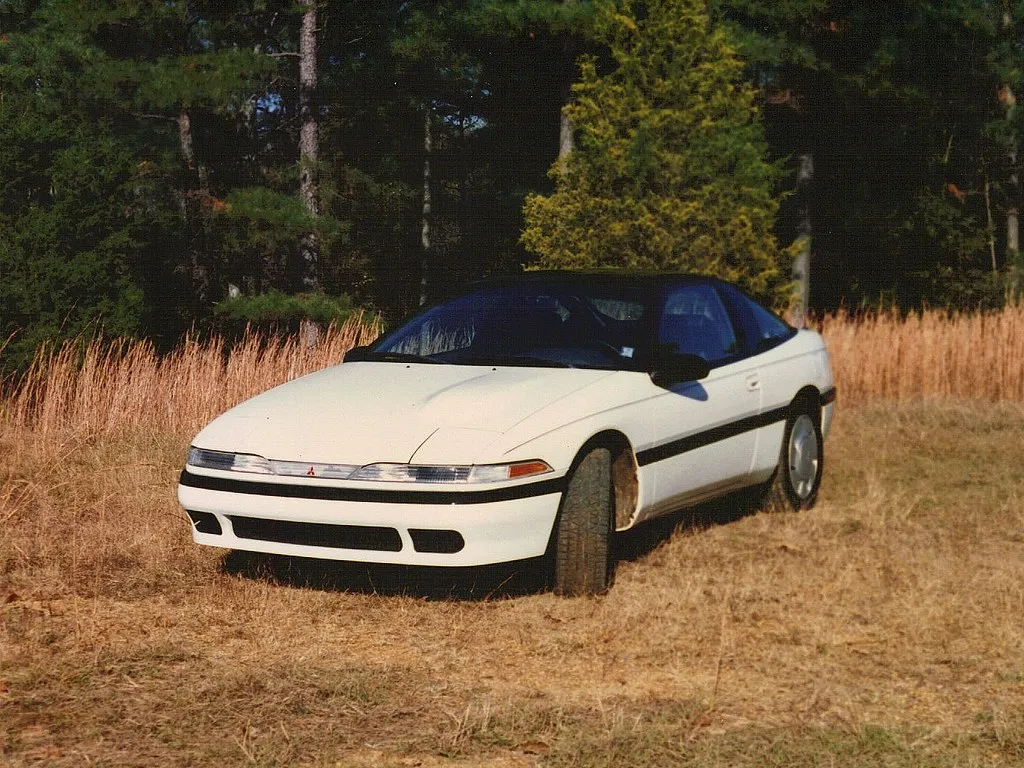
Mitsubishi Eclipse I (1G) 2.0 i 16V (135 Hp)
People\'s Opinion
N/A / 5
Mitsubishi Eclipse:
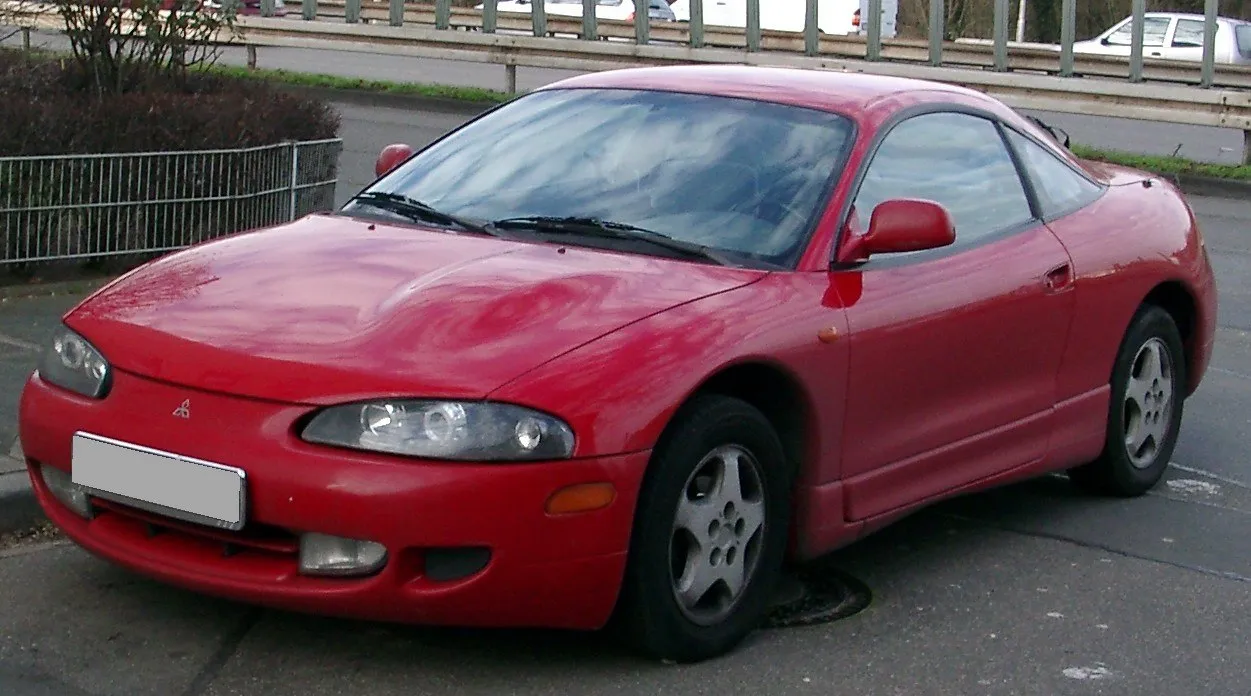
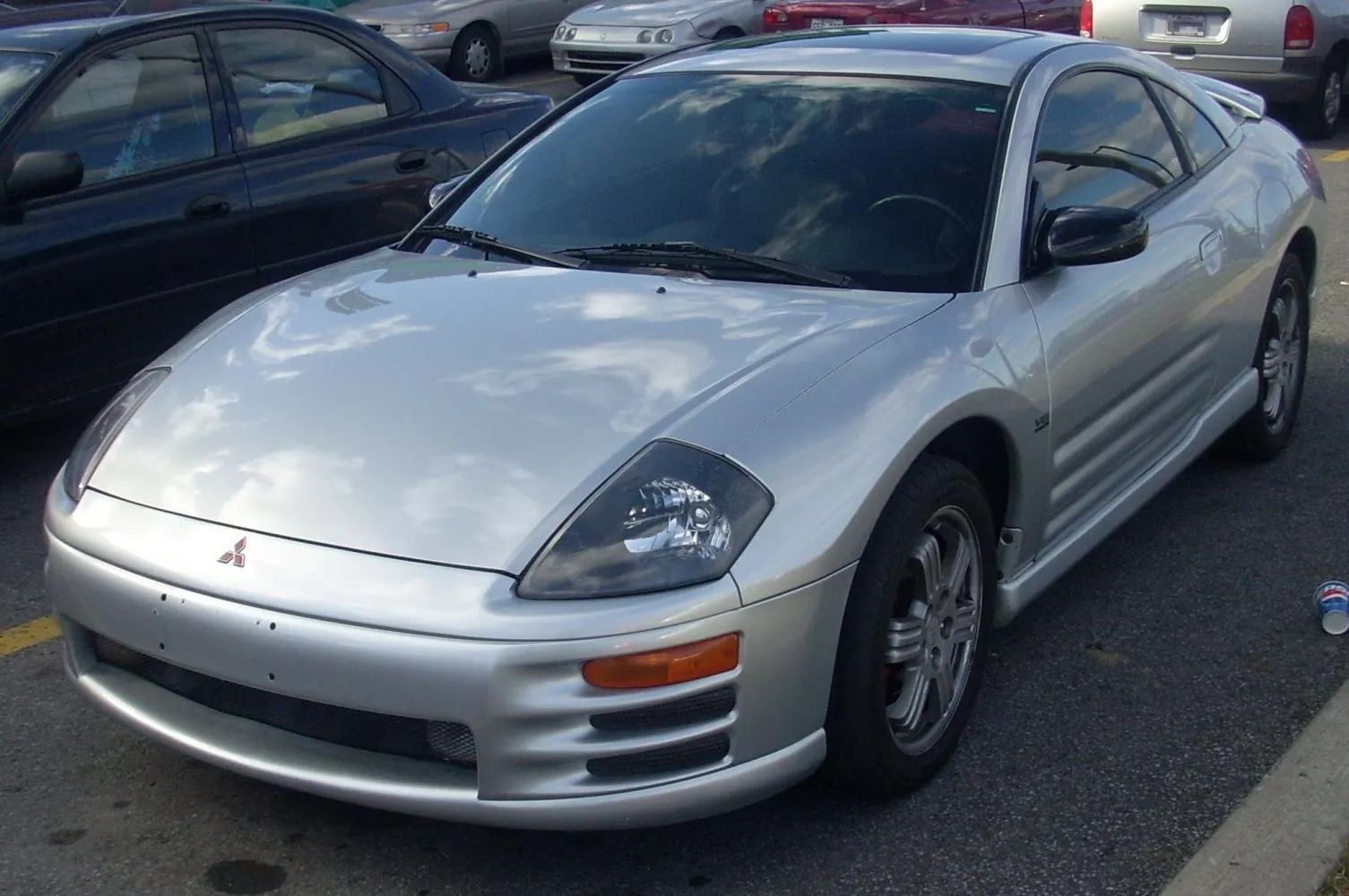
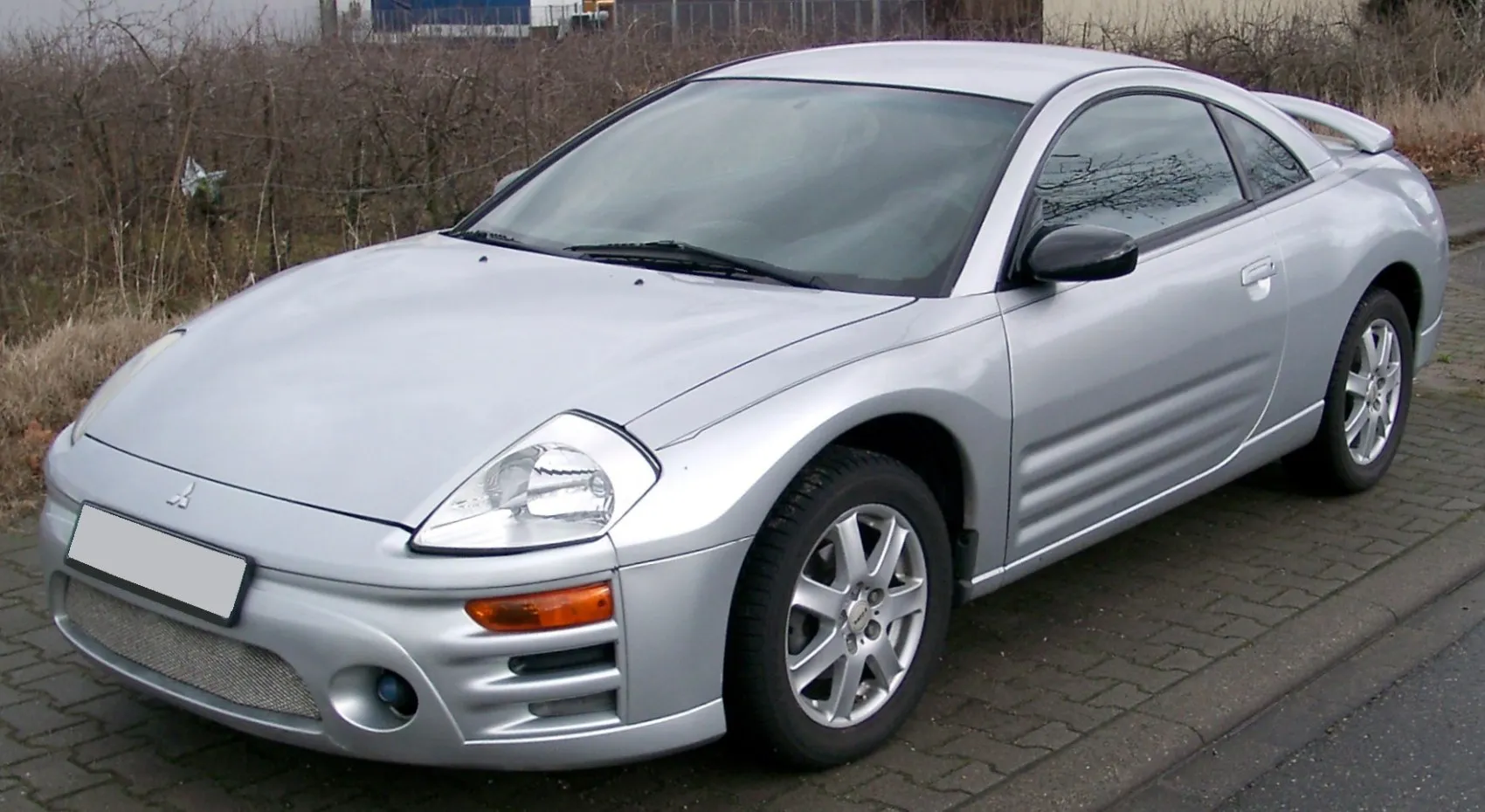
The Mitsubishi Eclipse is a sport compact car which was manufactured and marketed by Mitsubishi over four generations in the 1990–2012 model years. A convertible body style was added during the 1996 model year.
The first two generations were marketed simultaneously as rebadged variants, including the Eagle Talon and Plymouth Laser — and were a byproduct of Mitsubishi Motors and Chrysler Corporation's close alliance. Their partnership in turn gave rise to Diamond-Star Motors. In Japan, the first two generations were sold at a specific Japanese retail chain called Mitsubishi Car Plaza. The third, 2000–2005 generation shared an extended wheelbase variant of their platform with the Chrysler Sebring and Dodge Stratus. In May 2005, the fourth, and final generation Eclipse was introduced, replacing the Chrysler platform used for the third generation with the PS platform....(Read more on Wikipedia)
I (1G) Overview:
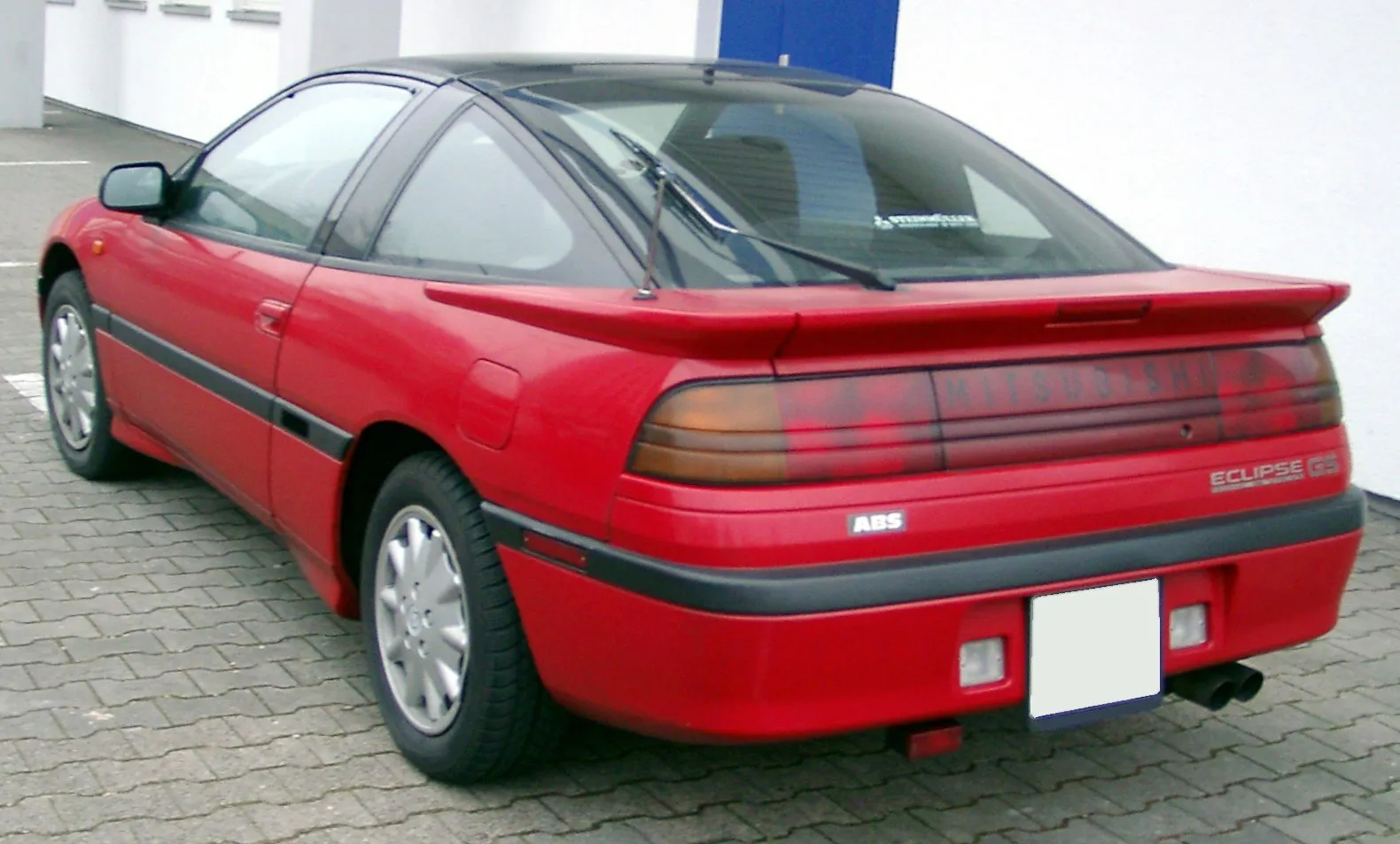
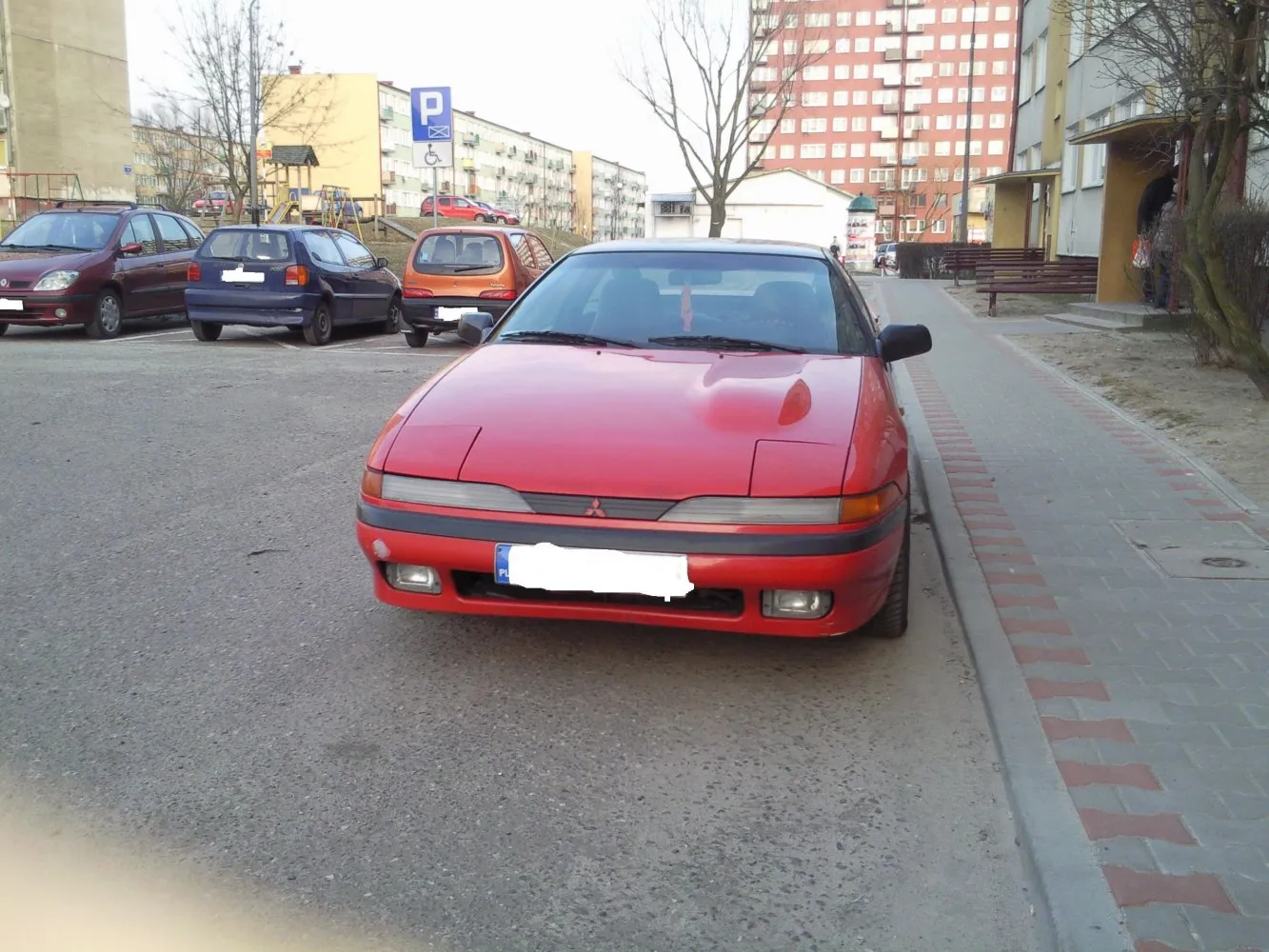
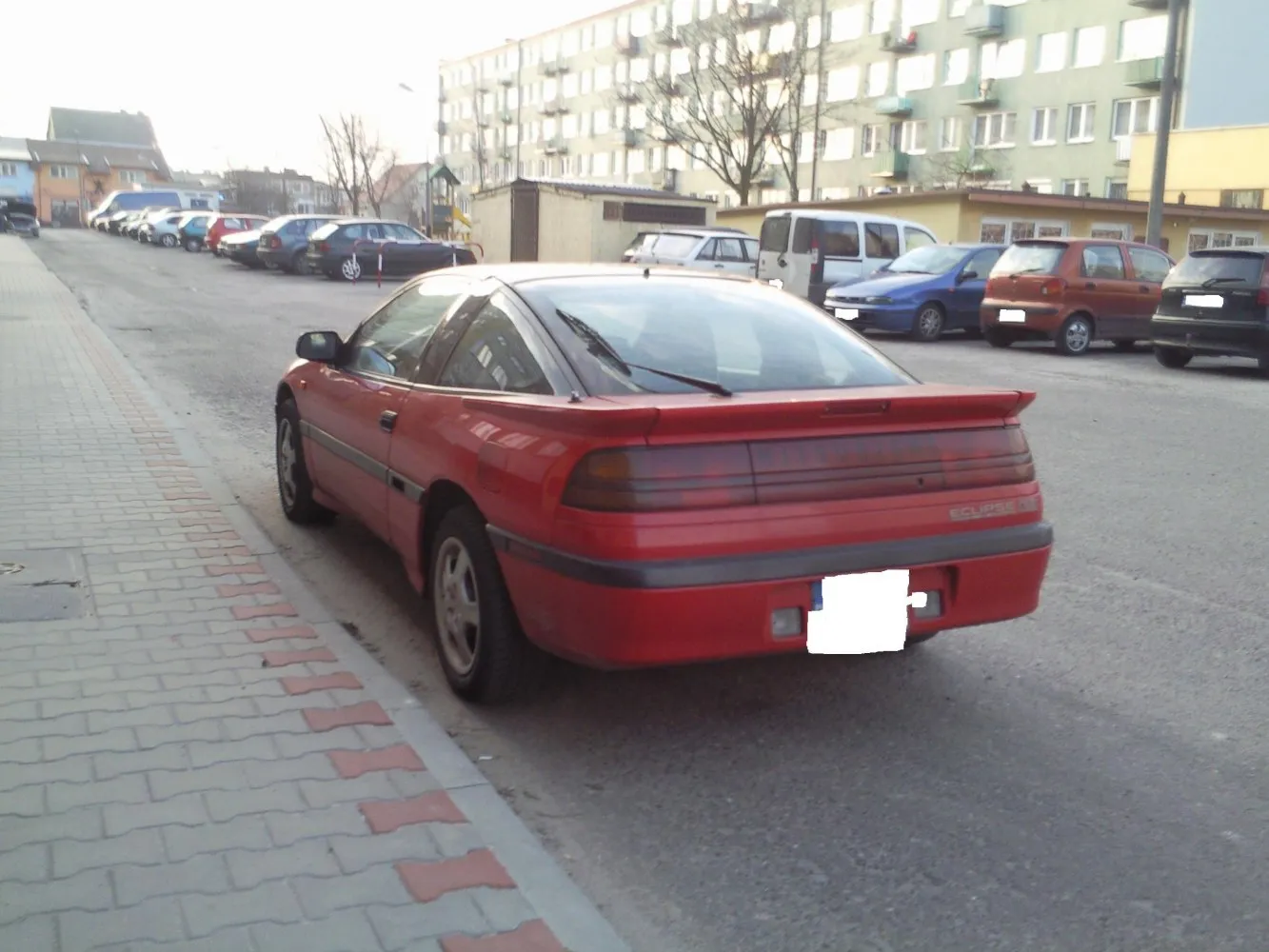
Mitsubishi Eclipse (I (1G)). With 170 Nm of torque, it offers ample pulling power. Weighing only 1215 kg, it’s quite light. Front‑wheel drive delivers efficiency and easy handling. A two-door car with a fixed roof, known for its sporty design and dynamic performance. A car with a sloping rear hatch that opens upwards, combining style and practicality. Seating for 4 makes it ideal for daily use.
Performance Verdict
With a manual transmission, this 135 hp 2.0L engine provides a more direct and slightly more engaging experience than the automatic, making it a decent entry-level sporty option.
Fuel Economy
Good fuel economy for a 2.0L engine, especially with the manual gearbox, making it a practical choice for daily use.
Best Use Case:
Economical daily driving, entry-level sports coupe experience, city and highway cruising.
Pros and Cons:
Pros:
- • Iconic 90s styling
- • Potent turbocharged AWD performance (GSX/GST)
- • Engaging driving dynamics
- • Strong aftermarket support
- • Affordable entry into sports car ownership
Cons:
- • Interior plastics feel dated
- • Rear seats are cramped
- • Fuel economy can be poor on turbo models
- • Rust can be an issue on older models
- • Maintenance for turbo models can be complex
Specifications:
| General: |
| Brand: | Mitsubishi |
|---|
| Model: | Eclipse |
|---|
| Generation: | I (1G) |
|---|
| Modification (Engine): | 2.0 i 16V (135 Hp) |
|---|
| Start of production: | 1990 |
|---|
| End of production: | 1992 |
|---|
| Powertrain Architecture: | Internal Combustion engine |
|---|
| Body type: | Coupe, Liftback |
|---|
| Seats: | 4 |
|---|
| Doors: | 2 |
|---|
| Engine: |
| Power: | 135 Hp |
|---|
| Power per litre: | 67.6 Hp/l |
|---|
| Torque: | 170 Nm |
|---|
| Engine displacement: | 1997 |
|---|
| Number of cylinders: | 4 |
|---|
| Engine configuration: | Inline |
|---|
| Number of valves per cylinder: | 4 |
|---|
| Engine aspiration: | Naturally aspirated engine |
|---|
| Valvetrain: | DOHC |
|---|
| Engine layout: | Front, Transverse |
|---|
| Cylinder Bore: | 85 mm mm |
|---|
| Piston Stroke: | 88 mm mm |
|---|
| Compression ratio: | 9:1 |
|---|
| Performance: |
| Fuel Type: | Petrol (Gasoline) |
|---|
| Weight-to-power ratio: | 9 kg/Hp, 111.1 Hp/tonne |
|---|
| Weight-to-torque ratio: | 7.1 kg/Nm, 139.9 Nm/tonne |
|---|
| Space: |
| Kerb Weight: | 1215 |
|---|
| Max. weight: | 1620 |
|---|
| Max load: | 405 |
|---|
| Fuel tank capacity: | 60 l |
|---|
| Size: |
| Length: | 4330 mm mm |
|---|
| Width: | 1690 mm mm |
|---|
| Height: | 1306 mm mm |
|---|
| Wheelbase: | 2470 mm mm |
|---|
| Front track: | 1465 mm |
|---|
| Rear (Back) track: | 1450 mm |
|---|
| Front overhang: | 950 mm |
|---|
| Rear overhang: | 910 mm |
|---|
| Ride height (ground clearance): | 160 mm |
|---|
| Approach angle: | 16.5° |
|---|
| Departure angle: | 19° |
|---|
| Powertrain: |
| Drivetrain Architecture | The Internal combustion engine (ICE) drives the front wheels of the vehicle. |
|---|
| Drive wheel | Front wheel drive |
|---|
| Number of gears | 5 |
|---|
| Transmission type | Manual |
|---|
| Front brakes | Disc |
|---|
| Rear brakes | Disc |
|---|
| Steering type | Steering rack and pinion |
|---|
| Front suspension | Independent coil spring |
|---|
| Rear suspension | Independent multi-link suspension |
|---|








If you could change one thing about the Mitsubishi Eclipse, what would it be?