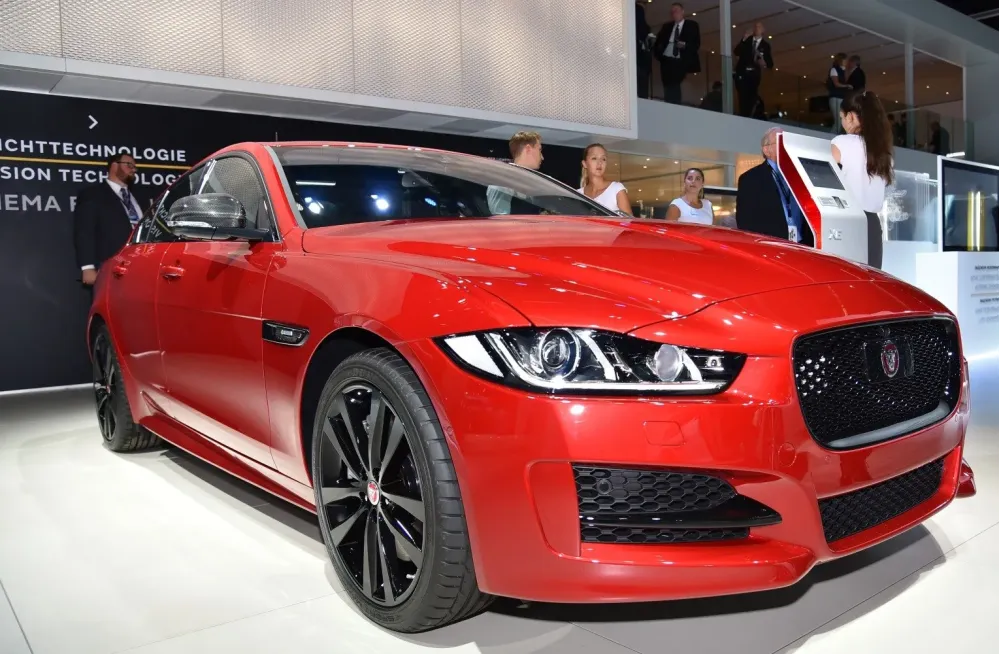
Click on image to view the full photo gallery
Jaguar XE X760 S 3.0 (380 Hp) Automatic
Overall Rating
Jaguar XE:
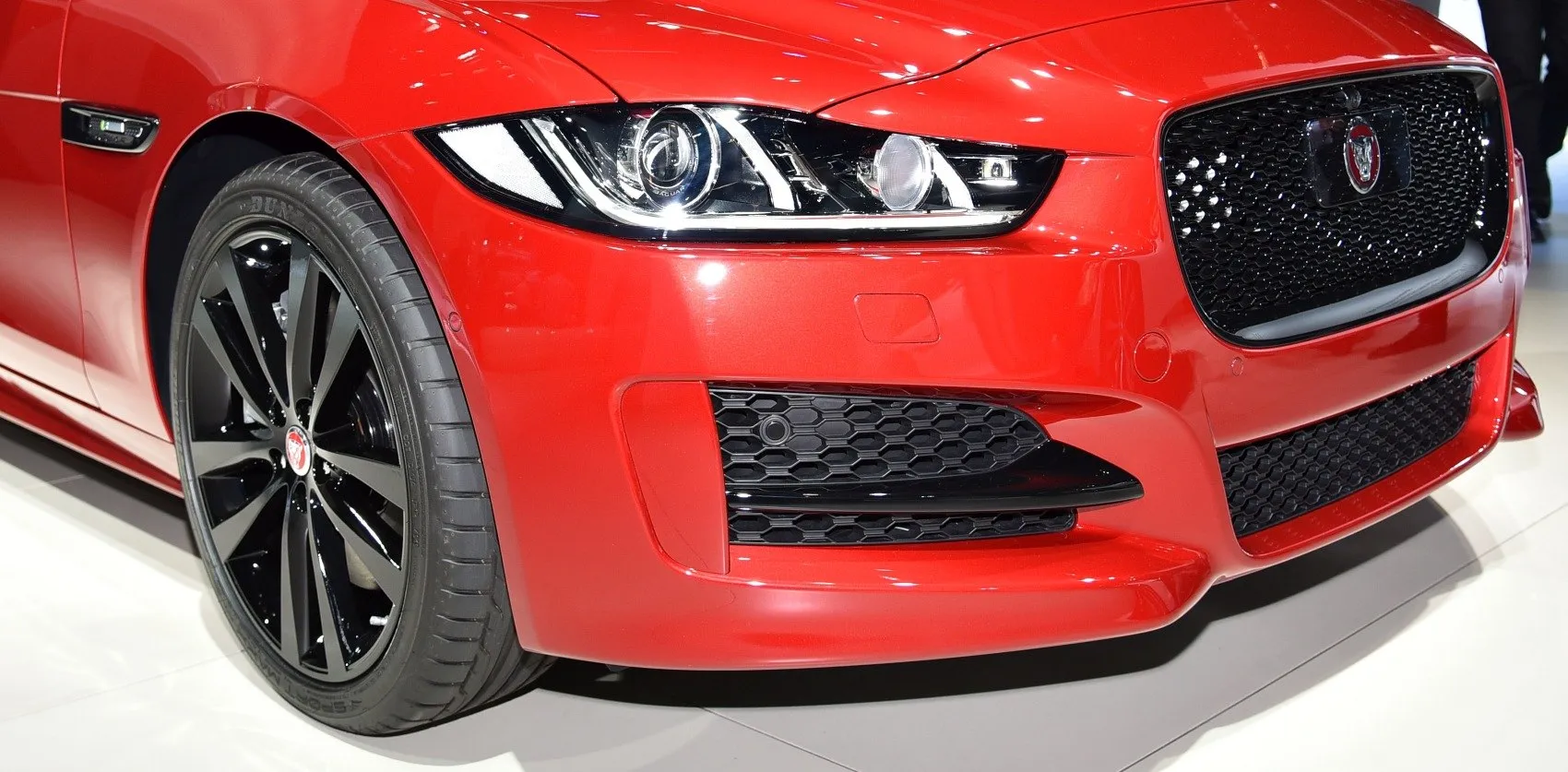
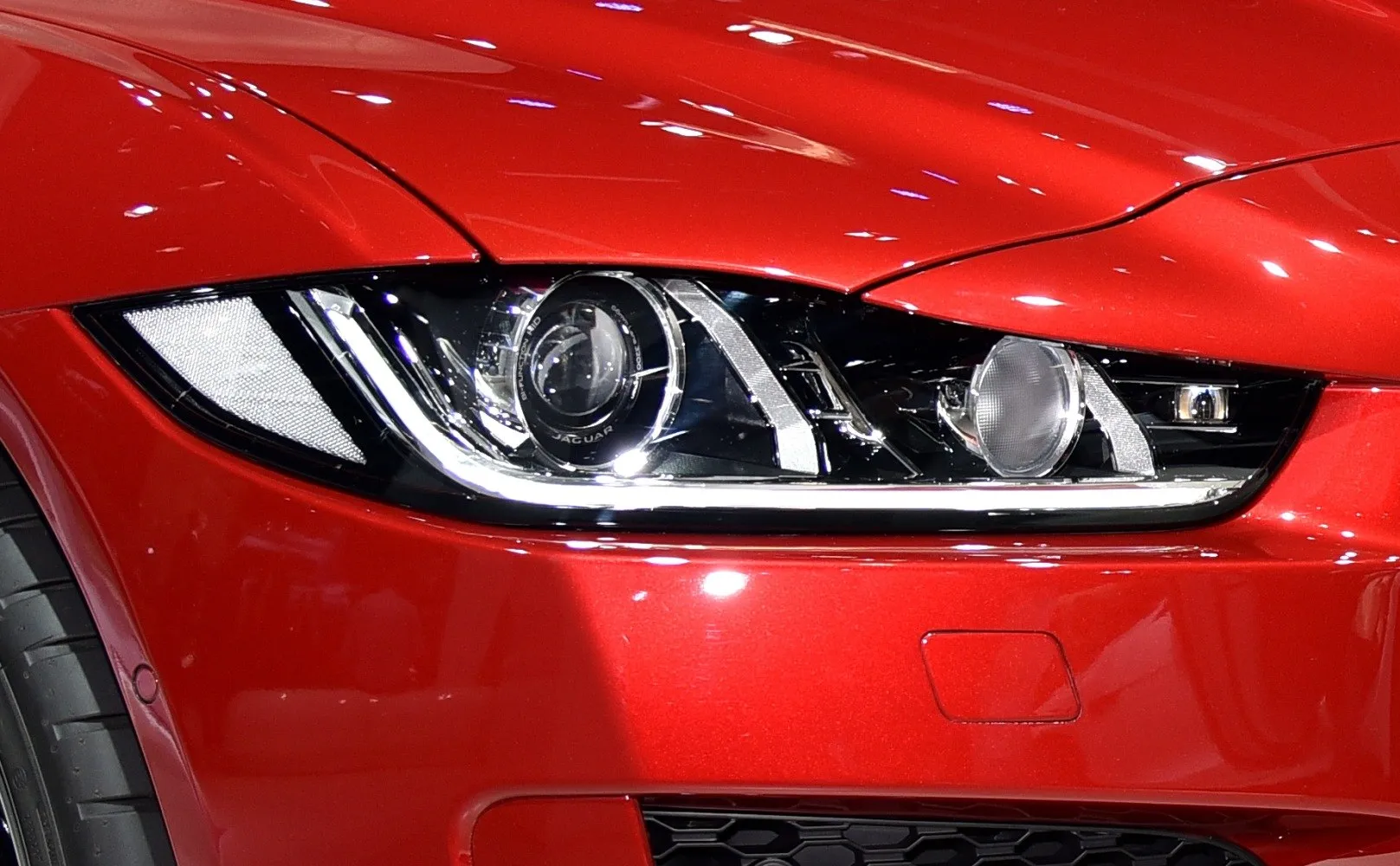
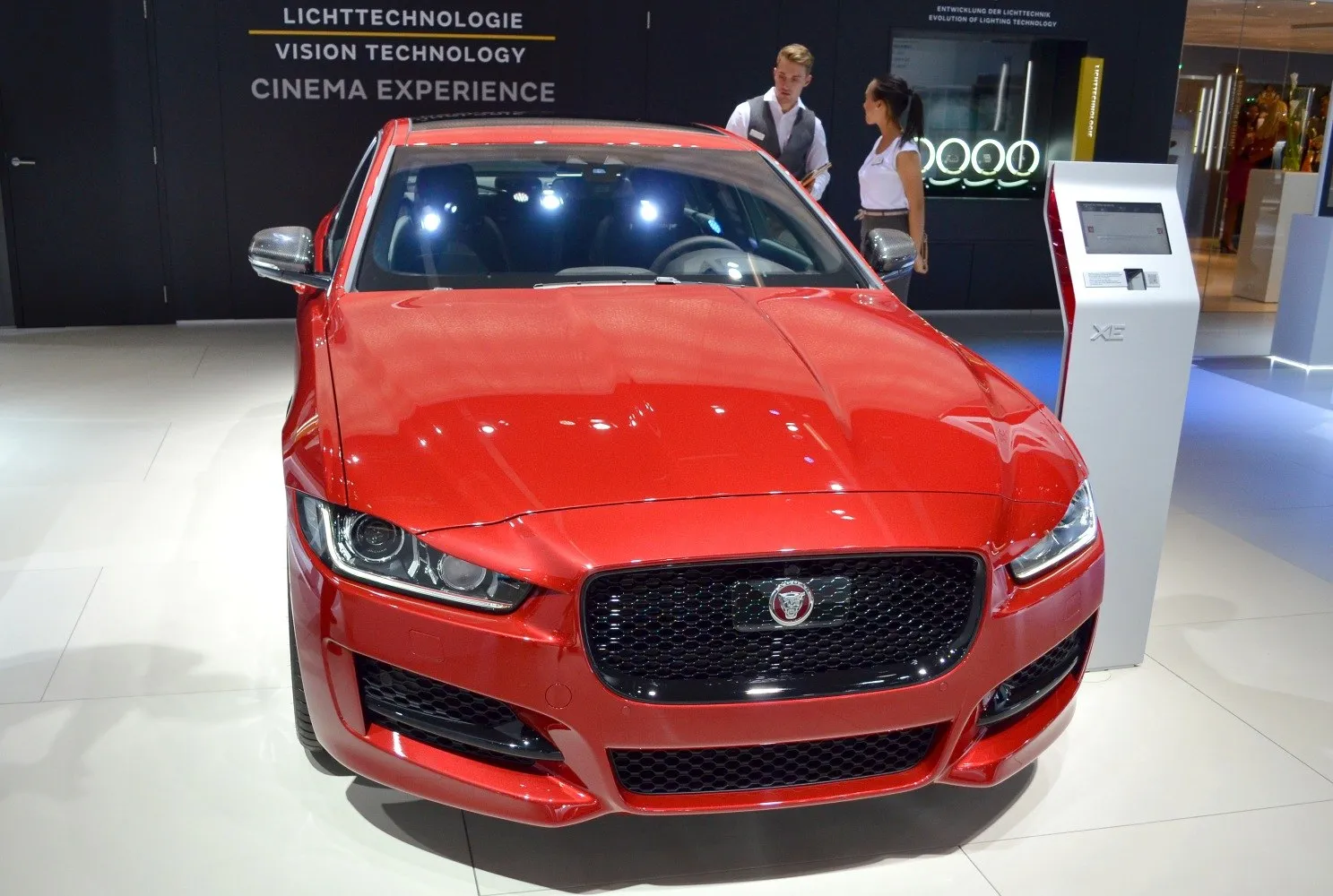
The Jaguar XE is a compact executive car manufactured by Jaguar Land Rover and marketed under their Jaguar marque from April 2015 until mid-2024 across a single generation. It is a four-door saloon car with a front-mounted engine and either rear-wheel drive or all-wheel drive.
The successor to the X-Type, it was designed by Ian Callum and launched at the October 2014 Paris Motor Show.
The XE is noted for its aluminium suspension componentry as well as its bonded-and-riveted unitary aluminium monocoque structure, without need for a reinforcing space frame, pioneered by Jaguar on their third generation XJ-series — the first in its segment....(Read more on Wikipedia)
X760 Overview:
Jaguar XE (X760). With 450 Nm of torque, it offers ample pulling power. It has moderate fuel consumption (~11.6 l/100km). With a weight of 1655 kg, it falls in the mid‑range. Rear‑wheel drive offers dynamic handling and sporty feedback. Acceleration is excellent (0–100 km/h in 5 s). The top speed reaches 250 km/h. A four-door car with a separate trunk, ideal for families and daily commuting. Seating for 5 makes it ideal for daily use.
The Jaguar XE (X760) achieved an excellent 5-star Euro NCAP rating in 2015, demonstrating robust protection for adult occupants and comprehensive safety features for its class.
S 3.0 (380 Hp) Automatic Verdict:

Performance Verdict
Delivers thrilling, sports car-level performance with the purity of rear-wheel drive.
Fuel Economy
Impressive fuel economy for a supercharged V6 of this power, making it a potent yet somewhat sensible choice.
Pros and Cons:
Pros:
- • Agile handling and engaging driving dynamics
- • Stylish and distinctive exterior design
- • Wide range of efficient Ingenium petrol and diesel engines
- • High-performance V6 and V8 options available
- • Strong 5-star Euro NCAP safety rating
Cons:
- • Rear passenger space can be tight for adults
- • Early infotainment system lagged behind rivals
- • Some initial Ingenium engine reliability concerns (e.g., timing chain)
- • Boot space is average for the compact executive class
- • Interior quality, while good, wasn't always class-leading compared to German rivals
Specifications:
Specifications are compared to those of the previous generation(X760: 2016 - 2018).
| General: | |
|---|---|
| Brand: | Jaguar |
| Model: | XE |
| Generation: | X760 |
| Modification (Engine): | S 3.0 (380 Hp) Automatic |
| Start of production: | 2017 |
| End of production: | 2018 |
| Powertrain Architecture: | Internal Combustion engine |
| Body type: | Sedan |
| Seats: | 5 |
| Doors: | 4 |
| Engine: | |
|---|---|
| Power: | 380 Hp @ 6500 rpm. Same horsepower |
| Power per litre: | 126.9 Hp/l [Same length.] |
| Torque: | 450 Nm @ 3500-5000 rpm. |
| Engine Model/Code: | 306PS More details about the engine 306PS |
| Engine displacement: | 2995 |
| Number of cylinders: | 6 |
| Engine configuration: | V-engine |
| Number of valves per cylinder: | 4 |
| Fuel injection system: | Direct injection |
| Engine aspiration: | Supercharger, Intercooler |
| Valvetrain: | DOHC |
| Engine oil capacity: | 7.25 l |
| Coolant: | 7.8 l |
| Engine layout: | Front, Longitudinal |
| Cylinder Bore: | 84.5 mm |
| Piston Stroke: | 89 mm |
| Compression ratio: | 10.5:1 |
| Performance: | |
|---|---|
| Fuel Type: | Petrol (Gasoline) |
| Fuel consumption (economy) - urban: | 11.6 l/100 km |
| Fuel consumption (economy) - extra urban: | 6.1 l/100 km |
| Fuel consumption (economy) - combined (NEDC): | 8.1 l/100 km |
| Fuel consumption (economy) - urban (NEDC): | 11.6 l/100 km |
| Fuel consumption (economy) - extra urban (NEDC): | 6.1 l/100 km |
| Fuel consumption (economy) - combined: | 8.1 l/100 km |
| Emission standard: | Euro 6 |
| Acceleration 0 - 100 km/h: | 5 sec |
| Acceleration 0 - 62 mph: | 5 sec |
| Maximum speed: | 250 km/h, Electronically limited |
| Weight-to-power ratio: | 4.4 kg/Hp, 229.6 Hp/tonne |
| Weight-to-torque ratio: | 3.7 kg/Nm, 271.9 Nm/tonne |
| Acceleration 0 - 60 mph: | 4.8 sec |
| Space: | |
|---|---|
| Kerb Weight: | 1655 |
| Max. weight: | 2230 |
| Max load: | 575 |
| Trunk (boot) space - minimum: | 455 l |
| Fuel tank capacity: | 63 l |
| Size: | |
|---|---|
| Length: | 4672 mm [Same length.] |
| Width: | 1850 mm [Same width.] |
| Height: | 1416 mm [Same height.] |
| Wheelbase: | 2835 mm [Same wheelbase.] |
| Width with mirrors folded: | 1967 mm |
| Width including mirrors: | 2075 mm |
| Front track: | 1597-1602 mm |
| Rear (Back) track: | 1573-1603 mm |
| Front overhang: | 841 mm |
| Rear overhang: | 996 mm |
| Ride height (ground clearance): | 110 mm |
| Minimum turning circle (turning diameter): | 11.2 m [above average] |
| Powertrain: | |
|---|---|
| Drivetrain Architecture | The Internal combustion engine (ICE) drives the rear wheels of the vehicle. |
| Drive wheel | Rear wheel drive |
| Number of gears | 8 |
| Transmission type | Automatic |
| Front brakes | Ventilated discs, 350 mm [Best for performance and cooling.] |
| Rear brakes | Ventilated discs [Best for performance and cooling.] |
| Assisting systems | ABS (Anti-lock braking system) |
| Steering type | Steering rack and pinion |
| Power steering | Electric Steering |
| Tires size | Front wheel tires: 225/40 R19; 235/35 R20 |
| Wheel rims size | Front wheel rims: 7.5J x 19; 8J x 20 |
| Front suspension | Double wishbone, Transverse stabilizer |
| Rear suspension | Independent multi-link spring suspension with stabilizer |
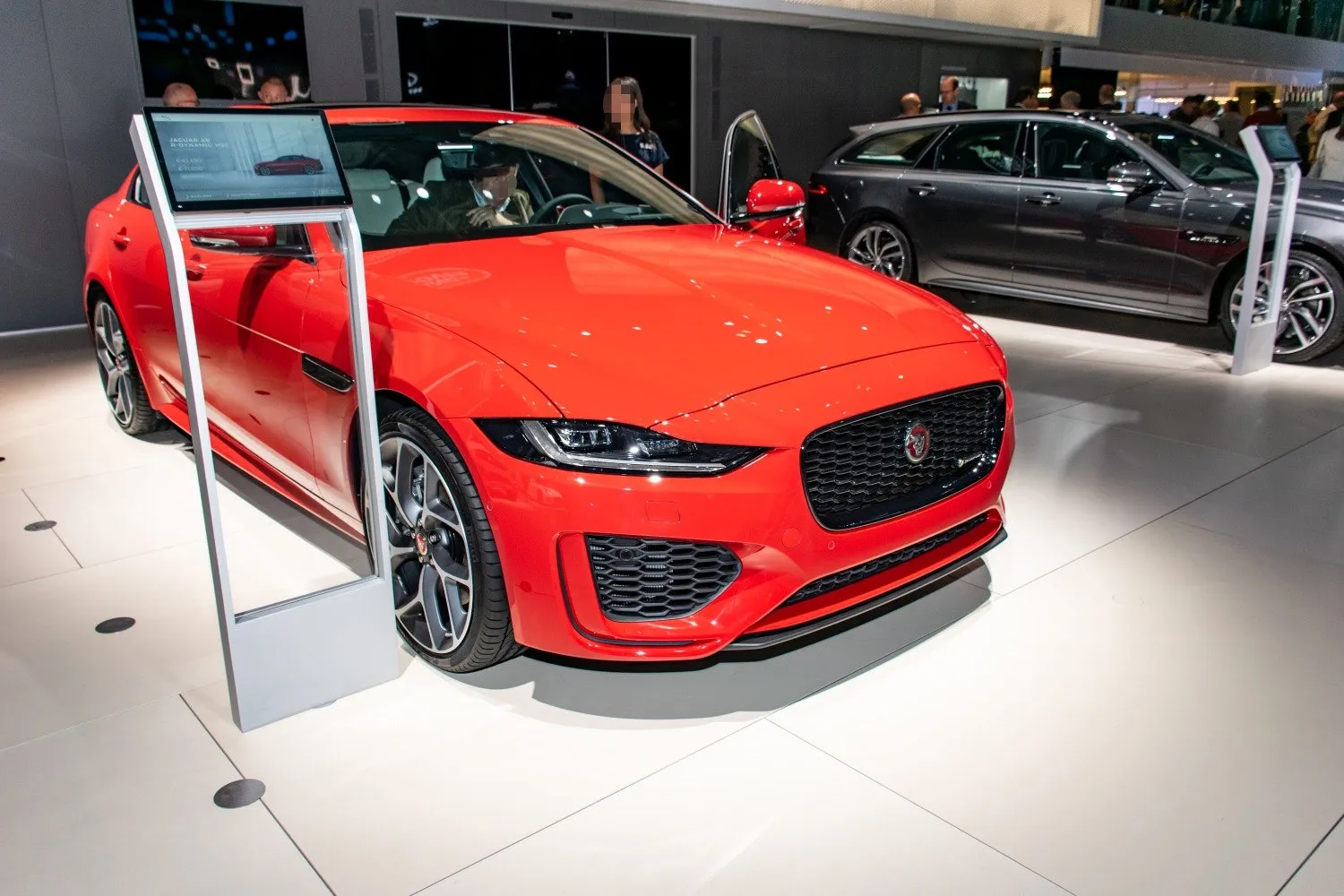









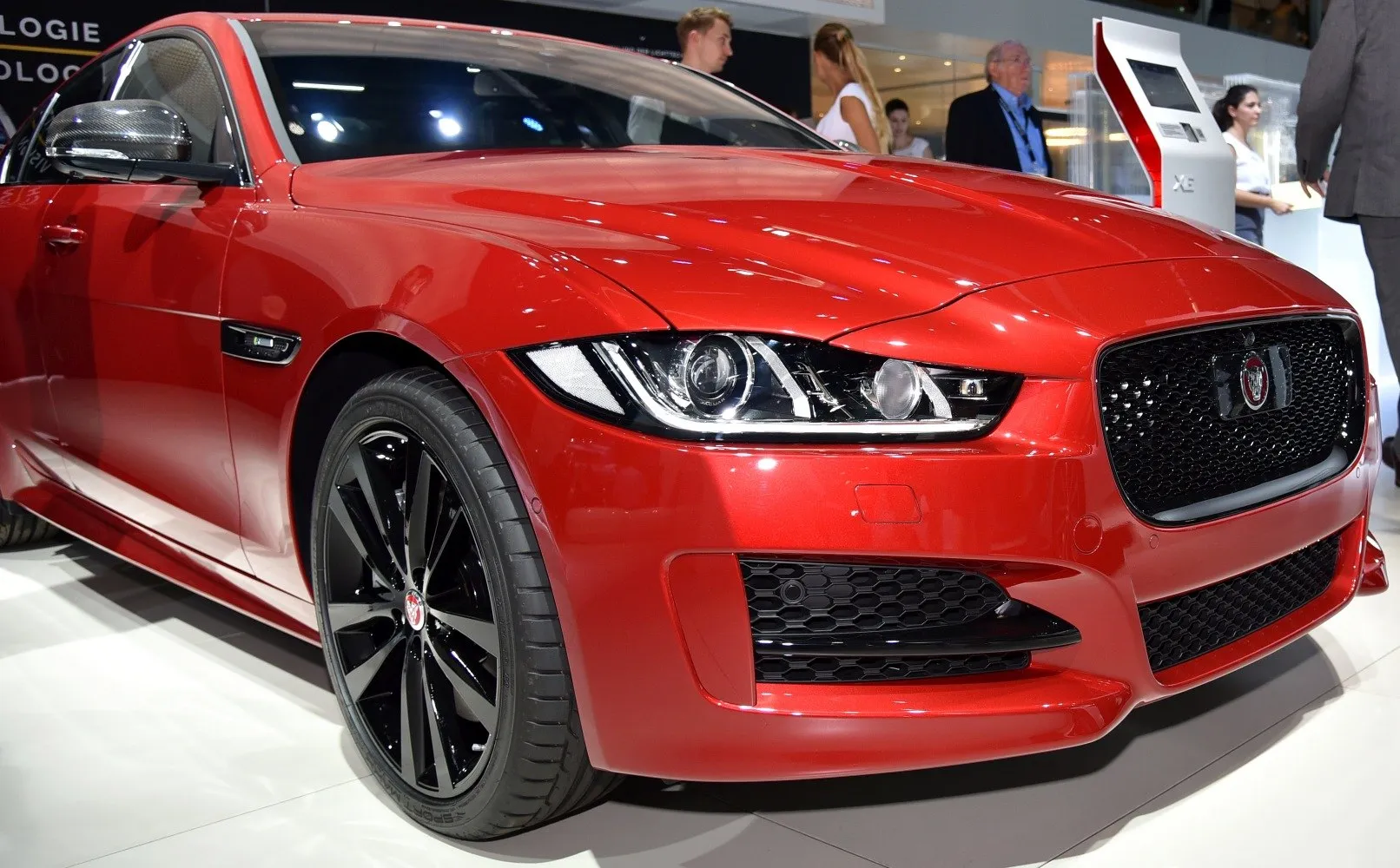
Driven it? Loved it? Hated it? Share your honest review!