Honda NSX II Coupe 3.5 i-VTEC Bi-Turbo V6 (581 Hp) Hybrid SH-AWD DCT
People\'s Opinion
N/A / 5
Honda NSX:
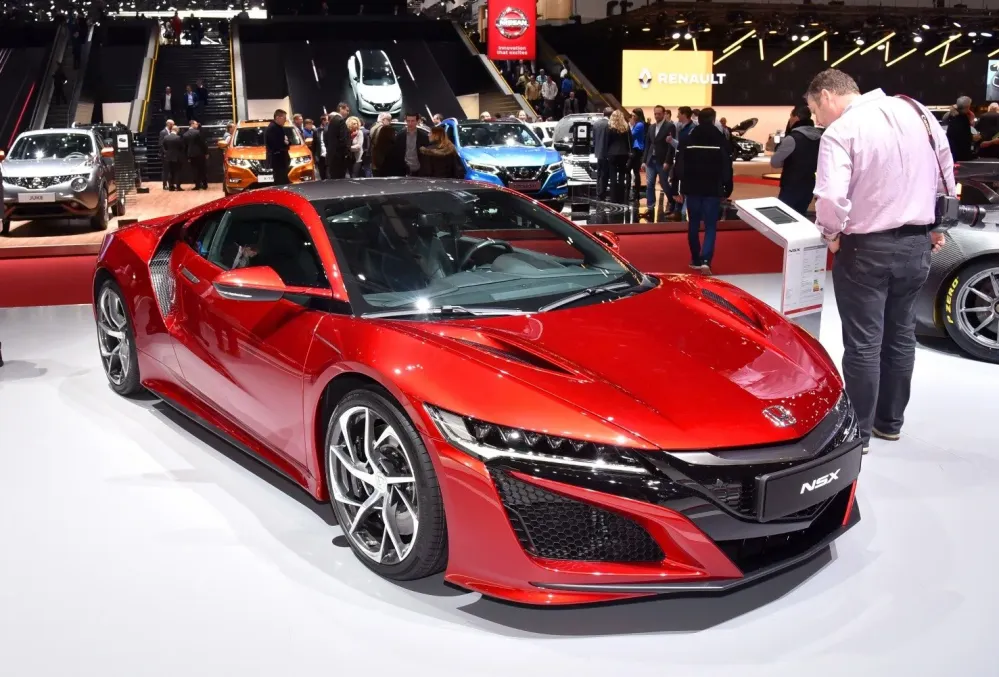
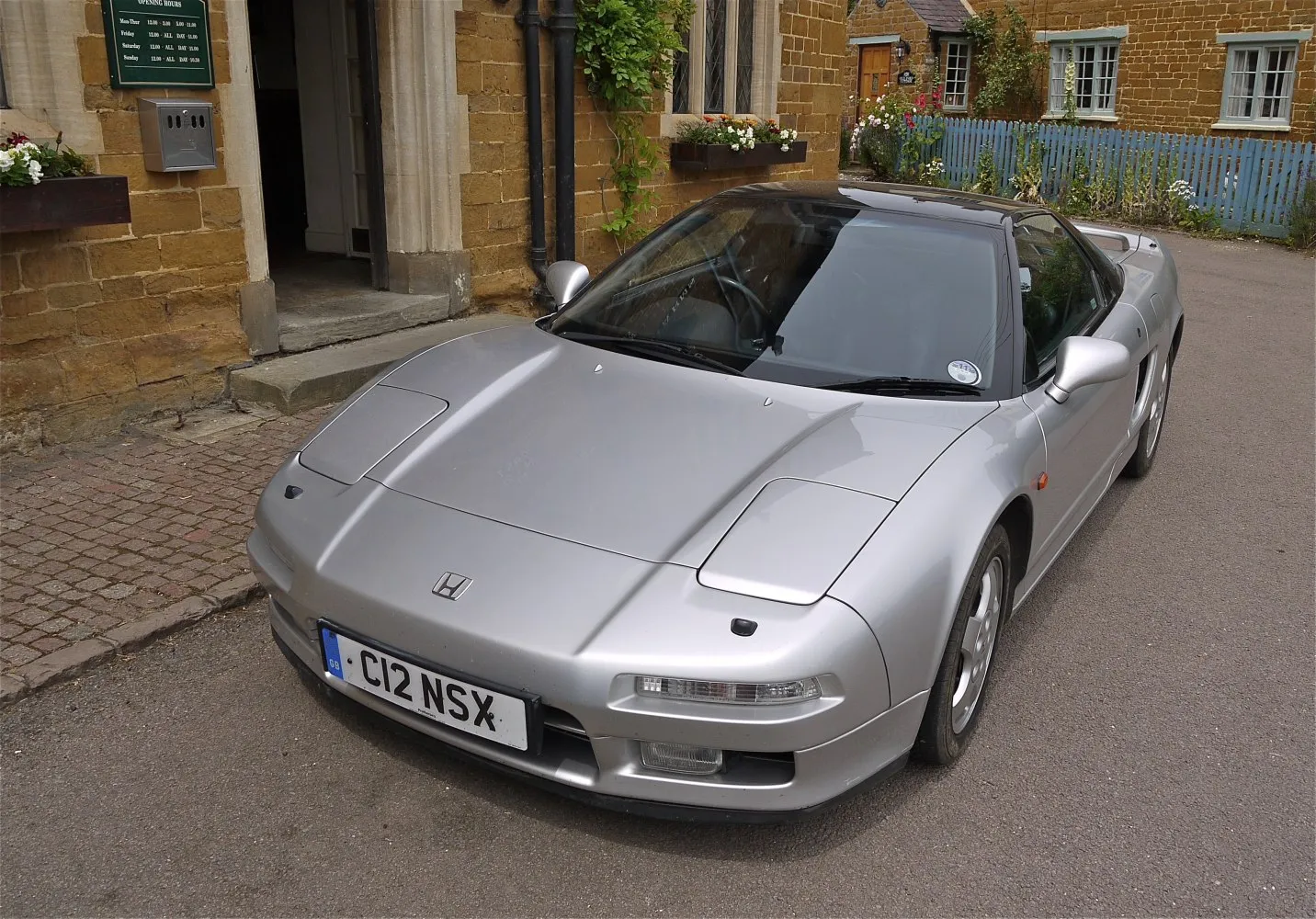
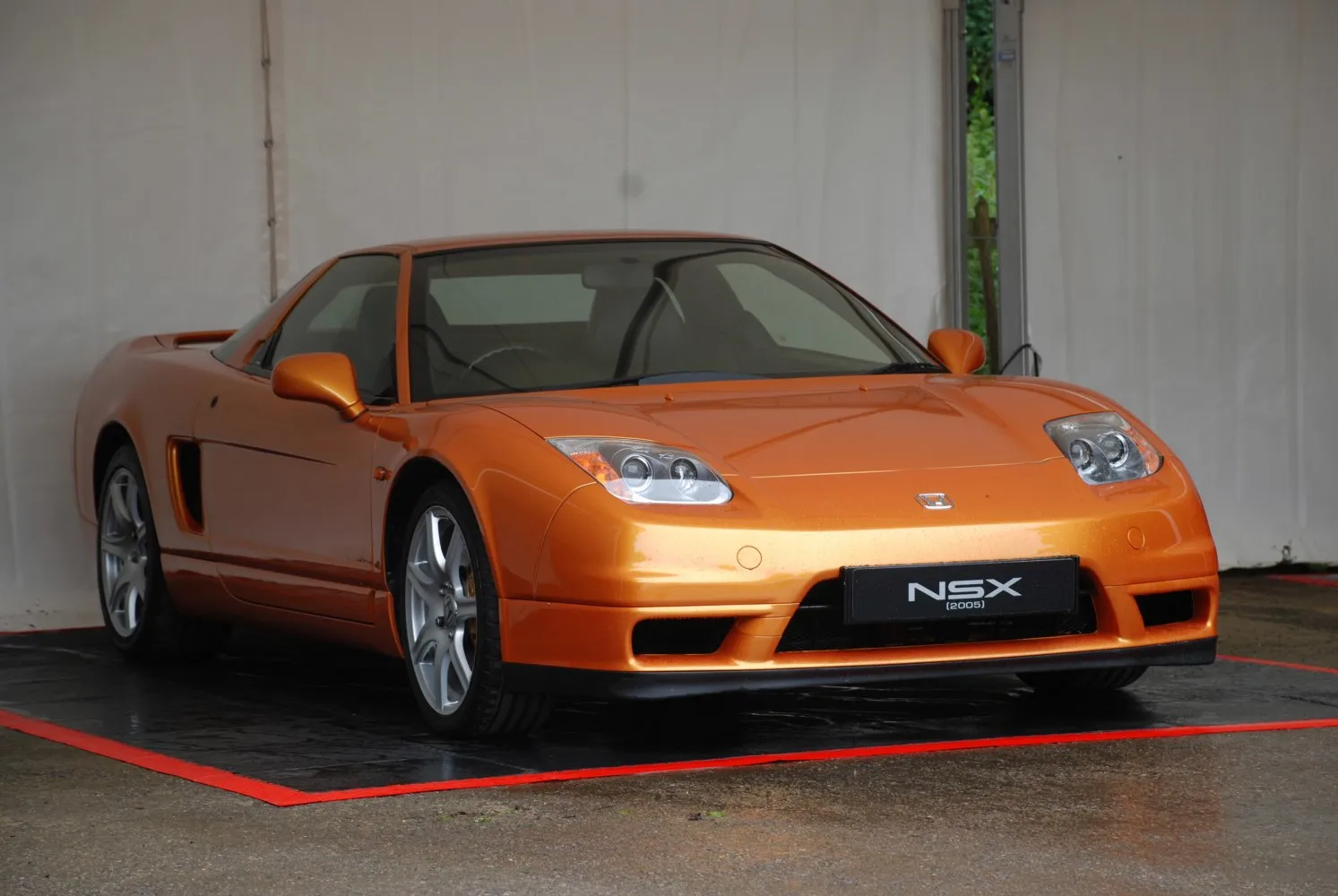
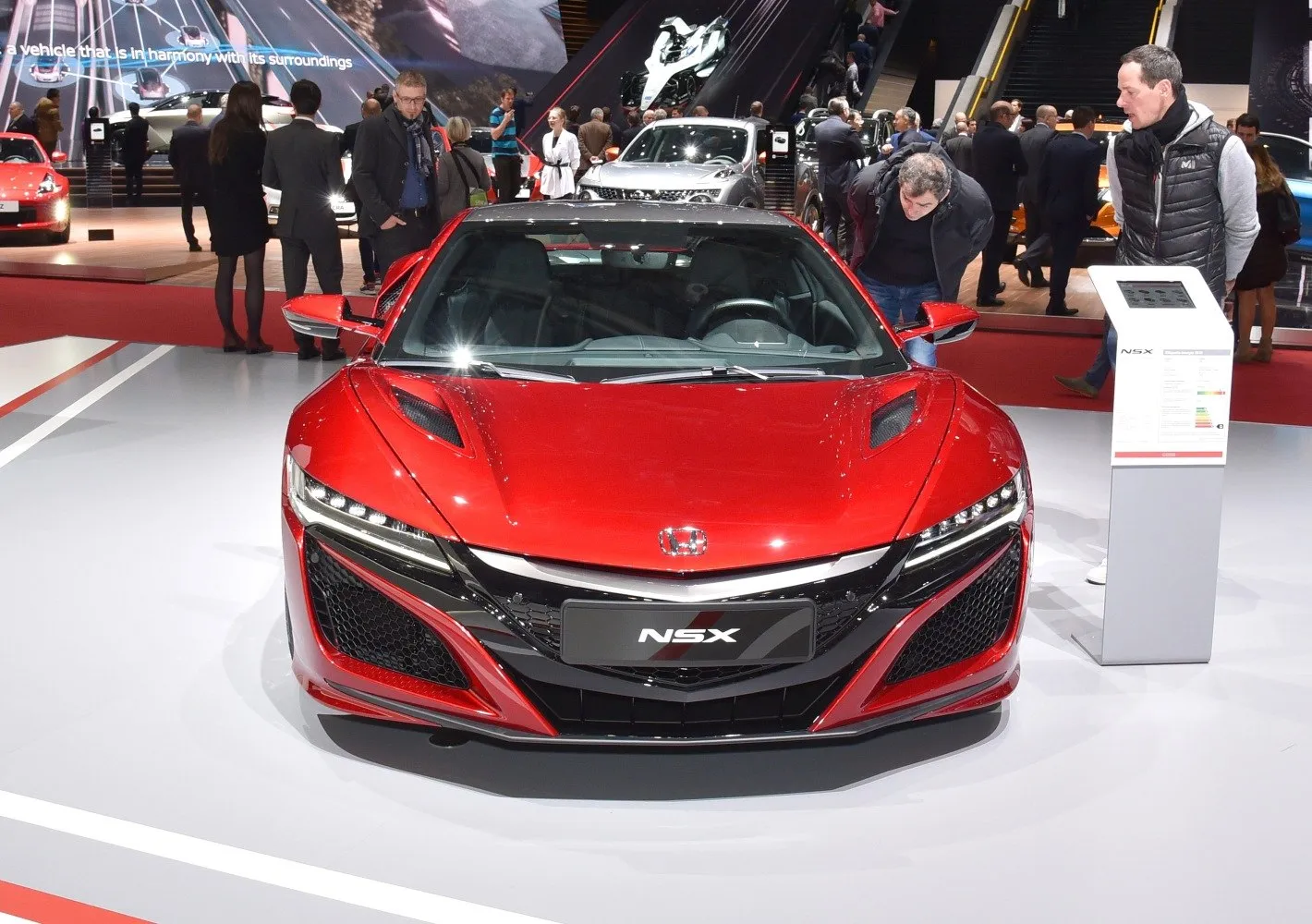
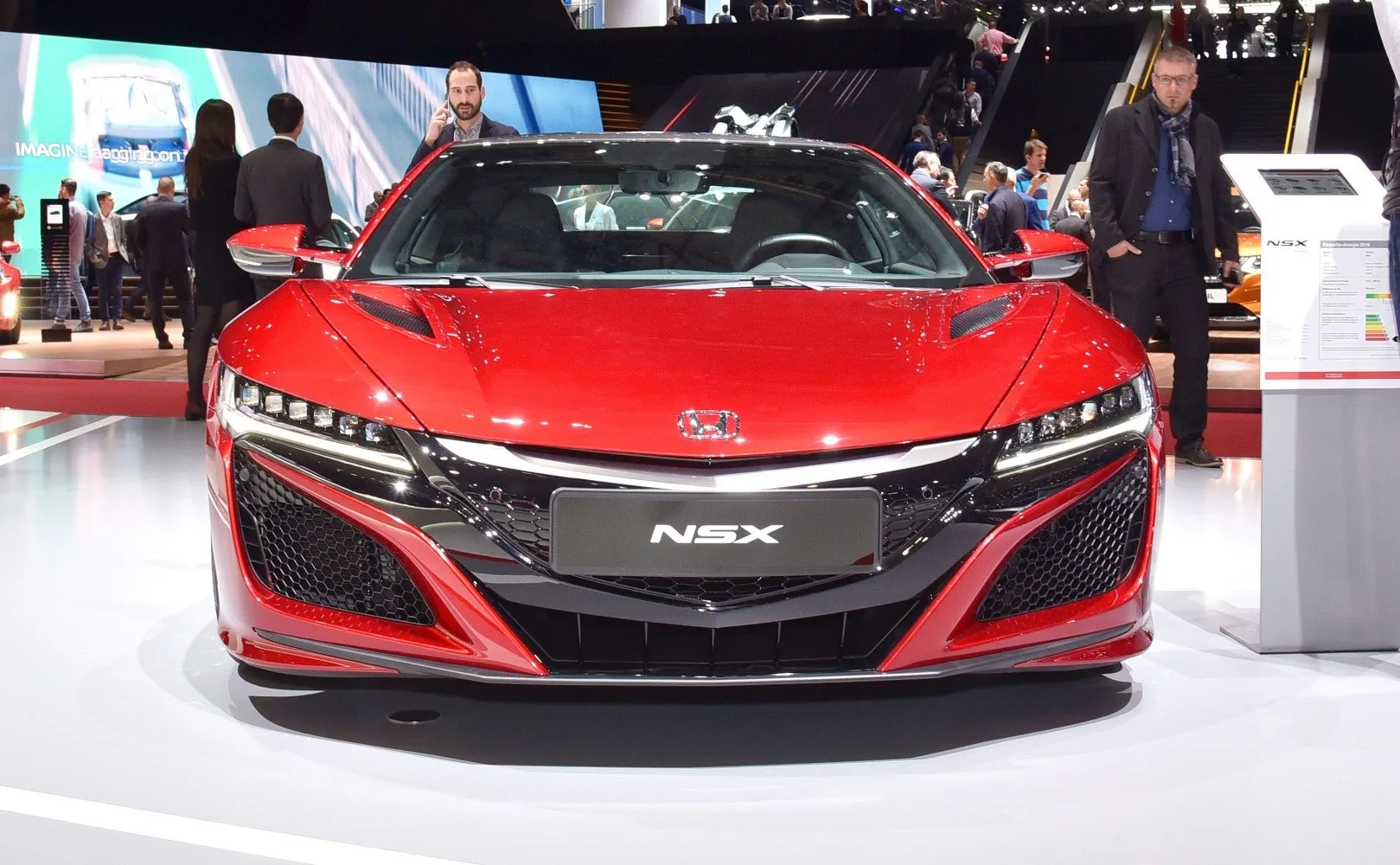
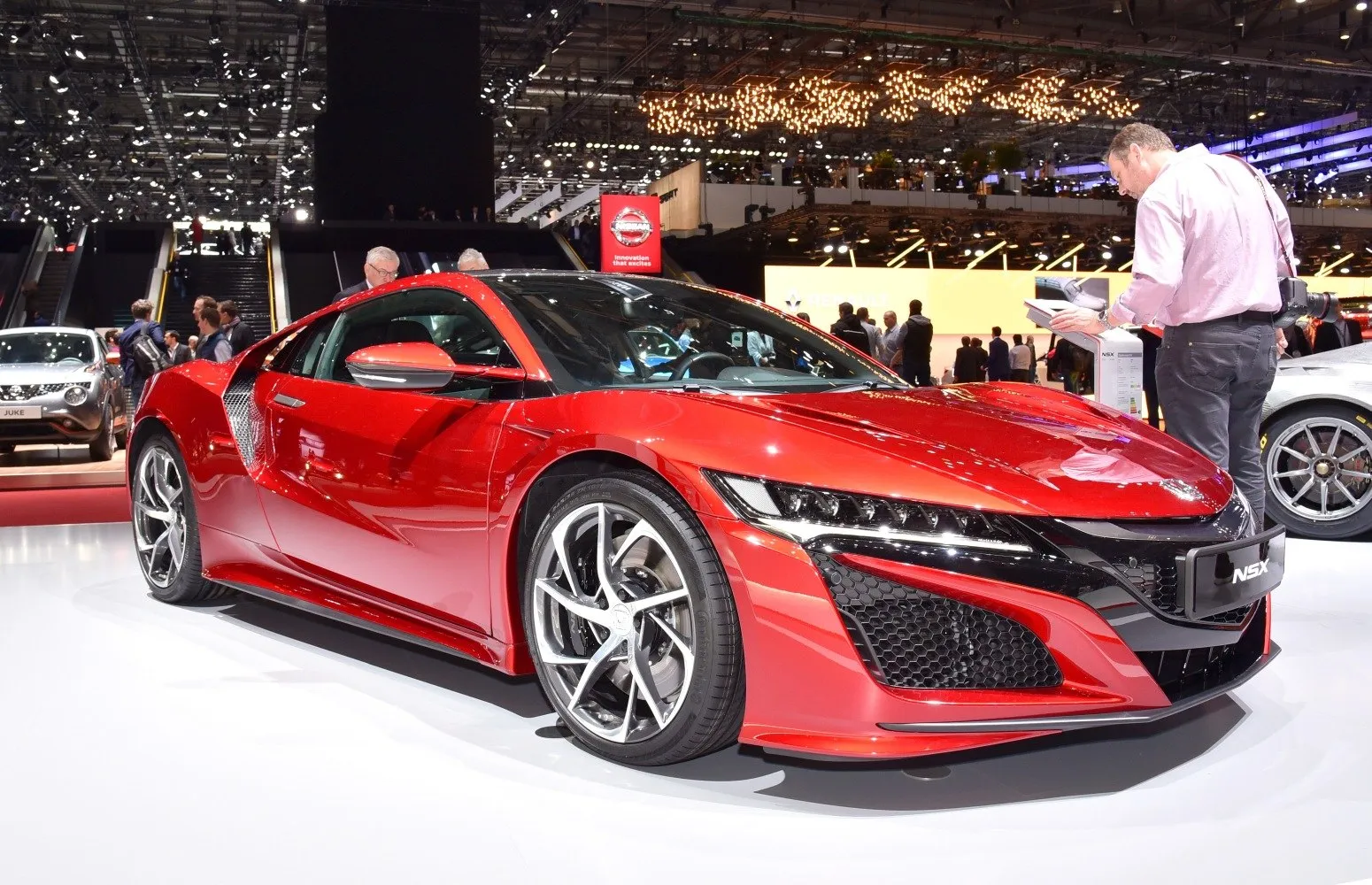
The Honda NSX is a two-seater sports car manufactured by Honda over two generations. The first generation was produced from 1990 until 2006, whilst the second generation was made from 2016 to 2022. The first generation was introduced as a two-door coupé, with a two-door targa top variant later added, and has a rear mid-engine, rear-wheel-drive layout. The second generation is only a coupé, and has a rear mid-engine, all-wheel-drive layout. The first generation has a transversely-mounted naturally-aspirated engine with a V6 configuration, whilst the second generation has a twin-turbocharged V6 engine supplemented by multiple electric motors in a petrol-electric hybrid drivetrain....(Read more on Wikipedia)
II Coupe Overview:
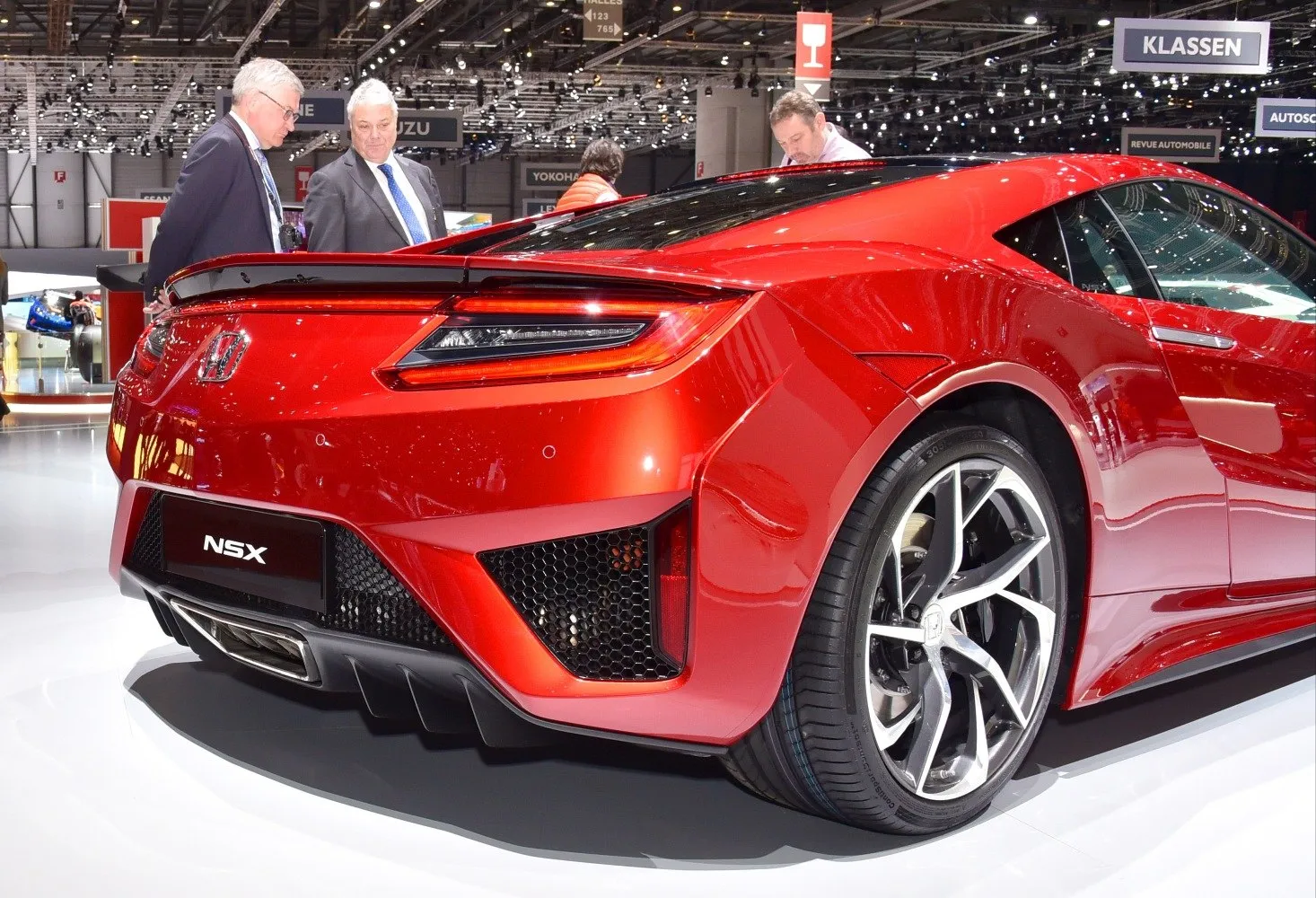
Honda NSX (II Coupe). With 550 Nm of torque, it offers ample pulling power. It has moderate fuel consumption (~10.3 l/100km). With a weight of 1854 kg, it falls in the mid‑range. All‑wheel drive provides excellent grip, ideal for off‑road use. The top speed reaches 308 km/h. A two-door car with a fixed roof, known for its sporty design and dynamic performance. Seating for 2 makes it ideal for daily use.
Performance Verdict
This powertrain delivers exhilarating performance, combining instant electric torque with the high-revving power of the twin-turbo V6. The SH-AWD system provides incredible grip and handling dynamics, making it incredibly fast and engaging.
Fuel Economy
For a supercar with 581 Hp, a combined fuel consumption of 10 l/100 km is remarkably efficient, showcasing the benefits of its advanced hybrid system without compromising power.
Best Use Case:
Track / Spirited Road Driving / Performance Enthusiasts
Pros and Cons:
Pros:
- • Exceptional hybrid performance and instant torque delivery
- • Advanced SH-AWD system provides superior handling and grip
- • Distinctive and aggressive styling
- • Relatively practical for a supercar (daily drivable)
- • Honda's reputation for engineering and reliability
Cons:
- • Limited trunk space (110L)
- • High purchase price and running costs typical of a supercar
- • Complex hybrid system could lead to expensive maintenance
- • Interior design might not feel as luxurious as some European rivals
- • Firm ride quality, even in comfort modes
Specifications:
Specifications are compared to those of the previous generation(I Coupe (facelift 2002): 2002 - 2005).
| General: |
| Brand: | Honda |
|---|
| Model: | NSX |
|---|
| Generation: | II Coupe |
|---|
| Modification (Engine): | 3.5 i-VTEC Bi-Turbo V6 (581 Hp) Hybrid SH-AWD DCT |
|---|
| Start of production: | 2016 |
|---|
| End of production: | 2022 |
|---|
| Powertrain Architecture: | FHEV (Full Hybrid Electric Vehicle) |
|---|
| Body type: | Coupe |
|---|
| Seats: | 2 |
|---|
| Doors: | 2 |
|---|
| Engine: |
| Power: | 507 Hp @ 6500-7500 rpm. Same horsepower |
|---|
| Power per litre: | 145.1 Hp/l [62mm more] |
|---|
| Torque: | 550 Nm @ 2000-6000 rpm. |
|---|
| Engine Model/Code: | JNC1 More details about the engine JNC1 |
|---|
| Engine displacement: | 3493 |
|---|
| Number of cylinders: | 6 |
|---|
| Engine configuration: | V-engine |
|---|
| Number of valves per cylinder: | 4 |
|---|
| Fuel injection system: | Direct injection |
|---|
| Engine aspiration: | BiTurbo, Intercooler |
|---|
| Valvetrain: | i-VTEC |
|---|
| Engine oil capacity: | 7.9 l |
|---|
| Coolant: | 15.5 l |
|---|
| Cylinder Bore: | 91 mm |
|---|
| Piston Stroke: | 89.5 mm |
|---|
| Compression ratio: | 10:1 |
|---|
| Maximum engine speed: | 7500 rpm. |
|---|
| Performance: |
| Fuel Type: | Petrol (Gasoline) |
|---|
| Fuel consumption (economy) - urban: | 10.3 l/100 km |
|---|
| Fuel consumption (economy) - extra urban: | 9.9 l/100 km |
|---|
| Fuel consumption (economy) - combined: | 10 l/100 km |
|---|
| Maximum speed: | 308 km/h |
|---|
| Weight-to-power ratio: | 3.2 kg/Hp, 314.6 Hp/tonne |
|---|
| Weight-to-torque ratio: | 2.9 kg/Nm, 349.2 Nm/tonne |
|---|
| Space: |
| Kerb Weight: | 1847-1861 |
|---|
| Max. weight: | 2040 |
|---|
| Max load: | 179-193 |
|---|
| Trunk (boot) space - minimum: | 110 l |
|---|
| Fuel tank capacity: | 59 l |
|---|
| Size: |
| Length: | 4487 mm [62mm more] |
|---|
| Width: | 1920 mm [110mm more] |
|---|
| Height: | 1204 mm [34mm more] |
|---|
| Wheelbase: | 2630 mm [100mm more] |
|---|
| Width including mirrors: | 2216 mm |
|---|
| Front track: | 1659 mm |
|---|
| Rear (Back) track: | 1620 mm |
|---|
| Ride height (ground clearance): | 104 mm |
|---|
| Minimum turning circle (turning diameter): | 12.1 m [above average] |
|---|
| Powertrain: |
| Drivetrain Architecture | The Internal combustion engine (ICE) and electric motor drive the rear wheels of the car with the ability to work in full electric or mixed mode. Two electric motors drive the front wheels. |
|---|
| Drive wheel | All wheel drive (4x4) |
|---|
| Number of gears | 9 |
|---|
| Transmission type | Automatic |
|---|
| Gearbox type | DCT |
|---|
| Front brakes | Ventilated discs [Best for performance and cooling.] |
|---|
| Rear brakes | Ventilated discs [Best for performance and cooling.] |
|---|
| Assisting systems | ABS (Anti-lock braking system) |
|---|
| Steering type | Steering rack and pinion |
|---|
| Power steering | Electric Steering |
|---|
| Tires size | Front wheel tires: 245/35 ZR19 93Y |
|---|
| Wheel rims size | Front wheel rims: 8J x 19 |
|---|
| Front suspension | Double wishbone |
|---|
| Rear suspension | Double wishbone |
|---|
| Electric: |
| Battery technology: | Lithium-ion (Li-Ion) |
|---|
| System power: | 581 Hp |
|---|
| System torque: | 645 Nm @ 2000-6000 rpm. |
|---|
| Electric motor power: | 48 Hp @ 3000 rpm. |
|---|
| Electric motor Torque: | 147 Nm @ 500-2000 rpm. |
|---|
| Electric motor location: | Between the combustion engine and the transmission |
|---|
| Electric motor type: | Synchronous |
|---|
| Electric motor model/code: | H2 |
|---|





Help others decide – share your experience!