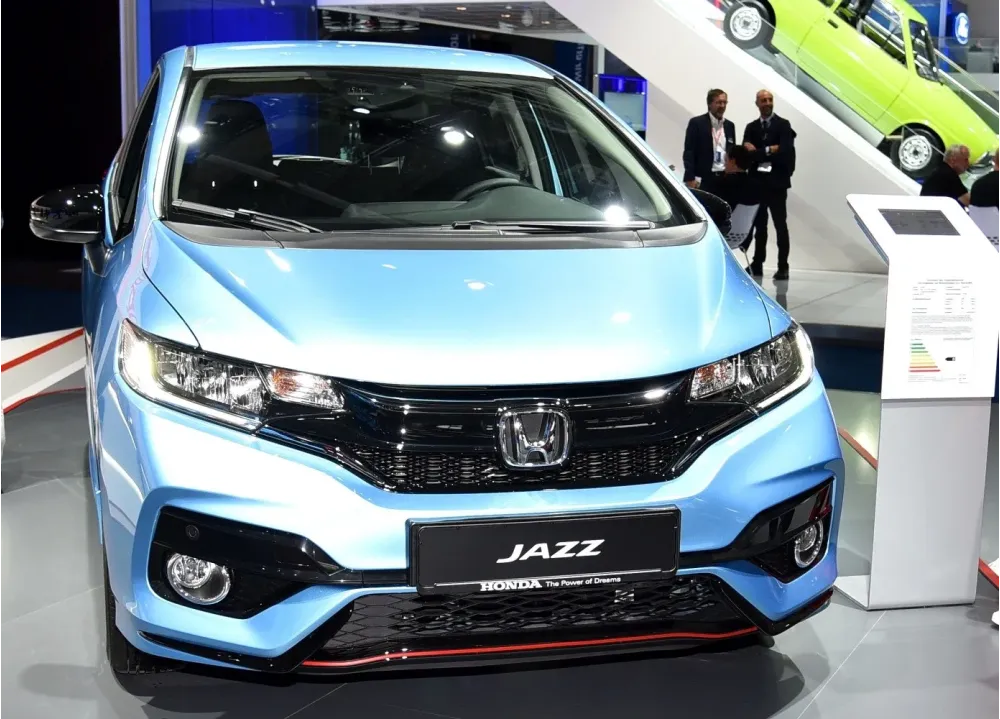
Click on image to view the full photo gallery
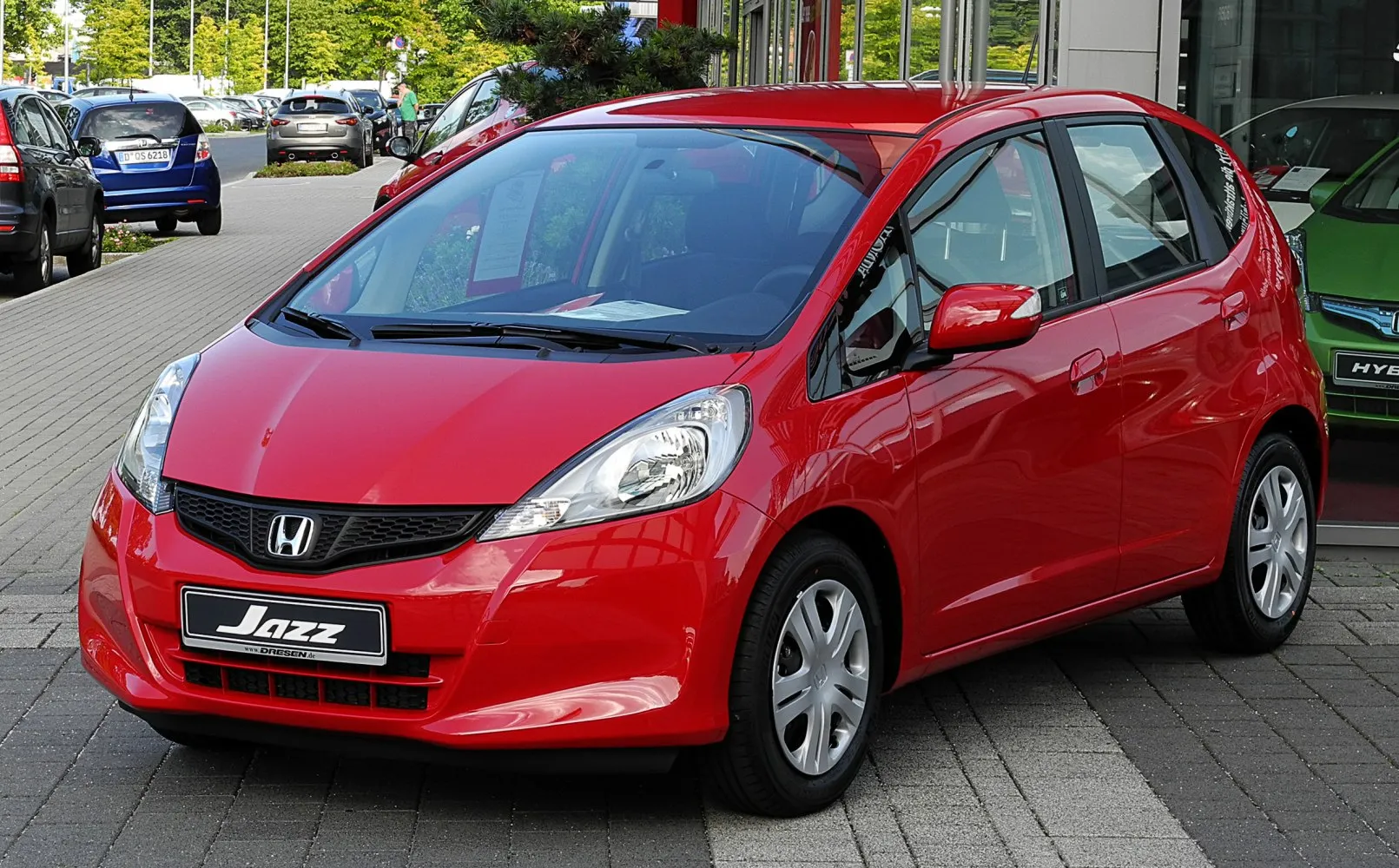
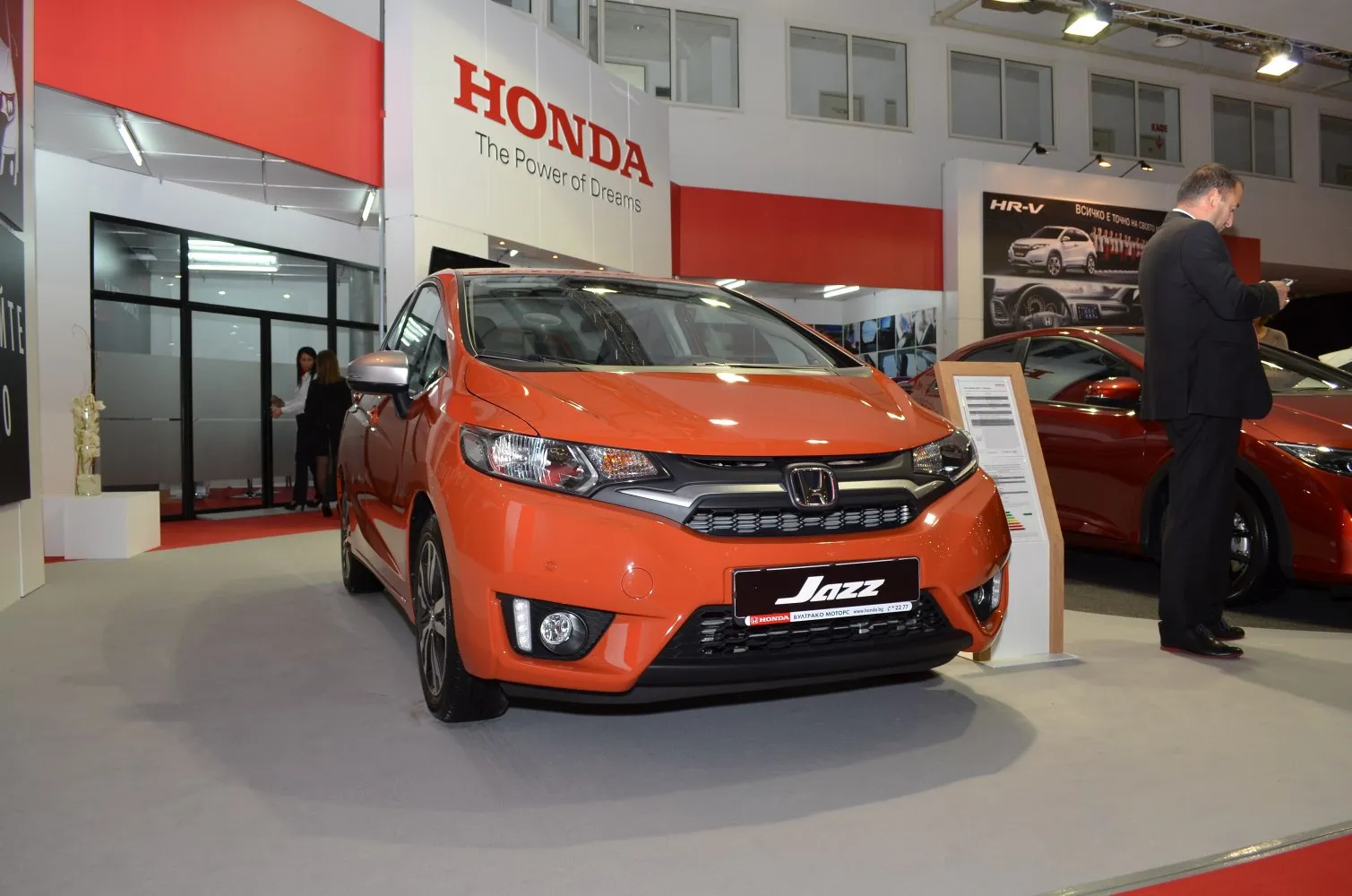
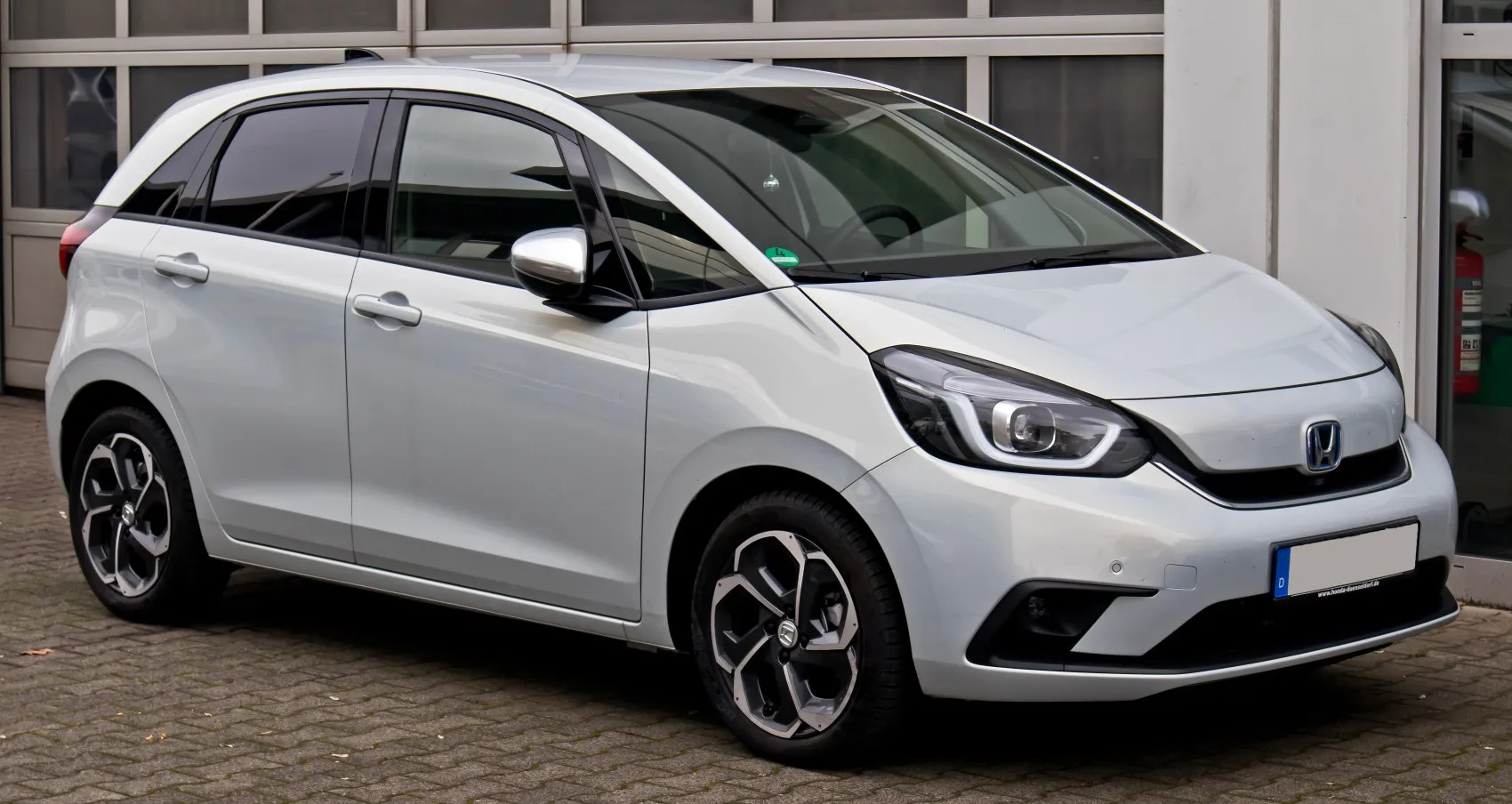
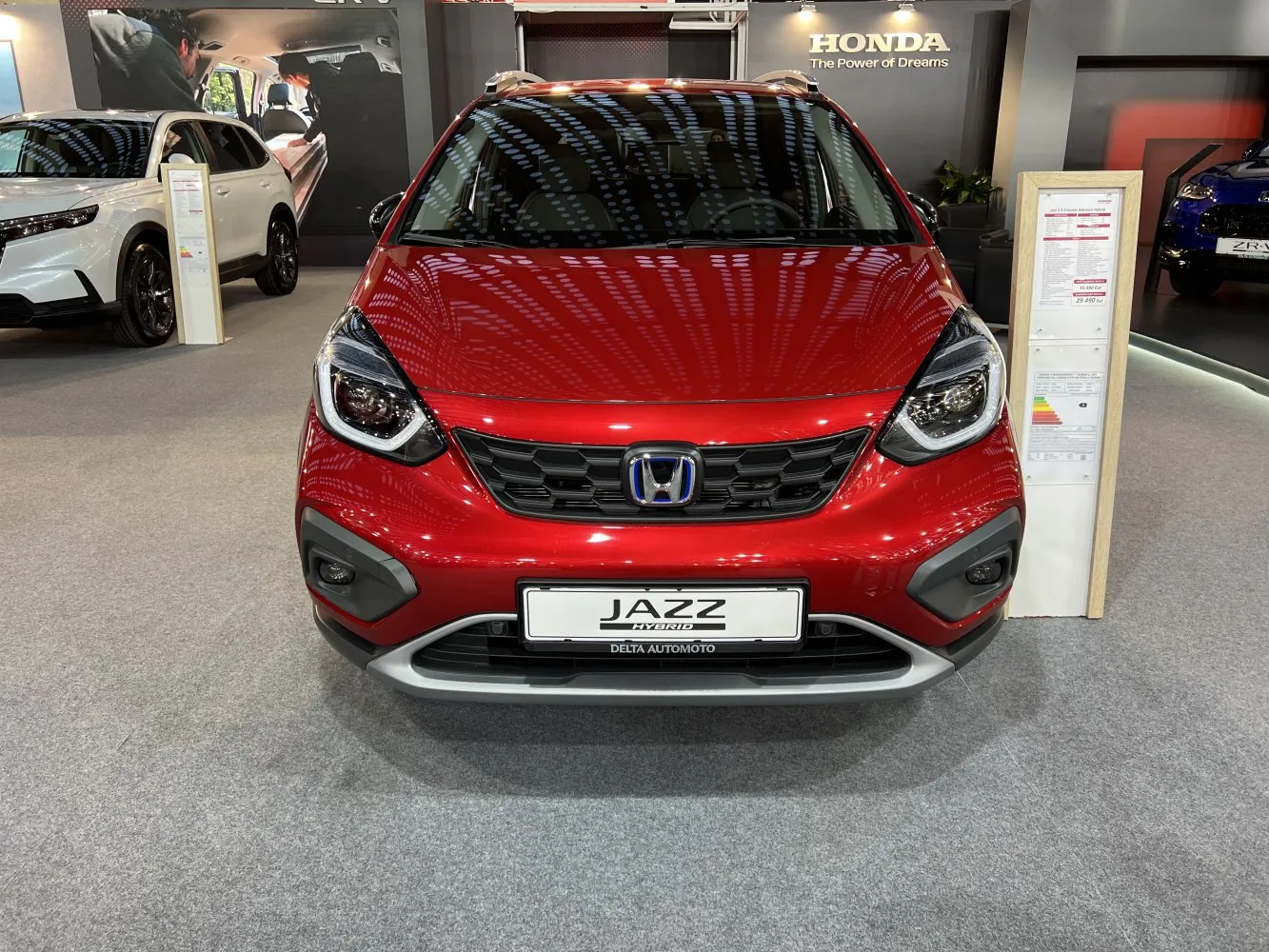
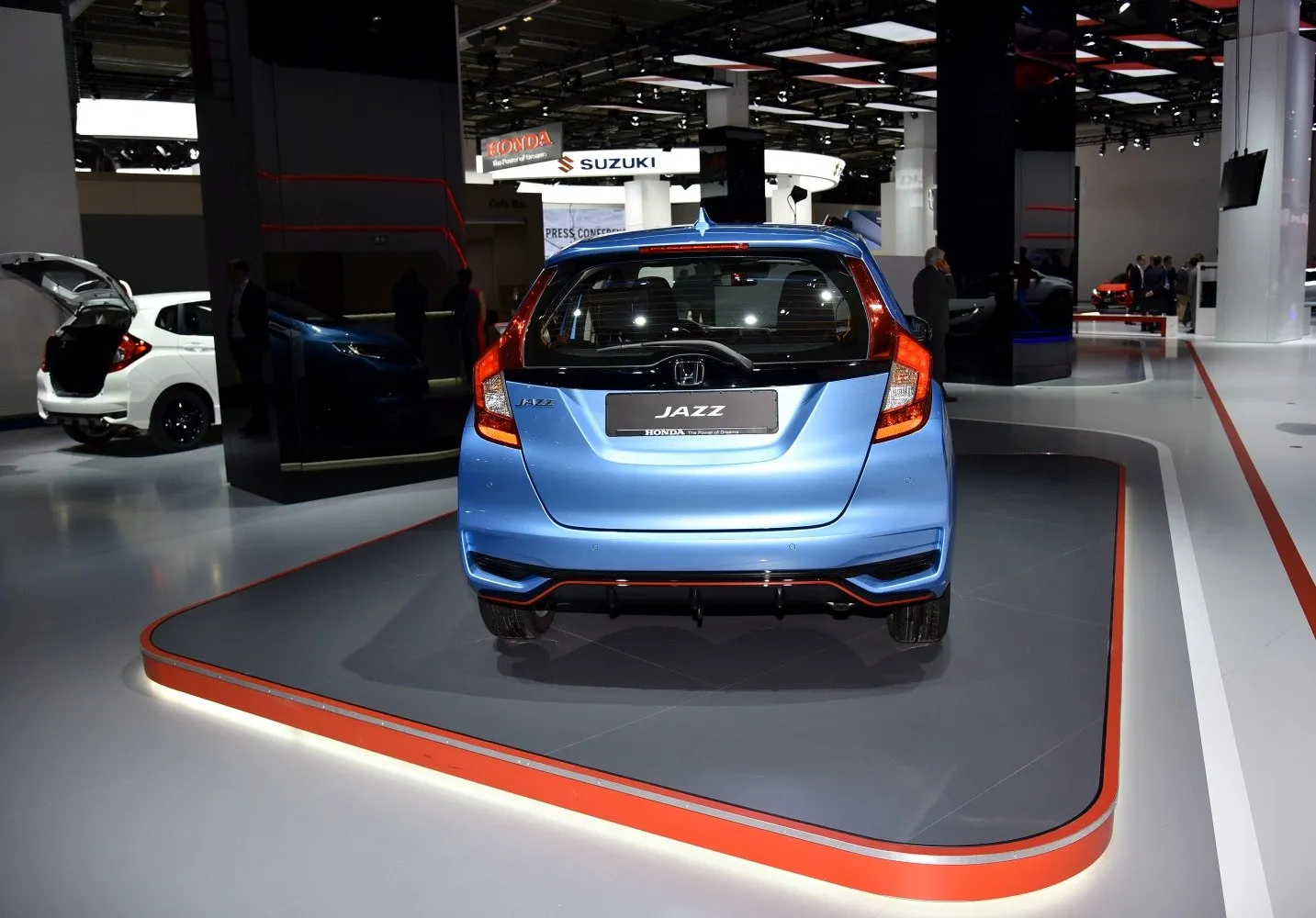
Honda Jazz III (facelift 2017) 1.3 i-VTEC (102 Hp)
Overall Rating
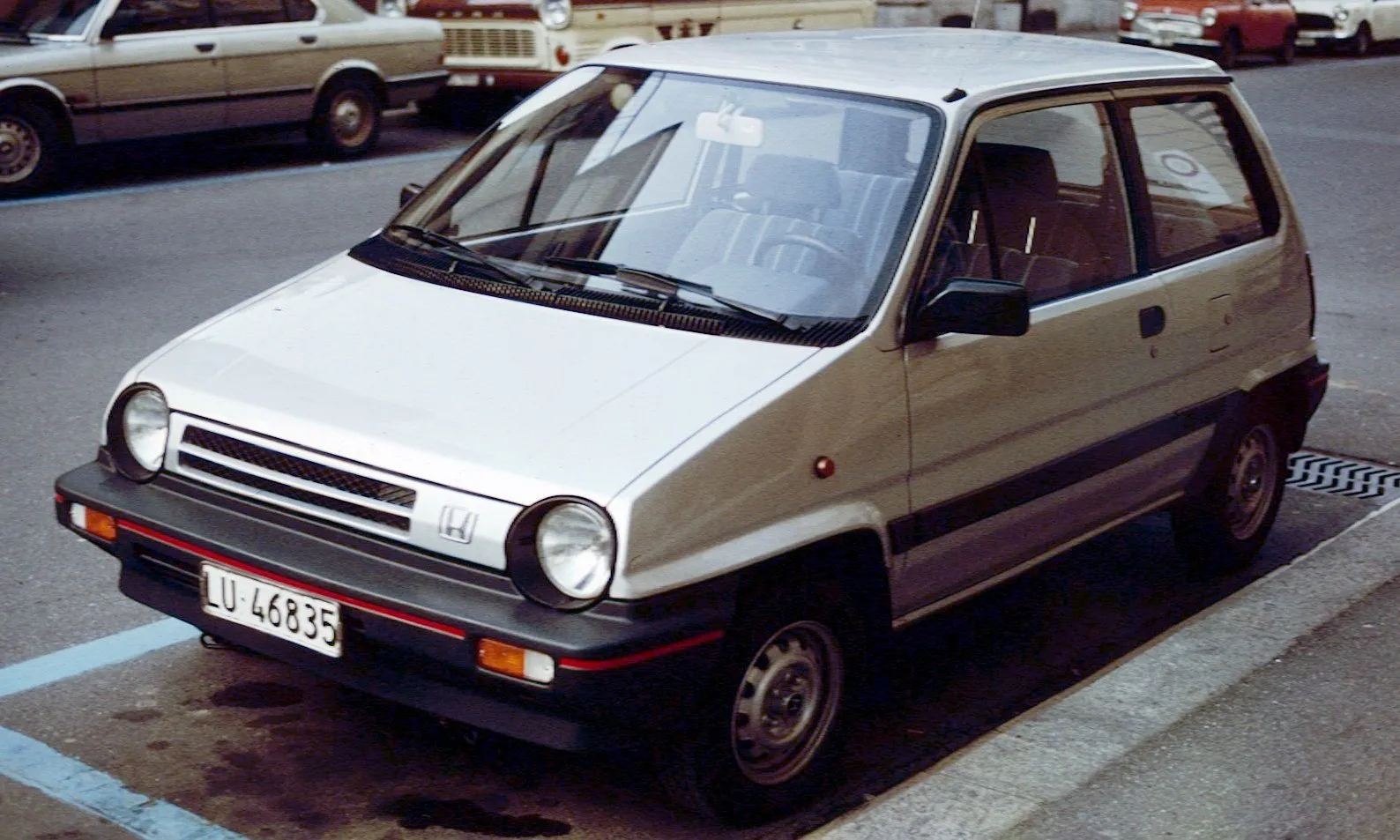
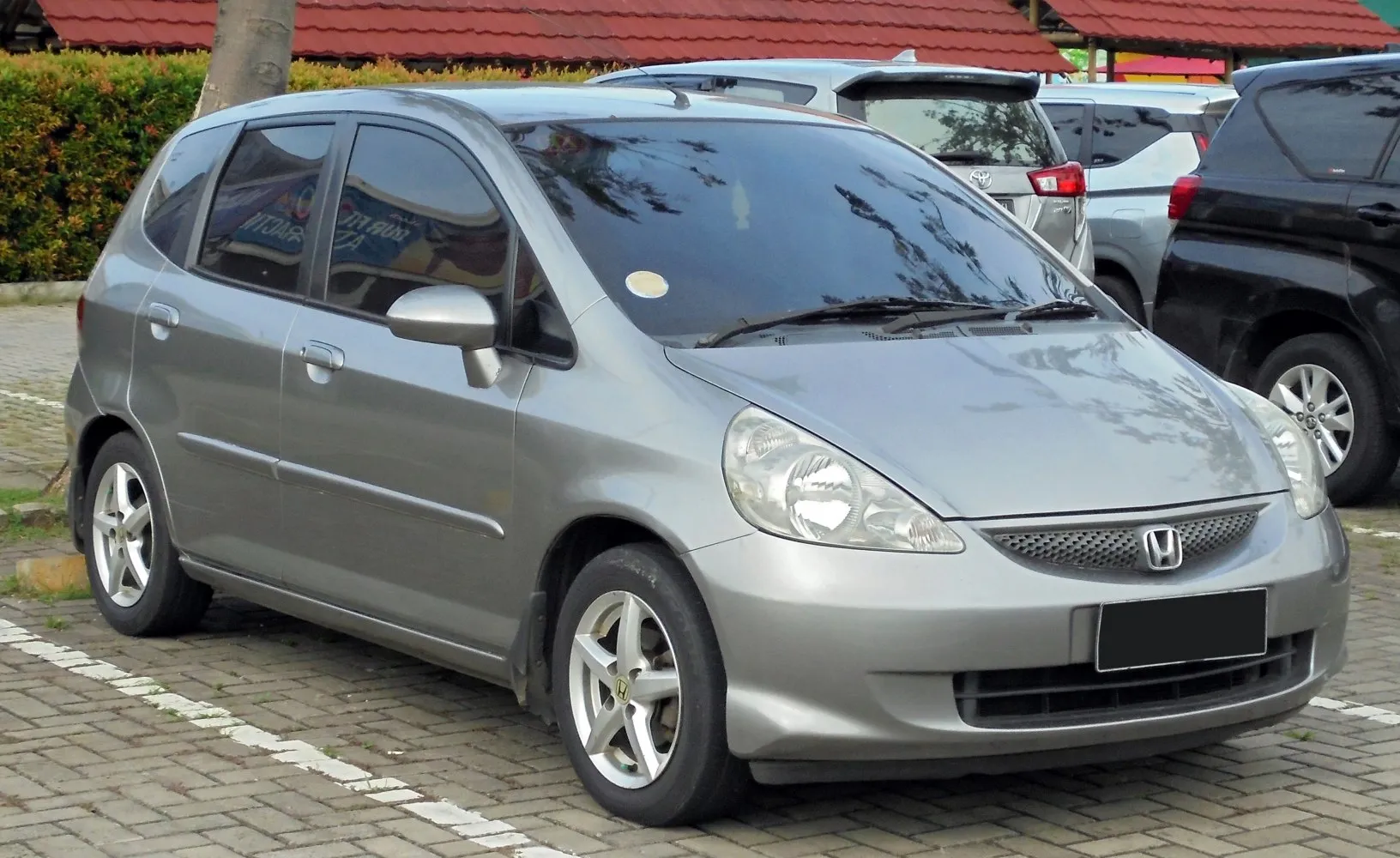
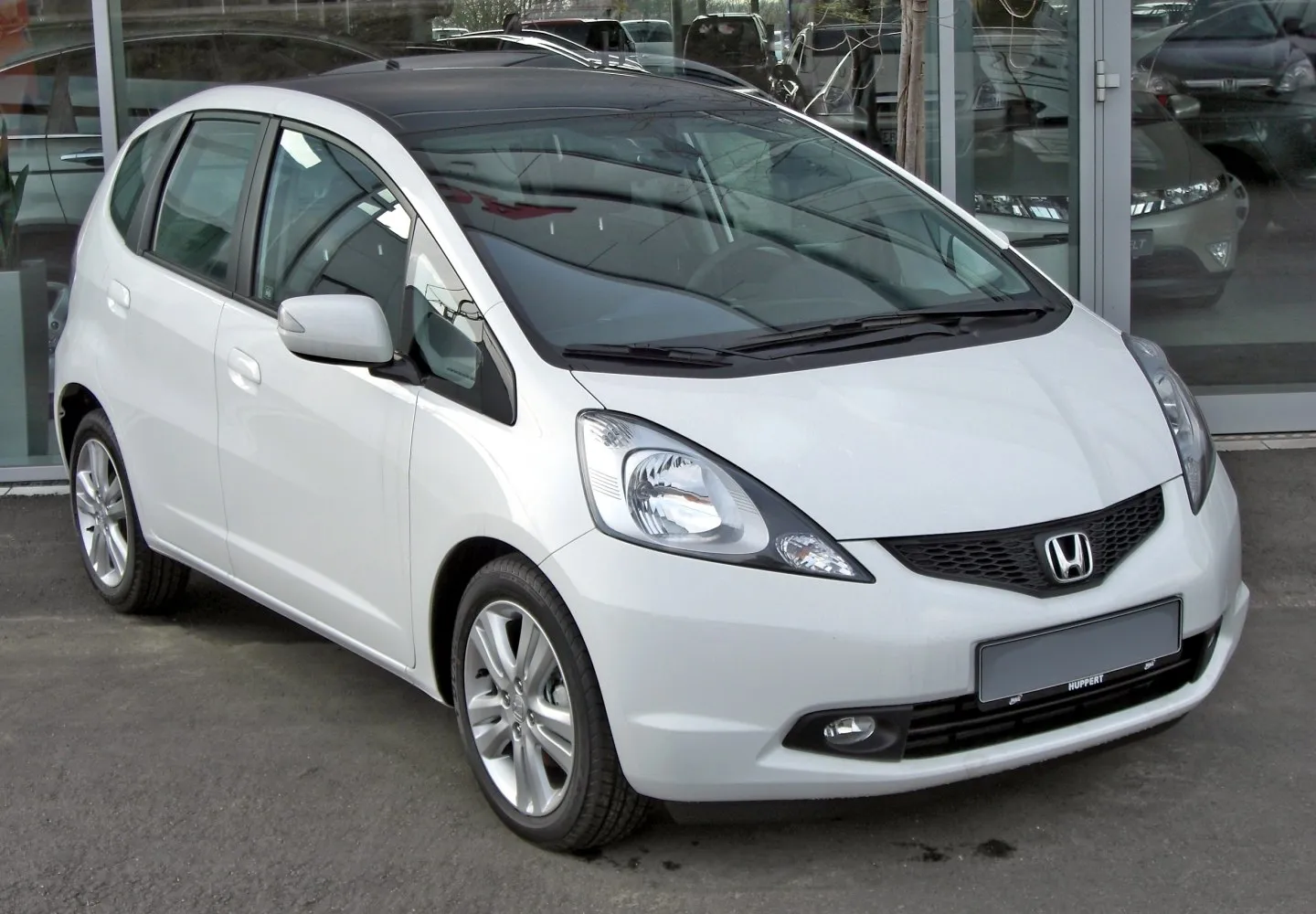
Honda Jazz:
The Honda Jazz nameplate has been used by the Japanese manufacturer Honda to denote several different motorized vehicles since 1982:....(Read more on Wikipedia)
III (facelift 2017) Overview:
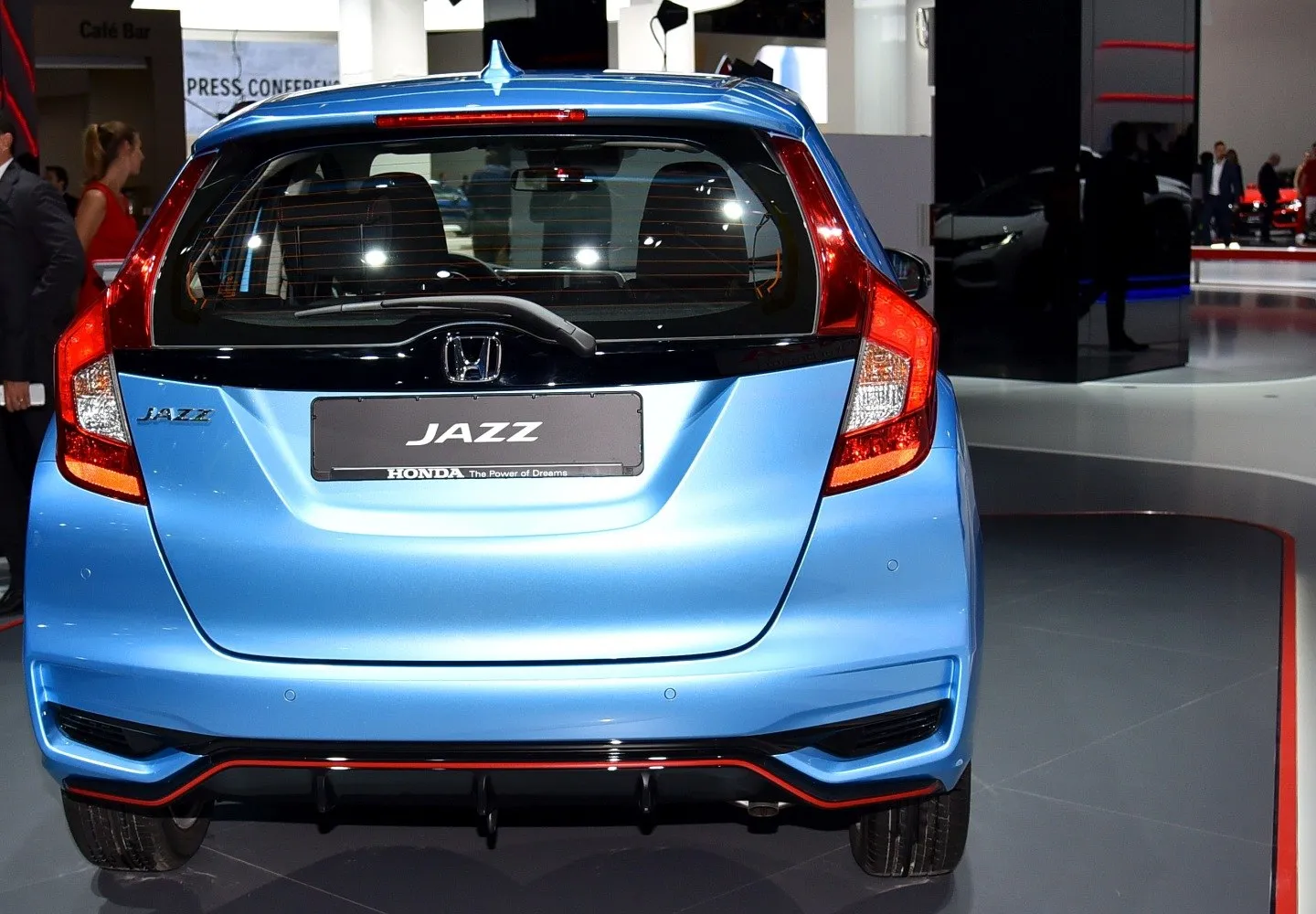
Honda Jazz (III (facelift 2017)). With 123 Nm of torque, it offers ample pulling power. It has moderate fuel consumption (~6.25 l/100km). Weighing only 1016 kg, it’s quite light. Front‑wheel drive delivers efficiency and easy handling. Acceleration is relatively slow (0–100 km/h in 11.3 s). The top speed reaches 190 km/h. A compact car with a rear door that swings upward to provide access to the cargo area. Seating for 5 makes it ideal for daily use.
1.3 i-VTEC (102 Hp) Verdict:

Performance Verdict
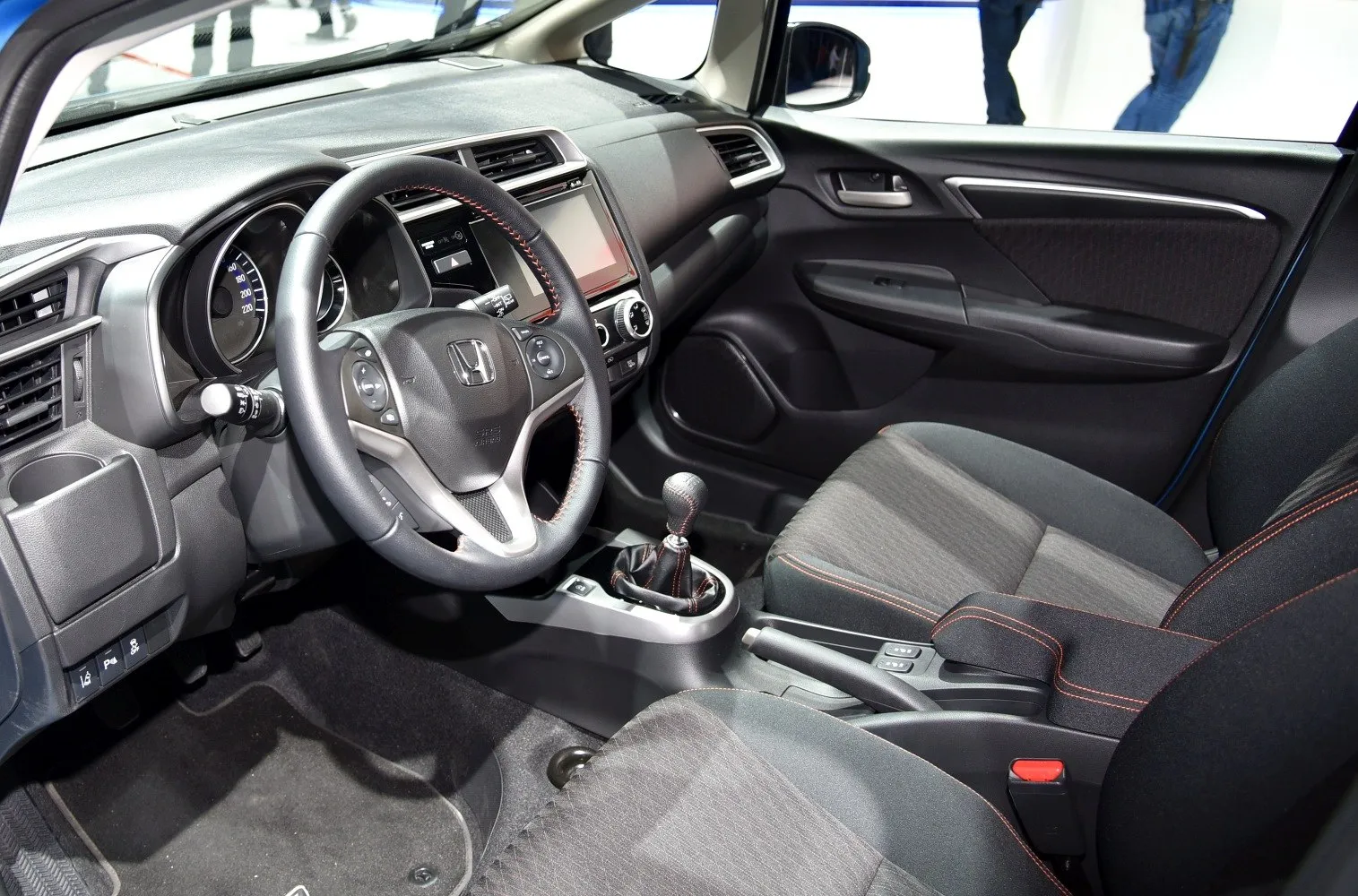
Paired with a manual gearbox, the 1.3 i-VTEC feels more responsive than its CVT counterpart, offering a more engaging drive and slightly quicker acceleration, suitable for everyday tasks.
Fuel Economy
With a combined fuel consumption of 5.1-5.2 l/100 km, it remains a very economical choice, offering a good balance of drivability and low running costs.
Pros and Cons:
Pros:
- • Exceptional interior space and 'Magic Seats' versatility
- • Renowned Honda reliability and build quality
- • Excellent fuel economy across most engine variants
- • Easy to drive and park in urban environments
- • Good safety ratings for its class
Cons:
- • CVT can be noisy under hard acceleration
- • Ride can be firm on rougher roads
- • Interior materials, while durable, lack premium feel in some areas
- • Limited engine choices in some markets (e.g., diesel not universally available)
- • Infotainment system can be clunky compared to rivals
Specifications:
Specifications are compared to those of the previous generation(III: 2015 - 2017).
| General: | |
|---|---|
| Brand: | Honda |
| Model: | Jazz |
| Generation: | III (facelift 2017) |
| Modification (Engine): | 1.3 i-VTEC (102 Hp) |
| Start of production: | 2017 |
| End of production: | 2020 |
| Powertrain Architecture: | Internal Combustion engine |
| Body type: | Hatchback |
| Seats: | 5 |
| Doors: | 5 |
| Engine: | |
|---|---|
| Power: | 102 Hp @ 6000 rpm. |
| Power per litre: | 77.4 Hp/l |
| Torque: | 123 Nm @ 5000 rpm. |
| Engine Model/Code: | L13B, L13B2 [Same engine] More details about the engine L13B, L13B2 |
| Engine displacement: | 1318 |
| Number of cylinders: | 4 |
| Engine configuration: | Inline |
| Number of valves per cylinder: | 4 |
| Fuel injection system: | Direct injection |
| Engine aspiration: | Naturally aspirated engine |
| Valvetrain: | DOHC |
| Engine oil capacity: | 3.6 l |
| Coolant: | 3.35 l |
| Engine layout: | Front, Transverse |
| Cylinder Bore: | 73 mm mm |
| Piston Stroke: | 78.7 mm mm |
| Compression ratio: | 13.5:1 |
| Performance: | |
|---|---|
| Fuel Type: | Petrol (Gasoline) |
| Fuel consumption (economy) - urban: | 6.2-6.3 l/100 km |
| Fuel consumption (economy) - extra urban: | 4.4-4.6 l/100 km |
| Combined fuel consumption (WLTP): | 5.8-6.0 l/100 km |
| Fuel consumption at Low speed (WLTP): | 6.9-7 l/100 km |
| Fuel consumption at Medium speed (WLTP): | 5.3-5.5 l/100 km |
| Fuel consumption at high speed (WLTP): | 5-5.2 l/100 km |
| Fuel consumption at very high speed (WLTP): | 6.3-6.5 l/100 km |
| Fuel consumption (economy) - combined: | 5.1-5.2 l/100 km |
| Emission standard: | Euro 6 |
| Acceleration 0 - 100 km/h: | 11.2-11.4 sec |
| Acceleration 0 - 62 mph: | 11.2-11.4 sec |
| Maximum speed: | 190 km/h |
| Weight-to-power ratio: | 9.8 kg/Hp, 102.2 Hp/tonne |
| Weight-to-torque ratio: | 8.1 kg/Nm, 123.2 Nm/tonne |
| Acceleration 0 - 60 mph: | 10.6 sec |
| Space: | |
|---|---|
| Kerb Weight: | 998-1035 |
| Max. weight: | 1605 |
| Max. roof load: | 35 kg |
| Max load: | 570-607 |
| Trunk (boot) space - maximum: | 1314 l |
| Trunk (boot) space - minimum: | 354 l |
| Permitted trailer load with brakes (12%): | 1000 kg |
| Fuel tank capacity: | 40 l |
| Permitted trailer load without brakes: | 450 kg |
| Permitted towbar download: | 95 kg |
| Size: | |
|---|---|
| Length: | 4028 mm mm [33mm more] |
| Width: | 1694 mm mm [Same width.] |
| Height: | 1525 mm mm [Same height.] |
| Wheelbase: | 2530 mm mm [Same wheelbase.] |
| Width including mirrors: | 1980 mm |
| Front track: | 1483-1477 mm |
| Rear (Back) track: | 1472-1466 mm |
| Ride height (ground clearance): | 110 mm |
| Minimum turning circle (turning diameter): | 10.6-11.2 m [above average] |
| Powertrain: | |
|---|---|
| Drivetrain Architecture | The Internal combustion engine (ICE) drives the front wheels of the vehicle. |
| Drive wheel | Front wheel drive |
| Number of gears | 6 |
| Transmission type | Manual |
| Front brakes | Ventilated discs [Best for performance and cooling.] |
| Rear brakes | Disc [above average] |
| Assisting systems | ABS (Anti-lock braking system) |
| Steering type | Steering rack and pinion |
| Power steering | Electric Steering |
| Tires size | 185/60 R15 84H; 185/55 R16 83H |
| Wheel rims size | 6J x 15; 6J x 16 |
| Front suspension | Independent type McPherson |
| Rear suspension | Semi-independent, coil spring |



What’s the best feature of the Honda Jazz? Tell us in the comments!