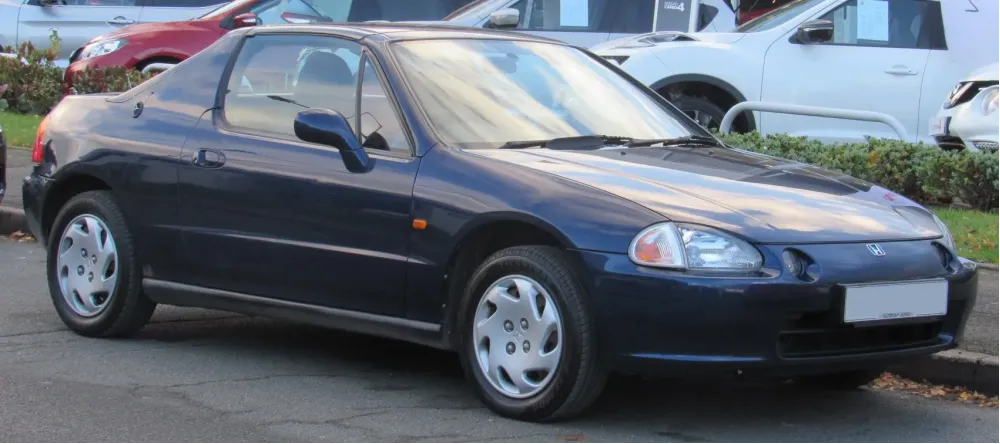
Click on image to view the full photo gallery
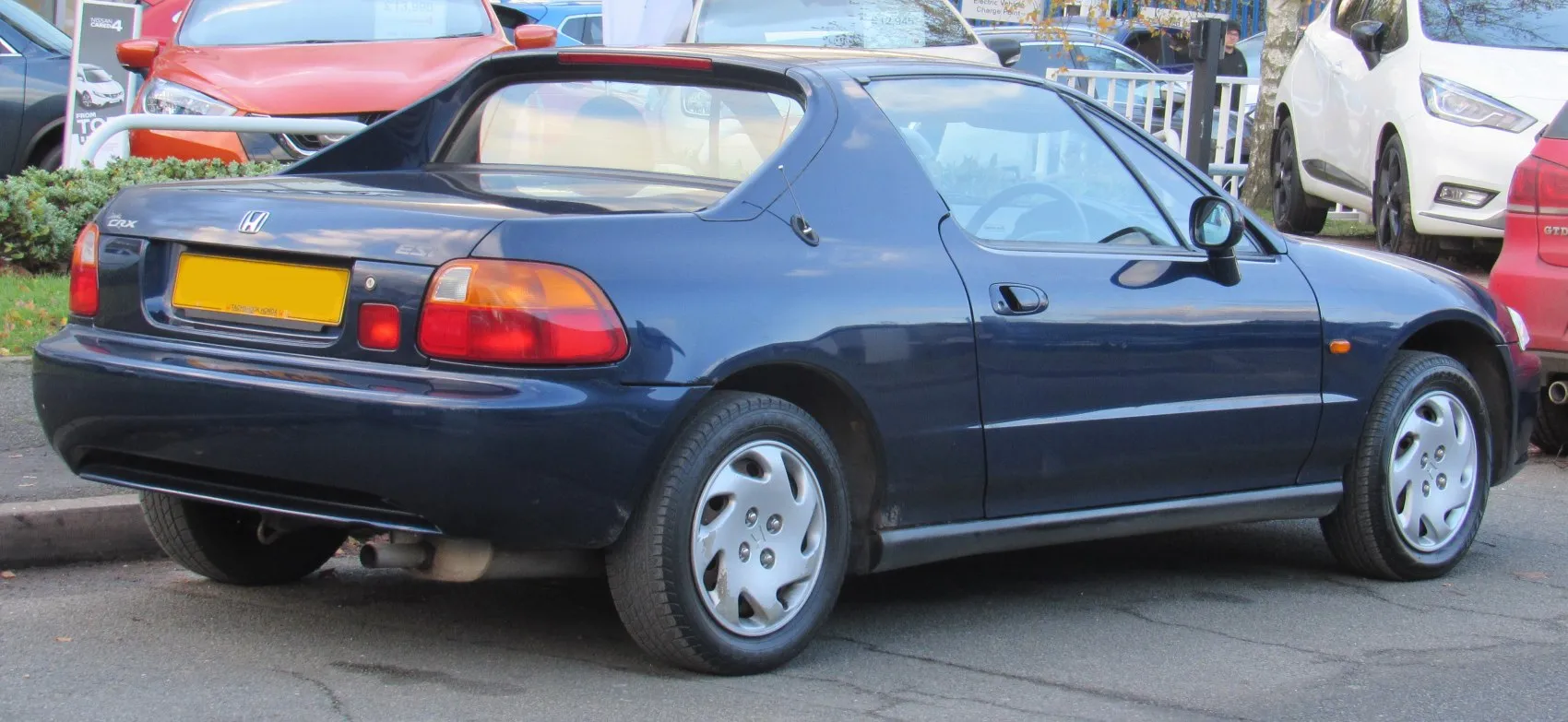
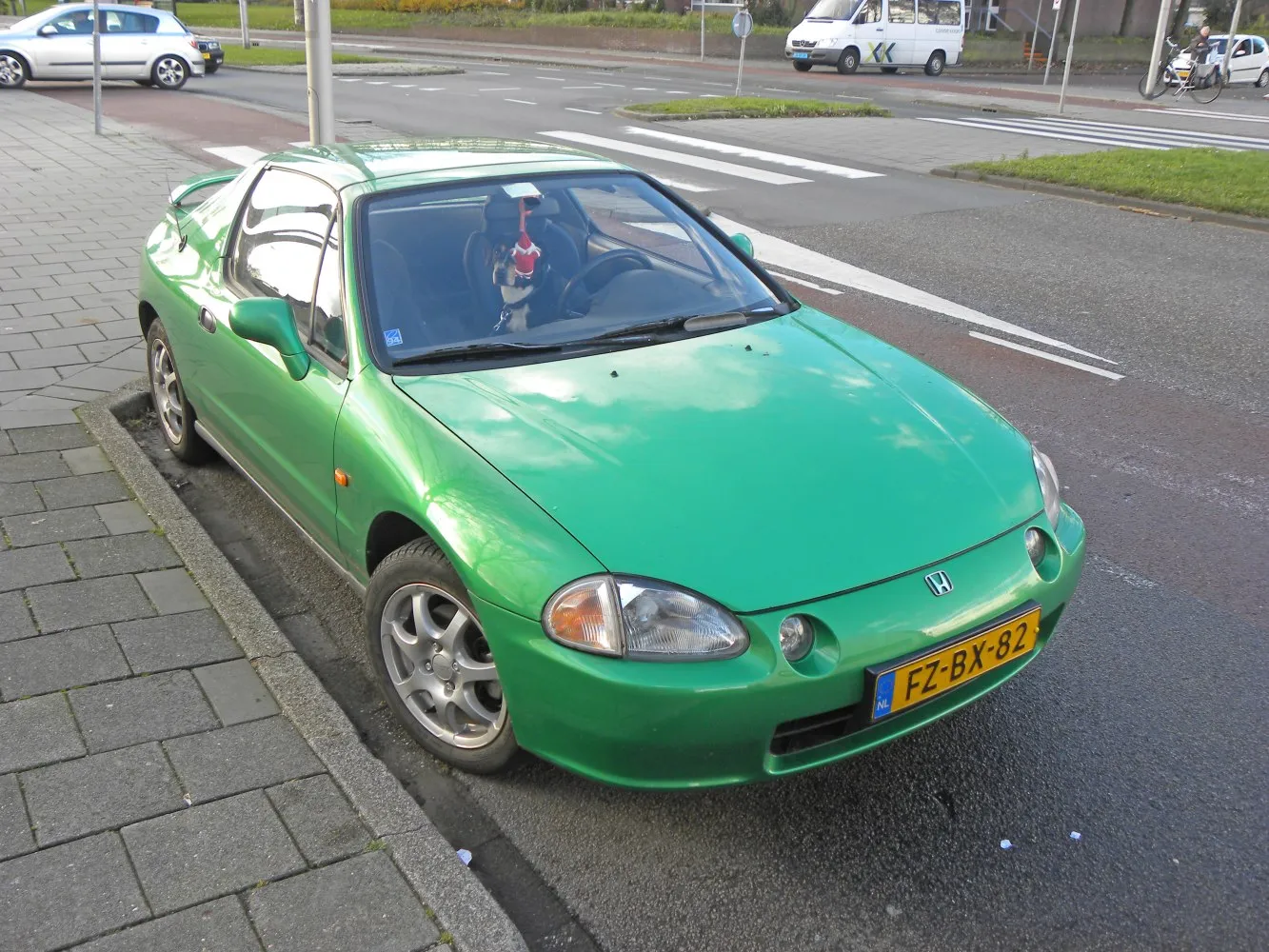
Honda CRX III (EH,EG) 1.6 ESi (EH6) (125 Hp) Automatic
Overall Rating
Honda CRX:
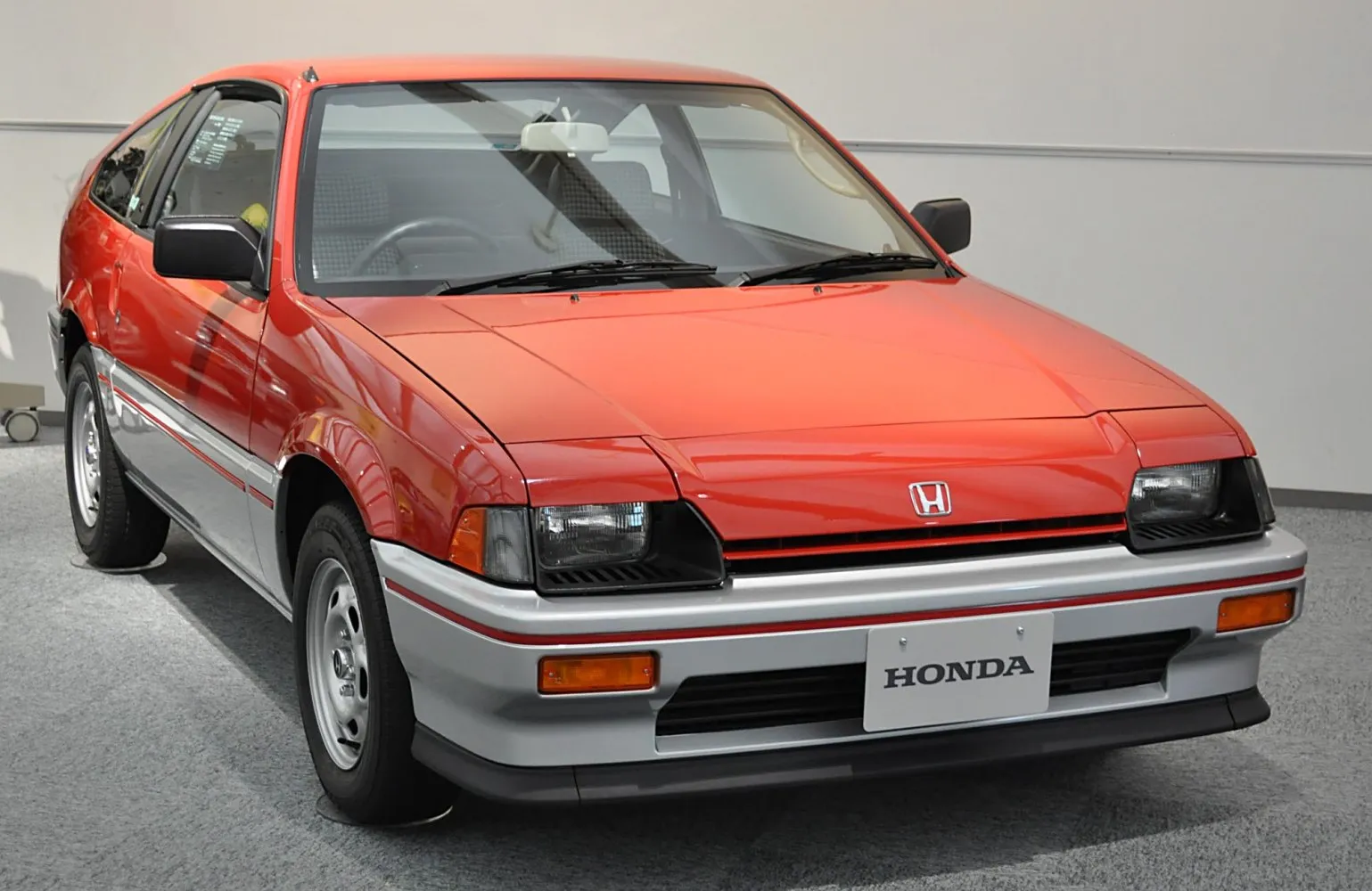
The Honda CR-X is a sport-compact car manufactured by Honda from 1983 until 1991. Nearly 400,000 were produced. The first-generation CRX was marketed in some regions outside Japan as the Honda Civic CRX. Although there are many supposed definitions for the initialism CR-X, the most widely accepted is "Civic Renaissance Experimental". It was marketed as part of the Civic model ranges.
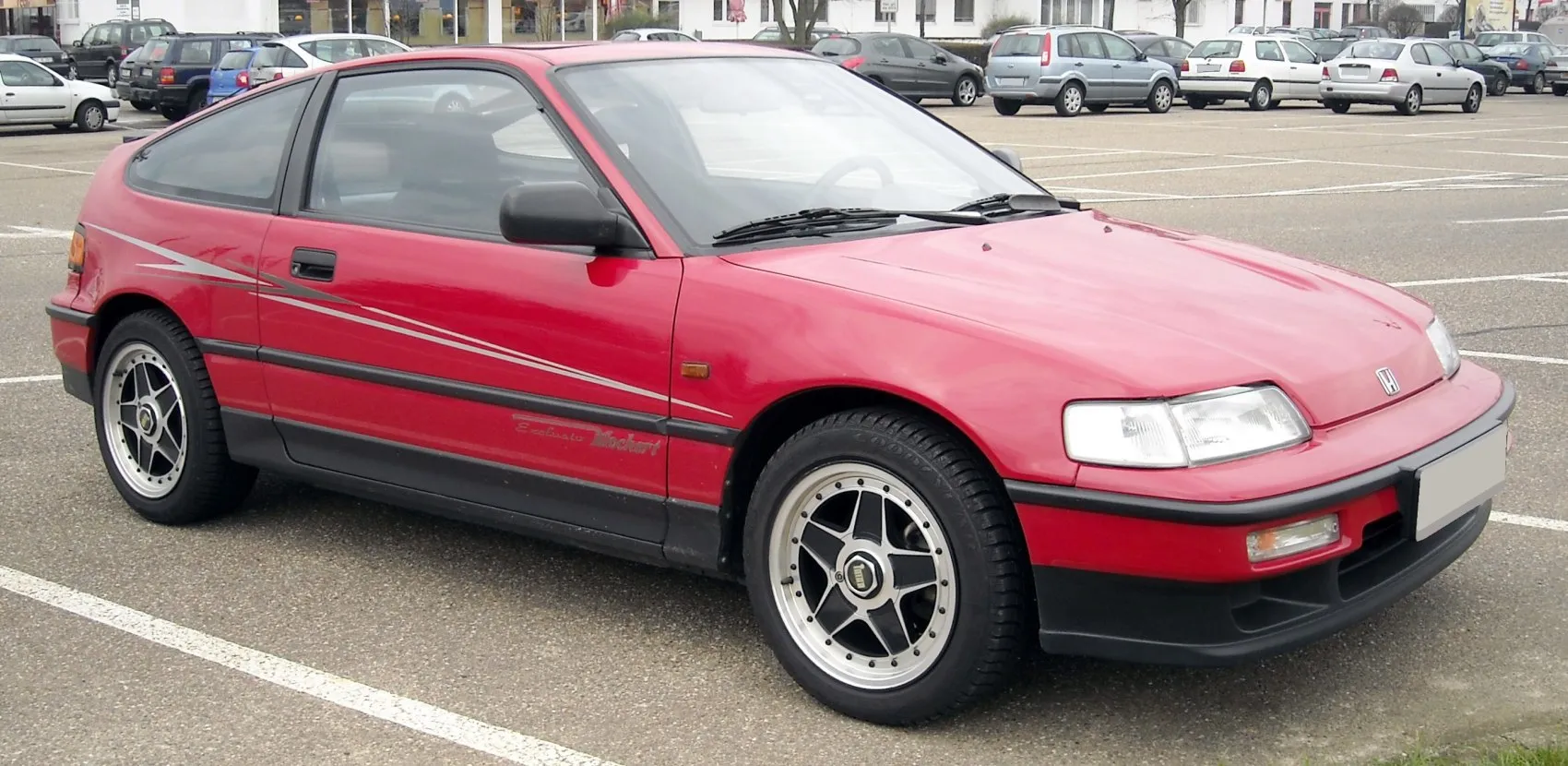
In North America, the CRX was marketed as an economy sport two-seat vehicle while Japanese and European market cars came with a 2+2 seating arrangement. Redesigned for the 1988 model year and produced until 1991, the front-wheel-drive CR-X was popular for its performance, nimble handling, and good fuel economy. The CR-X was replaced by the del Sol, which was marketed as a CR-X in some markets....(Read more on Wikipedia)
III (EH,EG) Overview:
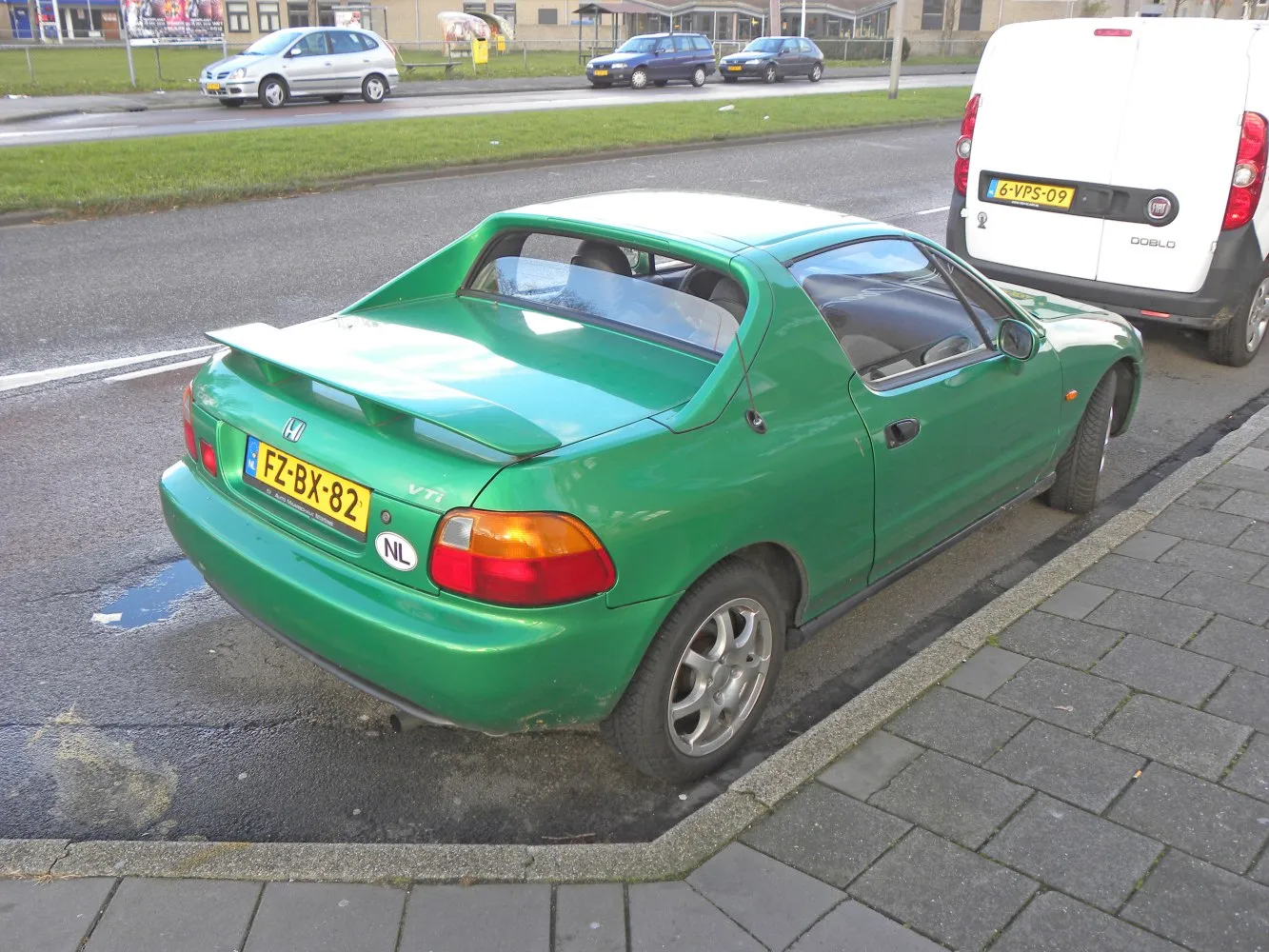
Honda CRX (III (EH,EG)). With 144 Nm of torque, it offers ample pulling power. It has moderate fuel consumption (~8.9 l/100km). Weighing only 1000 kg, it’s quite light. Front‑wheel drive delivers efficiency and easy handling. Acceleration is relatively slow (0–100 km/h in 10.5 s). The top speed reaches 185 km/h. A semi-convertible with a removable roof section and a full-width roll bar behind the seats. Seating for 2 makes it ideal for daily use.
1.6 ESi (EH6) (125 Hp) Automatic Verdict:

Performance Verdict
While retaining the D16Z6's inherent smoothness, the automatic transmission slightly dampens the car's sporty edge, resulting in a more relaxed driving experience.
Fuel Economy
Fuel economy remains respectable, though the automatic transmission might lead to slightly higher consumption in certain driving conditions compared to the manual.
Pros and Cons:
Pros:
- • Engaging and fun-to-drive chassis
- • Iconic VTEC engines (B16A) offer exhilarating performance
- • Reliable Honda engineering
- • Unique targa-top experience
- • Good fuel economy for the ESi models
- • Strong aftermarket support
Cons:
- • Limited practicality with only two seats and small trunk
- • Safety features are dated by modern standards
- • Prone to rust in certain areas
- • Automatic transmission dulls performance
- • Finding unmolested examples can be challenging
Specifications:
Specifications are compared to those of the previous generation(II (ED,EE): 1989 - 1991).
| General: | |
|---|---|
| Brand: | Honda |
| Model: | CRX |
| Generation: | III (EH,EG) |
| Modification (Engine): | 1.6 ESi (EH6) (125 Hp) Automatic |
| Start of production: | 1992 |
| End of production: | 1997 |
| Powertrain Architecture: | Internal Combustion engine |
| Body type: | Targa |
| Seats: | 2 |
| Doors: | 2 |
| Engine: | |
|---|---|
| Power: | 125 Hp @ 6600 rpm. Same horsepower |
| Power per litre: | 78.6 Hp/l [190mm more] |
| Torque: | 144 Nm @ 4700 rpm. |
| Engine Model/Code: | D16Z6 More details about the engine D16Z6 |
| Engine displacement: | 1590 |
| Number of cylinders: | 4 |
| Engine configuration: | Inline |
| Number of valves per cylinder: | 4 |
| Fuel injection system: | Multi-port manifold injection |
| Engine aspiration: | Naturally aspirated engine |
| Valvetrain: | OHC |
| Engine oil capacity: | 3.3 l |
| Coolant: | 4.4 l |
| Engine layout: | Front, Transverse |
| Cylinder Bore: | 75 mm |
| Piston Stroke: | 90 mm |
| Compression ratio: | 9.6:1 |
| Performance: | |
|---|---|
| Fuel Type: | Petrol (Gasoline) |
| Fuel consumption (economy) - urban: | 8.9 l/100 km |
| Fuel consumption (economy) - extra urban: | 5.9 l/100 km |
| Fuel consumption (economy) - combined: | 7.5 l/100 km |
| Acceleration 0 - 100 km/h: | 10.5 sec |
| Acceleration 0 - 62 mph: | 10.5 sec |
| Maximum speed: | 185 km/h |
| Weight-to-power ratio: | 8 kg/Hp, 125 Hp/tonne |
| Weight-to-torque ratio: | 6.9 kg/Nm, 144 Nm/tonne |
| Acceleration 0 - 60 mph: | 10 sec |
| Space: | |
|---|---|
| Kerb Weight: | 1000 |
| Max. weight: | 1320 |
| Max load: | 320 |
| Trunk (boot) space - minimum: | 300 l |
| Fuel tank capacity: | 45 l |
| Size: | |
|---|---|
| Length: | 4005 mm [190mm more] |
| Width: | 1695 mm [20mm more] |
| Height: | 1255 mm [15mm less] |
| Wheelbase: | 2370 mm [70mm more] |
| Front track: | 1475 mm |
| Rear (Back) track: | 1465 mm |
| Minimum turning circle (turning diameter): | 9.4 m [above average] |
| Powertrain: | |
|---|---|
| Drivetrain Architecture | The Internal combustion engine (ICE) drives the front wheels of the vehicle. |
| Drive wheel | Front wheel drive |
| Number of gears | 4 |
| Transmission type | Automatic |
| Front brakes | Ventilated discs [Best for performance and cooling.] |
| Rear brakes | Drum [bad for performance and cooling.] |
| Steering type | Steering rack and pinion |
| Power steering | Hydraulic Steering |
| Tires size | 185/60 R14 H |
| Wheel rims size | 14 |
| Front suspension | Double wishbone |
| Rear suspension | Double wishbone |






Driven it? Loved it? Hated it? Share your honest review!