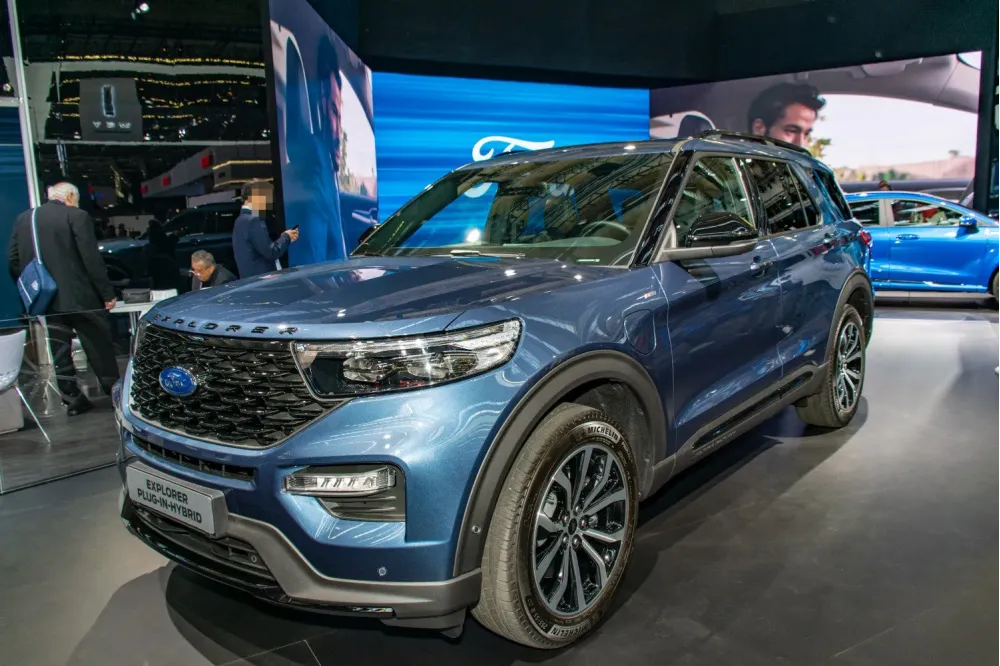
Click on image to view the full photo gallery
Ford Explorer VI Platinum 3.0 V6 (365 Hp) AWD Automatic
Overall Rating
Ford Explorer:
The Ford Explorer is a range of SUVs manufactured by the Ford Motor Company since the 1991 model year. The first five-door SUV produced by Ford, the Explorer, was introduced as a replacement for the three-door Bronco II. As with the Ford Ranger, the model line derives its name from a trim package previously offered on Ford F-Series pickup trucks. In 2020, the Explorer became the best-selling SUV in the American market.
Currently in its sixth generation, the Explorer has featured a five-door wagon body style since its 1991 introduction. During the first two generations, the model line included a three-door wagon. The Ford Explorer Sport Trac is a crew-cab mid-size pickup truck derived from the second-generation Explorer. The fifth and sixth generations of the Explorer have been produced as the Ford Police Interceptor Utility....(Read more on Wikipedia)
VI Overview:
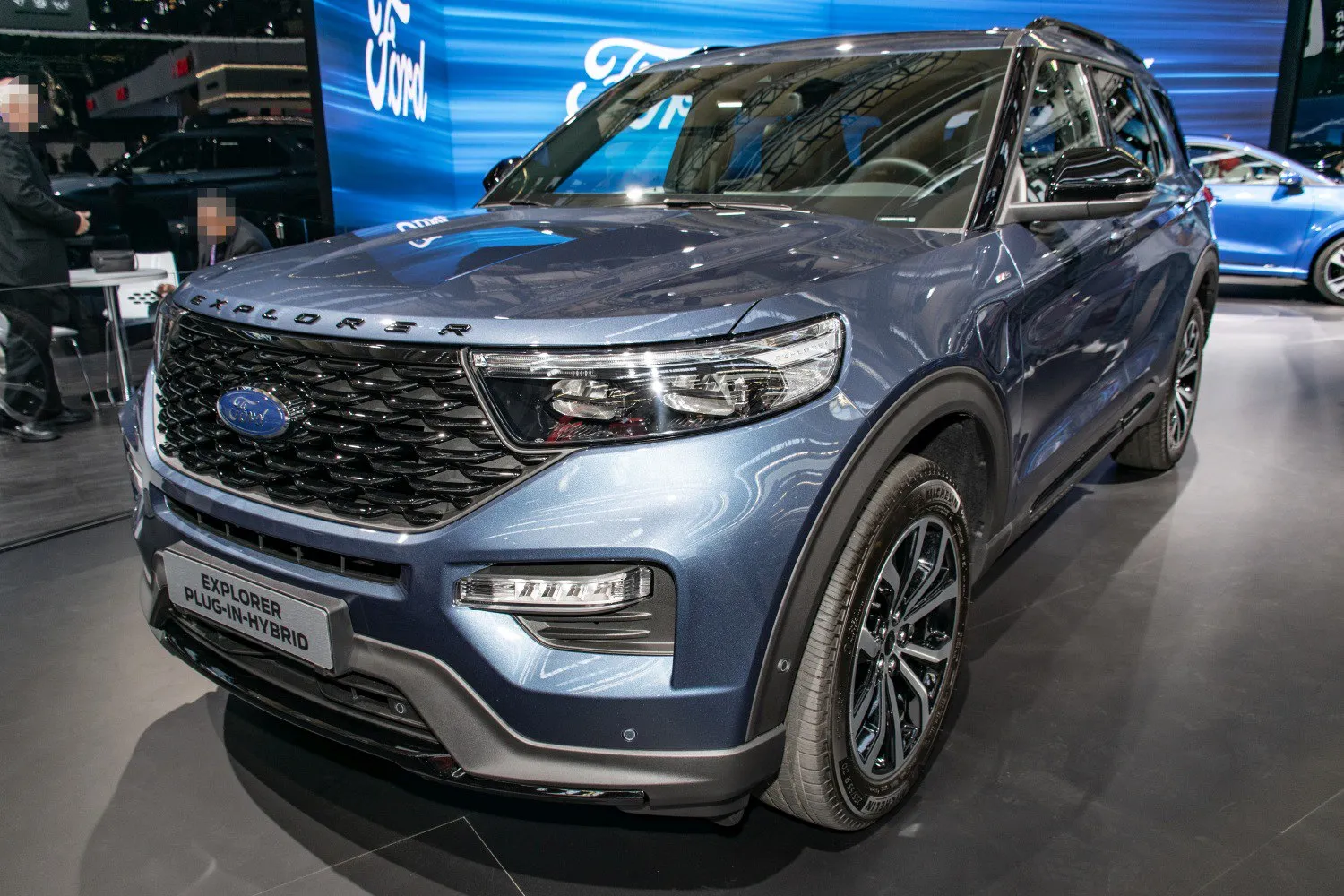
Ford Explorer (VI). With 515 Nm of torque, it offers ample pulling power. At around 2141 kg, it’s on the heavier side. All‑wheel drive provides excellent grip, ideal for off‑road use. A sport utility vehicle offering higher ground clearance and versatile cargo space. With seating for 6, it’s perfect for larger families.
The Ford Explorer VI was not tested by Euro NCAP. However, it received strong safety ratings from US-based organizations like NHTSA and IIHS, indicating robust safety features and crashworthiness for the North American market.
Platinum 3.0 V6 (365 Hp) AWD Automatic Verdict:

Performance Verdict
Excellent power delivery, smooth and refined, suitable for a premium trim, offering confident acceleration and highway passing.
Fuel Economy
Fuel consumption is higher due to its powerful V6, but acceptable for a luxury-oriented large SUV with this performance level.
Pros and Cons:
Pros:
- • Spacious and versatile interior with three rows of seating
- • Strong and diverse engine lineup, including efficient hybrid and powerful EcoBoost options
- • Good towing capacity across various trims
- • Modern technology and safety features
- • Available intelligent all-wheel drive for enhanced traction
Cons:
- • Large footprint can make urban maneuvering challenging
- • Fuel economy can be high on non-hybrid, high-performance models
- • Some interior materials may not feel as premium as competitors
- • No Euro NCAP safety rating available for this generation
Specifications:
Specifications are compared to those of the previous generation(VI (facelift 2024): February, 2024 - ).
| General: | |
|---|---|
| Brand: | Ford |
| Model: | Explorer |
| Generation: | VI |
| Modification (Engine): | Platinum 3.0 V6 (365 Hp) AWD Automatic |
| Start of production: | May, 2019 |
| End of production: | February, 2024 |
| Powertrain Architecture: | Internal Combustion engine |
| Body type: | SUV |
| Seats: | 6 |
| Doors: | 5 |
| Engine: | |
|---|---|
| Power: | 365 Hp @ 5500 rpm. Same horsepower |
| Power per litre: | 123.5 Hp/l [2mm more] |
| Torque: | 515 Nm @ 3500 rpm. |
| Engine displacement: | 2956 |
| Number of cylinders: | 6 |
| Engine configuration: | V-engine |
| Number of valves per cylinder: | 4 |
| Fuel injection system: | Direct injection |
| Engine aspiration: | Twin-Turbo, Intercooler |
| Valvetrain: | DOHC |
| Engine oil capacity: | 5.7 l |
| Coolant: | 17 l |
| Engine layout: | Front, Longitudinal |
| Cylinder Bore: | 85.4 mm mm |
| Piston Stroke: | 86 mm mm |
| Compression ratio: | 9.5:1 |
| Performance: | |
|---|---|
| Fuel Type: | Petrol (Gasoline) |
| Fuel consumption (economy) - urban: | 13.1 l/100 km |
| Fuel consumption (economy) - extra urban: | 9.8 l/100 km |
| Fuel consumption (economy) - combined: | 11.8 l/100 km |
| Weight-to-power ratio: | 5.9 kg/Hp, 170.5 Hp/tonne |
| Weight-to-torque ratio: | 4.2 kg/Nm, 240.5 Nm/tonne |
| Space: | |
|---|---|
| Kerb Weight: | 2141 |
| Trunk (boot) space - maximum: | 2485 l |
| Trunk (boot) space - minimum: | 515 l |
| Permitted trailer load with brakes (12%): | 2537 kg |
| Fuel tank capacity: | 76 l |
| Size: | |
|---|---|
| Ramp-over (brakeover) angle: | 17.7° |
| Length: | 5049 mm mm [2mm more] |
| Width: | 2004 mm mm [Same width.] |
| Height: | 1775 mm mm [2mm more] |
| Wheelbase: | 3025 mm mm [Same wheelbase.] |
| Width with mirrors folded: | 2100 mm |
| Width including mirrors: | 2268 mm |
| Front track: | 1699 mm |
| Rear (Back) track: | 1699 mm |
| Front overhang: | 856 mm |
| Rear overhang: | 1168 mm |
| Ride height (ground clearance): | 208 mm |
| Approach angle: | 21° |
| Departure angle: | 22.3° |
| Powertrain: | |
|---|---|
| Drive wheel | All wheel drive (4x4) |
| Number of gears | 10 |
| Transmission type | Automatic |
| Gearbox type | SelectShift |
| Front brakes | Disc |
| Rear brakes | Disc |
| Assisting systems | ABS (Anti-lock braking system) |
| Steering type | Steering rack and pinion |
| Power steering | Electric Steering |
| Tires size | 255/65 R18; 255/55 R20; 275/45 R21 |
| Wheel rims size | 18; 20; 21 |
| Front suspension | Independent, type McPherson with coil spring and anti-roll bar |
| Rear suspension | Independent multi-link spring suspension with stabilizer |








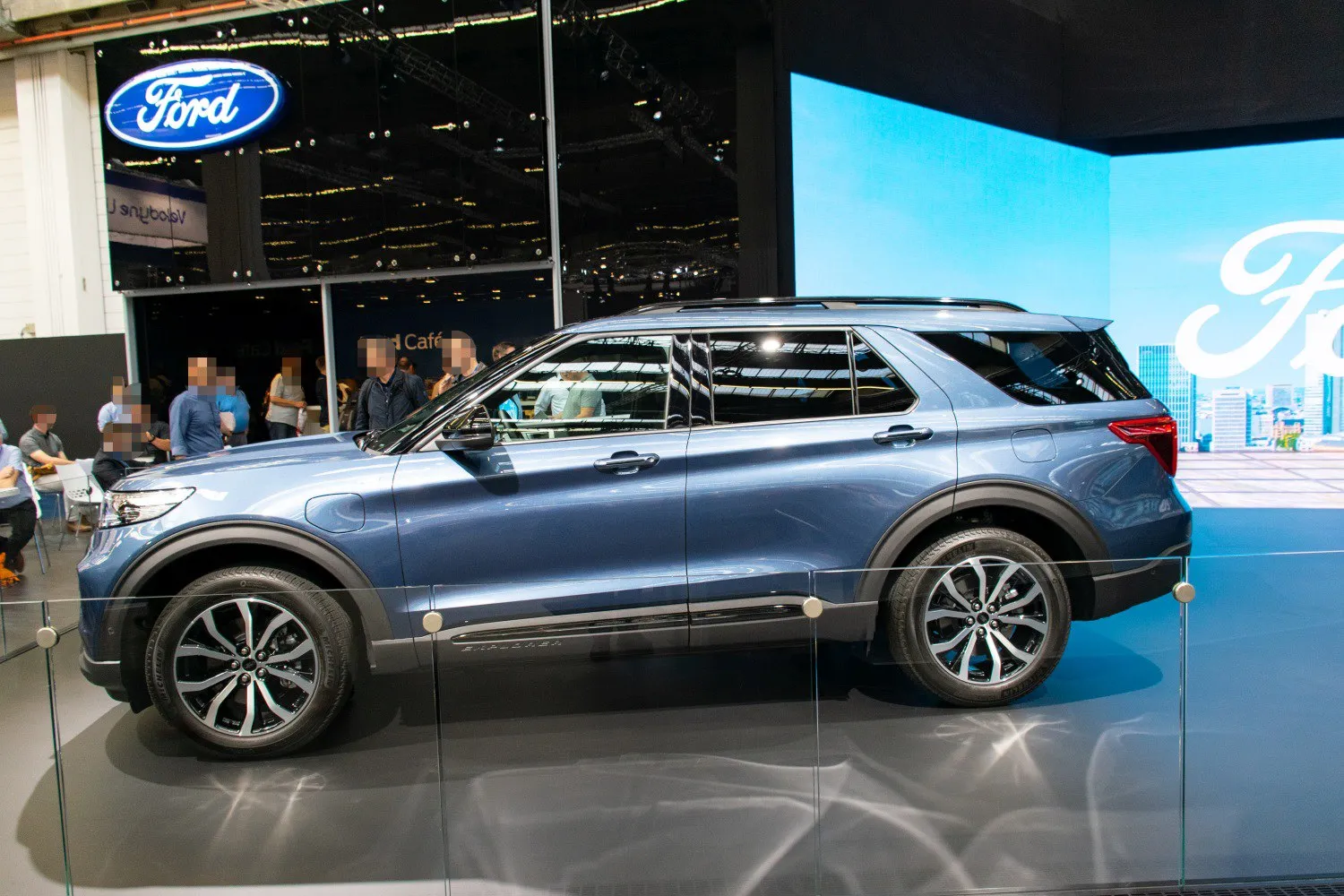
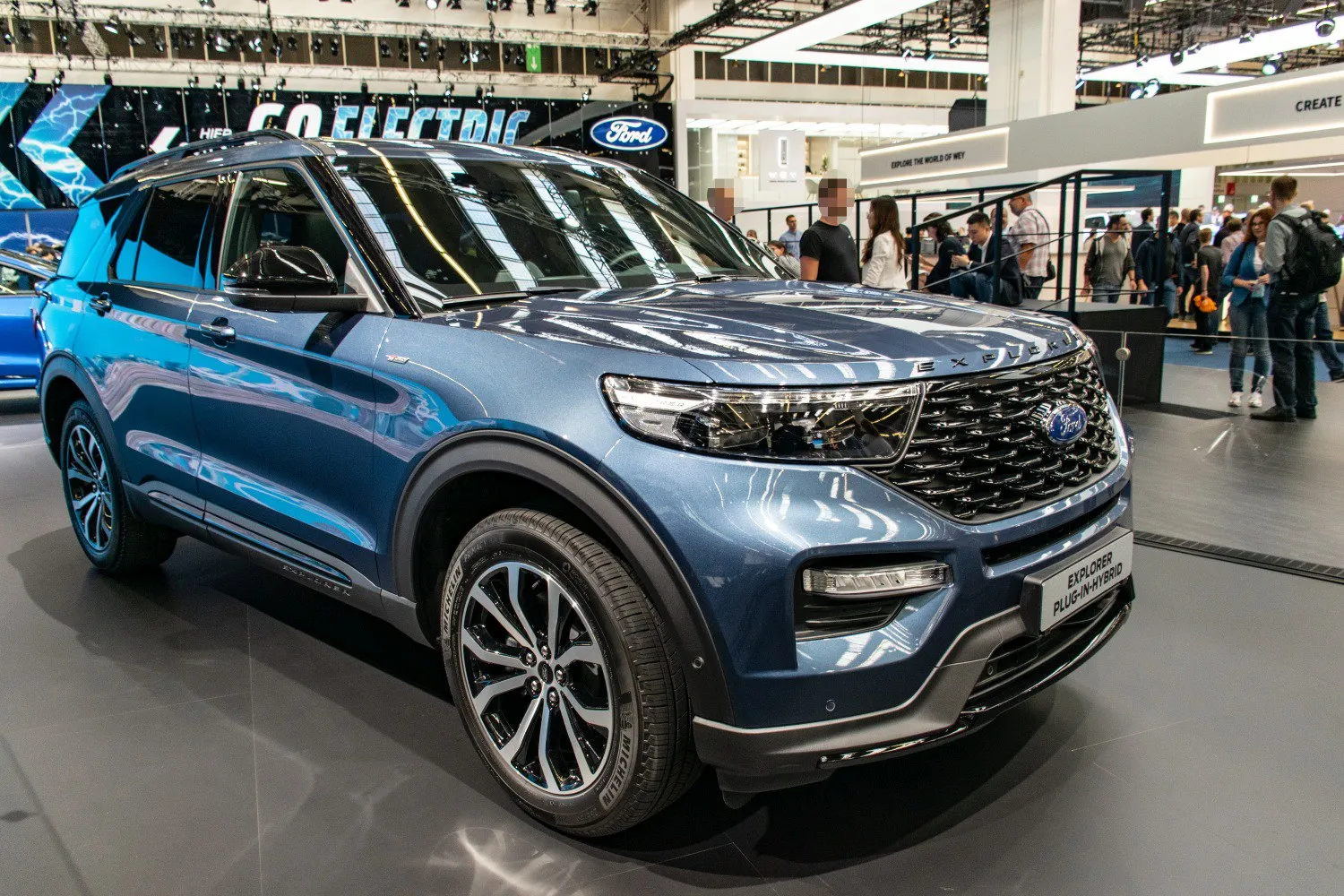
Behind the wheel of the Ford Explorer. How does it handle on the road?