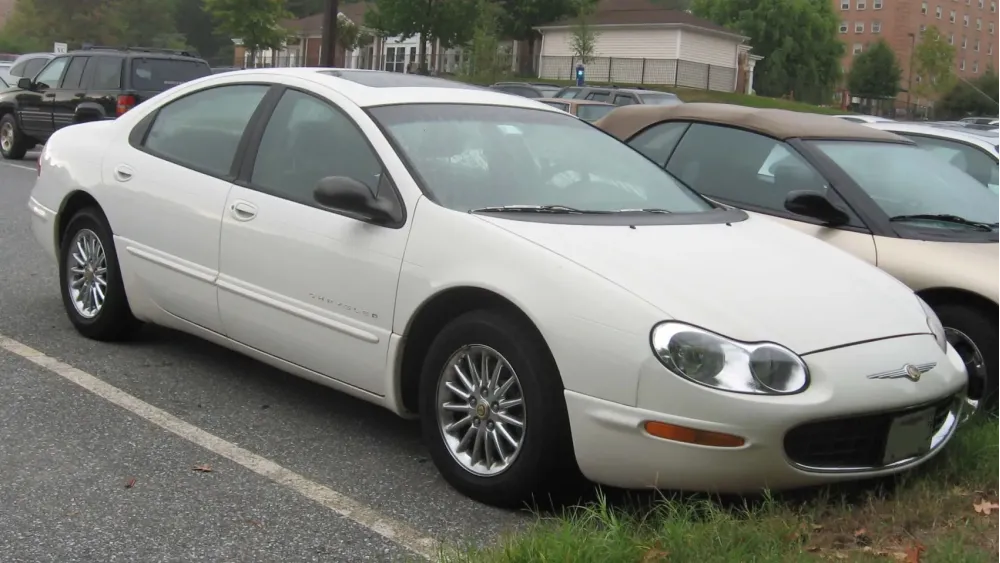
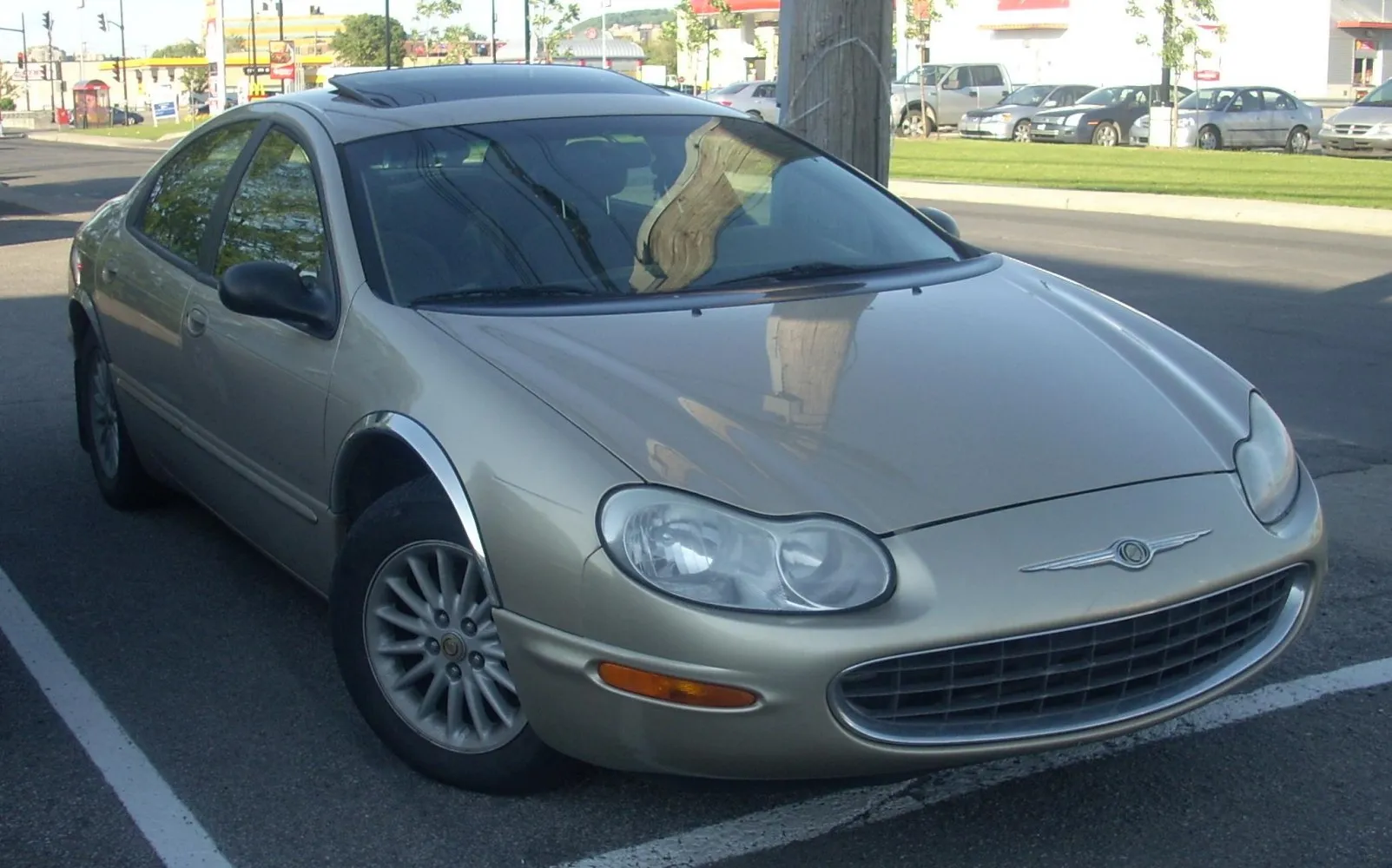
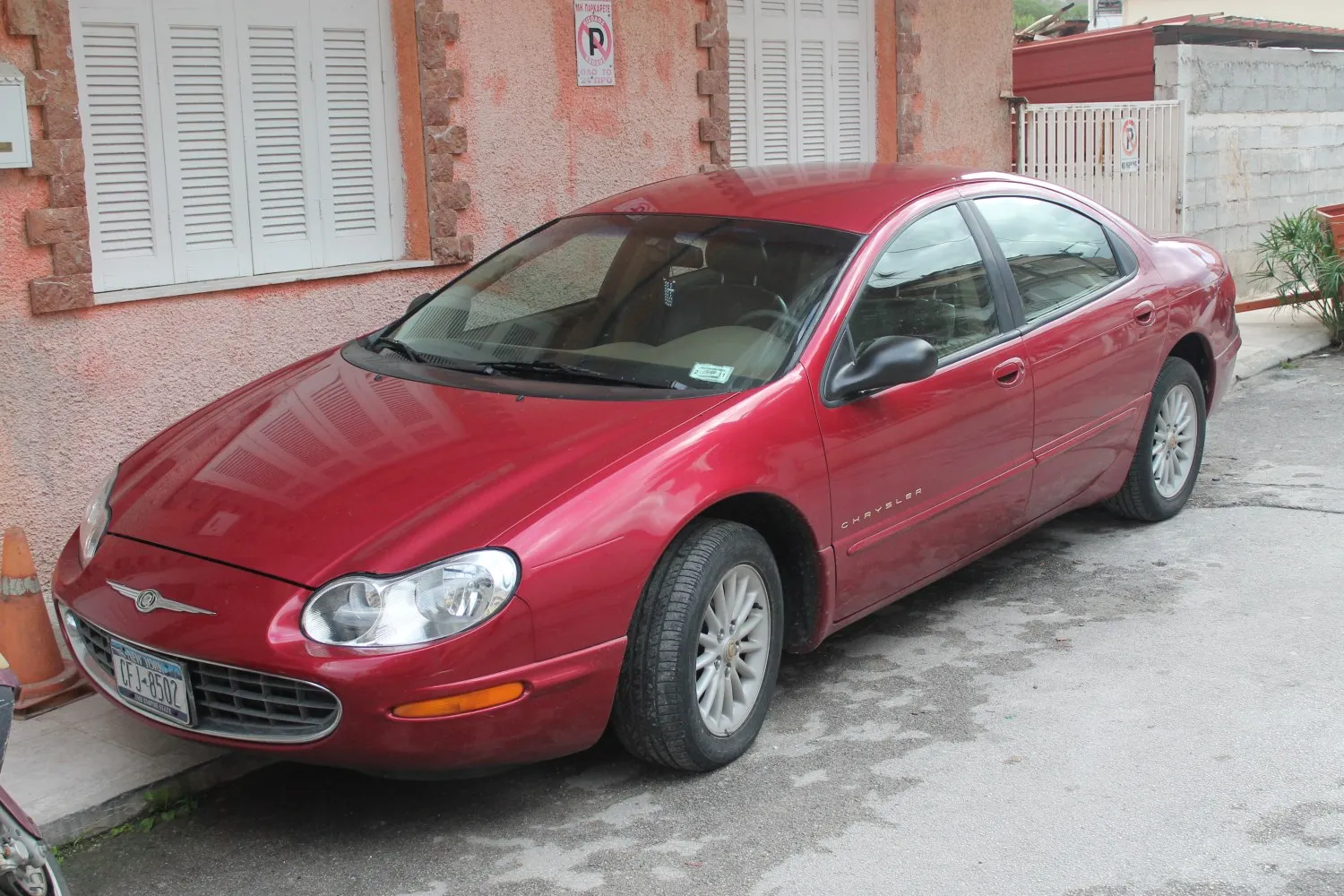
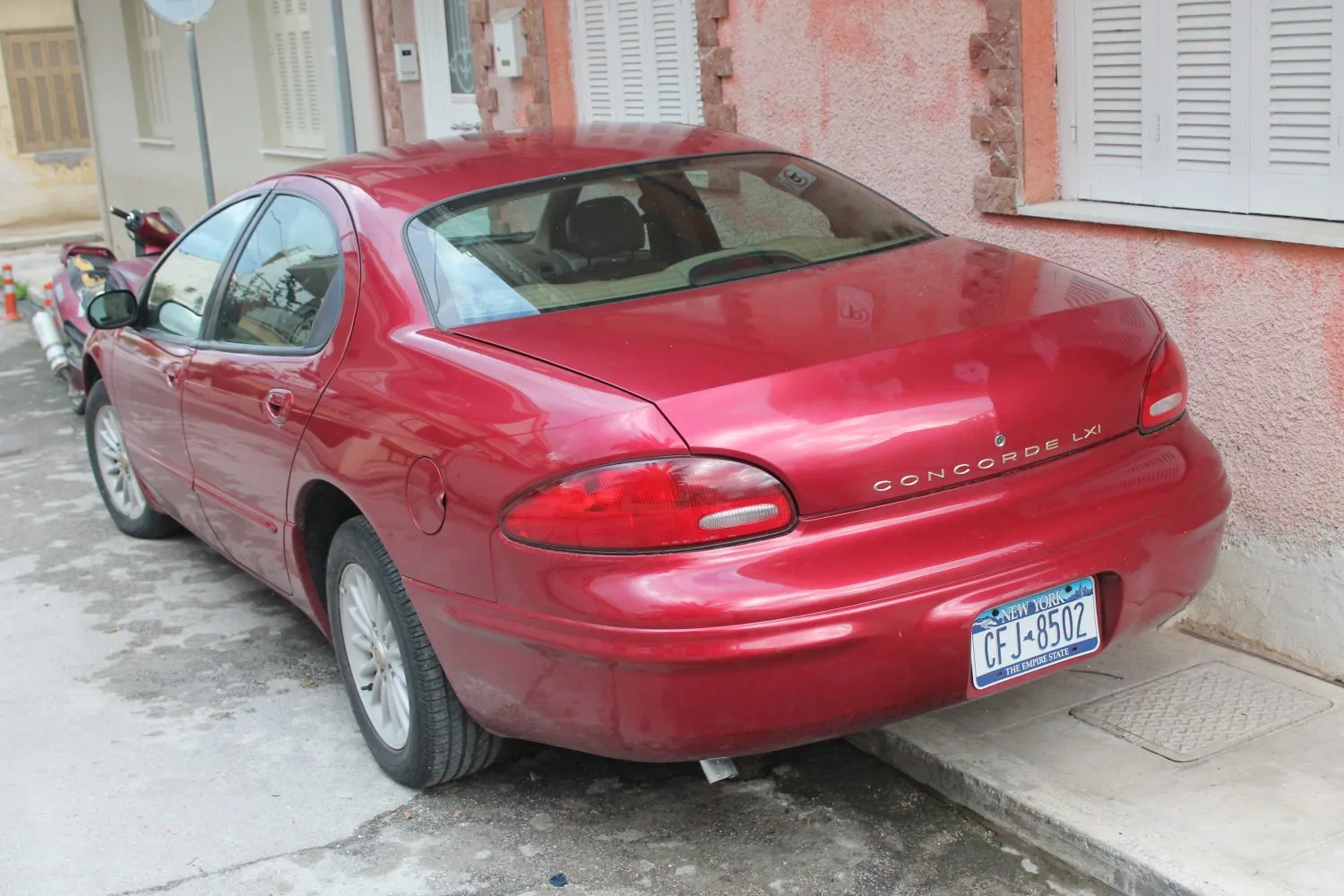
Click on image to view the full photo gallery
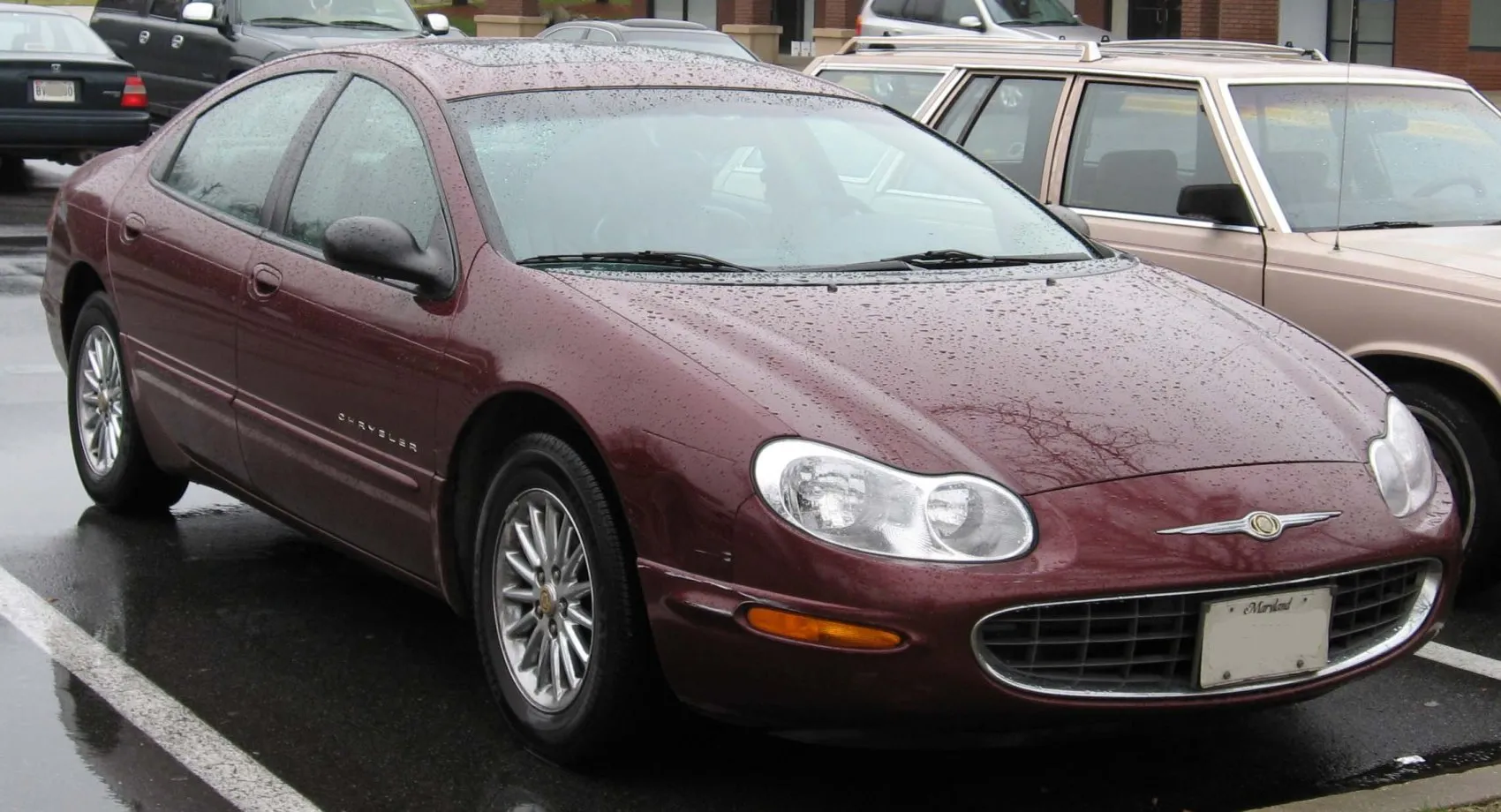
Chrysler Concorde II 3.2 i V6 24V (228 Hp)
Overall Rating
Chrysler Concorde:
The Chrysler Concorde is a full-size car that was produced by Chrysler from 1992 to 2004. It assumed the C-body Chrysler New Yorker Salon's position as the entry-level full-size sedan in the Chrysler brand lineup. One of Chrysler's three original Chrysler LH platform models, it has a front-engine, front-wheel-drive layout.
The Concorde was related to the Chrysler/Dodge Intrepid, Eagle Vision, Chrysler 300M, Chrysler LHS, and the eleventh and final generation Chrysler New Yorker.
It was on Car and Driver magazine's Ten Best list for 1993 and 1994....(Read more on Wikipedia)
II Overview:
Chrysler Concorde (II). With 305 Nm of torque, it offers ample pulling power. With a weight of 1570 kg, it falls in the mid‑range. Front‑wheel drive delivers efficiency and easy handling. Acceleration is relatively slow (0–100 km/h in 9.5 s). The top speed reaches 210 km/h. A four-door car with a separate trunk, ideal for families and daily commuting. Seating for 5 makes it ideal for daily use.
The Chrysler Concorde II was primarily sold in North America and was not tested by Euro NCAP. US safety ratings (NHTSA/IIHS) generally indicated acceptable performance for its class during its production years.
3.2 i V6 24V (228 Hp) Verdict:

Performance Verdict
Offers strong, smooth acceleration suitable for highway cruising, providing ample power for a large sedan, though not overtly sporty.
Fuel Economy
Fuel consumption is typical for a large V6 sedan of its era, with urban figures around 15 L/100 km, making it less efficient by modern standards.
Pros and Cons:
Pros:
- • Spacious and comfortable interior with ample legroom
- • Smooth and quiet ride, ideal for long journeys
- • Powerful V6 engine options provide strong acceleration
- • Distinctive cab-forward design offers good visibility
- • Often good value on the used car market
Cons:
- • Fuel economy is a significant drawback, especially for urban driving
- • Some reliability concerns, particularly with the 2.7L engine's oil sludge issues
- • Interior design and materials can feel dated by modern standards
- • Large exterior dimensions can make parking and maneuvering cumbersome
- • Limited aftermarket support compared to some competitors
Specifications:
Specifications are compared to those of the previous generation(Concorde: 1992 - 1997).
| General: | |
|---|---|
| Brand: | Chrysler |
| Model: | Concorde |
| Generation: | II |
| Modification (Engine): | 3.2 i V6 24V (228 Hp) |
| Start of production: | 1997 |
| End of production: | 2002 |
| Powertrain Architecture: | Internal Combustion engine |
| Body type: | Sedan |
| Seats: | 5 |
| Doors: | 4 |
| Engine: | |
|---|---|
| Power: | 228 Hp @ 6300 rpm. Same horsepower |
| Power per litre: | 70.6 Hp/l [158mm more] |
| Torque: | 305 Nm @ 3800 rpm. |
| Engine displacement: | 3231 |
| Number of cylinders: | 6 |
| Engine configuration: | V-engine |
| Number of valves per cylinder: | 4 |
| Fuel injection system: | Multi-port manifold injection |
| Engine aspiration: | Naturally aspirated engine |
| Valvetrain: | DOHC |
| Engine oil capacity: | 4.7 l |
| Coolant: | 8.9 l |
| Engine layout: | Front, Longitudinal |
| Cylinder Bore: | 92 mm mm |
| Piston Stroke: | 81 mm mm |
| Compression ratio: | 9.5:1 |
| Performance: | |
|---|---|
| Fuel Type: | Petrol (Gasoline) |
| Fuel consumption (economy) - urban: | 15 l/100 km |
| Fuel consumption (economy) - extra urban: | 9 l/100 km |
| Acceleration 0 - 100 km/h: | 9.5 sec |
| Acceleration 0 - 62 mph: | 9.5 sec |
| Maximum speed: | 210 km/h |
| Weight-to-power ratio: | 6.9 kg/Hp, 145.2 Hp/tonne |
| Weight-to-torque ratio: | 5.1 kg/Nm, 194.3 Nm/tonne |
| Acceleration 0 - 60 mph: | 9 sec |
| Space: | |
|---|---|
| Kerb Weight: | 1570 |
| Trunk (boot) space - minimum: | 530 l |
| Fuel tank capacity: | 68 l |
| Size: | |
|---|---|
| Length: | 5310 mm mm [158mm more] |
| Width: | 1900 mm mm [10mm more] |
| Height: | 1420 mm mm [9mm less] |
| Wheelbase: | 2870 mm mm [Same wheelbase.] |
| Front track: | 1575 mm |
| Rear (Back) track: | 1575 mm |
| Powertrain: | |
|---|---|
| Drivetrain Architecture | The Internal combustion engine (ICE) drives the front wheels of the vehicle. |
| Drive wheel | Front wheel drive |
| Number of gears | 4 |
| Transmission type | Automatic |
| Front brakes | Ventilated discs [Best for performance and cooling.] |
| Rear brakes | Disc |
| Assisting systems | ABS (Anti-lock braking system) |
| Steering type | Steering rack and pinion |
| Tires size | 225/60 R16 |
| Front suspension | Coil spring |
| Rear suspension | Coil spring |









Driven it? Loved it? Hated it? Share your honest review!