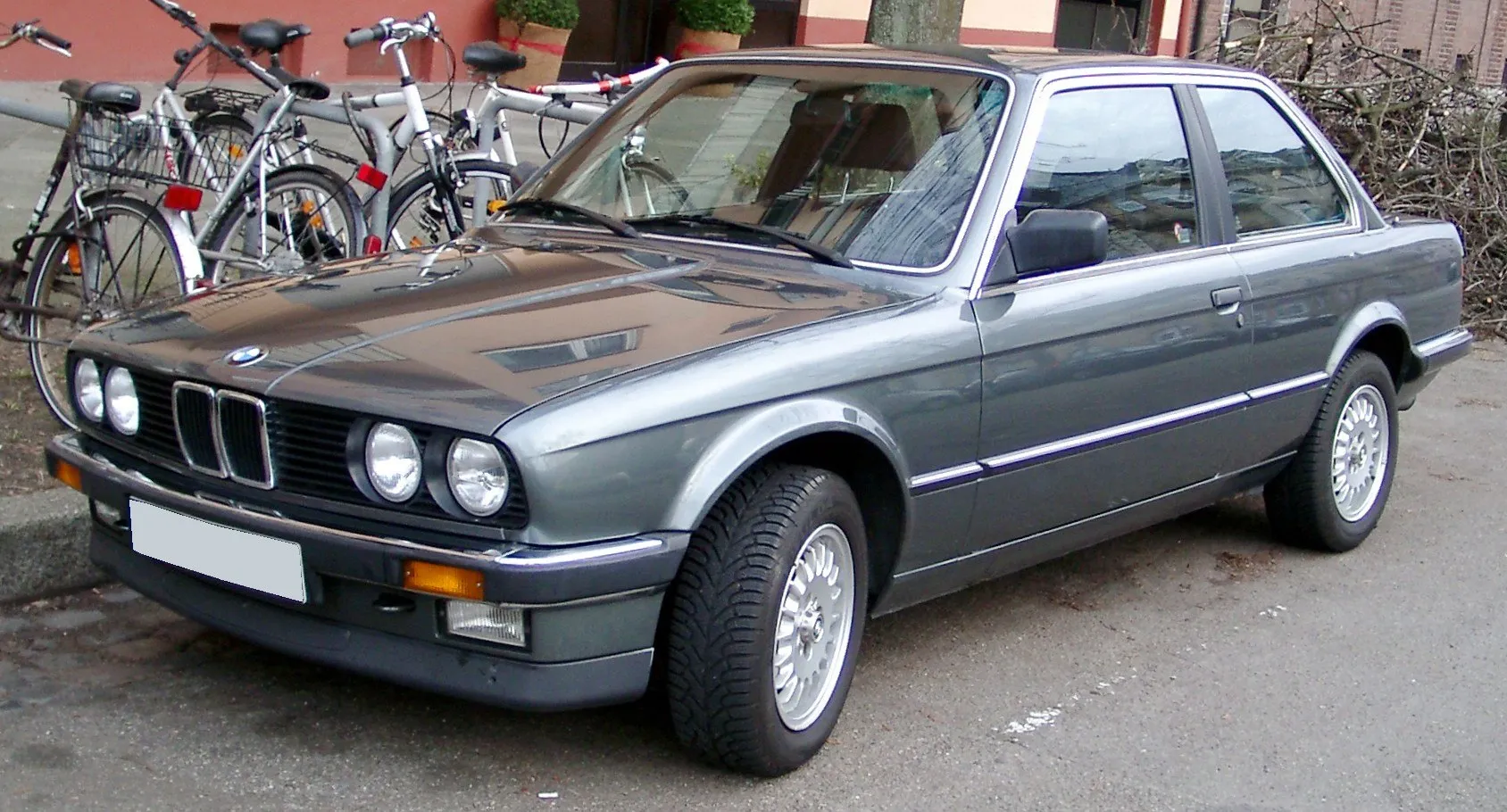
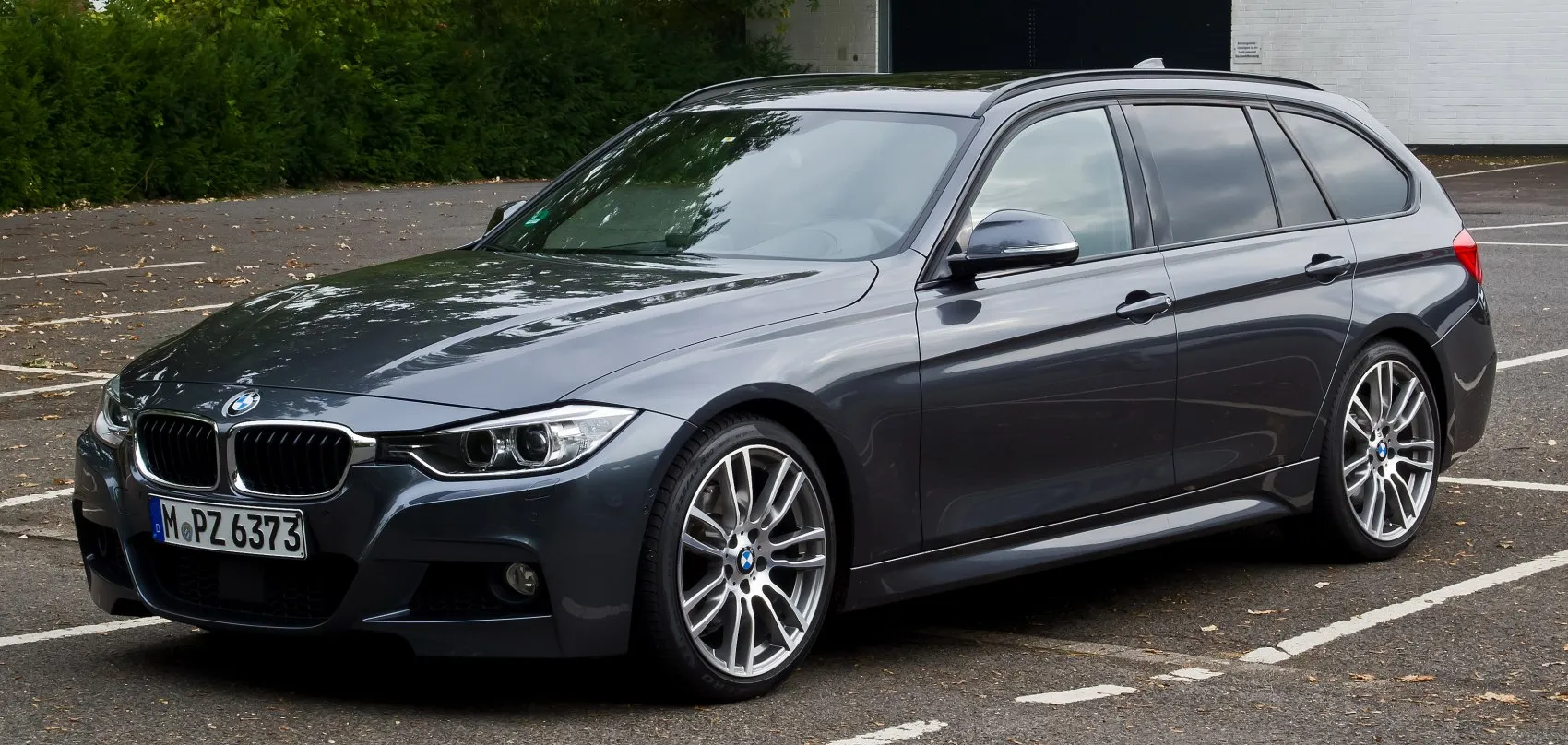
Click on image to view the full photo gallery
BMW 3 Series Coupe (E30) 316i (89 Hp)
Overall Rating
BMW 3 Series:
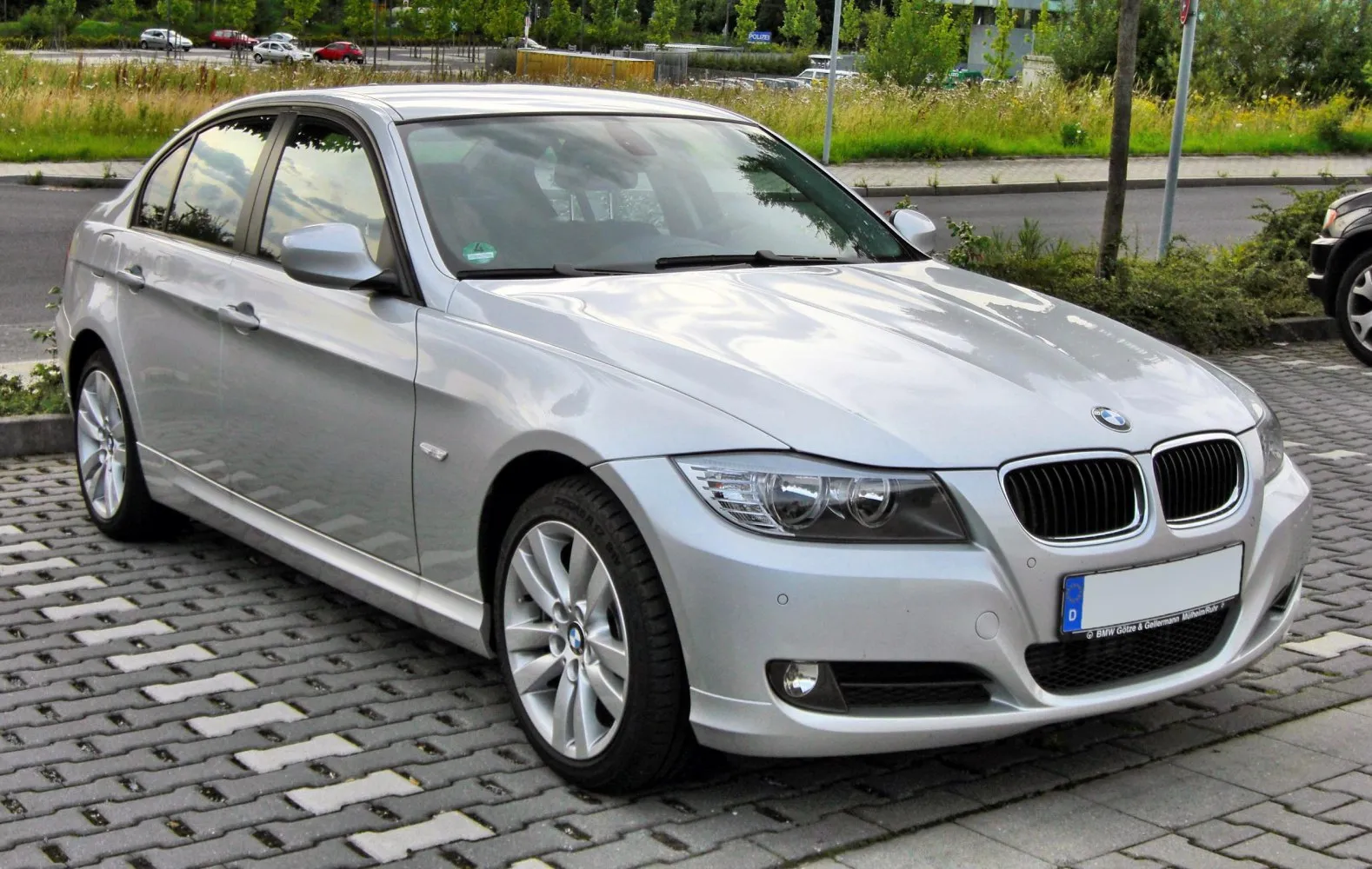
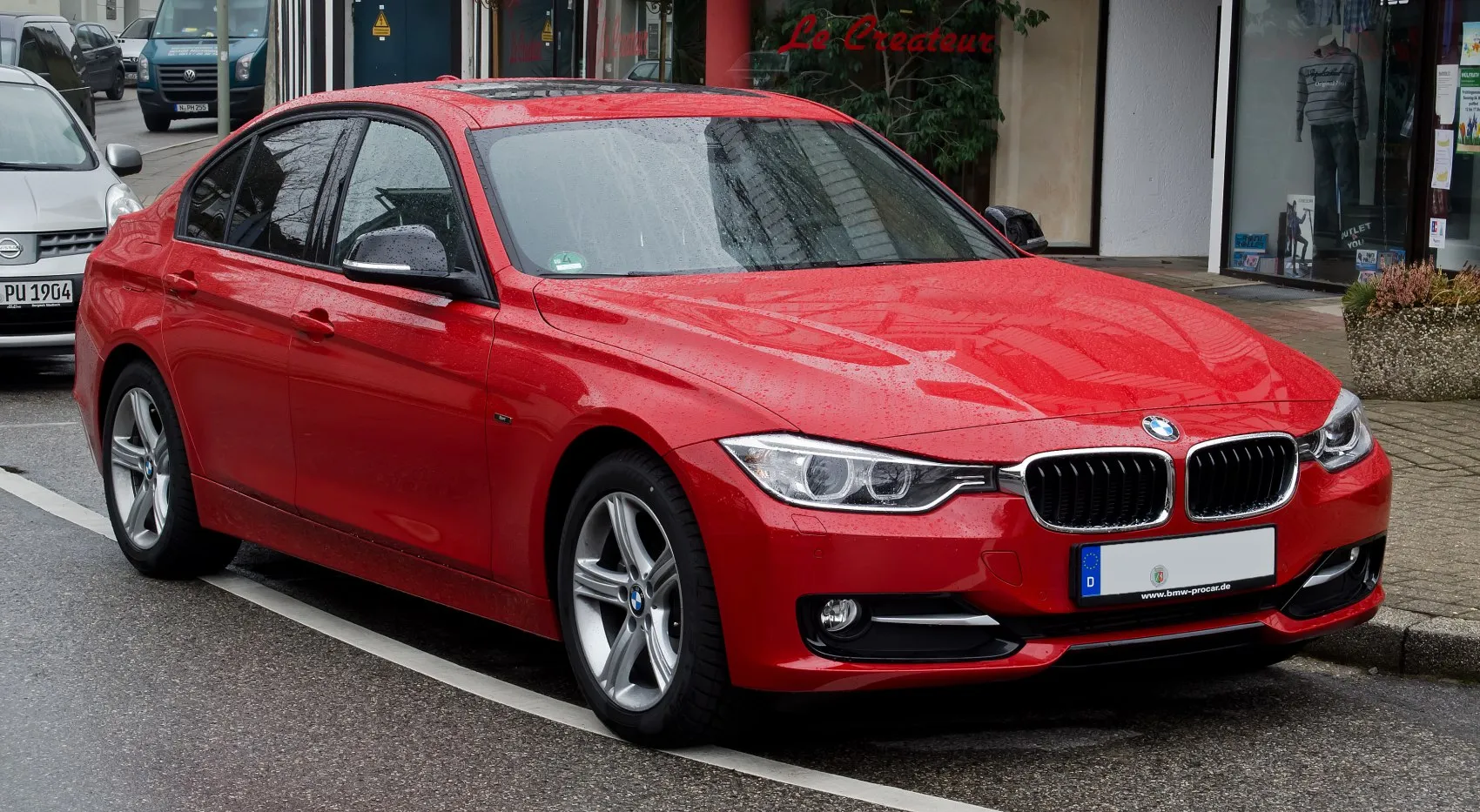
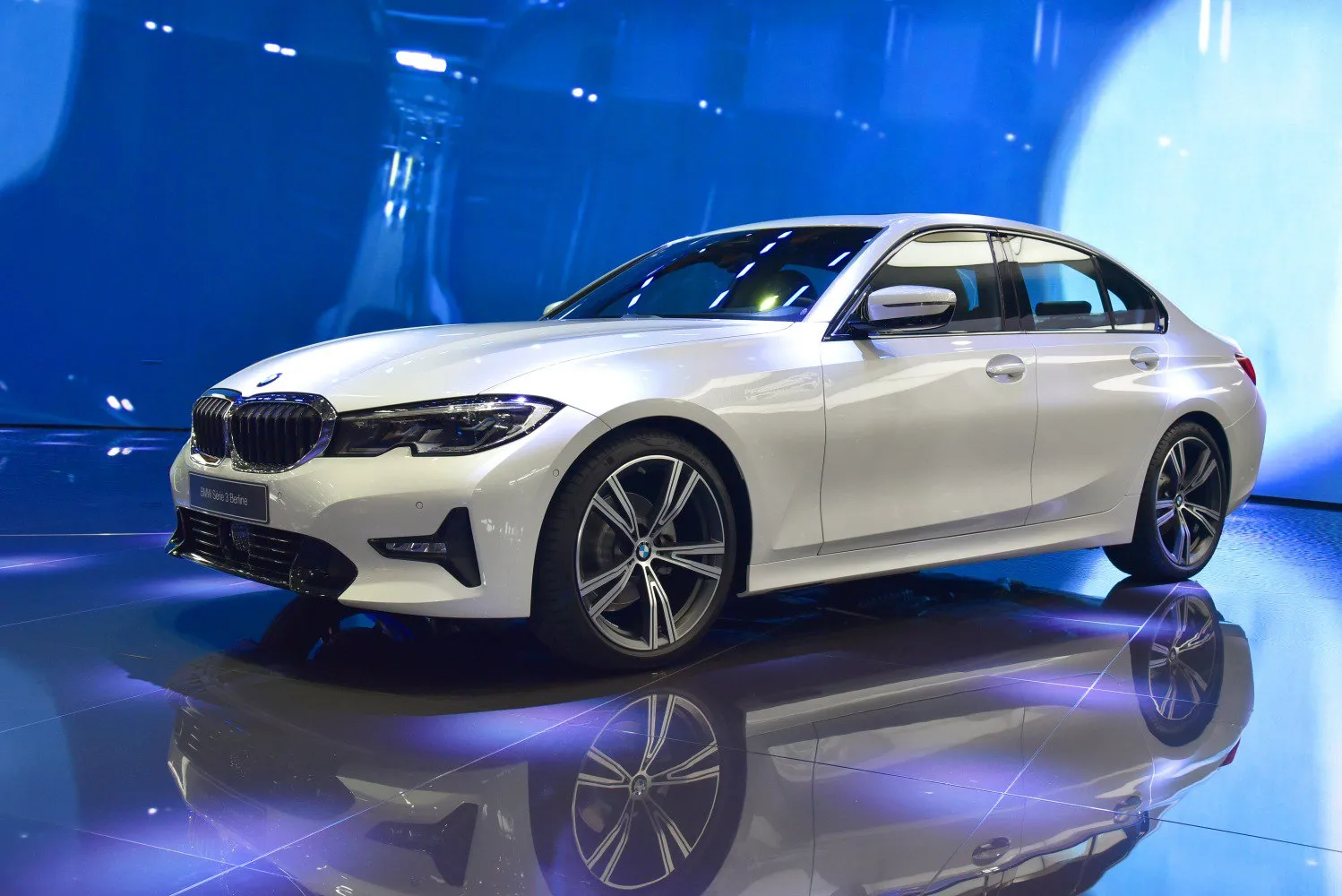
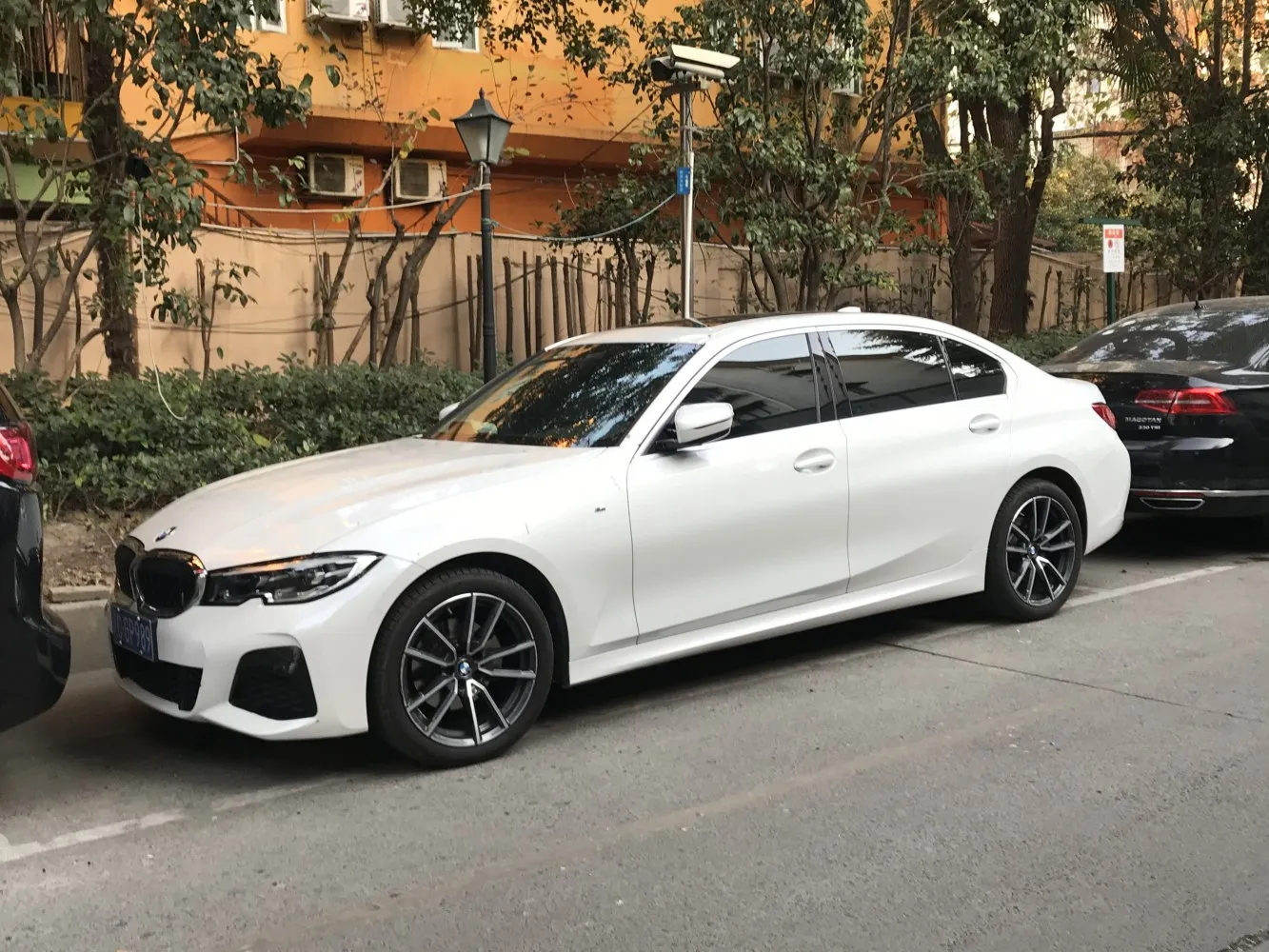
The BMW 3 series is a line of compact executive cars manufactured by the German automaker BMW since May 1975. It is the successor to the 02 series and has been produced in seven generations.
The first generation of the 3 Series was only available as a 2-door saloon; the model range expanded to include a 4-door saloon, 2-door convertible, 2-door coupé, 5-door estate, 5-door liftback and 3-door hatchback body styles. Since 2013, the coupé and convertible models have been marketed as the 4 Series; these styles no longer being included in the 3 Series....(Read more on Wikipedia)
Coupe (E30) Overview:
BMW 3 Series (Coupe (E30)). With 140 Nm of torque, it offers ample pulling power. It has moderate fuel consumption (~10.9 l/100km). Weighing only 990 kg, it’s quite light. Rear‑wheel drive offers dynamic handling and sporty feedback. Acceleration is relatively slow (0–100 km/h in 11.2 s). The top speed reaches 175 km/h. A two-door car with a fixed roof, known for its sporty design and dynamic performance. Seating for 5 makes it ideal for daily use.
316i (89 Hp) Verdict:

Performance Verdict
Modest performance, suitable for city driving and basic transportation but struggles on highways or with heavy loads.
Fuel Economy
Relatively good fuel economy for its era, especially in urban settings, making it a cost-effective choice.
Pros and Cons:
Pros:
- • Exceptional driving dynamics and balanced chassis.
- • Timeless, classic BMW styling with strong aesthetic appeal.
- • Wide range of engaging inline-six engines, especially the 325i.
- • Strong aftermarket support and a vibrant enthusiast community.
- • Relatively simple mechanics, making it easier to maintain for DIYers.
- • Increasing classic car value and investment potential.
Cons:
- • Lacks modern safety features and crash protection.
- • Comfort levels are basic by modern standards (e.g., firm ride, road noise).
- • Age-related maintenance and rust can be significant issues.
- • Fuel economy is not competitive with modern cars.
- • Interior technology and amenities are very basic.
- • Finding well-maintained, unmolested examples can be challenging.
Specifications:
Specifications are compared to those of the previous generation(E21: 1980 - 1982).
| General: | |
|---|---|
| Brand: | BMW |
| Model: | 3 Series |
| Generation: | Coupe (E30) |
| Modification (Engine): | 316i (89 Hp) |
| Start of production: | 1982 |
| End of production: | 1986 |
| Powertrain Architecture: | Internal Combustion engine |
| Body type: | Coupe |
| Seats: | 5 |
| Doors: | 2 |
| Engine: | |
|---|---|
| Power: | 89 Hp @ 5500 rpm. Same horsepower |
| Power per litre: | 50.4 Hp/l [30mm less] |
| Torque: | 140 Nm @ 4000 rpm. |
| Engine Model/Code: | M10B18 More details about the engine M10B18 |
| Engine displacement: | 1766 |
| Number of cylinders: | 4 |
| Engine configuration: | Inline |
| Number of valves per cylinder: | 2 |
| Fuel injection system: | Carburettor |
| Engine aspiration: | Naturally aspirated engine |
| Valvetrain: | SOHC |
| Engine oil capacity: | 4 l |
| Coolant: | 6 l |
| Engine layout: | Front, Longitudinal |
| Cylinder Bore: | 89 mm mm |
| Piston Stroke: | 71 mm mm |
| Compression ratio: | 9.5:1 |
| Performance: | |
|---|---|
| Fuel Type: | Petrol (Gasoline) |
| Fuel consumption (economy) - urban: | 10.9 l/100 km |
| Fuel consumption (economy) - extra urban: | 6.6 l/100 km |
| Acceleration 0 - 100 km/h: | 11.2 sec |
| Acceleration 0 - 62 mph: | 11.2 sec |
| Maximum speed: | 175 km/h |
| Weight-to-power ratio: | 11.1 kg/Hp, 89.9 Hp/tonne |
| Weight-to-torque ratio: | 7.1 kg/Nm, 141.4 Nm/tonne |
| Acceleration 0 - 60 mph: | 10.6 sec |
| Space: | |
|---|---|
| Kerb Weight: | 990 |
| Max. weight: | 1450 |
| Max. roof load: | 75 kg |
| Max load: | 460 |
| Trunk (boot) space - minimum: | 404 l |
| Permitted trailer load with brakes (12%): | 1200 kg |
| Fuel tank capacity: | 55 l |
| Permitted trailer load without brakes: | 500 kg |
| Size: | |
|---|---|
| Length: | 4325 mm mm [30mm less] |
| Width: | 1645 mm mm [35mm more] |
| Height: | 1380 mm mm [Same height.] |
| Wheelbase: | 2570 mm mm [7mm more] |
| Front track: | 1407 mm |
| Rear (Back) track: | 1415 mm |
| Front overhang: | 761 mm |
| Rear overhang: | 994 mm |
| Powertrain: | |
|---|---|
| Drivetrain Architecture | The Internal combustion engine (ICE) drives the rear wheels of the vehicle. |
| Drive wheel | Rear wheel drive |
| Number of gears | 4 |
| Transmission type | Manual |
| Front brakes | Disc [bad for performance and cooling.] |
| Rear brakes | Drum [bad for performance and cooling.] |
| Steering type | Steering rack and pinion |
| Tires size | 175/70 R14 |
| Wheel rims size | 5J x 14 |
| Front suspension | Independent type McPherson |
| Rear suspension | Trailing arm |
















Help others decide – share your experience!