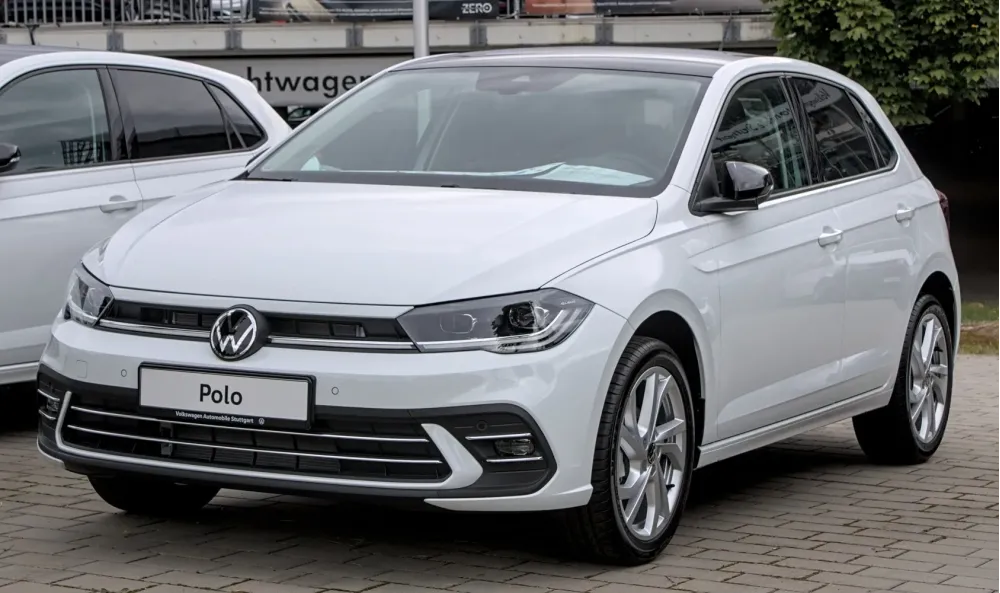
Click on image to view the full photo gallery
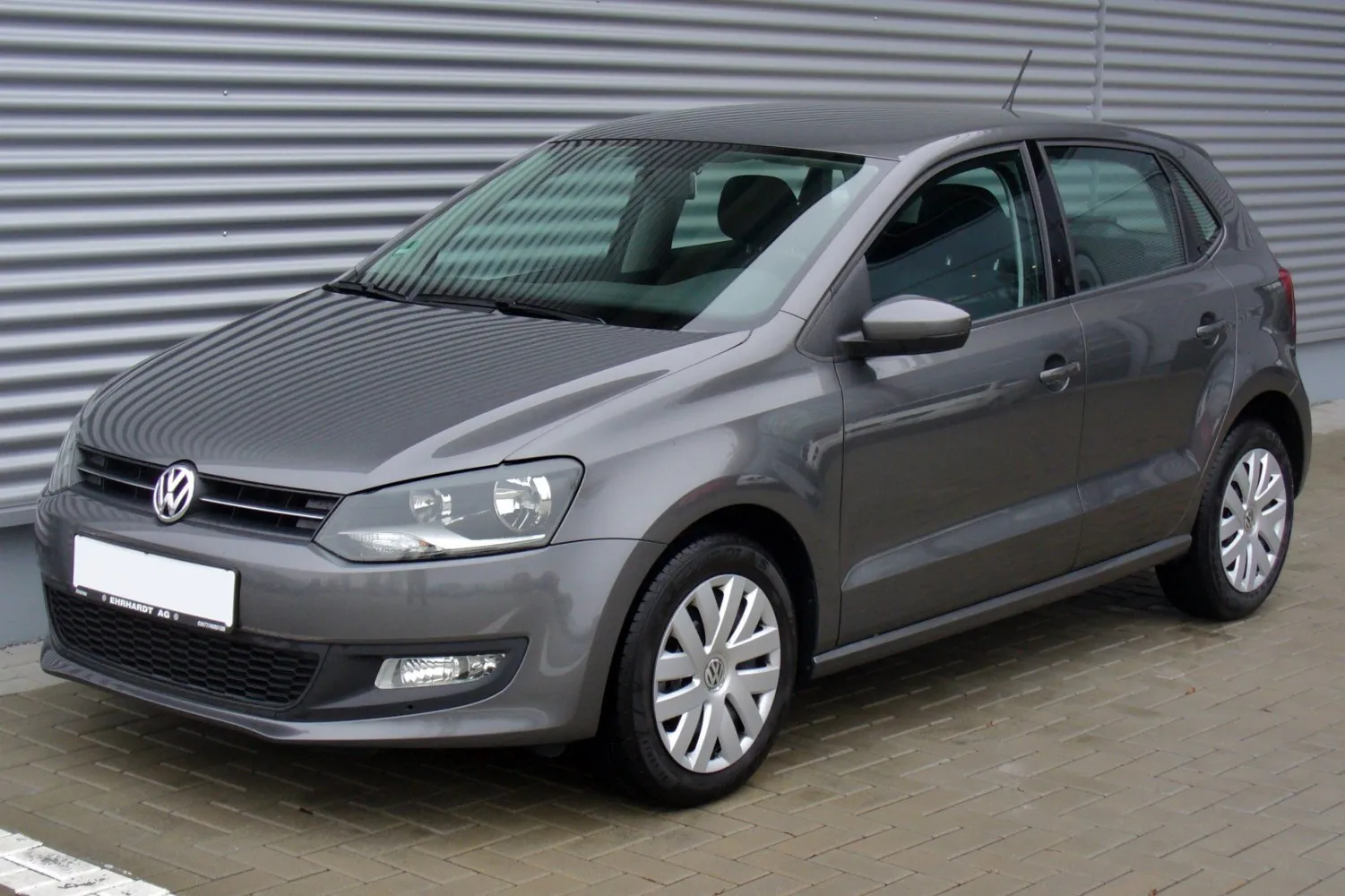
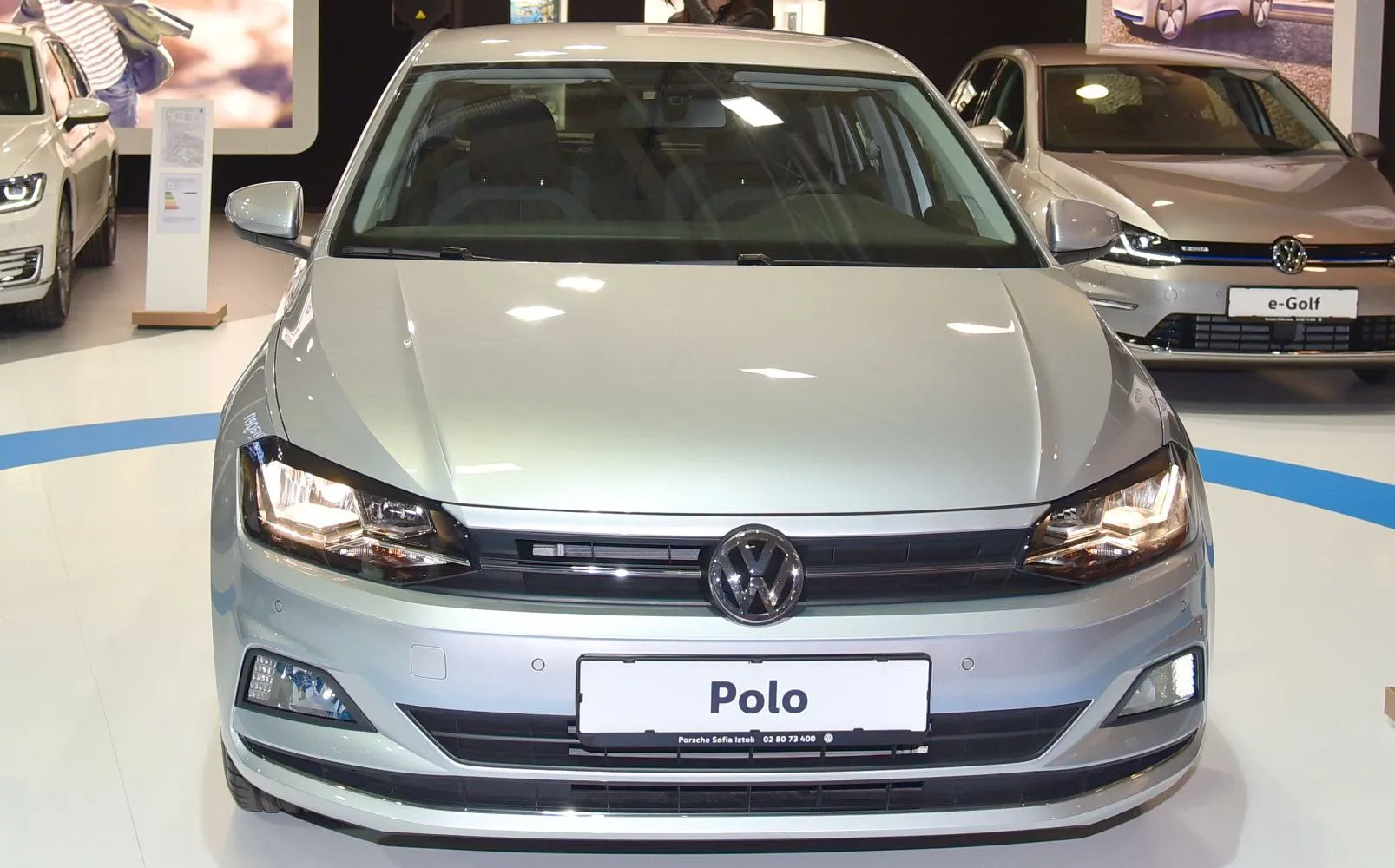
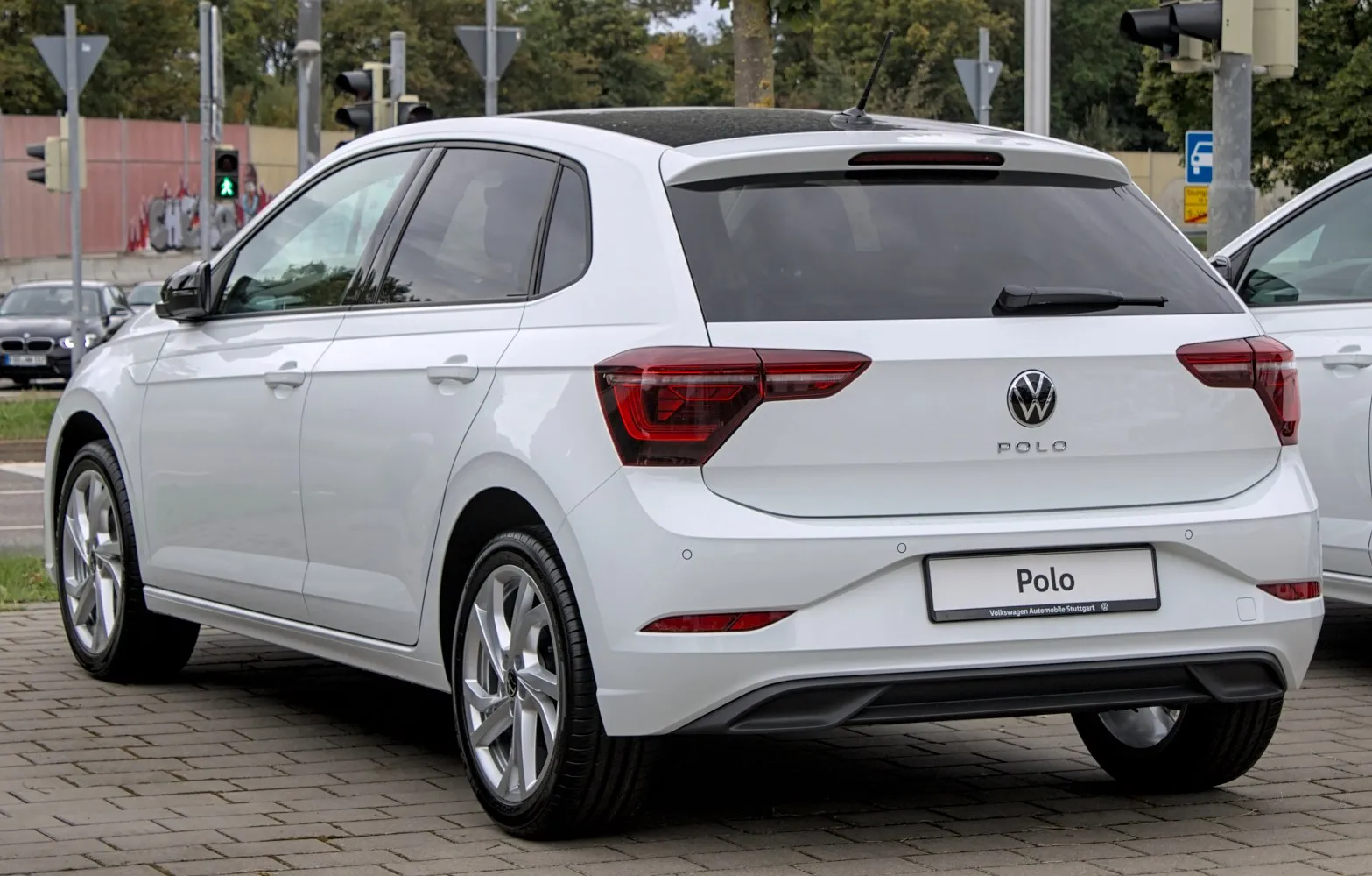
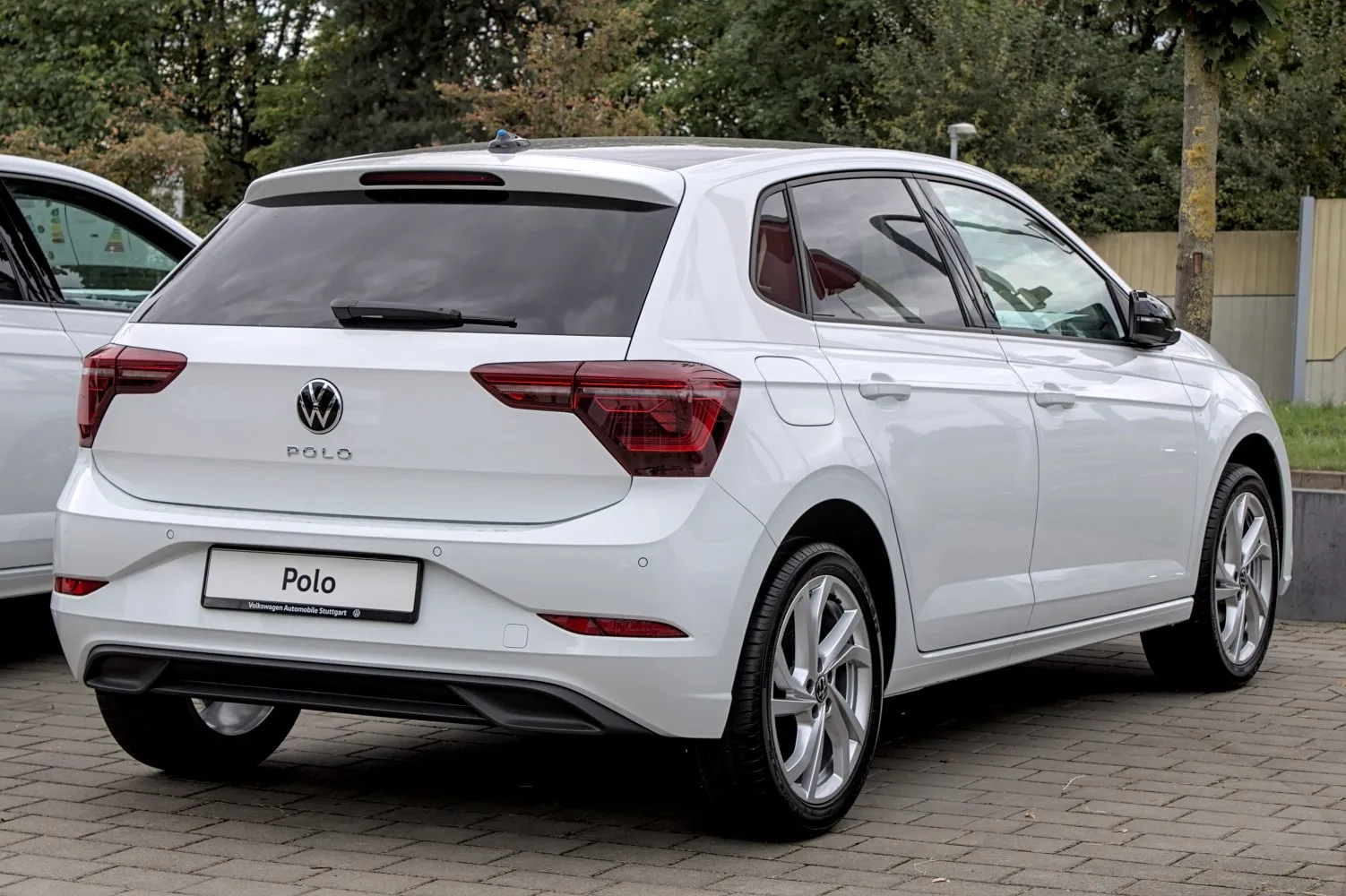
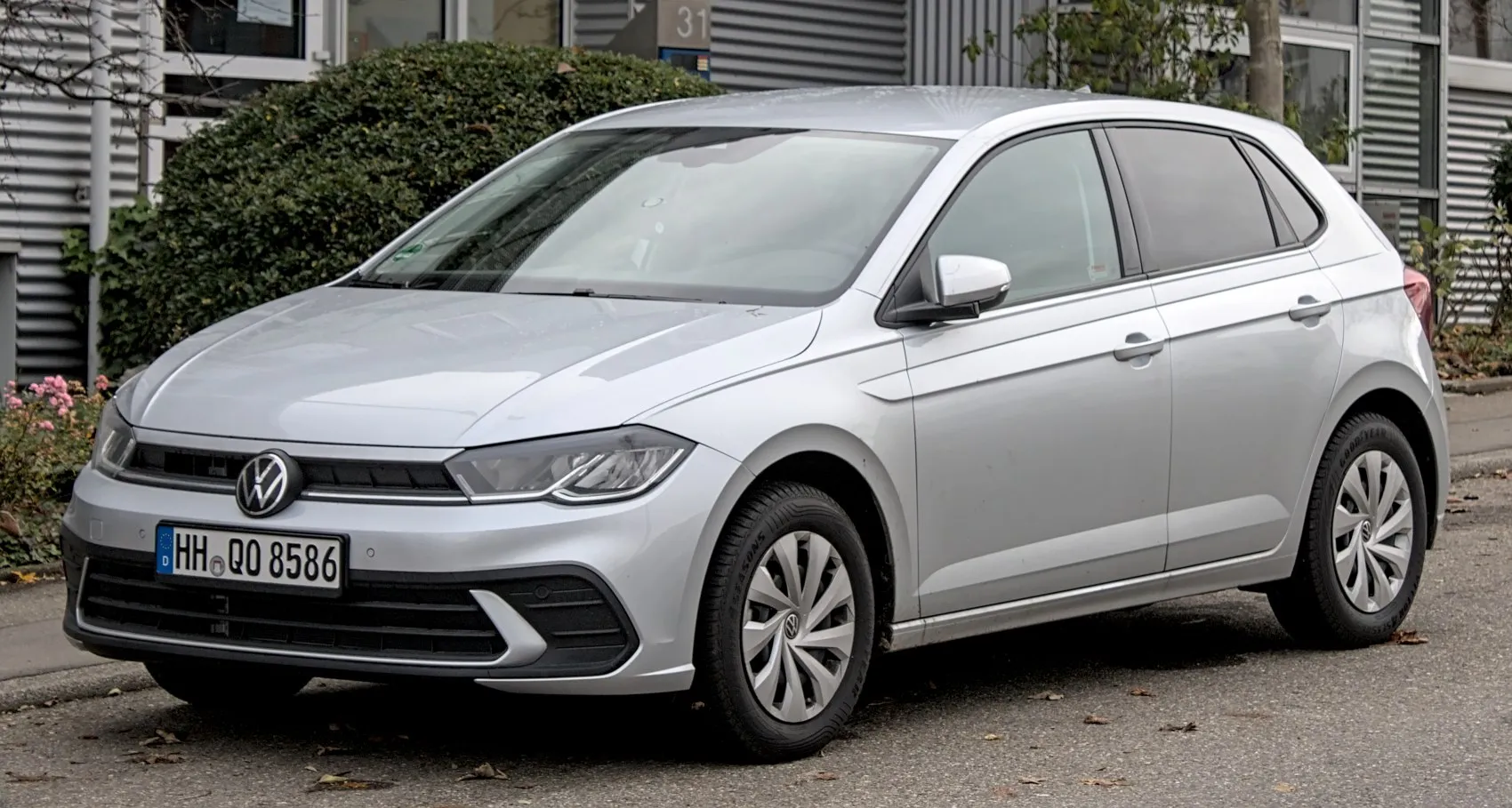
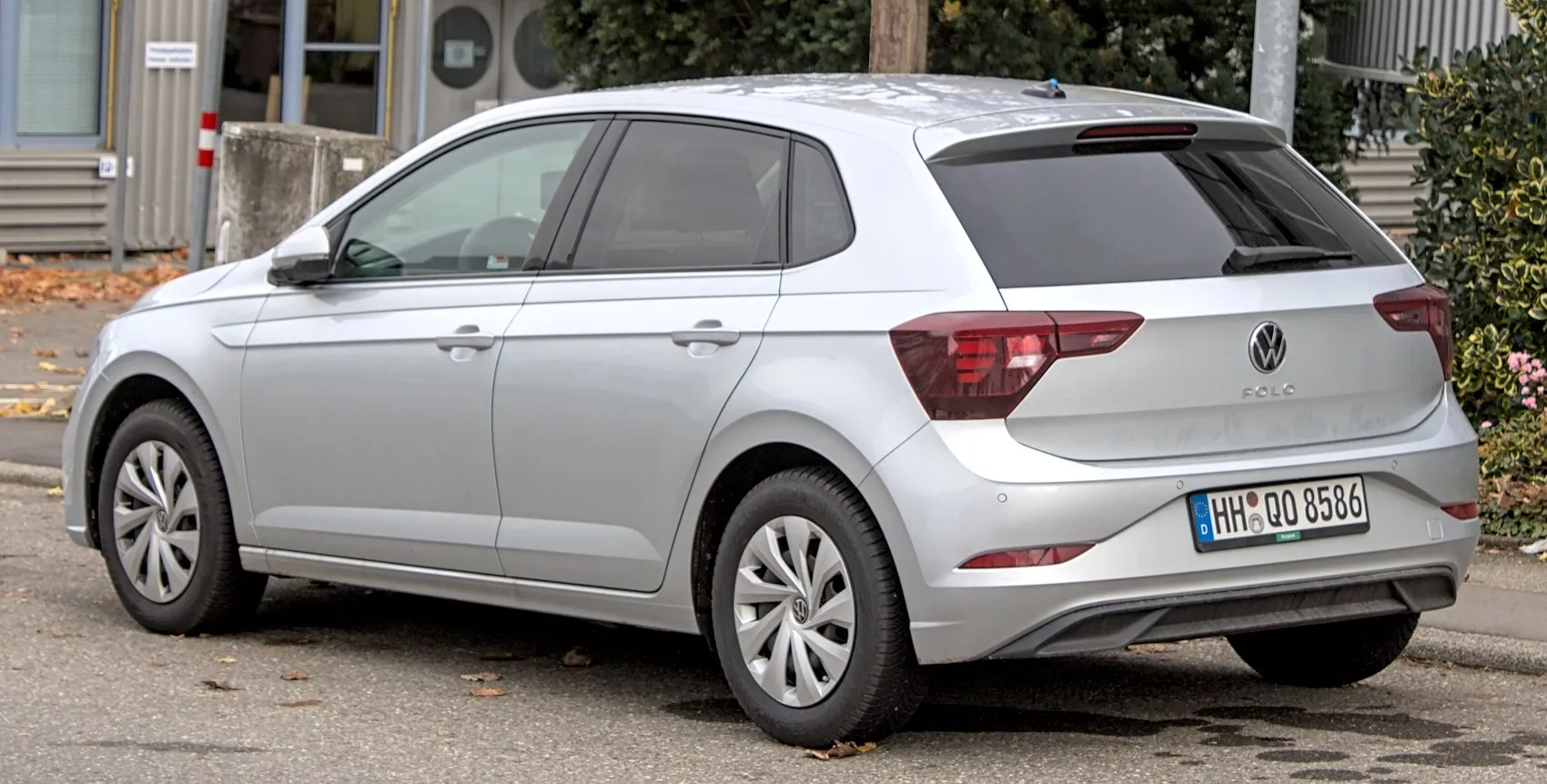
Volkswagen Polo VI (facelift 2021) 1.0 TGI (90 Hp)
Overall Rating
Volkswagen Polo:
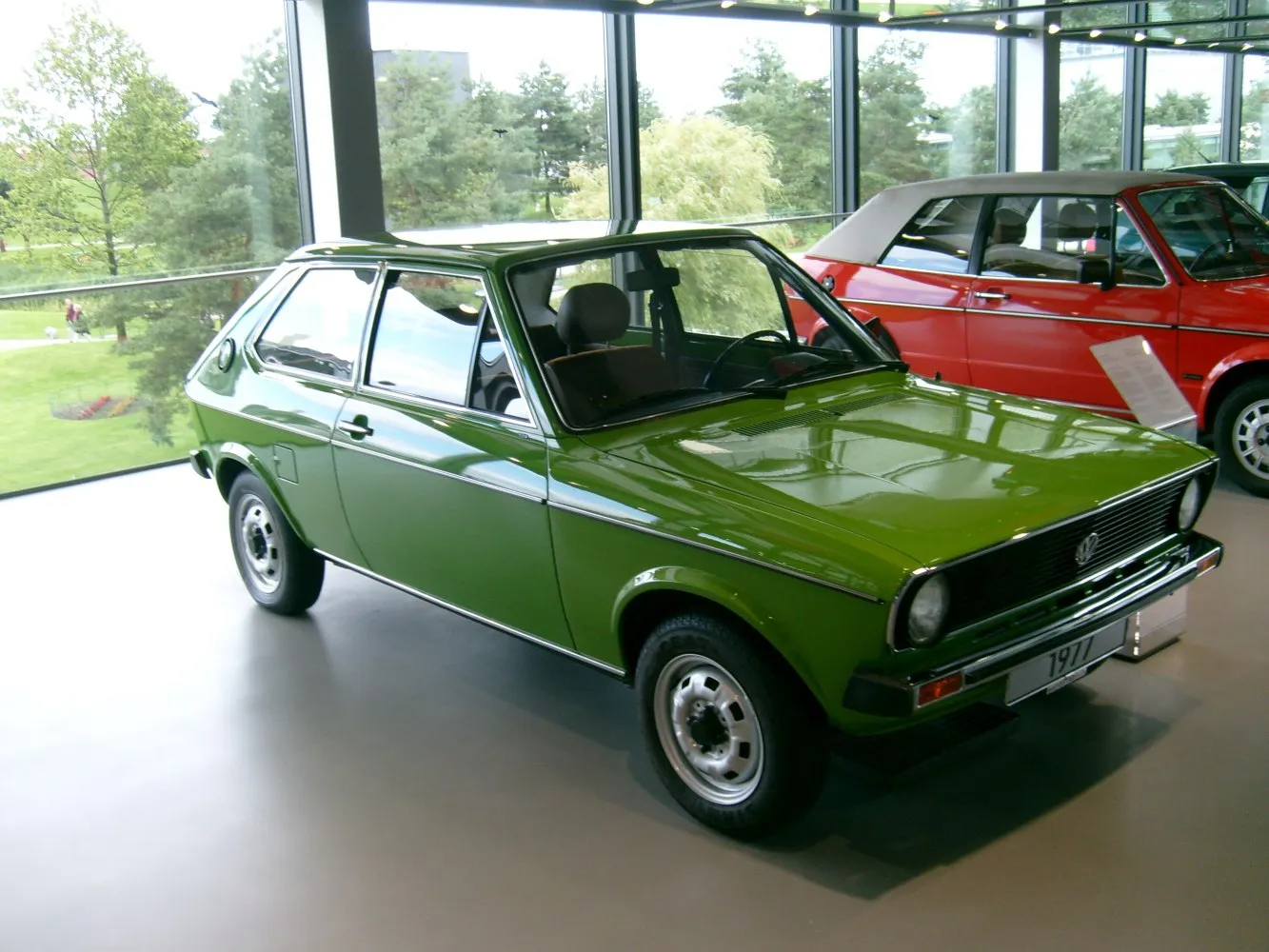
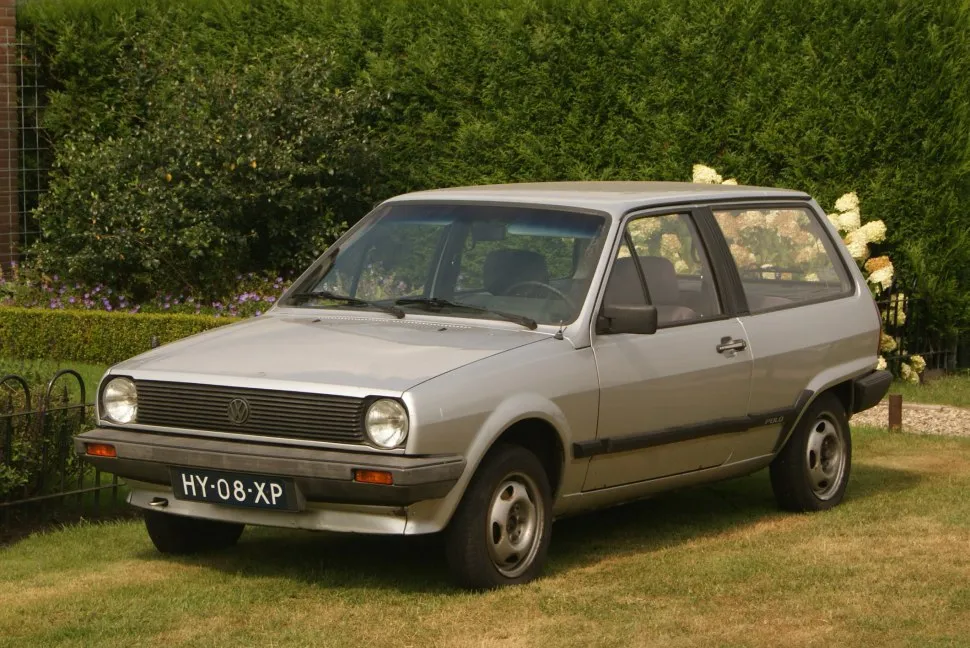
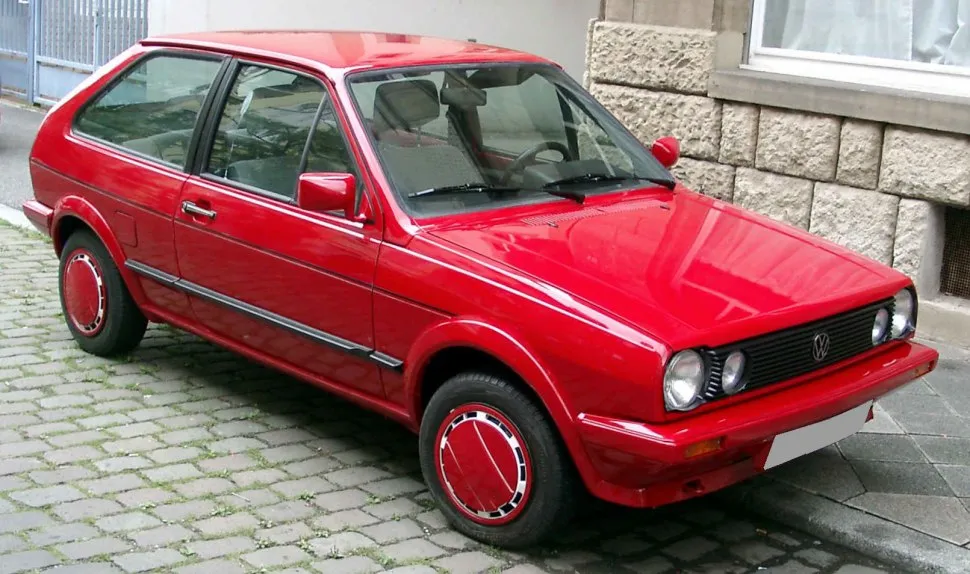
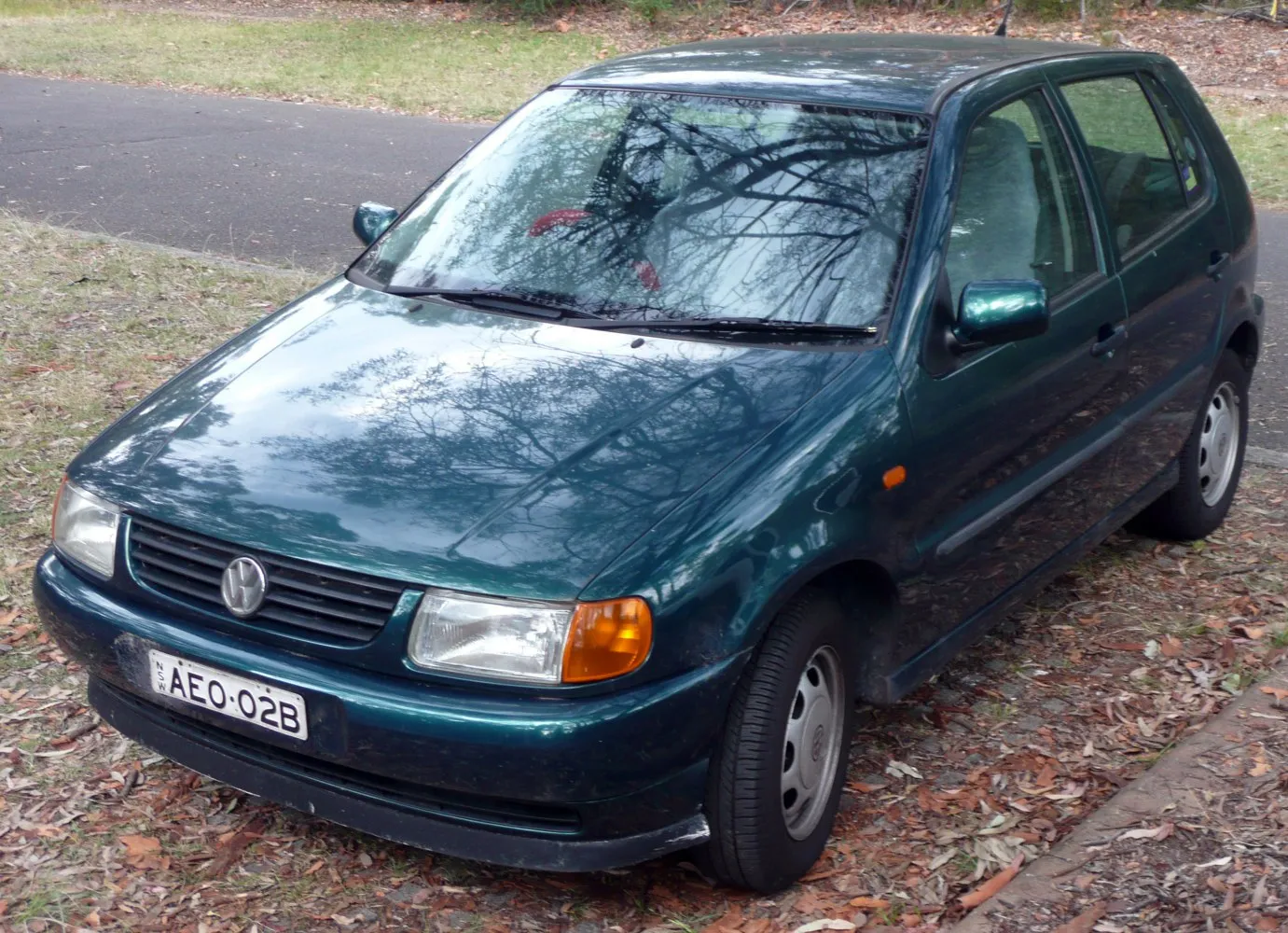
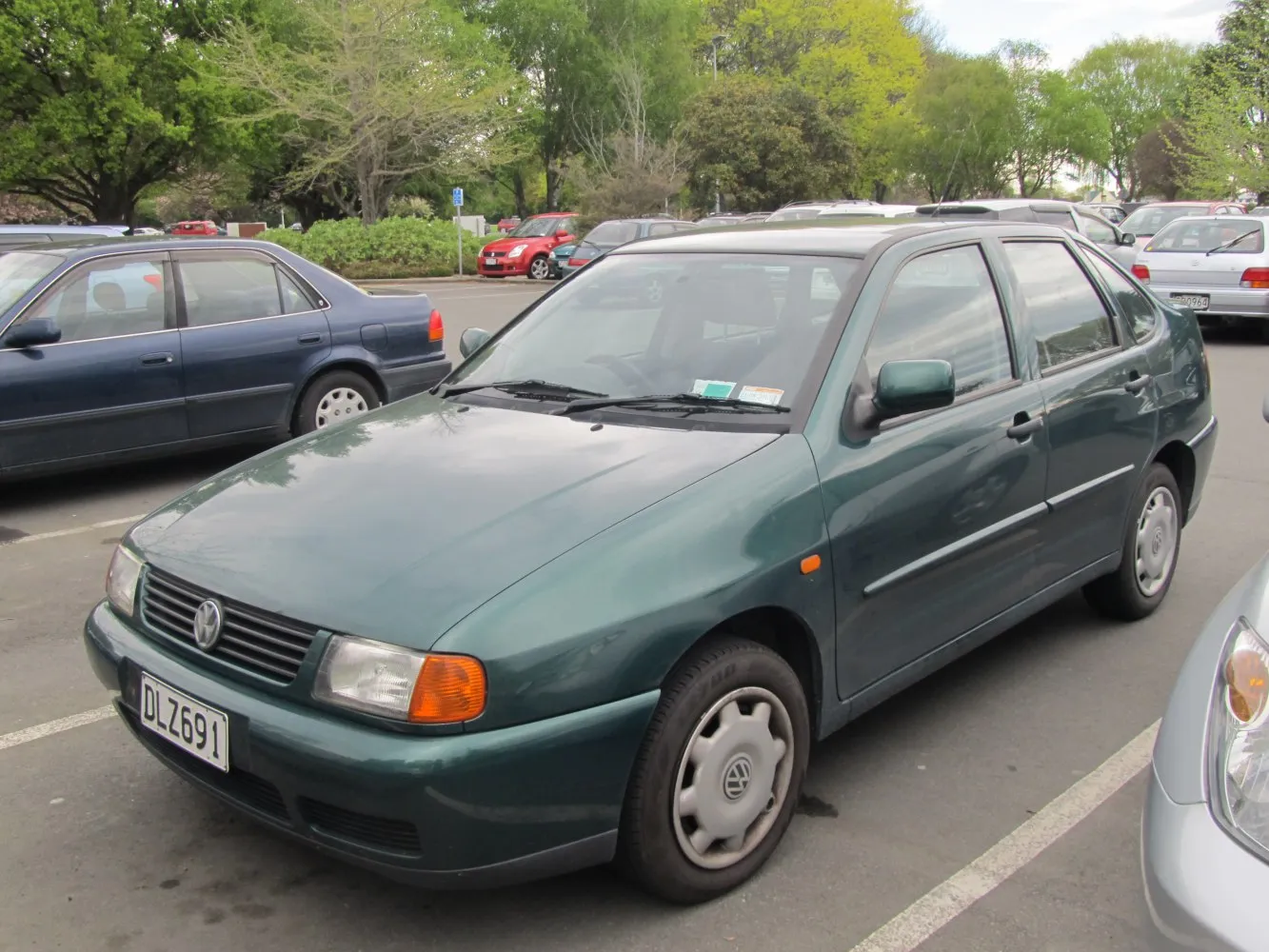
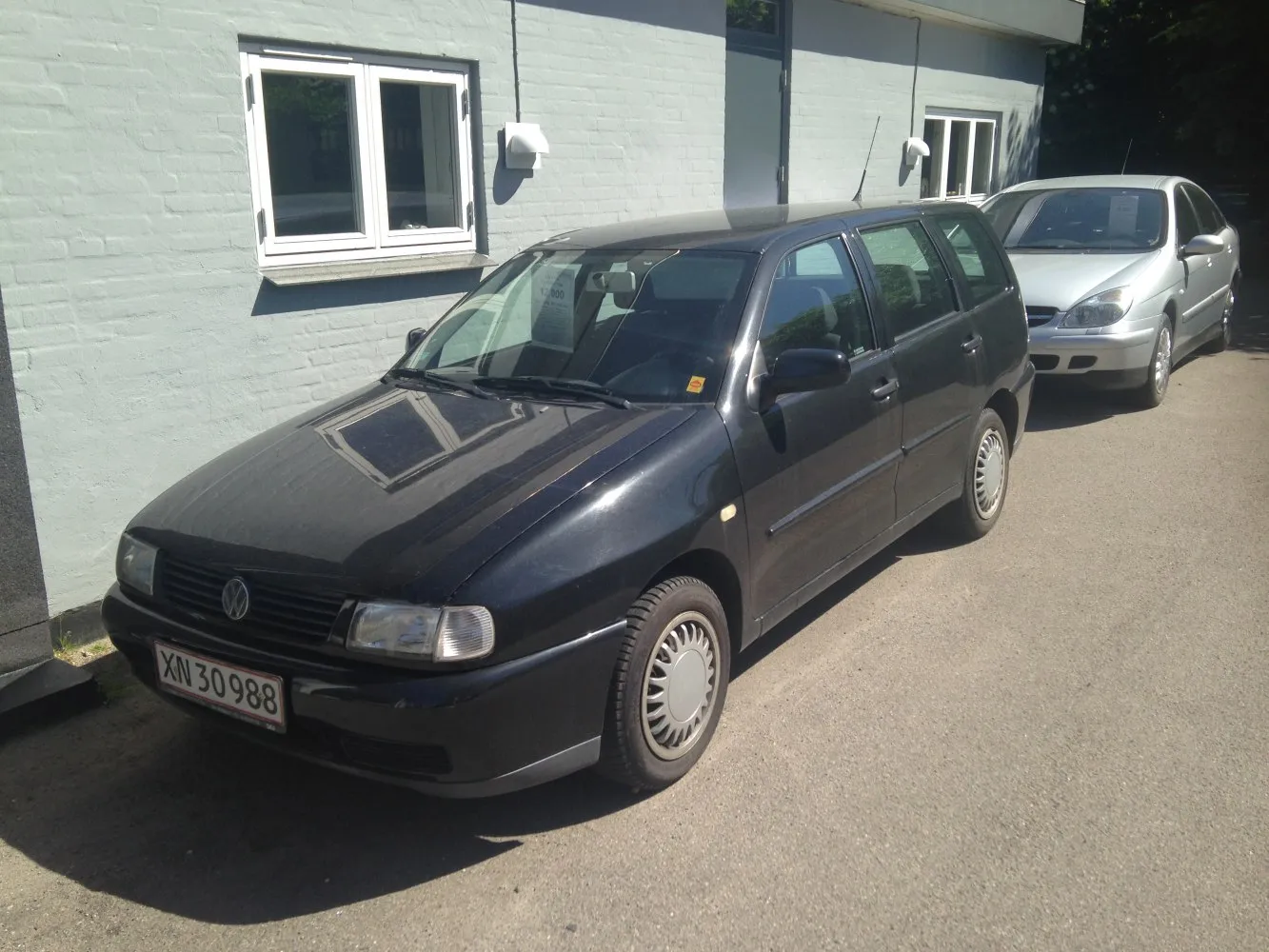
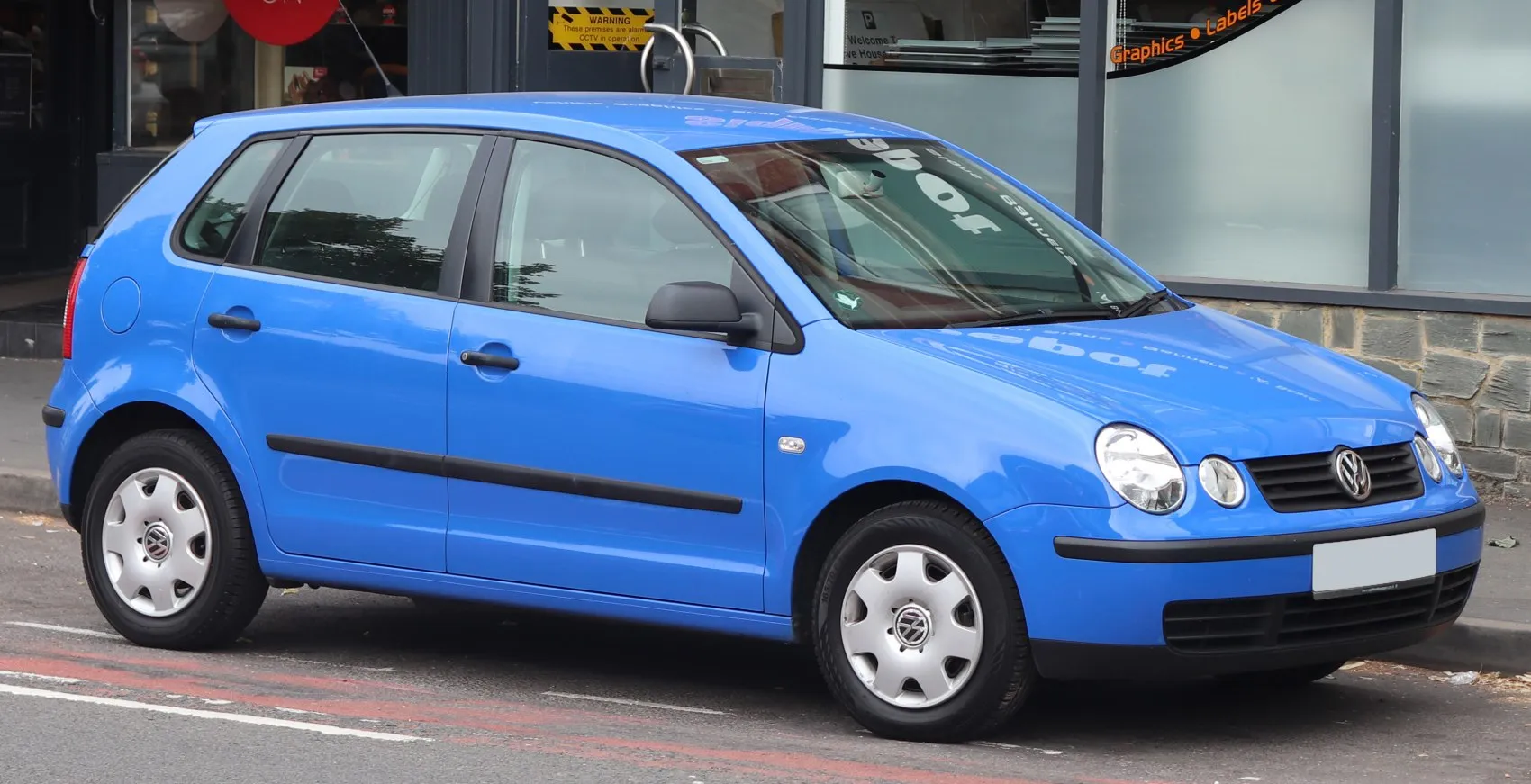
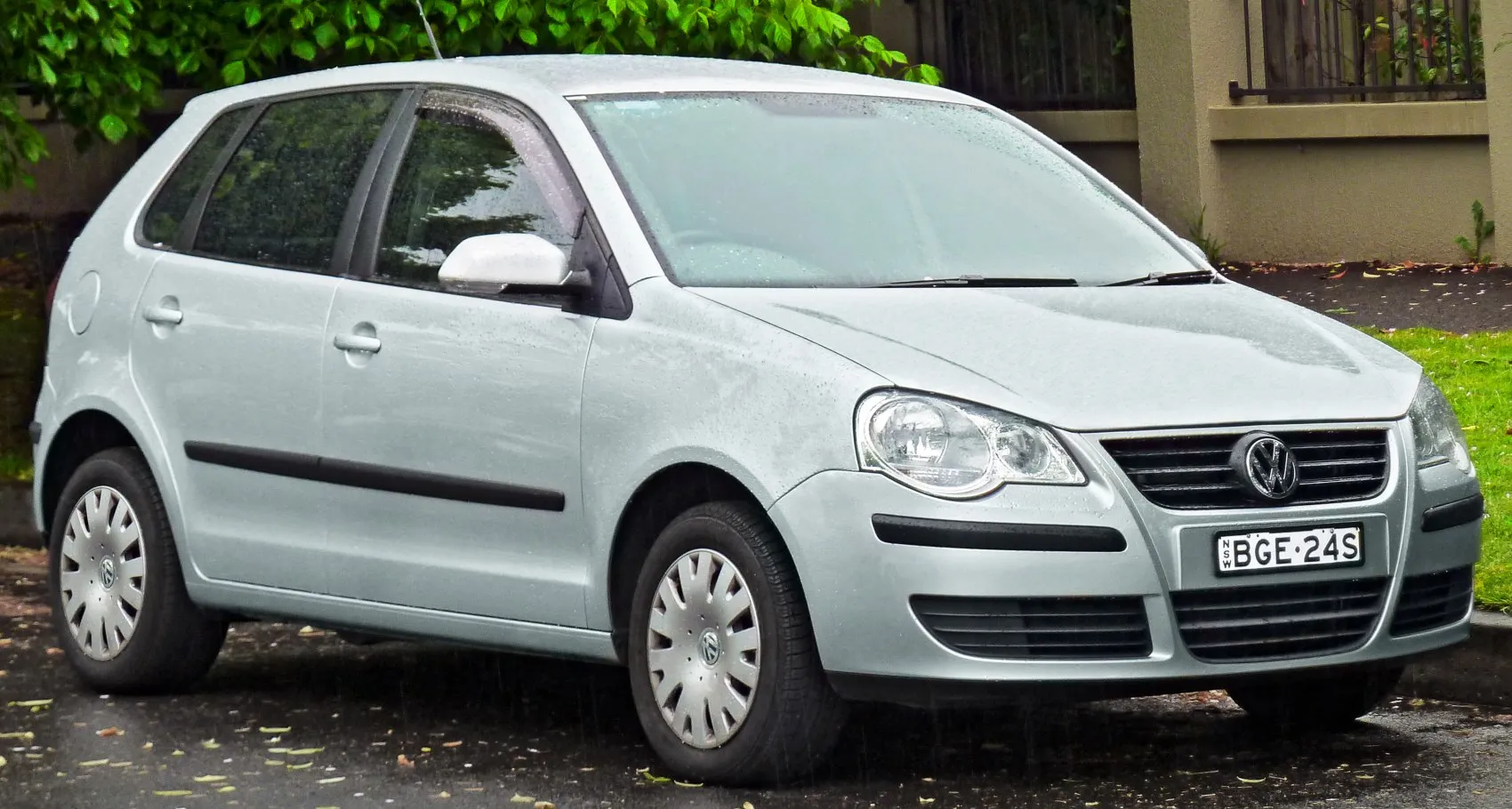
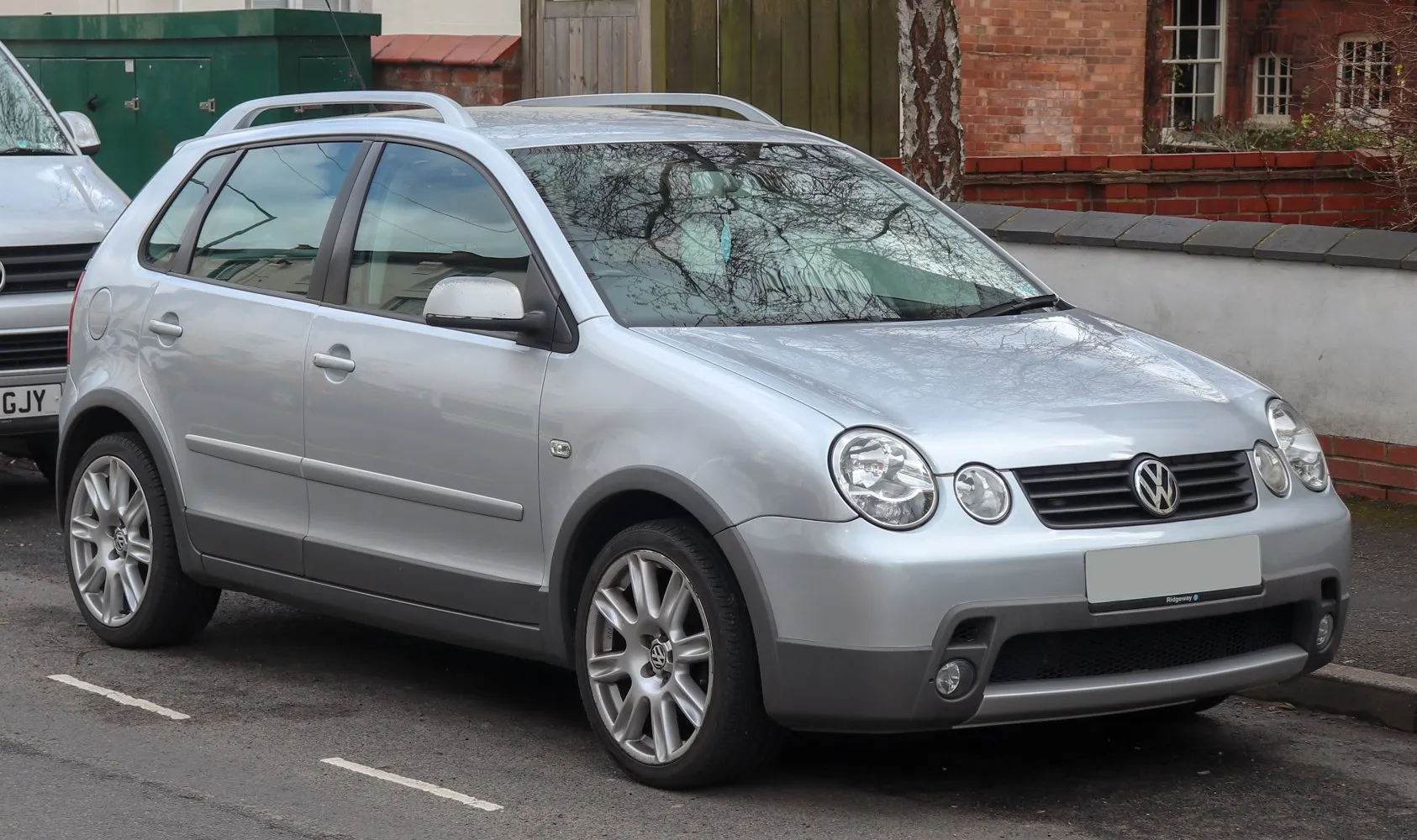
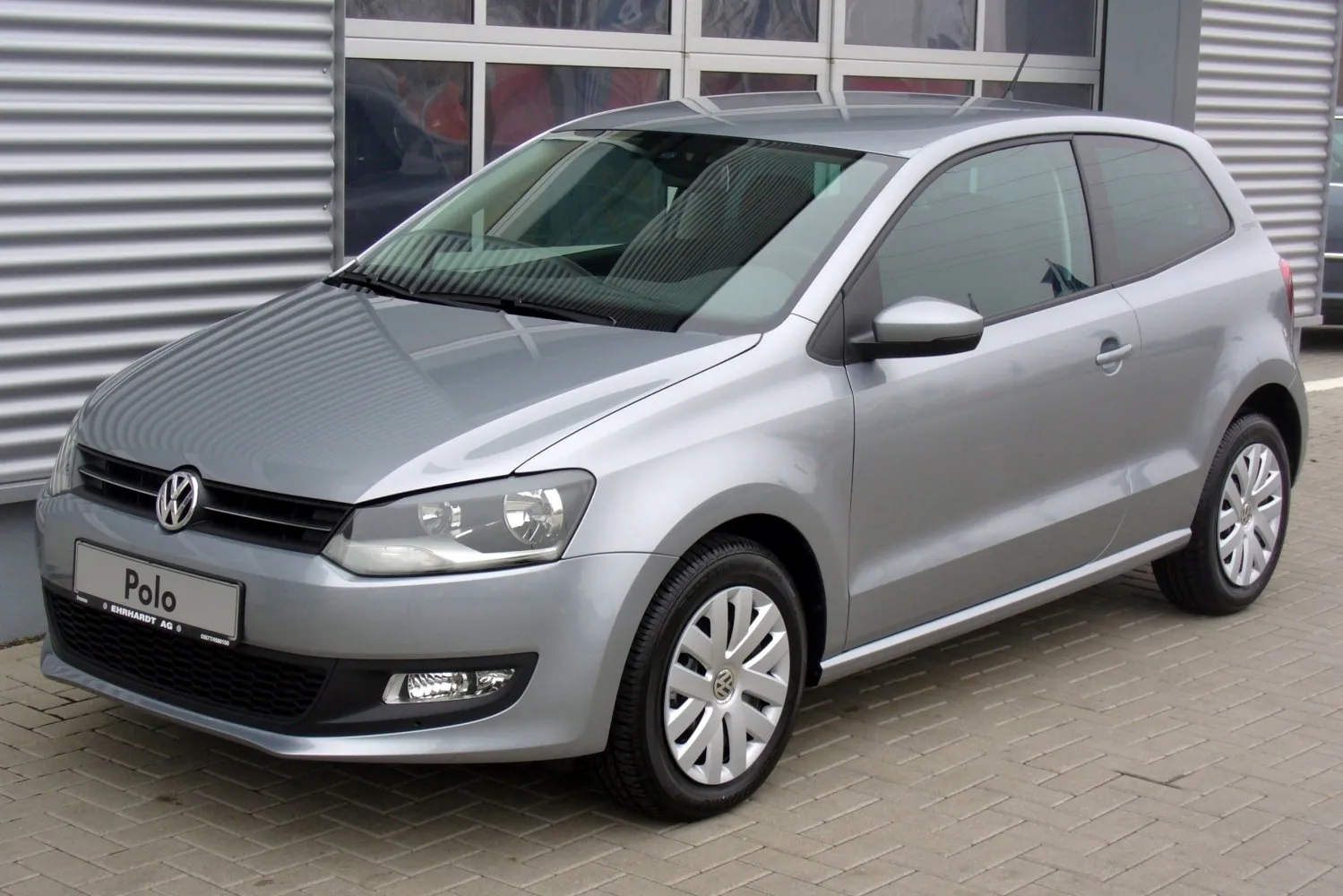
The Volkswagen Polo is a supermini car produced by the German car manufacturer Volkswagen since 1975. It is sold in Europe and other markets worldwide in hatchback, saloon, and estate variants throughout its production run. As of 2018, six separate generations of the Polo had been produced, usually identified by a "Series" or "Mark" number.
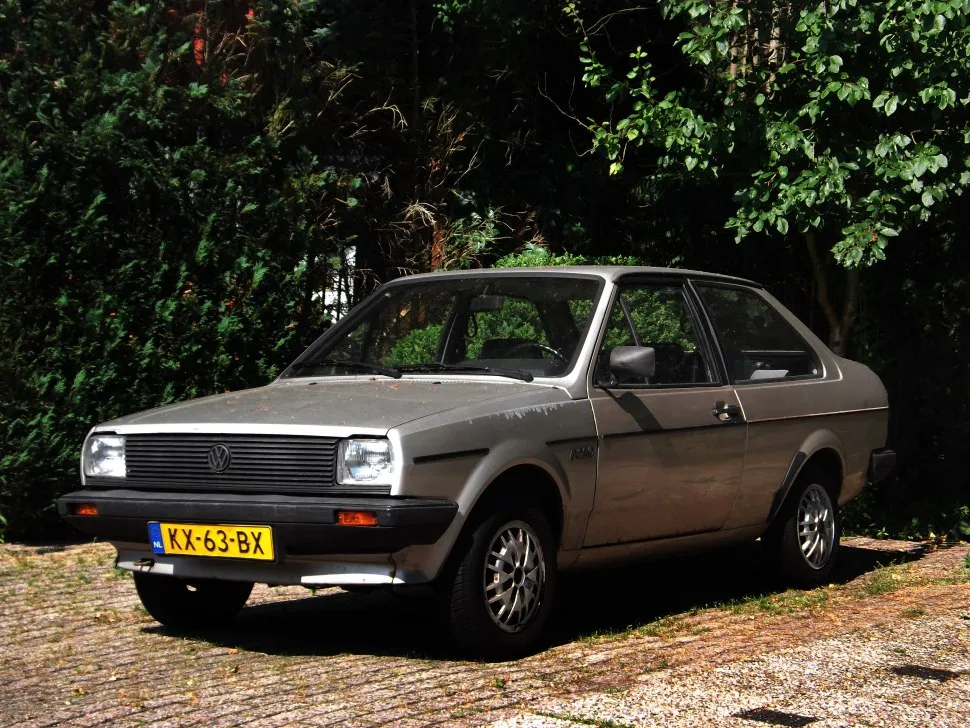
Some generations were facelifted midway through production, with the updated versions known unofficially by an addition of the letter F to the mark number, e. g. , Mk2F. Some members of the automotive press and some enthusiasts consider the facelifts to be separate models, so have used the unofficial designations Polo Mk1 to Mk7 for previous generations. Each Polo model is also identified by a two- or three-character Volkswagen Group Typ number. Official VW Polo history describes Mark I to Mark IV using either Roman numerals or Arabic numerals, with facelifted variants known as "Phase II" models. The body style has been varied through the life of the car, originally as a hatchback, which derived from the Audi 50. A saloon version was marketed as the Volkswagen Derby....(Read more on Wikipedia)
VI (facelift 2021) Overview:
Volkswagen Polo (VI (facelift 2021)). With 160 Nm of torque, it offers ample pulling power. Weighing only 1230 kg, it’s quite light. Front‑wheel drive delivers efficiency and easy handling. Acceleration is relatively slow (0–100 km/h in 12.3 s). The top speed reaches 183 km/h. A compact car with a rear door that swings upward to provide access to the cargo area. Seating for 5 makes it ideal for daily use.
1.0 TGI (90 Hp) Verdict:

Performance Verdict
Performance is modest, prioritizing efficiency and low emissions over outright speed, suitable for relaxed driving.
Fuel Economy
Exceptional running costs due to CNG fuel, making it incredibly economical where infrastructure is available.
Pros and Cons:
Pros:
- • Refined ride quality and composed handling
- • High-quality interior materials and finish
- • Wide range of efficient and capable engines
- • Strong Euro NCAP safety rating
- • Practical boot space for its class
Cons:
- • Can be more expensive than some rivals
- • Rear legroom is average for the segment
- • Some interior plastics feel less premium in lower trims
- • Infotainment system can be complex for some users
Specifications:
Specifications are compared to those of the previous generation(VI: 2020 - 2020).
| General: | |
|---|---|
| Brand: | Volkswagen |
| Model: | Polo |
| Generation: | VI (facelift 2021) |
| Modification (Engine): | 1.0 TGI (90 Hp) |
| Start of production: | 2021 |
| Powertrain Architecture: | Internal Combustion engine |
| Body type: | Hatchback |
| Seats: | 5 |
| Doors: | 5 |
| Engine: | |
|---|---|
| Engine systems: | Start & Stop System |
| Power: | 90 Hp Same horsepower |
| Power per litre: | 90.1 Hp/l [21mm more] |
| Torque: | 160 Nm @ 1800-3800 rpm. |
| Engine Model/Code: | DBYA More details about the engine DBYA |
| Engine displacement: | 999 |
| Number of cylinders: | 3 |
| Engine configuration: | Inline |
| Number of valves per cylinder: | 4 |
| Fuel injection system: | Direct injection and Multi-port manifold injection |
| Engine aspiration: | Turbocharger, Intercooler |
| Valvetrain: | DOHC |
| Engine oil capacity: | 4 l |
| Engine layout: | Front, Transverse |
| Cylinder Bore: | 74.5 mm |
| Piston Stroke: | 76.4 mm |
| Performance: | |
|---|---|
| Combined fuel consumption (WLTP) (CNG): | 3.7 kg/100 km |
| Fuel Type: | Petrol / CNG |
| Fuel consumption (economy) - urban: | 4.1 kg/100 km |
| Fuel consumption (economy) - extra urban: | 2.8 kg/100 km |
| Combined fuel consumption (WLTP): | 3.7 kg/100 km |
| Fuel consumption at Low speed (WLTP): | 4.9 kg/100 km |
| Fuel consumption at Medium speed (WLTP): | 3.6 kg/100 km |
| Fuel consumption at high speed (WLTP): | 3.2 kg/100 km |
| Fuel consumption at very high speed (WLTP): | 3.7 kg/100 km |
| Fuel consumption (economy) - urban (CNG): | 4.1 kg/100 km |
| Fuel consumption (economy) - extra urban (CNG): | 2.8 kg/100 km |
| Fuel consumption (economy) - combined (CNG): | 3.3 kg/100 km |
| Fuel consumption (economy) - urban (CNG) (NEDC): | 4.1 kg/100 km |
| Fuel consumption (economy) - extra urban (CNG) (NEDC): | 2.8 kg/100 km |
| Fuel consumption (economy) - combined (CNG) (NEDC): | 3.3 kg/100 km |
| Fuel consumption at Low speed (WLTP) (CNG): | 4.9 kg/100 km |
| Fuel consumption at Medium speed (WLTP) (CNG): | 3.6 kg/100 km |
| Fuel consumption at high speed (WLTP) (CNG): | 3.2 kg/100 km |
| Fuel consumption at very high speed (WLTP) (CNG): | 3.7 kg/100 km |
| Fuel consumption (economy) - combined: | 3.3 kg/100 km |
| Emission standard: | Euro 6d-ISC-FCM |
| Acceleration 0 - 100 km/h: | 12.3 sec |
| Acceleration 0 - 62 mph: | 12.3 sec |
| Maximum speed: | 183 km/h |
| Weight-to-power ratio: | 13.7 kg/Hp, 73.2 Hp/tonne |
| Weight-to-torque ratio: | 7.7 kg/Nm, 130.1 Nm/tonne |
| Acceleration 0 - 60 mph: | 11.7 sec |
| Space: | |
|---|---|
| Kerb Weight: | 1230 |
| Max. weight: | 1680 |
| Max. roof load: | 75 kg |
| Max load: | 450 |
| Trunk (boot) space - maximum: | 1125 l |
| Trunk (boot) space - minimum: | 351 l |
| Size: | |
|---|---|
| Length: | 4074 mm [21mm more] |
| Width: | 1751 mm [Same width.] |
| Height: | 1435 mm [26mm less] |
| Wheelbase: | 2555 mm [4mm more] |
| Front track: | 1508-1526 mm |
| Rear (Back) track: | 1492-1510 mm |
| Powertrain: | |
|---|---|
| Drivetrain Architecture | The Internal combustion engine (ICE) drives the front wheels of the vehicle. |
| Drive wheel | Front wheel drive |
| Number of gears | 6 |
| Transmission type | Manual |
| Front brakes | Disc [bad for performance and cooling.] |
| Rear brakes | Drum [bad for performance and cooling.] |
| Assisting systems | ABS (Anti-lock braking system) |
| Steering type | Steering rack and pinion |
| Power steering | Electric Steering |
| Tires size | 185/65 R15; 195/55 R16 |
| Wheel rims size | 5.5J x 15; 6.5J x 16 |
| Front suspension | Independent type McPherson |
| Rear suspension | Torsion |





Better than its competitors? Tell us why the Volkswagen Polo stands out.