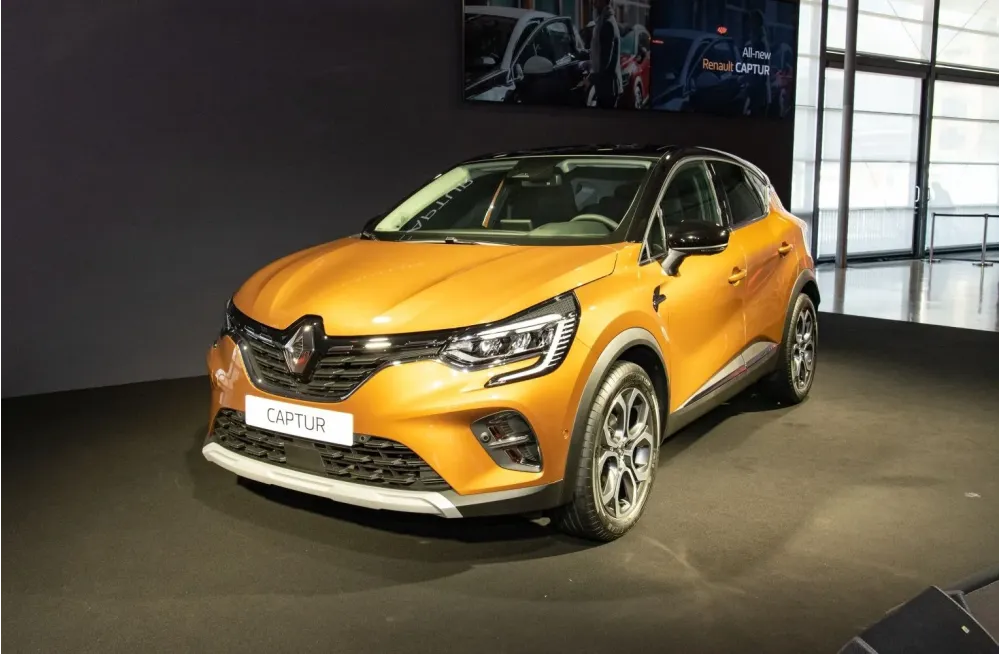
Click on image to view the full photo gallery
Renault Captur II E-TECH 1.6 (158 Hp) Plug-in Hybrid Multimode
Overall Rating
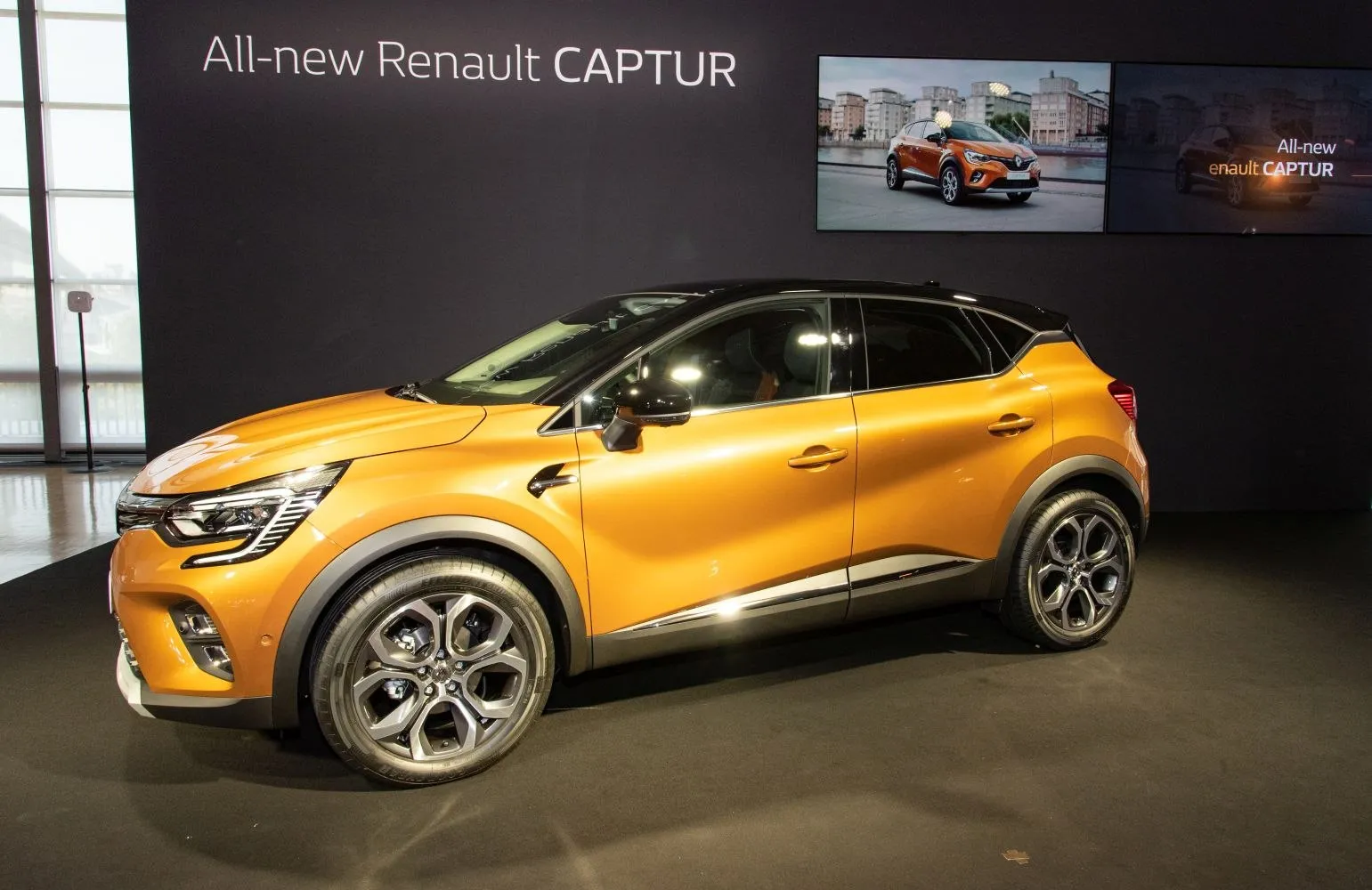
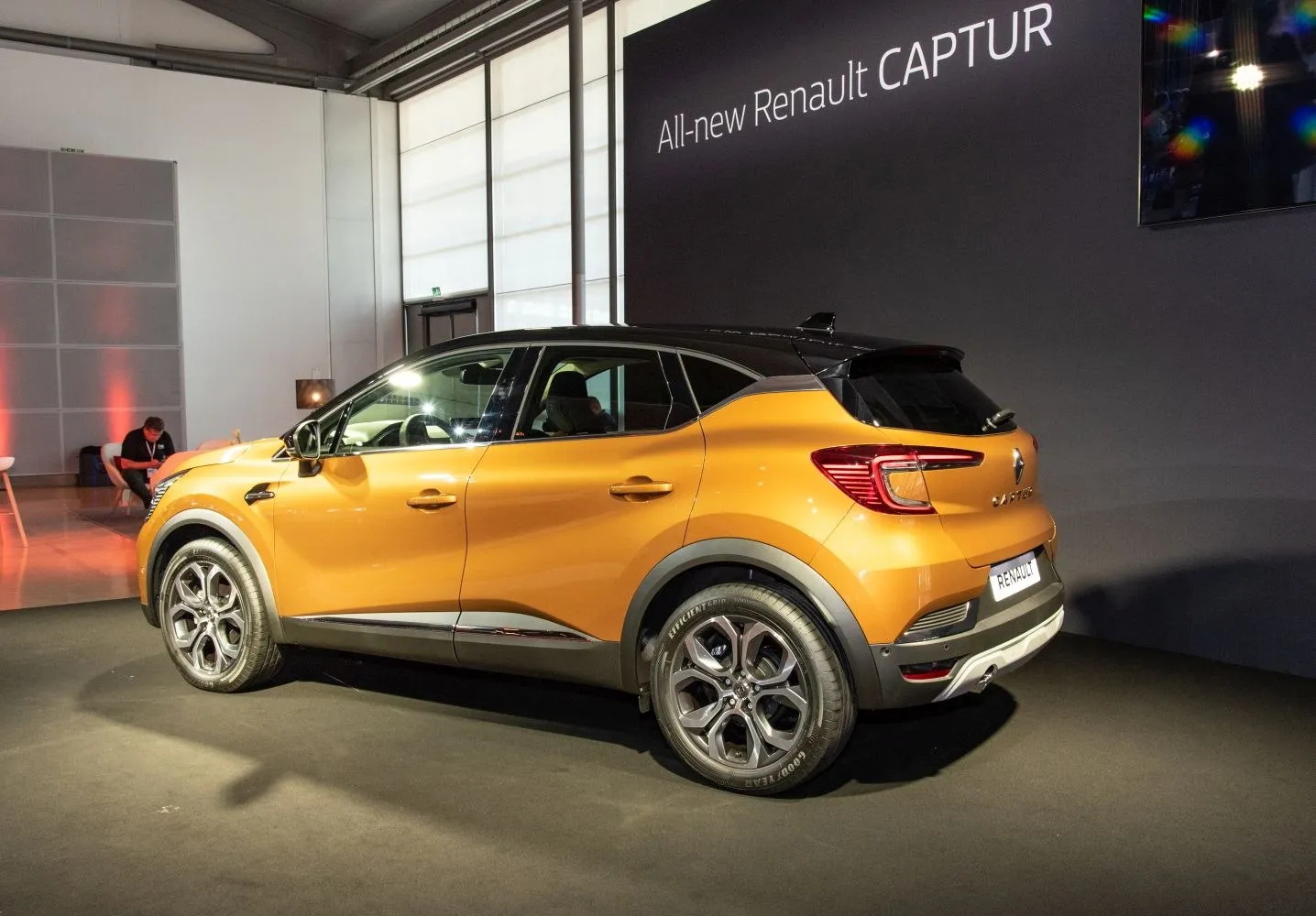
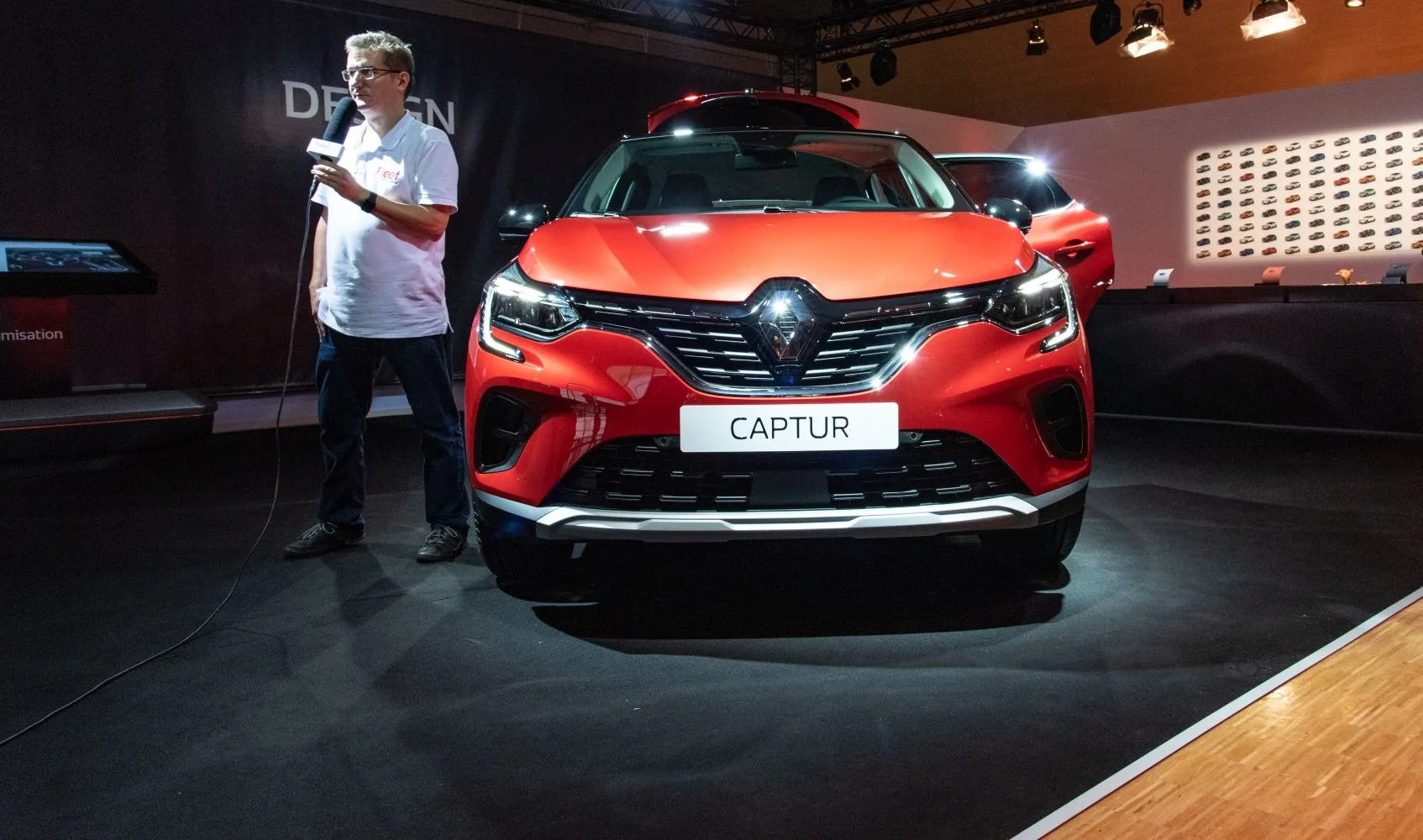
Renault Captur:
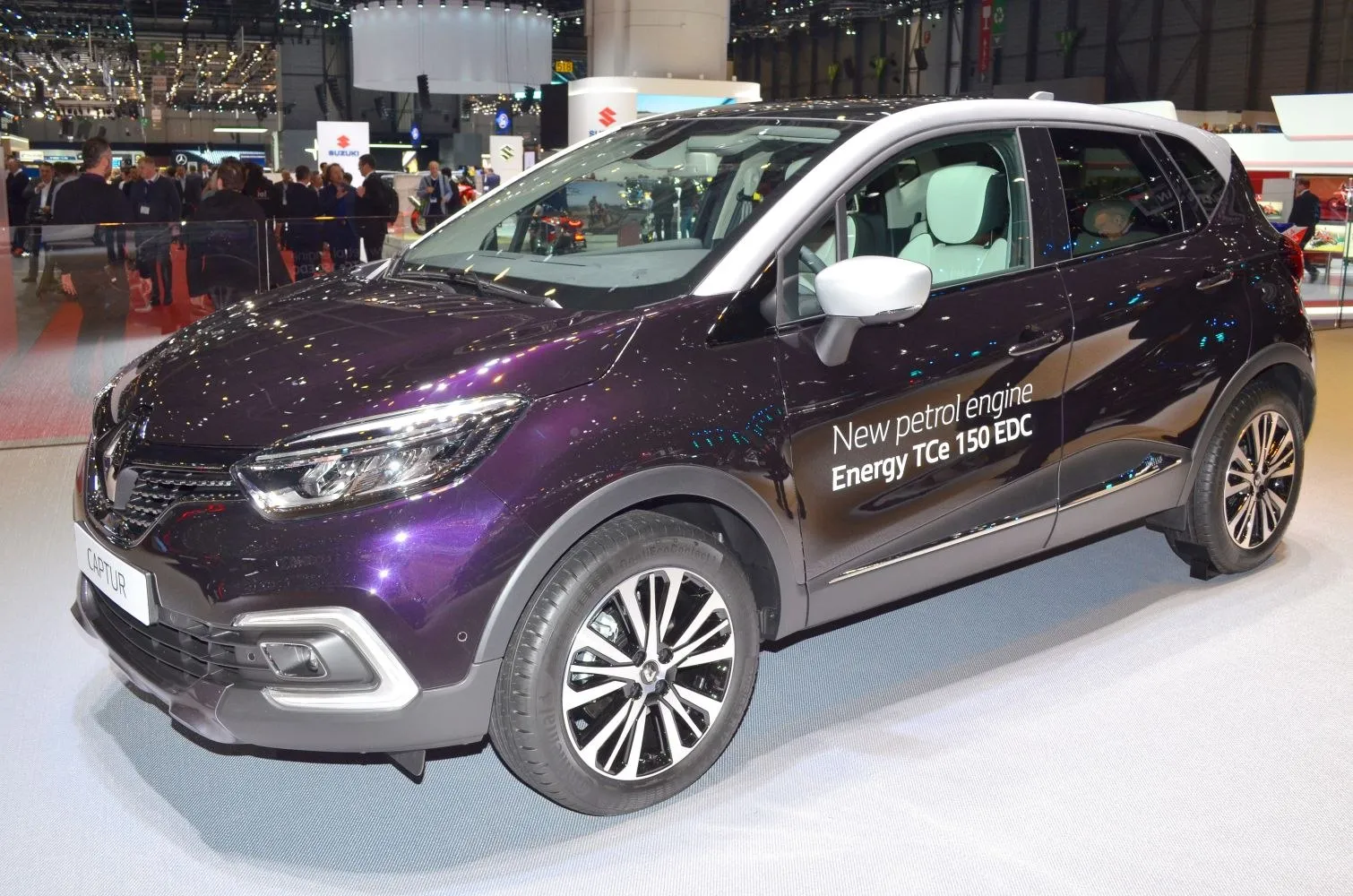
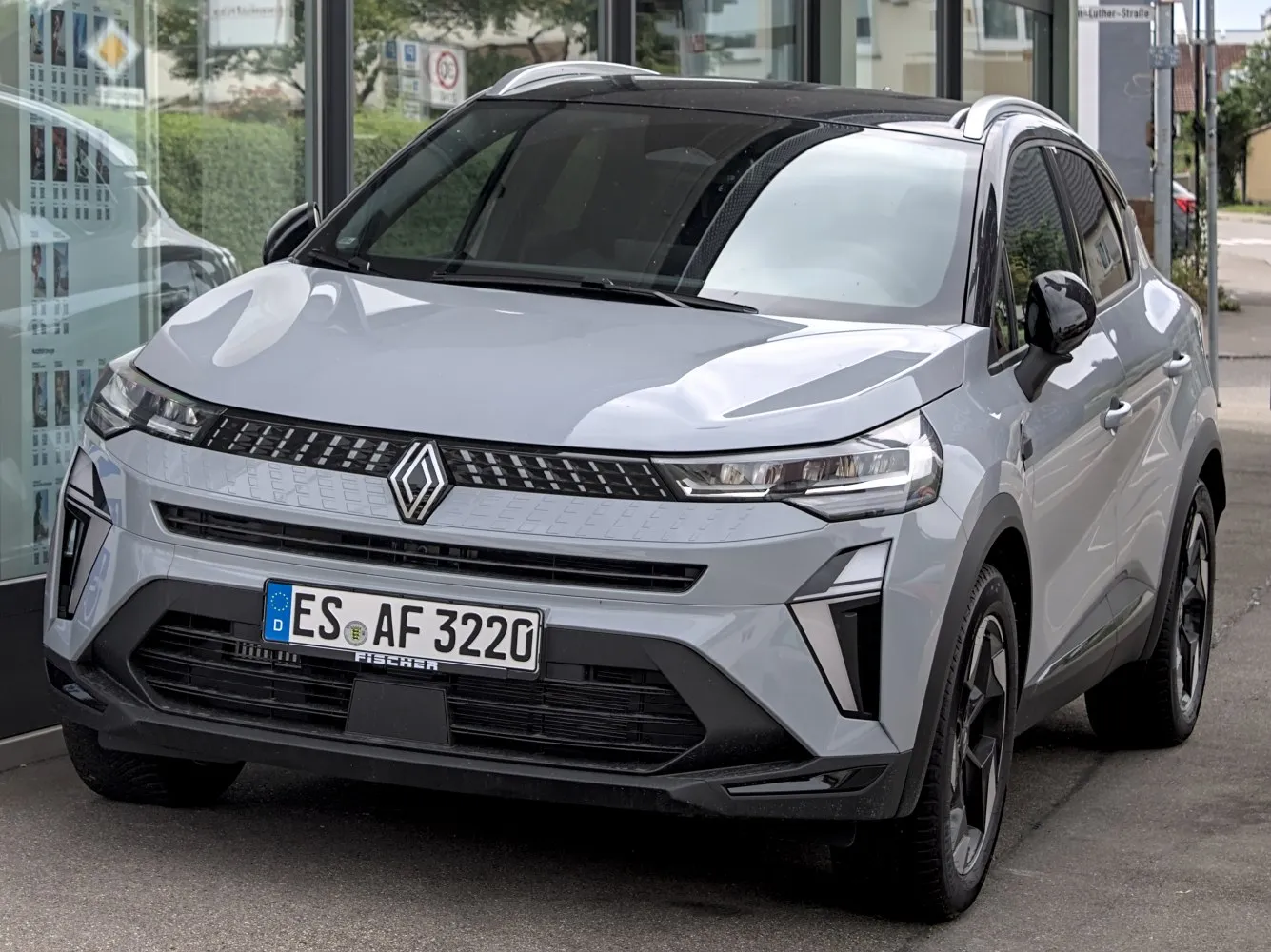
The Renault Captur is a series of subcompact crossover SUVs manufactured by the French automaker Renault. The production version of the first one, based on the B platform, made its debut at the 2013 Geneva Motor Show and started to be marketed in France during April 2013. The Captur Concept was first shown at the 2011 Geneva Motor Show.
Under the "same skin with different specification" strategy adopted by Renault, the Captur was made in a larger version based on the low-cost B0 platform shared with the Duster. It uses the similar styling with the first-generation Captur but with an extended wheelbase, greater ground clearance and all-wheel-drive drivetrain. Referred internally as the "Captur Global Access", the vehicle was produced in Russia, Brazil and India....(Read more on Wikipedia)
II Overview:
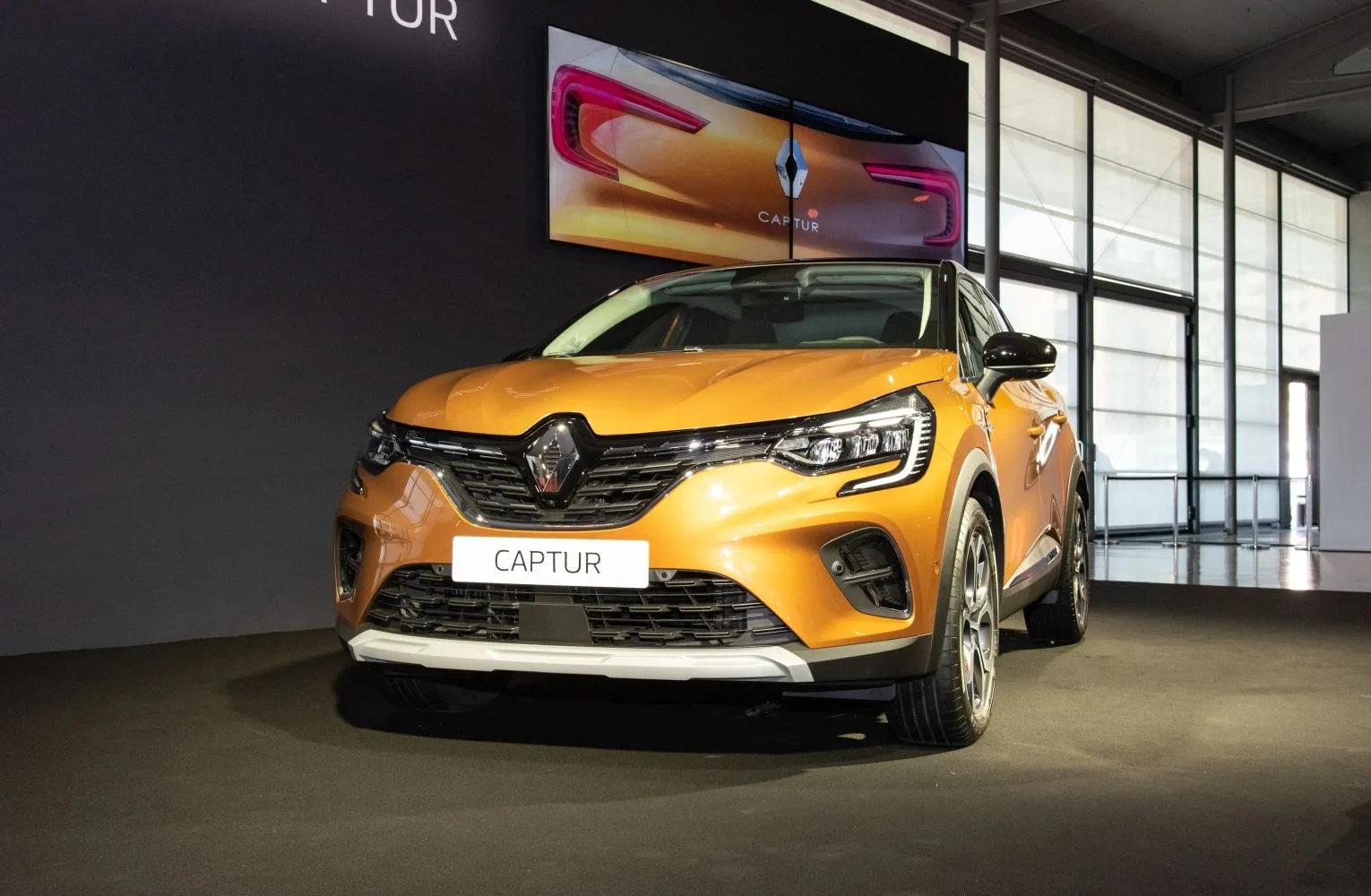
Renault Captur (II). With 144 Nm of torque, it offers ample pulling power. With a weight of 1564 kg, it falls in the mid‑range. Front‑wheel drive delivers efficiency and easy handling. Acceleration is relatively slow (0–100 km/h in 10.1 s). The top speed reaches 173 km/h. A vehicle that combines characteristics of SUVs and hatchbacks for versatility. Seating for 5 makes it ideal for daily use.
The Captur II achieved an excellent 5-star Euro NCAP rating, demonstrating strong adult occupant protection and comprehensive safety assist systems.
E-TECH 1.6 (158 Hp) Plug-in Hybrid Multimode Verdict:

Performance Verdict
Combines a 92 Hp petrol engine with a powerful electric motor for a robust 158 Hp system output, offering brisk acceleration and excellent electric-only capability.
Fuel Economy
Outstanding fuel efficiency with a combined WLTP consumption of 1.5-1.6 l/100 km, thanks to its plug-in hybrid technology and 50 km electric range.
Pros and Cons:
Pros:
- • Stylish and modern exterior design
- • High-quality interior with good materials and technology
- • Wide range of efficient engine options, including advanced E-TECH hybrids
- • Excellent Euro NCAP safety rating
- • Comfortable ride quality for daily driving
- • Good value for money in its segment
Cons:
- • Rear legroom can be tight for taller passengers
- • Boot space is reduced in hybrid models (265l vs 422l for petrol)
- • Some entry-level engines can feel underpowered on highways
- • Infotainment system can be less intuitive than some rivals
- • Rear torsion beam suspension can be less refined than multi-link setups
Specifications:
Specifications are compared to those of the previous generation(II: February, 2020 - April, 2024).
| General: | |
|---|---|
| Brand: | Renault |
| Model: | Captur |
| Generation: | II |
| Modification (Engine): | E-TECH 1.6 (158 Hp) Plug-in Hybrid Multimode |
| Start of production: | June, 2020 |
| End of production: | May, 2022 |
| Powertrain Architecture: | PHEV (Plug-in Hybrid Electric Vehicle) |
| Body type: | Crossover |
| Seats: | 5 |
| Doors: | 5 |
| Engine: | |
|---|---|
| Engine systems: | Start & Stop System |
| Power: | 92 Hp @ 5600 rpm. Same horsepower |
| Power per litre: | 57.6 Hp/l [Same length.] |
| Torque: | 144 Nm @ 3200 rpm. |
| Engine Model/Code: | H4M 630 More details about the engine H4M 630 |
| Engine displacement: | 1598 |
| Number of cylinders: | 4 |
| Engine configuration: | Inline |
| Number of valves per cylinder: | 4 |
| Fuel injection system: | Multi-port manifold injection |
| Engine aspiration: | Naturally aspirated engine |
| Valvetrain: | DOHC |
| Engine oil capacity: | 4.5 l |
| Engine layout: | Front, Transverse |
| Cylinder Bore: | 78 mm mm |
| Piston Stroke: | 83.6 mm mm |
| Performance: | |
|---|---|
| Fuel Type: | Petrol / electricity |
| Combined fuel consumption (WLTP): | 1.5-1.6 l/100 km |
| Emission standard: | Euro 6d |
| Acceleration 0 - 100 km/h: | 10.1 sec |
| Acceleration 0 - 62 mph: | 10.1 sec |
| Maximum speed: | 173 km/h |
| Weight-to-power ratio: | 9.9 kg/Hp, 101 Hp/tonne |
| Weight-to-torque ratio: | 10.9 kg/Nm, 92.1 Nm/tonne |
| Max speed (electric): | 135 km/h |
| Acceleration 0 - 60 mph: | 9.6 sec |
| Space: | |
|---|---|
| Kerb Weight: | 1564 |
| Max. weight: | 2060 |
| Max. roof load: | 80 kg |
| Max load: | 496 |
| Trunk (boot) space - maximum: | 1118 l |
| Trunk (boot) space - minimum: | 265 l |
| Permitted trailer load with brakes (12%): | 750 kg |
| Fuel tank capacity: | 39 l |
| Permitted trailer load without brakes: | 650 kg |
| Permitted towbar download: | 75 kg |
| Size: | |
|---|---|
| Length: | 4227 mm mm [Same length.] |
| Width: | 1797 mm mm [Same width.] |
| Height: | 1576 mm mm [Same height.] |
| Wheelbase: | 2639 mm mm [Same wheelbase.] |
| Width with mirrors folded: | 1797 mm |
| Width including mirrors: | 2003 mm |
| Front track: | 1560 mm |
| Rear (Back) track: | 1547 mm |
| Front overhang: | 876 mm |
| Rear overhang: | 712 mm |
| Ride height (ground clearance): | 142 mm |
| Minimum turning circle (turning diameter): | 11.1 m [above average] |
| Powertrain: | |
|---|---|
| Drivetrain Architecture | The Internal combustion engine (ICE) and electric motor drive the front wheels of the car with the ability to work in full electric or mixed mode. |
| Drive wheel | Front wheel drive |
| Transmission type | Automatic |
| Gearbox type | Multimode |
| Front brakes | Ventilated discs, 296x26 mm [Best for performance and cooling.] |
| Rear brakes | Disc, 290x13 mm [above average] |
| Assisting systems | ABS (Anti-lock braking system) |
| Steering type | Steering rack and pinion |
| Power steering | Electric Steering |
| Tires size | 215/65 R16; 215/60 R17; 215/55 R18 |
| Wheel rims size | 16; 17; 18 |
| Front suspension | Independent, type McPherson with coil spring and anti-roll bar |
| Rear suspension | Coil spring, Torsion |
| Electric: | |
|---|---|
| Net (usable) battery capacity: | 9.8 kWh |
| Gross battery capacity: | 10.46 kWh |
| Battery technology: | Lithium-ion (Li-Ion) |
| Battery location: | Below the floor, under the rear seats |
| System power: | 158 Hp |
| All-electric range: | 50 km |
| Electric motor power: | 67 Hp |
| Electric motor Torque: | 205 Nm |
| Average Energy consumption: | 17.3-18.3 kWh/100 km |
| Electric motor location: | Integrated into the transmission |
| Average Energy consumption (WLTP): | 17.3-18.3 kWh/100 km |
| All-electric range (WLTP): | 50 km |
| Battery weight: | 103 kg |
| Battery voltage: | 346 V |





If you could change one thing about the Renault Captur, what would it be?