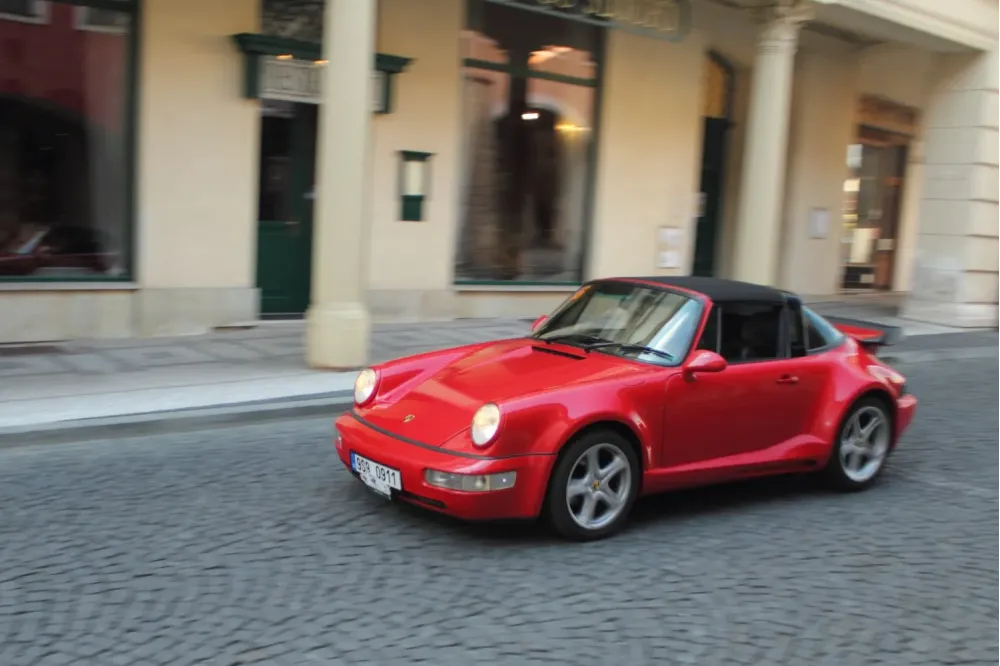
Click on image to view the full photo gallery
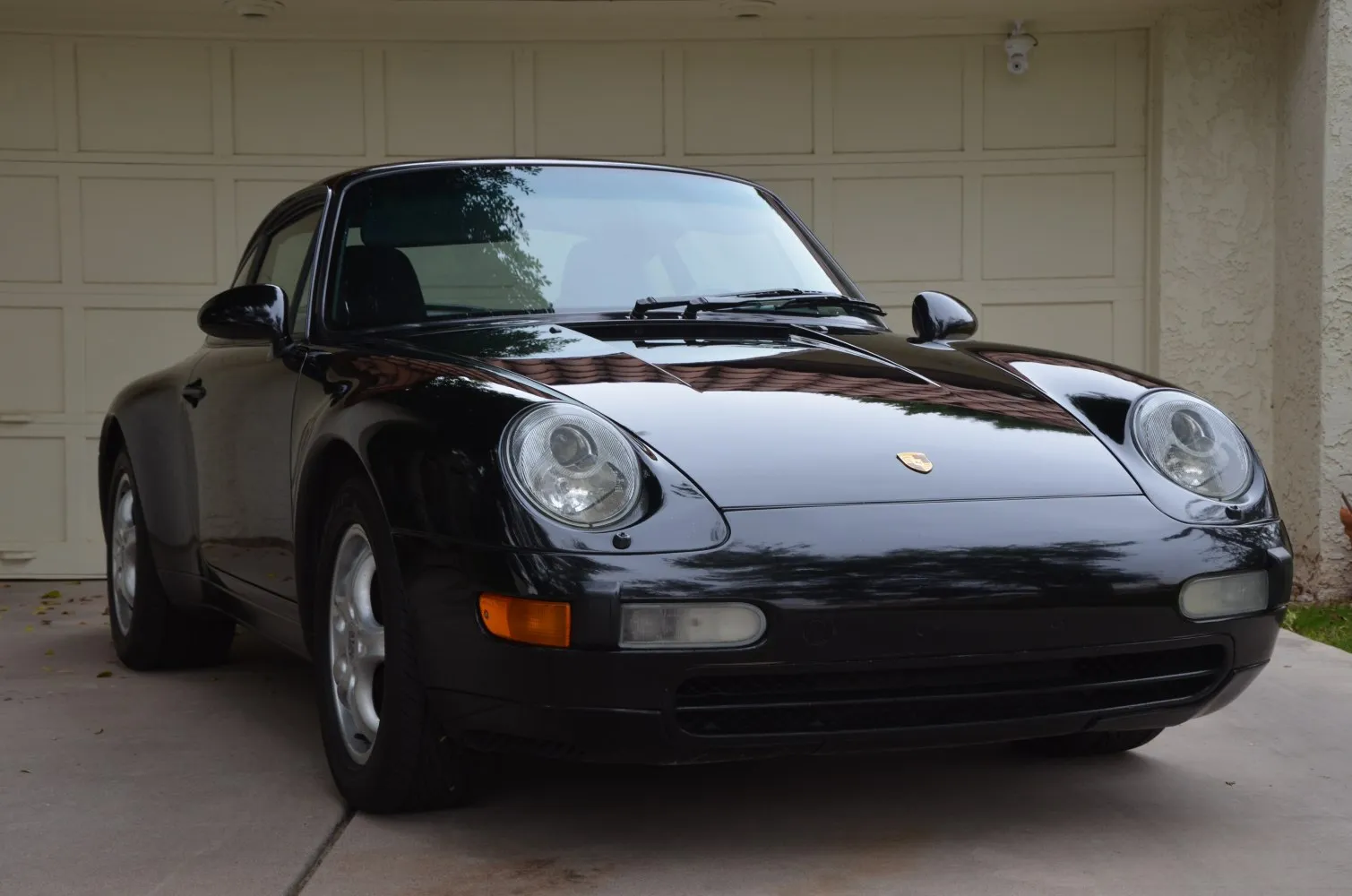
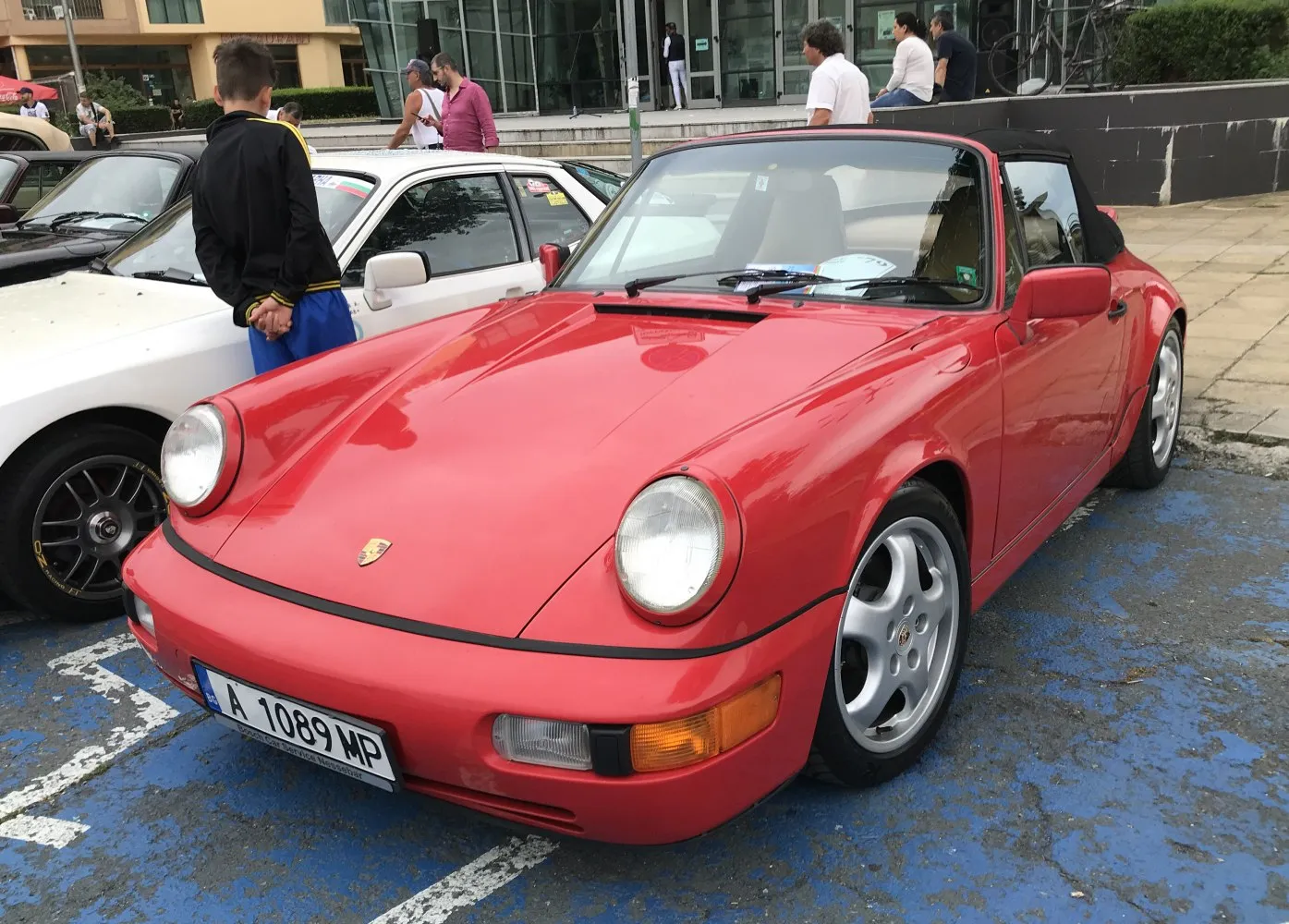
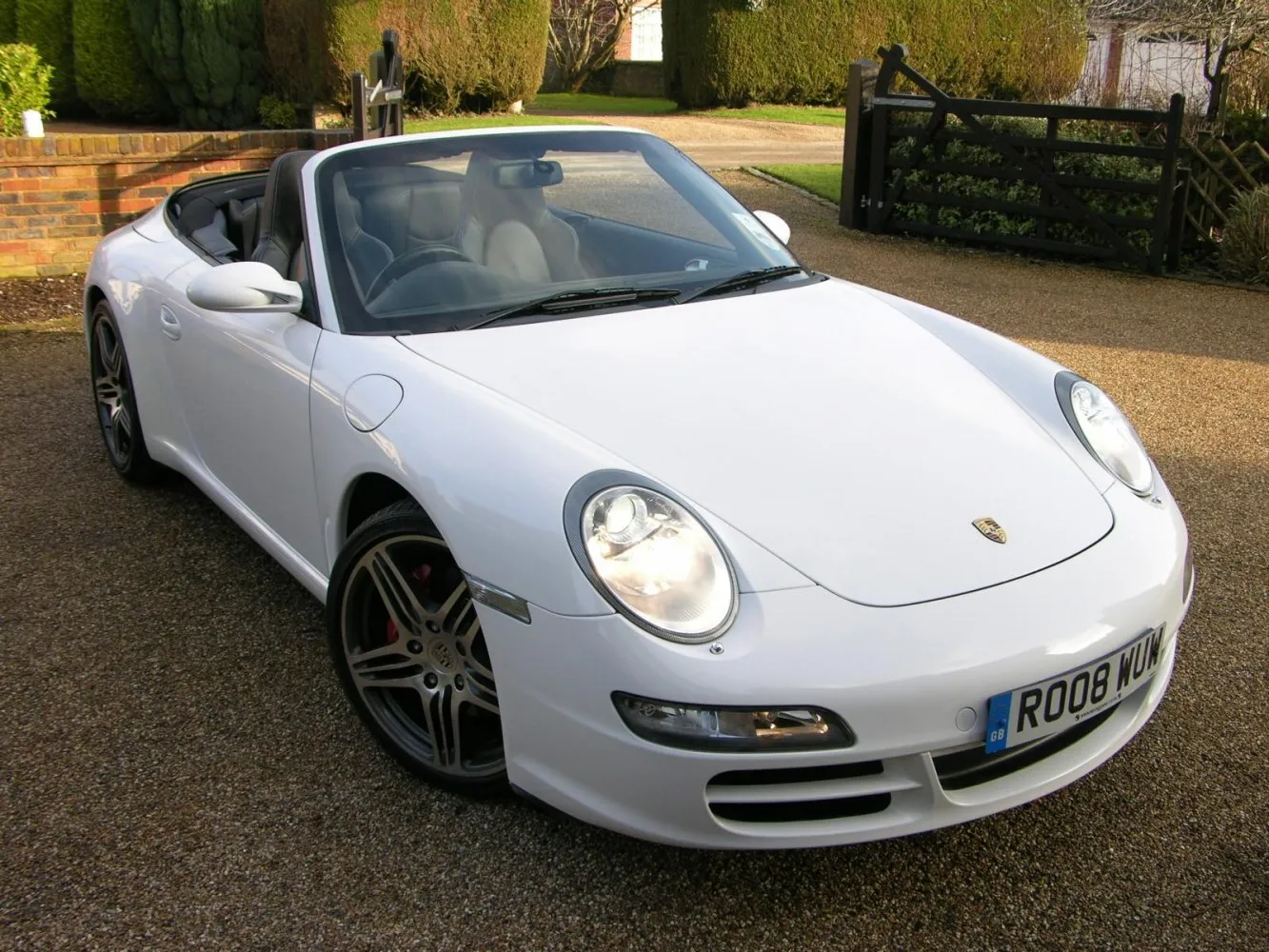
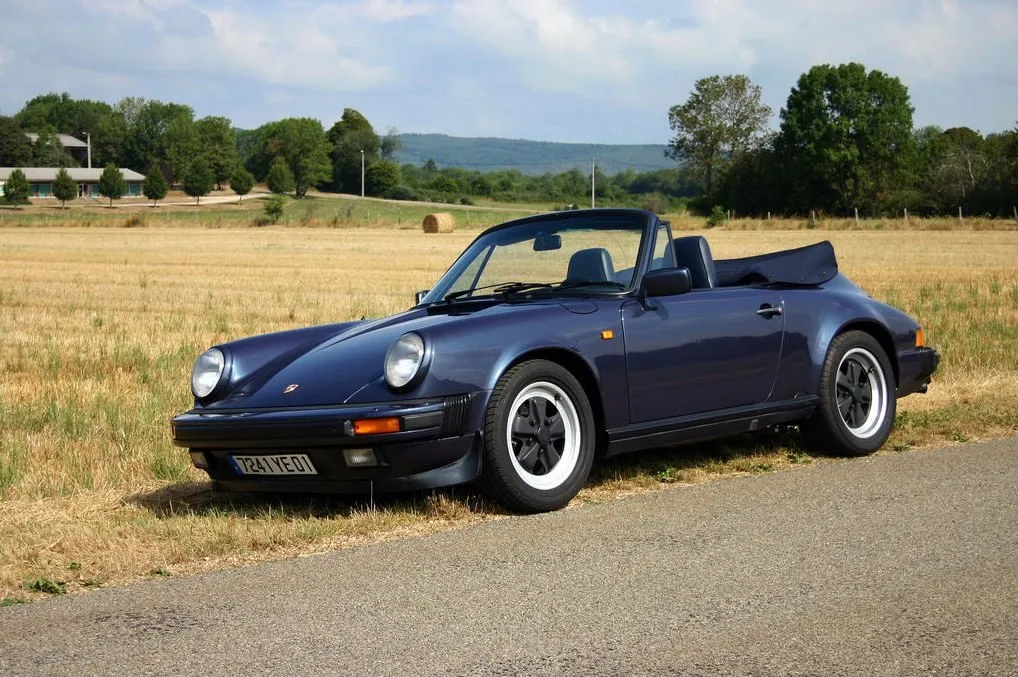
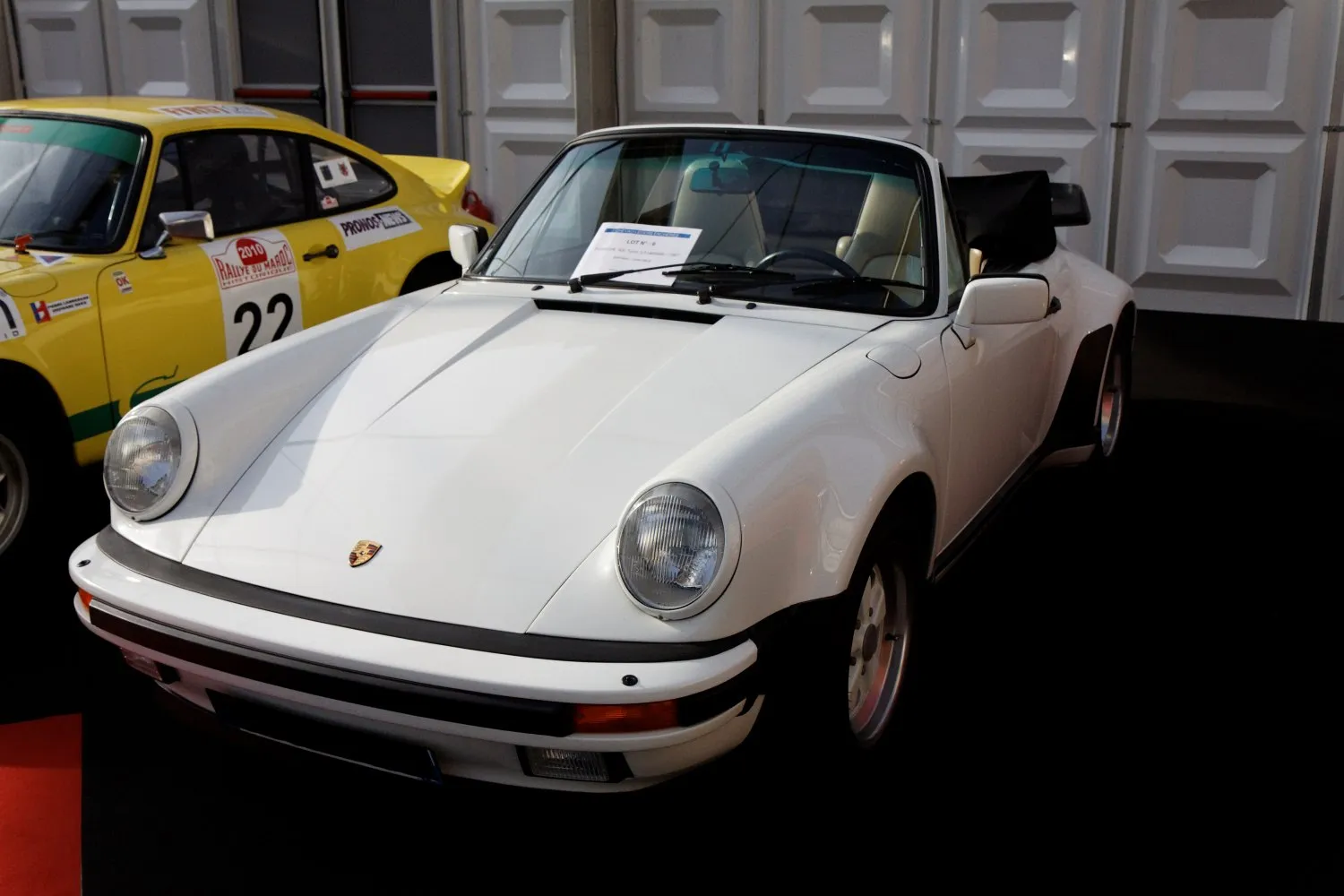
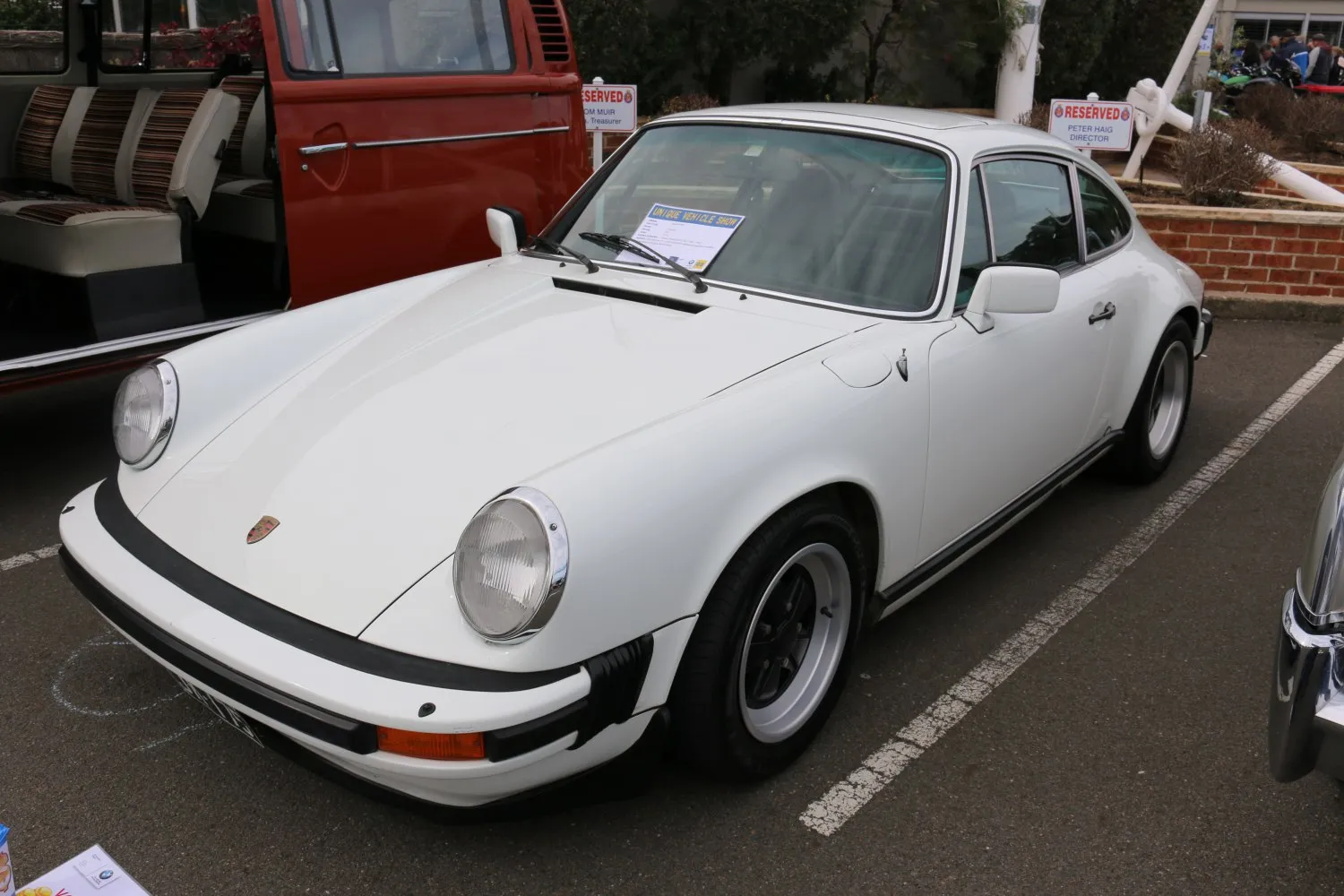
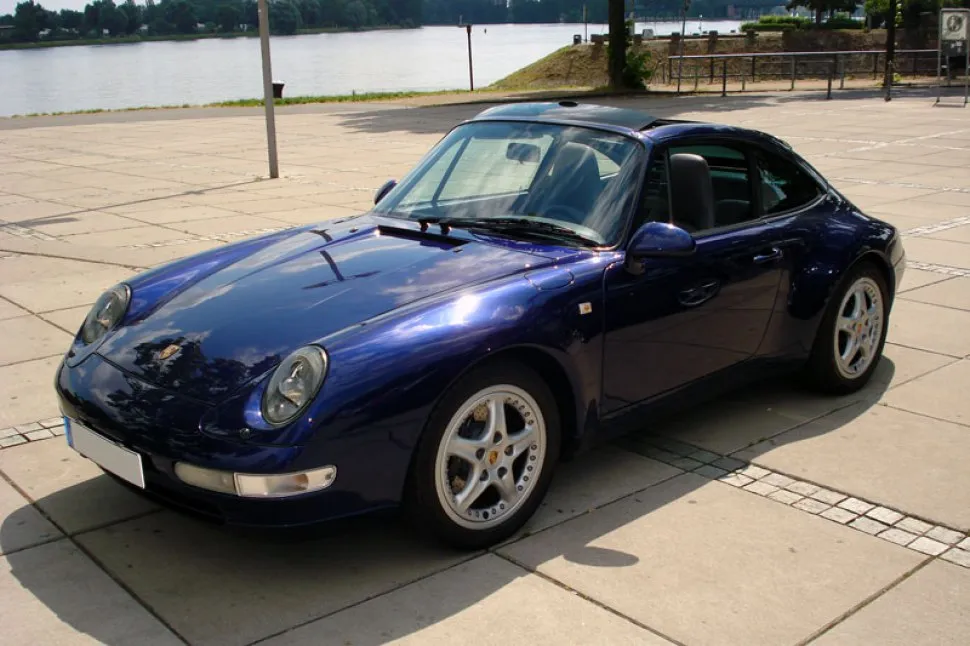
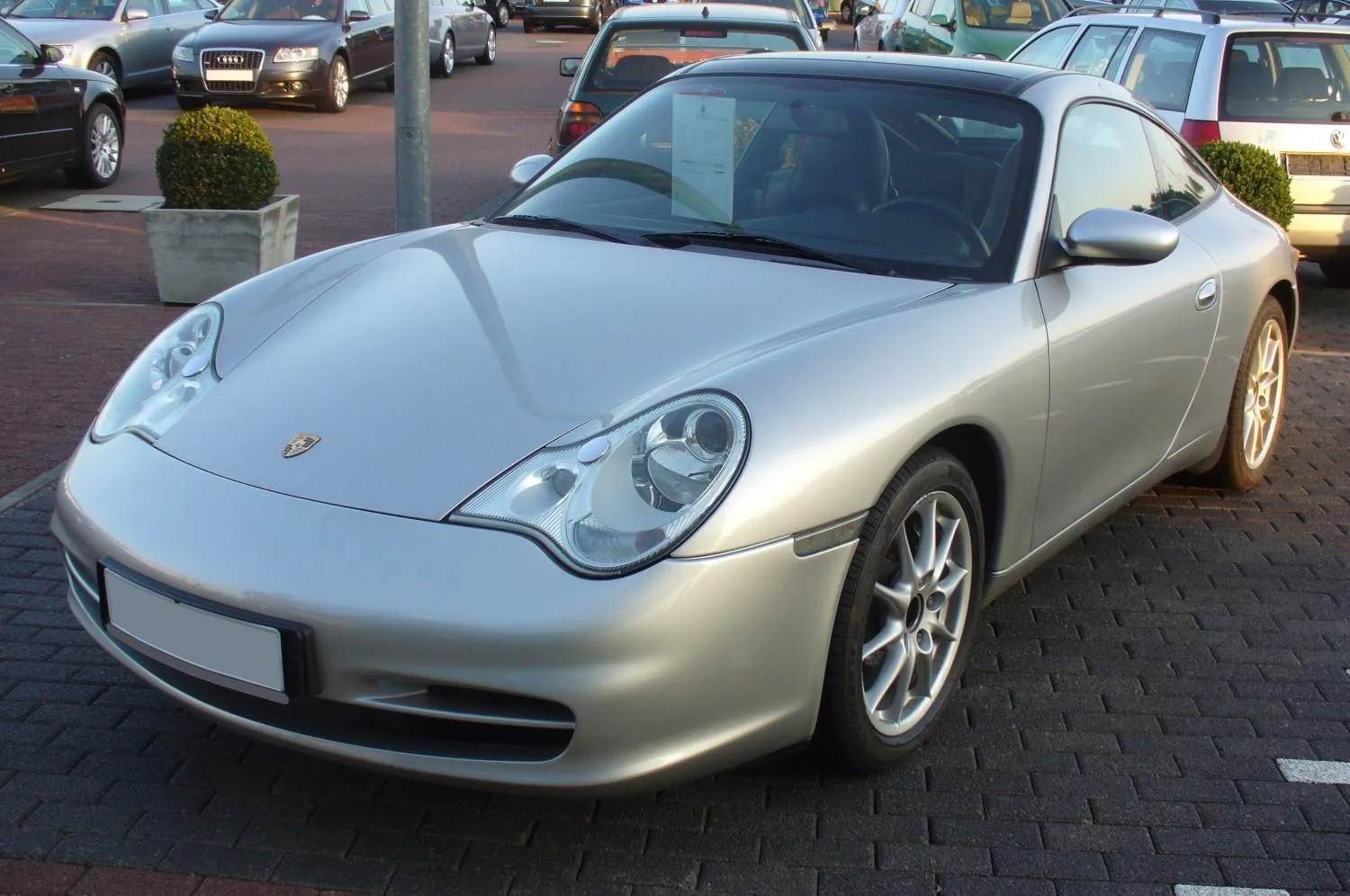
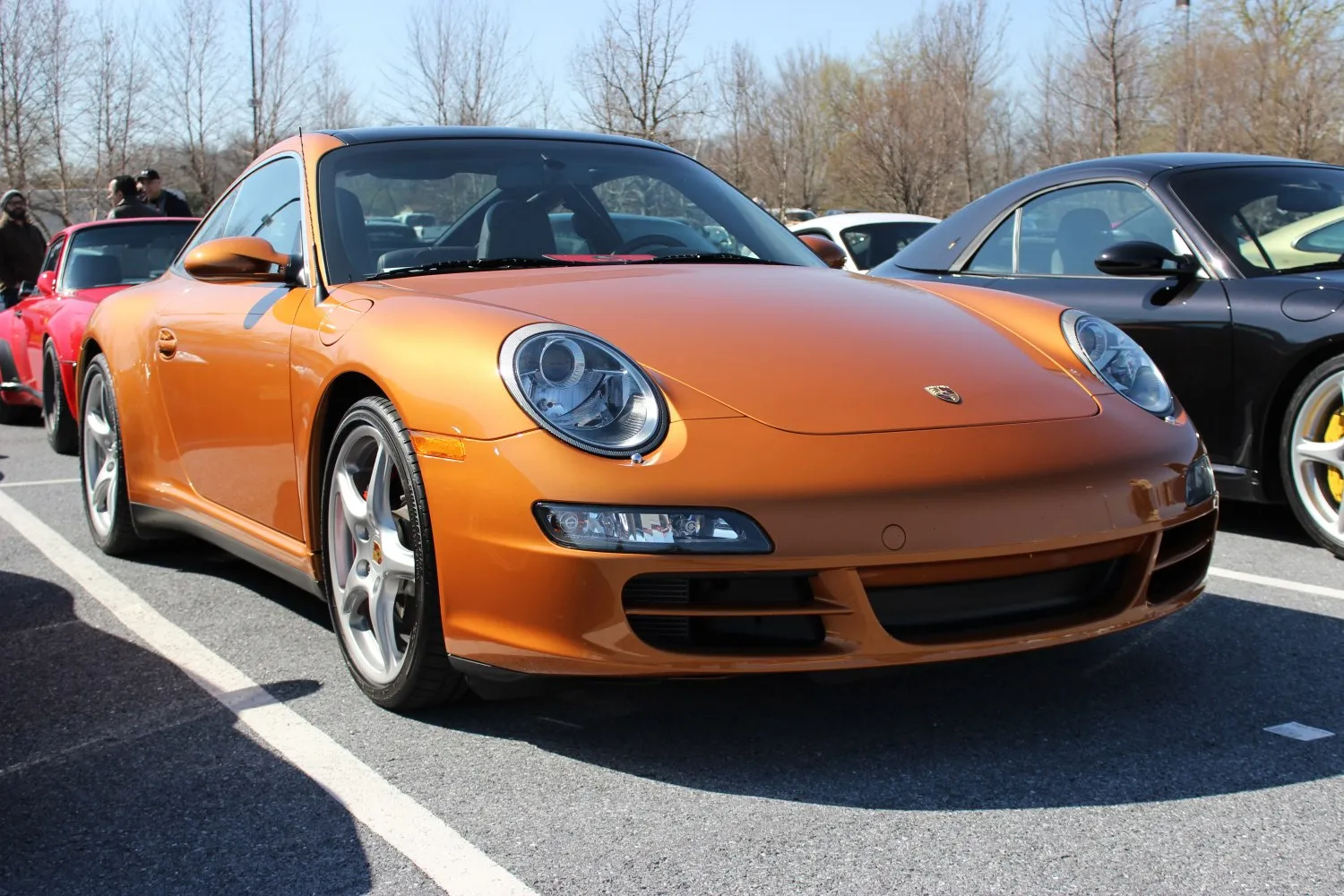
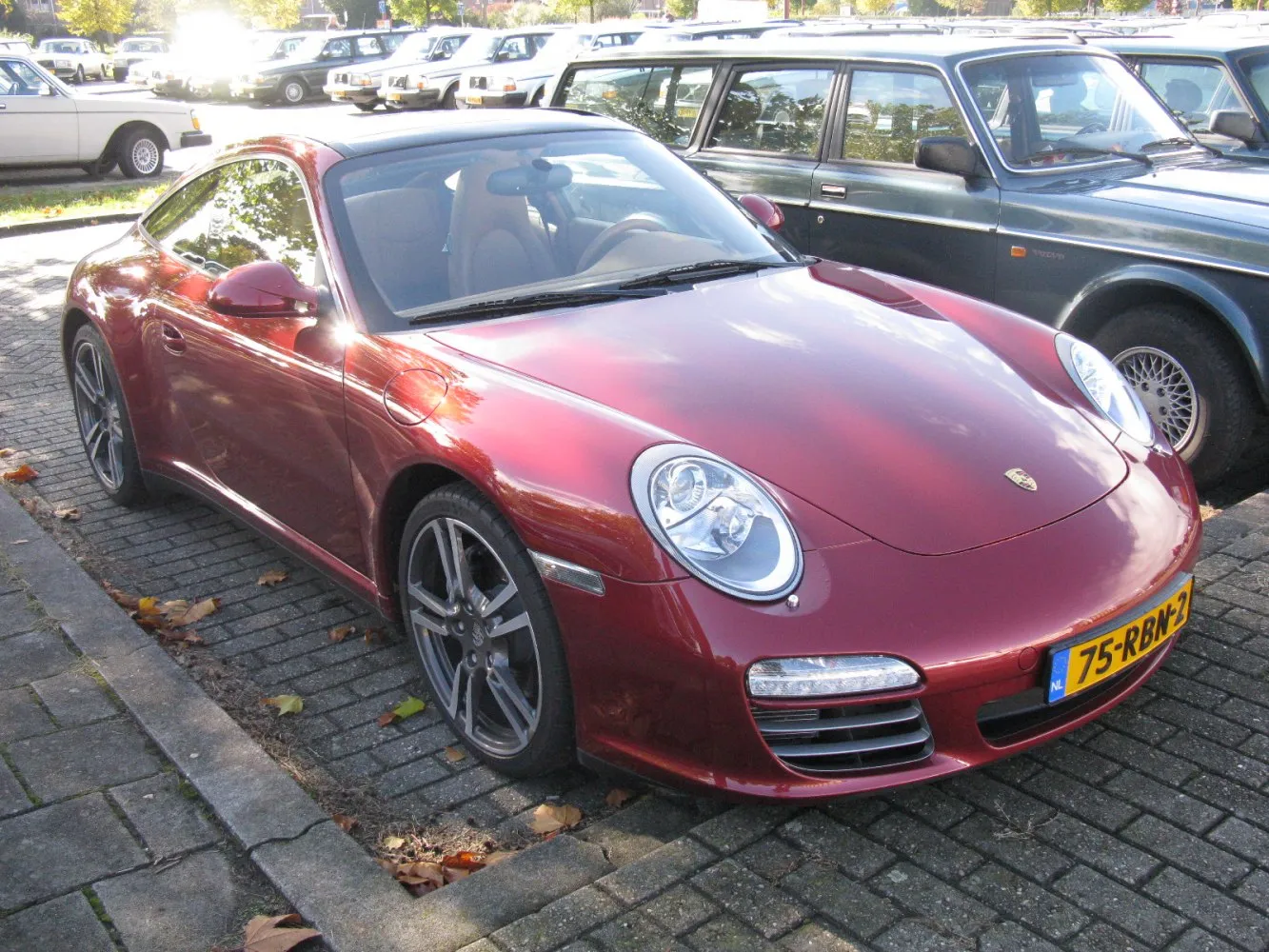
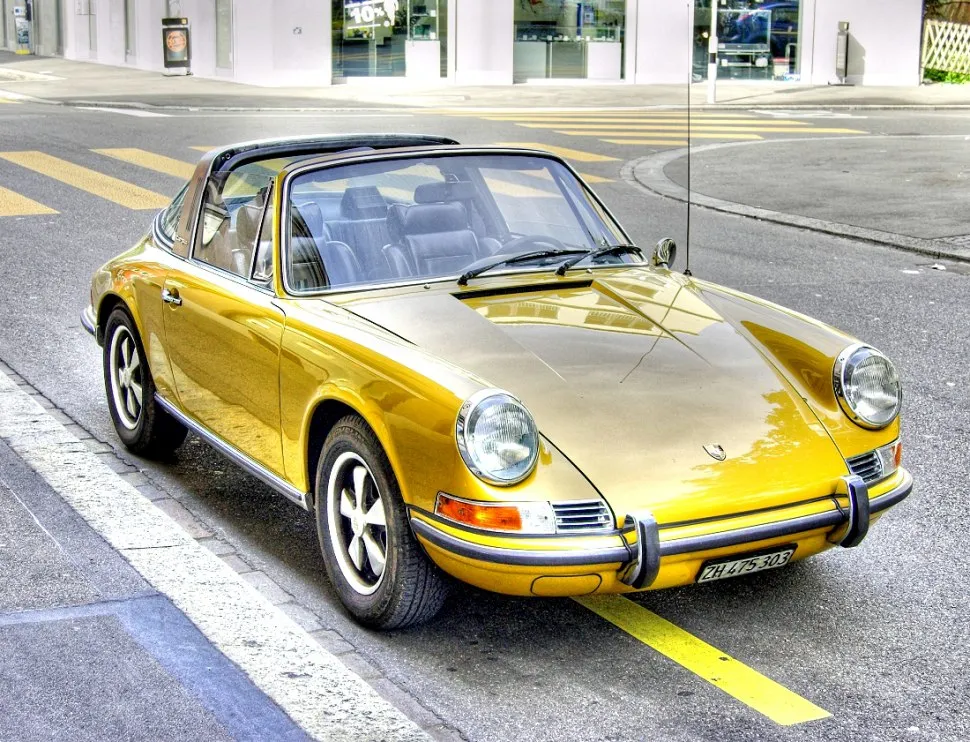
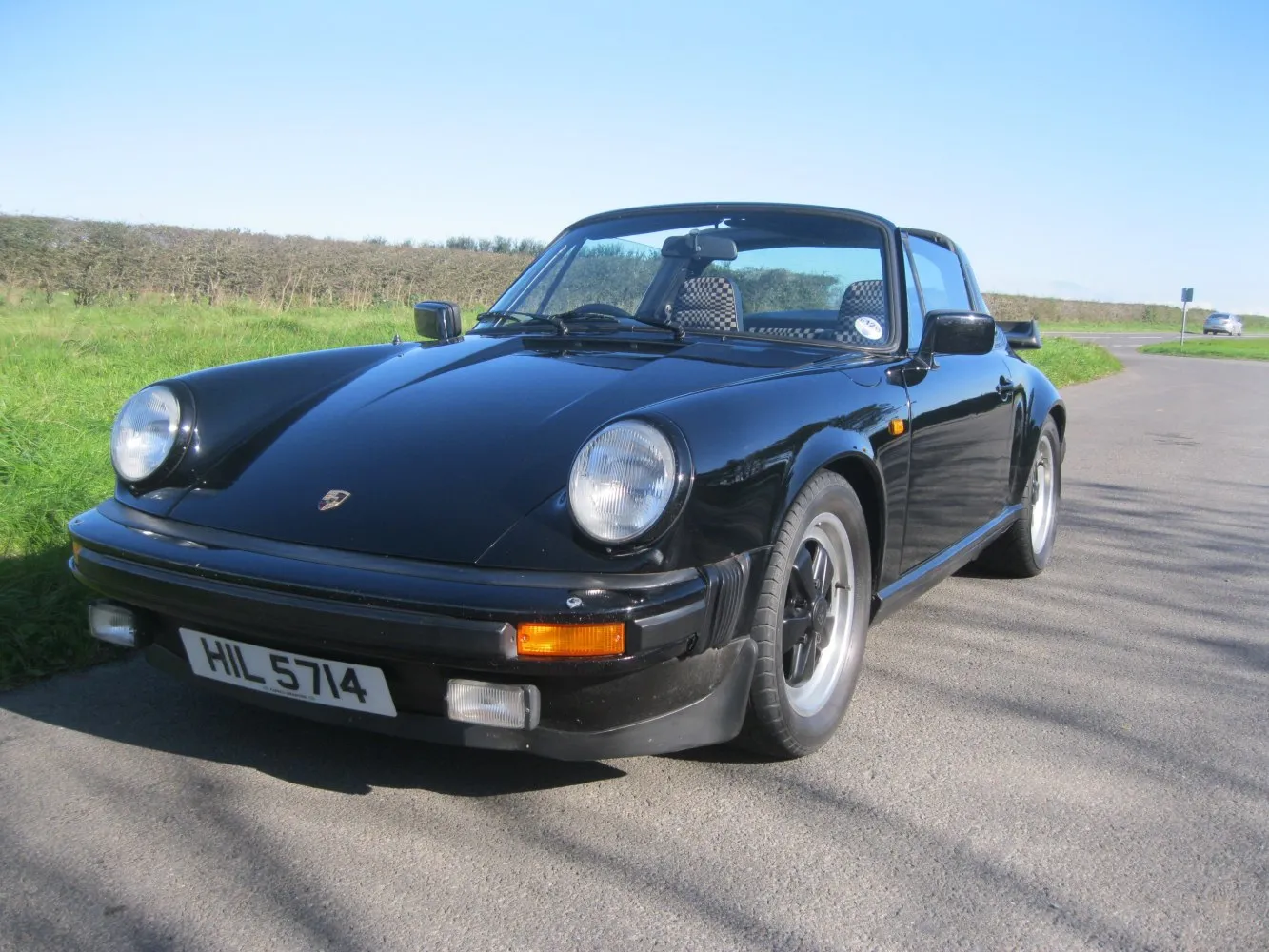
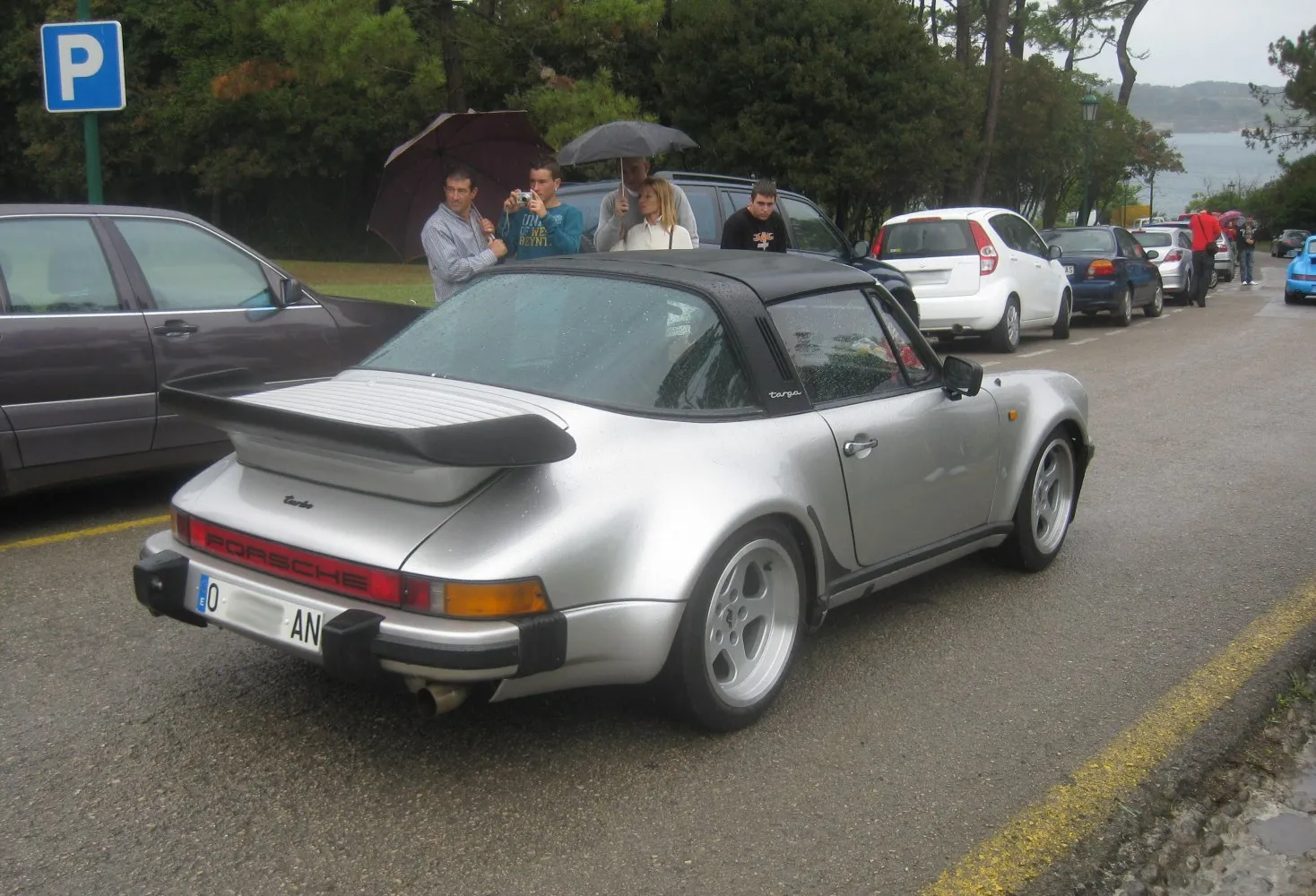
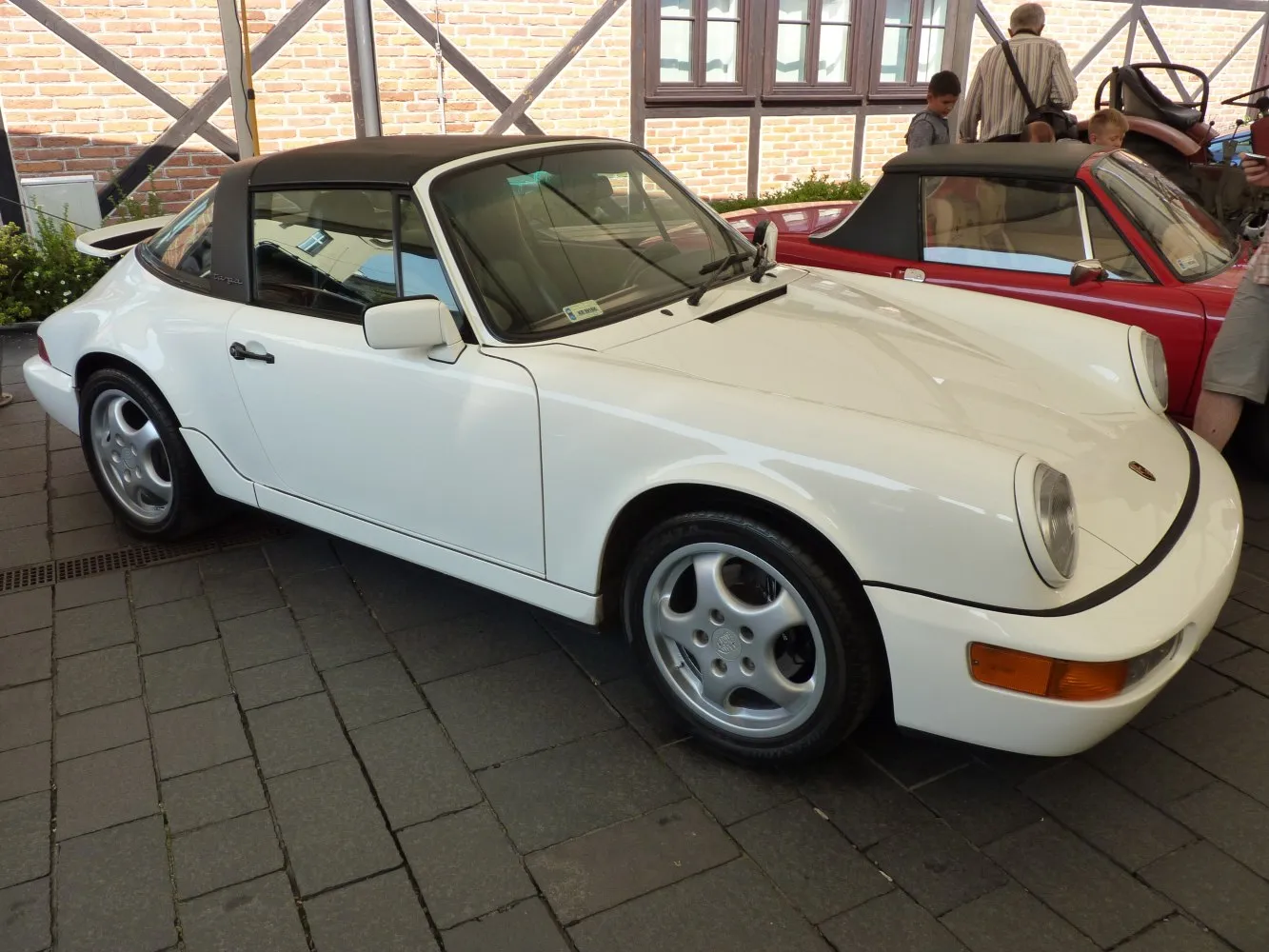
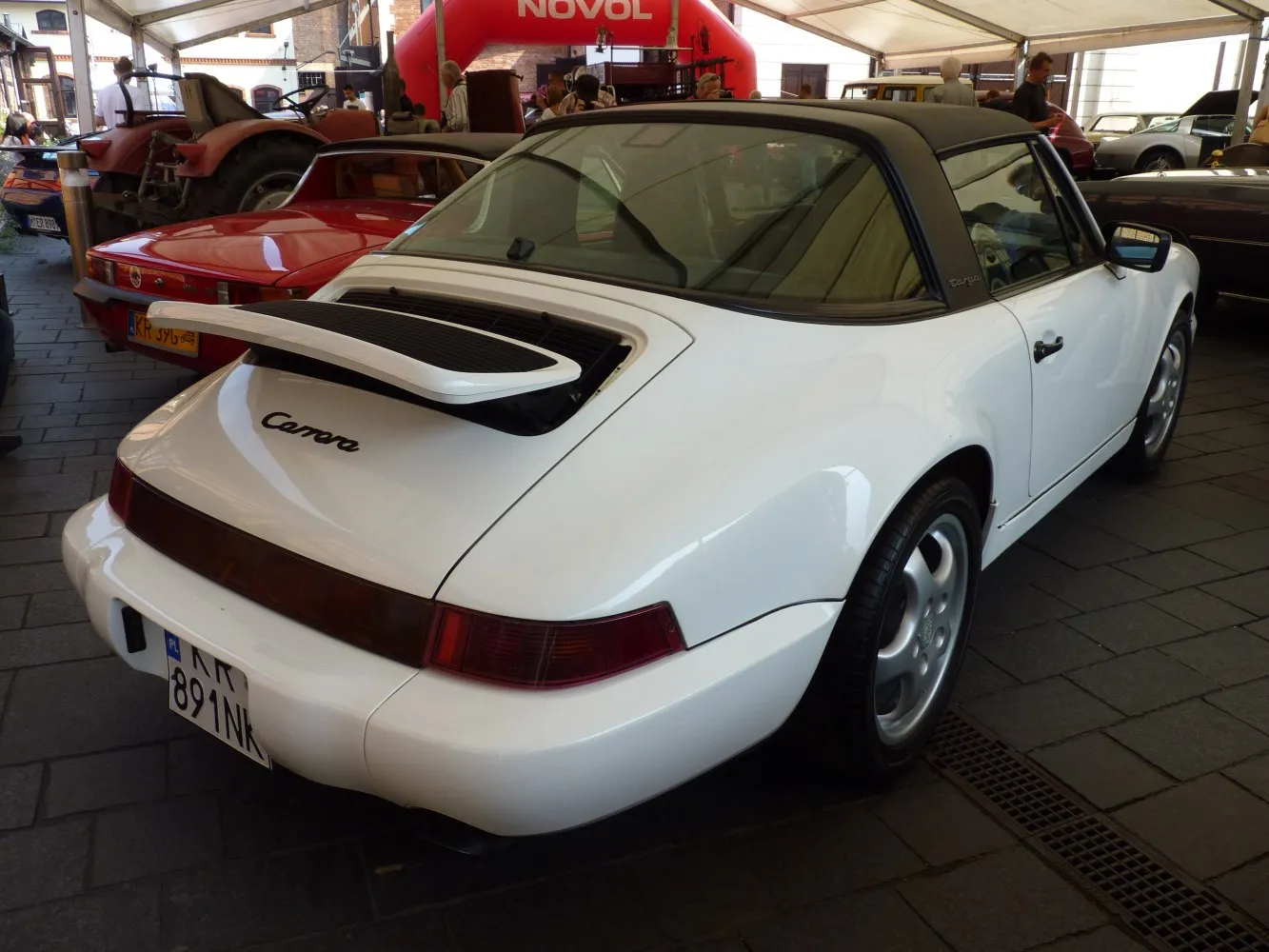
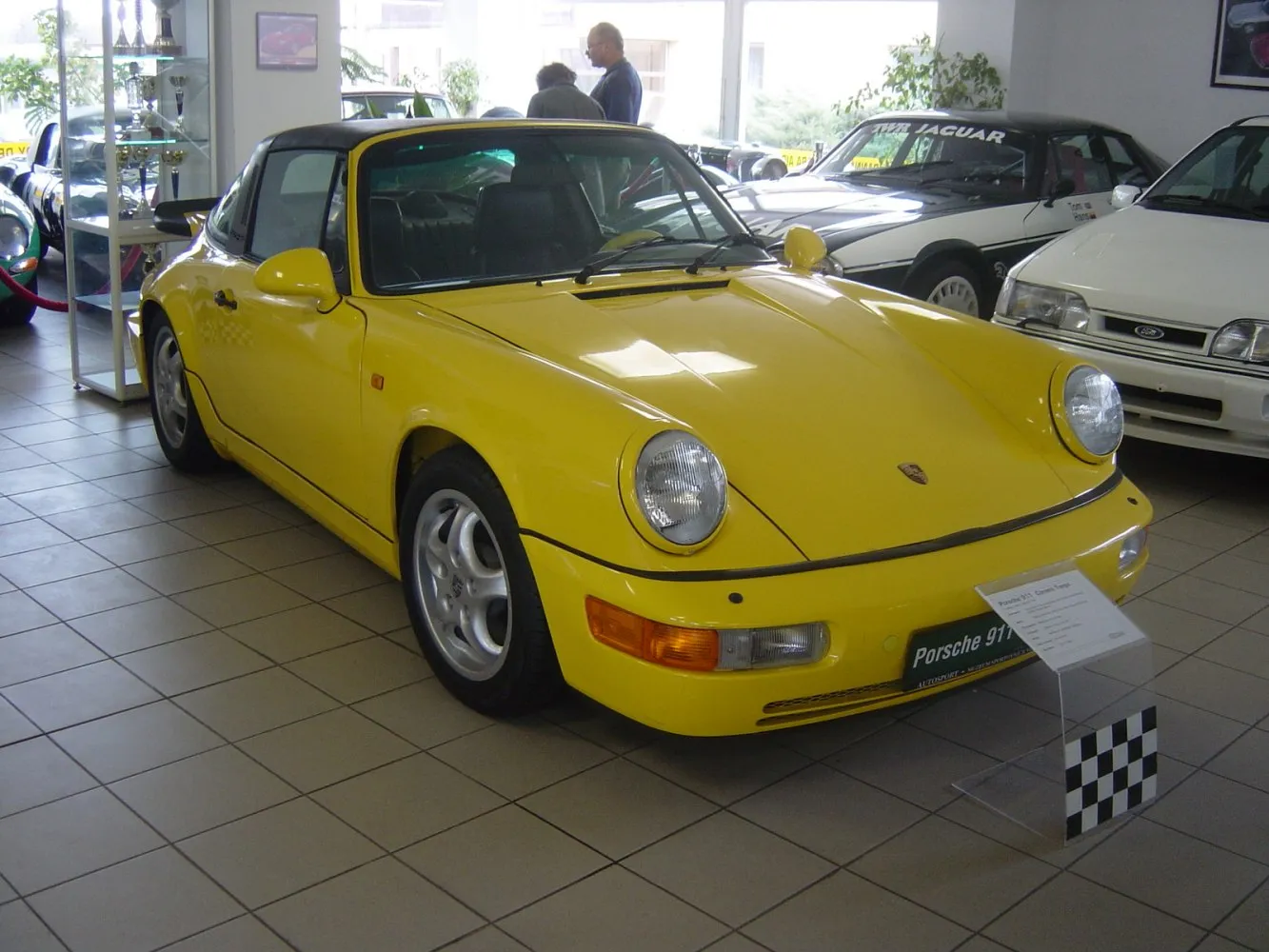
Porsche 911 Targa (964) Carrera 4 3.6 (250 Hp)
Overall Rating
Porsche 911:
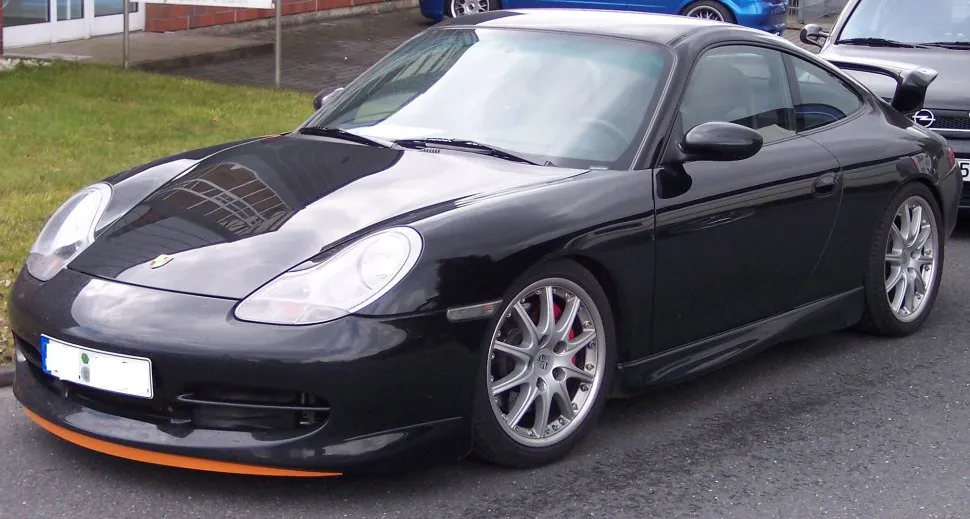
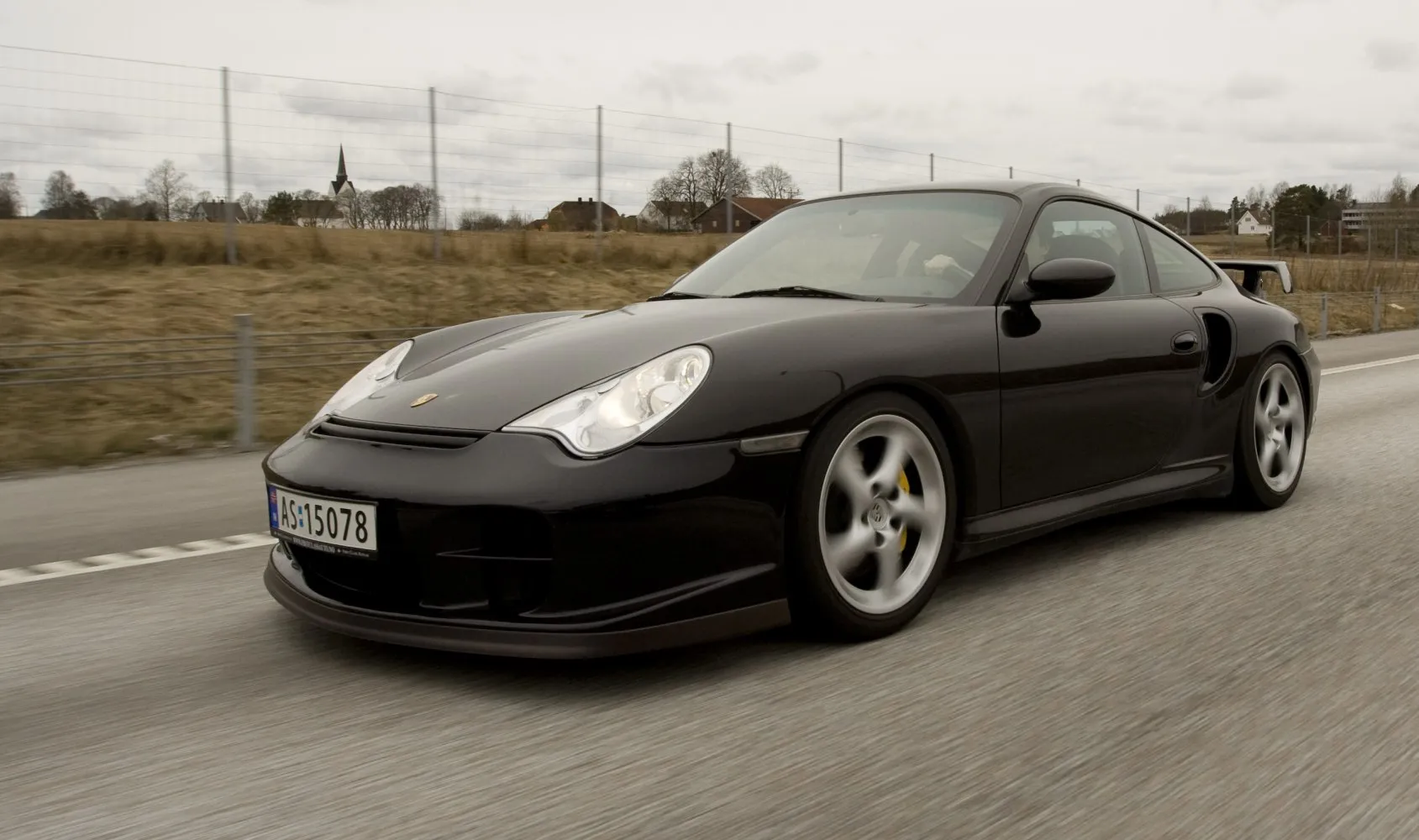
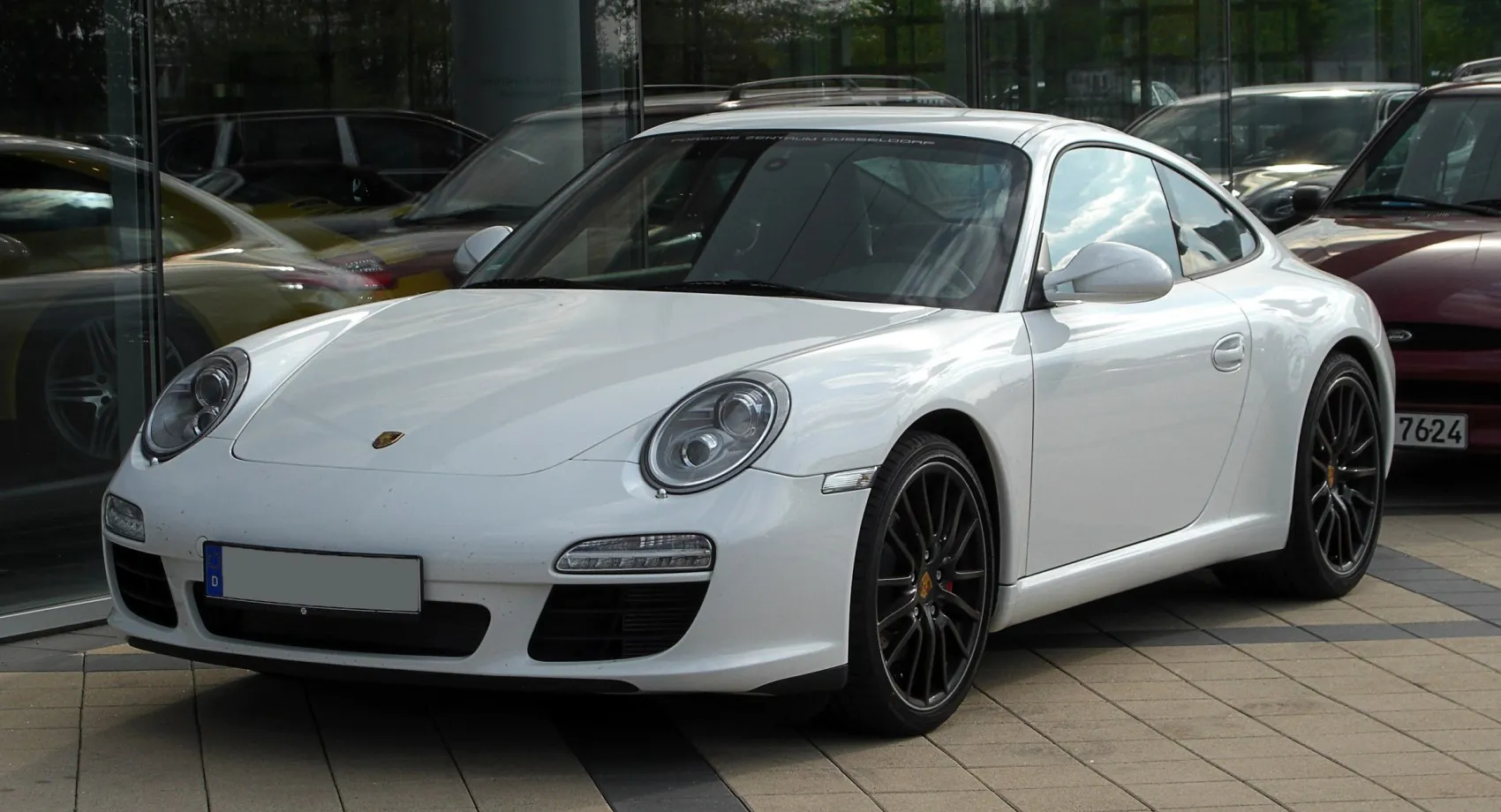
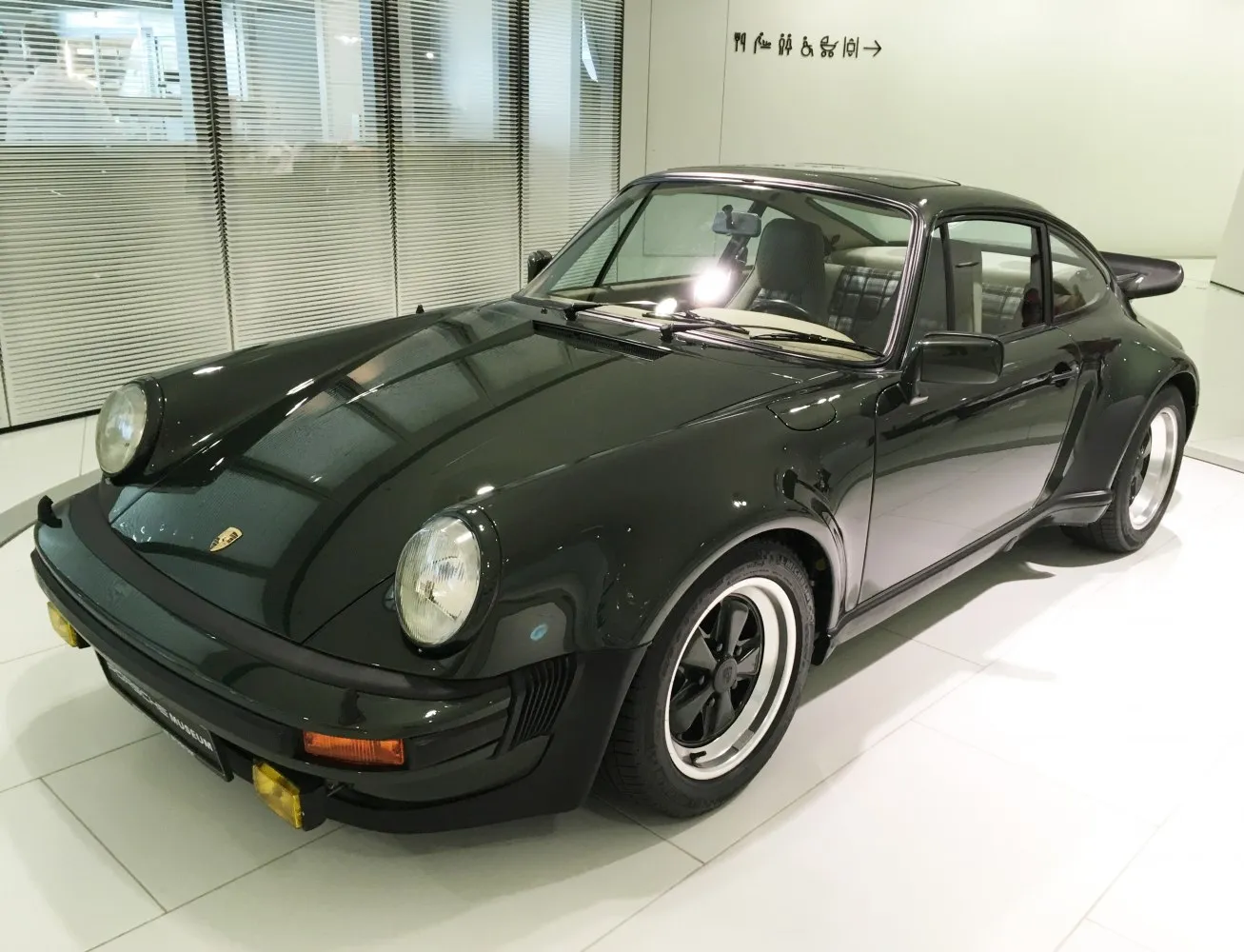
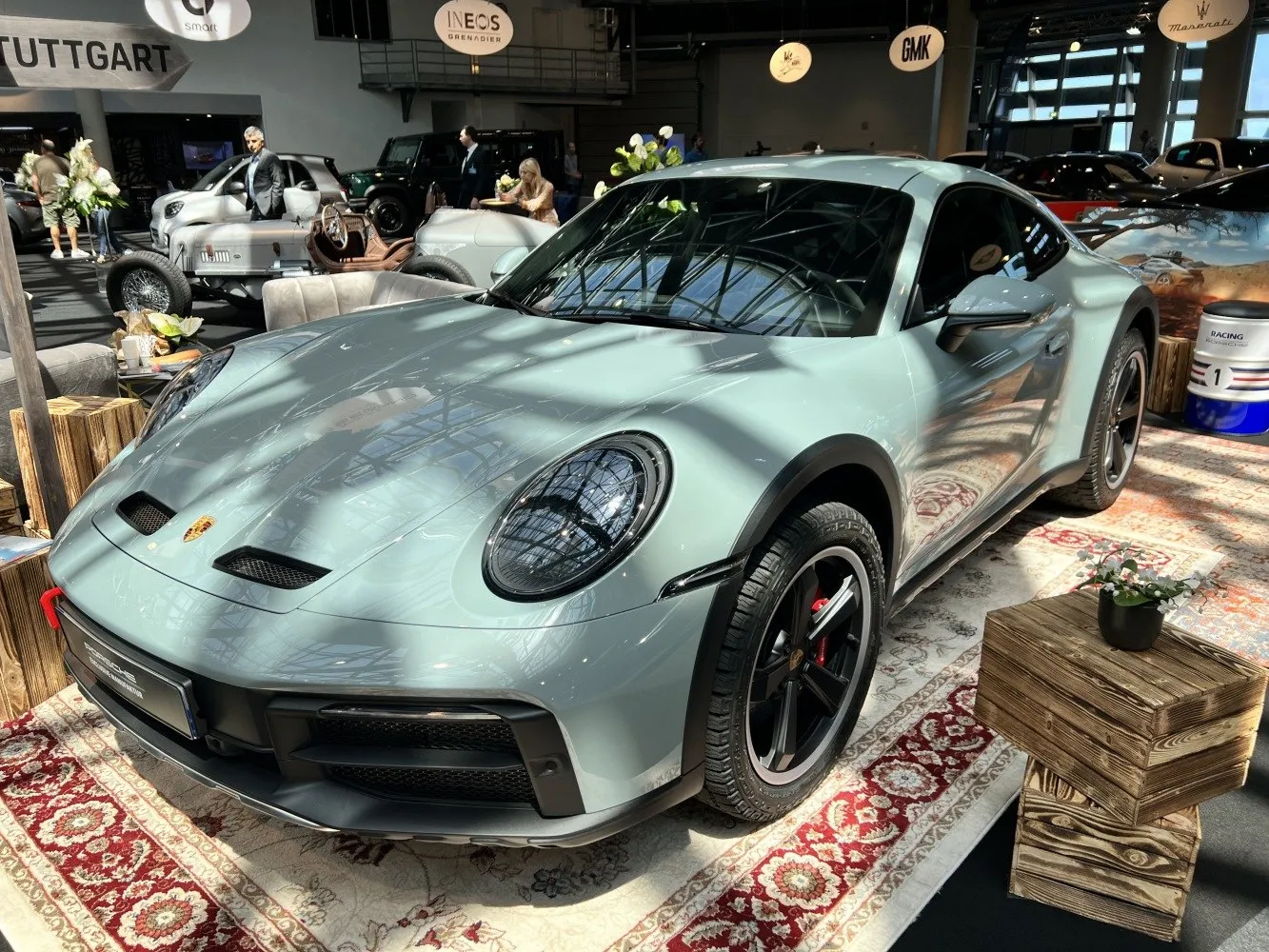
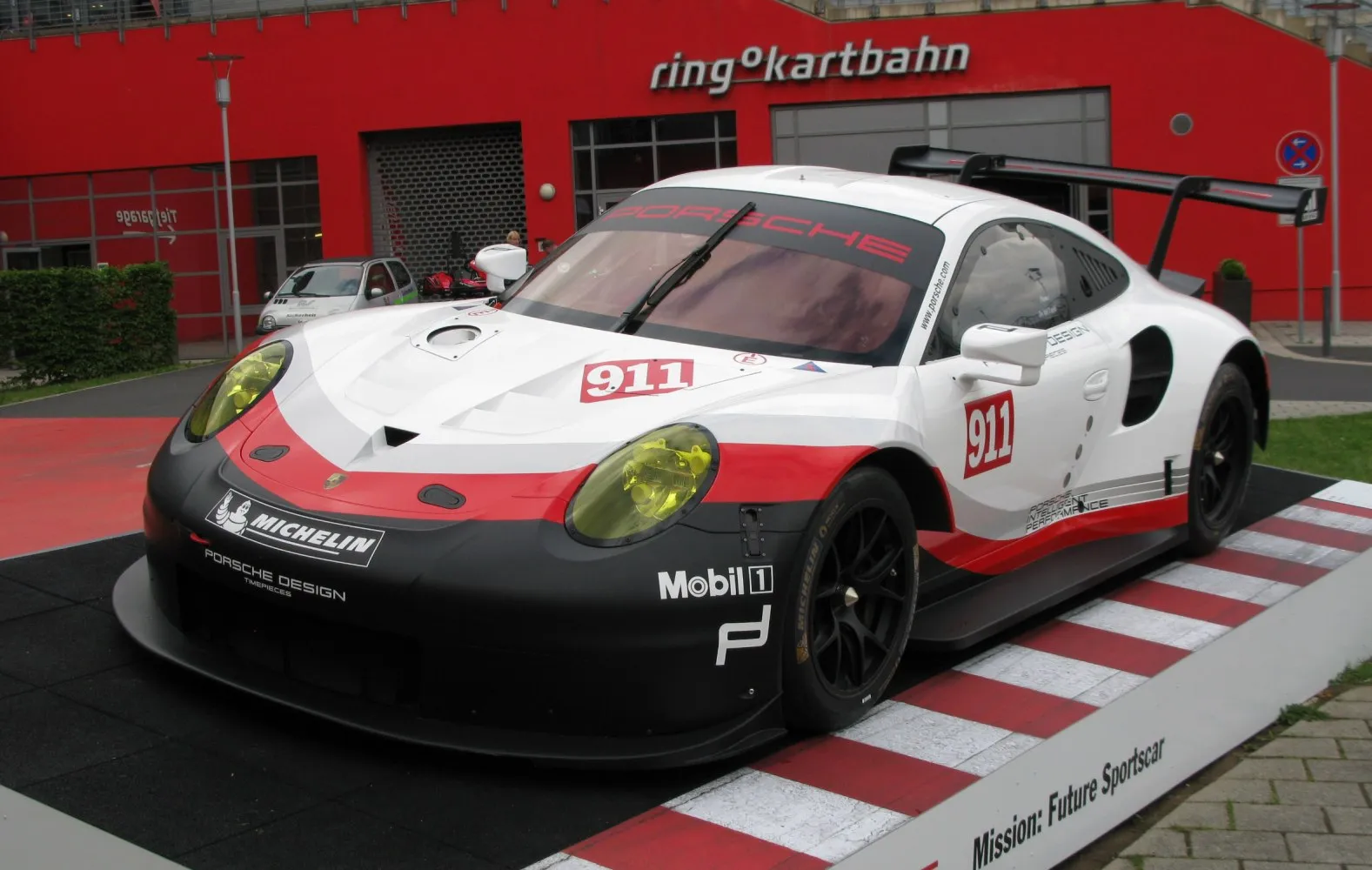
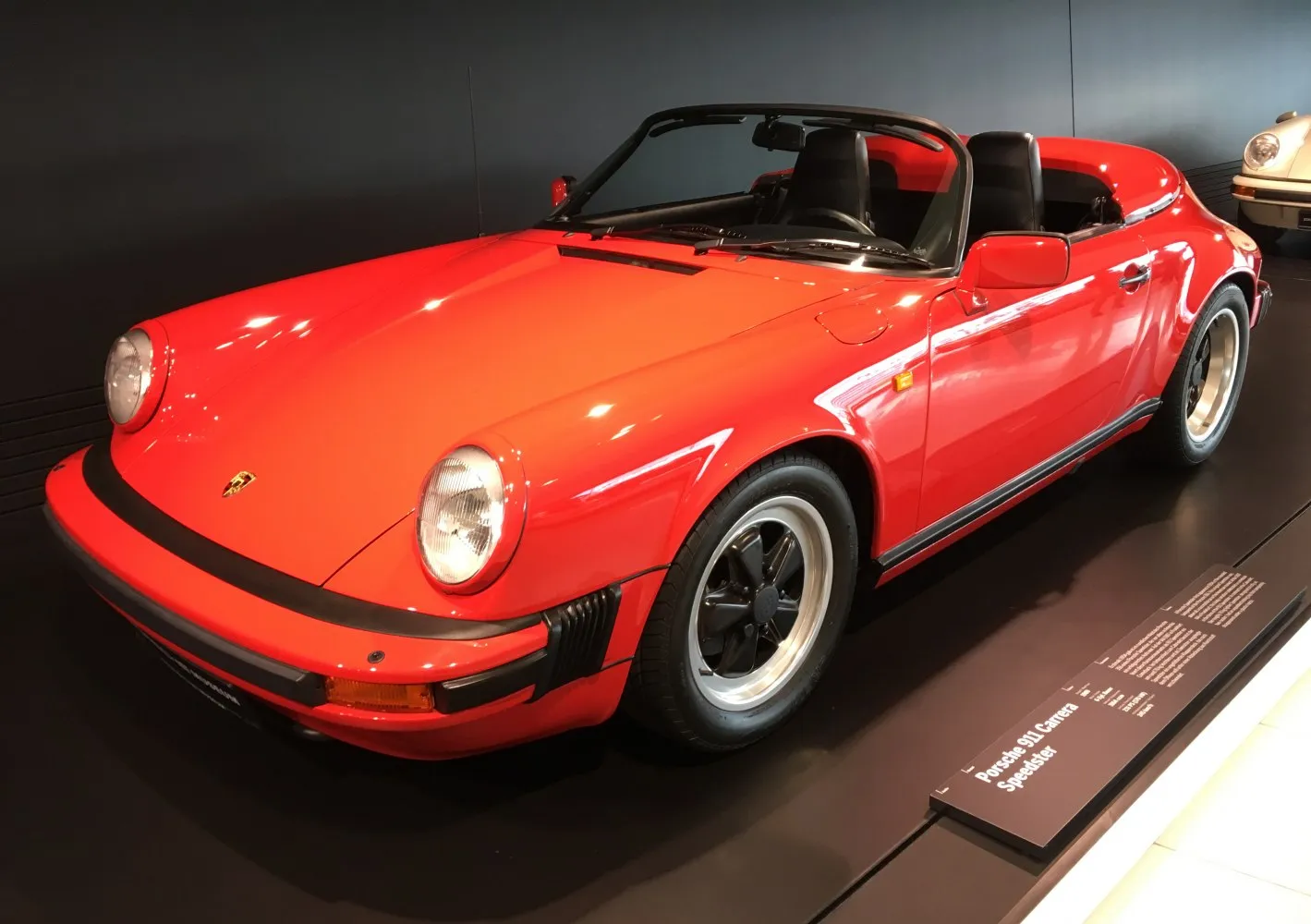
The Porsche 911 model series is a family of two-door, high performance rear-engine sports cars, introduced in September 1964 by Porsche of Stuttgart, Germany, and now in its eighth generation. All 911s have a rear-mounted flat-six engine, and usually 2+2 seating, except for special 2-seater variants. Originally, 911s had air-cooled engines, and torsion bar suspension, but the 911 has been continuously changed and improved across generations. Though the 911 core concept has remained largely unchanged, water-cooled engines were introduced with the 996 series in 1998, and front and rear suspension have been replaced by Porsche-specific MacPherson suspension up front, and independent multi-link rear suspension....(Read more on Wikipedia)
Targa (964) Overview:
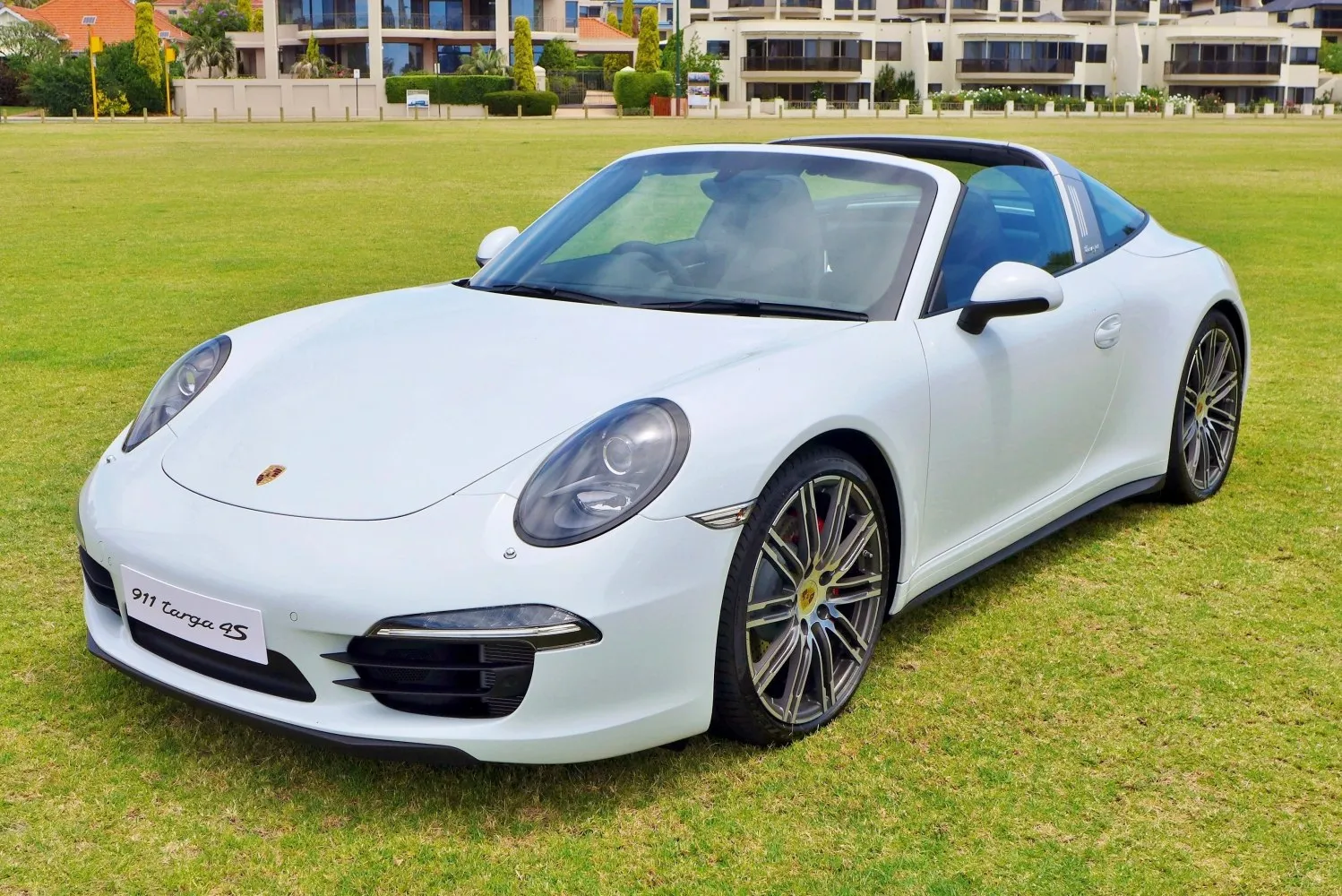
Porsche 911 (Targa (964)). With 310 Nm of torque, it offers ample pulling power. With a weight of 1450 kg, it falls in the mid‑range. All‑wheel drive provides excellent grip, ideal for off‑road use. Acceleration is excellent (0–100 km/h in 5.7 s). The top speed reaches 260 km/h. A semi-convertible with a removable roof section and a full-width roll bar behind the seats. Seating for 4 makes it ideal for daily use.
Carrera 4 3.6 (250 Hp) Verdict:

Performance Verdict
The 3.6-liter M64.01 flat-six delivers robust performance with 250 hp, offering strong acceleration (0-100km/h in 5.7s) and the distinctive air-cooled sound. The Carrera 4's AWD system provides exceptional grip and stability, especially in varied conditions.
Fuel Economy
Fuel consumption is typical for a high-performance sports car of its era, with urban figures around 17.9 l/100 km, making it less economical by modern standards but acceptable for its performance class.
Pros and Cons:
Pros:
- • Iconic air-cooled engine sound and character
- • Timeless design with modern driving dynamics for its era
- • Excellent build quality and durability
- • Strong performance and engaging driving experience
- • Increasing classic car value and collectibility
Cons:
- • High fuel consumption by modern standards
- • Maintenance can be expensive for specialized air-cooled components
- • Interior ergonomics are dated compared to contemporary cars
- • Targa roof mechanism can require maintenance
- • Firm ride quality may not appeal to all
Specifications:
Specifications are compared to those of the previous generation(Cabriolet (Type 930): 1987 - 1989).
| General: | |
|---|---|
| Brand: | Porsche |
| Model: | 911 |
| Generation: | Targa (964) |
| Modification (Engine): | Carrera 4 3.6 (250 Hp) |
| Start of production: | 1989 |
| End of production: | December, 1993 |
| Powertrain Architecture: | Internal Combustion engine |
| Body type: | Targa |
| Seats: | 4 |
| Doors: | 2 |
| Engine: | |
|---|---|
| Power: | 250 Hp @ 6100 rpm. Same horsepower |
| Power per litre: | 69.4 Hp/l [41mm less] |
| Torque: | 310 Nm @ 4800 rpm. |
| Engine Model/Code: | M64.01 More details about the engine M64.01 |
| Engine displacement: | 3600 |
| Number of cylinders: | 6 |
| Engine configuration: | Boxer |
| Number of valves per cylinder: | 2 |
| Fuel injection system: | Multi-port manifold injection |
| Engine aspiration: | Naturally aspirated engine |
| Valvetrain: | SOHC |
| Engine oil capacity: | 11.5 l |
| Engine layout: | Rear, Longitudinal |
| Cylinder Bore: | 100 mm |
| Piston Stroke: | 76.4 mm |
| Compression ratio: | 11.3:1 |
| Performance: | |
|---|---|
| Fuel Type: | Petrol (Gasoline) |
| Fuel consumption (economy) - urban: | 17.9 l/100 km |
| Fuel consumption (economy) - extra urban: | 8-9.5 l/100 km |
| Acceleration 0 - 100 km/h: | 5.7 sec |
| Acceleration 0 - 62 mph: | 5.7 sec |
| Maximum speed: | 260 km/h |
| Weight-to-power ratio: | 5.8 kg/Hp, 172.4 Hp/tonne |
| Weight-to-torque ratio: | 4.7 kg/Nm, 213.8 Nm/tonne |
| Acceleration 0 - 60 mph: | 5.4 sec |
| Space: | |
|---|---|
| Kerb Weight: | 1450 |
| Max. weight: | 1790 |
| Max load: | 340 |
| Fuel tank capacity: | 77 l |
| Size: | |
|---|---|
| Length: | 4250 mm [41mm less] |
| Width: | 1652 mm [123mm less] |
| Height: | 1310 mm [Same height.] |
| Wheelbase: | 2272 mm [Same wheelbase.] |
| Front track: | 1380 mm |
| Rear (Back) track: | 1374 mm |
| Ride height (ground clearance): | 120 mm |
| Minimum turning circle (turning diameter): | 11.95 m [above average] |
| Powertrain: | |
|---|---|
| Drivetrain Architecture | The Internal combustion engine (ICE) drives permanently the four wheels of the vehicle. |
| Drive wheel | All wheel drive (4x4) |
| Number of gears | 5 |
| Transmission type | Manual |
| Front brakes | Ventilated discs [Best for performance and cooling.] |
| Rear brakes | Ventilated discs [Best for performance and cooling.] |
| Assisting systems | ABS (Anti-lock braking system) |
| Steering type | Steering rack and pinion |
| Power steering | Hydraulic Steering |
| Tires size | Front wheel tires: 205/55 R16 |
| Wheel rims size | Front wheel rims: 6J x 16 |
| Front suspension | Independent type McPherson, Transverse stabilizer |
| Rear suspension | Transverse stabilizer, Trailing arm, Coil spring |















Every driver has a story. What’s yours with the Porsche 911?