
Click on image to view the full photo gallery
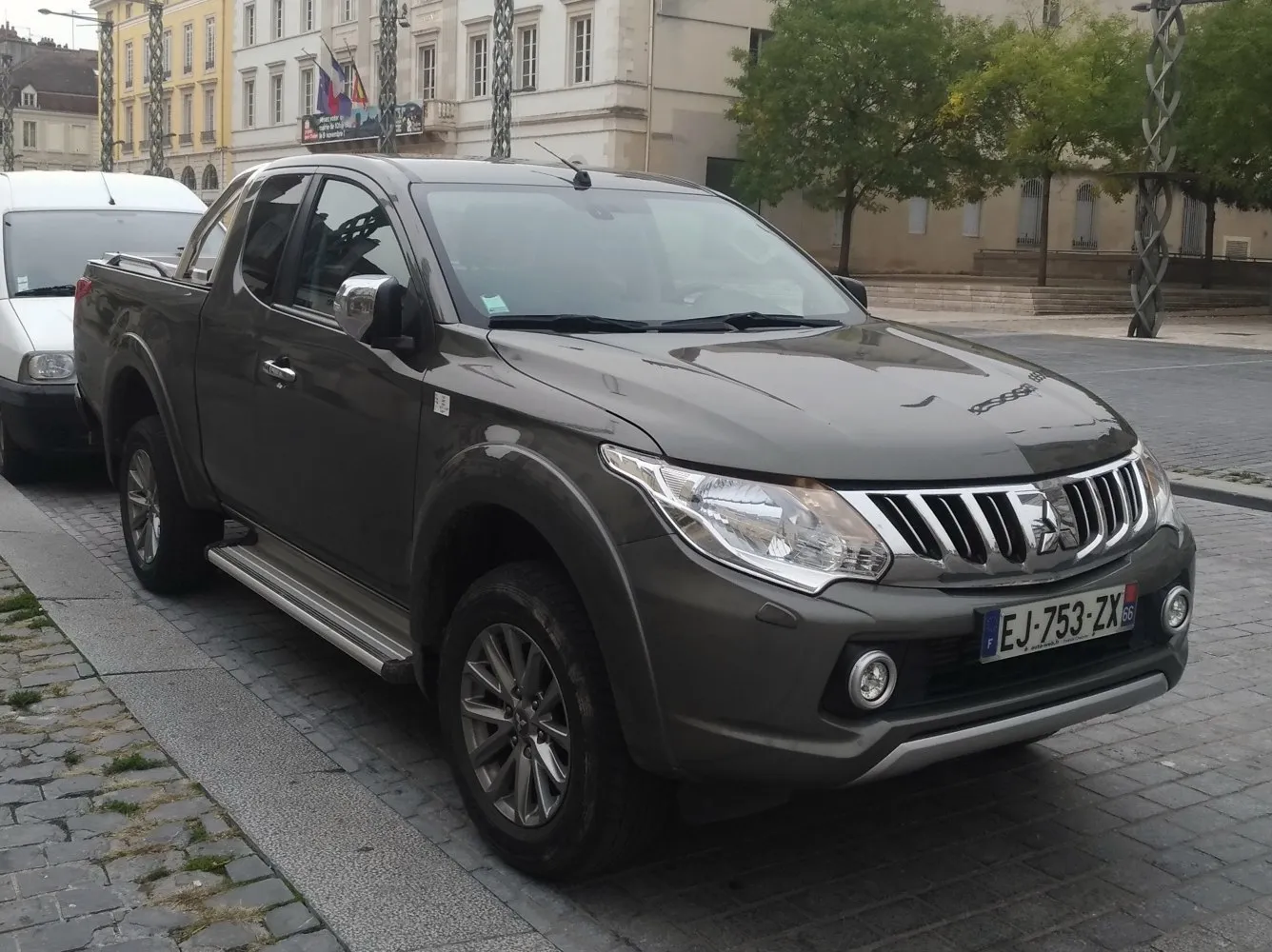
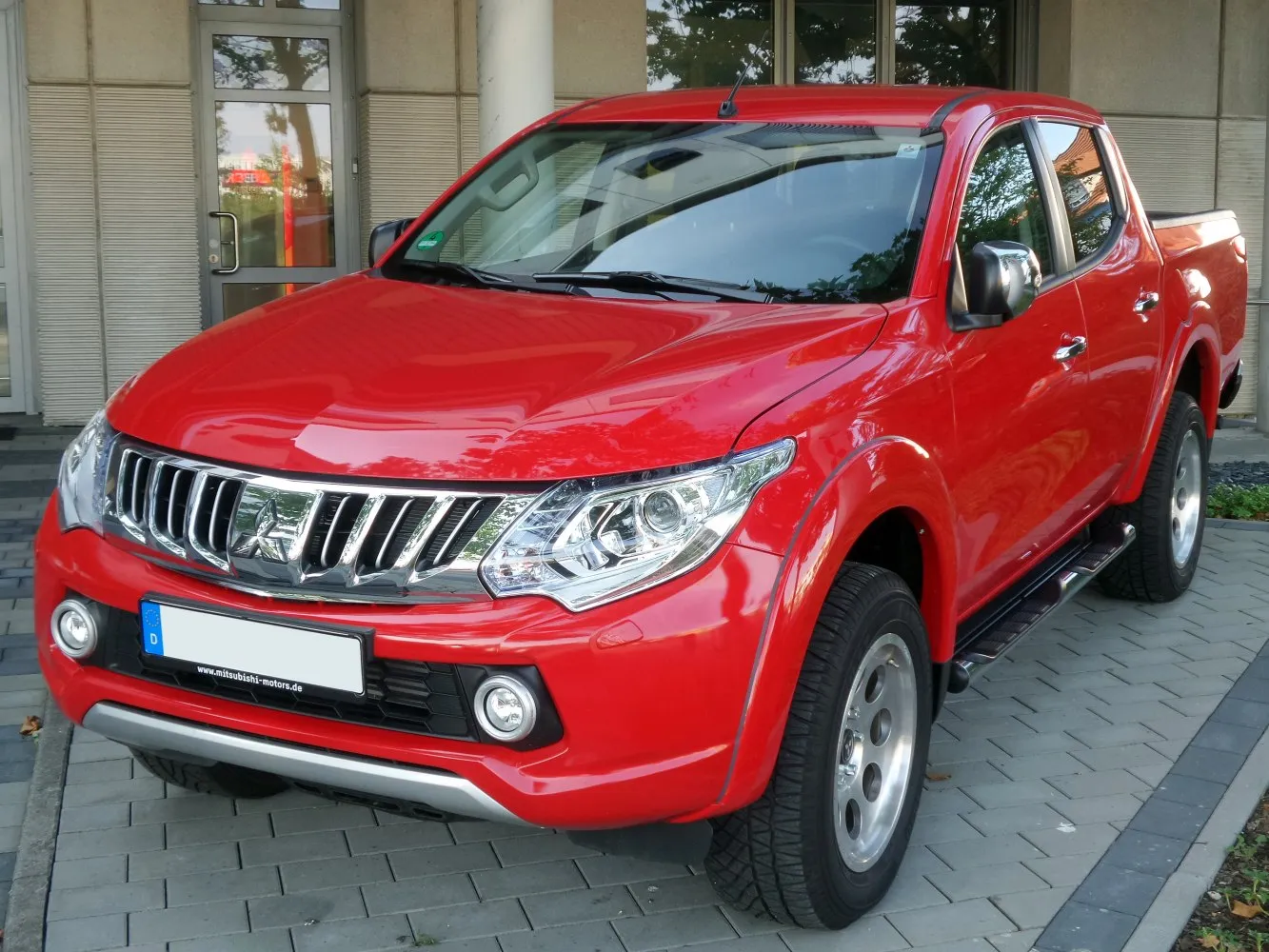
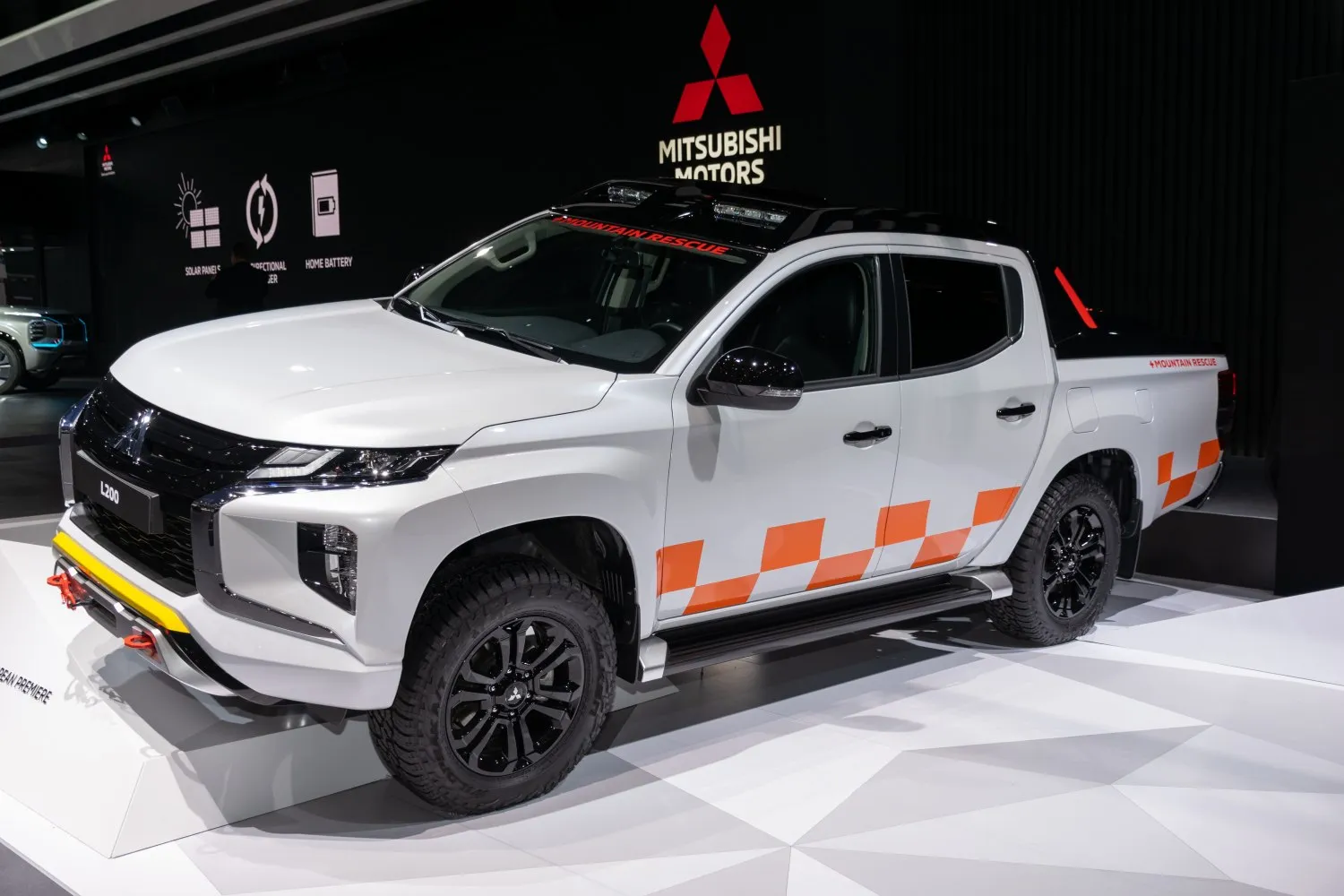
Mitsubishi L200 V Club Cab (facelift 2019) 2.3d (150 Hp) 4WD
Overall Rating
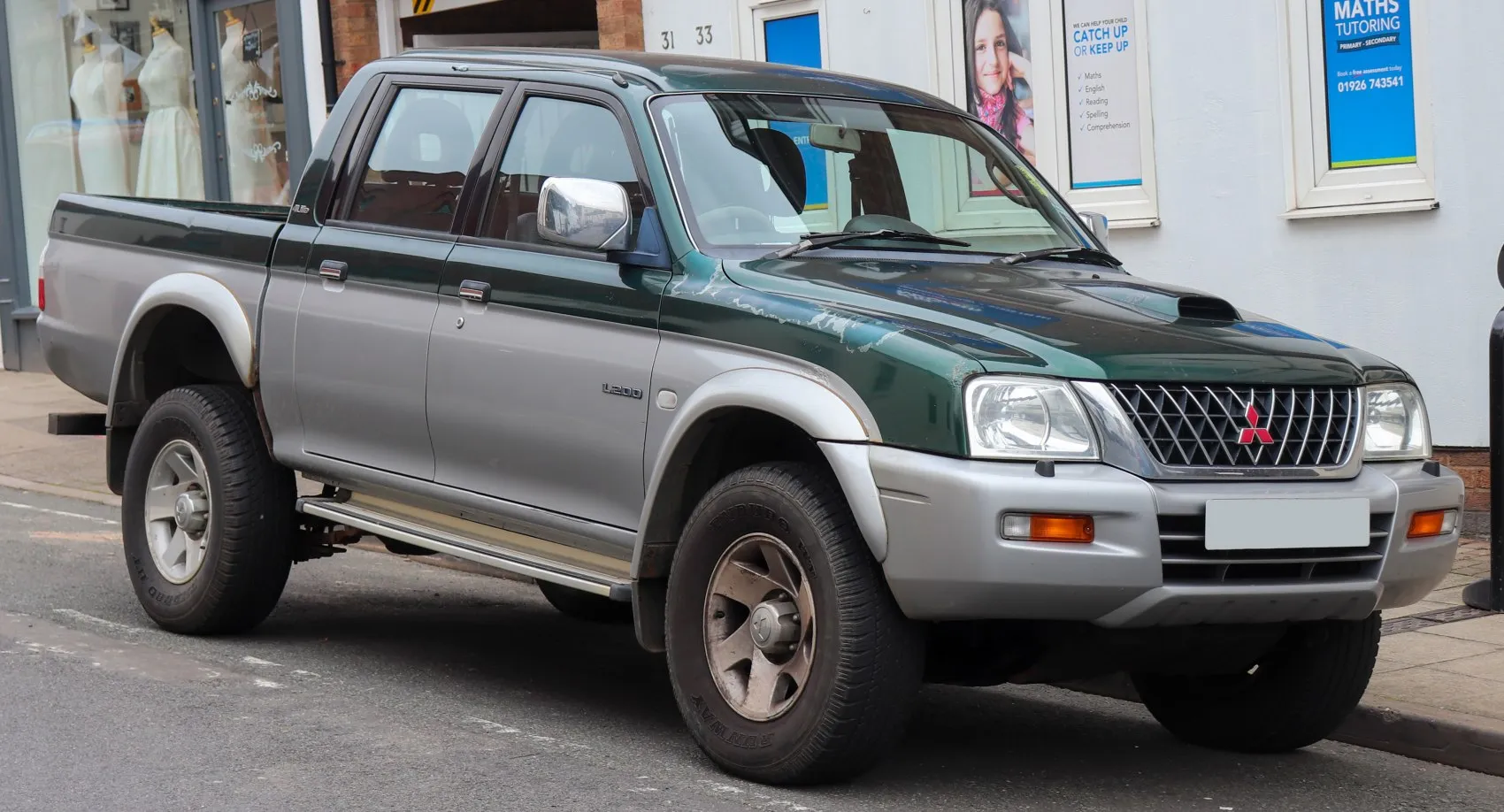
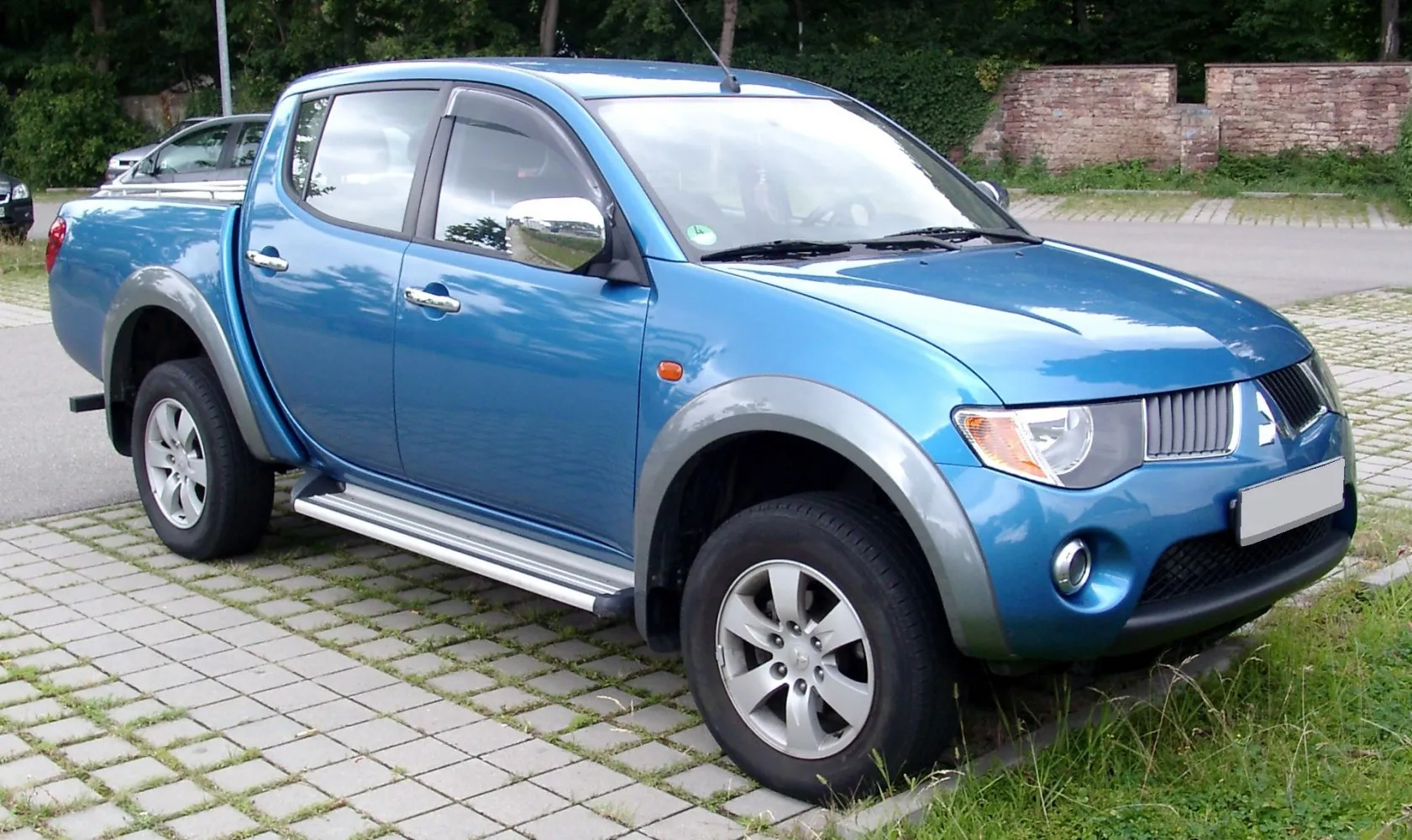
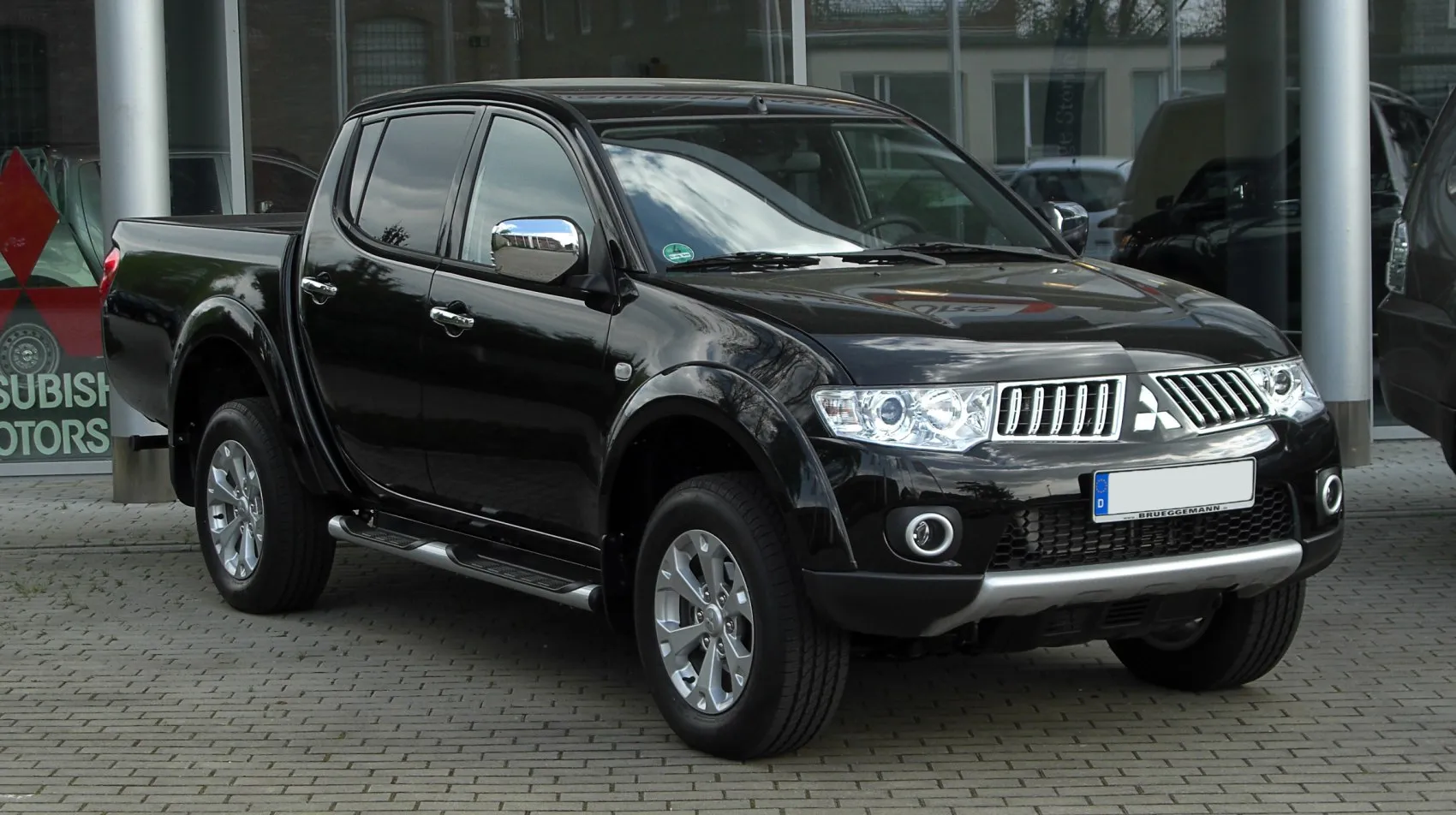
Mitsubishi L200:
The Mitsubishi Triton or Mitsubishi L200 is a mid-size pickup truck produced by Mitsubishi Motors. In Japan, where it has only been sold intermittently and in small numbers, it was originally known as the Mitsubishi Forte and from 1991 as the Strada. In the United States, Mitsubishi marketed it as the Mitsubishi Mighty Max until 1996. Chrysler Corporation sold captive imports as the Dodge D50, Dodge Ram 50 and Plymouth Arrow truck in the U. S. and as the Chrysler D-50 in Australia.
For most export markets the name L200 is used, though it has also been known as the Rodeo, Colt, Storm, Magnum, Strakar , and others. In 2015, Fiat Professional launched a rebadged version as the Fiat Fullback. In 2016, Ram Trucks launched a rebadged version as the Ram 1200 for the Middle East market....(Read more on Wikipedia)
V Club Cab (facelift 2019) Overview:
Mitsubishi L200 (V Club Cab (facelift 2019)). With 400 Nm of torque, it offers ample pulling power. With a weight of 1935 kg, it falls in the mid‑range. All‑wheel drive provides excellent grip, ideal for off‑road use. The top speed reaches 174 km/h. A vehicle with an open cargo bed at the back, suitable for transporting goods. Seating for 4 makes it ideal for daily use.
2.3d (150 Hp) 4WD Verdict:

Performance Verdict
Offers robust low-end torque (400 Nm) ideal for towing and heavy loads, with adequate power for daily driving. Acceleration is functional rather than brisk.
Fuel Economy
With a combined fuel consumption of 7.6 l/100 km (NEDC equivalent), this diesel engine provides good efficiency for a 4WD pickup, making it cost-effective for high mileage.
Pros and Cons:
Pros:
- • Exceptional towing capacity (3500 kg) and payload capabilities.
- • Robust build quality and proven Mitsubishi reliability.
- • Strong off-road capability with advanced 4WD system.
- • Practical and durable interior designed for work environments.
- • Good wading depth (850 mm) for challenging terrain.
Cons:
- • Ride comfort can be firm, especially when unladen, due to leaf-spring rear suspension.
- • Interior refinement and technology may lag behind some SUV-based competitors.
- • Standard Euro NCAP safety rating of 3 stars is not class-leading.
- • Petrol engine options are likely to have higher fuel consumption than the diesel.
- • Club Cab configuration offers limited rear passenger space compared to Double Cab models.
Specifications:
Specifications are compared to those of the previous generation(V Club Cab (facelift 2019): 2019 - ).
| General: | |
|---|---|
| Brand: | Mitsubishi |
| Model: | L200 |
| Generation: | V Club Cab (facelift 2019) |
| Modification (Engine): | 2.3d (150 Hp) 4WD |
| Start of production: | September, 2019 |
| Powertrain Architecture: | Internal Combustion engine |
| Body type: | Pick-up |
| Seats: | 4 |
| Doors: | 2 |
| Engine: | |
|---|---|
| Engine systems: | Start & Stop System |
| Power: | 150 Hp @ 3500 rpm. Same horsepower |
| Power per litre: | 66.1 Hp/l [5mm more] |
| Torque: | 400 Nm @ 2000 rpm. |
| Engine Model/Code: | 4N14 More details about the engine 4N14 |
| Engine displacement: | 2268 |
| Number of cylinders: | 4 |
| Engine configuration: | Inline |
| Number of valves per cylinder: | 4 |
| Fuel injection system: | Diesel Commonrail |
| Engine aspiration: | Turbocharger, Intercooler |
| Valvetrain: | DOHC |
| Engine oil capacity: | 6.6 l |
| Coolant: | 7.7 l |
| Engine layout: | Front, Longitudinal |
| Cylinder Bore: | 86 mm |
| Piston Stroke: | 97.6 mm |
| Compression ratio: | 14.4:1 |
| Performance: | |
|---|---|
| Fuel Type: | Diesel |
| Combined fuel consumption (WLTP): | 8.8 l/100 km |
| Fuel consumption (economy) - combined (NEDC, WLTP equivalent): | 7.6 l/100 km |
| Fuel consumption (economy) - combined: | 7.6 l/100 km |
| Emission standard: | Euro 6d-Temp |
| Maximum speed: | 174 km/h |
| Weight-to-power ratio: | 12.9 kg/Hp, 77.5 Hp/tonne |
| Weight-to-torque ratio: | 4.8 kg/Nm, 206.7 Nm/tonne |
| Space: | |
|---|---|
| Kerb Weight: | 1935 |
| Permitted trailer load with brakes (12%): | 3500 kg |
| Size: | |
|---|---|
| Ramp-over (brakeover) angle: | 22° |
| Wading depth: | 850 mm |
| Length: | 5295 mm [5mm more] |
| Width: | 1815 mm [Same width.] |
| Height: | 1780 mm [15mm less] |
| Wheelbase: | 3000 mm [Same wheelbase.] |
| Front track: | 1520 mm |
| Rear (Back) track: | 1515 mm |
| Ride height (ground clearance): | 205 mm |
| Minimum turning circle (turning diameter): | 11.8 m [above average] |
| Approach angle: | 30° |
| Departure angle: | 24° |
| Climb angle: | 45° |
| Powertrain: | |
|---|---|
| Drivetrain Architecture | The Internal combustion engine (ICE) drives the rear wheels permanently, and the front wheels are driven through an electrically or mechanically operated clutch if necessary. |
| Drive wheel | All wheel drive (4x4) |
| Number of gears | 6 |
| Transmission type | Manual |
| Front brakes | Ventilated discs, 320 mm [Best for performance and cooling.] |
| Rear brakes | Drum, 295 mm [bad for performance and cooling.] |
| Assisting systems | ABS (Anti-lock braking system) |
| Steering type | Steering rack and pinion |
| Power steering | Hydraulic Steering |
| Tires size | 245/70 R16 |
| Wheel rims size | 16 |
| Front suspension | Double wishbone |
| Rear suspension | Dependent suspension of two longitudinal semi-elliptic leaf springs |











Better than its competitors? Tell us why the Mitsubishi L200 stands out.