
Click on image to view the full photo gallery
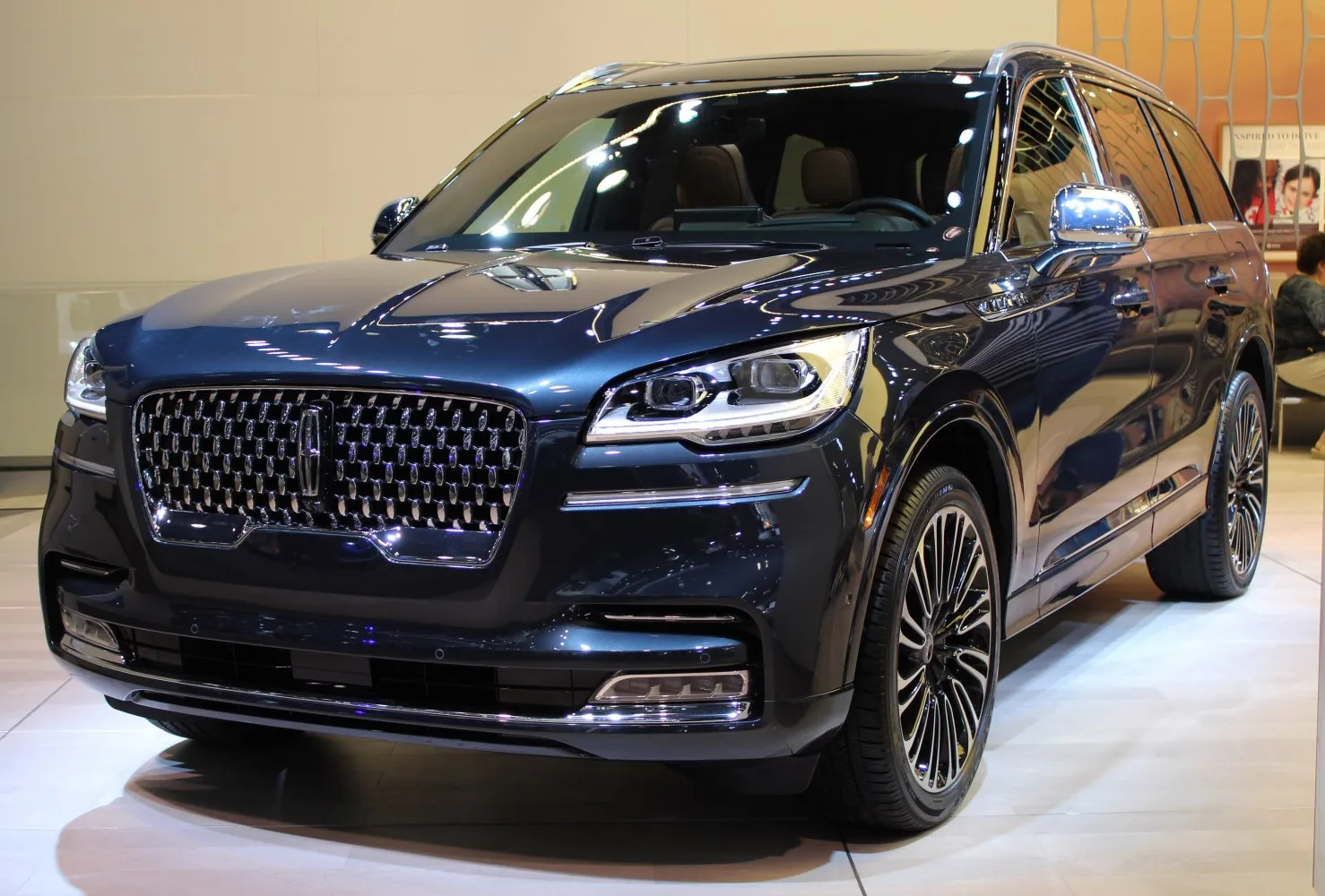
Lincoln Aviator II (facelift 2024) 3.0 V6 (400 Hp) SelectShift
Overall Rating
Lincoln Aviator:
The Lincoln Aviator is a mid-size, three-row luxury SUV manufactured and marketed under the Lincoln brand of Ford Motor Company — and now in its second generation, with a hiatus from 2006 to 2020.
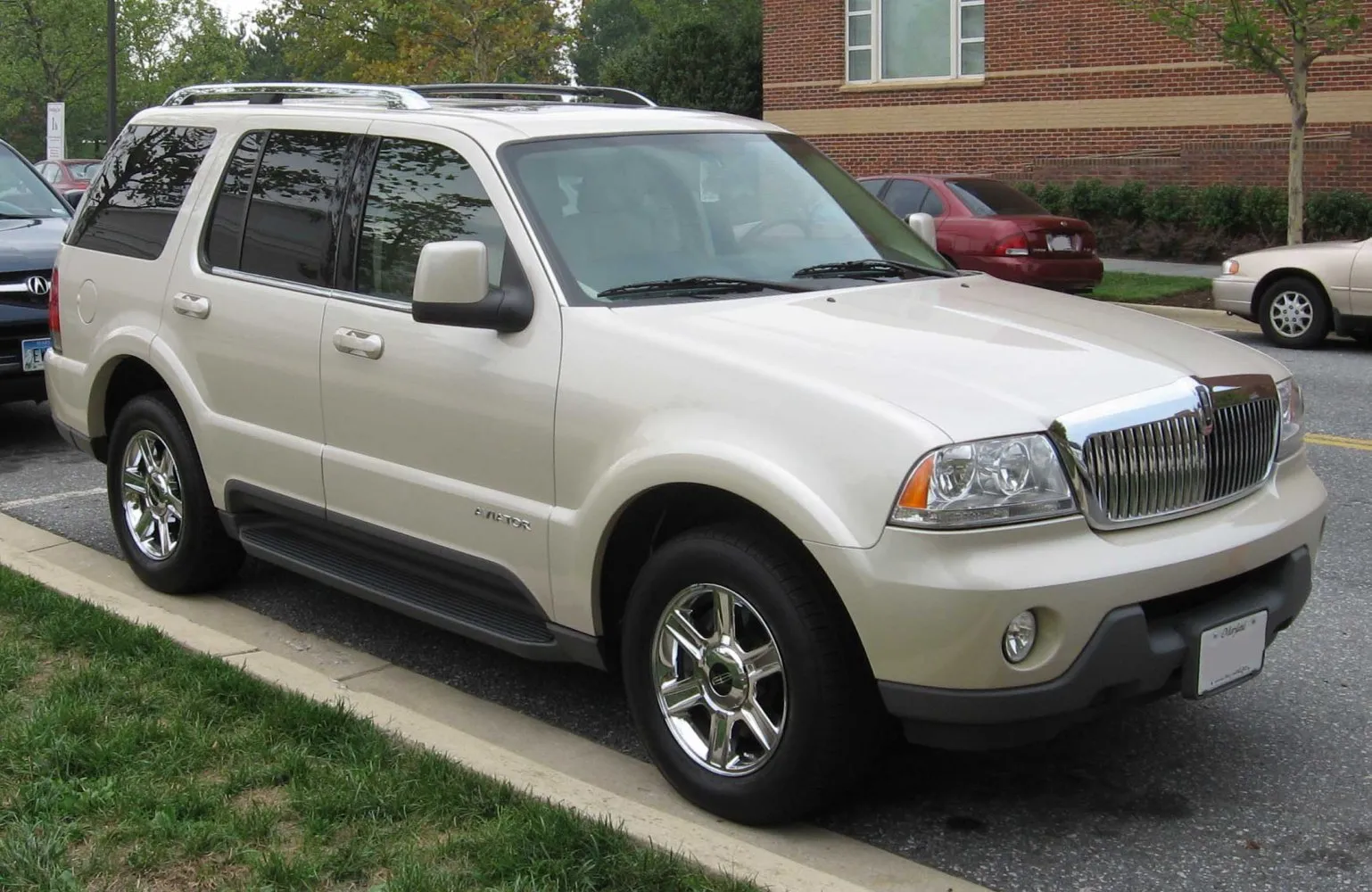
The first generation Aviator was manufactured for 2003–2005 model years as a rebadged variant of the third generation Ford Explorer — and assembled at the now-closed St. Louis Assembly in Hazelwood, Missouri, alongside the Explorer and Mountaineer.
For the 2020 model year, Lincoln reintroduced the Aviator as a badge engineered variant of the sixth generation Ford Explorer manufactured at Chicago Assembly and offered with a plug-in hybrid variant....(Read more on Wikipedia)
II (facelift 2024) Overview:
Lincoln Aviator (II (facelift 2024)). With 563 Nm of torque, it offers ample pulling power. At around 2176 kg, it’s on the heavier side. Rear‑wheel drive offers dynamic handling and sporty feedback. A sport utility vehicle offering higher ground clearance and versatile cargo space. With seating for 6, it’s perfect for larger families.
3.0 V6 (400 Hp) SelectShift Verdict:

Performance Verdict
Exceptional power delivery from the twin-turbo V6, offering robust acceleration and effortless highway cruising, making it highly responsive for its size.
Fuel Economy
Reasonable fuel economy for a large, powerful SUV at 11.2 l/100 km combined, balancing strong performance with acceptable efficiency for its class.
Pros and Cons:
Pros:
- • Powerful standard 3.0L twin-turbo V6 engine
- • Luxurious and spacious interior with premium materials
- • Comfortable and serene ride quality, especially with optional air suspension
- • Distinctive and elegant exterior styling post-facelift
- • Generous cargo and passenger space for 6-7 occupants
- • Good towing capacity for its class
Cons:
- • Fuel economy, while reasonable for its class, is not outstanding
- • Large size can make urban maneuvering and parking challenging
- • Higher starting price compared to some non-luxury rivals
- • No Euro NCAP safety rating available
- • Lack of a hybrid option in the current engine lineup provided
Specifications:
Specifications are compared to those of the previous generation(II: 2019 - 2024).
| General: | |
|---|---|
| Brand: | Lincoln |
| Model: | Aviator |
| Generation: | II (facelift 2024) |
| Modification (Engine): | 3.0 V6 (400 Hp) SelectShift |
| Start of production: | 2024 |
| Powertrain Architecture: | Internal Combustion engine |
| Body type: | SUV |
| Seats: | 6-7 |
| Doors: | 5 |
| Engine: | |
|---|---|
| Engine systems: | Start & Stop System |
| Power: | 400 Hp @ 5500 rpm. Same horsepower |
| Power per litre: | 135.3 Hp/l [worst than previous generation] |
| Torque: | 563 Nm @ 3000 rpm. |
| Engine Model/Code: | EcoBoost Nano More details about the engine EcoBoost Nano |
| Engine displacement: | 2956 |
| Number of cylinders: | 6 |
| Engine configuration: | V-engine |
| Number of valves per cylinder: | 4 |
| Fuel injection system: | Direct injection |
| Engine aspiration: | Twin-Turbo, Intercooler |
| Valvetrain: | DOHC, Dual VCT |
| Engine oil capacity: | 5.7 l |
| Coolant: | 14.7 l |
| Engine layout: | Front, Longitudinal |
| Cylinder Bore: | 85.4 mm mm |
| Piston Stroke: | 86 mm mm |
| Compression ratio: | 9.5:1 |
| Performance: | |
|---|---|
| Fuel Type: | Petrol (Gasoline) |
| Fuel consumption (economy) - urban: | 13.1 l/100 km |
| Fuel consumption (economy) - extra urban: | 9.4 l/100 km |
| Fuel consumption (economy) - urban (EPA): | 13.1 l/100 km |
| Fuel consumption (economy) - extra urban (EPA): | 9.4 l/100 km |
| Fuel consumption (economy) - combined (EPA): | 11.2 l/100 km |
| Fuel consumption (economy) - combined: | 11.2 l/100 km |
| Weight-to-power ratio: | 5.4 kg/Hp, 185.9 Hp/tonne |
| Weight-to-torque ratio: | 3.8 kg/Nm, 261.6 Nm/tonne |
| Space: | |
|---|---|
| Kerb Weight: | 2152-2201 |
| Trunk (boot) space - maximum: | 2200 l |
| Trunk (boot) space - minimum: | 518 l |
| Permitted trailer load with brakes (12%): | 2268 kg |
| Fuel tank capacity: | 76.5 l |
| Size: | |
|---|---|
| Length: | 5062 mm mm [Same length.] |
| Width: | 2022 mm mm [Same width.] |
| Height: | 1768 mm mm [5mm less] |
| Wheelbase: | 3025 mm mm [Same wheelbase.] |
| Width with mirrors folded: | 2090 mm |
| Width including mirrors: | 2284 mm |
| Front track: | 1700 mm |
| Rear (Back) track: | 1700 mm |
| Powertrain: | |
|---|---|
| Drivetrain Architecture | The Internal combustion engine (ICE) drives the rear wheels of the vehicle. |
| Drive wheel | Rear wheel drive |
| Number of gears | 10 |
| Transmission type | Automatic |
| Gearbox type | SelectShift |
| Front brakes | Ventilated discs, 345x32 mm [Best for performance and cooling.] |
| Rear brakes | Ventilated discs, 350x26 mm [Best for performance and cooling.] |
| Assisting systems | ABS (Anti-lock braking system) |
| Steering type | Steering rack and pinion |
| Power steering | Electric Steering |
| Tires size | 255/55 R20 |
| Wheel rims size | 20 |
| Front suspension | Double wishbone, Transverse stabilizer, Air Suspension - Optional |
| Rear suspension | Independent multi-link spring suspension with stabilizer, Air Suspension - Optional |










Does the Lincoln Aviator live up to the hype? Give us your verdict!