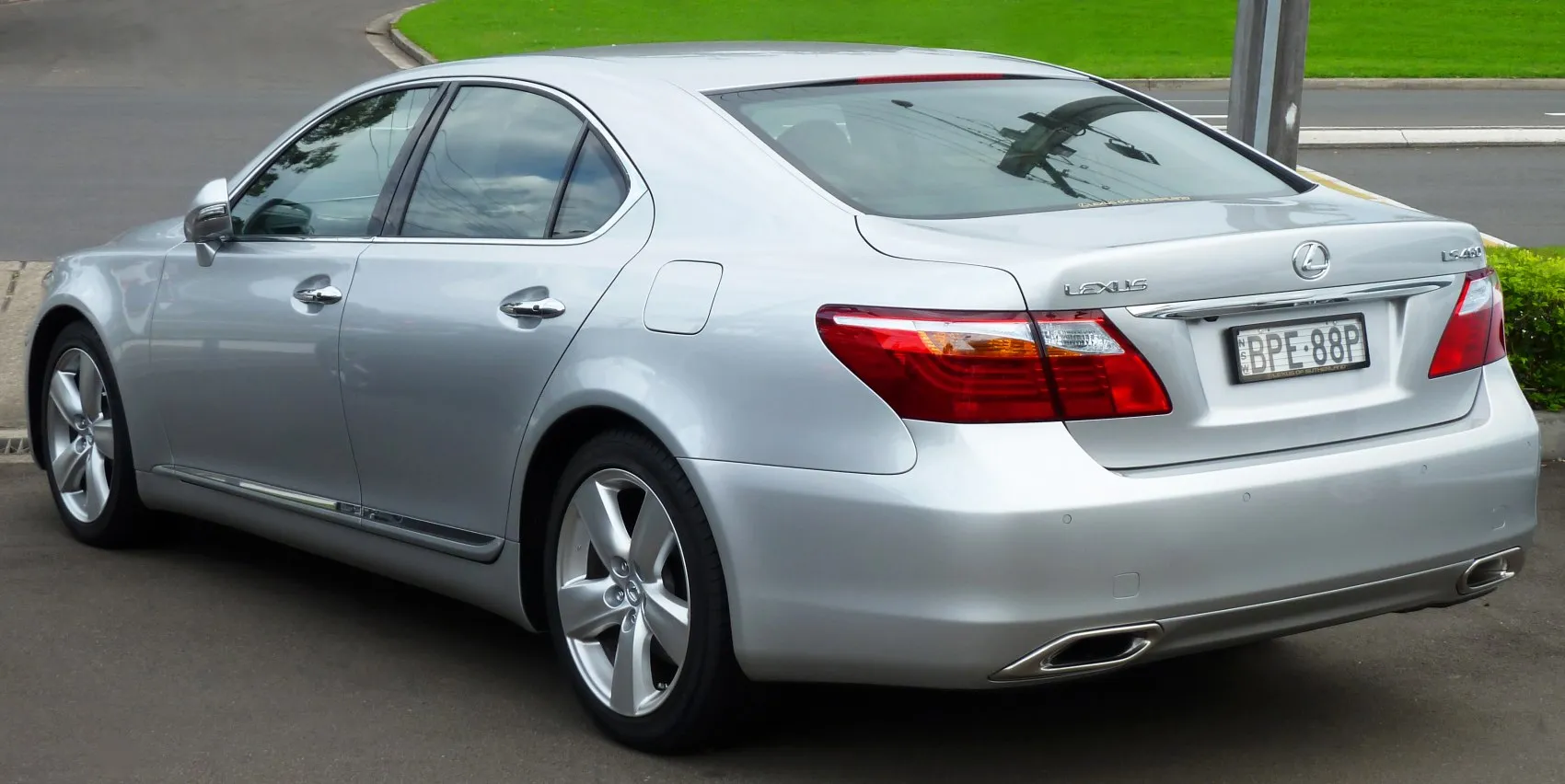
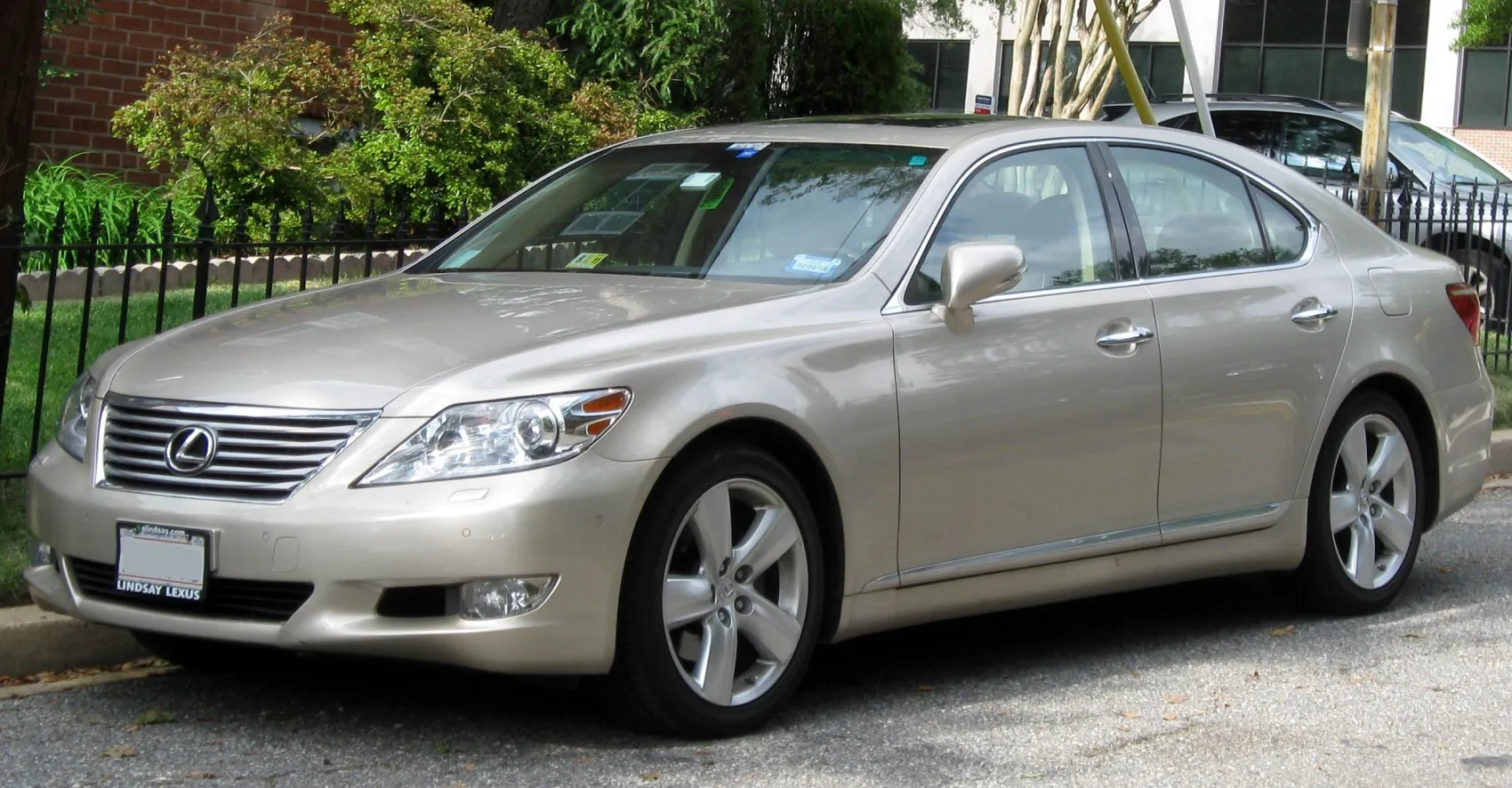
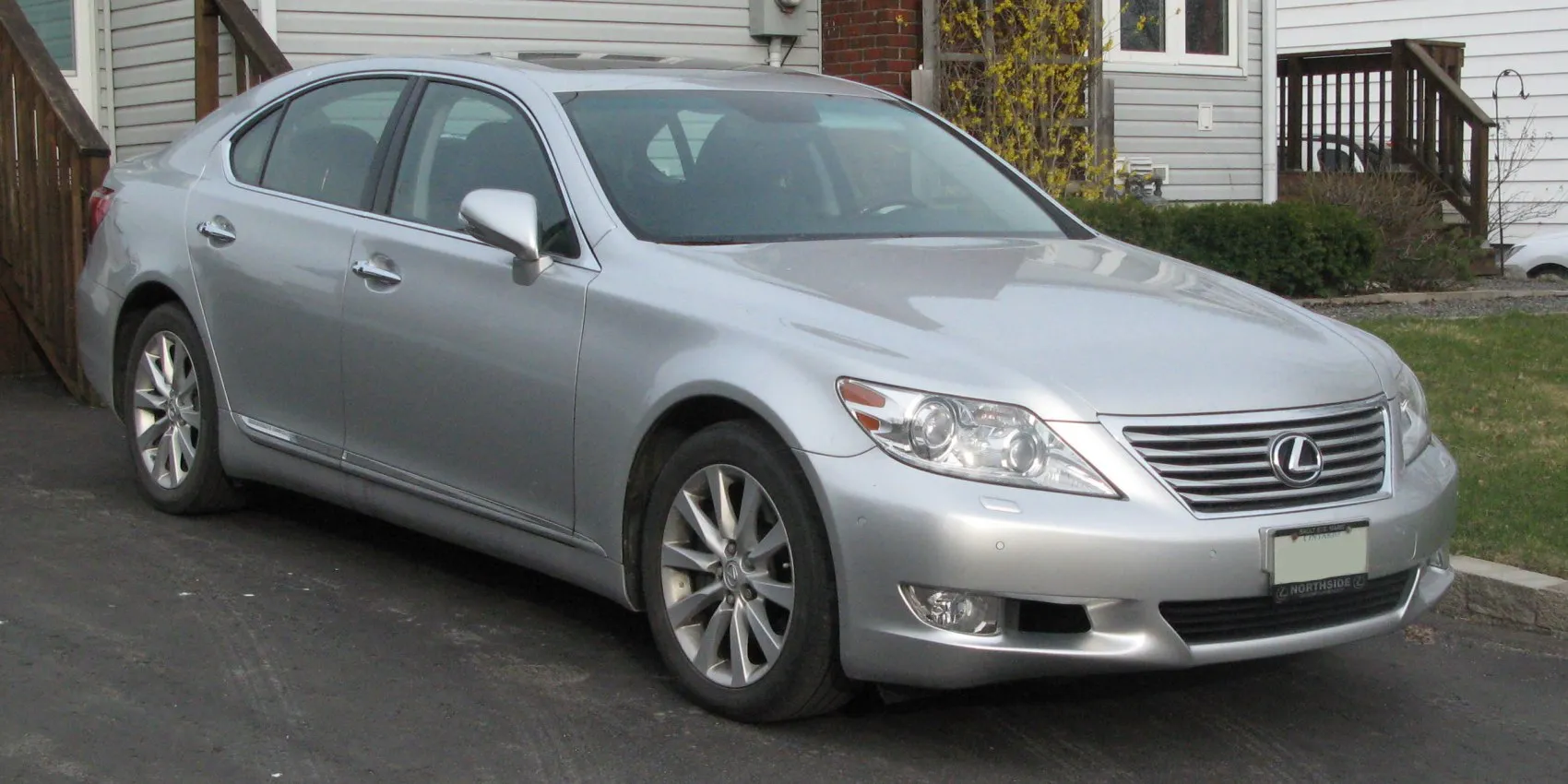
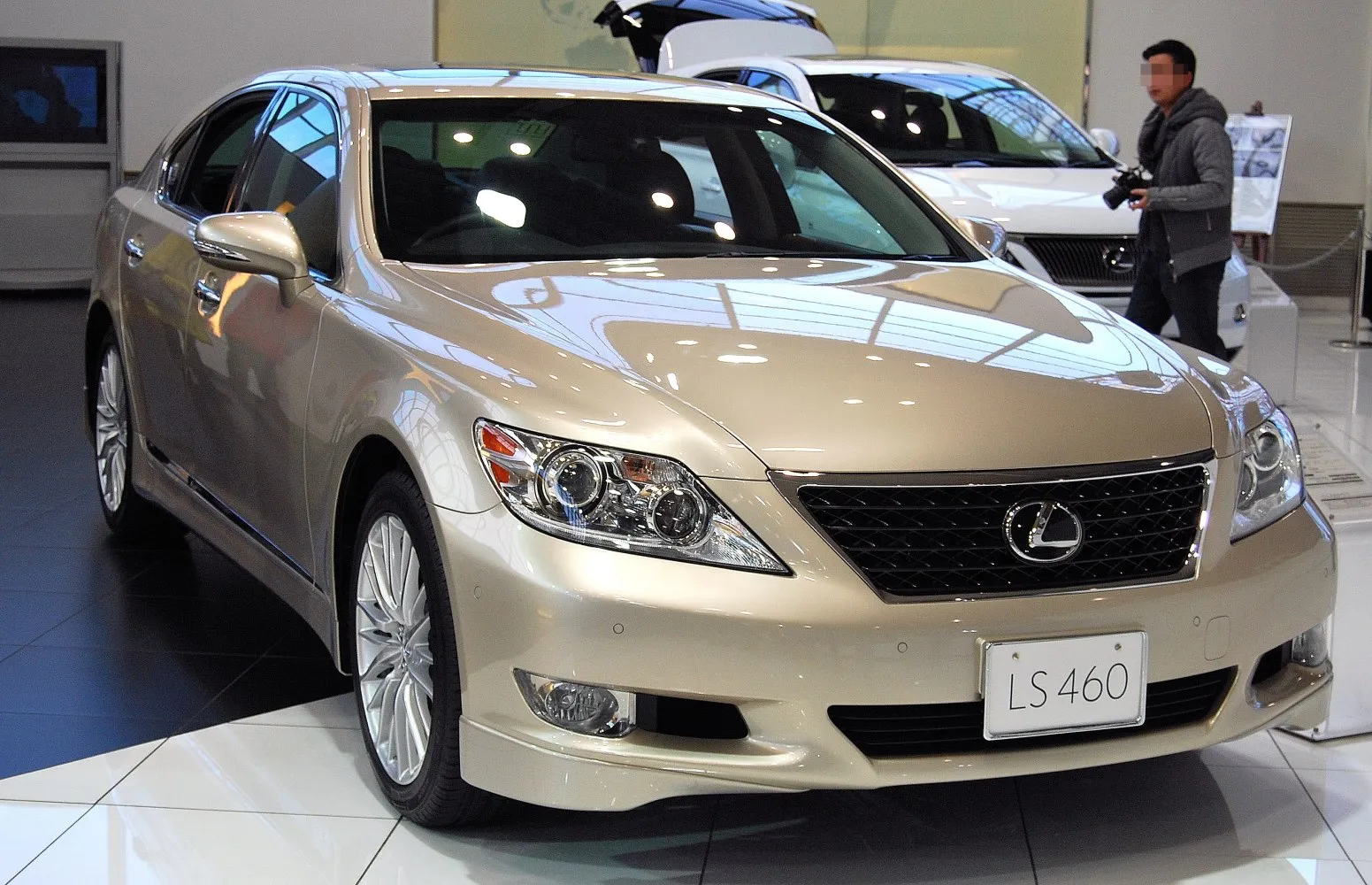
Lexus LS IV (facelift 2009) 600h V8 (445 Hp) Hybrid AWD e-CVT
People\'s Opinion
N/A / 5
Lexus LS:
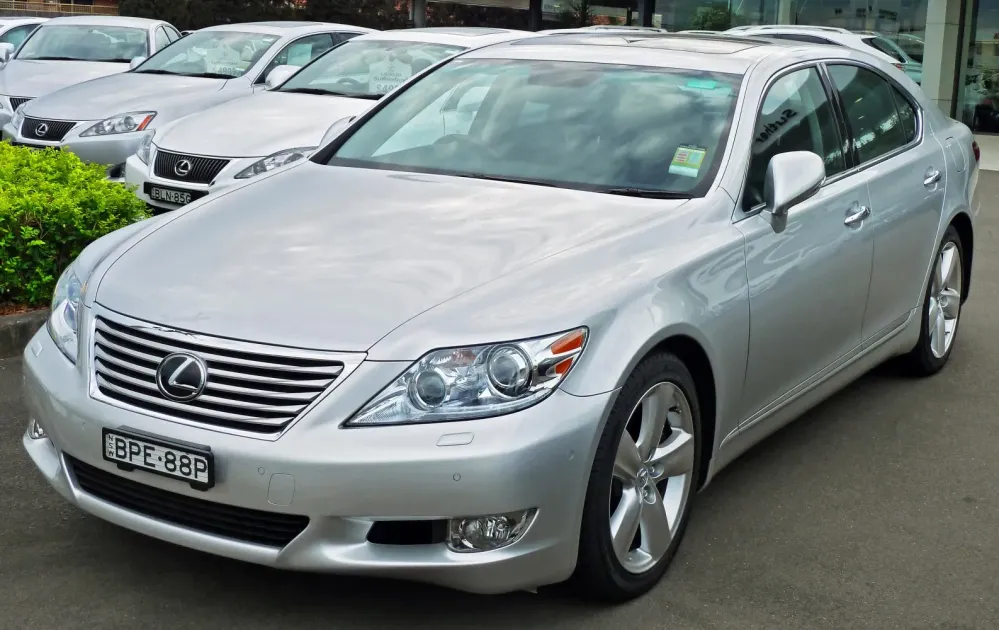
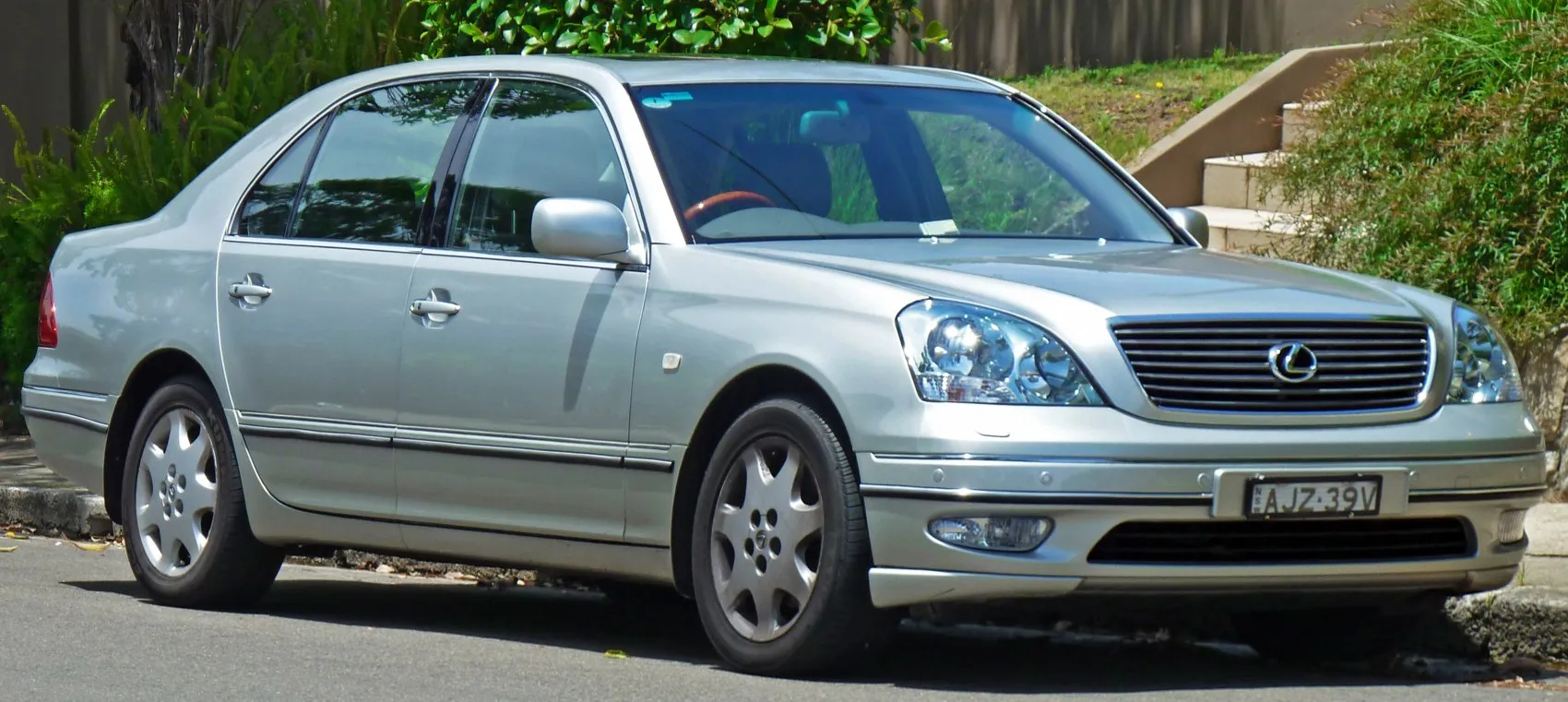
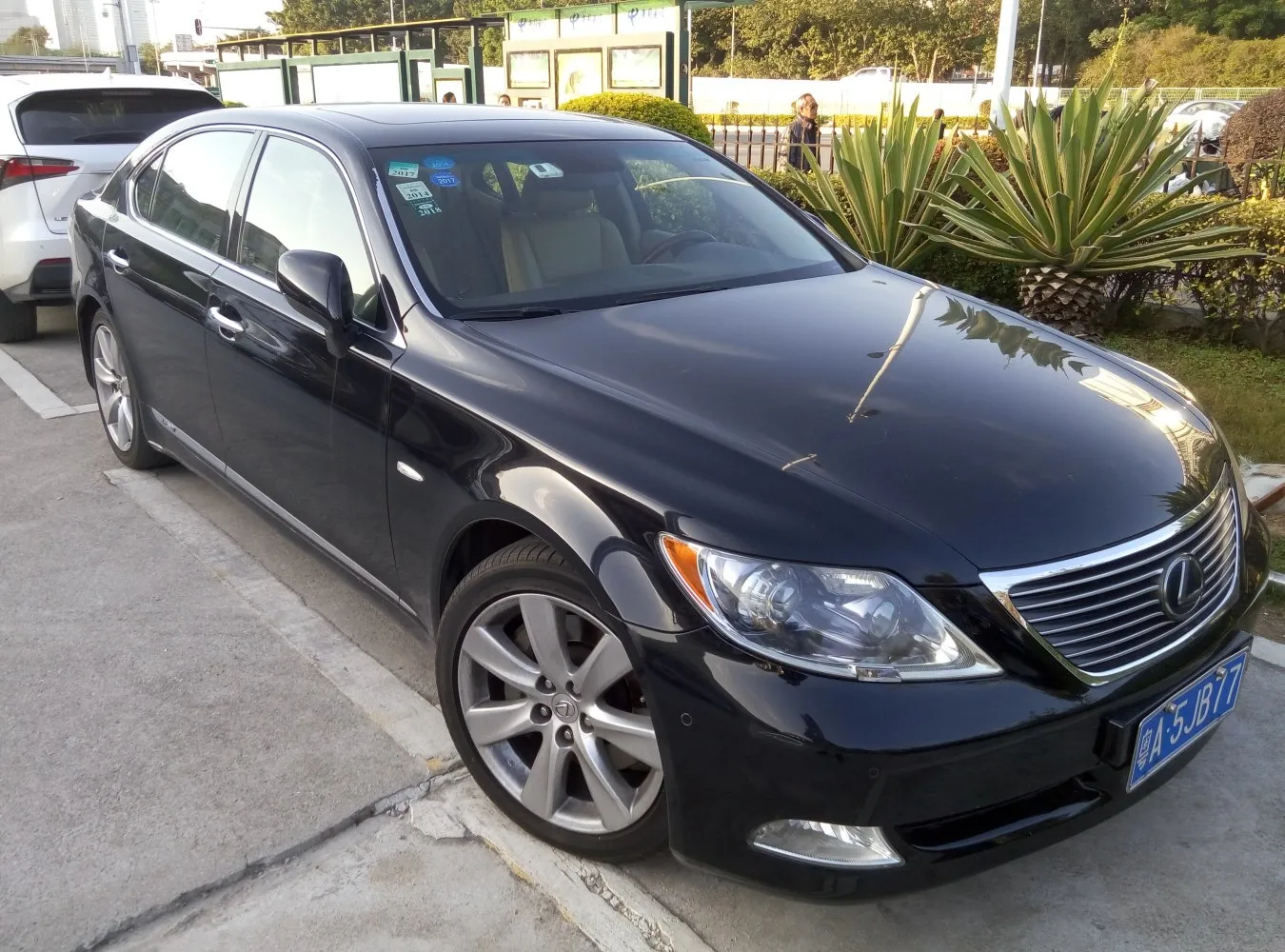
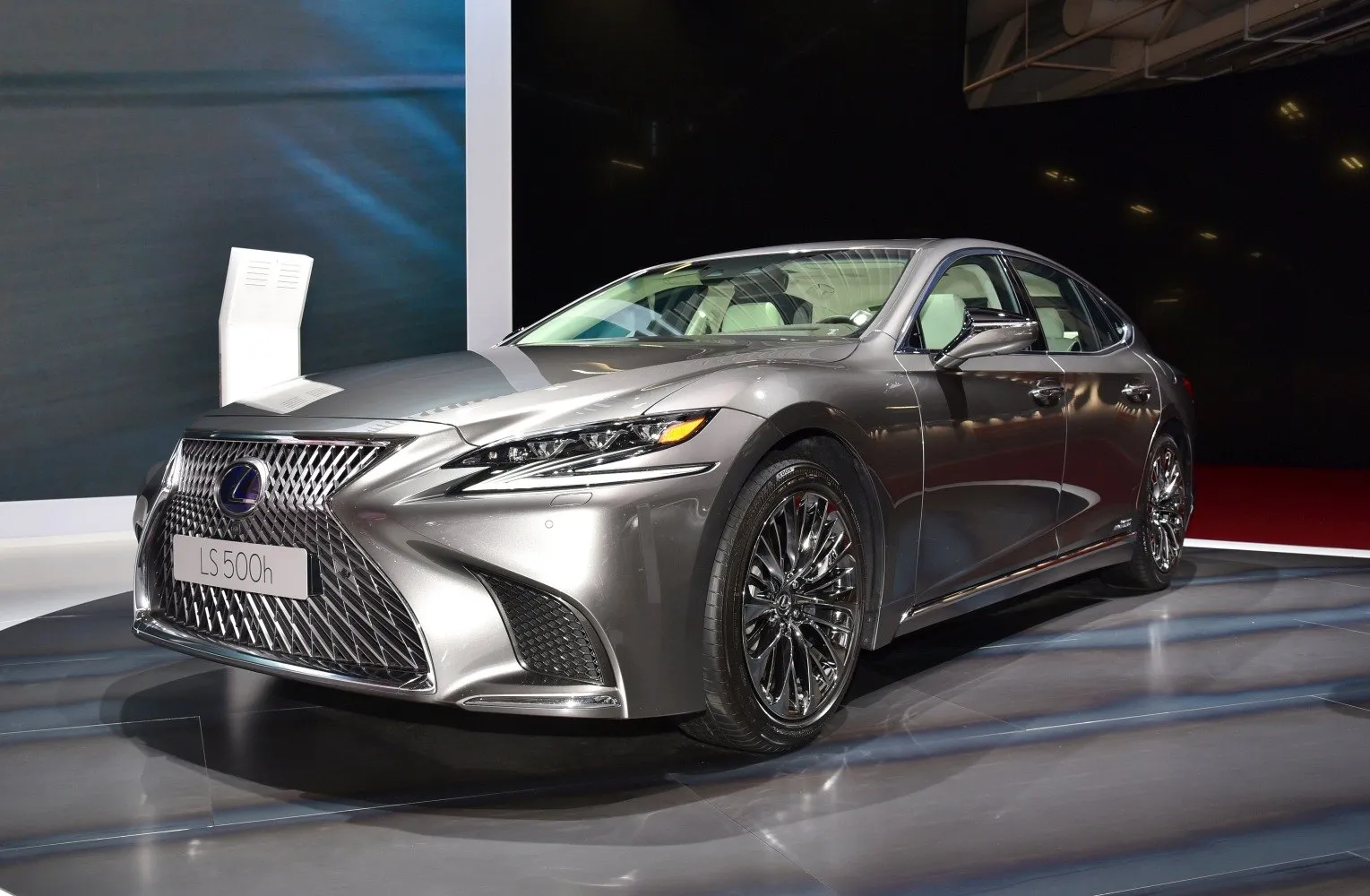
The Lexus LS is a series of full-size luxury sedans that have served as the flagship model of Lexus, the luxury division of Toyota, since 1989. For the first four generations, all LS models featured V8 engines and were predominantly rear-wheel-drive. In the fourth generation, Lexus offered all-wheel-drive, hybrid, and long-wheelbase variants. The fifth generation changed to using a V6 engine with no V8 option, and only one length was offered.
As the first model developed by Lexus, the LS 400 debuted in January 1989 with the second generation debuting in November 1994. The LS 430 debuted in January 2000 and the LS 460/LS 460 L series in 2006. A domestic-market version of the LS 400 and LS 430, badged as the Toyota Celsior , was sold in Japan until the Lexus marque was introduced there in 2006. In 2006 , the fourth generation LS 460 debuted the first production eight-speed automatic transmission and an automatic parking system. In 2007, V8 hybrid powertrains were introduced on the LS 600h/LS 600h L sedans....(Read more on Wikipedia)
IV (facelift 2009) Overview:
Lexus LS (IV (facelift 2009)). With 520 Nm of torque, it offers ample pulling power. It has moderate fuel consumption (~11.2 l/100km). At around 2355 kg, it’s on the heavier side. All‑wheel drive provides excellent grip, ideal for off‑road use. Acceleration is good (0–100 km/h in 6.3 s). The top speed reaches 250 km/h. A four-door car with a separate trunk, ideal for families and daily commuting. Seating for 5 makes it ideal for daily use.
Performance Verdict
Combines a powerful V8 (394 Hp) with electric motors for seamless, strong acceleration and an impressive 445 Hp system output, delivering a refined and potent driving experience.
Fuel Economy
Remarkably efficient for a full-size luxury sedan with AWD and V8 power, offering significant fuel savings over conventional V8s in its class.
Best Use Case:
Luxury Commuting / Eco-Conscious Performance
Pros and Cons:
Pros:
- • Exceptional ride comfort and refinement
- • High-quality interior materials and craftsmanship
- • Proven Lexus reliability and durability
- • Advanced hybrid option for improved efficiency
- • Smooth and powerful V8 engine options
- • Comprehensive standard safety features
Cons:
- • Fuel consumption can be high for non-hybrid V8 models
- • Steering feel is less engaging than some German rivals
- • Infotainment system might feel dated compared to newer systems
- • High purchase price and potentially expensive parts
- • Large size can make city maneuvering challenging
Specifications:
Specifications are compared to those of the previous generation(V (facelift 2020): July, 2020 - ).
| General: |
| Brand: | Lexus |
|---|
| Model: | LS |
|---|
| Generation: | IV (facelift 2009) |
|---|
| Modification (Engine): | 600h V8 (445 Hp) Hybrid AWD e-CVT |
|---|
| Start of production: | October, 2009 |
|---|
| End of production: | 2012 |
|---|
| Powertrain Architecture: | FHEV (Full Hybrid Electric Vehicle) |
|---|
| Body type: | Sedan |
|---|
| Seats: | 5 |
|---|
| Doors: | 4 |
|---|
| Engine: |
| Engine systems: | Start & Stop System |
|---|
| Power: | 394 Hp @ 6400 rpm. Same horsepower |
|---|
| Power per litre: | 79.3 Hp/l [175mm less] |
|---|
| Torque: | 520 Nm @ 4000 rpm. |
|---|
| Engine Model/Code: | 2UR-FSE More details about the engine 2UR-FSE |
|---|
| Engine displacement: | 4969 |
|---|
| Number of cylinders: | 8 |
|---|
| Engine configuration: | V-engine |
|---|
| Number of valves per cylinder: | 4 |
|---|
| Fuel injection system: | Direct injection and Multi-port manifold injection |
|---|
| Engine aspiration: | Naturally aspirated engine |
|---|
| Valvetrain: | DOHC, Dual VVT-iE |
|---|
| Engine oil capacity: | 9 l |
|---|
| Coolant: | 11.1 l |
|---|
| Engine layout: | Front, Longitudinal |
|---|
| Cylinder Bore: | 94 mm mm |
|---|
| Piston Stroke: | 89.5 mm mm |
|---|
| Compression ratio: | 11.8:1 |
|---|
| Performance: |
| Fuel Type: | Petrol (Gasoline) |
|---|
| Fuel consumption (economy) - urban: | 11.2 l/100 km |
|---|
| Fuel consumption (economy) - extra urban: | 8 l/100 km |
|---|
| Fuel consumption (economy) - combined (NEDC): | 9.3 l/100 km |
|---|
| Fuel consumption (economy) - urban (NEDC): | 11.2 l/100 km |
|---|
| Fuel consumption (economy) - extra urban (NEDC): | 8 l/100 km |
|---|
| Fuel consumption (economy) - combined: | 9.3 l/100 km |
|---|
| Emission standard: | Euro 5 |
|---|
| Acceleration 0 - 100 km/h: | 6.3 sec |
|---|
| Acceleration 0 - 62 mph: | 6.3 sec |
|---|
| Maximum speed: | 250 km/h, Electronically limited |
|---|
| Weight-to-power ratio: | 5.1 kg/Hp, 194.3 Hp/tonne |
|---|
| Weight-to-torque ratio: | 4.4 kg/Nm, 227.1 Nm/tonne |
|---|
| Acceleration 0 - 60 mph: | 5.5 sec |
|---|
| Space: |
| Kerb Weight: | 2290-2420 |
|---|
| Max. weight: | 2795 |
|---|
| Max load: | 375-505 |
|---|
| Trunk (boot) space - minimum: | 420 l |
|---|
| Fuel tank capacity: | 84 l |
|---|
| Size: |
| Length: | 5060 mm mm [175mm less] |
|---|
| Width: | 1875 mm mm [25mm less] |
|---|
| Height: | 1480 mm mm [19mm more] |
|---|
| Wheelbase: | 2970 mm mm [154mm less] |
|---|
| Front overhang: | 915 mm |
|---|
| Rear overhang: | 1175 mm |
|---|
| Minimum turning circle (turning diameter): | 12.2 m [above average] |
|---|
| Powertrain: |
| Drivetrain Architecture | The Internal combustion engine (ICE) and the electric motor permanently drive the four wheels of the car with the ability to work in full electric or mixed mode. |
|---|
| Drive wheel | All wheel drive (4x4) |
|---|
| Transmission type | Automatic |
|---|
| Gearbox type | e-CVT |
|---|
| Front brakes | Ventilated discs, 380x36 mm [Best for performance and cooling.] |
|---|
| Rear brakes | Ventilated discs, 335x22 mm [Best for performance and cooling.] |
|---|
| Assisting systems | ABS (Anti-lock braking system) |
|---|
| Steering type | Steering rack and pinion |
|---|
| Power steering | Electric Steering |
|---|
| Tires size | 245/45 R19 |
|---|
| Wheel rims size | 8J x 19 |
|---|
| Front suspension | Independent multi-link suspension, Transverse stabilizer, Air Suspension - Optional |
|---|
| Rear suspension | Independent multi-link suspension, Transverse stabilizer, Air Suspension - Optional |
|---|
| Electric: |
| Battery technology: | Nickel-metal hydride (NiMH) |
|---|
| Battery location: | Inside the trunk |
|---|
| System power: | 445 Hp |
|---|
| All-electric range: | 3 km |
|---|
| Electric motor power: | 224 Hp |
|---|
| Electric motor Torque: | 300 Nm |
|---|
| Electric motor location: | Integrated into the transmission |
|---|
| Electric motor type: | Synchronous |
|---|
| Battery weight: | 67 kg |
|---|
| Battery voltage: | 288 V |
|---|
| All-electric range (NEDC): | 3 km |
|---|














If you could change one thing about the Lexus LS, what would it be?