
Click on image to view the full photo gallery
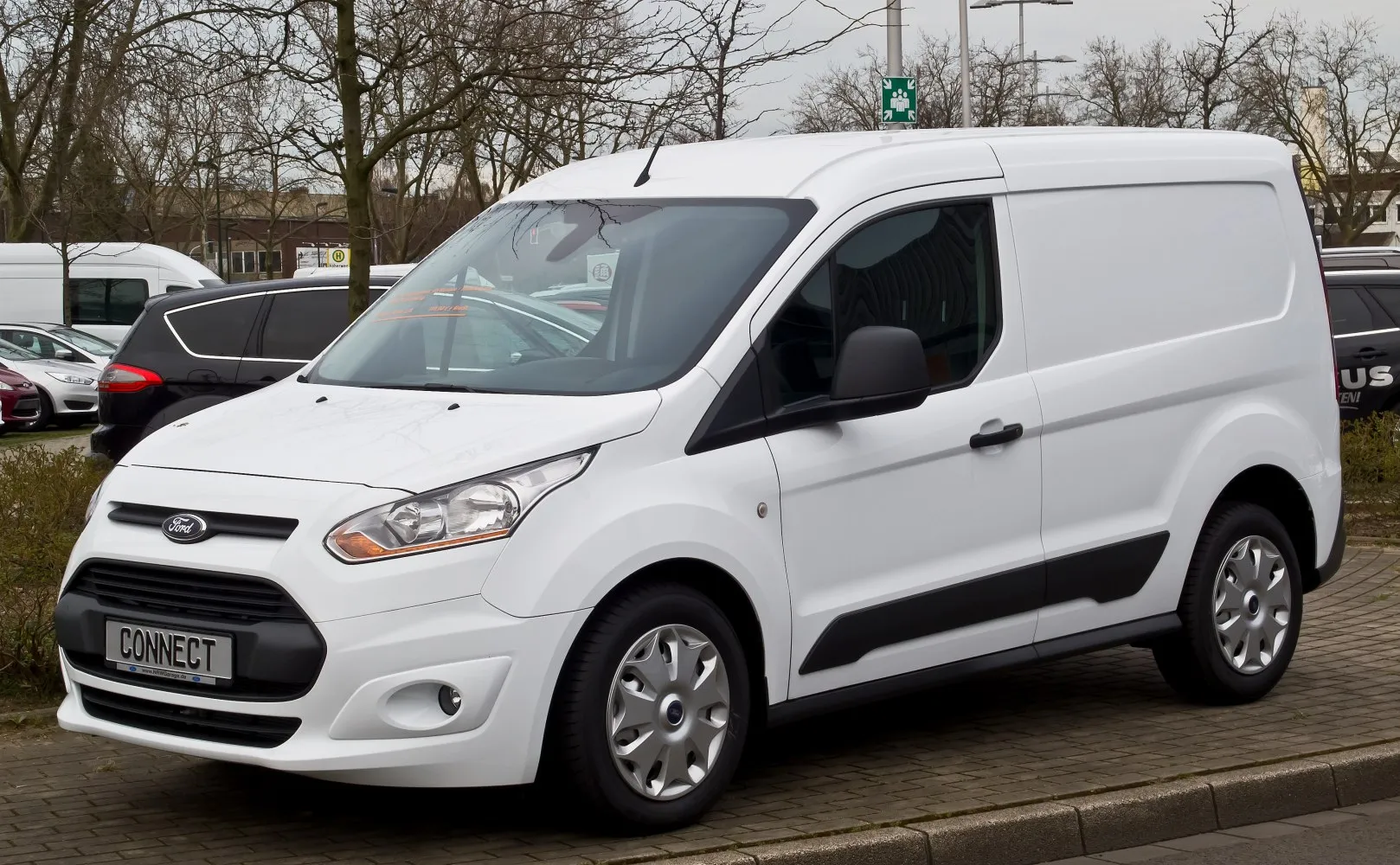
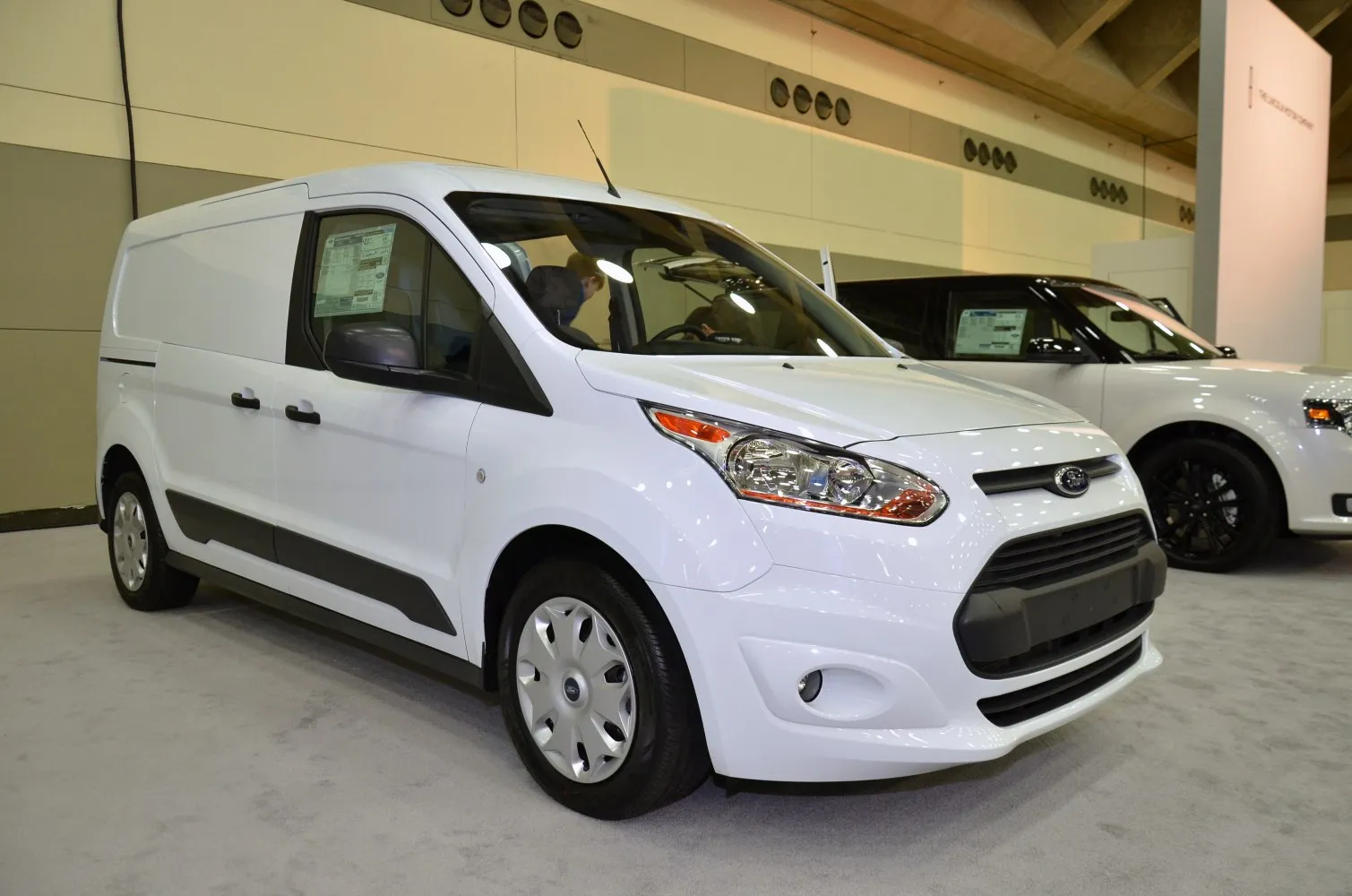
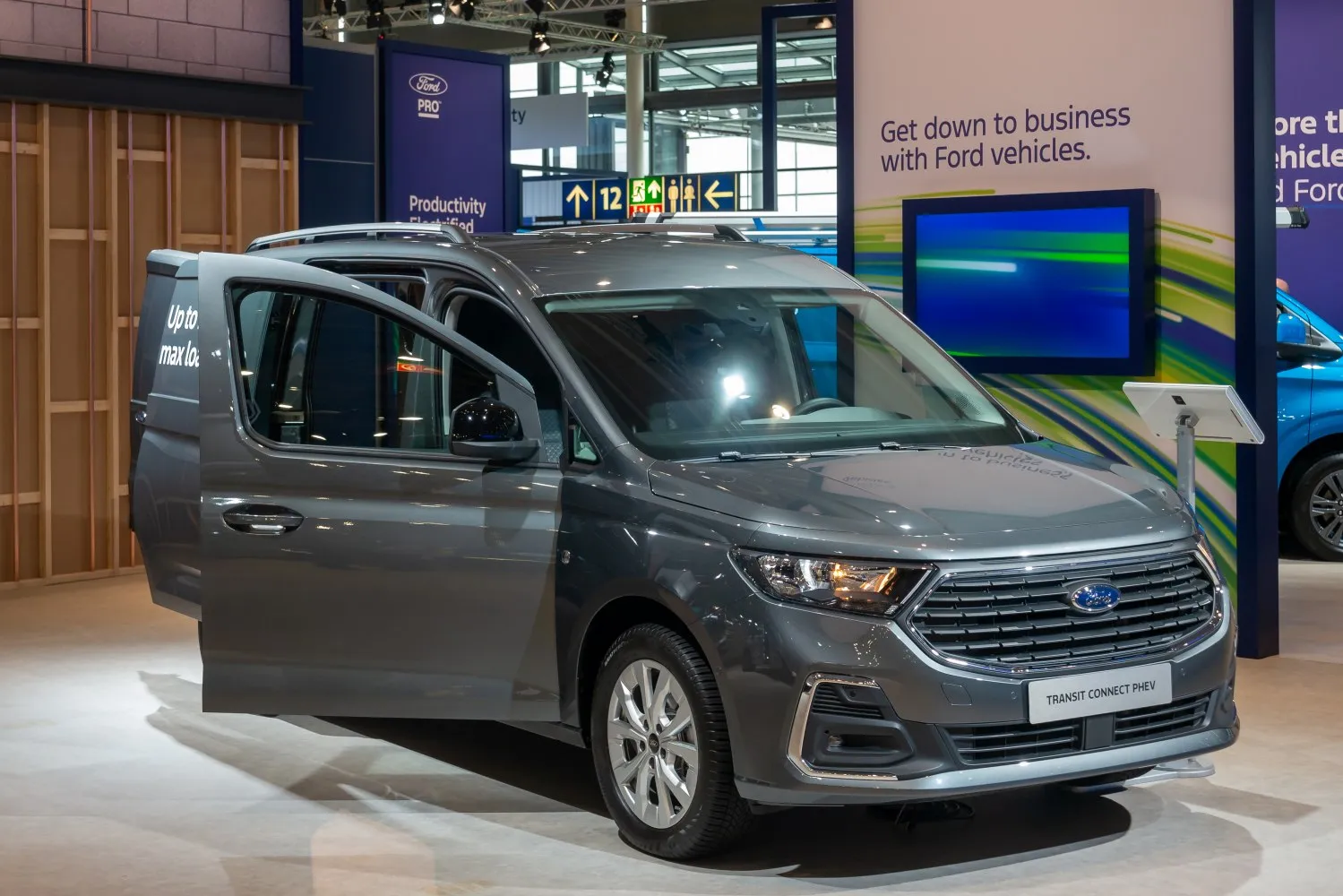
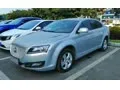
Ford Transit Connect II Wagon L2 1.6 TDCi (95 Hp) Start-Stop
Overall Rating
Ford Transit Connect:
The Ford Transit Connect is a compact panel van manufactured and marketed by Ford since 2002. Developed by Ford of Europe, the model line replaced sedan-based vans with a dedicated commercial vehicle platform. The model line is the second-smallest vehicle of the Ford Transit range, positioned between the Ford Transit Courier LAV and the Ford Transit Custom LCV/MPV. In line with other Ford Transit variants, passenger-oriented models are marketed as the Ford Tourneo Connect with side windows and rear seats....(Read more on Wikipedia)
II Wagon L2 Overview:
Ford Transit Connect (II Wagon L2). With 230 Nm of torque, it offers ample pulling power. It boasts low fuel consumption (~4.8 l/100km). With a weight of 1532 kg, it falls in the mid‑range. Front‑wheel drive delivers efficiency and easy handling. A spacious vehicle designed to transport passengers comfortably, often with sliding doors. Seating for 5 makes it ideal for daily use.
1.6 TDCi (95 Hp) Start-Stop Verdict:

Performance Verdict
Sufficient power for city driving and light loads, but may feel strained on highways with heavier cargo.
Fuel Economy
Excellent fuel efficiency, especially in urban environments due to the Start-Stop system.
Pros and Cons:
Pros:
- • Highly versatile with flexible seating and cargo configurations
- • Excellent fuel economy from most diesel engines
- • Comfortable ride for a commercial vehicle
- • Good range of engine options to suit different needs
- • Modern safety features for its class
Cons:
- • Some entry-level engines can feel underpowered with heavy loads
- • Gasoline engine (2.5L) is significantly less fuel-efficient
- • Interior materials can be utilitarian in lower trims
- • Rear visibility can be limited depending on configuration
Specifications:
Specifications are compared to those of the previous generation(I (facelift 2009) Panel Van L1H1: 2009 - September, 2011).
| General: | |
|---|---|
| Brand: | Ford |
| Model: | Transit Connect |
| Generation: | II Wagon L2 |
| Modification (Engine): | 1.6 TDCi (95 Hp) Start-Stop |
| Start of production: | 2013 |
| End of production: | 2016 |
| Powertrain Architecture: | Internal Combustion engine |
| Body type: | Minivan |
| Seats: | 5-7 |
| Doors: | 5 |
| Engine: | |
|---|---|
| Engine systems: | Start & Stop System |
| Power: | 95 Hp @ 3600 rpm. Same horsepower |
| Power per litre: | 60.9 Hp/l [543mm more] |
| Torque: | 230 Nm @ 1500-2000 rpm. |
| Engine Model/Code: | Duratorq / TZGA, TZGB More details about the engine Duratorq / TZGA, TZGB |
| Engine displacement: | 1560 |
| Number of cylinders: | 4 |
| Engine configuration: | Inline |
| Number of valves per cylinder: | 2 |
| Fuel injection system: | Diesel Commonrail |
| Engine aspiration: | Turbocharger, Intercooler |
| Valvetrain: | SOHC |
| Engine oil capacity: | 6.2 l |
| Coolant: | 7.3 l |
| Engine layout: | Front, Transverse |
| Cylinder Bore: | 75 mm mm |
| Piston Stroke: | 88.3 mm mm |
| Compression ratio: | 16:1 |
| Performance: | |
|---|---|
| Fuel Type: | Diesel |
| Fuel consumption (economy) - urban: | 4.6-5 l/100 km |
| Fuel consumption (economy) - extra urban: | 3.7-4.5 l/100 km |
| Fuel consumption (economy) - combined (NEDC): | 4.1-4.6 l/100 km |
| Fuel consumption (economy) - urban (NEDC): | 4.6-5 l/100 km |
| Fuel consumption (economy) - extra urban (NEDC): | 3.7-4.5 l/100 km |
| Fuel consumption (economy) - combined: | 4.1-4.6 l/100 km |
| Emission standard: | Euro 5 |
| Weight-to-power ratio: | 15.8 kg/Hp, 63.3 Hp/tonne |
| Weight-to-torque ratio: | 6.5 kg/Nm, 153.3 Nm/tonne |
| Space: | |
|---|---|
| Kerb Weight: | 1500-1564 |
| Max. weight: | 2270-2300 |
| Max load: | 736-770 |
| Trunk (boot) space - maximum: | 2761 l |
| Trunk (boot) space - minimum: | 322 l |
| Permitted trailer load with brakes (12%): | 1200 kg |
| Fuel tank capacity: | 60 l |
| Permitted trailer load without brakes: | 750 kg |
| Size: | |
|---|---|
| Length: | 4818 mm mm [543mm more] |
| Width: | 1835 mm mm [40mm more] |
| Height: | 1840-1845 mm mm [25mm more] |
| Wheelbase: | 3062 mm mm [398mm more] |
| Width including mirrors: | 2137 mm |
| Front track: | 1568 mm |
| Rear (Back) track: | 1584 mm |
| Front overhang: | 878 mm |
| Rear overhang: | 878 mm |
| Ride height (ground clearance): | 163 mm |
| Minimum turning circle (turning diameter): | 12.5 m [above average] |
| Powertrain: | |
|---|---|
| Drivetrain Architecture | The Internal combustion engine (ICE) drives the front wheels of the vehicle. |
| Drive wheel | Front wheel drive |
| Number of gears | 5 |
| Transmission type | Manual |
| Front brakes | Ventilated discs, 320x25 mm [Best for performance and cooling.] |
| Rear brakes | Disc, 280x11 mm [above average] |
| Assisting systems | ABS (Anti-lock braking system) |
| Steering type | Steering rack and pinion |
| Power steering | Electric Steering |
| Tires size | 205/60 R16 |
| Wheel rims size | 6.5J x 16 |
| Front suspension | Independent, type McPherson with coil spring and anti-roll bar |
| Rear suspension | Coil spring, Torsion |













Your first impression of the Ford Transit Connect in one word? Go!