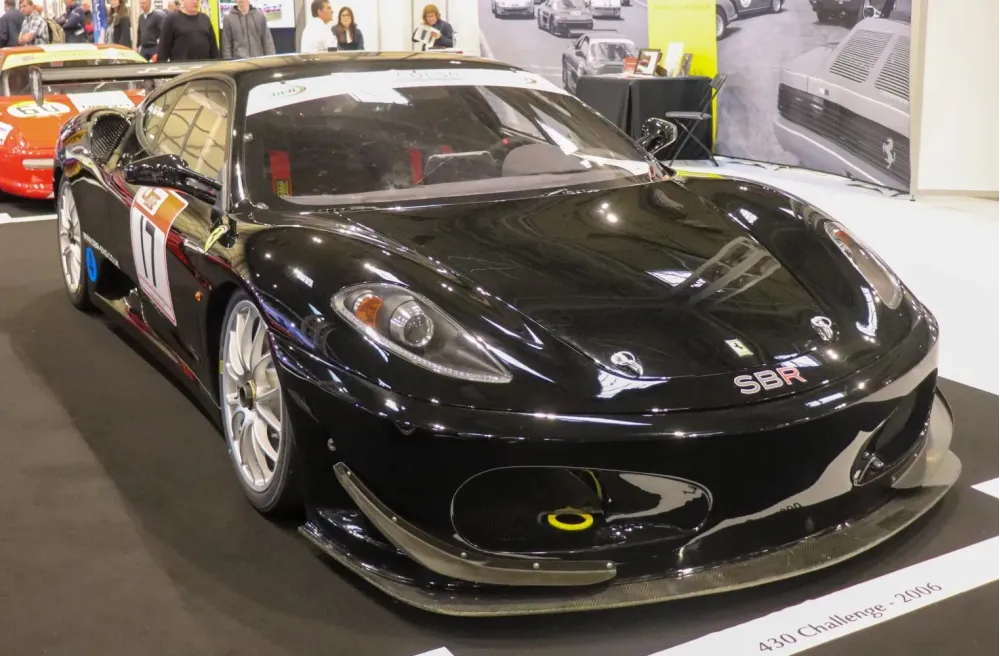
Click on image to view the full photo gallery
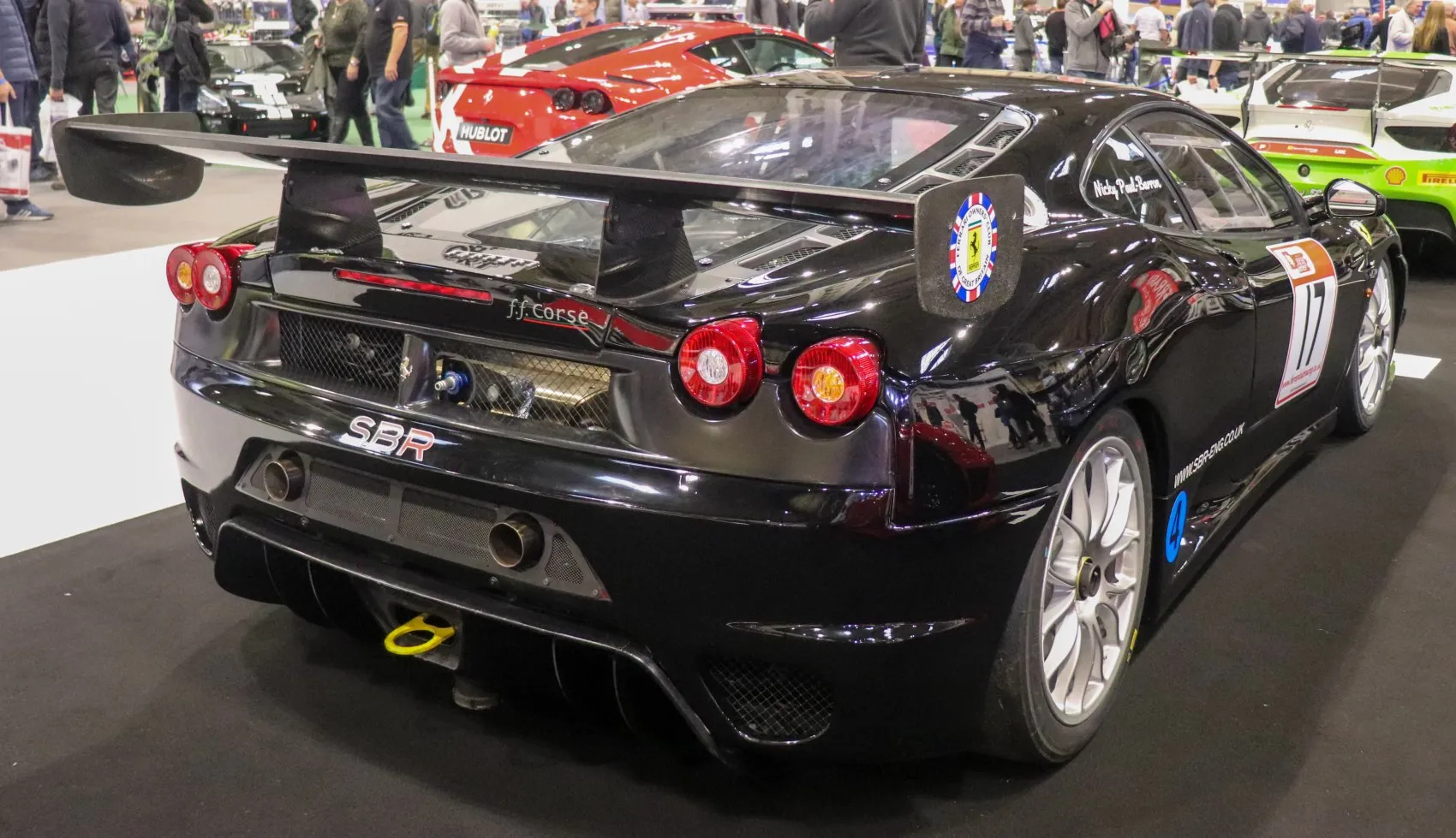
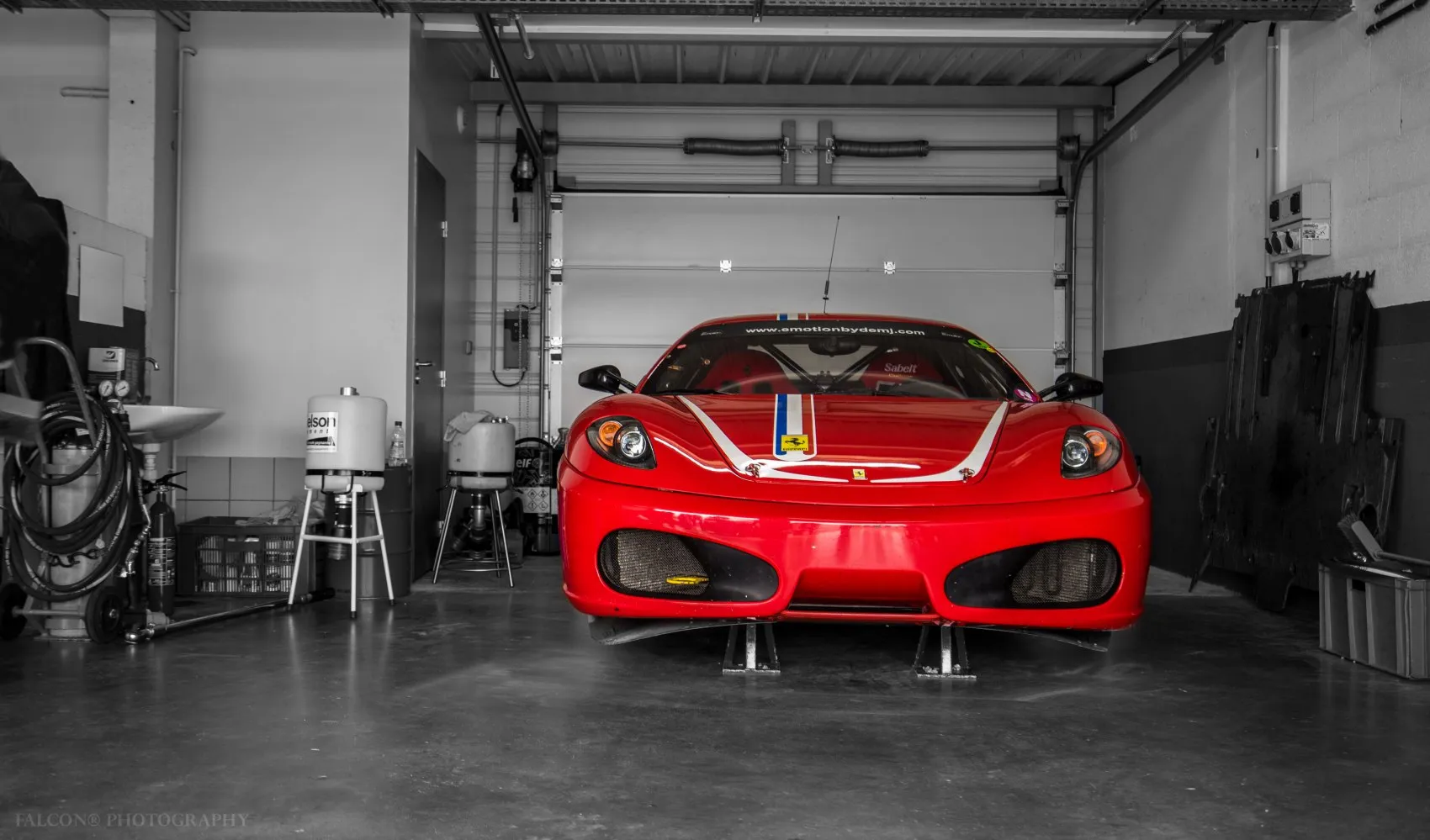
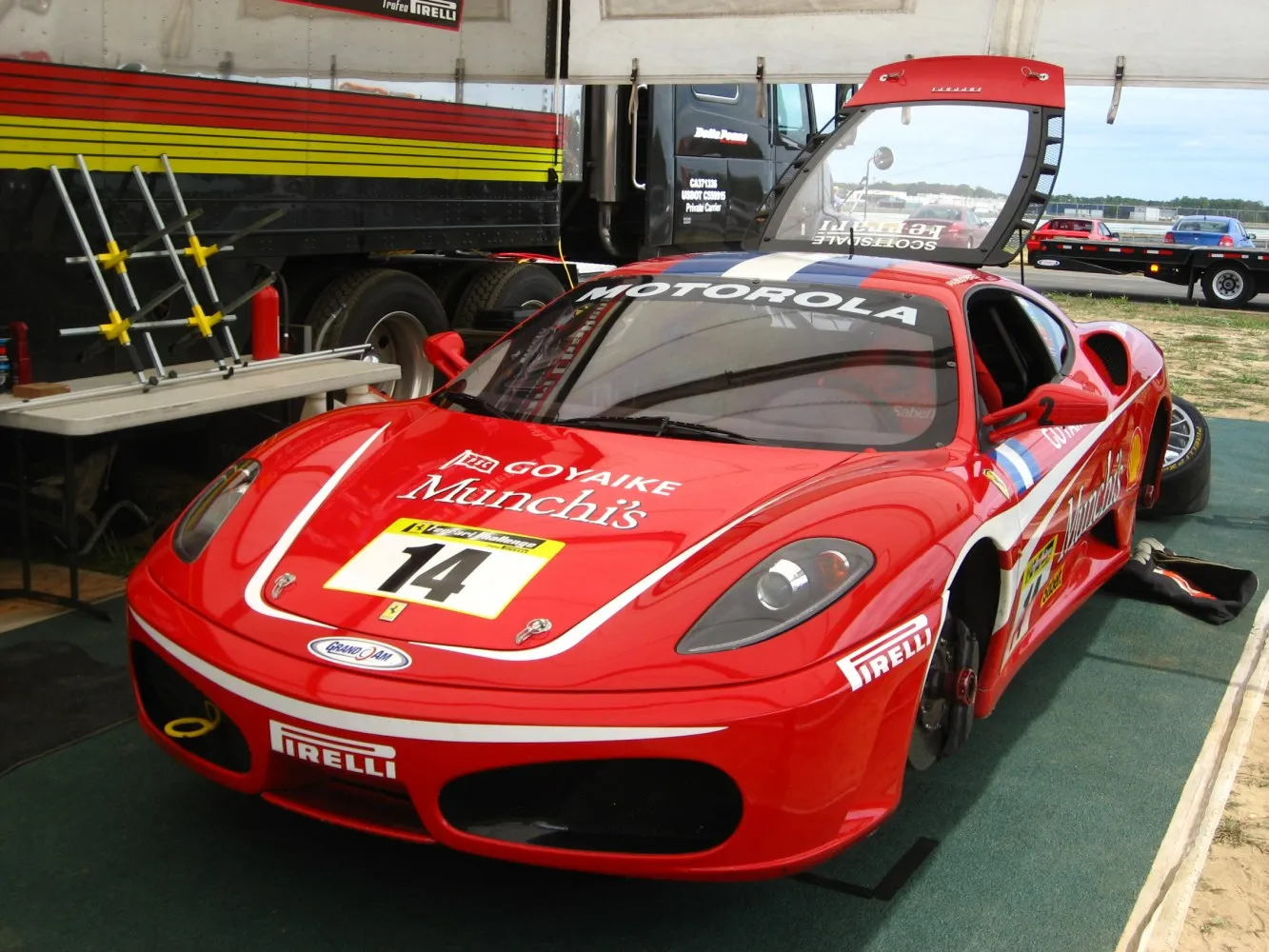
Ferrari F430 Challenge 4.3 V8 (490 Hp)
Overall Rating
Ferrari F430:
The Ferrari F430 is a sports car produced by the Italian automobile manufacturer Ferrari from 2004 until 2009 as a successor to the Ferrari 360. The car is an update to the 360 with exterior and performance changes. It was unveiled at the 2004 Paris Motor Show. The F430 was succeeded by the 458 which was unveiled on 28 July 2009. An estimated 16,750 F430s were produced between 2005 and 2009.
Designed by Pininfarina in collaboration with Frank Stephenson , the body styling of the F430 was revised from its predecessor, the 360, to improve its aerodynamic efficiency. Although the drag coefficient remained the same, the downforce was greatly enhanced. Despite sharing the same basic Alcoa Aluminium chassis, roofline, doors, and glass, the car looked significantly different from the 360. A great extent of Ferrari heritage was included in the exterior design. At the rear, the Enzo's tail lights and engine cover vents were added. The car's name was etched on the Testarossa-styled driver's side mirror....(Read more on Wikipedia)
Challenge Overview:
Ferrari F430 (Challenge). With 465 Nm of torque, it offers ample pulling power. Weighing only 1225 kg, it’s quite light. Rear‑wheel drive offers dynamic handling and sporty feedback. Acceleration is excellent (0–100 km/h in 3.2 s). The top speed reaches 320 km/h. A two-door car with a fixed roof, known for its sporty design and dynamic performance. Seating for 2 makes it ideal for daily use.
The Ferrari F430 Challenge, being a dedicated track-only racing car, was not subjected to Euro NCAP crash testing. Its safety features are primarily focused on motorsport regulations, including a roll cage, racing harness, and fire suppression system, rather than road-car occupant protection standards.
4.3 V8 (490 Hp) Verdict:

Performance Verdict
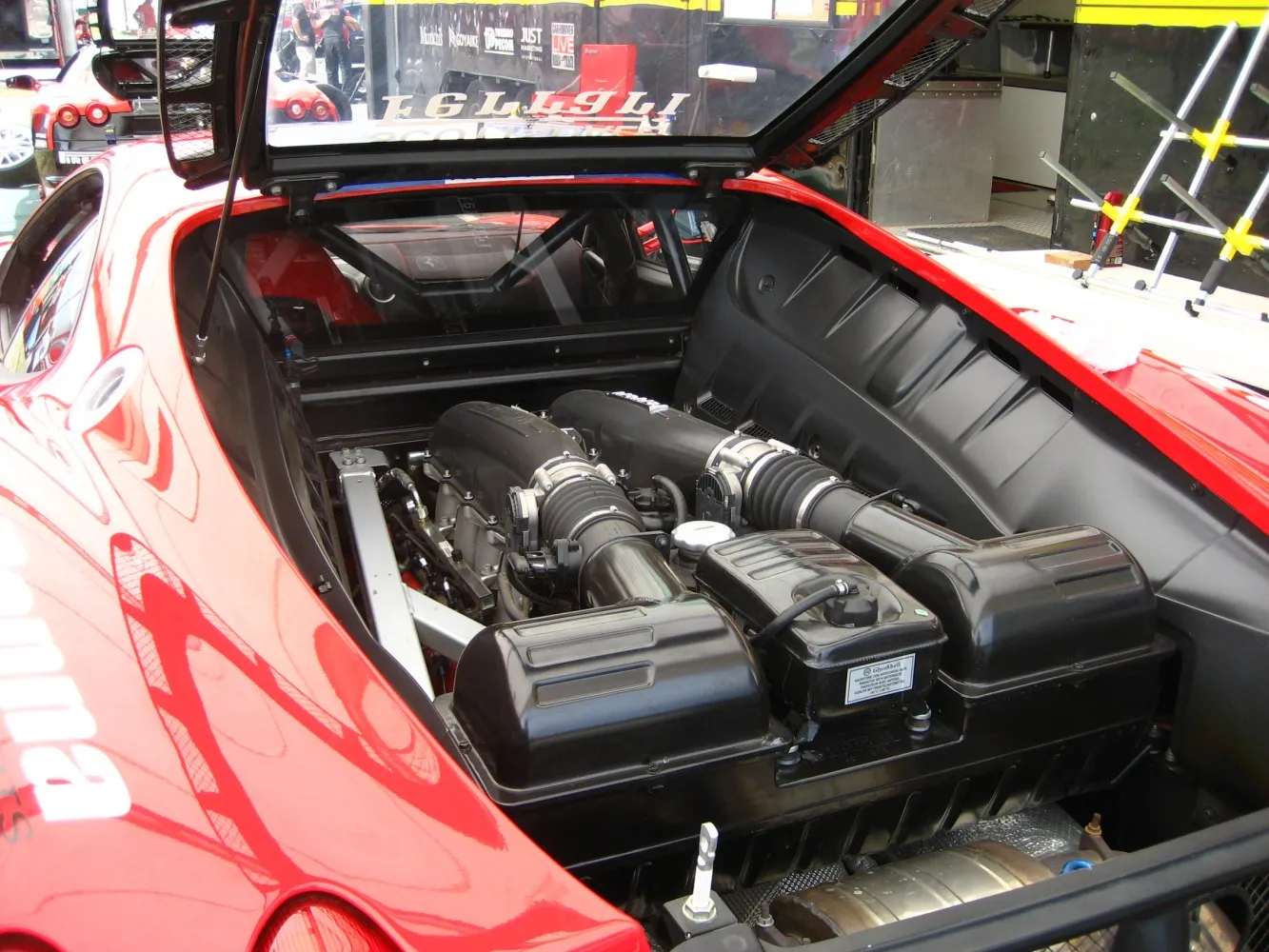
This naturally aspirated 4.3L V8 (F136 E/EA) is a masterpiece, delivering exhilarating power and a spine-tingling soundtrack. Its 490 Hp at 8500 rpm ensures blistering acceleration (3.2s 0-100km/h) and relentless pull on the track, perfectly suited for competitive racing.
Fuel Economy
Fuel economy is not a consideration for this track-focused engine. It consumes premium petrol at a high rate under racing conditions, prioritizing power delivery over efficiency.
Pros and Cons:
Pros:
- • Phenomenal track performance and handling
- • Iconic Ferrari V8 engine sound and power delivery
- • Exclusive and prestigious racing heritage
- • Exceptional driver engagement and feedback
- • Robust racing-specific components (brakes, suspension, aero)
Cons:
- • Strictly not road legal
- • Very high running and maintenance costs
- • Zero comfort or practicality for daily use
- • Requires specialized knowledge for operation and setup
- • Limited availability and high purchase price
Specifications:
Specifications are compared to those of the previous generation(GTC: 2006 - 2010).
| General: | |
|---|---|
| Brand: | Ferrari |
| Model: | F430 |
| Generation: | Challenge |
| Modification (Engine): | 4.3 V8 (490 Hp) |
| Start of production: | 2007 |
| End of production: | 2010 |
| Powertrain Architecture: | Internal Combustion engine |
| Body type: | Coupe |
| Seats: | 2 |
| Doors: | 2 |
| Engine: | |
|---|---|
| Power: | 490 Hp @ 8500 rpm. Same horsepower |
| Power per litre: | 113.7 Hp/l [1mm more] |
| Torque: | 465 Nm @ 5250 rpm. |
| Engine Model/Code: | F136 E, F136 EA More details about the engine F136 E, F136 EA |
| Engine displacement: | 4308 |
| Number of cylinders: | 8 |
| Engine configuration: | V-engine |
| Number of valves per cylinder: | 4 |
| Fuel injection system: | Multi-port manifold injection |
| Engine aspiration: | Naturally aspirated engine |
| Valvetrain: | DOHC |
| Engine oil capacity: | 10 l |
| Coolant: | 17.5 l |
| Engine layout: | Middle, Longitudinal |
| Cylinder Bore: | 91.95 mm mm |
| Piston Stroke: | 81.03 mm mm |
| Performance: | |
|---|---|
| Fuel Type: | Petrol (Gasoline) |
| Acceleration 0 - 100 km/h: | 3.2 sec |
| Acceleration 0 - 62 mph: | 3.2 sec |
| Maximum speed: | 320 km/h |
| Weight-to-power ratio: | 2.5 kg/Hp, 400 Hp/tonne |
| Weight-to-torque ratio: | 2.6 kg/Nm, 379.6 Nm/tonne |
| Acceleration 0 - 60 mph: | 3 sec |
| Space: | |
|---|---|
| Kerb Weight: | 1225 |
| Fuel tank capacity: | 100 l |
| Size: | |
|---|---|
| Length: | 4512 mm mm [1mm more] |
| Width: | 1923 mm mm [77mm less] |
| Height: | 1184 mm mm [9mm more] |
| Wheelbase: | 2601 mm mm [8mm less] |
| Front track: | 1669 mm |
| Rear (Back) track: | 1616 mm |
| Powertrain: | |
|---|---|
| Drivetrain Architecture | The Internal combustion engine (ICE) drives the rear wheels of the vehicle. |
| Drive wheel | Rear wheel drive |
| Number of gears | 6 |
| Transmission type | Manual |
| Front brakes | Ventilated discs [Best for performance and cooling.] |
| Rear brakes | Ventilated discs [Best for performance and cooling.] |
| Assisting systems | ABS (Anti-lock braking system) |
| Steering type | Steering rack and pinion |
| Front suspension | Spring Strut |
| Rear suspension | Spring Strut |




What’s the best feature of the Ferrari F430? Tell us in the comments!