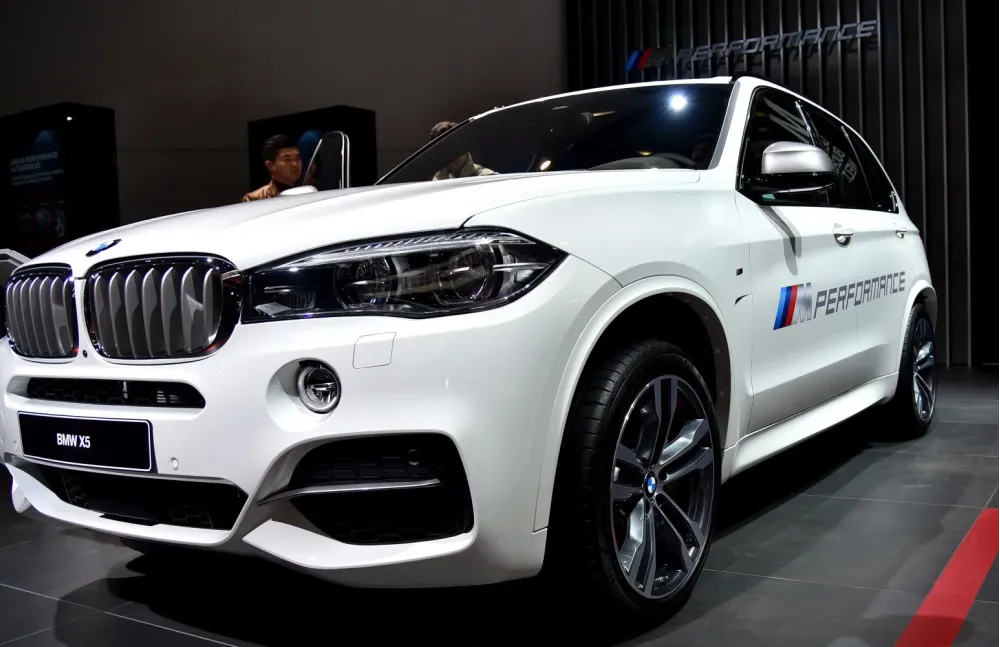
Click on image to view the full photo gallery
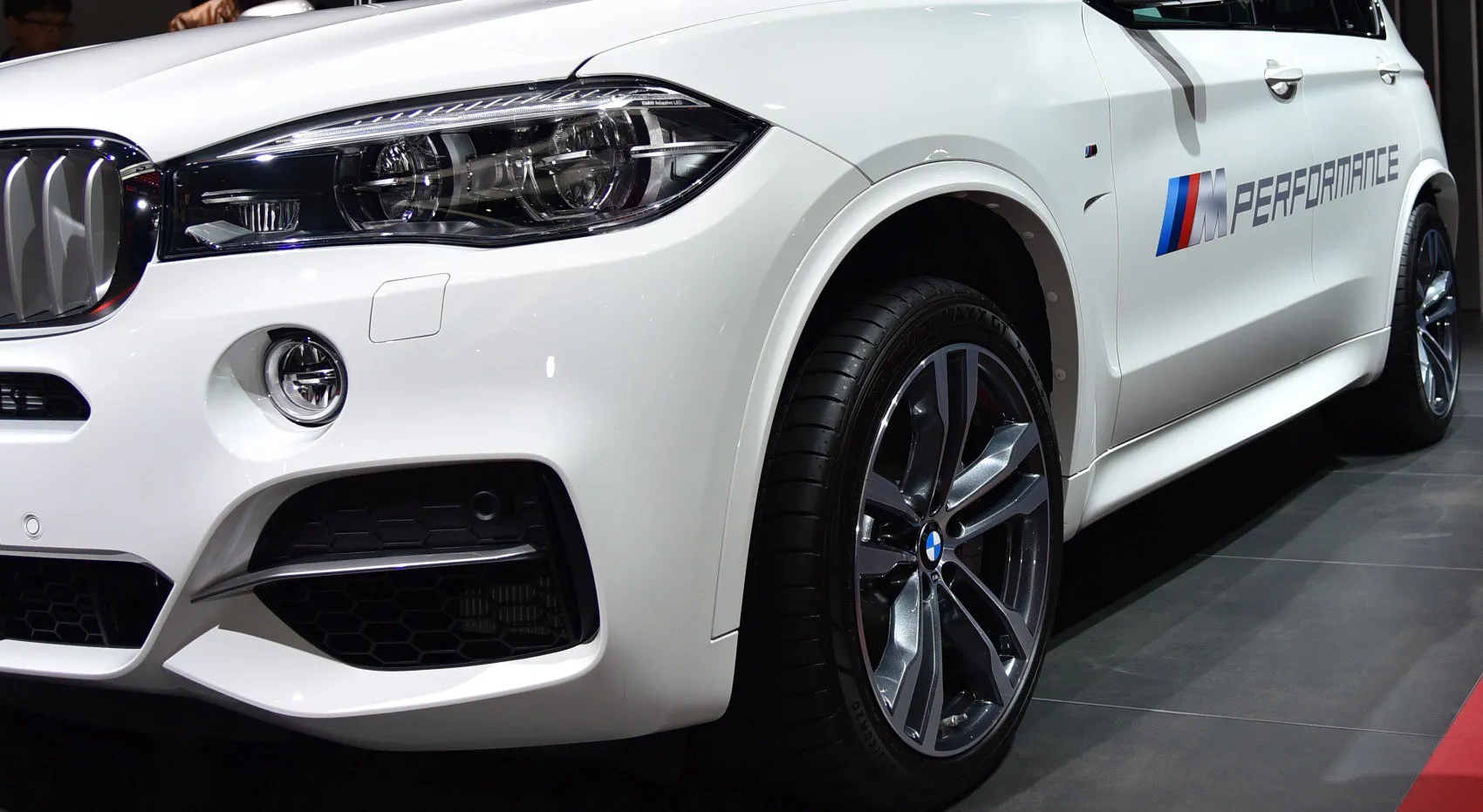
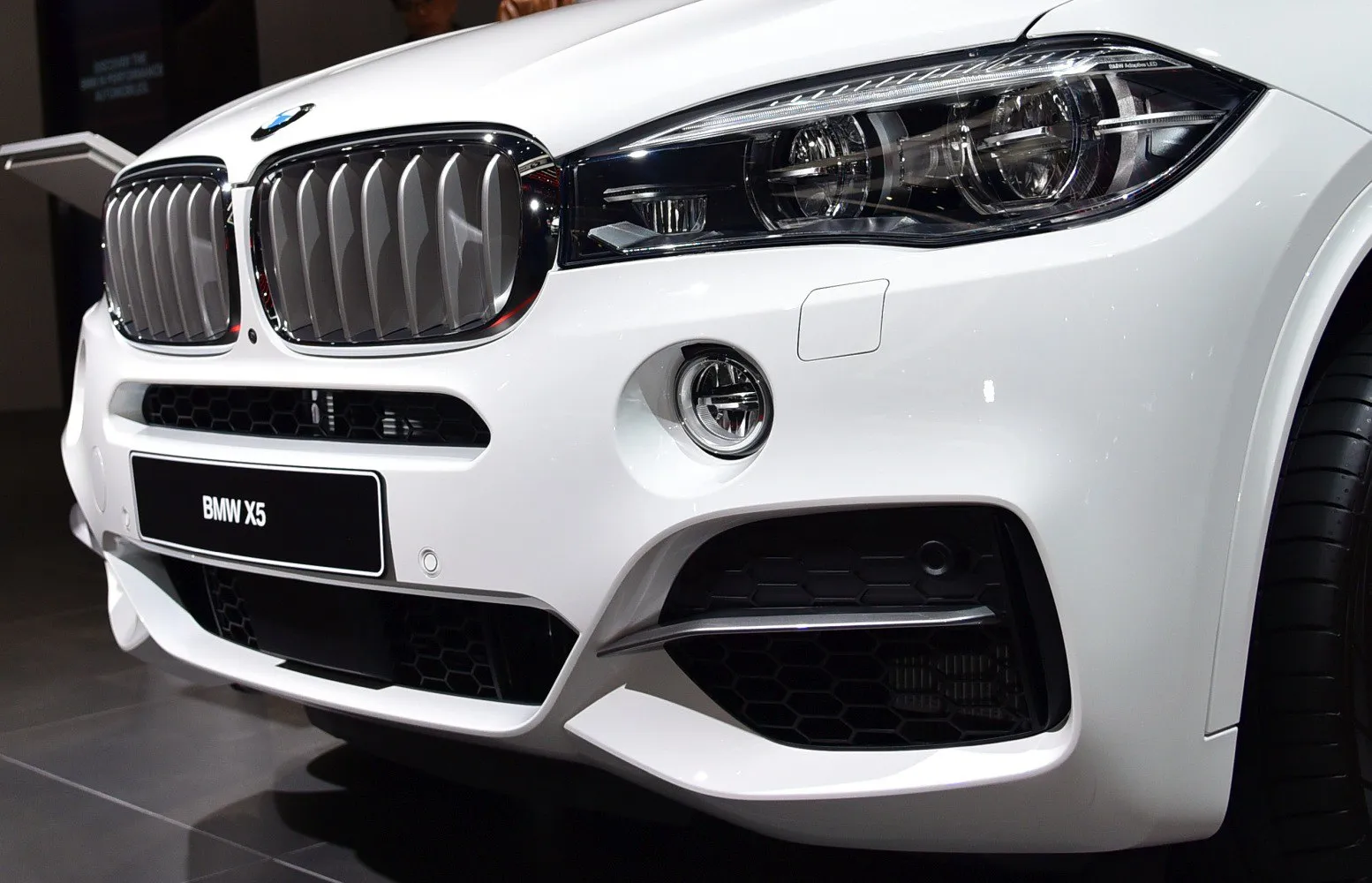
BMW X5 F15 35d (255 Hp) xDrive Steptronic
Overall Rating
BMW X5:
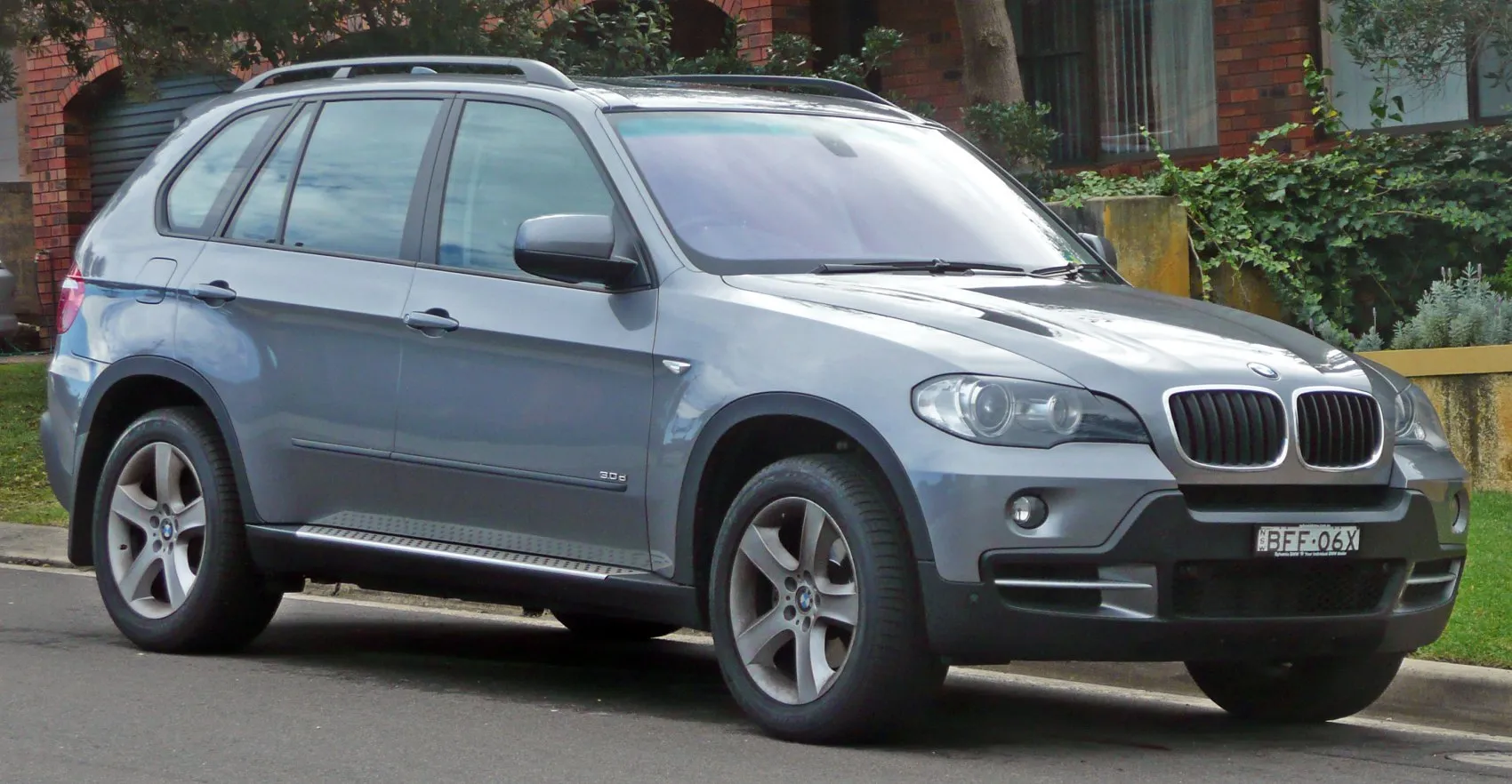
The BMW X5 is a mid-size luxury crossover SUV produced by BMW. The X5 made its debut in 1999 as the E53 model. It was BMW's first SUV. At launch, it featured all-wheel drive and was available with either a manual or automatic gearbox. The second generation was launched in 2006, and was known internally as the E70. The E70 featured the torque-split capable xDrive all-wheel drive system mated to an automatic gearbox. In 2009, the X5 M performance variant was released as a 2010 model.
BMW marketed the X5 officially as a "Sports Activity Vehicle" , rather than an SUV, to indicate its on-road handling capability despite its large dimensions. The X5 signaled a shift away from the utilisation of body-on-frame construction, in favour of more modern monocoque chassis construction. Although the Mercedes-Benz M-Class was introduced more than a year prior to the X5, the X5 was the first to utilise a monocoque chassis. The M-Class used body-on-frame construction until its second generation....(Read more on Wikipedia)
F15 Overview:
BMW X5 (F15). With 560 Nm of torque, it offers ample pulling power. It has moderate fuel consumption (~10 l/100km). At around 2223 kg, it’s on the heavier side. All‑wheel drive provides excellent grip, ideal for off‑road use. Acceleration is good (0–100 km/h in 6.8 s). The top speed reaches 210 km/h. A sports activity vehicle combining performance with utility. Seating for 5 makes it ideal for daily use.
The BMW X5 (F15) achieved an excellent 5-star Euro NCAP rating, demonstrating strong adult occupant protection and comprehensive safety features for its time.
35d (255 Hp) xDrive Steptronic Verdict:

Performance Verdict
Offers a strong balance of power and torque, providing robust acceleration suitable for highway cruising and confident overtaking.
Fuel Economy
Decent fuel economy for a large SUV with this power output, making it a practical choice for mixed driving.
Pros and Cons:
Pros:
- • Luxurious and high-quality interior with excellent materials.
- • Diverse and powerful engine lineup, including highly efficient diesels and potent V8s.
- • Comfortable ride, especially with optional adaptive suspension, suitable for long journeys.
- • Advanced technology and infotainment features for a premium user experience.
- • Spacious cabin and generous trunk capacity, making it practical for families.
Cons:
- • High purchase price and potentially expensive maintenance and running costs.
- • Some specific engine variants (e.g., N63 V8) have known reliability concerns.
- • Extensive list of optional extras can significantly inflate the final price.
- • While agile for its size, it's not as nimble as smaller BMW models.
- • Rear visibility can be somewhat limited due to the design.
Specifications:
Specifications are compared to those of the previous generation(G05 LCI, facelift 2023: April, 2023 - ).
| General: | |
|---|---|
| Brand: | BMW |
| Model: | X5 |
| Generation: | F15 |
| Modification (Engine): | 35d (255 Hp) xDrive Steptronic |
| Start of production: | August, 2013 |
| End of production: | 2018 |
| Powertrain Architecture: | Internal Combustion engine |
| Body type: | SAV |
| Seats: | 5 |
| Doors: | 5 |
| Engine: | |
|---|---|
| Engine systems: | Start & Stop System |
| Power: | 255 Hp @ 4000 rpm. Same horsepower |
| Power per litre: | 85.2 Hp/l [27mm less] |
| Torque: | 560 Nm @ 1500-3000 rpm. |
| Engine Model/Code: | N57D30O1 More details about the engine N57D30O1 |
| Engine displacement: | 2993 |
| Number of cylinders: | 6 |
| Engine configuration: | Inline |
| Number of valves per cylinder: | 4 |
| Fuel injection system: | Diesel Commonrail |
| Engine aspiration: | Twin-power turbo, Intercooler |
| Valvetrain: | DOHC |
| Engine oil capacity: | 6.5 l |
| Coolant: | 12.6 l |
| Engine layout: | Front, Longitudinal |
| Cylinder Bore: | 84 mm mm |
| Piston Stroke: | 90 mm mm |
| Compression ratio: | 16.5:1 |
| Performance: | |
|---|---|
| Fuel Type: | Diesel |
| Fuel consumption (economy) - urban: | 9.8-10.2 l/100 km |
| Fuel consumption (economy) - extra urban: | 7.6-8.1 l/100 km |
| Fuel consumption (economy) - urban (EPA): | 9.8-10.2 l/100 km |
| Fuel consumption (economy) - extra urban (EPA): | 7.6-8.1 l/100 km |
| Fuel consumption (economy) - combined (EPA): | 8.7-9.4 l/100 km |
| Fuel consumption (economy) - combined: | 8.7-9.4 l/100 km |
| Emission standard: | ULEV II |
| Acceleration 0 - 100 km/h: | 6.8 sec |
| Acceleration 0 - 62 mph: | 6.8 sec |
| Maximum speed: | 210 km/h, Electronically limited |
| Weight-to-power ratio: | 8.7 kg/Hp, 115.3 Hp/tonne |
| Weight-to-torque ratio: | 3.9 kg/Nm, 253.3 Nm/tonne |
| Acceleration 0 - 60 mph: | 6.5 sec |
| Space: | |
|---|---|
| Kerb Weight: | 2211-2236 |
| Max. weight: | 2903 |
| Max. roof load: | 100 kg |
| Max load: | 667-692 |
| Trunk (boot) space - maximum: | 1870 l |
| Trunk (boot) space - minimum: | 650 l |
| Fuel tank capacity: | 85 l |
| AdBlue tank: | 13.4 l |
| Size: | |
|---|---|
| Ramp-over (brakeover) angle: | 17.3° |
| Wading depth: | 500 mm |
| Length: | 4908 mm mm [27mm less] |
| Width: | 1938 mm mm [66mm less] |
| Height: | 1762 mm mm [3mm less] |
| Wheelbase: | 2933 mm mm [42mm less] |
| Width including mirrors: | 2184 mm |
| Front track: | 1644 mm |
| Rear (Back) track: | 1650 mm |
| Front overhang: | 912 mm |
| Rear overhang: | 1064 mm |
| Ride height (ground clearance): | 209 mm |
| Minimum turning circle (turning diameter): | 12.7 m [above average] |
| Approach angle: | 22.2° |
| Departure angle: | 20.4° |
| Climb angle: | 26.6° |
| Powertrain: | |
|---|---|
| Drivetrain Architecture | The Internal combustion engine (ICE) drives permanently the four wheels of the vehicle. |
| Drive wheel | All wheel drive (4x4) |
| Number of gears | 8 |
| Transmission type | Automatic |
| Gearbox type | Steptronic |
| Front brakes | Ventilated discs [Best for performance and cooling.] |
| Rear brakes | Ventilated discs [Best for performance and cooling.] |
| Assisting systems | ABS (Anti-lock braking system) |
| Steering type | Steering rack and pinion |
| Power steering | Electric Steering |
| Tires size | 255/55 R18; 255/50 R19 |
| Wheel rims size | 8.5J x 18; 9J x 19 |
| Front suspension | Coil spring, Double wishbone, Transverse stabilizer |
| Rear suspension | Independent multi-link spring suspension with stabilizer, Air Suspension - Optional |




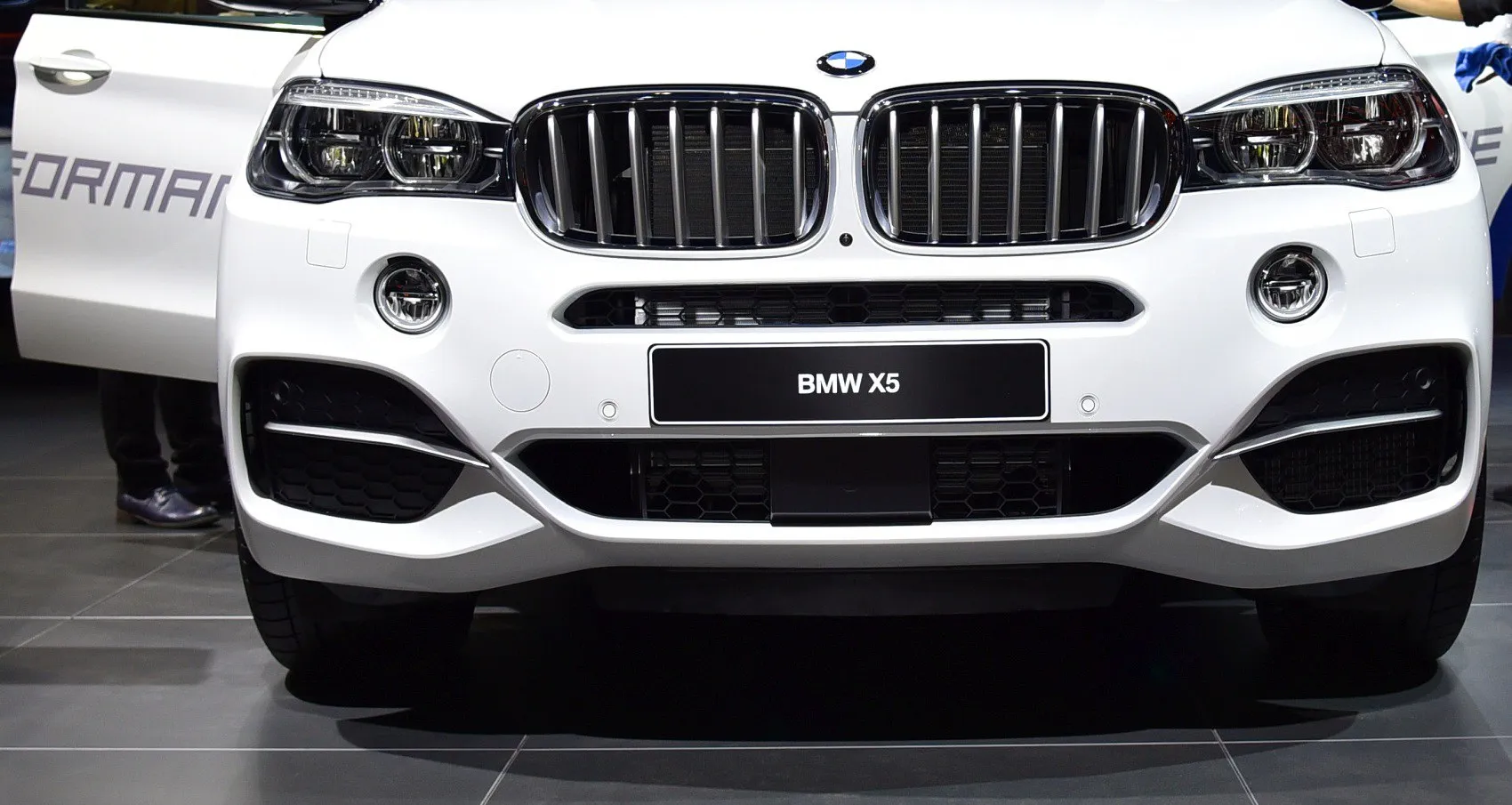
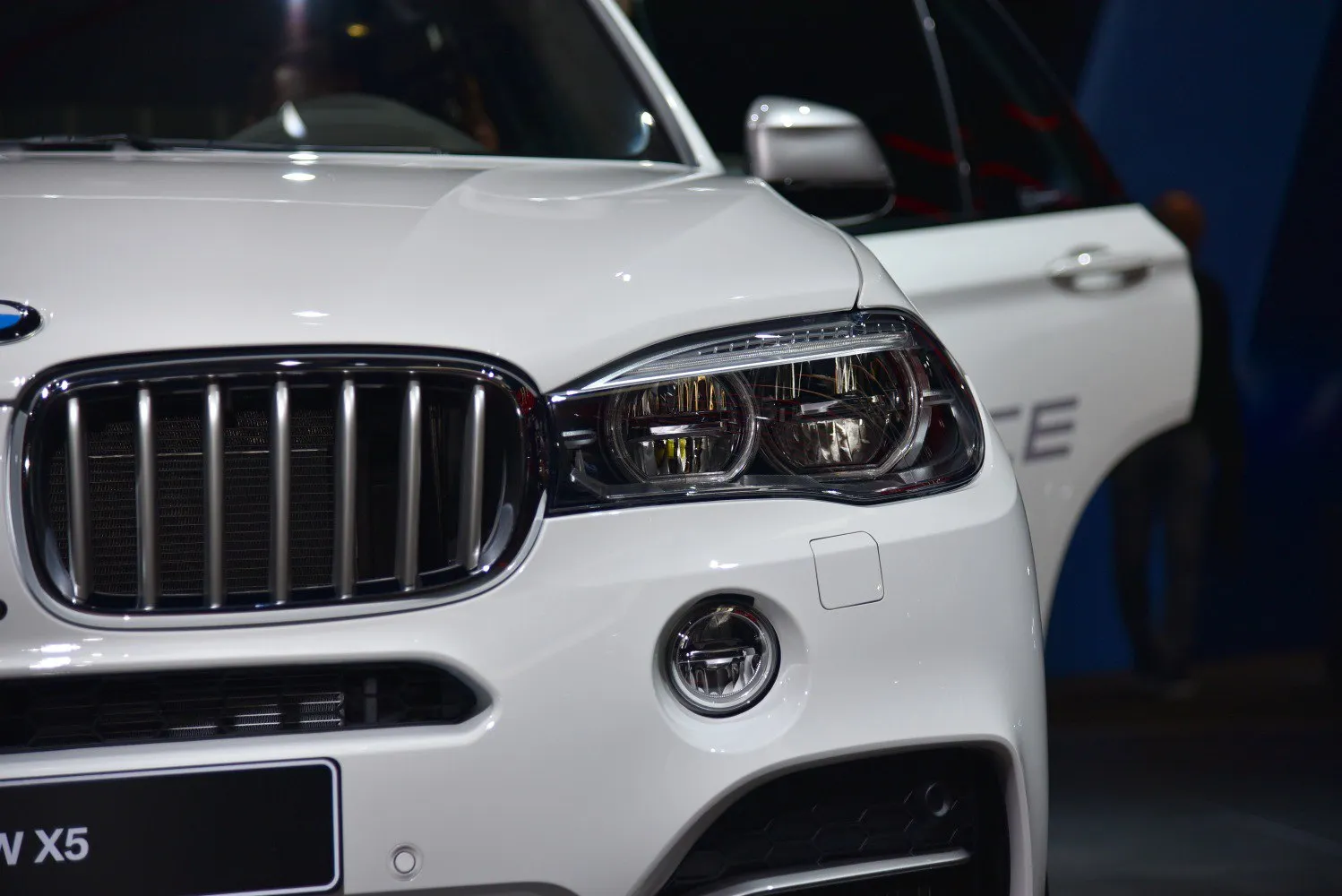
Real owners, real reviews. Tell us about your BMW X5.