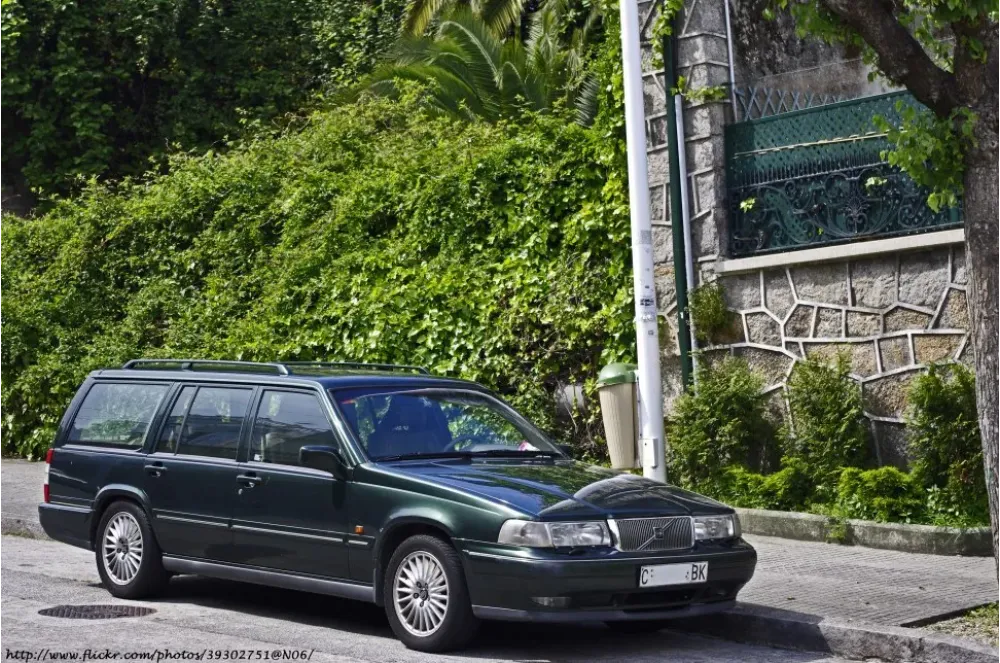
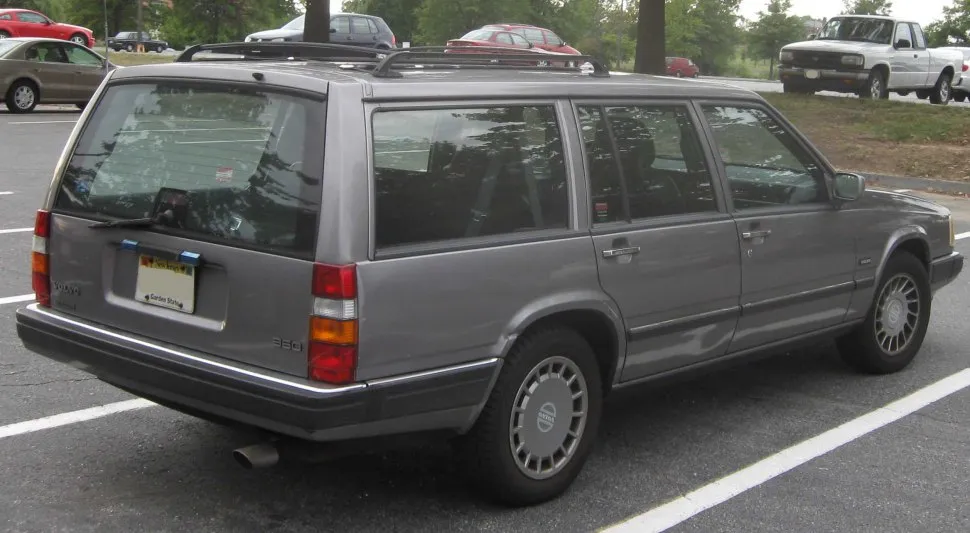
Volvo 960 Kombi (965) 2.0 i 16V (190 Hp)
People\'s Opinion
N/A / 5
Volvo 960:
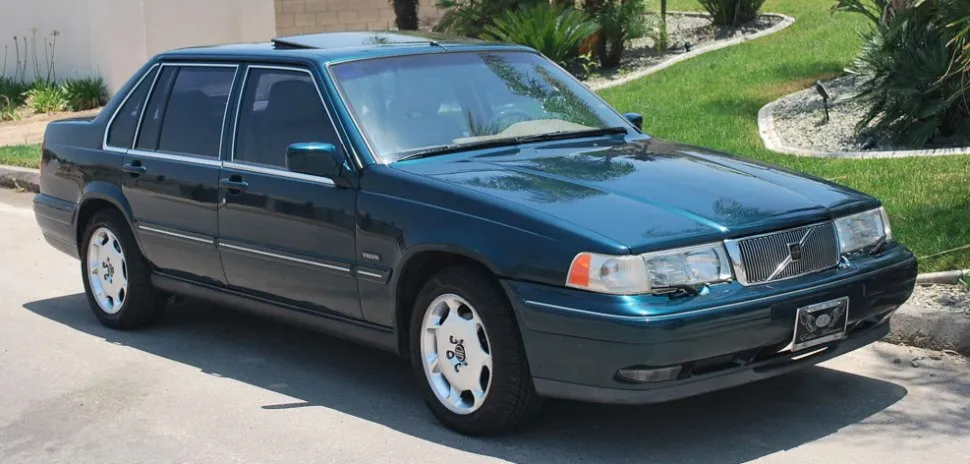
The Volvo 900 Series is a range of executive cars produced by the Swedish manufacturer Volvo Cars from 1990 to 1998. The 900 Series was introduced in 1990 to replace the 700 Series from which it derived. Prior to the end of its production, the 960 was renamed as the Volvo S90 and Volvo V90 , and the 940 was renamed 940 Classic, becoming the last rear-wheel-drive cars from Volvo, until the 2023 Volvo XC40 Recharge Pure Electric.
Visible differences between the 700 and the 900 Series included redesigned rear styling of the saloon models. The 960 was introduced in 1991 along with a new family of modular engines, and then was substantially revised for the 1995 model year, improving the handling. The range was augmented by the new Volvo 850 in 1991. The last of the 900s was sold in 1998. Some 900 Series were built as chassis for ambulances and hearses after the main production run had been completed....(Read more on Wikipedia)
Kombi (965) Overview:
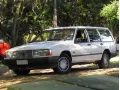
Volvo 960 (Kombi (965)). With 280 Nm of torque, it offers ample pulling power. Rear‑wheel drive offers dynamic handling and sporty feedback. The top speed reaches 210 km/h. A car with an extended rear cargo area, combining passenger comfort with increased storage. Seating for 5 makes it ideal for daily use.
Performance Verdict
This high-output 2.0L 16V engine (likely turbocharged, e.g., B204FT/GT for specific markets) offers surprisingly strong performance for its displacement, providing a lively driving experience.
Fuel Economy
While specific data is missing, a turbocharged 2.0L engine can offer a good balance of power and reasonable fuel economy, especially when driven conservatively, though spirited driving will consume more.
Best Use Case:
Performance-oriented / Specific market
Pros and Cons:
Pros:
- • Exceptional interior space and cargo capacity
- • Renowned Volvo safety and robust build quality
- • Comfortable and refined ride quality
- • Durable and reliable powertrains (especially the 6-cylinders)
- • Classic, understated styling
Cons:
- • Fuel economy can be poor, especially with larger petrol engines
- • Not the most agile or sporty handling
- • Interior design can feel dated compared to modern cars
- • Some parts for older models can be harder to source
- • Diesel engines can be noisy and less refined
Specifications:
| General: |
| Brand: | Volvo |
|---|
| Model: | 960 |
|---|
| Generation: | Kombi (965) |
|---|
| Modification (Engine): | 2.0 i 16V (190 Hp) |
|---|
| Start of production: | 1990 |
|---|
| End of production: | 1994 |
|---|
| Powertrain Architecture: | Internal Combustion engine |
|---|
| Body type: | Station wagon (estate) |
|---|
| Seats: | 5 |
|---|
| Doors: | 5 |
|---|
| Engine: |
| Power: | 190 Hp @ 5300 rpm. |
|---|
| Power per litre: | 95.4 Hp/l |
|---|
| Torque: | 280 Nm @ 2950 rpm. |
|---|
| Engine Model/Code: | B204FT |
|---|
| Engine displacement: | 1991 |
|---|
| Number of cylinders: | 4 |
|---|
| Engine configuration: | Inline |
|---|
| Number of valves per cylinder: | 4 |
|---|
| Fuel injection system: | Multi-port manifold injection |
|---|
| Engine aspiration: | Turbocharger |
|---|
| Valvetrain: | DOHC |
|---|
| Engine oil capacity: | 3.9 l |
|---|
| Coolant: | 9.5 l |
|---|
| Engine layout: | Front, Longitudinal |
|---|
| Cylinder Bore: | 89 mm |
|---|
| Piston Stroke: | 80 mm |
|---|
| Compression ratio: | 8.2:1 |
|---|
| Performance: |
| Fuel Type: | Petrol (Gasoline) |
|---|
| Fuel consumption (economy) - urban: | 15 l/100 km |
|---|
| Fuel consumption (economy) - extra urban: | 9 l/100 km |
|---|
| Maximum speed: | 210 km/h |
|---|
| Space: |
| Trunk (boot) space - maximum: | 2125 l |
|---|
| Trunk (boot) space - minimum: | 992 l |
|---|
| Fuel tank capacity: | 80 l |
|---|
| Size: |
| Length: | 4850 mm |
|---|
| Width: | 1750 mm |
|---|
| Height: | 1434 mm |
|---|
| Wheelbase: | 2770 mm |
|---|
| Front track: | 1502 mm |
|---|
| Rear (Back) track: | 1502 mm |
|---|
| Powertrain: |
| Drivetrain Architecture | The Internal combustion engine (ICE) drives the rear wheels of the vehicle. |
|---|
| Drive wheel | Rear wheel drive |
|---|
| Number of gears | 4 |
|---|
| Transmission type | Manual |
|---|
| Front brakes | Ventilated discs |
|---|
| Rear brakes | Disc |
|---|
| Assisting systems | ABS (Anti-lock braking system) |
|---|
| Power steering | Hydraulic Steering |
|---|
| Tires size | 205/55 R16 |
|---|
| Wheel rims size | 16 |
|---|
| Front suspension | Wishbone |
|---|
| Rear suspension | Coil spring |
|---|





If you could change one thing about the Volvo 960, what would it be?